- Automation & ControlView all 2,895 products
- Automation Accessories
- AC Drives
- PLC & I/O Cards
- Industrial Communications
- Vibration Monitoring
- Controllers & Data Acquisition
- Isolator & Barrier
- Safety Switches & Guard Locking
- Motor Soft Starters
- CCTV & Security
- Encoders
- Pneumatic Cylinders
- HMI Displays
- Servo Drives
- Industrial Computers
- Machine Vision
- Automation Software
- Robotics
Brand: Endress+Hauser (E & H)
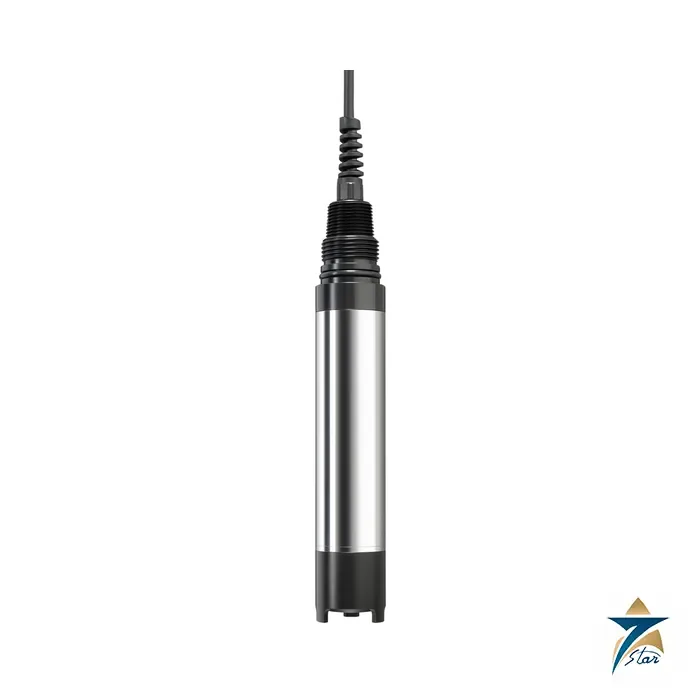
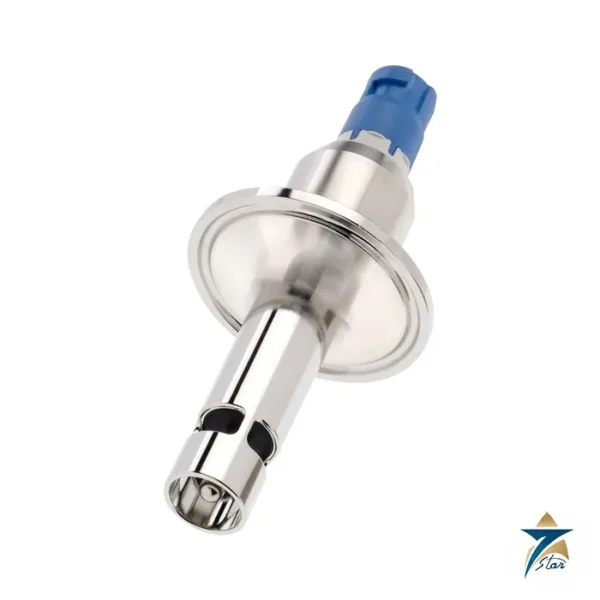
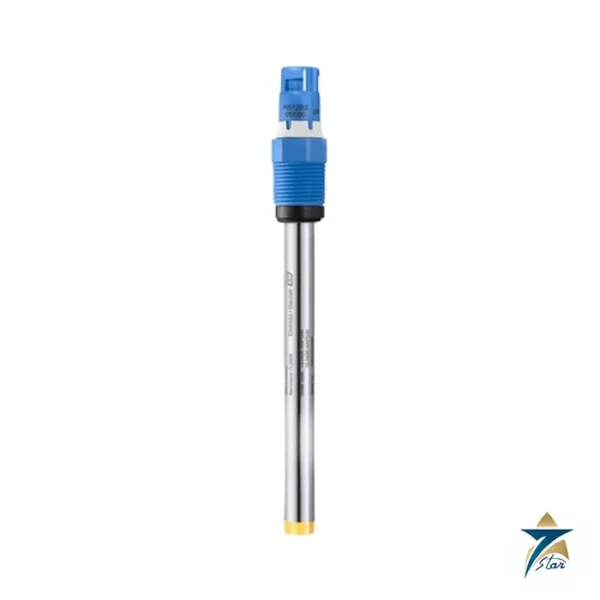
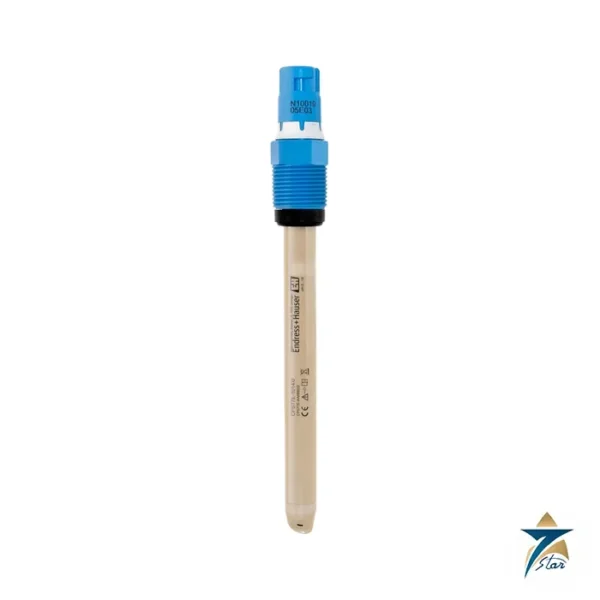
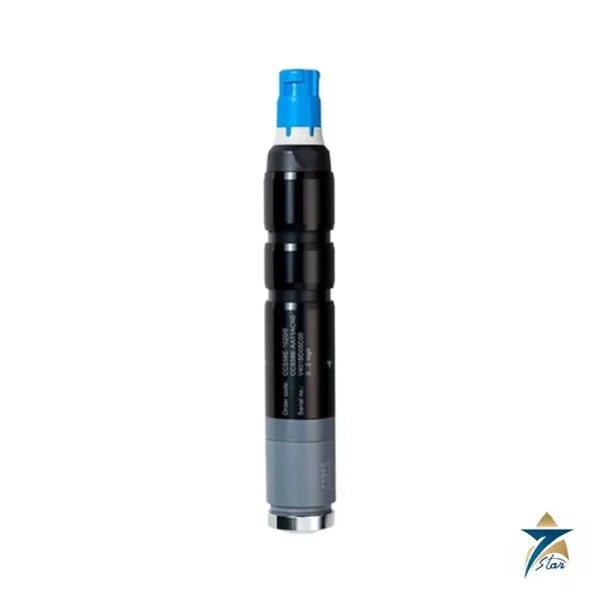
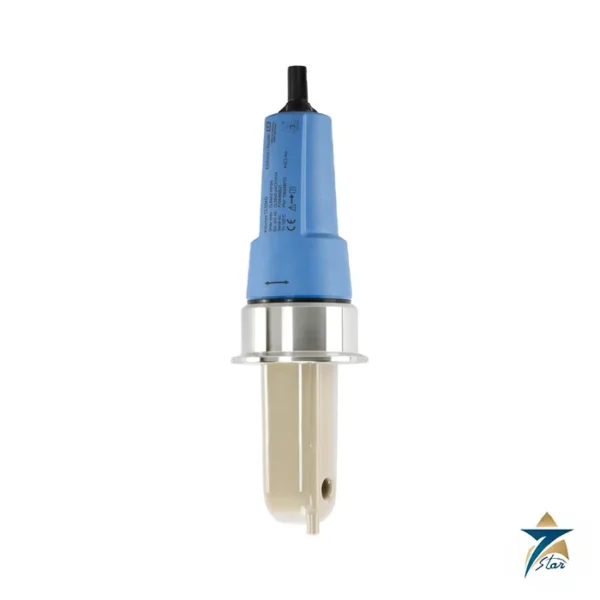
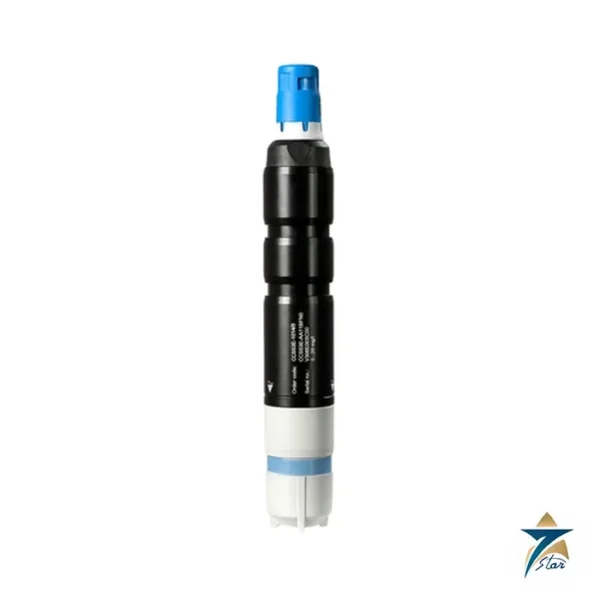
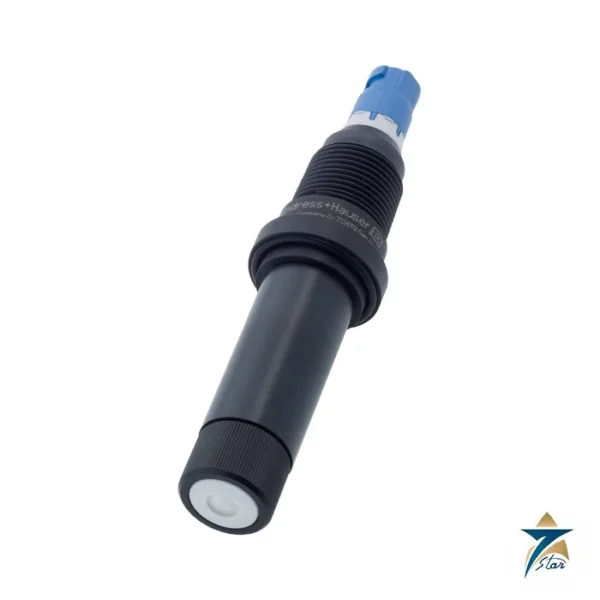
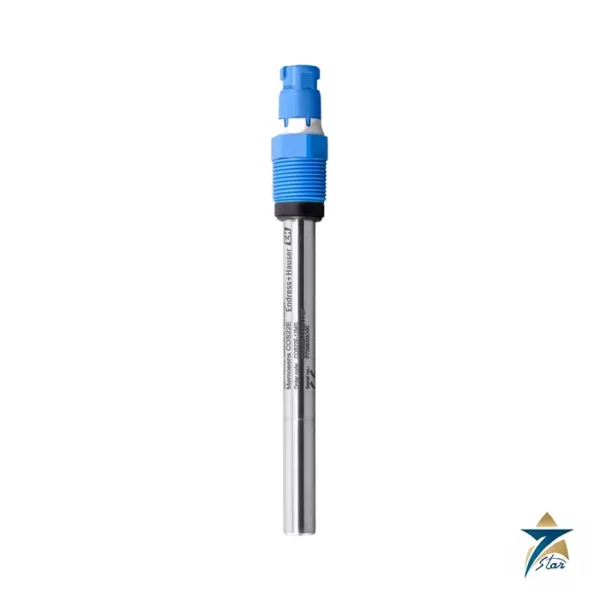
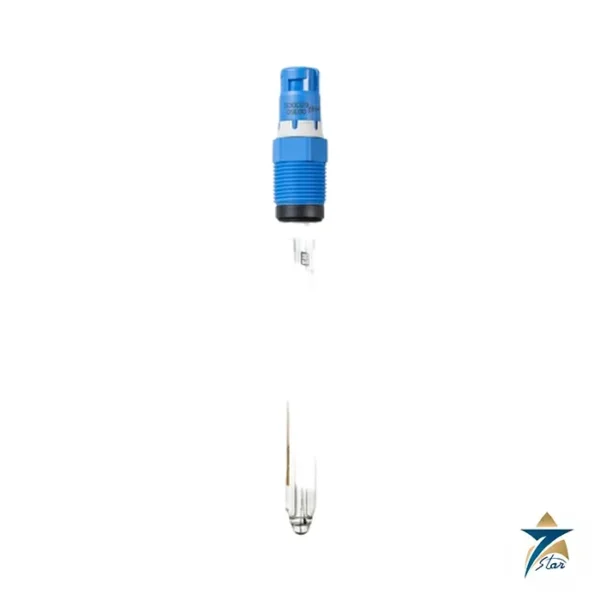
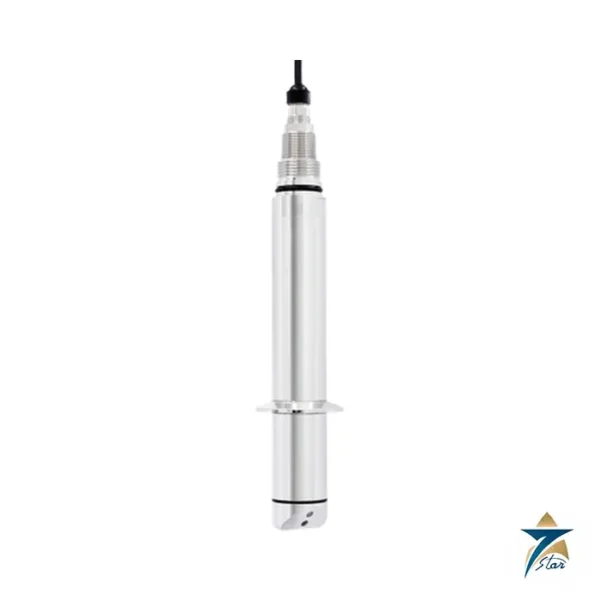
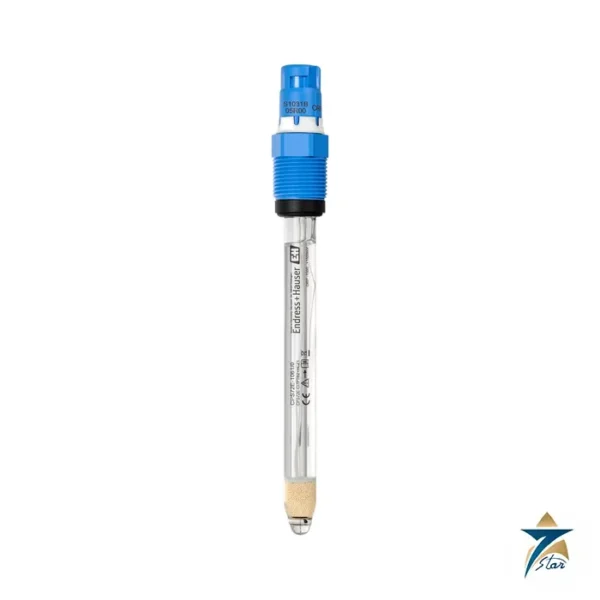
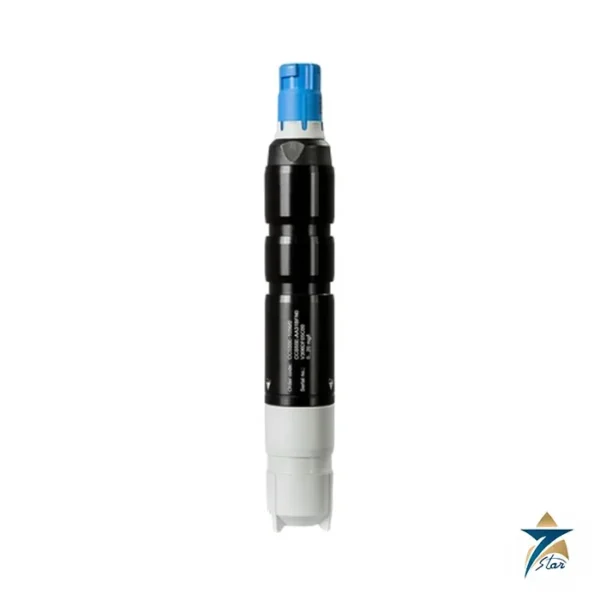
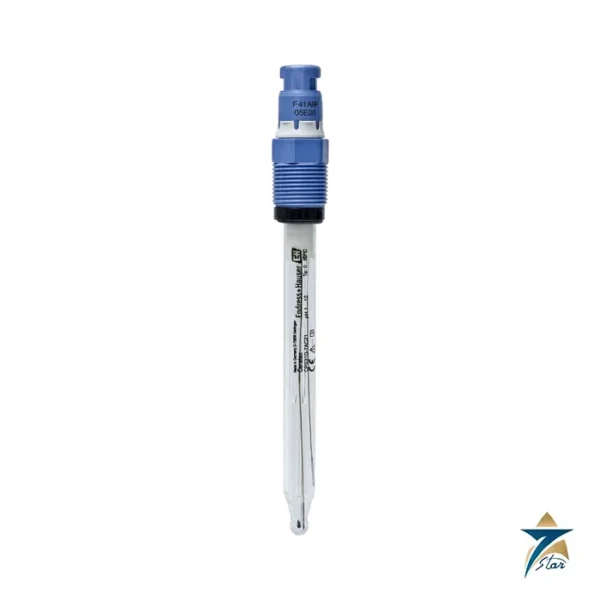
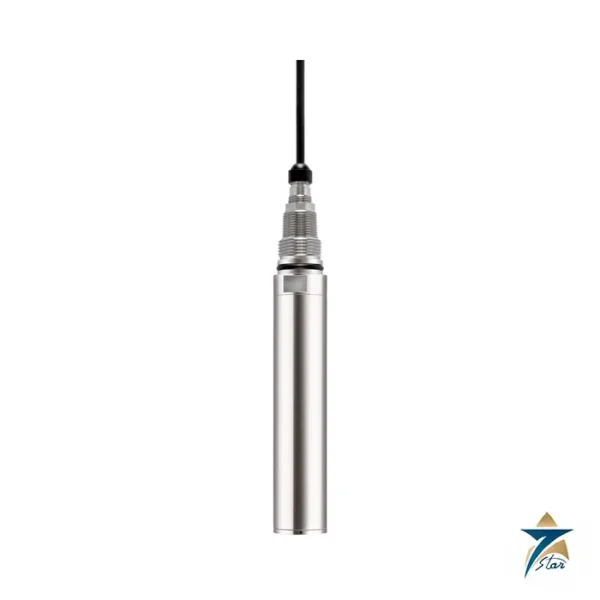
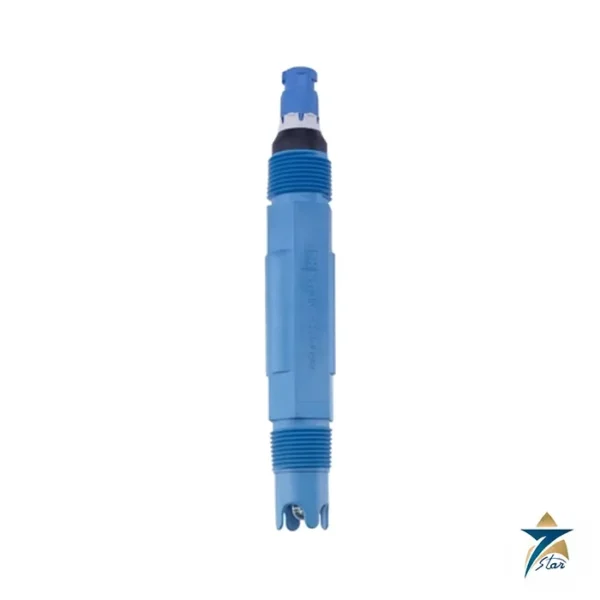
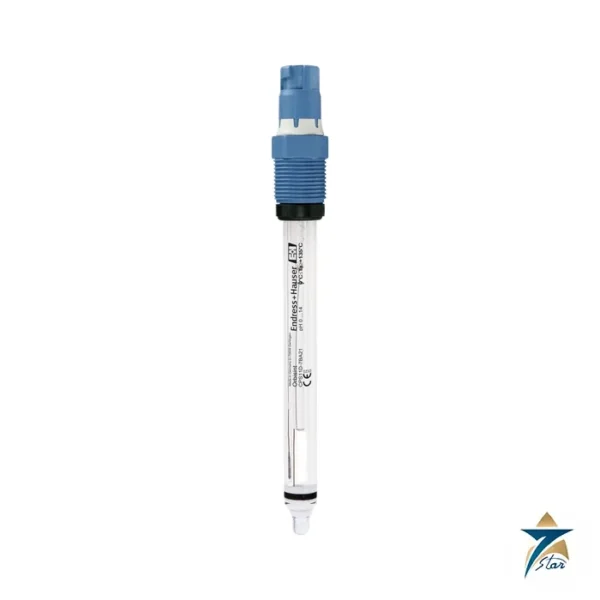
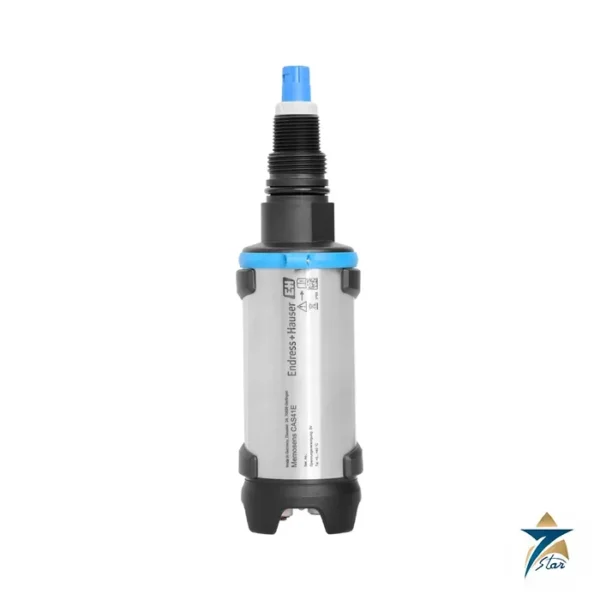
Endress+Hauser COS61D Oxymax Optical Oxygen Sensor
Description
Endress+Hauser COS61D Oxymax: optical oxygen for wastewater and water
Endress+Hauser COS61D is an optical dissolved-oxygen sensor based on fluorescence quenching, in Memosens form. A luminescent layer on the sensor cap is excited, and the presence of oxygen shortens the emitted light; the electronics turn that into concentration. Since no oxygen is consumed and there is no electrolyte, the datasheet claims minimum maintenance, maximum availability and operation in still water.
Applications listed are wastewater treatment (oxygen control in the activated sludge basin and outlet monitoring), water monitoring in rivers, lakes and seas, drinking-water oxygen enrichment and corrosion protection, and fish farming. Seven Star LLC is an independent supplier serving Oman and the GCC and is not affiliated with the manufacturer.
COS61D technical specifications
| Parameter | Value |
|---|---|
| Measured variable | Dissolved oxygen in mg/l, ug/l, ppm, ppb, %SAT or hPa |
| Measuring range | 0 to 20 mg/l; 0 to 400 hPa; 0 to 200 % SAT |
| Response time t90 | 60 s (air to nitrogen) |
| Error below 12 mg/l | 0.01 mg/l or plus or minus 1 % of reading |
| Error 12 to 20 mg/l | plus or minus 2 % of reading |
| Repeatability | plus or minus 0.5 % of end of range |
| Sensor cap life | over 2 years |
| Process temperature | minus 5 to 60 C |
| Process pressure | 1 to 10 bar absolute |
| Ambient / storage | minus 20 to 60 C / minus 20 to 70 C |
| Ingress protection | IP 68 (10 m, 25 C, 30 days) |
| Weight | 0.7 kg (7 m cable); 1.1 kg (15 m cable) |
| Process connection | G1 or NPT 3/4 inch |
| Cable | Shielded 4-core fixed cable; 100 m maximum including extension |
| Materials | PVC and POM cap, silicone fluorescence layer, PET orifice plate, EPDM O-rings, 1.4404 and 1.4571 metal parts, POM guard |
How COS61D differs from COS22E and COS81D
COS61D is the water and wastewater optical sensor. Its limits of 60 C and 10 bar are lower than the 135 C and 12 bar of amperometric COS22E and the 140 C sterilization of hygienic optical COS81D. It has a slower t90 of 60 seconds, against under 30 seconds for COS22E and under 10 seconds for COS81D, but it demands little maintenance and keeps a sensor cap for more than two years. It carries no Ex approval in the datasheet, while COS22E and COS81D do.
Applications for COS61D in Oman and the GCC
Aeration control is the biggest saving: dissolved oxygen setpoints in sewage-treatment basins directly set blower energy, and many Gulf municipalities now run aerated plants. COS61D also monitors treated effluent discharge, desalination intake and aquaculture ponds, where still-water measurement is a plus. Hold it with a Flexdip CYA112 assembly and CYH112 holder from the basin rim, with weather protection CYY101 in direct sun.
Selection notes for COS61D
Choose cable length (7 or 15 m versions are quoted) and the process connection, G1 or NPT 3/4 inch, plus the compressed-air cleaning option, with 6/8 mm or 1/4 inch hose adapters. The digital sensor connects to terminals, optionally via M12.
The optical principle of COS61D and why calibration is simple
COS61D carries a luminescence layer protected by a cover. Pulses of light excite oxygen-sensitive marker molecules; in oxygen-free liquid the marker response is intense and long-lived, and oxygen molecules shorten both decay time and intensity. The sensor converts decay time and intensity to partial pressure with the Stern-Volmer equation and reports temperature, partial pressure and a raw value. As a result there is no cathode wear, no electrolyte to replace and no consumption of oxygen, which is why still water can be measured.
The datasheet recommends entering the current air pressure during calibration, and humidity and salinity where relevant. A calibration vessel exists for COS61D and COS61, and compressed-air cleaning is available at the sensor head, with hose sizes of 6/8 mm or 1/4 inch, to keep the cap free of film in sludge basins. Weather protection cover CYY101 shields the transmitter on site.
Quick answers about COS61D
What is the accuracy? 0.01 mg/l or 1 percent of reading below 12 mg/l, and 2 percent of reading from 12 to 20 mg/l. What is repeatability? Plus or minus 0.5 percent of end of range. What is the cable limit? 100 m including extension. What assemblies hold it? Flexdip CYA112 immersion assembly with CYH112 chain holder or railing mount, and spray cleaning options of 600 mm or 1200 mm assembly length. What does the analog COS61 differ in? It uses RS 485 and a 7-wire or coaxial cable rather than Memosens. Check that you want the digital COS61D when you order.
Installing and maintaining COS61D
Suspend it in the basin in a chain holder, away from direct sun, which can age the sensor cap. Replace the cap when the transmitter signals end of life after two years or more. Calibration is on air. When you send an RFQ for COS61D, state the cable length, the process connection (G1 or NPT 3/4 inch) and whether you need the compressed-air cleaning adapter. For existing basins we can also check the order code of the sensor you are replacing. The digital COS61D carries calibration data in the head, so a pre-calibrated sensor can be exchanged in the basin in minutes, and the operating hours and cap age are readable at the Liquiline transmitter. Related oxygen sensors COS22E and COS81D are listed separately for lines where the water duty of COS61D is not enough, for instance steam-sterilized or high-temperature service.
Documents and quotation
The Technical Information datasheet for COS61D is attached to this page as a PDF. To request a quotation, send your RFQ with the exact COS61D order code and the quantity you need, and we will reply with availability and lead time.
Other Models in the Memosens Oxygen Range
Seven Star LLC supplies models from the Memosens Oxygen range in Oman and the GCC. Compare the related models below and request a quote for the one that matches your application.
| Model | Category | |
|---|---|---|
| Endress+Hauser COS61D Oxymax Optical Oxygen Sensor | Liquid Analysis Sensors | You are viewing this model |
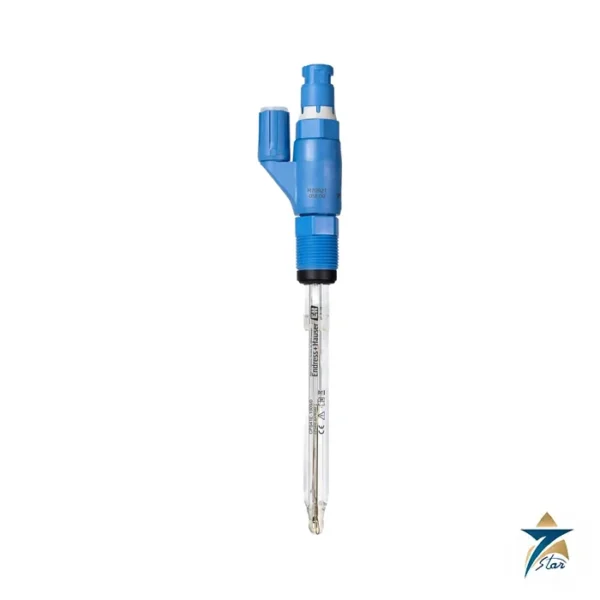
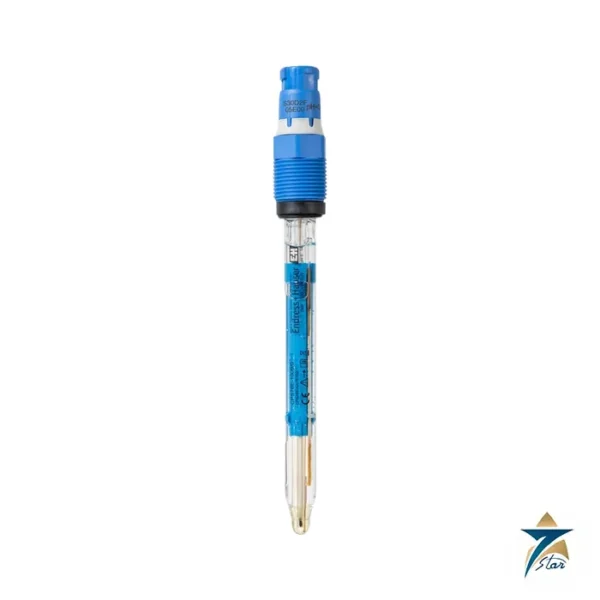
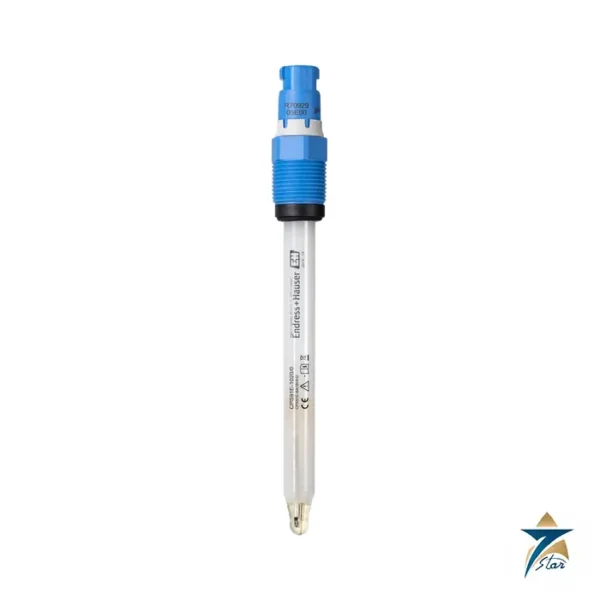
| Endress+Hauser COS22E Memosens Amperometric Oxygen Sensor | Liquid Analysis Sensors | View details |
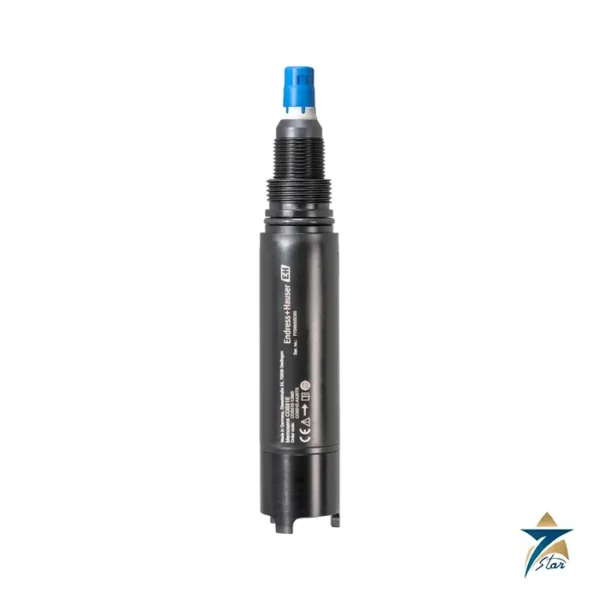
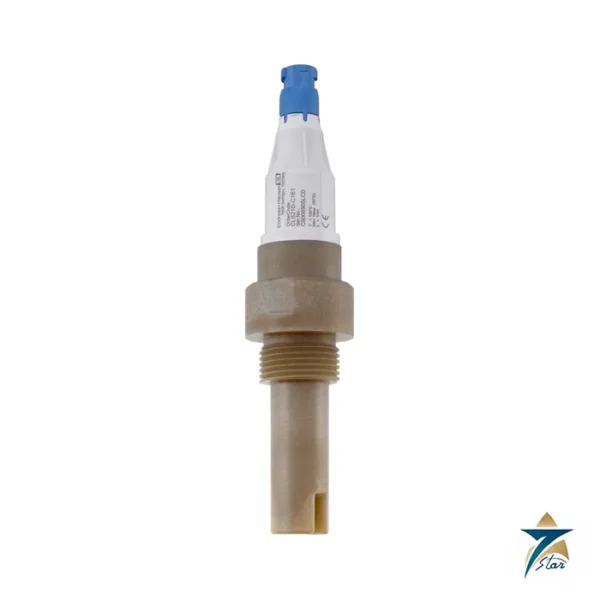
| Endress+Hauser COS81D Memosens Hygienic Optical Oxygen Sensor | Liquid Analysis Sensors | View details |
Datasheets & Documents
- Datasheet Endress+Hauser COS61D Oxymax Optical Oxygen Sensor Datasheet Download
Reviews (0)
How would you rate this product? Cancel reply
About brand
Endress+Hauser makes process measurement instruments for flow, level, pressure, temperature and liquid analysis. Georg H. Endress and Ludwig Hauser started the business in Lörrach, Germany, on 1 February 1953, first selling level meters, and the Endress+Hauser name has been used since 1957. The group is headquartered in Reinach, Switzerland, and has been wholly owned by the Endress family since 1975.
Seven Star LLC is an independent supplier listing Endress+Hauser flowmeters, level and pressure transmitters, temperature assemblies and liquid analysis products for buyers in Oman and the GCC. Instruments are matched from the full order code on the nameplate.
Endress+Hauser company profile
| Origin | Founded in Lörrach, Germany, on 1 February 1953 by the Swiss engineer Georg H. Endress and Ludwig Hauser |
|---|---|
| Headquarters | Endress+Hauser AG, Reinach (Basel-Landschaft), Switzerland |
| Ownership | Family owned; the Endress family has been the sole shareholder since 1975, and a family charter commits the company to stay family owned |
| Size | About 16,500 employees and sales of about EUR 3.7 billion (2023, as reported by the company) |
| Product families | Proline flowmeters, Micropilot and Levelflex radar, Liquiphant switches, Cerabar and Deltabar pressure, iTEMP and iTHERM temperature, Liquiline and Memosens liquid analysis |
Milestones
- 1953: Georg H. Endress and Ludwig Hauser start the business in Lörrach on 1 February, first selling level meters.
- 1957: The Endress+Hauser name comes into use.
- 1975: The Endress family becomes sole shareholder.
- 2023: About 16,500 employees and sales of about EUR 3.7 billion, as reported by the company.
Endress+Hauser product lines
| Line | Measuring principle | Typical use |
|---|---|---|
| Promass F 300, Promass 80F, 83F/84F | Coriolis mass flow | Direct mass flow and density of liquids and gases, hydrocarbon transfer and chemical dosing |
| Promag P 300, P 500, H 300, W 400, W 10, 50P | Electromagnetic flow | Water, wastewater, slurries and other conductive liquids |
| Prowirl F 200, 72F | Vortex flow | Steam, gas and low-viscosity liquids |
| Prosonic Flow 92F, t-mass 65F | Ultrasonic and thermal mass flow | Water lines; compressed air and industrial gases |
| Micropilot FMR62, FMR67, FMR60, FMR10B, FMR20, FMR50, FMR52 | Free-space radar level, 80 GHz and 26 GHz | Tanks, process vessels, silos and open water channels |
| Levelflex FMP51, FMP50, FMP54, FMP55 | Guided wave radar level | Level and interface in vessels, separators and bypass chambers |
| Liquiphant FTL51, Prosonic S FMU90 | Vibronic point level; ultrasonic level | High and low level alarms, pump protection, open channel flow |
| Cerabar PMC71B, PMP51B, PMP71, Deltabar PMD78B, PMD75 | Pressure and differential pressure | Process pressure, hydrostatic level and DP flow |
| iTEMP TMT82, TMT162, iTHERM TM101, TR66, TR10 | Temperature transmitters and thermometers | RTD and thermocouple points with thermowells |
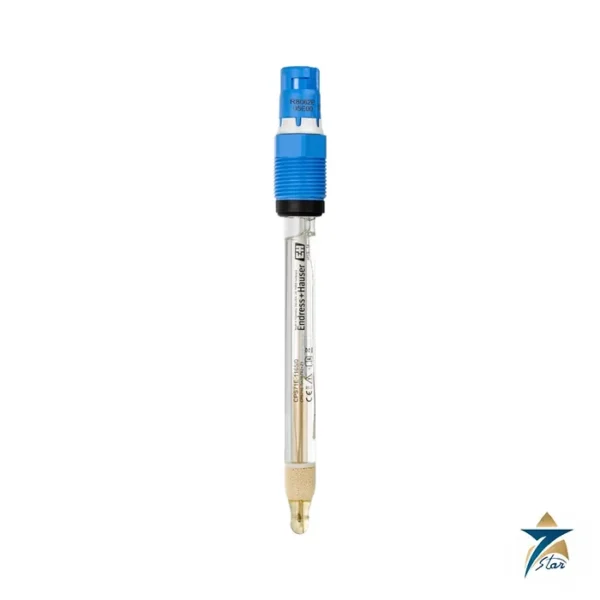
| Liquiline CM444, CM442, Memosens CPS11E, Stamolys reagents | Liquid analysis | pH, ORP, conductivity, dissolved oxygen and nutrient analysis in water treatment and process |
Where Endress+Hauser instruments are used
In Oman and the GCC, Endress+Hauser instruments are common in oil and gas production and processing, refineries and petrochemicals, desalination and water networks, wastewater treatment, power plants and food and beverage plants. Coriolis meters measure hydrocarbon and chemical flows, electromagnetic meters cover water and wastewater, radar transmitters handle tank and silo level, and Liquiline analysers monitor water quality. Proline 300 and 500 flowmeters include Heartbeat Technology for in-situ verification, which reduces the need to remove a meter for checks.
Ordering Endress+Hauser instruments: what we need
The order code on the nameplate (for example PMP71-1QA1S11RDADU) defines every option: measuring range, process connection, materials, output, approvals and display. Send it with the serial number; Endress+Hauser can retrieve the original configuration from the serial number. For a new instrument add the medium, operating and design pressure and temperature, range, line size or tank geometry, process connection, wetted materials, output or protocol (4-20 mA HART, PROFIBUS, FOUNDATION Fieldbus, Modbus) and the hazardous-area approval required. Older models such as Promass 80/83 or Micropilot M are replaced by current Proline or 80 GHz Micropilot devices.
Facts checked against Endress+Hauser company history and product information, October 2026.
Browse Endress+Hauser products by category: Flowmeters, Level Transmitter, Pressure Instrumentation, Temperature, Liquid Analysis Sensors, Liquid Analytical Systems.
FAQ
Questions about the Endress+Hauser COS61D Oxymax Optical Oxygen Sensor
Answers from our engineering team on installation, compatibility and integration.
01How does Endress+Hauser COS61D measure oxygen?
By fluorescence quenching: oxygen reduces the luminescence of a marker layer, and the sensor evaluates that change optically, with no electrolyte and no oxygen consumption.
02Does COS61D need flow?
No. The datasheet states that no flow is needed and measurement is possible in still water.
03What is the sensor cap life of COS61D?
More than 2 years under reference conditions if protected from direct sunlight.
04What process limits does COS61D have?
Minus 5 to 60 C and 1 to 10 bar absolute, with G1 or NPT 3/4 inch process connection.
05Which transmitters read COS61D?
Liquiline CM44x, CM44xR and CM44P or Liquisys COM2x3-W for the ranges of 0 to 20 mg/l, 0 to 400 hPa and 0 to 200 % SAT.


Reviews
There are no reviews yet.