- Automation & ControlView all 2,788 products
- Automation Accessories
- AC Drives
- PLC & I/O Cards
- Industrial Communications
- Vibration Monitoring
- Controllers & Data Acquisition
- Isolator & Barrier
- Safety Switches & Guard Locking
- Motor Soft Starters
- CCTV & Security
- Encoders
- Pneumatic Cylinders
- HMI Displays
- Servo Drives
- Industrial Computers
- Machine Vision
- Automation Software
- Robotics
Brand: Endress+Hauser (E & H)
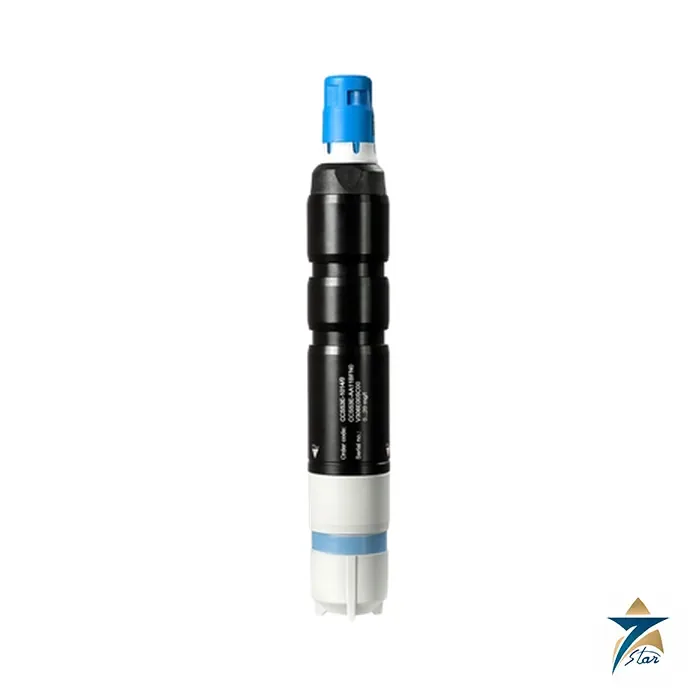
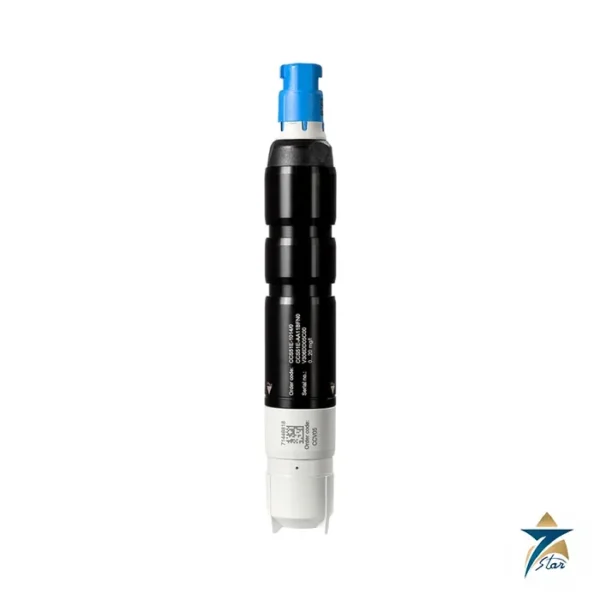
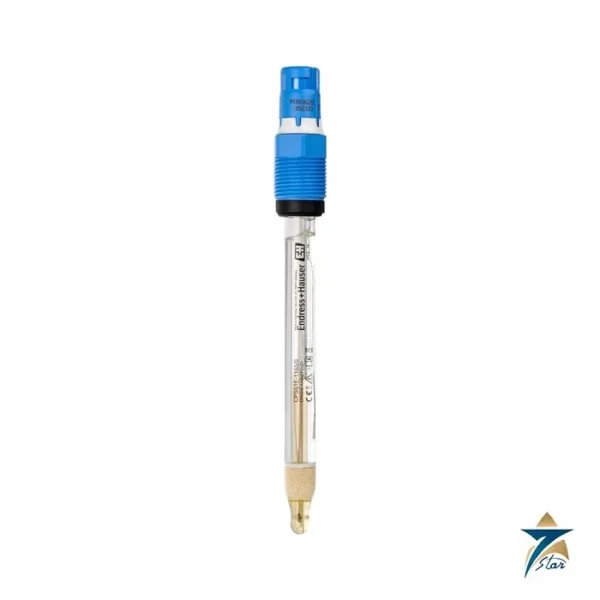
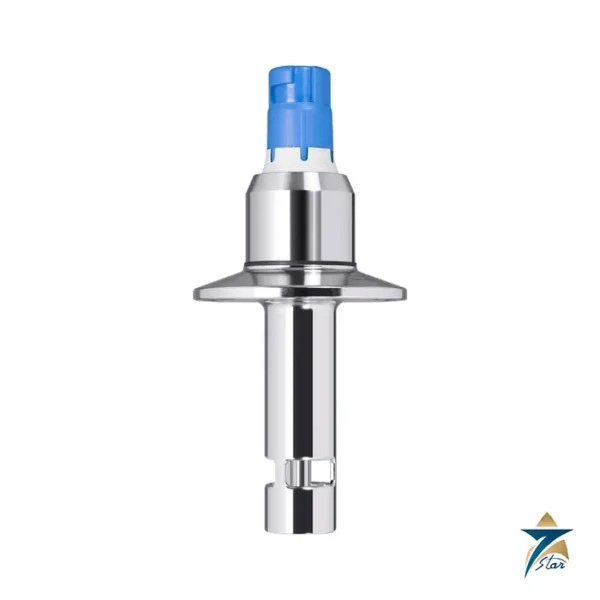
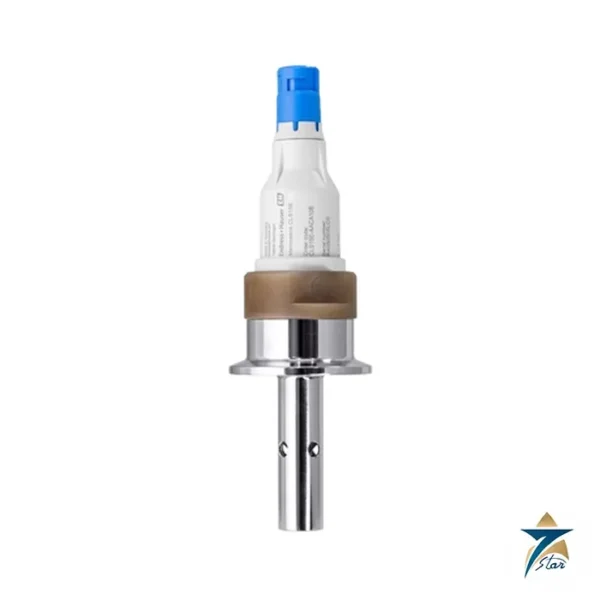
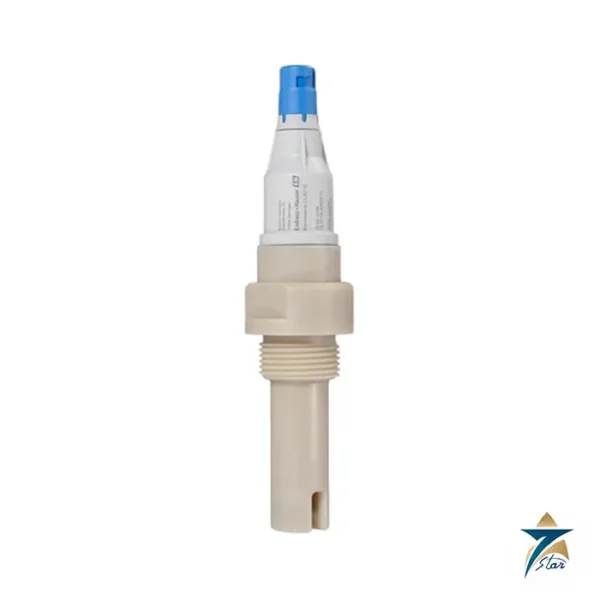
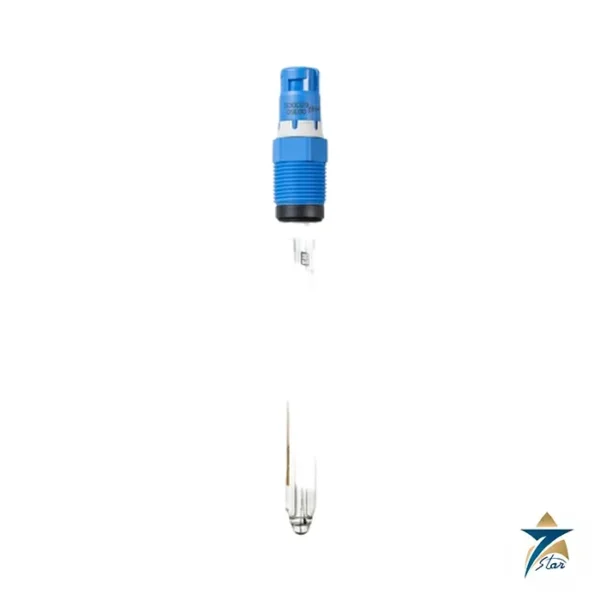
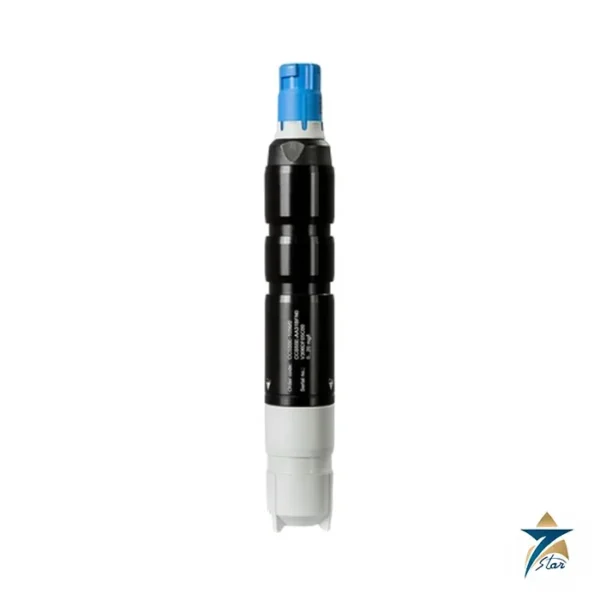
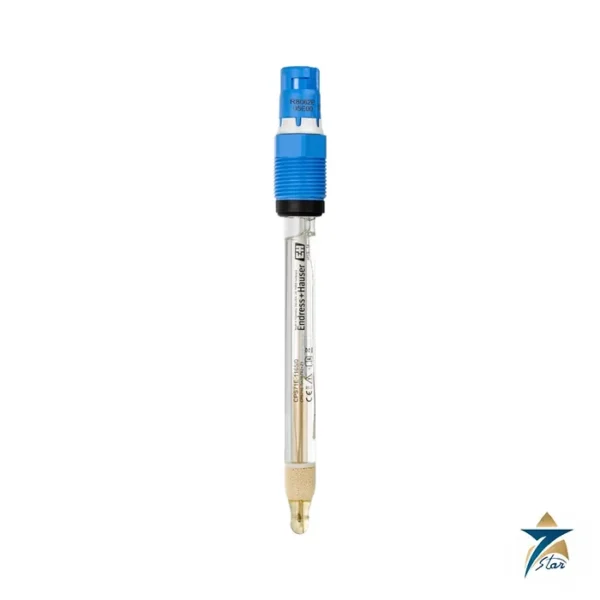
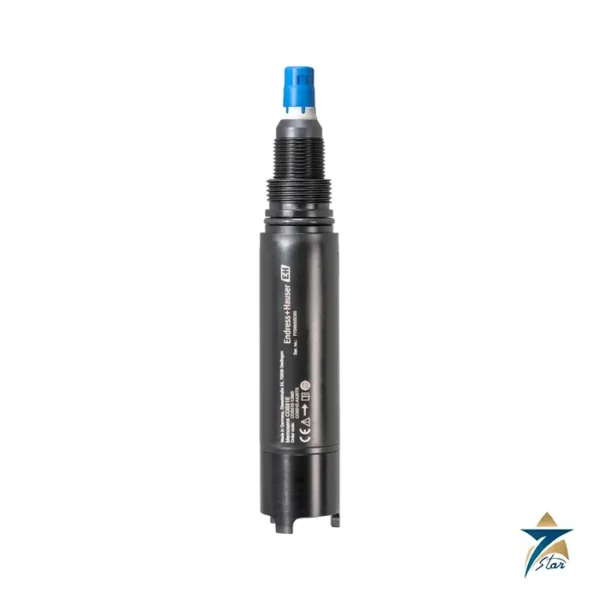
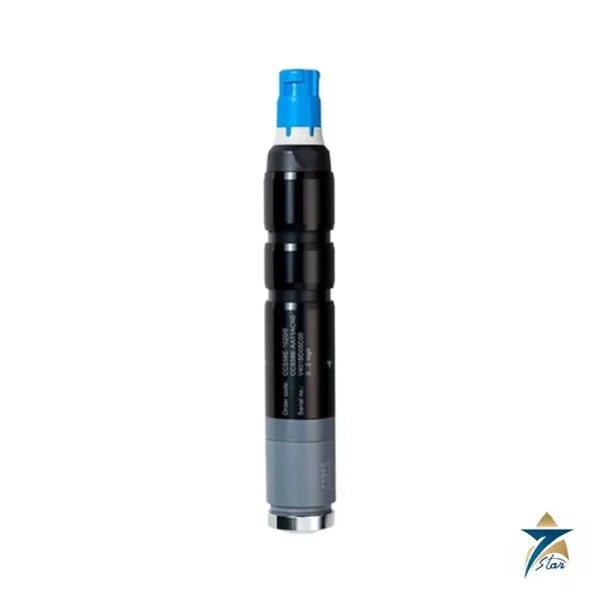
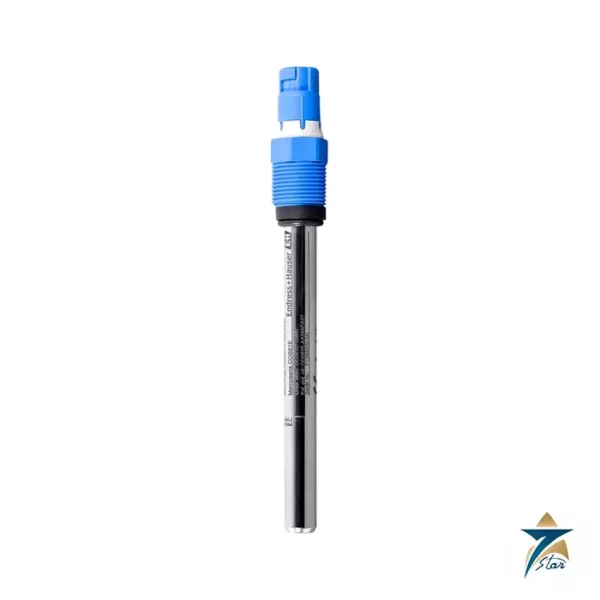
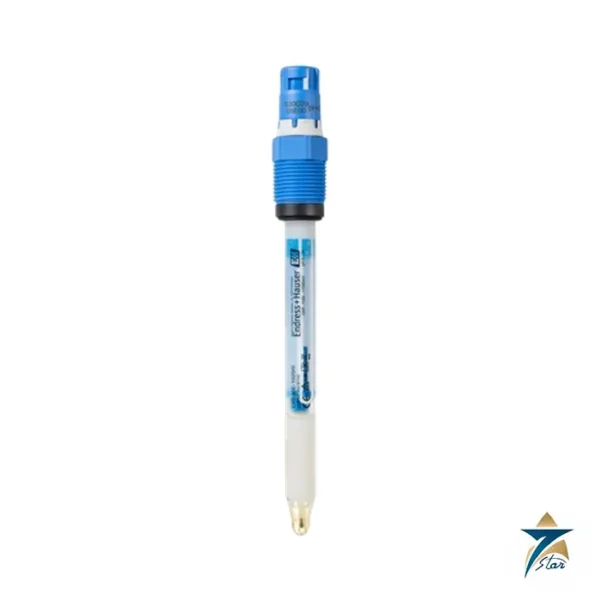
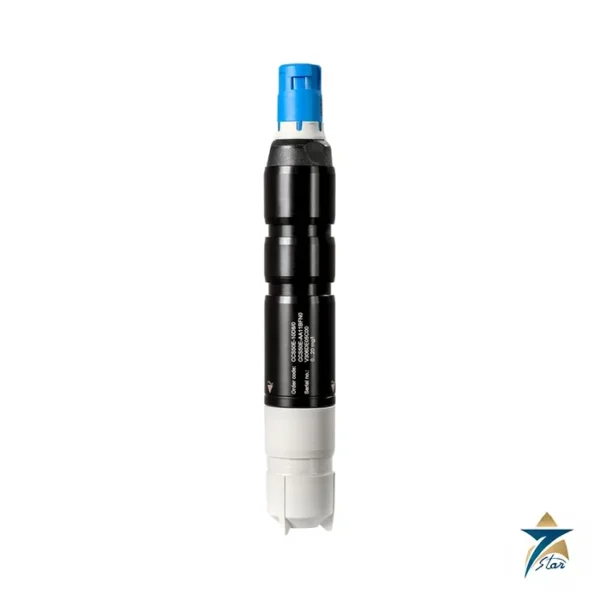
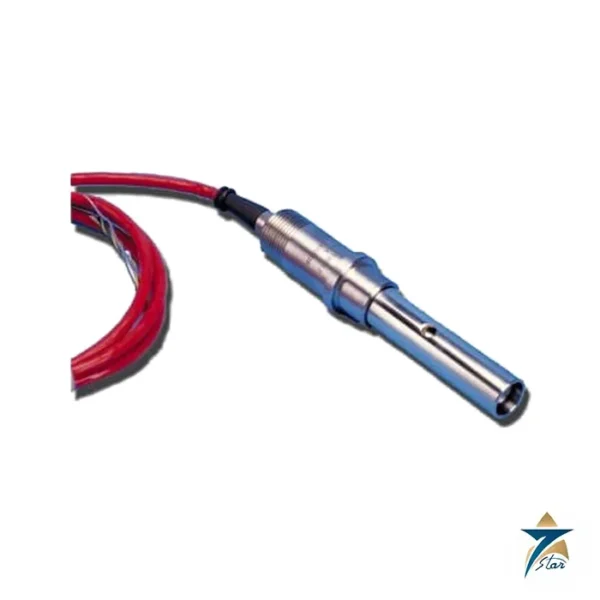
Endress+Hauser CCS53E Memosens Total Chlorine Sensor
Description
Endress+Hauser CCS53E Memosens total chlorine sensor
The Endress+Hauser CCS53E is the total-chlorine member of the Memosens amperometric disinfection family. Its datasheet names wastewater treatment plant outlets (to monitor disinfection and enable reuse), cooling-tower process water and utilities, food and beverage washing water, drinking water and swimming pools.
For Gulf plants that discharge treated effluent or reuse it for irrigation, the CCS53E gives an online value in place of manual DPD tests, and it connects to the same Liquiline transmitters as pH and conductivity sensors.
What stands out about CCS53E
- Does not deactivate during periods without chlorine
- Ranges 0 to 5 mg/l and 0 to 20 mg/l total chlorine
- Measurement error plus or minus 2 percent or 5 micrograms per litre
- Memosens 2.0 pre-calibration for fast exchange
- Easy pairing with pH on a Liquiline multiparameter transmitter
- Lower operating cost than colorimetric measurement
CCS53E technical table
| Parameter | Value |
|---|---|
| Measured variable | Total chlorine |
| Ranges | 0 to 5 mg/l and 0 to 20 mg/l |
| Signal current | 8 to 20 nA per mg/l |
| Nominal slope | 11 nA per mg/l |
| Response time | T90 under 180 s after polarization |
| Detection limit | 0.008 mg/l (limit of quantification 0.028 mg/l) |
| Repeatability | 0.004 mg/l (5 mg/l version); 0.007 mg/l (20 mg/l version) |
| Process temperature | 0 to 55 °C non-freezing |
| pH of effectiveness | 4 to 9 |
| Weight | About 95 g |
| Ambient temperature | Minus 20 to 60 °C |
| Materials | PVC shaft, PET/PVDF membrane, PVDF cap, FKM seal |
How CCS53E differs from CCS51E
The CCS51E reads free chlorine and responds in under 25 seconds; the CCS53E reads total chlorine and takes under 180 seconds. The CCS51E offers a 200 mg/l range version, while the CCS53E stops at 20 mg/l. The CCS53E has a lower signal current per mg/l (8 to 20 nA against 33 to 63 nA for the CCS51E 5 mg/l range) and a nominal slope of 11 nA.
Applications in the GCC
The CCS53E suits treated-sewage disinfection checks, cooling towers where chlorine must be controlled, food and beverage washing lines, and drinking water systems using chloramines.
Installation
Fit the CCS53E in a CYA27 flow assembly or in an immersion assembly with at least 15 cm/s flow. Allow polarization before calibration and keep pH between 4 and 9.
Maintenance
Replace the electrolyte and membrane cap per your schedule, keep a spare, and check the CCS53E against a laboratory total-chlorine test.
The total chlorine principle and why it does not deactivate
Total chlorine includes free chlorine plus combined chlorine such as chloramines, which matters in wastewater outlets and in plants that deliberately use chloramination. The CCS53E uses the amperometric principle with a working electrode and a silver-halide counter electrode behind a membrane, and the datasheet stresses a practical benefit: the sensor provides reliable values even after long periods with no chlorine and begins measuring immediately when chlorine returns, rather than needing to be reconditioned. Its ranges are 0 to 5 mg/l and 0 to 20 mg/l, with a signal current of 8 to 20 nA per mg/l and a nominal slope of 11 nA per mg/l.
The measurement error is plus or minus 2 percent or 5 micrograms per litre of the value, whichever is higher, with a limit of detection of 0.008 mg/l and a limit of quantification of 0.028 mg/l. Repeatability is 0.004 mg/l for the 5 mg/l version and 0.007 mg/l for the 20 mg/l version.
Reaction time, flow and installation limits
Because total chlorine reacts more slowly at the membrane, the T90 is under 180 seconds after polarization, compared with under 25 seconds for the free chlorine sensor. Keep at least 15 cm/s flow at the sensor, or 5 l/h or 30 l/h through the two versions of the Flowfit CYA27. The pH window for effectiveness and calibration is 4 to 9, process temperature is 0 to 55 degrees Celsius without freezing, and the inlet pressure at the membrane must remain at or below 1 bar relative.
Materials and storage
The sensor shaft is PVC, the membrane is PET/PVDF with a PVDF membrane cap, and the sealing ring is FKM. It weighs about 95 g. With electrolyte, long-term storage is up to two years at 0 to 35 degrees Celsius, and short exposure to 55 degrees Celsius is tolerated for 48 hours. Ingress protection is IP 68 at 1.8 m for seven days.
Choosing total over free chlorine
Many utilities that dose chloramine or have ammonia-containing effluent need total chlorine, because free chlorine reads close to zero while a combined residual is doing the disinfection. A wastewater outlet that must meet a total residual limit before discharge or reuse is the typical case. Cooling-tower programs may also want total chlorine as a proxy for oxidant demand. If your regulations are written for free chlorine, use the CCS51E instead; if they are written for total chlorine, the CCS53E avoids the arithmetic of adding a combined-chlorine estimate.
A second point concerns idle periods. Seasonal dosing and intermittent flows mean a sensor may see no chlorine for days. The datasheet says the CCS53E resumes measuring immediately without a conditioning step, so the first reading after dosing restarts is already meaningful.
Commissioning checklist
Fit the membrane cap with fresh electrolyte, connect the Memosens cable, let the sensor polarize, and set flow to at least 15 cm/s or the minimum volume flow of the assembly. Verify against a laboratory test of the same sample, record the slope and zero in the commissioning log, and file the datasheet with the measuring-point record. Where the sample contains oxidizers such as ozone or chlorine dioxide, review the cross-sensitivity statement in the datasheet before relying on the reading.
Documents and quotation
The datasheet for the CCS53E is attached. Seven Star LLC is an independent supplier serving Oman and the GCC and is not affiliated with the manufacturer. Send an RFQ with CCS53E, range version and quantity.
Other Models in the Memosens Disinfection Range
Seven Star LLC supplies models from the Memosens Disinfection range in Oman and the GCC. Compare the related models below and request a quote for the one that matches your application.
| Model | Category | |
|---|---|---|
| Endress+Hauser CCS58E Memosens Ozone Sensor | Liquid Analysis Sensors | View details |
| Endress+Hauser CCS55E Memosens Free Bromine Sensor | Liquid Analysis Sensors | View details |
| Endress+Hauser CCS53E Memosens Total Chlorine Sensor | Liquid Analysis Sensors | You are viewing this model |
Datasheets & Documents
- Datasheet Endress+Hauser CCS53E Memosens Total Chlorine Sensor Datasheet Download
Reviews (0)
How would you rate this product? Cancel reply
About brand
Endress+Hauser makes process measurement instruments for flow, level, pressure, temperature and liquid analysis. Georg H. Endress and Ludwig Hauser started the business in Lörrach, Germany, on 1 February 1953, first selling level meters, and the Endress+Hauser name has been used since 1957. The group is headquartered in Reinach, Switzerland, and has been wholly owned by the Endress family since 1975.
Seven Star LLC is an independent supplier listing Endress+Hauser flowmeters, level and pressure transmitters, temperature assemblies and liquid analysis products for buyers in Oman and the GCC. Instruments are matched from the full order code on the nameplate.
Endress+Hauser company profile
| Origin | Founded in Lörrach, Germany, on 1 February 1953 by the Swiss engineer Georg H. Endress and Ludwig Hauser |
|---|---|
| Headquarters | Endress+Hauser AG, Reinach (Basel-Landschaft), Switzerland |
| Ownership | Family owned; the Endress family has been the sole shareholder since 1975, and a family charter commits the company to stay family owned |
| Size | About 16,500 employees and sales of about EUR 3.7 billion (2023, as reported by the company) |
| Product families | Proline flowmeters, Micropilot and Levelflex radar, Liquiphant switches, Cerabar and Deltabar pressure, iTEMP and iTHERM temperature, Liquiline and Memosens liquid analysis |
Milestones
- 1953: Georg H. Endress and Ludwig Hauser start the business in Lörrach on 1 February, first selling level meters.
- 1957: The Endress+Hauser name comes into use.
- 1975: The Endress family becomes sole shareholder.
- 2023: About 16,500 employees and sales of about EUR 3.7 billion, as reported by the company.
Endress+Hauser product lines
| Line | Measuring principle | Typical use |
|---|---|---|
| Promass F 300, Promass 80F, 83F/84F | Coriolis mass flow | Direct mass flow and density of liquids and gases, hydrocarbon transfer and chemical dosing |
| Promag P 300, P 500, H 300, W 400, W 10, 50P | Electromagnetic flow | Water, wastewater, slurries and other conductive liquids |
| Prowirl F 200, 72F | Vortex flow | Steam, gas and low-viscosity liquids |
| Prosonic Flow 92F, t-mass 65F | Ultrasonic and thermal mass flow | Water lines; compressed air and industrial gases |
| Micropilot FMR62, FMR67, FMR60, FMR10B, FMR20, FMR50, FMR52 | Free-space radar level, 80 GHz and 26 GHz | Tanks, process vessels, silos and open water channels |
| Levelflex FMP51, FMP50, FMP54, FMP55 | Guided wave radar level | Level and interface in vessels, separators and bypass chambers |
| Liquiphant FTL51, Prosonic S FMU90 | Vibronic point level; ultrasonic level | High and low level alarms, pump protection, open channel flow |
| Cerabar PMC71B, PMP51B, PMP71, Deltabar PMD78B, PMD75 | Pressure and differential pressure | Process pressure, hydrostatic level and DP flow |
| iTEMP TMT82, TMT162, iTHERM TM101, TR66, TR10 | Temperature transmitters and thermometers | RTD and thermocouple points with thermowells |
| Liquiline CM444, CM442, Memosens CPS11E, Stamolys reagents | Liquid analysis | pH, ORP, conductivity, dissolved oxygen and nutrient analysis in water treatment and process |
Where Endress+Hauser instruments are used
In Oman and the GCC, Endress+Hauser instruments are common in oil and gas production and processing, refineries and petrochemicals, desalination and water networks, wastewater treatment, power plants and food and beverage plants. Coriolis meters measure hydrocarbon and chemical flows, electromagnetic meters cover water and wastewater, radar transmitters handle tank and silo level, and Liquiline analysers monitor water quality. Proline 300 and 500 flowmeters include Heartbeat Technology for in-situ verification, which reduces the need to remove a meter for checks.
Ordering Endress+Hauser instruments: what we need
The order code on the nameplate (for example PMP71-1QA1S11RDADU) defines every option: measuring range, process connection, materials, output, approvals and display. Send it with the serial number; Endress+Hauser can retrieve the original configuration from the serial number. For a new instrument add the medium, operating and design pressure and temperature, range, line size or tank geometry, process connection, wetted materials, output or protocol (4-20 mA HART, PROFIBUS, FOUNDATION Fieldbus, Modbus) and the hazardous-area approval required. Older models such as Promass 80/83 or Micropilot M are replaced by current Proline or 80 GHz Micropilot devices.
Facts checked against Endress+Hauser company history and product information, October 2026.
Browse Endress+Hauser products by category: Flowmeters, Level Transmitter, Pressure Instrumentation, Temperature, Liquid Analysis Sensors, Liquid Analytical Systems.
FAQ
Questions about the Endress+Hauser CCS53E Memosens Total Chlorine Sensor
Answers from our engineering team on installation, compatibility and integration.
01What does the CCS53E measure?
It measures total chlorine, meaning free plus combined chlorine, with an amperometric membrane sensor in 0 to 5 or 0 to 20 mg/l ranges.
02How quickly does the CCS53E respond?
The T90 response time is under 180 seconds after polarization.
03Does the CCS53E switch off when chlorine is absent?
No, the datasheet states it is not deactivated and starts measuring immediately once chlorine is present again.
04What is the accuracy of the CCS53E?
The measurement error is plus or minus 2 percent or 5 micrograms per litre of the measured value, whichever is higher.
05What pH range suits the CCS53E?
Both effectiveness and calibration are specified for pH 4 to 9.


Reviews
There are no reviews yet.