- Automation & ControlView all 2,795 products
- Automation Accessories
- AC Drives
- PLC & I/O Cards
- Industrial Communications
- Vibration Monitoring
- Controllers & Data Acquisition
- Isolator & Barrier
- Safety Switches & Guard Locking
- Motor Soft Starters
- CCTV & Security
- Encoders
- Pneumatic Cylinders
- HMI Displays
- Servo Drives
- Industrial Computers
- Machine Vision
- Automation Software
- Robotics
Brand: Endress+Hauser (E & H)
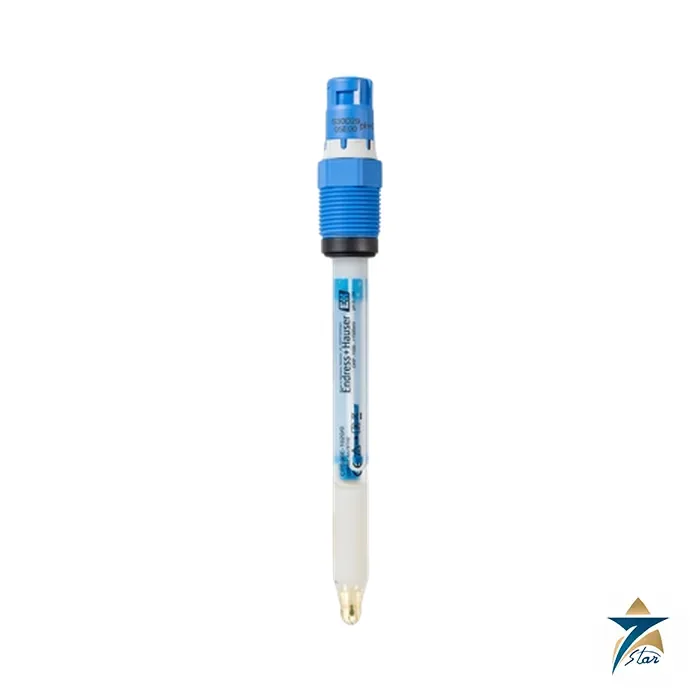
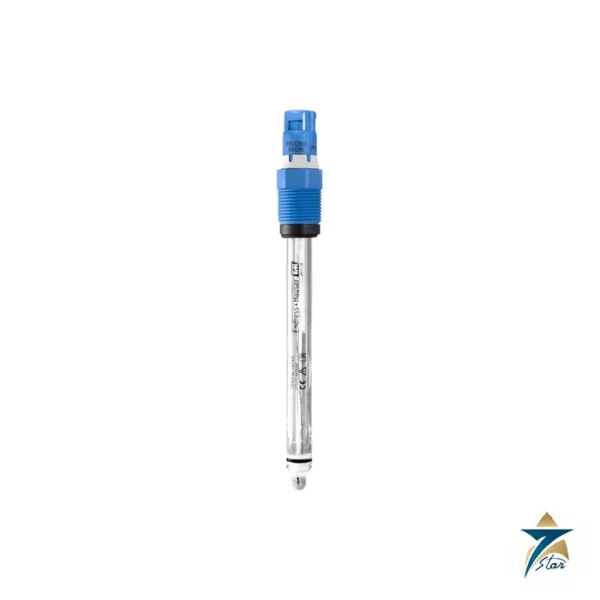
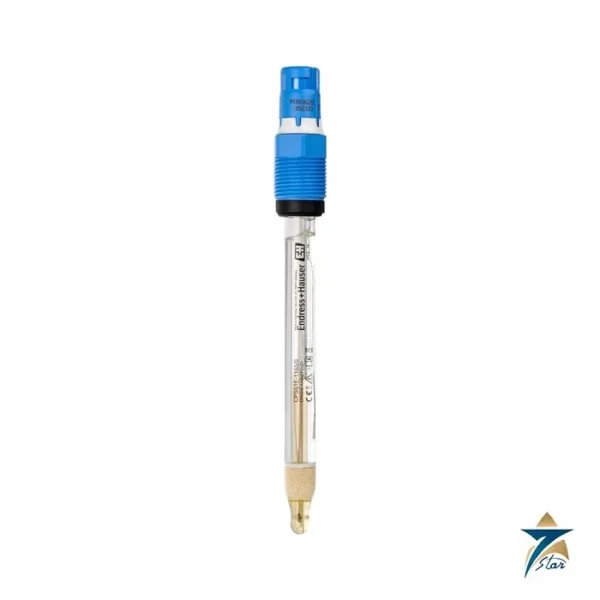
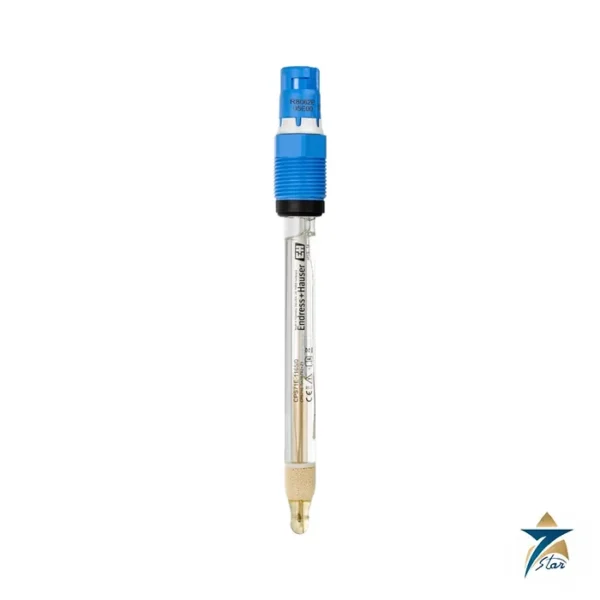
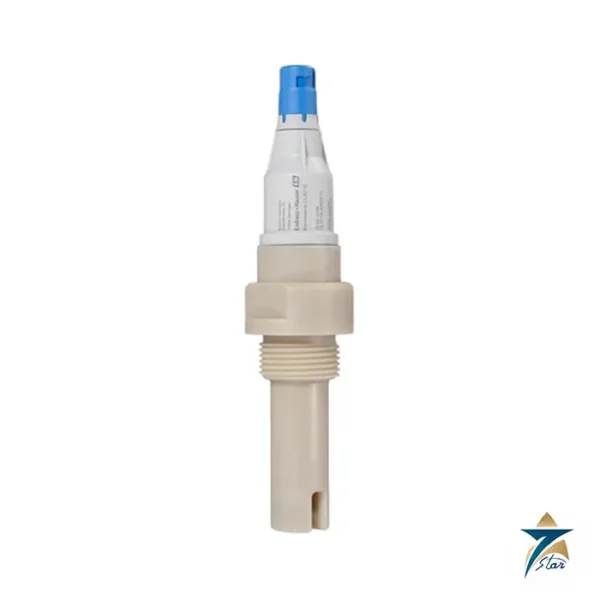
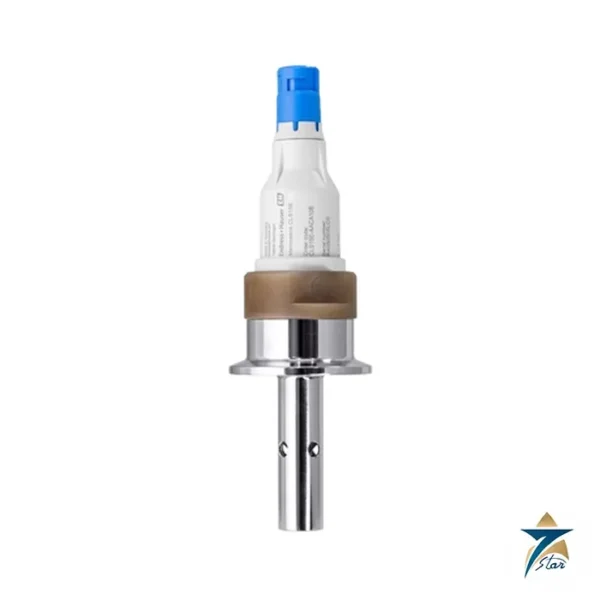
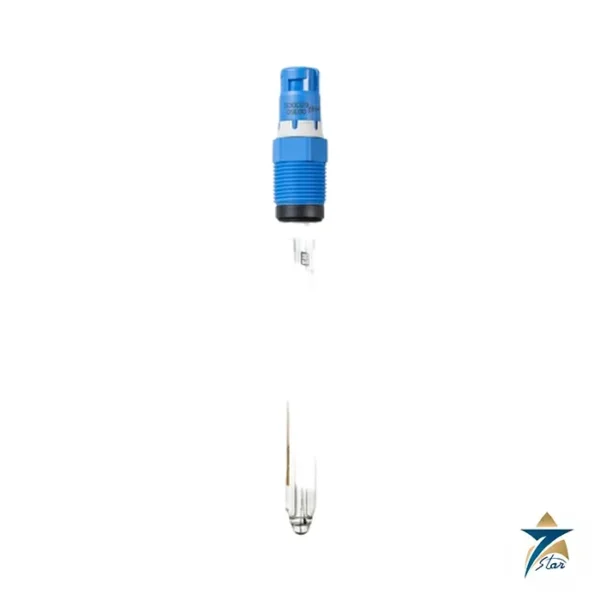
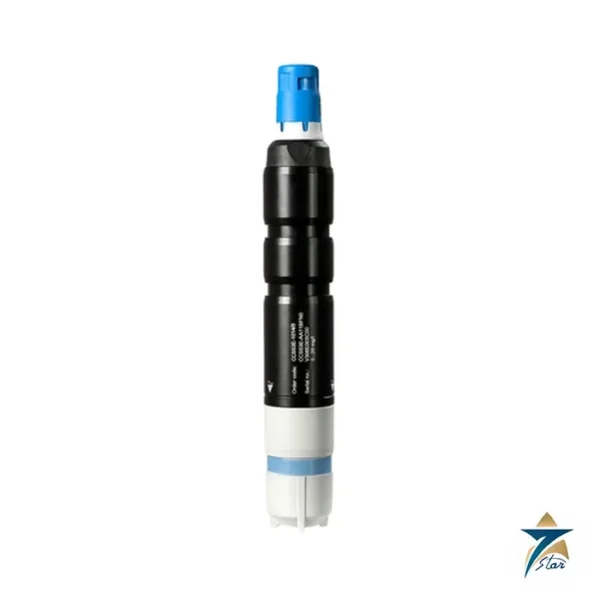
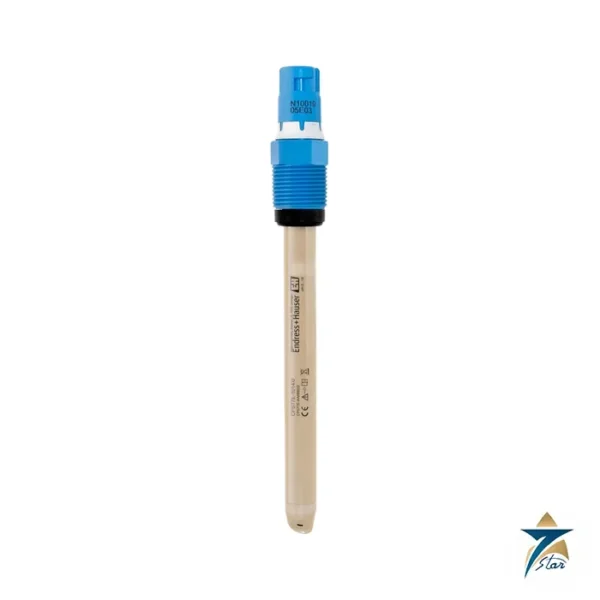
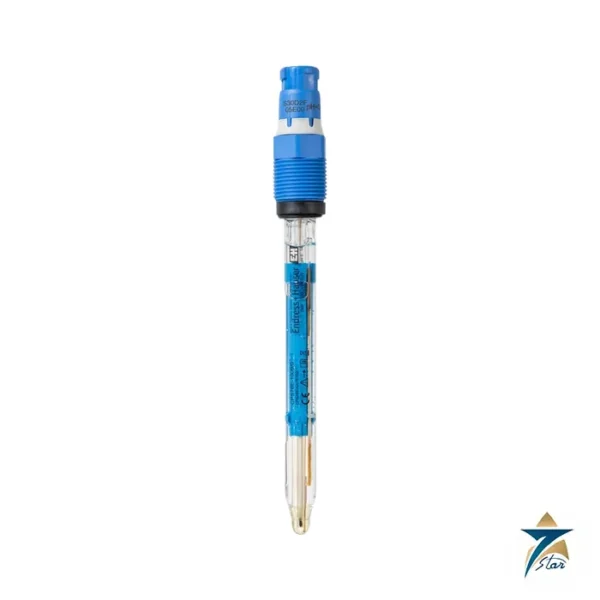
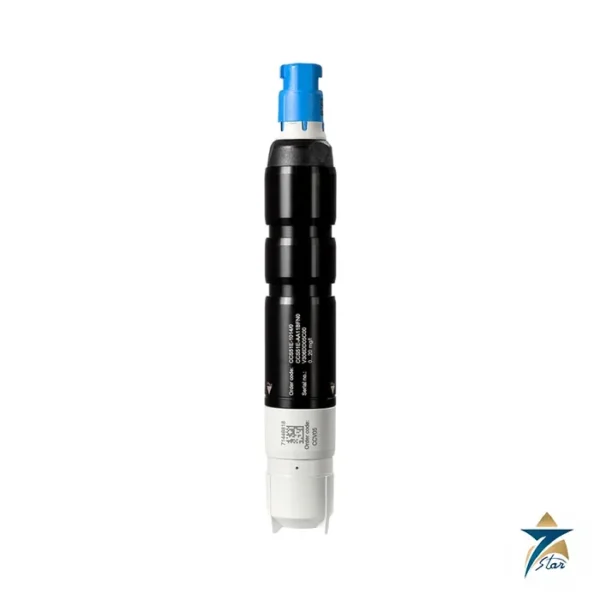
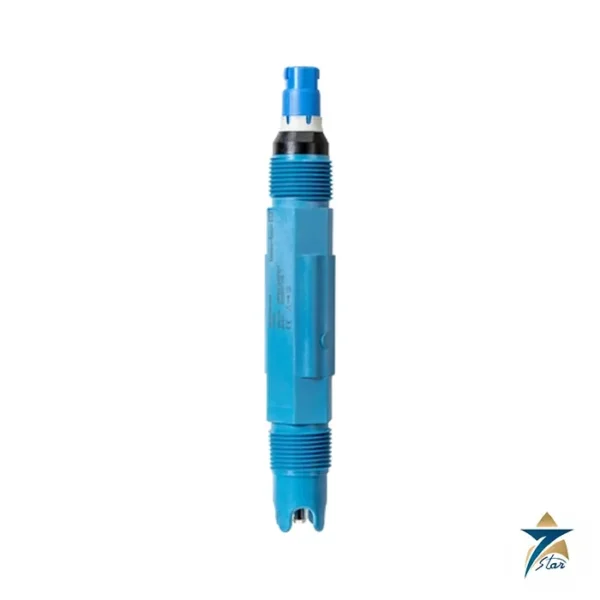
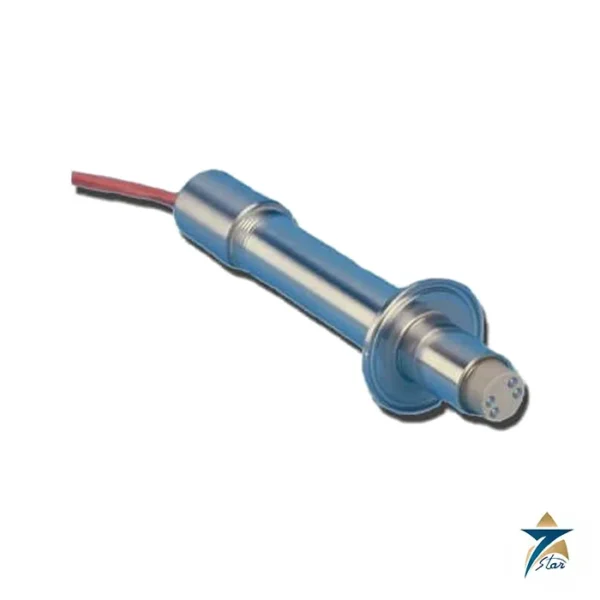
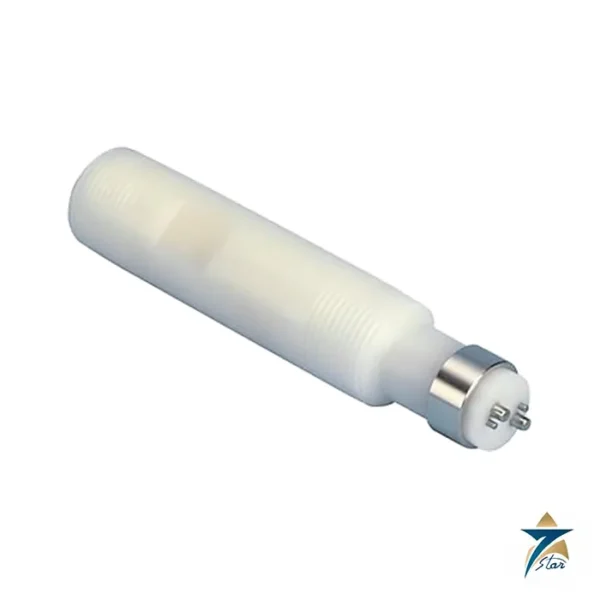
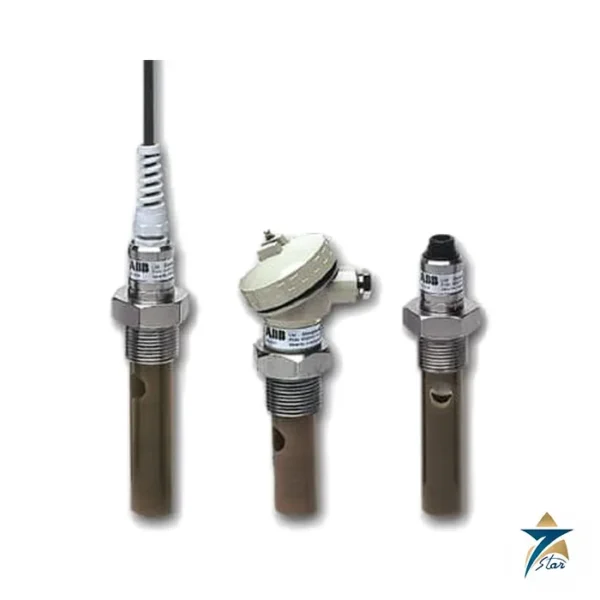
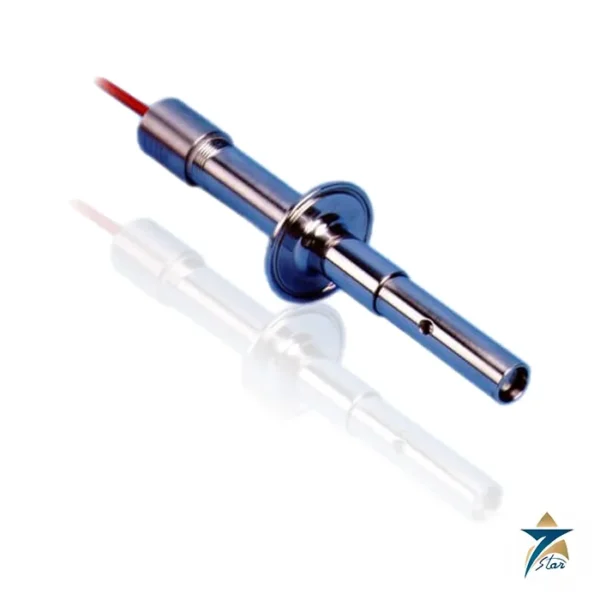
Endress+Hauser CPS96E Memosens pH/ORP Sensor, Open Junction
Description
Why choose the Endress+Hauser CPS96E
Many electrodes fail not because of chemistry but because a junction plugs with solids. The Endress+Hauser CPS96E avoids that problem with an open junction and a firm, stabilized gel electrolyte, and it adds a platinum ORP electrode so one probe returns pH, ORP and an rH value. It is the Memosens 2.0 sensor to consider for heavily polluted liquids such as pulp suspensions, flue-gas washer liquors, emulsions and precipitating streams.
The datasheet names chemical processes, pulp and paper, flue gas cleaning and media carrying solids, emulsions or precipitation reactions as typical homes for the CPS96E.
CPS96E features
- Open junction that tolerates solids
- Stabilized gel electrolyte, 3M KCl, AgCl-free, low maintenance
- Insensitive to pressure and temperature fluctuations, fast response
- Combined pH, ORP and rH value readout
- NTC 30K temperature sensor
- Ion-trap, poison-resistant Ag/AgCl reference
- Glass resistance and reference impedance diagnostics
- Hazardous-area options
CPS96E technical table
| Parameter | Value |
|---|---|
| Measuring range | pH 0 to 14; temperature 0 to 110 °C |
| Process pressure | 0.8 to 14 bar absolute |
| Minimum conductivity | Greater than 500 microsiemens per cm |
| Reference | Ag/AgCl, gel KCl 3M, AgCl-free, stabilized bridging electrolyte |
| Glass | Type B |
| Installed lengths | 120, 225, 360, 425 mm |
| Weight | 40 g to 100 g |
| Process connection | Pg 13.5 |
| Head pressure resistance | 16 bar relative |
| Temperature sensor | NTC 30K |
| Degree of protection | IP 68 |
| Ambient | Not below minus 15 °C |
| Storage | 0 to 50 °C |
Where CPS96E differs from CPS76E and CPS71E
The three sensors share the same slim glass body. The CPS71E is pH only with ceramic junctions and 140 °C capability; the CPS76E adds ORP and still has ceramic junctions; the CPS96E adds ORP but swaps the ceramic for an open junction. In exchange its temperature ceiling falls to 110 °C and its conductivity floor rises to above 500 microsiemens per cm, so it is not suited to demineralized water.
Field applications
In Oman a CPS96E would suit pulp and paper wastewater, sludge neutralization, scrubber liquors at power plants burning high-sulfur fuel, and chemical batch reactors where precipitates are produced. In such streams ordinary ceramic junctions foul quickly, so a plant can raise measuring-point availability by installing the CPS96E.
Compatibility
Connect via CYK10 or CYK20 to a Memosens transmitter such as Liquiline CM44x. Immersion, flow or retractable assemblies from the same range match its 12 mm shaft and Pg 13.5 thread.
Mounting and commissioning
Mount at least 15 degrees from horizontal, never upside-down, hand-tight to 3 Nm in Endress+Hauser assemblies. Soak and calibrate in buffer, then check that ORP reads correctly in a redox standard before releasing the CPS96E for control.
Service and care
Solid-laden service still needs scheduled rinsing, but the open junction of the CPS96E is simple to flush. Watch glass resistance and impedance diagnostics, and keep an exchange sensor calibrated in the lab, since Memosens stores calibration data in the sensor.
Understanding the Memosens advantage
Because the CPS96E digitizes its signal in the head, no analog impedance problem exists between sensor and cable; the coupling is inductive, so moisture in the connector cannot corrupt readings. Calibration data, slope, zero point at 25 °C, the number of calibrations, operating hours and sensor load are held in the sensor and can be viewed on a Liquiline transmitter.
Handling cautions
Sensors with glass that have been under pressure for long periods can burst when heated fast. Protect hands and eyes, and keep the CPS96E away from frost, as damage can occur at ambient temperatures below minus 15 °C.
Sizing the installed length
Installed length is the easiest option to get wrong. The CPS96E comes in 120, 225, 360 and 425 mm. A 120 mm sensor fits a flow-through armature or a short stub, while 360 and 425 mm suit deep immersion in a pit or clarifier where the sensor head must stay clear of splashing. Remember that the shaft is 12 mm in diameter, so the matching assembly bore must be compatible, and that the weight rises from 40 g to 100 g across the range.
A longer sensor also holds more reference electrolyte volume in the shaft, which is one reason deep-immersion stations tolerate longer calibration intervals when the fluid is stable.
Process safety and fault detection
A sensor in dirty service needs to tell you when it is failing. The CPS96E reports glass membrane resistance, which falls toward zero if the glass breaks, and reference impedance, which rises when the junction is covered. The transmitter turns those values into alarms before the pH reading becomes misleading. Operators can also use the sensor load figure stored in the sensor to decide when to retire it.
Because the open junction means the gel is in contact with the process, a gentle spray rinse during maintenance rounds is recommended to remove any build-up from the aperture. Do not poke the junction with hard tools.
Why Memosens suits remote measuring points
Many effluent and scrubber stations in the Gulf are far from the control room. With Memosens the digital signal is protected against electromagnetic noise and cable moisture, so the CPS96E can be hooked up through a standard CYK10 or CYK20 cable at a distance suited to your transmitter, and the fault data reach the operator without extra analog diagnostics.
Spare-part planning is simple: keep one calibrated CPS96E of each installed length on the shelf, record its serial number against the measuring point, and send an RFQ when the sensor load figure approaches your replacement threshold.
Documents and quotation
The datasheet for the CPS96E is attached to this listing. Seven Star LLC is an independent supplier serving Oman and the GCC and is not affiliated with the manufacturer. To receive a quotation, send an RFQ stating the part number CPS96E, installed length and quantity.
Other Models in the Memosens Ph Range
Seven Star LLC supplies models from the Memosens Ph range in Oman and the GCC. Compare the related models below and request a quote for the one that matches your application.
| Model | Category | |
|---|---|---|
| Endress+Hauser CPF81E Memosens Compact pH Sensor | Liquid Analysis Sensors | View details |
| Endress+Hauser CPS96E Memosens pH/ORP Sensor, Open Junction | Liquid Analysis Sensors | You are viewing this model |
Datasheets & Documents
- Datasheet Endress+Hauser CPS96E Memosens pH/ORP Sensor, Open Junction Datasheet Download
Reviews (0)
How would you rate this product? Cancel reply
About brand
Endress+Hauser makes process measurement instruments for flow, level, pressure, temperature and liquid analysis. Georg H. Endress and Ludwig Hauser started the business in Lörrach, Germany, on 1 February 1953, first selling level meters, and the Endress+Hauser name has been used since 1957. The group is headquartered in Reinach, Switzerland, and has been wholly owned by the Endress family since 1975.
Seven Star LLC is an independent supplier listing Endress+Hauser flowmeters, level and pressure transmitters, temperature assemblies and liquid analysis products for buyers in Oman and the GCC. Instruments are matched from the full order code on the nameplate.
Endress+Hauser company profile
| Origin | Founded in Lörrach, Germany, on 1 February 1953 by the Swiss engineer Georg H. Endress and Ludwig Hauser |
|---|---|
| Headquarters | Endress+Hauser AG, Reinach (Basel-Landschaft), Switzerland |
| Ownership | Family owned; the Endress family has been the sole shareholder since 1975, and a family charter commits the company to stay family owned |
| Size | About 16,500 employees and sales of about EUR 3.7 billion (2023, as reported by the company) |
| Product families | Proline flowmeters, Micropilot and Levelflex radar, Liquiphant switches, Cerabar and Deltabar pressure, iTEMP and iTHERM temperature, Liquiline and Memosens liquid analysis |
Milestones
- 1953: Georg H. Endress and Ludwig Hauser start the business in Lörrach on 1 February, first selling level meters.
- 1957: The Endress+Hauser name comes into use.
- 1975: The Endress family becomes sole shareholder.
- 2023: About 16,500 employees and sales of about EUR 3.7 billion, as reported by the company.
Endress+Hauser product lines
| Line | Measuring principle | Typical use |
|---|---|---|
| Promass F 300, Promass 80F, 83F/84F | Coriolis mass flow | Direct mass flow and density of liquids and gases, hydrocarbon transfer and chemical dosing |
| Promag P 300, P 500, H 300, W 400, W 10, 50P | Electromagnetic flow | Water, wastewater, slurries and other conductive liquids |
| Prowirl F 200, 72F | Vortex flow | Steam, gas and low-viscosity liquids |
| Prosonic Flow 92F, t-mass 65F | Ultrasonic and thermal mass flow | Water lines; compressed air and industrial gases |
| Micropilot FMR62, FMR67, FMR60, FMR10B, FMR20, FMR50, FMR52 | Free-space radar level, 80 GHz and 26 GHz | Tanks, process vessels, silos and open water channels |
| Levelflex FMP51, FMP50, FMP54, FMP55 | Guided wave radar level | Level and interface in vessels, separators and bypass chambers |
| Liquiphant FTL51, Prosonic S FMU90 | Vibronic point level; ultrasonic level | High and low level alarms, pump protection, open channel flow |
| Cerabar PMC71B, PMP51B, PMP71, Deltabar PMD78B, PMD75 | Pressure and differential pressure | Process pressure, hydrostatic level and DP flow |
| iTEMP TMT82, TMT162, iTHERM TM101, TR66, TR10 | Temperature transmitters and thermometers | RTD and thermocouple points with thermowells |
| Liquiline CM444, CM442, Memosens CPS11E, Stamolys reagents | Liquid analysis | pH, ORP, conductivity, dissolved oxygen and nutrient analysis in water treatment and process |
Where Endress+Hauser instruments are used
In Oman and the GCC, Endress+Hauser instruments are common in oil and gas production and processing, refineries and petrochemicals, desalination and water networks, wastewater treatment, power plants and food and beverage plants. Coriolis meters measure hydrocarbon and chemical flows, electromagnetic meters cover water and wastewater, radar transmitters handle tank and silo level, and Liquiline analysers monitor water quality. Proline 300 and 500 flowmeters include Heartbeat Technology for in-situ verification, which reduces the need to remove a meter for checks.
Ordering Endress+Hauser instruments: what we need
The order code on the nameplate (for example PMP71-1QA1S11RDADU) defines every option: measuring range, process connection, materials, output, approvals and display. Send it with the serial number; Endress+Hauser can retrieve the original configuration from the serial number. For a new instrument add the medium, operating and design pressure and temperature, range, line size or tank geometry, process connection, wetted materials, output or protocol (4-20 mA HART, PROFIBUS, FOUNDATION Fieldbus, Modbus) and the hazardous-area approval required. Older models such as Promass 80/83 or Micropilot M are replaced by current Proline or 80 GHz Micropilot devices.
Facts checked against Endress+Hauser company history and product information, October 2026.
Browse Endress+Hauser products by category: Flowmeters, Level Transmitter, Pressure Instrumentation, Temperature, Liquid Analysis Sensors, Liquid Analytical Systems.
FAQ
Questions about the Endress+Hauser CPS96E Memosens pH/ORP Sensor, Open
Answers from our engineering team on installation, compatibility and integration.
01What is special about the junction of the CPS96E?
It has an open junction combined with a firm, stabilized gel, so solids cannot block it the way they block a ceramic frit.
02What conductivity does the CPS96E need?
The datasheet specifies more than 500 microsiemens per cm, so it is not recommended for very pure water.
03What are the temperature and pressure limits of CPS96E?
The process range is 0 to 110 °C and 0.8 to 14 bar absolute.
04Can the CPS96E measure ORP as well as pH?
Yes, a platinum electrode gives ORP, and the transmitter can also calculate rH value in rH mode.
05Which industries does the CPS96E suit?
The datasheet lists chemical processes, pulp and paper, flue gas cleaning and contaminated media with solids, precipitation or emulsions.


Reviews
There are no reviews yet.