- Automation & ControlView all 2,795 products
- Automation Accessories
- AC Drives
- PLC & I/O Cards
- Industrial Communications
- Vibration Monitoring
- Controllers & Data Acquisition
- Isolator & Barrier
- Safety Switches & Guard Locking
- Motor Soft Starters
- CCTV & Security
- Encoders
- Pneumatic Cylinders
- HMI Displays
- Servo Drives
- Industrial Computers
- Machine Vision
- Automation Software
- Robotics
Brand: Endress+Hauser (E & H)
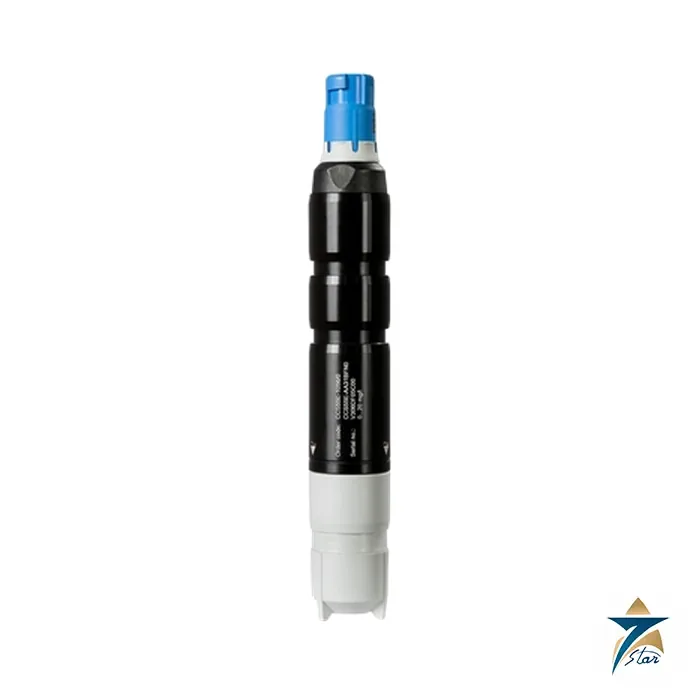
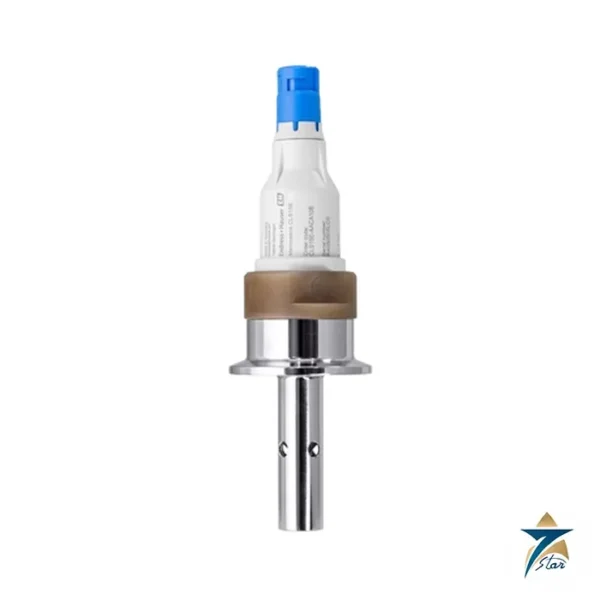
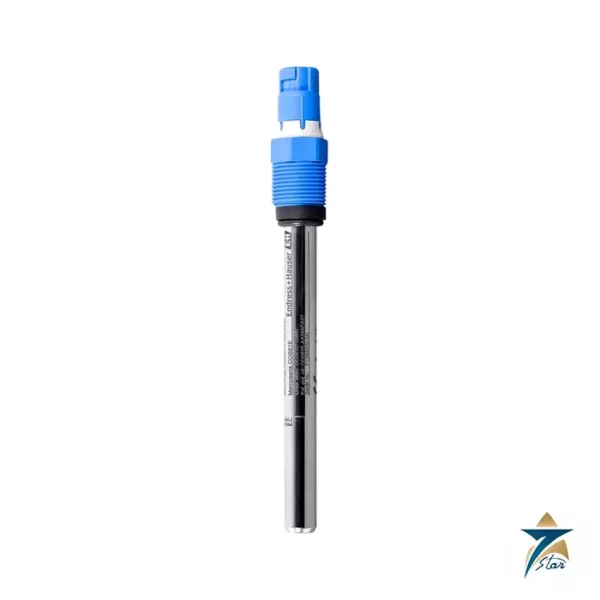
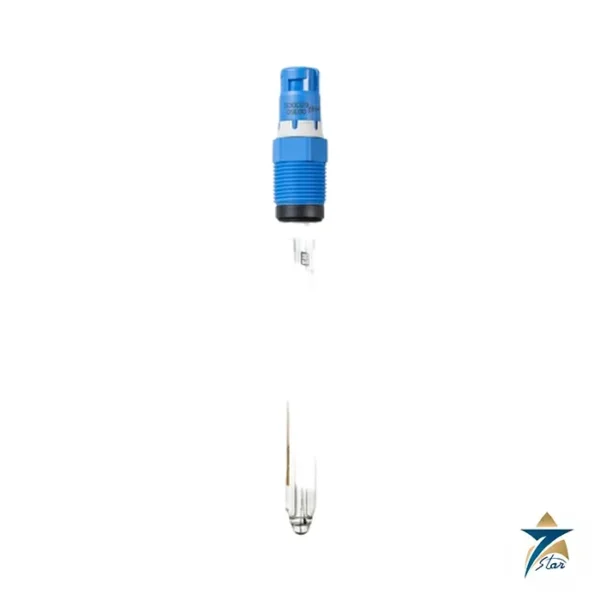
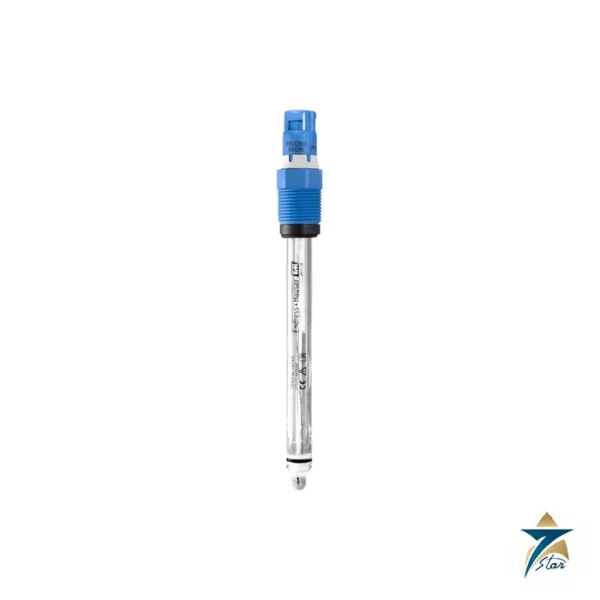
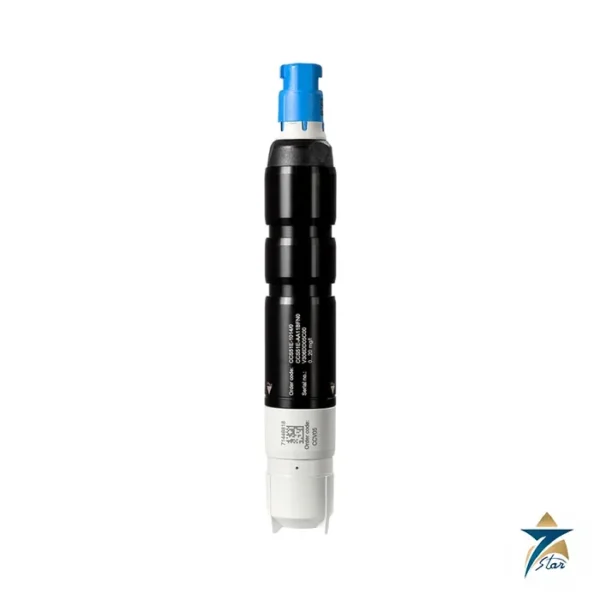
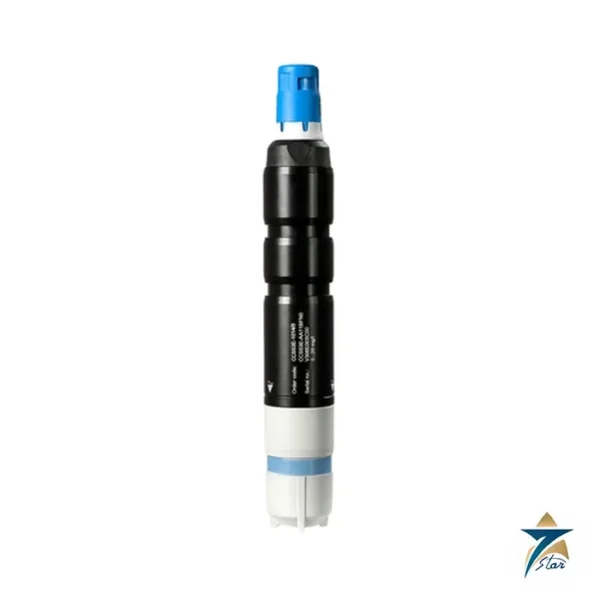
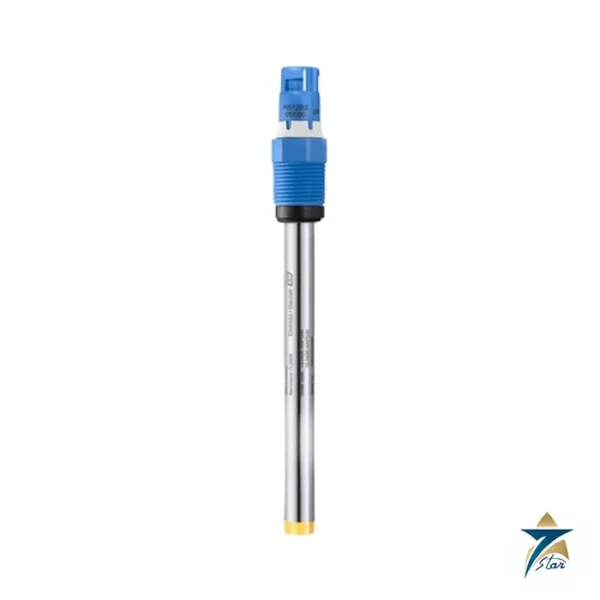
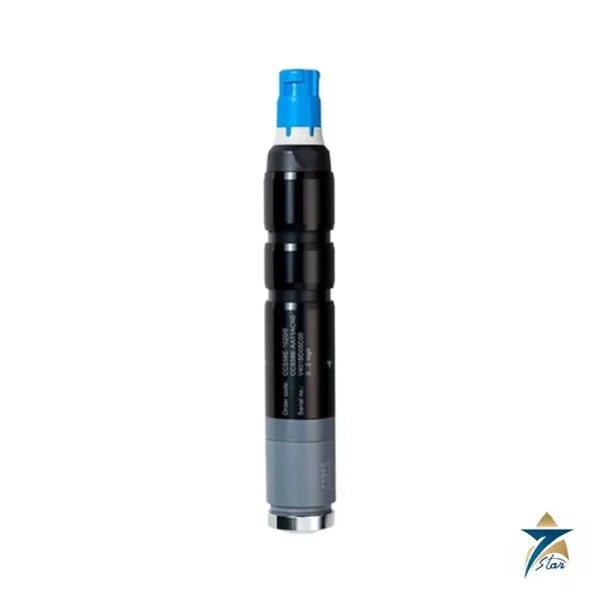
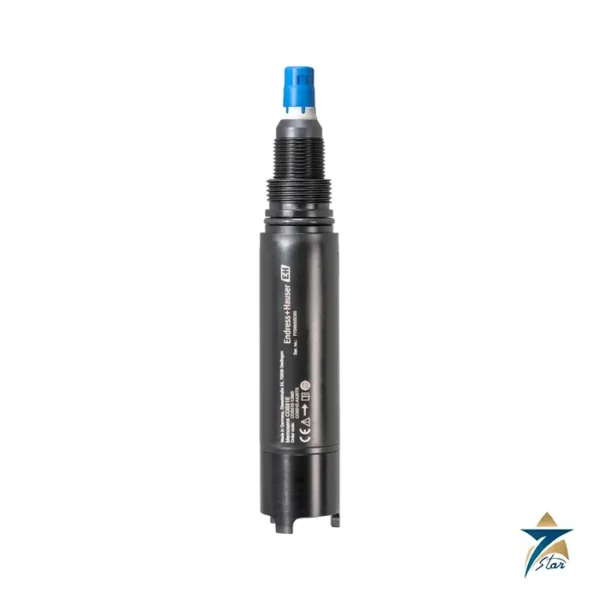
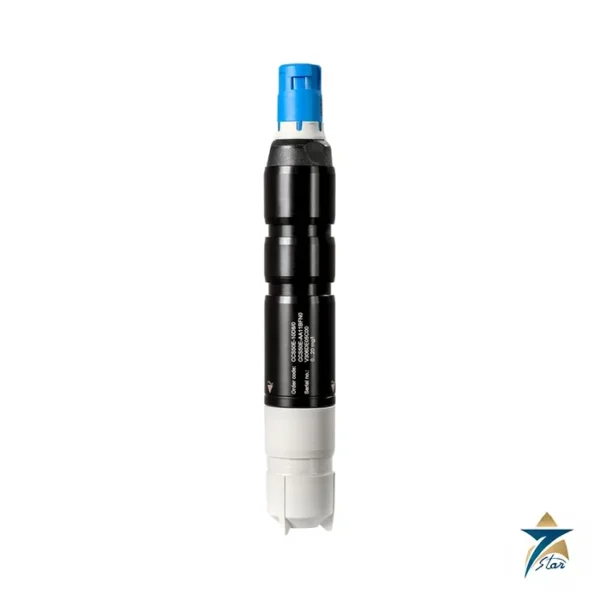
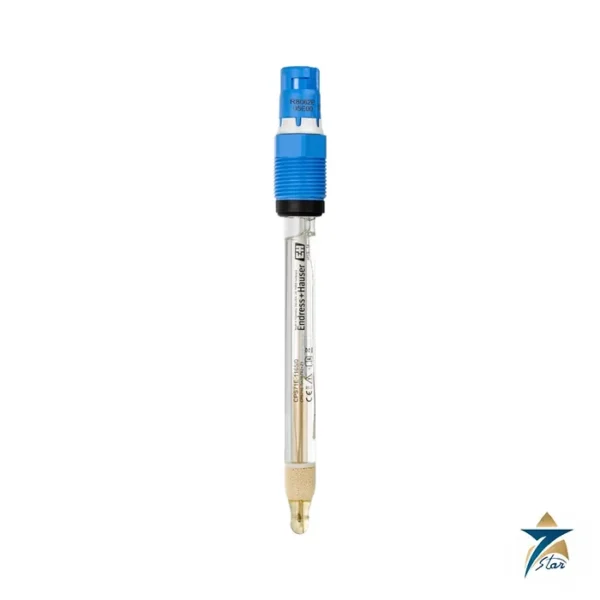
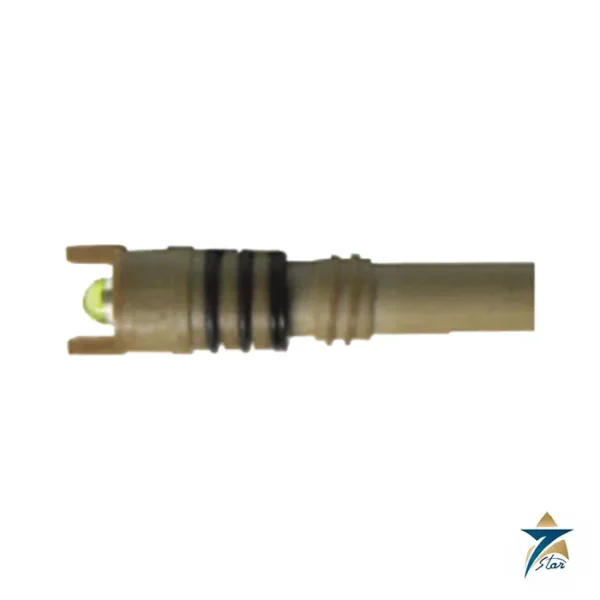
Endress+Hauser CCS55E Memosens Free Bromine Sensor
Description
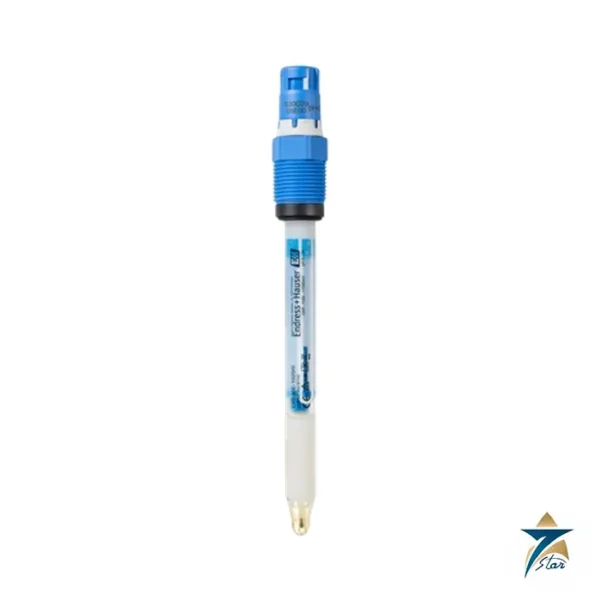
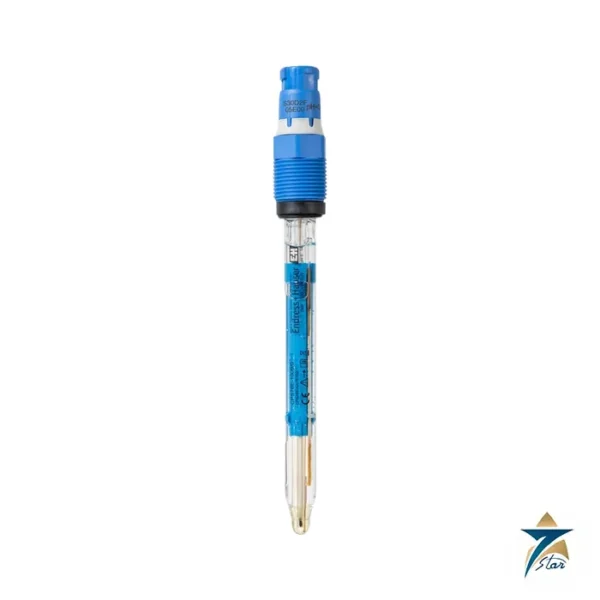
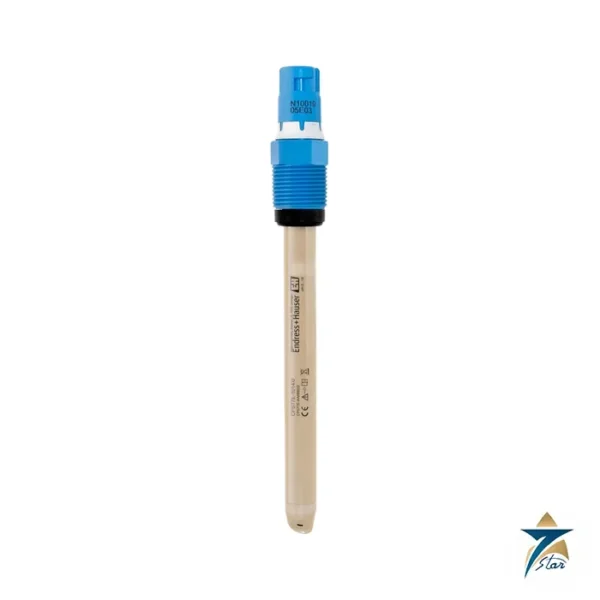
Endress+Hauser CCS55E Memosens free bromine sensor
The Endress+Hauser CCS55E is an amperometric free-bromine sensor with Memosens 2.0. The datasheet lists seawater applications such as desalination plants, process and cooling water where bromine disinfectants are used for their reduced corrosion effect, fish-farm water in the food industry, and pool and therapeutic bath water.
Oman’s long coastline and large seawater desalination and cooling installations make the CCS55E relevant: where seawater is chlorinated, bromine compounds form, and a pure chlorine reading both errs and underestimates disinfection.
Highlights of CCS55E
- Measures HOBr in three ranges up to 200 mg/l
- Response T90 under 20 seconds
- pH window 5 to 10
- Memosens 2.0 pre-calibration and fast polarization
- Works with Liquiline multi-parameter transmitters alongside pH and ORP
- About 95 g sensor with PET membrane
CCS55E data
| Parameter | Value |
|---|---|
| Measured variable | Free bromine as HOBr |
| Ranges | 0 to 5, 0 to 20, 0 to 200 mg/l |
| Signal current | 56 to 104 nA per mg/l (5 mg/l); 14 to 26 nA per mg/l (20, 200 mg/l) |
| Response time | T90 under 20 s |
| Detection limit | 0.0008, 0.0026 and 0.0061 mg/l by range |
| Repeatability | 0.0017, 0.0087 and 0.0476 mg/l by range |
| Process temperature | 0 to 55 °C |
| pH range | 5 to 10; calibration 5 to 9 |
| Minimum flow | 16 cm/s |
| Weight | About 95 g |
| Membrane | PET |
How CCS55E differs from the chlorine sensors
The CCS55E reads HOBr and works in pH 5 to 10, whereas the CCS51E reads HOCl in pH 4 to 9. The CCS55E responds in under 20 seconds, a little faster than the free chlorine sensor, and its lowest range gives a stronger signal of 56 to 104 nA per mg/l. It needs 16 cm/s flow instead of 15 cm/s.
Where it is used in Oman and the GCC
Seawater intake dosing, cooling-water loops at power and industrial plants, and fish-farm water are the places where the CCS55E adds value.
Installation and maintenance
Mount in a Flowfit CYA27 or immersion assembly, ensure flow, protect from freezing and replace the membrane cap and electrolyte on schedule. Pre-calibrated spares of the CCS55E shorten downtime.
Why bromine matters in seawater disinfection
When free chlorine is dosed into seawater, the bromide naturally present is oxidized and bromine compounds form. A chlorine sensor then under-reports the real disinfection power and reads with an error. The CCS55E measures hypobromous acid (HOBr) directly, so intake pretreatment at desalination plants and seawater cooling circuits can be dosed on the correct species. The ranges are 0 to 5, 0 to 20 and 0 to 200 mg/l HOBr, with a signal current of 56 to 104 nA per mg/l in the lowest range and 14 to 26 nA per mg/l in the other two, and a nominal slope of 80 nA or 20 nA per mg/l.
The T90 response is under 20 seconds after polarization. The measurement error is plus or minus 2 percent or 5 micrograms per litre of the value, whichever is higher. Limits of detection run from 0.0008 mg/l for the 5 mg/l version to 0.0061 mg/l for the 200 mg/l version.
pH, flow and installation limits
Free bromine is effective between pH 5 and 10, with calibration between pH 5 and 9. Below pH 5, elemental bromine and bromine chloride can form and give incorrect results. Maintain at least 16 cm/s flow at the membrane, or 5 l/h or 30 l/h through the two Flowfit CYA27 assemblies. Process temperature is 0 to 55 degrees Celsius non-freezing, and the medium pressure upstream of the membrane may not exceed 1 bar, which is 2 bar absolute.
Construction
A PVC shaft carries a PET membrane under a PVDF membrane cap and a polycarbonate protective cap with a TPE seal. The weight is about 95 g with cap and electrolyte. Storage with electrolyte is up to two years at 0 to 35 degrees Celsius.
Practical points for seawater service
Seawater brings high conductivity, salt crystals on dried surfaces, marine growth in sample lines and large temperature swings. Keep the sample line short and flushed, install the CCS55E where the water is always moving past the membrane, and avoid stagnant legs where bromine decays. Plan for periodic membrane inspection, since biological films form quickly in warm seawater, and keep a pre-calibrated spare so the Memosens swap takes minutes.
The datasheet notes that Memosens 2.0 precalibration and the fast polarization time raise plant availability, which is helpful at offshore or remote intake stations where visits are infrequent.
Finally, log the bromine reading together with the dosing rate and seawater temperature so that operators can see seasonal patterns in demand.
Order information
Quote the CCS55E with the range code (0 to 5, 0 to 20 or 0 to 200 mg/l HOBr), the transmitter type and the assembly. For a complete measuring point, add the Memosens cable, a Flowfit CYA27 or Flexdip CYA112 assembly and, if pH is needed to interpret the bromine result, a pH sensor on the same transmitter. The weight of the sensor with cap and electrolyte is about 95 g, so it is easily shipped and stored as a spare.
Why pH matters for bromine readings
Hypobromous acid dissociates as pH rises, and the sensor responds to the undissociated species. Within the stated effective window of pH 5 to 10 the datasheet treats the response as valid. Outside it, the readings need correction or are unreliable, which is why calibration is limited to pH 5 to 9 and why a pH signal is recommended on the same Liquiline transmitter.
Documents and quotation
The datasheet for the CCS55E is attached. Seven Star LLC is an independent supplier serving Oman and the GCC and is not affiliated with the manufacturer. Send an RFQ with CCS55E, the range version and quantity.
Typical Questions From Maintenance Teams
Maintenance engineers replacing a Endress+Hauser CCS55E usually ask whether the new unit is a direct fit, whether settings can be copied from the old one, and whether any accessories must be ordered separately. The answer depends on the exact order code and the generation of the installed liquid analysis sensors, so the nameplate details are the best starting point. Send them with your request and we will check the match, point out any differences in connections or options, and list the parts needed so that the job can be finished in one visit.
Other Models in the Memosens Disinfection Range
Seven Star LLC supplies models from the Memosens Disinfection range in Oman and the GCC. Compare the related models below and request a quote for the one that matches your application.
| Model | Category | |
|---|---|---|
| Endress+Hauser CCS58E Memosens Ozone Sensor | Liquid Analysis Sensors | View details |
| Endress+Hauser CCS55E Memosens Free Bromine Sensor | Liquid Analysis Sensors | You are viewing this model |
| Endress+Hauser CCS53E Memosens Total Chlorine Sensor | Liquid Analysis Sensors | View details |
Datasheets & Documents
- Datasheet Endress+Hauser CCS55E Memosens Free Bromine Sensor Datasheet Download
Reviews (0)
How would you rate this product? Cancel reply
About brand
Endress+Hauser makes process measurement instruments for flow, level, pressure, temperature and liquid analysis. Georg H. Endress and Ludwig Hauser started the business in Lörrach, Germany, on 1 February 1953, first selling level meters, and the Endress+Hauser name has been used since 1957. The group is headquartered in Reinach, Switzerland, and has been wholly owned by the Endress family since 1975.
Seven Star LLC is an independent supplier listing Endress+Hauser flowmeters, level and pressure transmitters, temperature assemblies and liquid analysis products for buyers in Oman and the GCC. Instruments are matched from the full order code on the nameplate.
Endress+Hauser company profile
| Origin | Founded in Lörrach, Germany, on 1 February 1953 by the Swiss engineer Georg H. Endress and Ludwig Hauser |
|---|---|
| Headquarters | Endress+Hauser AG, Reinach (Basel-Landschaft), Switzerland |
| Ownership | Family owned; the Endress family has been the sole shareholder since 1975, and a family charter commits the company to stay family owned |
| Size | About 16,500 employees and sales of about EUR 3.7 billion (2023, as reported by the company) |
| Product families | Proline flowmeters, Micropilot and Levelflex radar, Liquiphant switches, Cerabar and Deltabar pressure, iTEMP and iTHERM temperature, Liquiline and Memosens liquid analysis |
Milestones
- 1953: Georg H. Endress and Ludwig Hauser start the business in Lörrach on 1 February, first selling level meters.
- 1957: The Endress+Hauser name comes into use.
- 1975: The Endress family becomes sole shareholder.
- 2023: About 16,500 employees and sales of about EUR 3.7 billion, as reported by the company.
Endress+Hauser product lines
| Line | Measuring principle | Typical use |
|---|---|---|
| Promass F 300, Promass 80F, 83F/84F | Coriolis mass flow | Direct mass flow and density of liquids and gases, hydrocarbon transfer and chemical dosing |
| Promag P 300, P 500, H 300, W 400, W 10, 50P | Electromagnetic flow | Water, wastewater, slurries and other conductive liquids |
| Prowirl F 200, 72F | Vortex flow | Steam, gas and low-viscosity liquids |
| Prosonic Flow 92F, t-mass 65F | Ultrasonic and thermal mass flow | Water lines; compressed air and industrial gases |
| Micropilot FMR62, FMR67, FMR60, FMR10B, FMR20, FMR50, FMR52 | Free-space radar level, 80 GHz and 26 GHz | Tanks, process vessels, silos and open water channels |
| Levelflex FMP51, FMP50, FMP54, FMP55 | Guided wave radar level | Level and interface in vessels, separators and bypass chambers |
| Liquiphant FTL51, Prosonic S FMU90 | Vibronic point level; ultrasonic level | High and low level alarms, pump protection, open channel flow |
| Cerabar PMC71B, PMP51B, PMP71, Deltabar PMD78B, PMD75 | Pressure and differential pressure | Process pressure, hydrostatic level and DP flow |
| iTEMP TMT82, TMT162, iTHERM TM101, TR66, TR10 | Temperature transmitters and thermometers | RTD and thermocouple points with thermowells |
| Liquiline CM444, CM442, Memosens CPS11E, Stamolys reagents | Liquid analysis | pH, ORP, conductivity, dissolved oxygen and nutrient analysis in water treatment and process |
Where Endress+Hauser instruments are used
In Oman and the GCC, Endress+Hauser instruments are common in oil and gas production and processing, refineries and petrochemicals, desalination and water networks, wastewater treatment, power plants and food and beverage plants. Coriolis meters measure hydrocarbon and chemical flows, electromagnetic meters cover water and wastewater, radar transmitters handle tank and silo level, and Liquiline analysers monitor water quality. Proline 300 and 500 flowmeters include Heartbeat Technology for in-situ verification, which reduces the need to remove a meter for checks.
Ordering Endress+Hauser instruments: what we need
The order code on the nameplate (for example PMP71-1QA1S11RDADU) defines every option: measuring range, process connection, materials, output, approvals and display. Send it with the serial number; Endress+Hauser can retrieve the original configuration from the serial number. For a new instrument add the medium, operating and design pressure and temperature, range, line size or tank geometry, process connection, wetted materials, output or protocol (4-20 mA HART, PROFIBUS, FOUNDATION Fieldbus, Modbus) and the hazardous-area approval required. Older models such as Promass 80/83 or Micropilot M are replaced by current Proline or 80 GHz Micropilot devices.
Facts checked against Endress+Hauser company history and product information, October 2026.
Browse Endress+Hauser products by category: Flowmeters, Level Transmitter, Pressure Instrumentation, Temperature, Liquid Analysis Sensors, Liquid Analytical Systems.
FAQ
Questions about the Endress+Hauser CCS55E Memosens Free Bromine Sensor
Answers from our engineering team on installation, compatibility and integration.
01Why use the CCS55E instead of a chlorine sensor in seawater?
Chlorinating seawater forms bromine compounds, so chlorine sensors read incorrectly and underestimate disinfection; the CCS55E measures HOBr directly.
02What are the ranges of the CCS55E?
The ranges are 0 to 5, 0 to 20 and 0 to 200 mg/l HOBr.
03What is the response time of the CCS55E?
The T90 is under 20 seconds after polarization.
04What pH range does the CCS55E work in?
The effective range is pH 5 to 10, with calibration from pH 5 to 9.
05What minimum flow does the CCS55E need?
At least 16 cm/s at the membrane, or 5 l/h or 30 l/h in the two versions of the CYA27 flow assembly.


Reviews
There are no reviews yet.