Endress+Hauser FTL64 high-temperature, high-pressure Liquiphant level switch
The Endress+Hauser FTL64 is the Liquiphant vibronic point level switch built for hot and high-pressure liquids. It works from –60 to +280 °C and up to 100 bar, and it uses a welded gas-tight glass feedthrough as a second line of defense so that process medium cannot reach the electronics even if the sensor is damaged. The FTL64 provides minimum or maximum detection in tanks and pipes, including hazardous areas. Seven Star LLC supplies the FTL64 in Oman and the GCC as an independent supplier in Muscat.
Compared with the FTL51B, the FTL64 swaps the standard fork for a duplex stainless steel one, offers Alloy C22 and conductive PFA versions, and adds a temperature spacer with the glass feedthrough. The datasheet describes HART and PROFINET over Ethernet-APL variants, while the product page for the series lists additional switching outputs.
FTL64 technical specifications
| Parameter |
Specification |
| Manufacturer / part number |
Endress+Hauser / FTL64 (Liquiphant vibronic level switch for high temperature) |
| Process temperature |
–60 to +230 °C or –60 to +280 °C; up to 300 °C for a maximum of 50 h cumulative |
| PFA (conductive) version |
–50 to +230 °C, up to 40 bar |
| Process pressure |
–1 to 100 bar (63 bar at 280 °C according to the derating curve); limited by flange rating |
| Pipe extension |
Standard up to 3 m, up to 6 m on request; Alloy C22 version 148 to 3,000 mm |
| Wetted materials |
316L (1.4435 or 1.4404) connection; fork S31803 (1.4462); optional Alloy C22 (2.4602) or conductive PFA |
| Process connections |
G ¾ and G 1, R ¾ and R 1, ¾-14 NPT and 1-11½ NPT; EN flanges from DN 25, ASME from 1 in, JIS B2220 |
| Second line of defense |
Gas-tight welded glass feedthrough with temperature spacer |
| Medium density |
Above 0.7 g/cm³ as delivered; 0.5 and 0.4 g/cm³ selectable |
| Viscosity / solids |
Up to 10,000 mPa·s; particles up to 5 mm |
| Accuracy |
Maximum error ±1 mm; hysteresis 2.5 mm; non-repeatability 0.5 mm |
| Temperature influence |
Switch point moves from +1.4 to –5.5 mm across –60 to +280 °C |
| Pressure influence |
Switch point moves from 0 to –3.9 mm across –1 to 100 bar |
| Ambient temperature |
–40 to +70 °C; –50 or –60 °C optional with HART |
| Functional safety |
SIL 2 / SIL 3 per IEC 61508 with HART version |
How the FTL64 handles heat and pressure
The sensing method is the same as on the other Liquiphant models: the oscillating fork changes frequency when covered by liquid. What sets the FTL64 apart is its mechanical construction. The temperature spacer lengthens the thermal path between the hot process and the housing, so the full housing temperature range is retained even with a process at 280 °C. The glass feedthrough is gas-tight and welded, adding a barrier between the process and the electronics.
The datasheet also points out a service-life consideration: above about 180 °C, and at rising pressure, hydrogen diffusion through the metallic membrane can shorten life in certain media. If your liquid releases hydrogen or contains hydrogen compounds at those temperatures, discuss the application before ordering. The PFA conductive version should not be taken above 230 °C, and from 150 °C the chemical durability of the coating must be checked because diffusion damage risk increases.
FTL64 electronics and operation
- HART: 4–20 mA or 8/16 mA SIO mode, NAMUR NE 43 alarm levels, supply 10.5 to 35 V DC (10.5 to 30 V for Ex i).
- Ethernet-APL: 10BASE-T1L, power class A, integrated web server, dead time of up to 32 ms.
- Switching delay of 0.5 s covered and 1.0 s uncovered by default, adjustable from 1 to 60 s.
- Local graphic display, Bluetooth access with the SmartBlue app, and Heartbeat Technology for verification without interrupting the process.
- Marked low-temperature electronics for –50 or –60 °C ambient when ordered with HART.
Related models: choosing between the FTL64 and its siblings
For process temperatures up to 150 °C with no corrosion issue, the FTL51B is the usual and lower-specification choice. For corrosive liquids at moderate temperature, the FTL62 coated version applies. The FTL64 is the choice when the process goes above 150 °C, when pressure reaches 100 bar, or when a gas-tight second barrier is wanted. If the loop must be a SIL 3 fail-safe 4–20 mA circuit with live signal and a Nivotester FailSafe evaluator, the FailSafe FTL80 (compact) or FTL81 (extension pipe) shares the same 280 °C and 100 bar envelope.
FTL64 selection and ordering checklist
- Operating and maximum temperature, including steam-out or cleaning peaks, and whether the 230 or 280 °C application code is required.
- Operating pressure and flange class, remembering the derating curve above 260 °C.
- Fork material: duplex as standard, Alloy C22 or conductive PFA for aggressive media.
- Pipe length up to 3 m (6 m on request) and nozzle length.
- Thread or flange standard and rating; Alloy C22 flange plating if required.
- Housing, electronics (HART or Ethernet-APL), display and Bluetooth, cable entry.
- Hazardous area approval, SIL, WHG, CRN or marine requirements; 3.1 material and NACE declarations.
- Medium density and viscosity, and whether hydrogen is present.
Installation and maintenance of the FTL64
Insulating the vessel up to the housing neck is allowed, but the housing itself must stay within its ambient temperature curve, and the version with a temperature spacer allows +70 °C ambient across the entire process range. Hold the fork at least 10 mm from walls, align it with the marking, and support long probes against dynamic load, remembering the lateral load limit of 75 Nm. Gaskets for G threads are flat seals to DIN 7603 supplied with the unit; R and NPT threads and flanges are supplied without seals.
At start-up verify density setting and MIN or MAX mode, then perform the proof test. Use Heartbeat verification at each shutdown, and watch the frequency in air for corrosion or buildup. In hot service, avoid thermal shock beyond the specified limits and inspect for scaling of the fork.
FTL64 applications in Oman and the GCC
The FTL64 suits hot oil and thermal fluid systems, reboiler and knock-out drums, boiler feed and condensate vessels, hot caustic and amine services, and high-pressure separators on gas processing and refining sites. In Oman’s desert and coastal plants the extra thermal margin of the spacer is valuable where uninsulated vessels sit in direct sun on top of high process temperatures.
Information to send with an RFQ for the FTL64
- Order code or nameplate photo of the existing FTL64, if replacing one.
- Process fluid, density, viscosity and any hydrogen content.
- Operating and peak temperature and pressure, MIN or MAX duty.
- Probe length, process connection, flange class and facing.
- Output and supply, display, Bluetooth, housing and cable entry.
- Hazardous area, SIL and certificate requirements, quantity and delivery location.
Documents and quotation
A datasheet (Technical Information) for the Endress+Hauser FTL64 is attached on this page. High-temperature and high-pressure limits depend on the selected application code and flange, so match them to your order code.
Send the FTL64 order code or the checklist data to Seven Star LLC for a quotation with availability and lead time in Oman and the GCC.
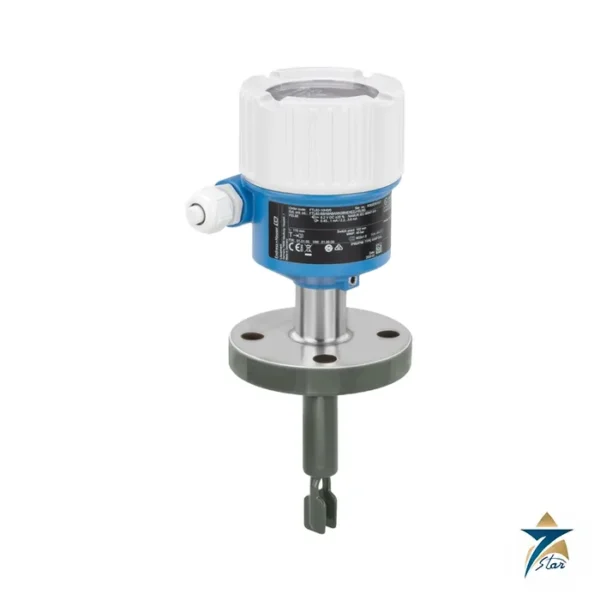
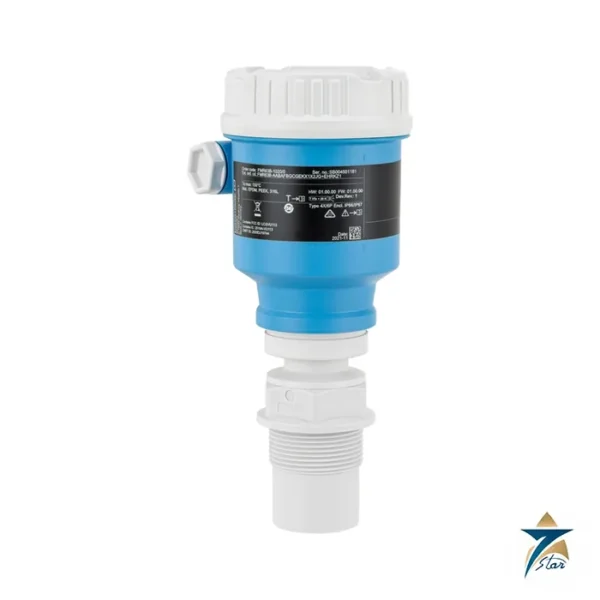
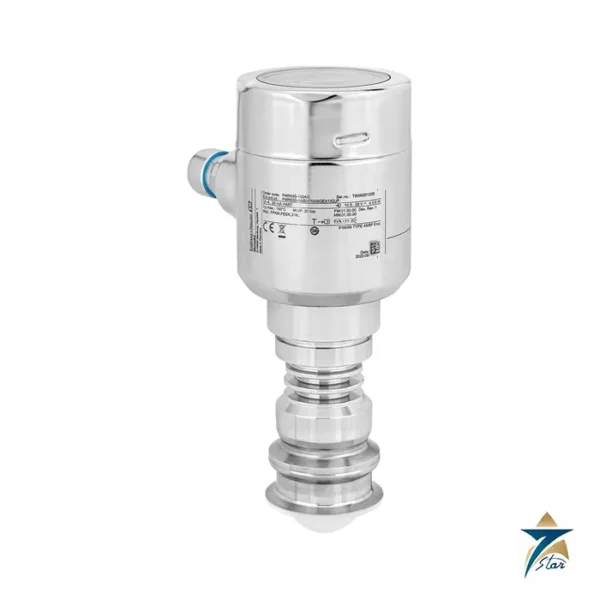
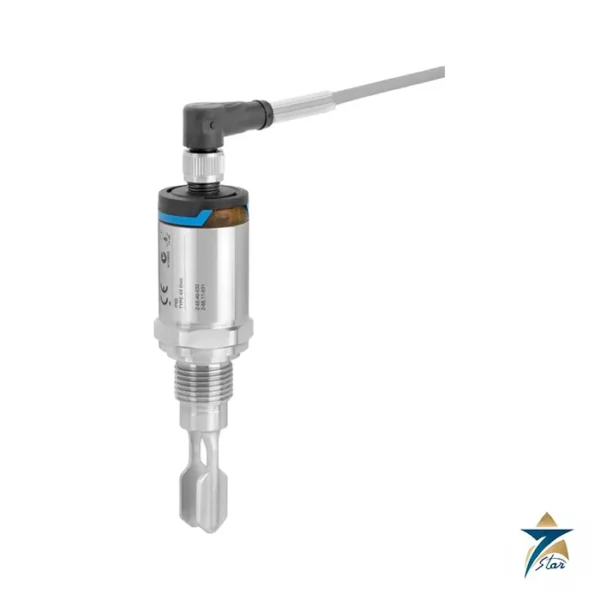
Other Models in the Eh Liquiphant Vibronic Ftl Range
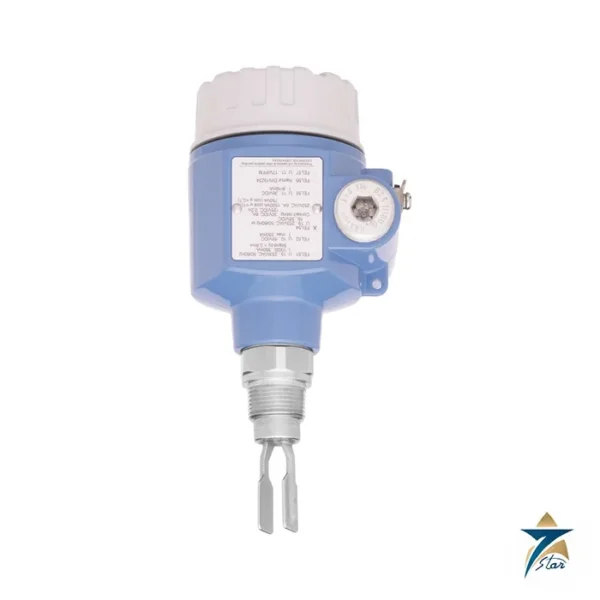
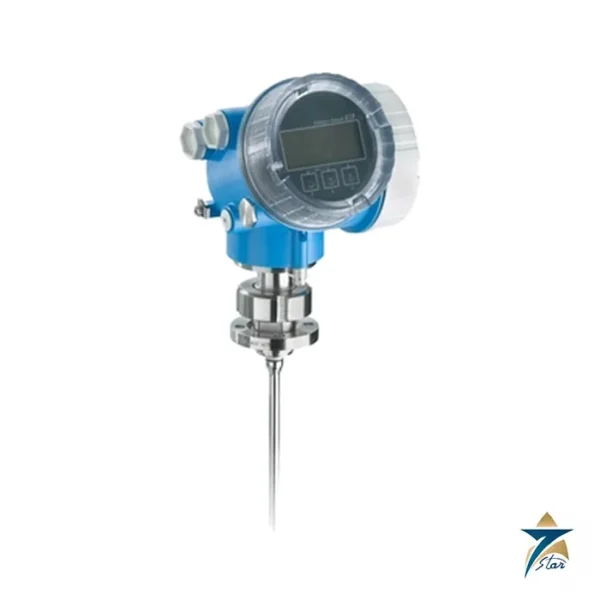
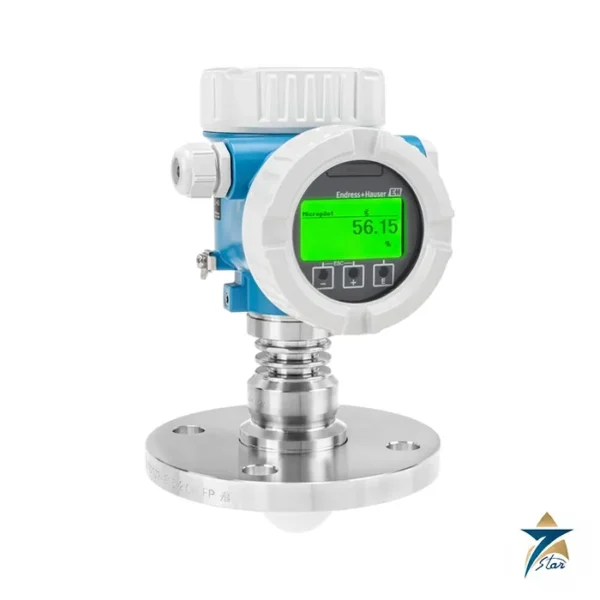
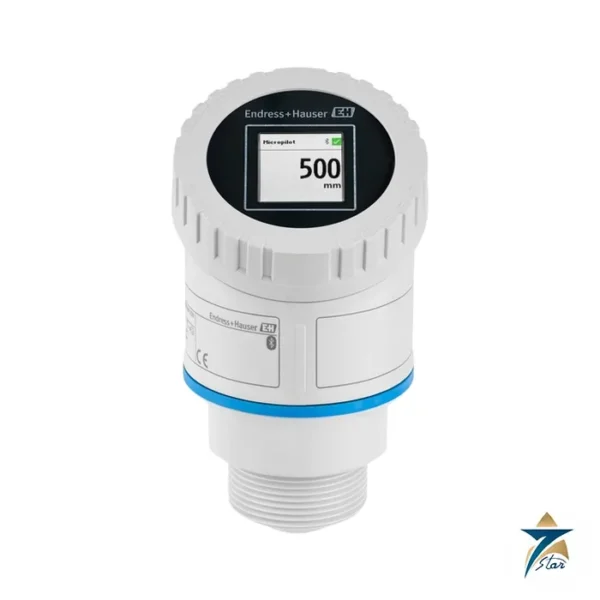
Seven Star LLC supplies models from the Eh Liquiphant Vibronic Ftl range in Oman and the GCC. Compare the related models below and request a quote for the one that matches your application.





















Reviews
There are no reviews yet.