Heat detection along a cable instead of at a point
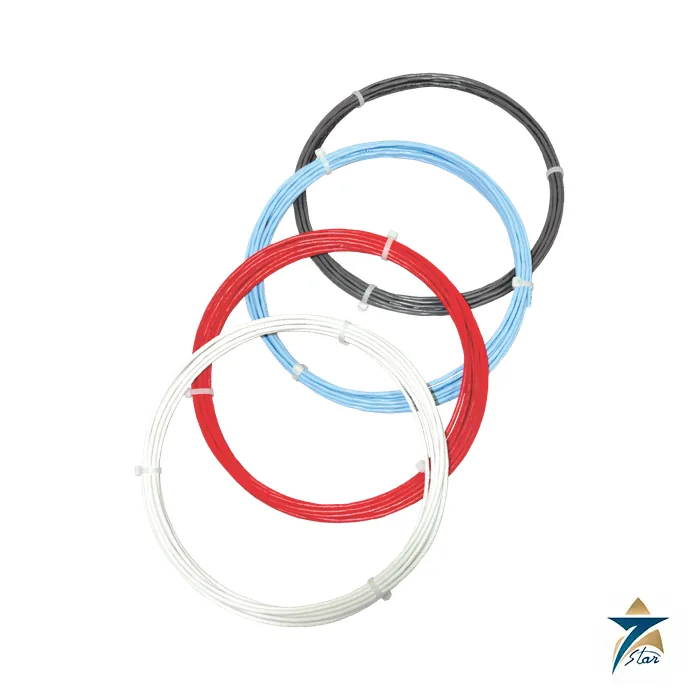
The Kidde LHS linear heat sensor cable is a flexible, durable, cost-effective fixed-temperature detector for commercial and industrial applications where spot detectors do not suit the environment. It detects heat over its entire length and can connect directly to the initiating circuit of a fire panel, which removes the need for extra interface equipment in many installations. Cable jackets and operating temperatures can be chosen for the job.
Technical specifications
| Parameter |
Specification |
| Product |
LHS linear heat sensor cable, fixed temperature |
| Jacket type EPC |
Extruded polyvinyl chloride, flame-retardant vinyl; low moisture absorption, resistance to many chemicals, flexible at low temperatures; for interior commercial and industrial use |
| Jacket type XCR |
Extreme Corrosion Resistance fluoropolymer; chemical, abrasion, weather and high-temperature resistance; interior and exterior; the manufacturer states it is the only heat detector FM-approved for corrosive environments |
| Connection |
Directly into the fire panel initiating circuit; with intrinsic safety barriers in classified hazardous areas |
| Coverage |
Consistent protection along the entire cable length; suits long distances such as tunnels and cable trays |
| Approvals as printed |
FM Approved; UL Listed; CSFM Approved |
| Cable temperature ratings |
Operating temperatures vary by cable type; NATURA-Micro LHS kits refer to 154 degrees F (68 degrees C) and 219 degrees F (104 degrees C) |
Where linear heat detection beats spot detection
The sell sheet gives four reasons: it is too dirty for spot detectors (coal conveyors, barns, stables), too hot or cold (aircraft hangars, cold storage beyond 32 to 120 degrees F), physically constrained (vehicles, floating roof tanks, cabinets), or the hazard is linear (tunnels, cable trays). Cable can be wrapped around machinery or arrayed across a ceiling, so it handles awkward layouts.
EPC applications listed include cold storage, car parks, tunnels, animal housing and covered bridges. XCR applications include cable trays, cooling towers, solar panels, switchgear, metro stations, subways, rolling stock, marine vessels, offshore platforms, pipelines, refineries, storage tanks, conveyors and waste management. Kidde control units such as the ARIES-SLX connect LHS cable through addressable input modules, and the AEGIS-PHX datasheet gives a maximum of 1,728 ft of LHS on a circuit.
What to confirm before ordering
This sell sheet does not list part numbers or lengths, so state the jacket type, operating temperature rating, total length, mounting method and the panel or interface it connects to. Hazardous-area use needs an intrinsically safe barrier arrangement, and the project engineer must define the barrier. Linear heat cable can also trigger suppression, as in the NATURA-Micro LHS unit. The datasheet-level installation limits for each panel type must be checked with the manufacturer. Suppression equipment such as the Kidde FM-200 cylinder is listed separately.
Key features of LHS sensor cable
- Continuous sensing element: every metre of the run is a detection point, so a hot spot anywhere along a conveyor, tray or tunnel can raise an alarm without relying on heat reaching a ceiling-mounted detector.
- Fixed-temperature principle: the cable signals when its rated temperature is reached, which gives a predictable, non-software-based response that is easy to explain to inspectors and insurers.
- Direct panel connection: in many systems it wires straight into a conventional initiating circuit, reducing the number of interface modules to buy and maintain.
- Two jacket choices: EPC for general interior duty, XCR where chemicals, weather, abrasion or higher temperatures would degrade a vinyl jacket.
- Listed and approved: FM Approved, UL Listed and CSFM Approved as printed on the manufacturer documents.
Choosing the jacket and alarm temperature
The alarm temperature should sit comfortably above the highest temperature the cable will normally see, including radiant heat from process equipment and the sun, but low enough to give early warning of a developing fire. A cable rated too close to normal ambient will cause nuisance alarms; one rated far above it will respond late. Measure or estimate the maximum ambient along the full route rather than at a single point, because roof voids, areas near ovens and outdoor runs can be much hotter than the rest of the building.
EPC suits clean-to-moderate interior areas such as warehouses, cable rooms and cold stores. XCR is the more robust option for outdoor routes, chemical handling areas, wash-down zones and anywhere the cable may be exposed to fuels, solvents or UV. If in doubt about a specific chemical, check the Kidde compatibility information for that jacket before finalising the design.
Installation guidance
Linear heat cable works best when it is fixed close to the hazard it protects: along the top of cable trays, beside conveyor belts and bearings, around the rim seal of a floating roof tank, or at ceiling level in tunnels. Use clips and fixings intended for the purpose, avoid sharp bends, and keep the cable away from surfaces that are hot in normal operation. Plan where junction and end-of-line boxes will be located so the circuit can be tested later.
In classified hazardous areas, the connection to the panel must be made through suitable intrinsic safety barriers, as noted in the specification table. The barrier selection and the overall loop design should be checked by the system designer against the area classification and local code.
Testing and maintenance
Because the cable is a fixed-temperature device, a section that has gone into alarm from heat exposure is normally cut out and replaced with a spliced length. Routine maintenance involves visual inspection for mechanical damage, checking fixings, and confirming circuit integrity and supervision from the panel at the intervals set by the applicable fire code.
Applications in Oman and the GCC
The region’s oil and gas facilities, tank farms, ports, utility tunnels and long conveyor systems are typical candidates for linear detection. Outdoor runs here face high surface temperatures under direct sun, sand abrasion and, near the coast, salt spray, which are all factors that favour a tougher jacket and a carefully chosen alarm temperature. Cold stores and food warehouses, common in logistics hubs, are another fit because low temperatures and condensation can be a problem for spot detectors.
Information to send with an RFQ
- Jacket type (EPC or XCR) and the required alarm temperature rating.
- Total length required, plus the number and length of individual zones or reels.
- Fire alarm panel make and model, so compatibility of the initiating circuit can be considered.
- Whether any part of the route is in a classified hazardous area.
- Accessories needed: clips, junction boxes, end-of-line devices or splice kits.
- Project name, delivery site and approval requirements of the consultant or authority.
Documents and quotation
A copy of the manufacturer’s sell sheet SS K-105 (2 pages) sits in the download area of this page. Seven Star LLC works from Muscat as an independent supplier. Tell us the part numbers and quantities you need, and the quotation will state price, lead time and stock position. More detectors are listed in Fire & Gas Detectors.





























Reviews
There are no reviews yet.