Brand:

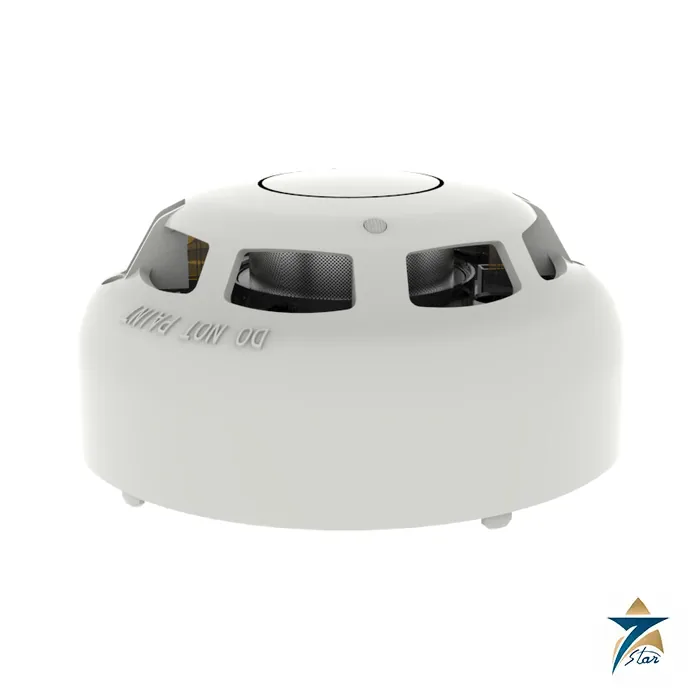
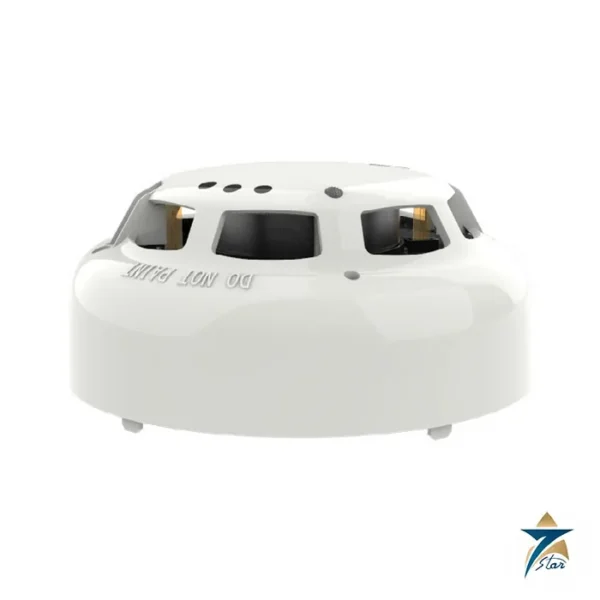
Hochiki ATJ-EN Intelligent Multi-Heat Sensor (ESP)

Description

Overview

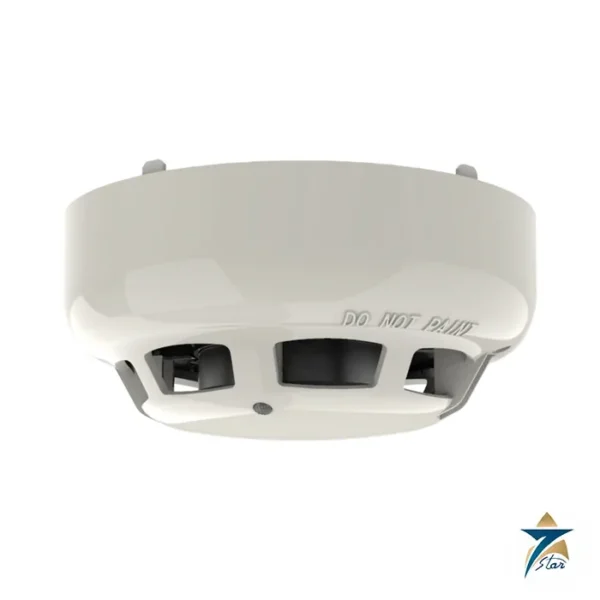
Where smoke detectors would be fooled by steam, cooking fumes, dust or exhaust, a heat sensor is the sensible choice, and the Hochiki ATJ-EN is Hochiki’s analogue addressable answer. It is a multi-heat sensor that joins a variable temperature element with a rate of rise element on a single ESP loop address. Seven Star LLC is an independent supplier serving Oman and the GCC. The ATJ-EN suits kitchens, plant rooms, generator enclosures, garages and workshops where the fire alarm panel needs heat sensing that can be tuned from the panel rather than from a screwdriver on the ceiling.

What makes the Hochiki ATJ-EN a multi-heat sensor

Inside the head are two thermal elements. One is a variable temperature element, the other a rate of rise element, and both are controlled from the control panel. The panel can make the fire decision from either element or from both simultaneously, so the same hardware serves different rooms depending on how the zone is programmed. The datasheet lists approval to categories A1R, BR, CR, A1S, BS and CS, which reflects the fixed temperature and rate of rise combinations of the heat standard.
  • User selectable modes for fixed temperature, rate of rise, or both.
  • Twin LEDs for 360 degree viewing, green when polling and red in a fire.
  • Pulsing or non-pulsing of the LEDs controlled from the panel where the panel allows it.
  • Electronic addressing and LPCB and VdS approval to classes A1, B and C, with SIL Level 2 variants available.

Specification table for Hochiki ATJ-EN

Item Value from the datasheet
Ordering codes ATJ-EN ivory, ATJ-EN(WHT) white, ATJ-EN(BLK) black
Operating voltage 17 to 41 V DC
Low power mode 110 microamps typical
Quiescent current 350 microamps typical at 24 V DC
Maximum current 30 mA
Alarm current 9.1 mA, panel controlled, remote indicator excluded
Transmission Digital communication using ESP
Operating temperature minus 10 to plus 50 degrees C
Operating humidity 95 percent RH non-condensing at 40 degrees C
Storage temperature minus 30 to plus 60 degrees C
Storage humidity less than 80 percent RH at 70 degrees C
Case Polycarbonate, ivory, white or black
Weight 90 g
Size diameter 100 mm, height 45 mm
Bases YBN-R/3, YBO-R/SCI, YBO-BS, YBO-BSB2, YBN-R/3(SCI)
Fixing centres 48 to 74 mm
Ingress protection IP42 to EN 60529

How the ATJ-EN differs from other Hochiki ESP sensor heads

The ATJ-EN is the lightest of the three 100 mm sensor heads at 90 g, against 95 g for the ALN-EN smoke sensor and the ACC-EN multi sensor. It also has the lowest quiescent draw, 350 microamps, where the other two draw 400 microamps, and its low power figure of 110 microamps is lower than their 120. Unlike them it has no smoke chamber to clean, which is a real advantage in dirty air. Its approvals are the heat classes A1, B and C, while the smoke sensor is approved to the smoke standard instead.

Applications in Oman and the GCC

Regional sites with hot, dusty or humid air often find smoke chambers prone to nuisance alarms near loading bays, kitchens, desalination pump halls and engine rooms. A heat sensor like the ATJ-EN avoids that class of false alarm. In accommodation blocks it is often used inside kitchens and laundries, and in industrial buildings near boilers and workshops. The upper operating limit of 50 degrees C should be compared with the expected ambient temperature of the ceiling void, and the fixed temperature class chosen to leave a safe margin above it.

Selection, installation and commissioning

Check that the panel supports the multi-heat mode set, since the datasheet states that panel compatibility is required for the selectable behaviour. Install the base, connect the loop, then lock the head into place and set its address. During commissioning confirm on the panel which element is active for the zone. Avoid mounting directly above heaters, flue outlets or in the airflow of air handling units, because these cause false rate of rise readings or mask a real fire.

Fixed temperature against rate of rise in practice

A fixed temperature element waits until the air at the head reaches a set level, which makes it stable in places where temperature swings are normal, such as a bakery, a boiler house or a roof space in the Gulf summer. A rate of rise element looks at how quickly the temperature climbs, so it reacts sooner to a fast fire in a room that is normally cool. Because the ATJ-EN lets the panel use either element or both, the designer can choose the logic for each zone and change it later without replacing heads. In rooms with large daily swings, keep the rate of rise element off or less prominent in the programming, and rely on the fixed level. In clean offices with air conditioning, both elements can be active for faster response.

Think also about airflow: a head placed near a supply diffuser will see cooled air and respond late, so move it according to the design guidance of the fire standard used on the project.

Maintenance

There is no chamber to clean, so periodic work is a visual check, a functional heat test with an approved heat source and a review of panel readings. Keep dust covers off after construction, and record the address and location of each sensor for the loop schedule.

Ordering notes for Hochiki ATJ-EN

State the colour, since the plain code is ivory. Bases are ordered separately, and if short-circuit isolation per sensor is wanted, specify the isolator base shown among the compatible codes.

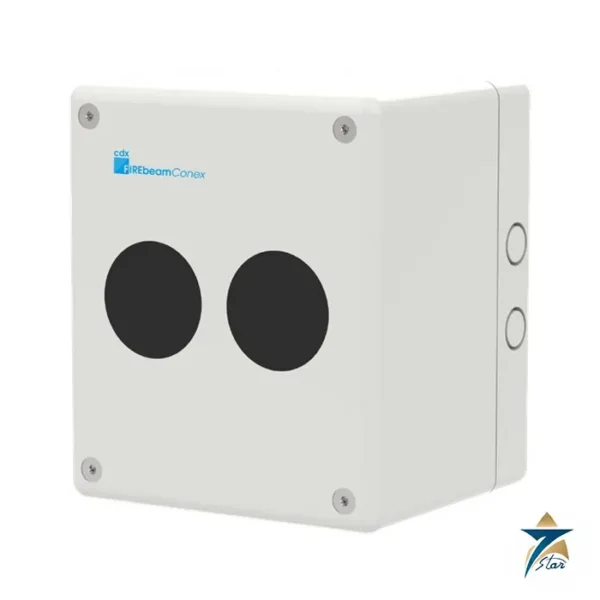
Related items you may also need: Hochiki ACD-EN Intelligent Multi Sensor | Hochiki CDX FIREbeam Conex Conventional Beam Smoke Detector | Hochiki CDX FIREbeam Xtra Conventional Beam Smoke Detector | All Hochiki products.

Documents and quotation

The manufacturer datasheet for the Hochiki ATJ-EN is attached to this page. Send your RFQ with the part number, colour, quantity and delivery location in Oman or the GCC.

Other Models in the ESP Sensors Range

Seven Star LLC supplies models from the ESP Sensors range in Oman and the GCC. Compare the related models below and request a quote for the one that matches your application.

ModelCategory
Hochiki ALN-EN Intelligent Photoelectric Smoke Sensor (ESP)Fire & Gas DetectorsView details
Hochiki ATJ-EN Intelligent Multi-Heat Sensor (ESP)Fire & Gas DetectorsYou are viewing this model
Datasheets & Documents
  • PDF Datasheet Hochiki ATJ-EN Intelligent Multi-Heat Sensor (ESP) Datasheet Download
Reviews (0)

Reviews

There are no reviews yet.

How would you rate this product?

It takes about 10 seconds — just tap a star. Your email is never published.

About brand

Hochiki is a Japanese fire detection company, established in Tokyo in 1918 as Japan's first fire alarm manufacturer, with leading insurance companies among its founders. It makes smoke and heat detectors, beam detectors, addressable fire alarm systems and emergency lighting. Hochiki America has operated in the US since 1972.

Seven Star LLC is an independent supplier in Muscat. We list Hochiki detectors for fire alarm contractors in Oman and the GCC.

Hochiki company profile

Founded 1918, Tokyo, Japan
Founders Members of Japan's insurance industry
US operations Since 1972
Systems Conventional and addressable fire detection
Product families ESP intelligent detectors and multi-sensors, FIREbeam beam detectors, CDX conventional detectors, control panels

Milestones

  • 1918: Hochiki is founded in Tokyo.
  • 1972: Hochiki America begins US operations.

Hochiki product series

The ACD-EN is an intelligent multi sensor detector for Hochiki addressable systems.

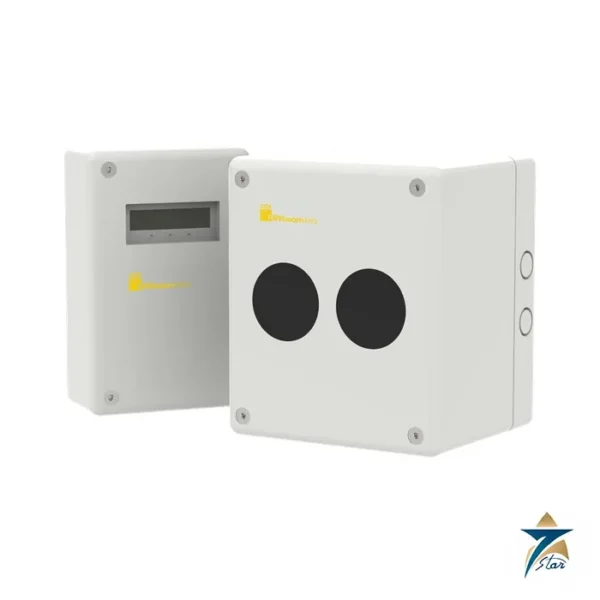
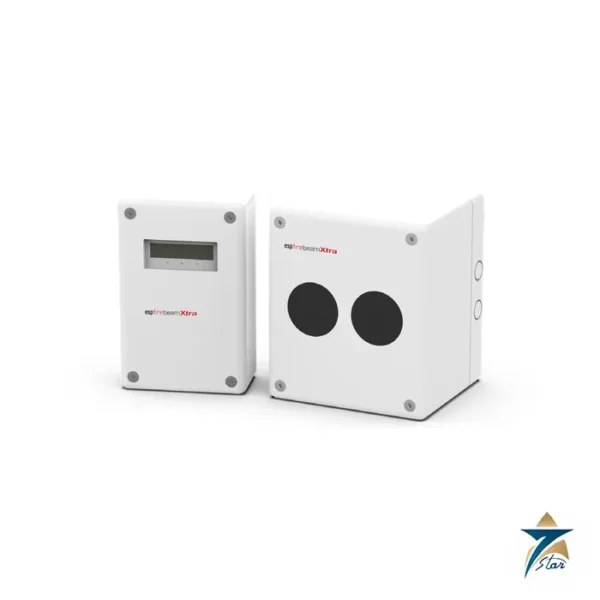
Beam smoke detectors include the CDX FIREbeam Conex and CDX FIREbeam Xtra conventional detectors and the ESP FIREbeam Xtra addressable detector.

Multi sensor detectors combine smoke and heat sensing to detect different fire types and reduce false alarms. Beam detectors send an infrared beam across an open space and alarm when smoke reduces the signal, covering large areas with fewer devices.

Detectors must match the panel protocol and be installed and tested to the local fire code.

Where Hochiki detectors are used

Offices, hotels, schools and hospitals, and large open spaces such as warehouses, atriums and halls where beam detectors cover long distances.

Hochiki products we list

Family Examples
Fire & Gas Detectors ACD-EN Intelligent Multi Sensor, CDX FIREbeam Conex Conventional Beam Smo…, ESP FIREbeam Xtra Addressable Beam Smoke…

Ordering Hochiki detectors: what we need

Send the part number, protocol (conventional or ESP addressable), the beam range and the panel in use.

Facts checked against IFSEC Global centenary coverage and Hochiki company profiles, October 2026.

FAQ

Questions about the Hochiki ATJ-EN Intelligent Multi-Heat Sensor (ESP)

Answers from our engineering team on installation, compatibility and integration.

01What does the Hochiki ATJ-EN detect?
It is a multi-heat sensor that combines a variable temperature element and a rate of rise element, selectable from the control panel on an ESP loop.
02Which approval classes does the Hochiki ATJ-EN list?
The datasheet states LPCB and VdS approval to classes A1, B and C, with categories A1R, BR, CR, A1S, BS and CS.
03How much current does the Hochiki ATJ-EN draw?
Quiescent current is 350 microamps typical at 24 V DC, low power mode is 110 microamps, and the maximum is 30 mA.
04Which bases suit the Hochiki ATJ-EN?
The datasheet names YBN-R/3, YBO-R/SCI, YBO-BS, YBO-BSB2 and YBN-R/3(SCI), with fixing centres of 48 to 74 mm.
05How heavy is the Hochiki ATJ-EN and what is its case made of?
It weighs 90 g, measures 100 mm in diameter by 45 mm high, and the case is polycarbonate in ivory, white or black.