Brand:

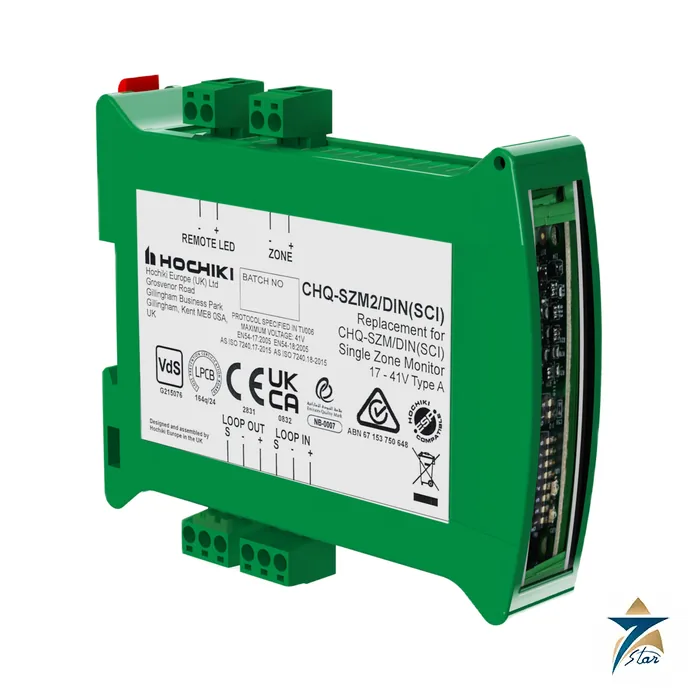
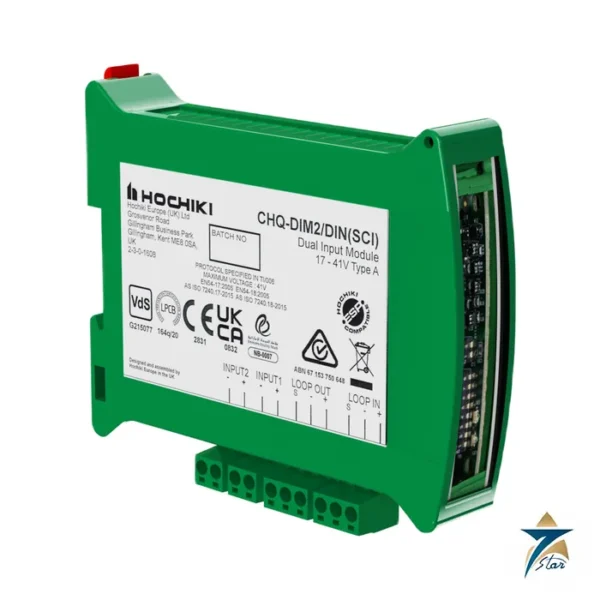
Hochiki CHQ-SZM2/DIN(SCI) Addressable Single Zone Module

Description

Overview

Not every building is ready to throw out its conventional detectors when an addressable panel arrives. The Hochiki CHQ-SZM2/DIN(SCI) lets up to six conventional detectors share one loop address of a Hochiki ESP system, so existing zone wiring can be reused or a few conventional heads can be added to a loop. Seven Star LLC is an independent supplier serving Oman and the GCC. It is the DIN rail version of the single zone module, loop powered, with an integral short-circuit isolator and a remote LED output.

What the Hochiki CHQ-SZM2/DIN(SCI) does

The module presents one conventional detector zone to the loop. The zone is monitored for short and open circuit faults and uses a polarity-conscious end-of-line device, the TE-RH-E. Addressing is by simple DIL switches. The zone voltage is 15.3 to 17.1 V, the maximum zone resistance is 50 ohms and the maximum zone capacitance is 0.3 microfarads. The conventional zone does not support line continuity options, so if call points are wired into the zone they should be connected at the start of the run.

Specification of Hochiki CHQ-SZM2/DIN(SCI)

Parameter Datasheet value
Ordering codes CHQ-SZM2(SCI) enclosed; CHQ-SZM2/DIN(SCI) DIN rail
Operating voltage 17 to 41 V DC
Quiescent current 260 microamps
Polling current 22 mA plus 20 percent
Current in short circuit 8 mA
Maximum loop short-circuit current 1 A
End-of-line device TE-RH-E, polarity conscious
Zone voltage 15.3 to 17.1 V
Zone resistance 50 ohms maximum
Zone capacitance 0.3 microfarads maximum
Operating temperature minus 10 to plus 50 degrees C
Storage temperature minus 30 to plus 60 degrees C
Humidity 95 percent RH maximum, non-condensing at 40 degrees C
DIN module weight and size 114 g; 108 by 119 by 24 mm
Approvals LPCB and VdS

Detector limits per zone

The datasheet limits the load on the zone by detector type. Types DCA, DFB and DFE have no limit. SLG, SLK, SLR, SIF, SIH, SIJ, DCC, DCD and DFJ are limited to six per zone. SPB-ET, SPC-ET or SRA-ET may be used only one at a time and with no other detectors, and the same single-device rule applies to HF-24. The DRD-E flame detector is limited to three and the CCP-E call point has no limit. This table drives the design, so check each head type on the planned zone against it before ordering.

How the Hochiki CHQ-SZM2/DIN(SCI) differs from the enclosed CHQ-SZM2(SCI)

The enclosed unit weighs 328 g and measures 157 by 127 by 35 mm with its lid, growing to 79 mm in depth with the CHQ-BACKBOX, which adds 235 g and raises the rating to IP65. The DIN module is far smaller at 114 g and 119 by 108 by 24 mm. Electrical data is the same, so the choice is about where the module will be installed: in a cabinet on a rail, or on a wall in its own housing.

Where the module is used in Oman and the GCC

Refurbishment projects in older industrial buildings, workshops and warehouses often keep conventional detectors in good condition and add an addressable panel. Hazardous-area barriers, special detector types and legacy call points can also be interfaced through a zone module. Placing the DIN version in a marshalling cabinet near the conventional zone limits the length of non-addressable cable and keeps the module in a clean, temperature-controlled space.

Installation and commissioning

Mount the module on the rail, wire the loop in and out terminals, connect the conventional zone with its end-of-line device at the far end, then set the address on the DIL switches. Power the loop and verify that the panel sees the module. Test each detector and call point on the zone with an approved method, and confirm both open and short circuit faults are reported. Use the remote LED output when a visible indication is needed outside the cabinet.

Maintenance

Every service visit should include functional tests of the detectors on the zone, inspection of the end-of-line device and a check of terminal tightness. If a zone fault appears, measure the zone resistance and capacitance against the limits above before replacing hardware.

Why zone modules help phased upgrades

Replacing a whole conventional system in one step is costly and disruptive in an operating plant. A module like this allows work in phases: the new loop and panel go in first, conventional zones are brought onto the loop through zone modules, and detectors are then replaced area by area during planned shutdowns. Each zone keeps its identity as a single address on the panel, which simplifies the cause-and-effect programming. Fire protection is not interrupted, and the final result is a clean addressable installation. Keep the addresses of zone modules recorded in the loop schedule, and note which conventional heads sit behind each one.

Design checks before ordering

Before ordering, sketch each conventional zone with its detector types, count the heads, and compare the totals against the limits in the detector table. Estimate the zone cable resistance and capacitance from the cable data sheet and the route length, and keep both well inside the 50 ohm and 0.3 microfarad limits. Decide where the end-of-line device will sit, because the polarity-conscious device must be at the far end of the final detector. If call points share the zone, place them first in the run as the datasheet advises. List the loop address of every module in the schedule so the panel text can name the area covered by each zone.

Ordering notes for Hochiki CHQ-SZM2/DIN(SCI)

Quote the DIN code and not the enclosed module, and list the conventional detector types planned for each zone so the loading limits can be checked. Order the end-of-line devices and any back box separately.

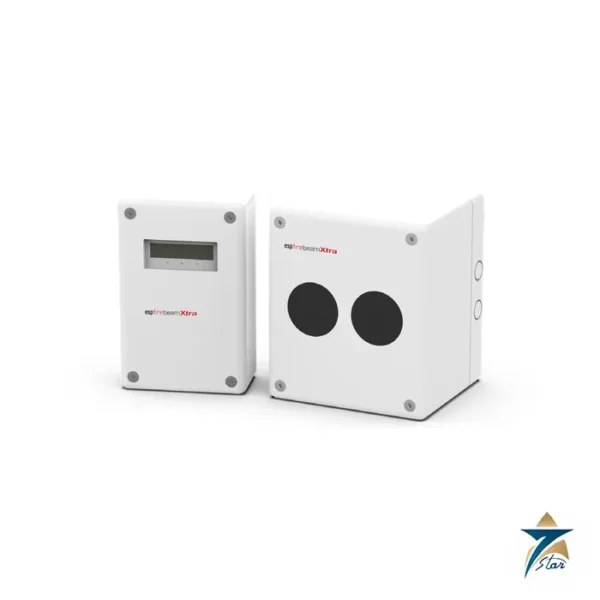
Related items you may also need: Hochiki ESP FIREbeam Xtra Addressable Beam Smoke Detector | Hochiki CDX FIREbeam Xtra Conventional Beam Smoke Detector | Hochiki CDX FIREbeam Conex Conventional Beam Smoke Detector | All Hochiki products.

Documents and quotation

The manufacturer datasheet covering the Hochiki CHQ-SZM2/DIN(SCI) is attached to this page. Send your RFQ with the part number, quantity and delivery location in Oman or the GCC.

Other Models in the CHQ Modules Range

Seven Star LLC supplies models from the CHQ Modules range in Oman and the GCC. Compare the related models below and request a quote for the one that matches your application.

ModelCategory
Hochiki CHQ-DIM2/DIN(SCI) Dual Input Module, DIN RailFire & Gas DetectorsView details
Hochiki CHQ-SZM2/DIN(SCI) Addressable Single Zone ModuleFire & Gas DetectorsYou are viewing this model
Datasheets & Documents
  • PDF Datasheet Hochiki CHQ-SZM2/DIN(SCI) Addressable Single Zone Module Datasheet Download
Reviews (0)

Reviews

There are no reviews yet.

How would you rate this product?

It takes about 10 seconds — just tap a star. Your email is never published.

About brand

Hochiki is a Japanese fire detection company, established in Tokyo in 1918 as Japan's first fire alarm manufacturer, with leading insurance companies among its founders. It makes smoke and heat detectors, beam detectors, addressable fire alarm systems and emergency lighting. Hochiki America has operated in the US since 1972.

Seven Star LLC is an independent supplier in Muscat. We list Hochiki detectors for fire alarm contractors in Oman and the GCC.

Hochiki company profile

Founded 1918, Tokyo, Japan
Founders Members of Japan's insurance industry
US operations Since 1972
Systems Conventional and addressable fire detection
Product families ESP intelligent detectors and multi-sensors, FIREbeam beam detectors, CDX conventional detectors, control panels

Milestones

  • 1918: Hochiki is founded in Tokyo.
  • 1972: Hochiki America begins US operations.

Hochiki product series

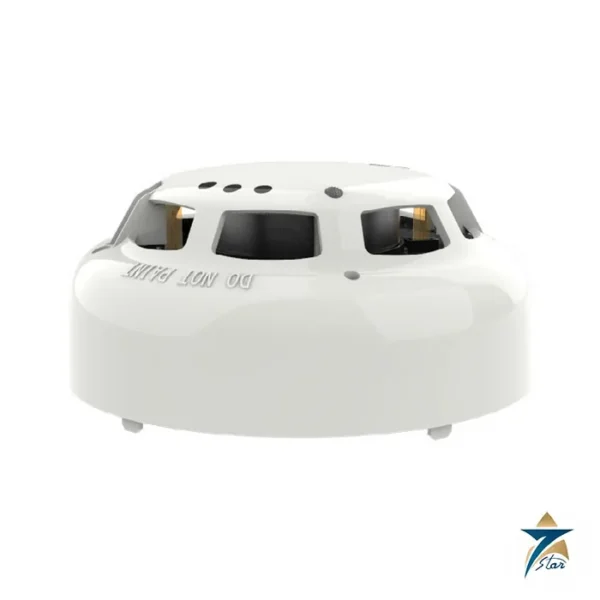
The ACD-EN is an intelligent multi sensor detector for Hochiki addressable systems.

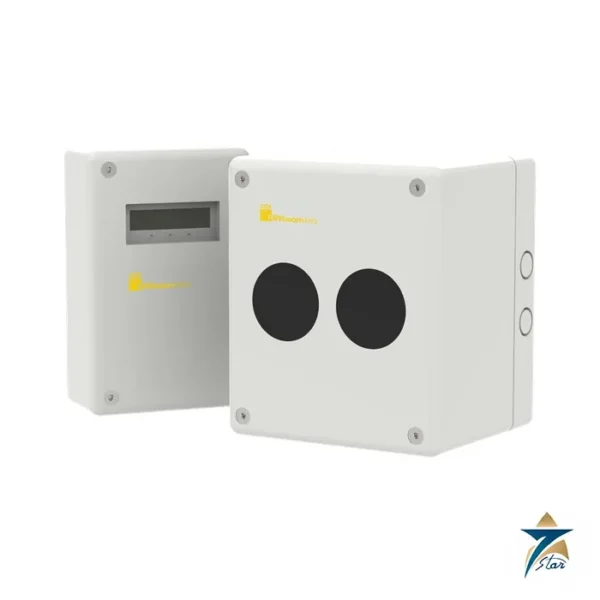
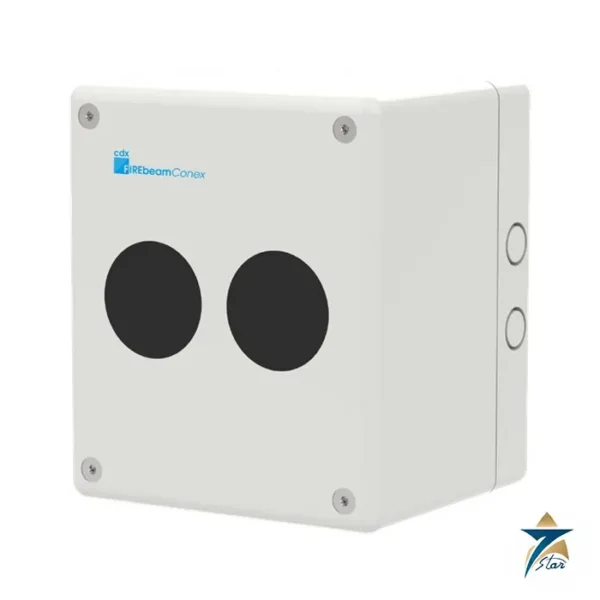
Beam smoke detectors include the CDX FIREbeam Conex and CDX FIREbeam Xtra conventional detectors and the ESP FIREbeam Xtra addressable detector.

Multi sensor detectors combine smoke and heat sensing to detect different fire types and reduce false alarms. Beam detectors send an infrared beam across an open space and alarm when smoke reduces the signal, covering large areas with fewer devices.

Detectors must match the panel protocol and be installed and tested to the local fire code.

Where Hochiki detectors are used

Offices, hotels, schools and hospitals, and large open spaces such as warehouses, atriums and halls where beam detectors cover long distances.

Hochiki products we list

Family Examples
Fire & Gas Detectors ACD-EN Intelligent Multi Sensor, CDX FIREbeam Conex Conventional Beam Smo…, ESP FIREbeam Xtra Addressable Beam Smoke…

Ordering Hochiki detectors: what we need

Send the part number, protocol (conventional or ESP addressable), the beam range and the panel in use.

Facts checked against IFSEC Global centenary coverage and Hochiki company profiles, October 2026.

FAQ

Questions about the Hochiki CHQ-SZM2/DIN(SCI) Addressable Single Zone

Answers from our engineering team on installation, compatibility and integration.

01How many conventional detectors can the Hochiki CHQ-SZM2/DIN(SCI) support?
It interfaces up to six conventional detectors of the listed types to one loop address, with limits per detector type given in the datasheet.
02What end-of-line device does the Hochiki CHQ-SZM2/DIN(SCI) use?
The datasheet names the TE-RH-E, which is polarity conscious, with a zone voltage of 15.3 to 17.1 V.
03Is the Hochiki CHQ-SZM2/DIN(SCI) loop powered?
Yes. It operates from 17 to 41 V DC from the loop, with 260 microamps quiescent current and an integral short-circuit isolator.
04What are the maximum zone resistance and capacitance for the Hochiki CHQ-SZM2/DIN(SCI)?
The zone may not exceed 50 ohms of resistance or 0.3 microfarads of capacitance.
05How does the DIN module differ from the CHQ-SZM2(SCI)?
The DIN module weighs 114 g and measures 108 by 119 by 24 mm, while the enclosed module is 328 g in a lidded housing.