Brand:

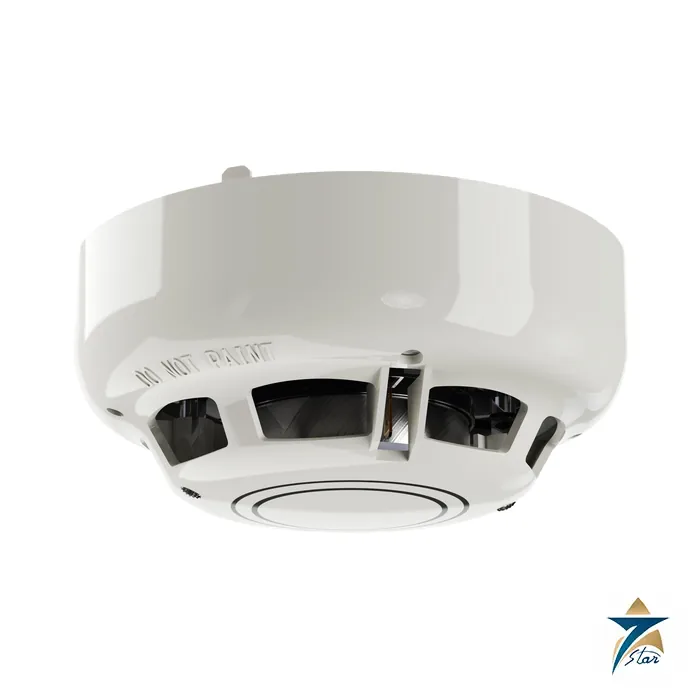
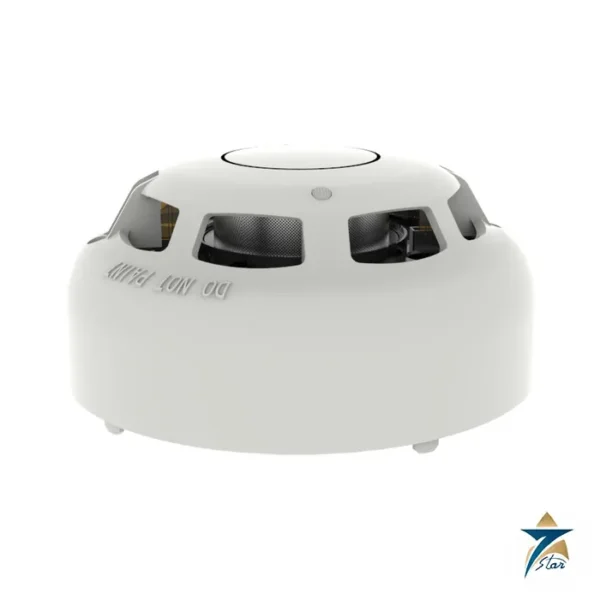
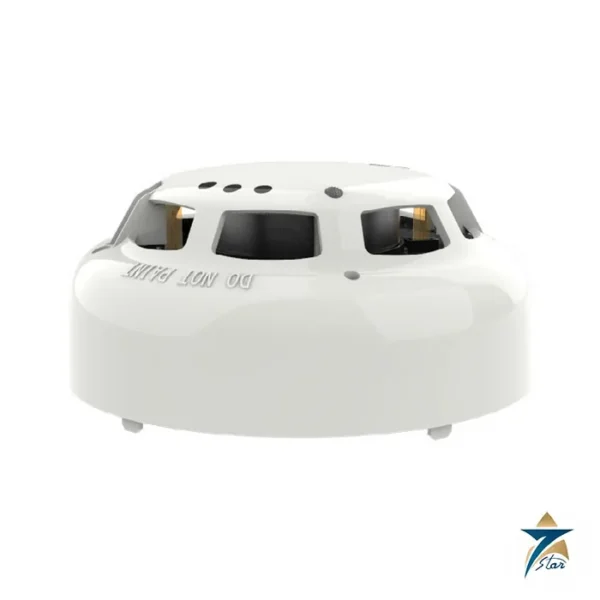
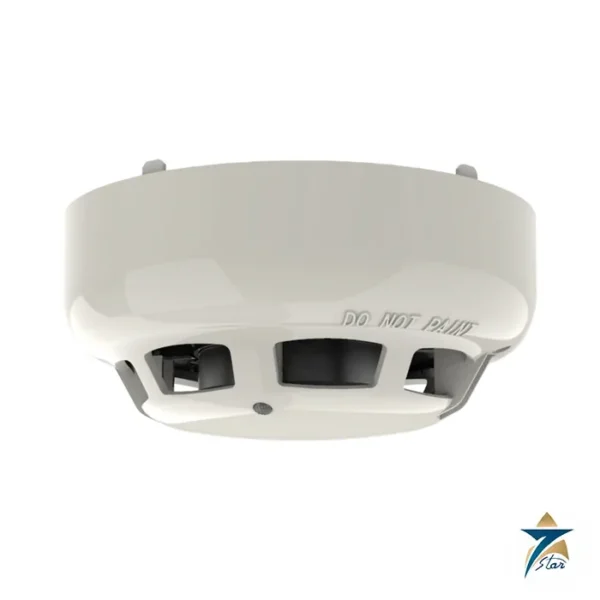
Hochiki ACC-EN Intelligent Multi Sensor, Optical and Heat

Description

Overview

Mixed-risk rooms are the reason multi-sensors exist, and the Hochiki ACC-EN is Hochiki’s intelligent multi sensor for the ESP analogue addressable protocol. It carries a high performance photoelectric smoke chamber and a thermal element in one 100 mm head, and the panel decides how they are used. Seven Star LLC is an independent supplier serving Oman and the GCC. Anyone designing a loop for hotel corridors, control rooms or mixed-use buildings can use one detector type and let the panel software adapt its behaviour to each area.

Three modes in the Hochiki ACC-EN

The datasheet describes three modes, all controlled from the control panel: optical element only, thermal element only, or both together in making the fire decision. This means a single stock item covers a corridor needing quick smoke response, a plant area where heat is the safer trigger and a room where both are wanted. The polling LEDs can also be controlled from the panel for pulsing or non-pulsing operation. Sensitivity is variable, and the smoke chamber is removable for maintenance.

  • Optical and heat elements in one head.
  • Removable high performance chamber.
  • Twin LEDs for 360 degree viewing: green when polling, red in fire.
  • Approvals listed: EN 54-7 and EN 54-5; the datasheet marks EN 54-29 as approval pending. LPCB and VdS approved to classes A1 and C.

Hochiki ACC-EN data sheet values

Parameter Value
Ordering codes ACC-EN ivory, ACC-EN(WHT) white, ACC-EN(BLK) black
Operating voltage 17 to 41 V DC
Low power mode 120 microamps typical
Quiescent current 400 microamps typical
Maximum current 30 mA
Alarm current 9.1 mA, controlled by the panel, remote indicator excluded
Transmission Digital, ESP
Operating temperature minus 10 to plus 50 degrees C
Humidity 95 percent RH non-condensing at 40 degrees C
Storage minus 30 to plus 60 degrees C, less than 80 percent RH at 60 degrees C
Case Polycarbonate
Weight and size 95 g, 100 mm diameter by 45 mm height
Compatible bases YBN-R/3(WHT), YBO-BS(WHT), YBO-BSB2(WHT), YBV-R/4(WHT) for the SCI sensor
Fixing centres 48 to 74 mm
Wind exposure, EN 54-7 1 plus or minus 0.2 m per second
IP rating IP42

How the ACC-EN differs from the ALN-EN and ATJ-EN

The ALN-EN senses smoke only, in an ABS case weighing 95 g, and the ATJ-EN senses heat only, weighing 90 g in polycarbonate. The ACC-EN is the only one of the three that offers both elements and three selectable modes. It shares the 400 microamp quiescent current and 120 microamp low power figure of the ALN-EN, and its alarm and maximum currents of 9.1 mA and 30 mA are the same across the three heads. If one detector model is to be stocked for the whole building, the ACC-EN is the natural candidate.

Where it fits in Oman and GCC projects

Hotels, hospitals, schools, airports and administration buildings often have corridors, kitchens and plant rooms on one loop. The combination of optical and thermal sensing reduces the number of detector types to order and keep as spares. Check the ceiling temperature in hot buildings against the 50 degrees C operating limit and plan sensitivity settings by zone with the fire engineer.

Compatibility and commissioning

The listed bases are the white versions, including the YBV-R/4(WHT) for the sensor variant with an integral isolator. Because the mode selection needs support in the panel, confirm control panel model and software before ordering. Fit the base, wire the loop, lock the head, then address it and choose the mode from the panel. Confirm the readings of both elements during commissioning and keep dust covers on only until the building is clean.

Why panel logic matters for the ACC-EN

The value of a multi-sensor is not in the hardware alone but in what the panel does with two readings. With both elements active, the panel can require agreement between smoke and heat before it raises a full alarm in a nuisance-prone room, or it can alarm on either one in a sensitive area. A technician can move a kitchen corridor from optical-only to combined mode without touching the ceiling. During the loop design, list each zone with its mode, its sensitivity and its day and night settings, and keep this schedule with the commissioning records so later changes are traceable.

When replacing older detectors with the ACC-EN, check the address range on the loop and the polling capacity of the panel, because a head that carries two elements still occupies a single address.

Maintenance

Use panel trend data to find sensors with drifting smoke values, replace or clean the chamber as the service instructions describe, and test the thermal side with a suitable heat source. A mixed spare stock of ACC-EN heads simplifies site replacement.

Environment and placement

Place the head on the ceiling following the spacing rules of the standard applied to the project, keeping clear of beams, lights and air outlets that could divert smoke or heat away from it. In tall spaces such as atriums or workshop halls, the thermal side responds slowly at height, so rely on the optical element there. Near cooking or steam, prefer the thermal mode in the panel and avoid the optical mode, which would respond to vapour. In desert conditions, fit dust covers during fit-out and remove them before handover, and plan chamber cleaning at intervals suited to the dust load of the site.

Ordering notes for Hochiki ACC-EN

Quote the part number with the colour code and the matching base. The EN 54-29 note in the datasheet means that you should confirm current approval status with the project specification before you rely on it.

Related items you may also need: Hochiki ACD-EN Intelligent Multi Sensor | Hochiki ESP FIREbeam Xtra Addressable Beam Smoke Detector | Hochiki CDX FIREbeam Xtra Conventional Beam Smoke Detector | All Hochiki products.

Documents and quotation

The manufacturer datasheet for the Hochiki ACC-EN is attached to this page. Send your RFQ with the part number, colour, quantity and delivery location in Oman or the GCC.

Other Models in the ESP Sensors Range

Seven Star LLC supplies models from the ESP Sensors range in Oman and the GCC. Compare the related models below and request a quote for the one that matches your application.

ModelCategory
Hochiki ALN-EN Intelligent Photoelectric Smoke Sensor (ESP)Fire & Gas DetectorsView details
Hochiki ATJ-EN Intelligent Multi-Heat Sensor (ESP)Fire & Gas DetectorsView details
Hochiki ACC-EN Intelligent Multi Sensor, Optical and HeatFire & Gas DetectorsYou are viewing this model
Datasheets & Documents
  • PDF Datasheet Hochiki ACC-EN Intelligent Multi Sensor, Optical and Heat Datasheet Download
Reviews (0)

Reviews

There are no reviews yet.

How would you rate this product?

It takes about 10 seconds — just tap a star. Your email is never published.

About brand

Hochiki is a Japanese fire detection company, established in Tokyo in 1918 as Japan's first fire alarm manufacturer, with leading insurance companies among its founders. It makes smoke and heat detectors, beam detectors, addressable fire alarm systems and emergency lighting. Hochiki America has operated in the US since 1972.

Seven Star LLC is an independent supplier in Muscat. We list Hochiki detectors for fire alarm contractors in Oman and the GCC.

Hochiki company profile

Founded 1918, Tokyo, Japan
Founders Members of Japan's insurance industry
US operations Since 1972
Systems Conventional and addressable fire detection
Product families ESP intelligent detectors and multi-sensors, FIREbeam beam detectors, CDX conventional detectors, control panels

Milestones

  • 1918: Hochiki is founded in Tokyo.
  • 1972: Hochiki America begins US operations.

Hochiki product series

The ACD-EN is an intelligent multi sensor detector for Hochiki addressable systems.

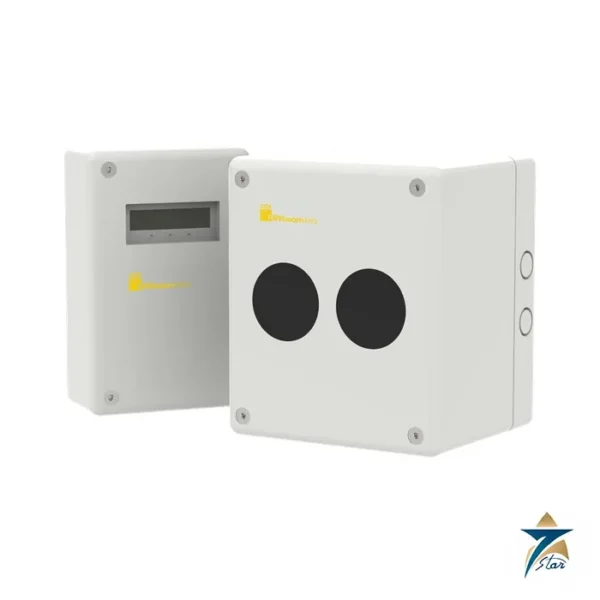
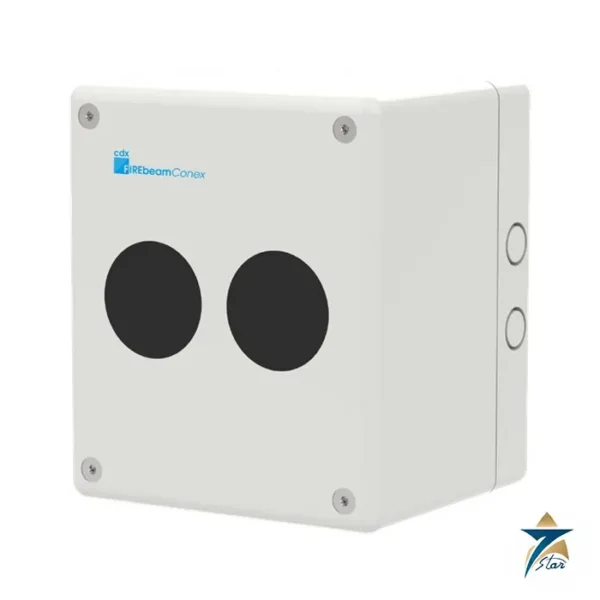
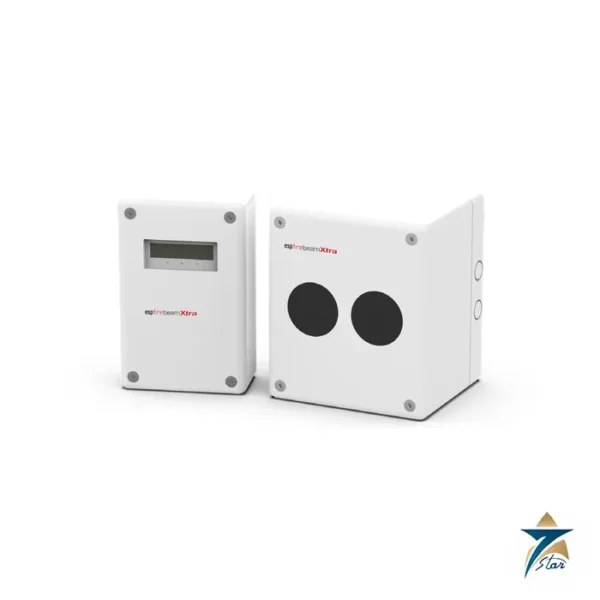
Beam smoke detectors include the CDX FIREbeam Conex and CDX FIREbeam Xtra conventional detectors and the ESP FIREbeam Xtra addressable detector.

Multi sensor detectors combine smoke and heat sensing to detect different fire types and reduce false alarms. Beam detectors send an infrared beam across an open space and alarm when smoke reduces the signal, covering large areas with fewer devices.

Detectors must match the panel protocol and be installed and tested to the local fire code.

Where Hochiki detectors are used

Offices, hotels, schools and hospitals, and large open spaces such as warehouses, atriums and halls where beam detectors cover long distances.

Hochiki products we list

Family Examples
Fire & Gas Detectors ACD-EN Intelligent Multi Sensor, CDX FIREbeam Conex Conventional Beam Smo…, ESP FIREbeam Xtra Addressable Beam Smoke…

Ordering Hochiki detectors: what we need

Send the part number, protocol (conventional or ESP addressable), the beam range and the panel in use.

Facts checked against IFSEC Global centenary coverage and Hochiki company profiles, October 2026.

FAQ

Questions about the Hochiki ACC-EN Intelligent Multi Sensor, Optical

Answers from our engineering team on installation, compatibility and integration.

01What elements are inside the Hochiki ACC-EN?
It contains a high performance photoelectric smoke chamber and a thermal element, and the panel selects optical, thermal or both modes.
02Which approvals does the Hochiki ACC-EN datasheet list?
EN 54-7 and EN 54-5, with EN 54-29 marked approval pending, and LPCB and VdS approval to classes A1 and C.
03What is the quiescent current of the Hochiki ACC-EN?
Quiescent current is 400 microamps typical and low power mode is 120 microamps, with a maximum current of 30 mA.
04Which bases are listed for the Hochiki ACC-EN?
The datasheet lists YBN-R/3(WHT), YBO-BS(WHT), YBO-BSB2(WHT) and YBV-R/4(WHT) for the SCI sensor.
05Does the Hochiki ACC-EN need a compatible control panel?
Yes. Mode selection and LED pulsing are controlled from the panel, so panel compatibility must be confirmed before ordering.