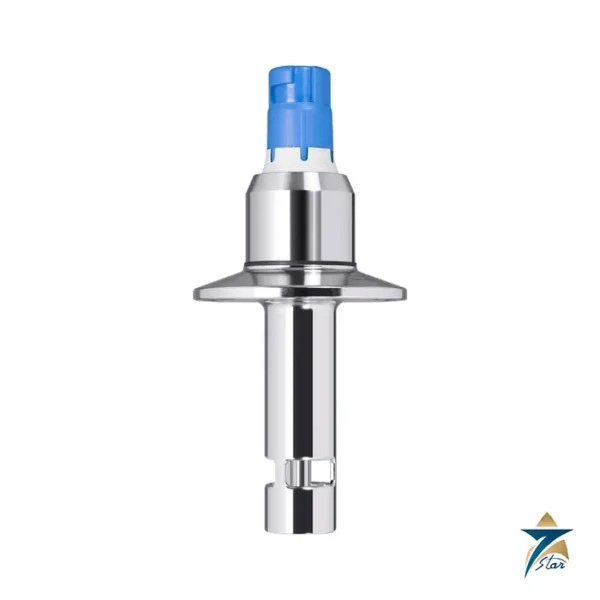
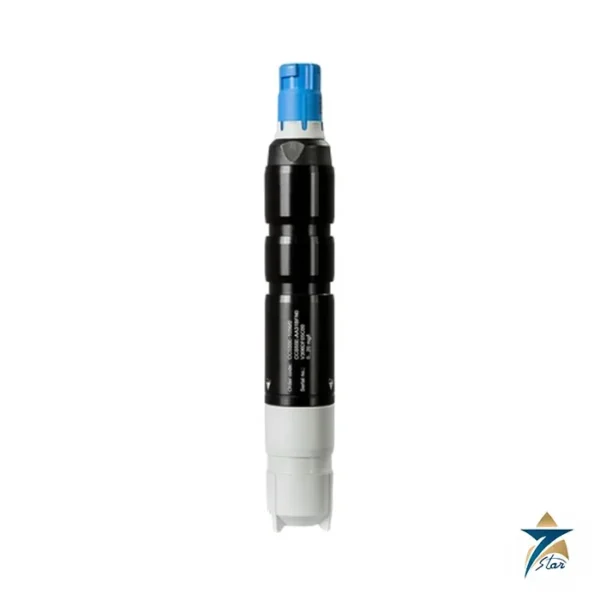
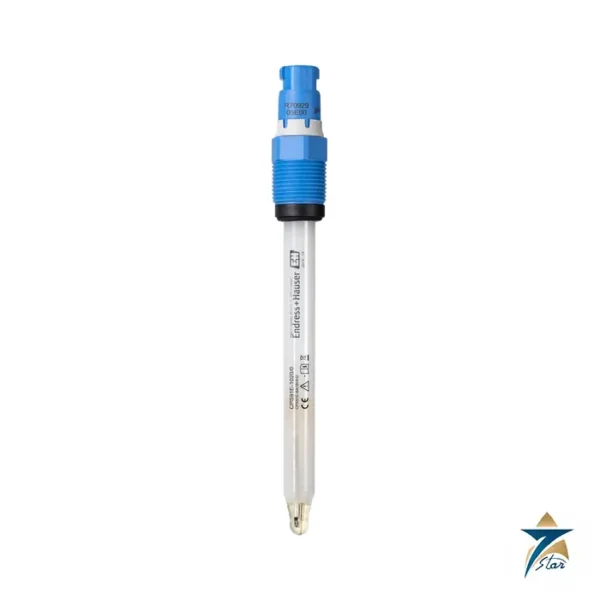
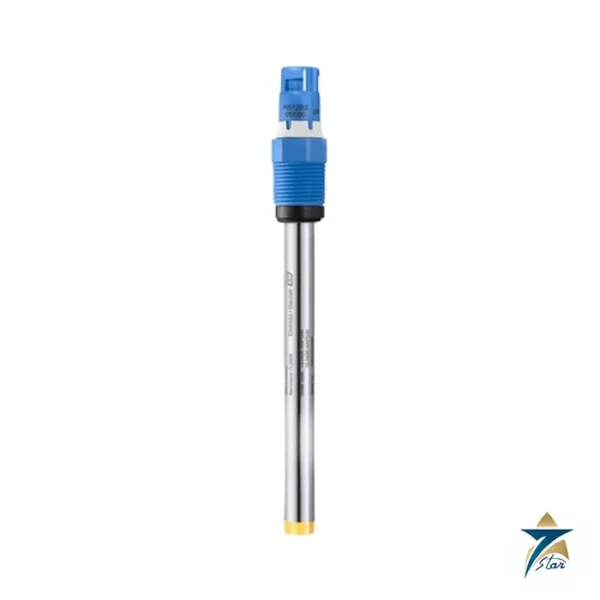
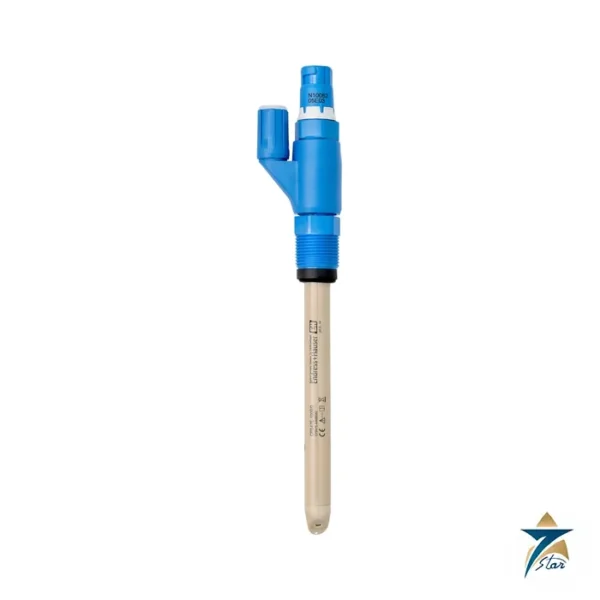
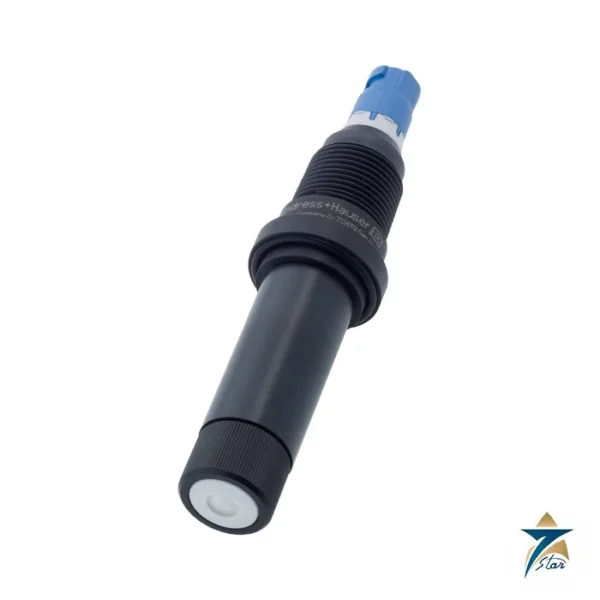
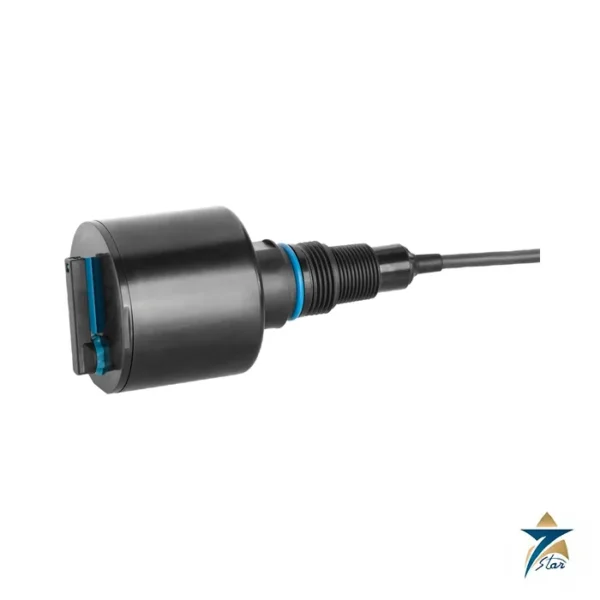
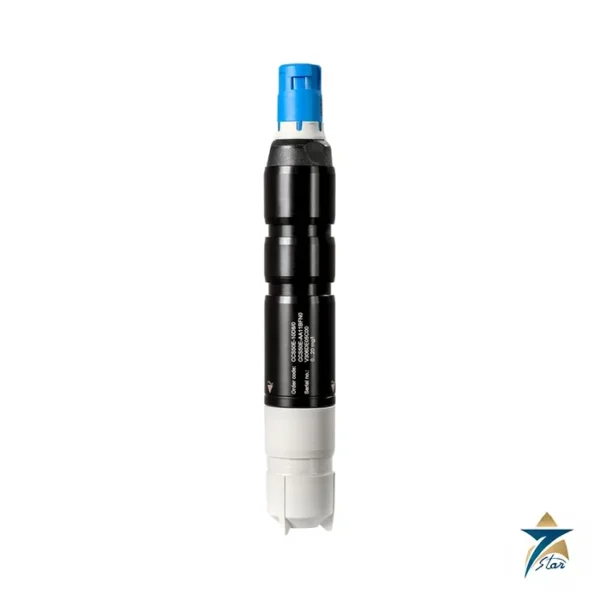
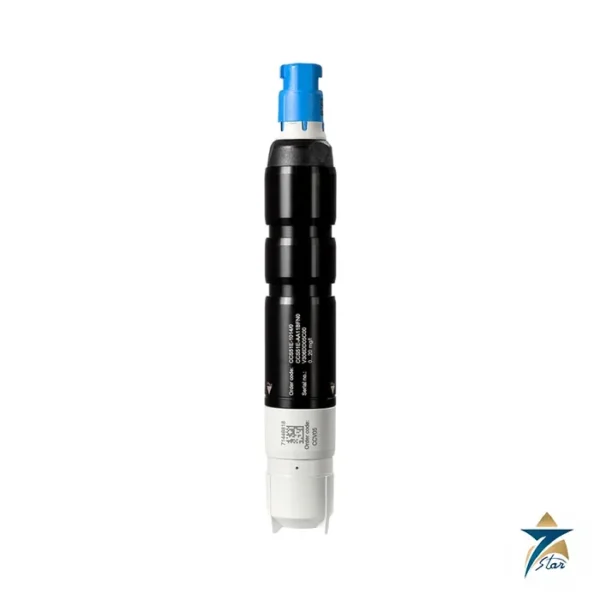
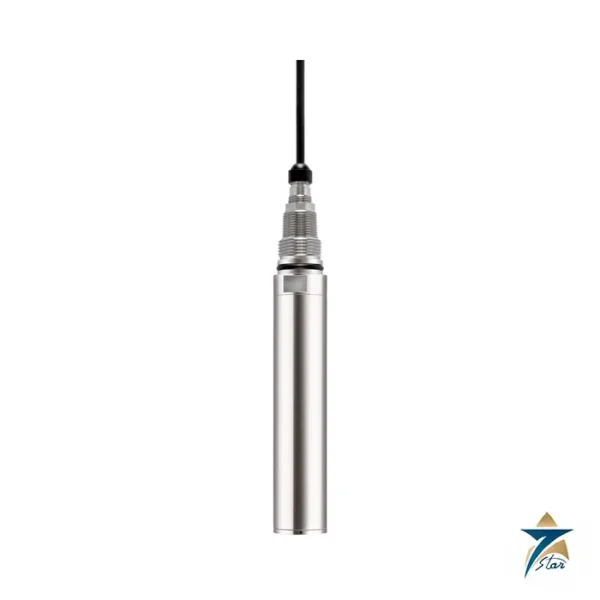
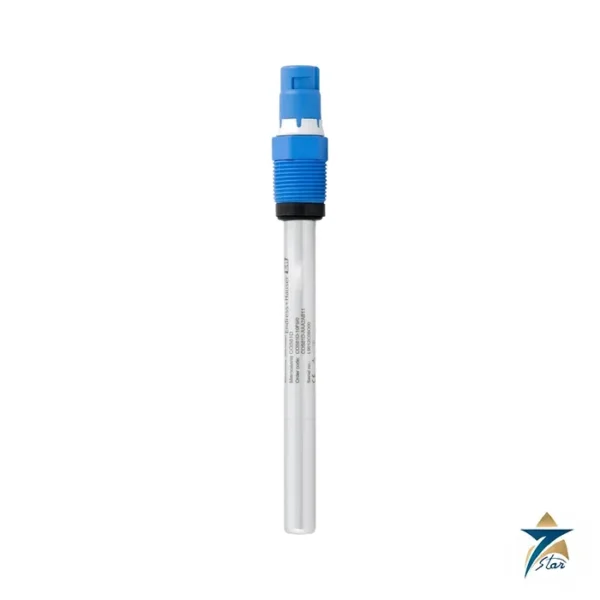
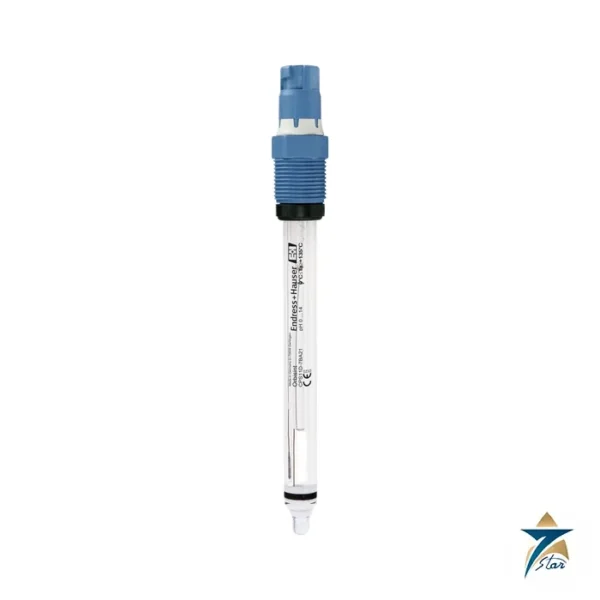
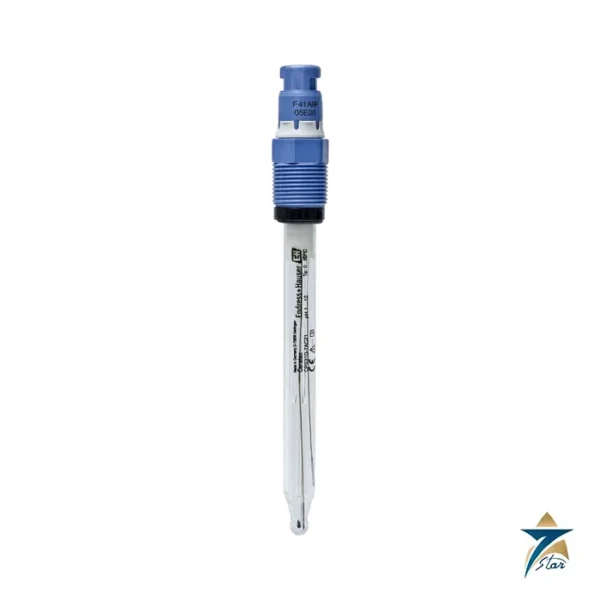
Endress+Hauser CLD18 Smartec Compact Inductive Conductivity System

Description

CLD18 Smartec: a toroidal conductivity cell with built-in electronics

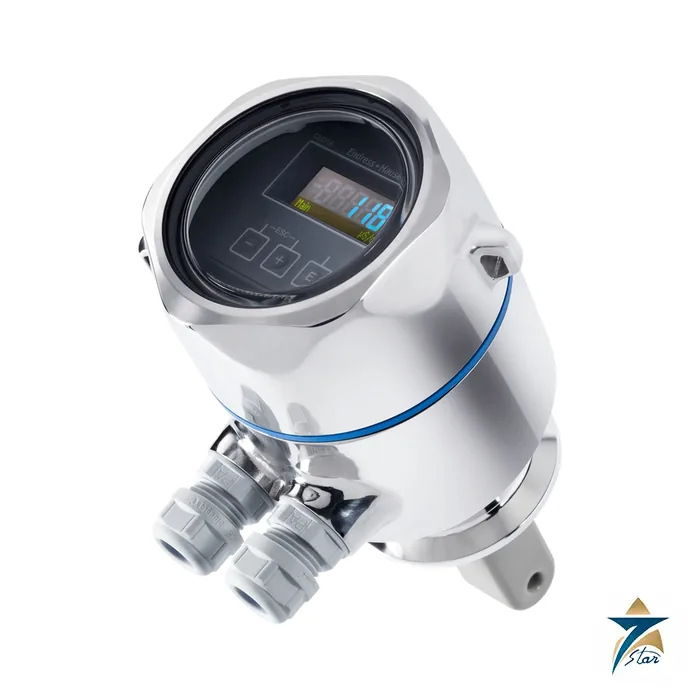
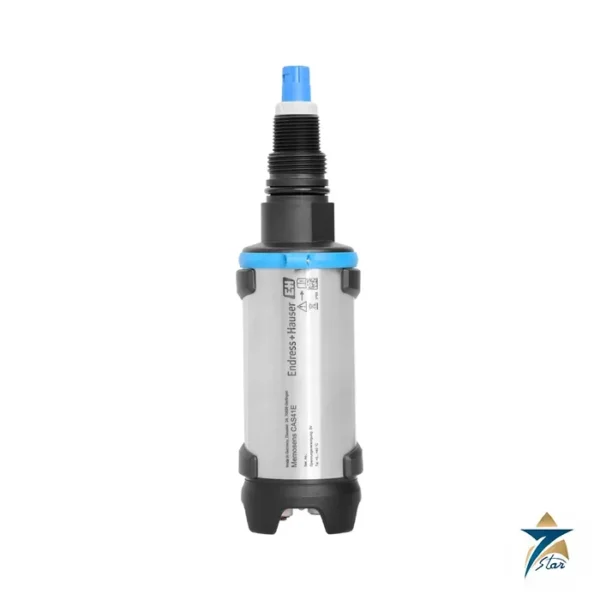
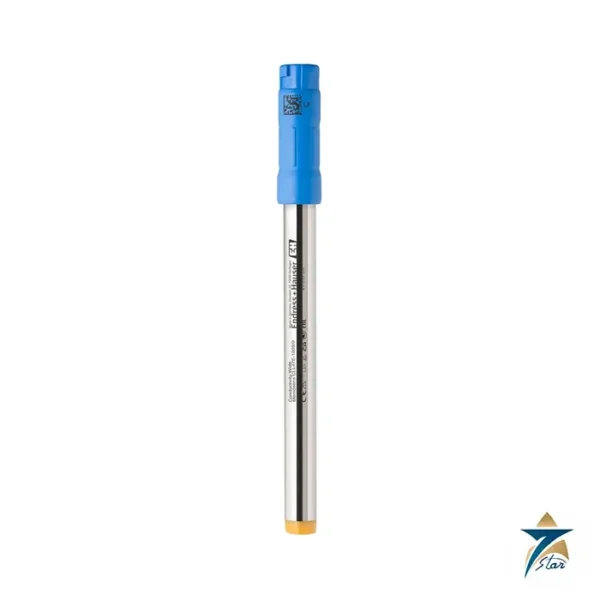
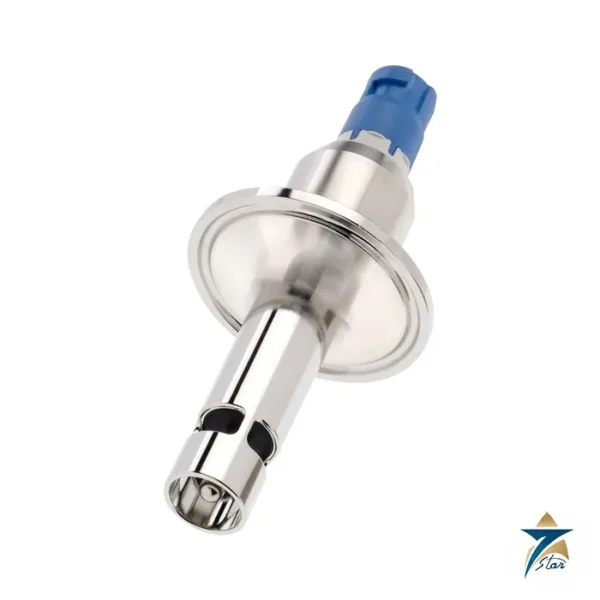
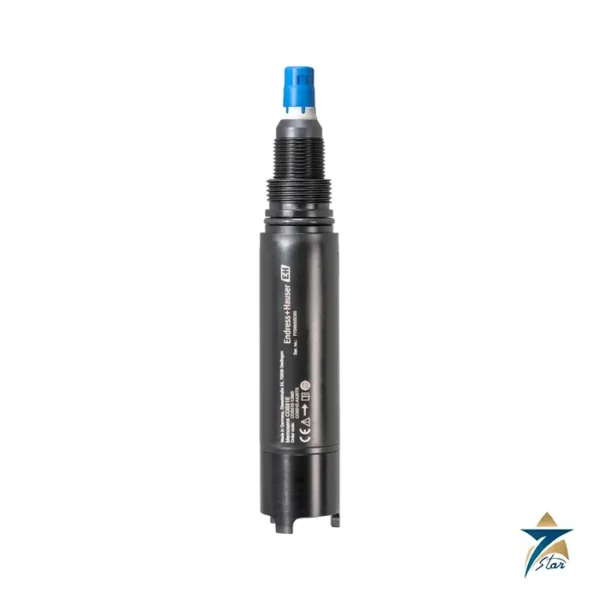
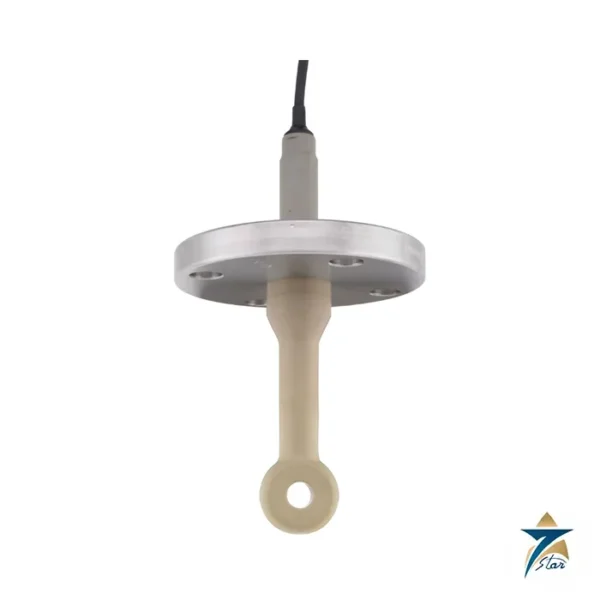
Endress+Hauser CLD18 combines an inductive (toroidal) conductivity sensor and its transmitter electronics in one compact body. An oscillator drives a primary coil, the liquid forms a one-turn current loop, and a secondary coil receives the induced current, which is proportional to ion concentration. There are no electrodes to polarise or foul, and the measurement is galvanically isolated from the medium.

The datasheet is written for the food and beverage industry, with a PEEK wetted sensor and hygienic design to EHEDG and 3-A principles, but the same chemical resistance serves industrial water, CIP return lines and pickling rinse stages. Seven Star LLC is an independent supplier serving Oman and the GCC and is not affiliated with the manufacturer.

CLD18 technical data

Parameter Value
Measuring principle Inductive conductivity with temperature compensation, reference 25 degrees C
Conductivity range 200 uS/cm to 1000 mS/cm recommended, uncompensated
Temperature measurement Minus 10 to 130 degrees C
Cell constant 11.0 per cm
Measured error 2.0 percent of reading plus 20 uS/cm; temperature 1.5 K
Repeatability Up to 0.5 percent of reading plus or minus 5 uS/cm, 2 digits
Response Conductivity t95 under 1.5 s; temperature t90 under 20 s
Output signals 0 or 4 to 20 mA, load up to 500 ohm, resolution above 13 bit; alarm open collector 200 mA, 30 V DC
Supply Analog 24 V DC plus or minus 20 percent, 3 W; IO-Link 18 to 30 V DC, 1 W
Process temperature (stainless connection) Minus 10 to 110 degrees C, up to 130 degrees C for 60 minutes
Process pressure (stainless) 13 bar abs to 50 degrees C, 7.75 bar at 110, 6.0 bar at 130 degrees C for 60 minutes
PVC connection Minus 10 to 60 degrees C, 9 bar abs to 50 degrees C, 6 bar at 60 degrees C
Flow Up to 10 m/s in DN 50 for low-viscosity media
Protection IP 69; NEMA type 6P
Shock / vibration 50 g and 5 g per IEC 61298-3
Materials PEEK sensor, 1.4435 (316L) or PVC-U connection, 1.4308 stainless housing
Weight Up to 1.87 kg with stainless housing

Where CLD18 fits in a plant

The listed duties are phase separation of product and water in beverage lines, control of CIP plants including concentration and return-line separation, industrial water monitoring and pickling rinse. Typical GCC users include dairies and juice and soft drink bottlers in Oman and the UAE, where one conductivity cell decides when a caustic line is rinsed clean. Because the binary input of the analog versions switches measuring ranges, one device can be used for both caustic and acid cycles.

How CLD18 differs from other conductivity sensors

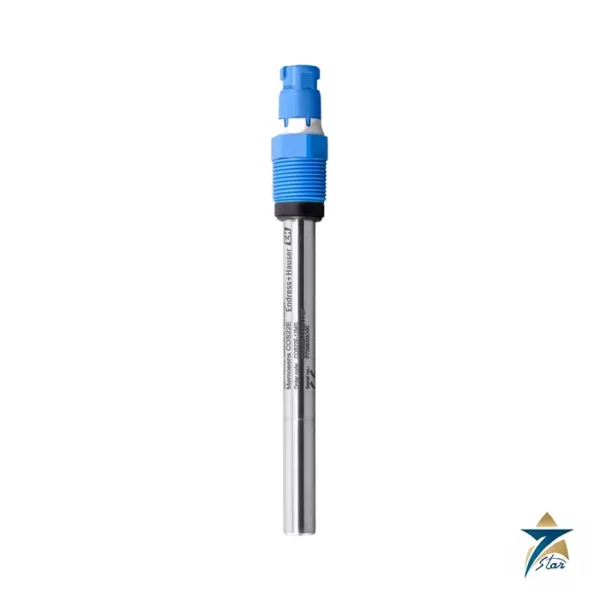
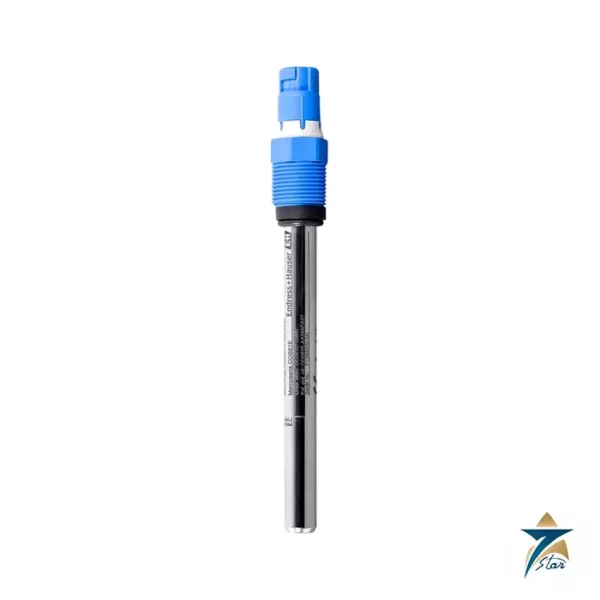
Contacting cells such as CLS15E and CLL47E cover low conductivity and need electrode surfaces; the CLD18 starts at 200 uS/cm and reaches 1000 mS/cm without electrodes, so it is the better choice for caustic, acid and brine. Within the CLD18 family the suffixes A, B, C, D describe housing and connection (plastic with G 1 1/2 thread, stainless with 2 inch clamp, stainless with Varivent, plastic with 2 1/4 inch coupling nut) and E denotes IO-Link. With IO-Link, power is 1 W instead of 3 W, the signal wires change to an M12 connector and cable length is limited to 20 m.

Installing CLD18 correctly

  • Keep the sensor completely immersed and free of air bubbles, and install it at least 1 m downstream from a pipe bend.
  • Align the flow opening in the direction of flow.
  • Allow a wall distance above 20 mm from DN 60 and above, otherwise enter the installation factor in the transmitter or multiply the cell constant by it.
  • Avoid dead legs; for EHEDG, the dead leg length must not exceed pipe inner diameter minus sensor diameter.
  • Protect the housing from direct sunlight; ambient limits are minus 20 to 60 degrees C for stainless connections.

For 3-A compliant mounting, the leakage hole must sit at the lowest point and 3-A process connections are required.

Electrical connection and signals

Analog CLD18-A to D versions use a 0.5 mm2 recommended cable (maximum 1.0 mm2) and terminals for current outputs one and two, the alarm output, the measuring range switch input and the supply. CLD18-E uses an A-coded M12 connector: L+, OUT2 as current output, L-, and OUT1 for IO-Link or SIO range switching. IO-Link device ID is 0x020101 with COM2 38.4 kBd, 10 ms minimum cycle time and data storage support.

Ordering notes for CLD18

When replacing an installed unit, record the housing material, process connection and output type, because each combination is a separate order code. We can compare the nameplate details with the datasheet before quoting.

CLD18 questions answered briefly

What conductivity range is recommended for Endress+Hauser CLD18? The recommended uncompensated range is 200 uS/cm to 1000 mS/cm, with temperature measured from minus 10 to 130 degrees C.

How fast does CLD18 respond? Conductivity reaches t95 in under 1.5 s and the temperature signal reaches t90 in under 20 s.

Which outputs does the CLD18 offer? Versions A to D give two galvanically isolated 0 or 4 to 20 mA outputs plus an open-collector alarm, while CLD18-E offers IO-Link 1.1.3 with an analog current output.

What is the cell constant of CLD18? 11.0 per cm, and the installation factor must be considered when the wall is closer than about 20 mm to the sensor.

What process connections are available for CLD18? Examples in the datasheet are G 1 1/2 thread, ISO 2852 2 inch Tri-Clamp, Varivent DN 40 to 125 and a 2 1/4 inch PVC coupling nut.

Documents and quotation

The CLD18 datasheet is attached for checking connection details. To receive a price, send an RFQ listing CLD18, the process connection, the output version (analog or IO-Link) and the quantity.

Documentation and Compliance

Industrial buyers often need more than the hardware. When you order the Endress+Hauser CLD18, tell us which documents your project or quality team requires, such as certificates of origin, conformity declarations, calibration or test records, or hazardous-area certificates where the variant carries them. Mentioning these at the enquiry stage avoids delays at customs and at goods receipt on site. For tenders and project packages, we can also align the quotation with your line-item format so that Endress+Hauser (E & H) liquid analysis sensors items can be checked against the bill of materials quickly.

Datasheets & Documents
  • PDF Datasheet Endress+Hauser CLD18 Smartec Compact Inductive Conductivity System Datasheet Download
Reviews (0)

Reviews

There are no reviews yet.

How would you rate this product?

It takes about 10 seconds — just tap a star. Your email is never published.

About brand

Endress+Hauser makes process measurement instruments for flow, level, pressure, temperature and liquid analysis. Georg H. Endress and Ludwig Hauser started the business in Lörrach, Germany, on 1 February 1953, first selling level meters, and the Endress+Hauser name has been used since 1957. The group is headquartered in Reinach, Switzerland, and has been wholly owned by the Endress family since 1975.

Seven Star LLC is an independent supplier listing Endress+Hauser flowmeters, level and pressure transmitters, temperature assemblies and liquid analysis products for buyers in Oman and the GCC. Instruments are matched from the full order code on the nameplate.

Endress+Hauser company profile

Origin Founded in Lörrach, Germany, on 1 February 1953 by the Swiss engineer Georg H. Endress and Ludwig Hauser
Headquarters Endress+Hauser AG, Reinach (Basel-Landschaft), Switzerland
Ownership Family owned; the Endress family has been the sole shareholder since 1975, and a family charter commits the company to stay family owned
Size About 16,500 employees and sales of about EUR 3.7 billion (2023, as reported by the company)
Product families Proline flowmeters, Micropilot and Levelflex radar, Liquiphant switches, Cerabar and Deltabar pressure, iTEMP and iTHERM temperature, Liquiline and Memosens liquid analysis

Milestones

  • 1953: Georg H. Endress and Ludwig Hauser start the business in Lörrach on 1 February, first selling level meters.
  • 1957: The Endress+Hauser name comes into use.
  • 1975: The Endress family becomes sole shareholder.
  • 2023: About 16,500 employees and sales of about EUR 3.7 billion, as reported by the company.

Endress+Hauser product lines

Line Measuring principle Typical use
Promass F 300, Promass 80F, 83F/84F Coriolis mass flow Direct mass flow and density of liquids and gases, hydrocarbon transfer and chemical dosing
Promag P 300, P 500, H 300, W 400, W 10, 50P Electromagnetic flow Water, wastewater, slurries and other conductive liquids
Prowirl F 200, 72F Vortex flow Steam, gas and low-viscosity liquids
Prosonic Flow 92F, t-mass 65F Ultrasonic and thermal mass flow Water lines; compressed air and industrial gases
Micropilot FMR62, FMR67, FMR60, FMR10B, FMR20, FMR50, FMR52 Free-space radar level, 80 GHz and 26 GHz Tanks, process vessels, silos and open water channels
Levelflex FMP51, FMP50, FMP54, FMP55 Guided wave radar level Level and interface in vessels, separators and bypass chambers
Liquiphant FTL51, Prosonic S FMU90 Vibronic point level; ultrasonic level High and low level alarms, pump protection, open channel flow
Cerabar PMC71B, PMP51B, PMP71, Deltabar PMD78B, PMD75 Pressure and differential pressure Process pressure, hydrostatic level and DP flow
iTEMP TMT82, TMT162, iTHERM TM101, TR66, TR10 Temperature transmitters and thermometers RTD and thermocouple points with thermowells
Liquiline CM444, CM442, Memosens CPS11E, Stamolys reagents Liquid analysis pH, ORP, conductivity, dissolved oxygen and nutrient analysis in water treatment and process

Where Endress+Hauser instruments are used

In Oman and the GCC, Endress+Hauser instruments are common in oil and gas production and processing, refineries and petrochemicals, desalination and water networks, wastewater treatment, power plants and food and beverage plants. Coriolis meters measure hydrocarbon and chemical flows, electromagnetic meters cover water and wastewater, radar transmitters handle tank and silo level, and Liquiline analysers monitor water quality. Proline 300 and 500 flowmeters include Heartbeat Technology for in-situ verification, which reduces the need to remove a meter for checks.

Ordering Endress+Hauser instruments: what we need

The order code on the nameplate (for example PMP71-1QA1S11RDADU) defines every option: measuring range, process connection, materials, output, approvals and display. Send it with the serial number; Endress+Hauser can retrieve the original configuration from the serial number. For a new instrument add the medium, operating and design pressure and temperature, range, line size or tank geometry, process connection, wetted materials, output or protocol (4-20 mA HART, PROFIBUS, FOUNDATION Fieldbus, Modbus) and the hazardous-area approval required. Older models such as Promass 80/83 or Micropilot M are replaced by current Proline or 80 GHz Micropilot devices.

Facts checked against Endress+Hauser company history and product information, October 2026.

FAQ

Questions about the Endress+Hauser CLD18 Smartec Compact Inductive

Answers from our engineering team on installation, compatibility and integration.

01What conductivity range is recommended for Endress+Hauser CLD18?
The recommended uncompensated range is 200 uS/cm to 1000 mS/cm, with temperature measured from minus 10 to 130 degrees C.
02How fast does CLD18 respond?
Conductivity reaches t95 in under 1.5 s and the temperature signal reaches t90 in under 20 s.
03Which outputs does the CLD18 offer?
Versions A to D give two galvanically isolated 0 or 4 to 20 mA outputs plus an open-collector alarm, while CLD18-E offers IO-Link 1.1.3 with an analog current output.
04What is the cell constant of CLD18?
11.0 per cm, and the installation factor must be considered when the wall is closer than about 20 mm to the sensor.
05What process connections are available for CLD18?
Examples in the datasheet are G 1 1/2 thread, ISO 2852 2 inch Tri-Clamp, Varivent DN 40 to 125 and a 2 1/4 inch PVC coupling nut.