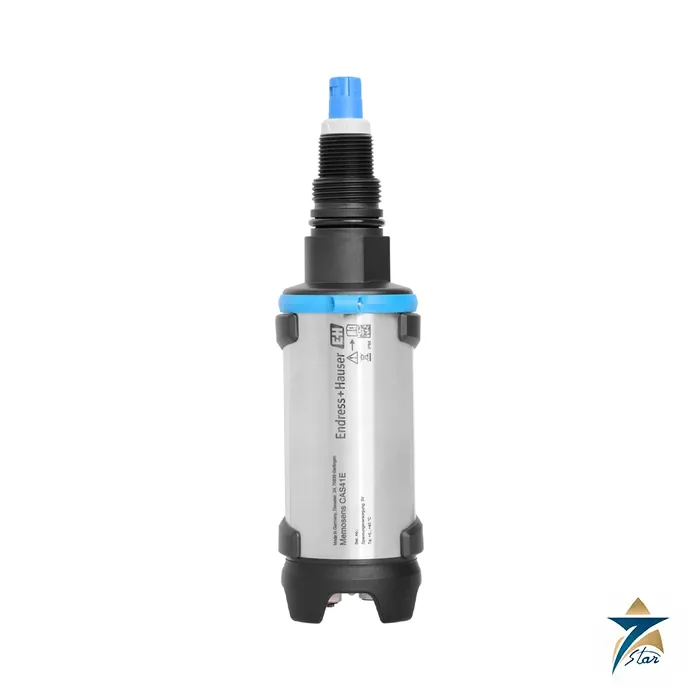
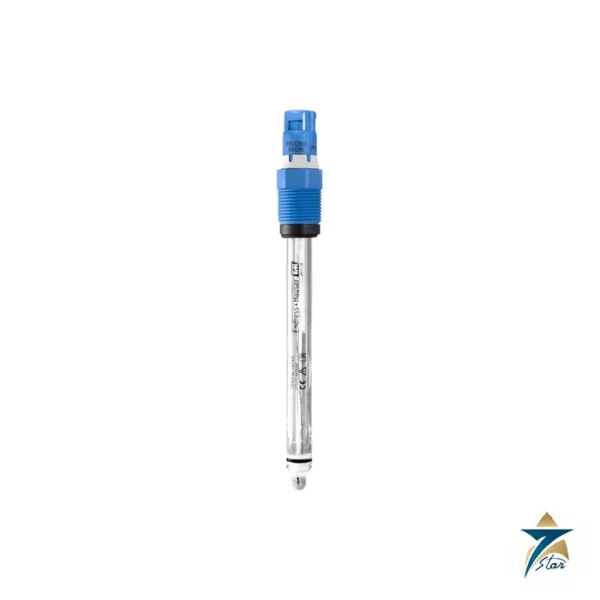
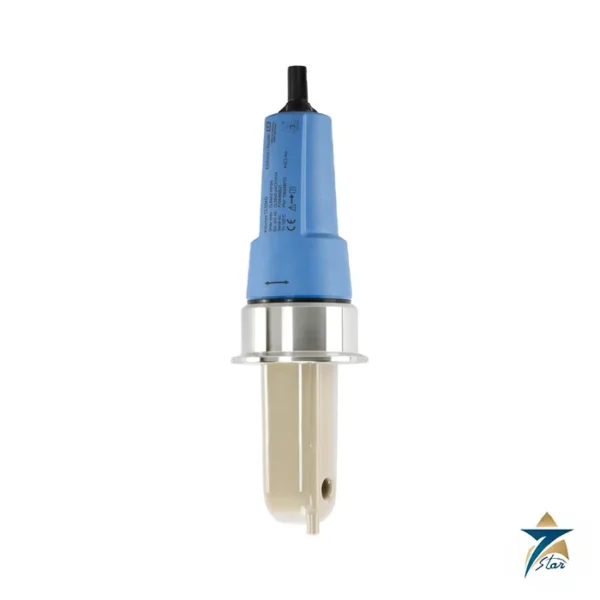
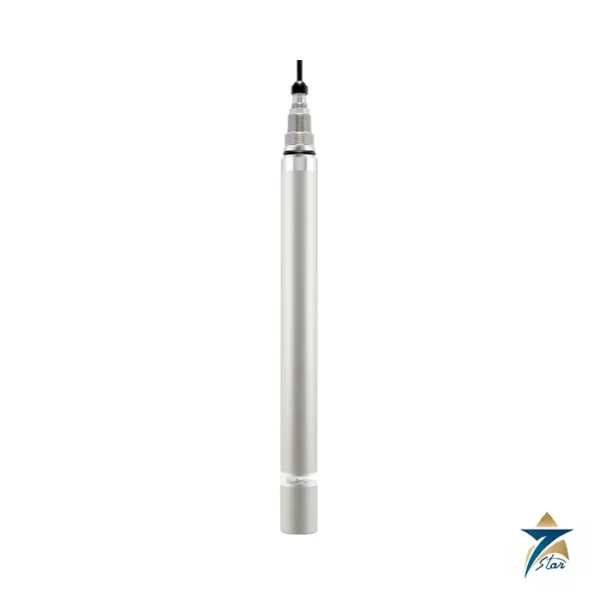
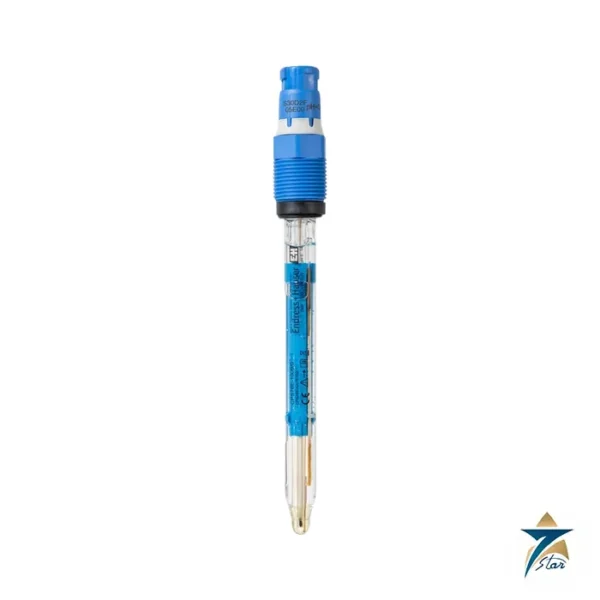
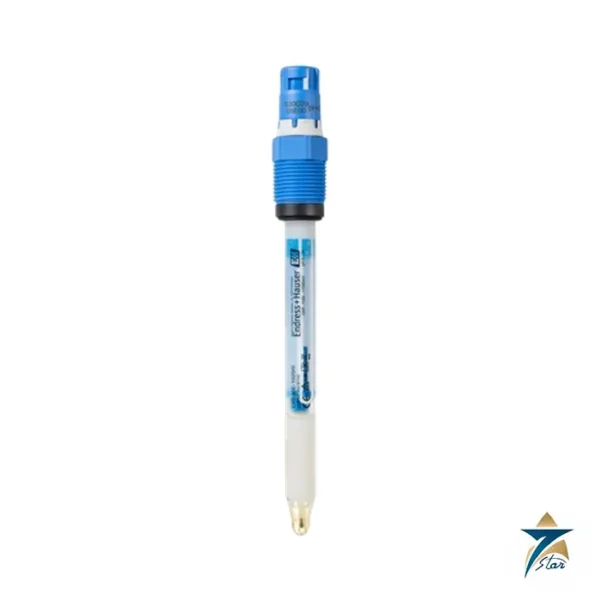
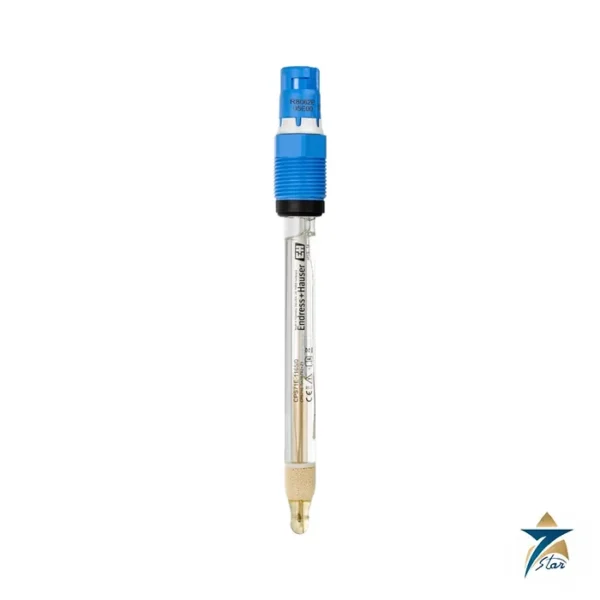
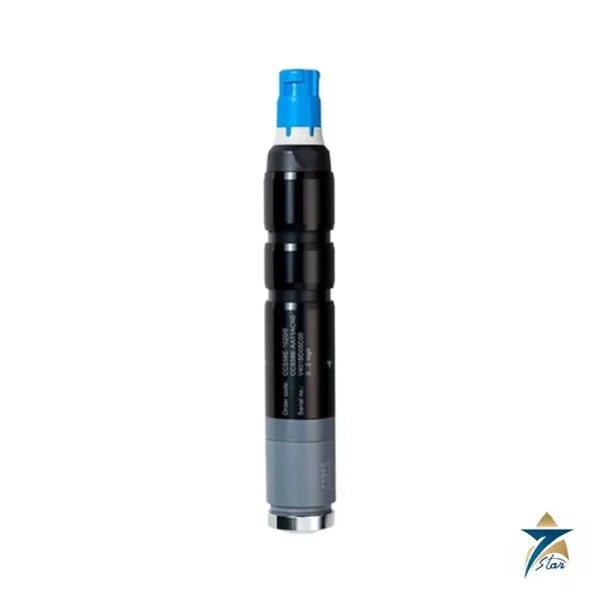
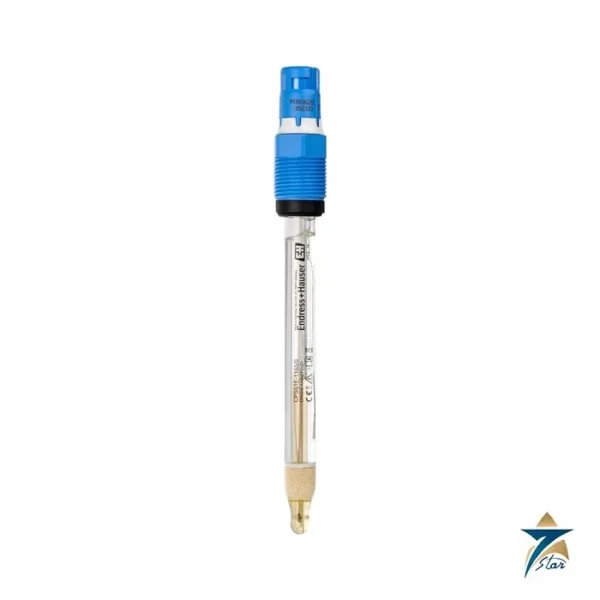
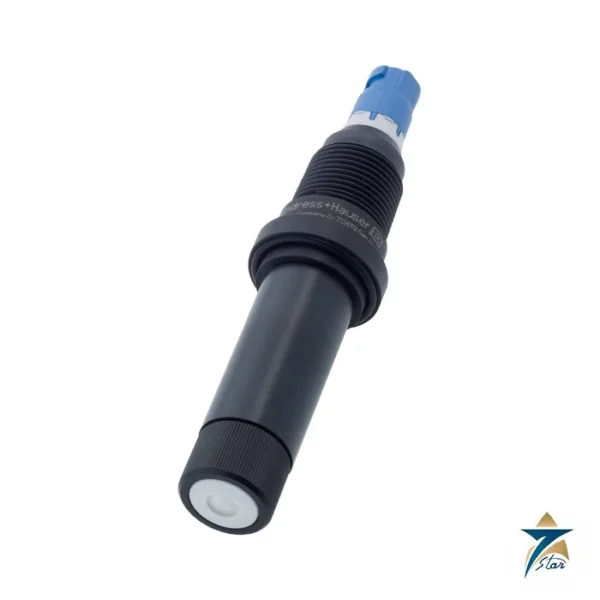
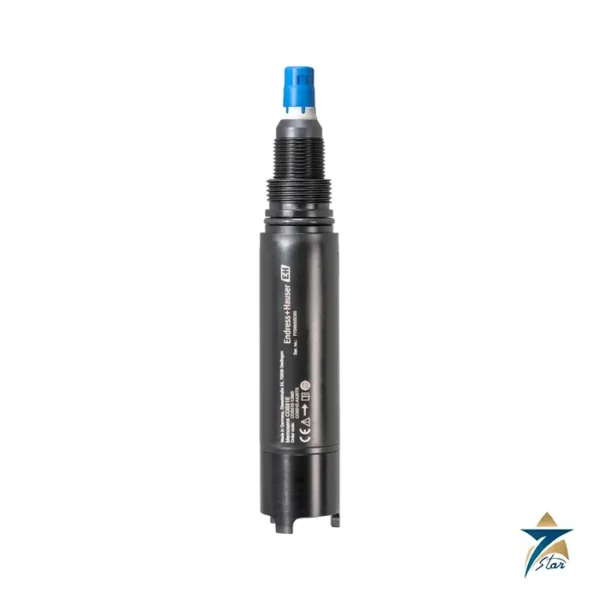
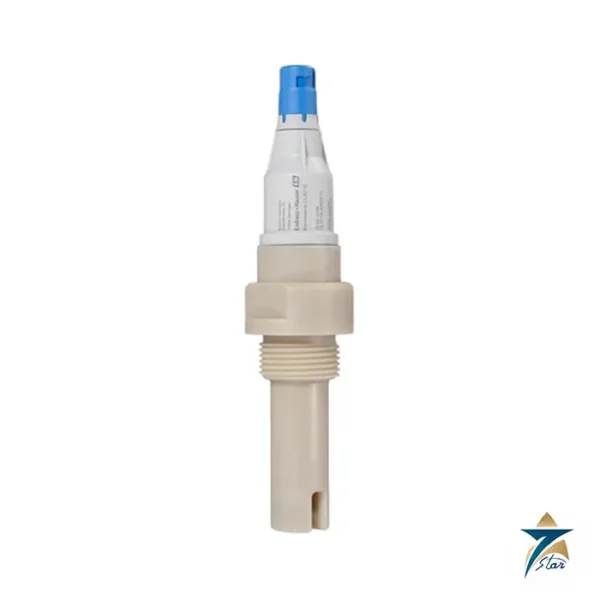
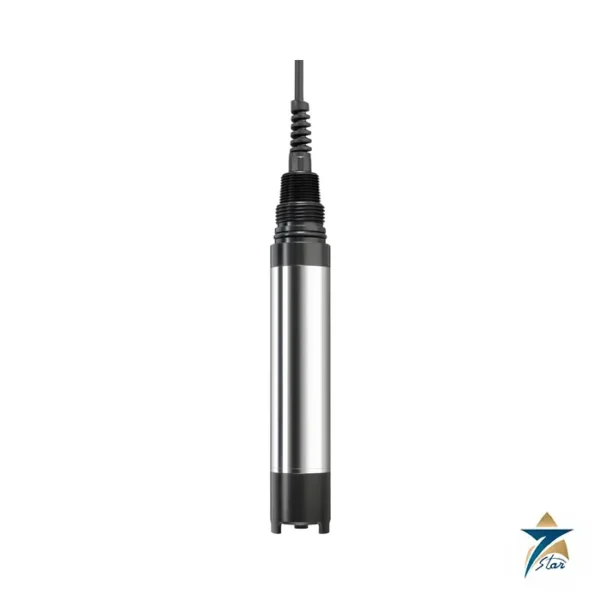
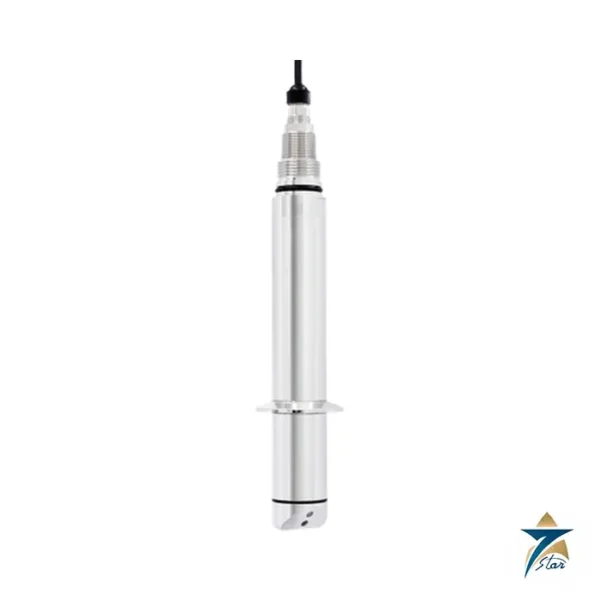
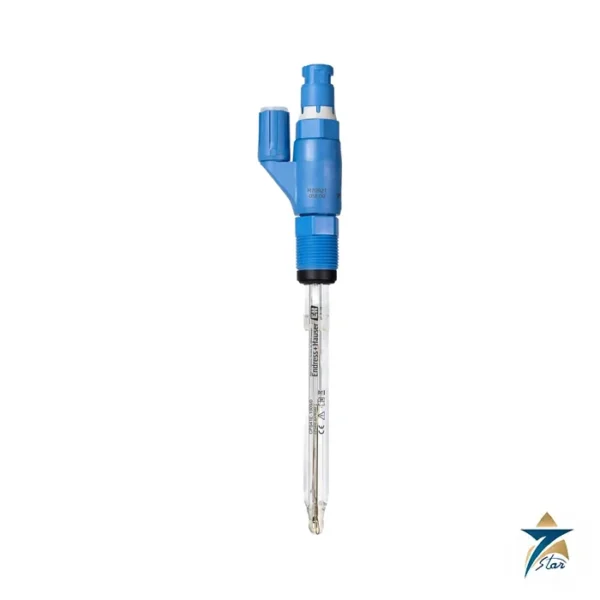
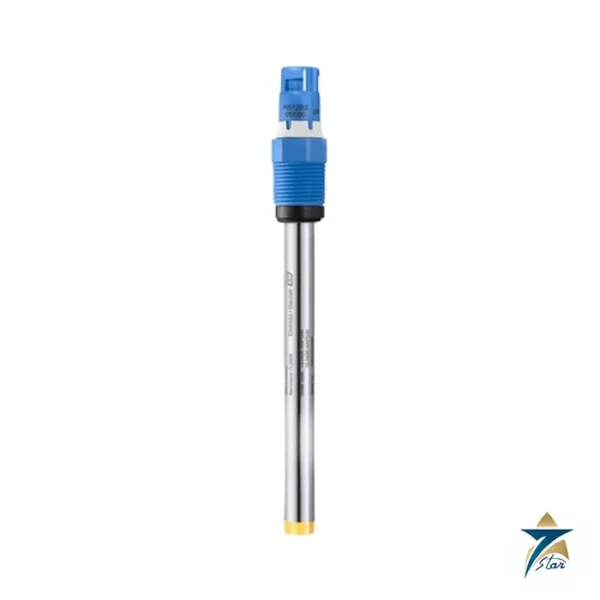
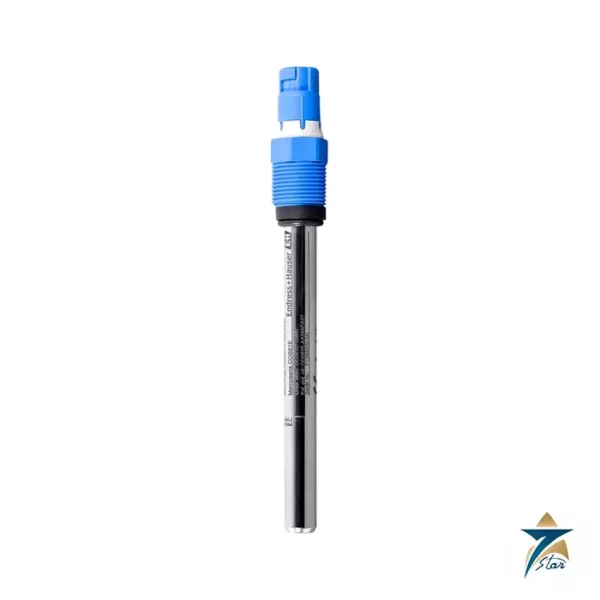
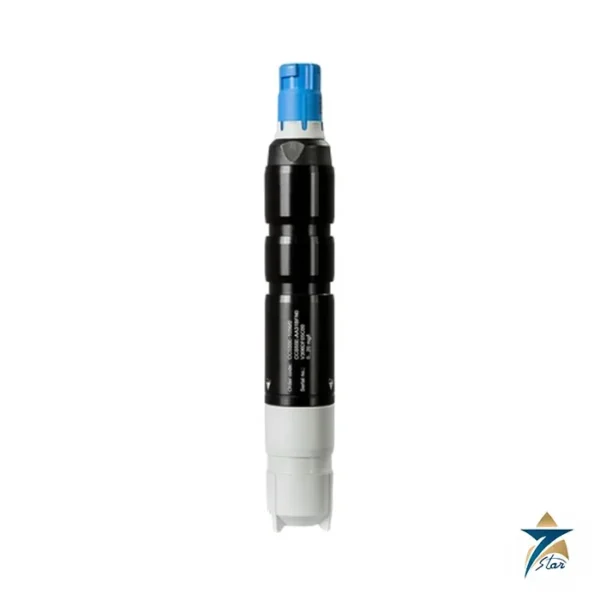
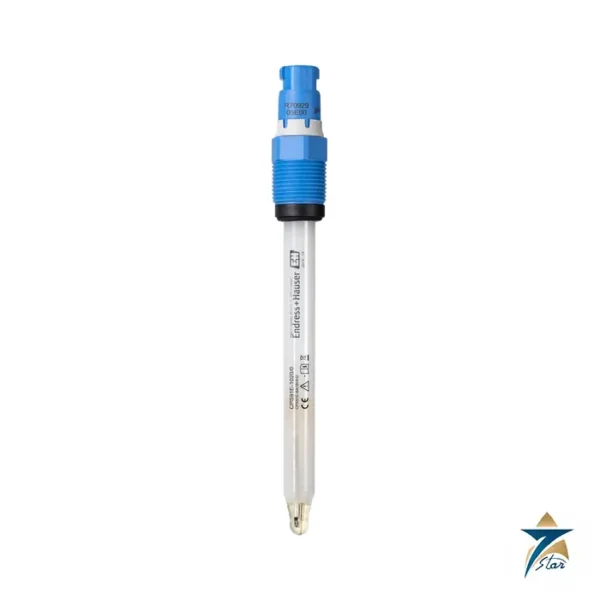
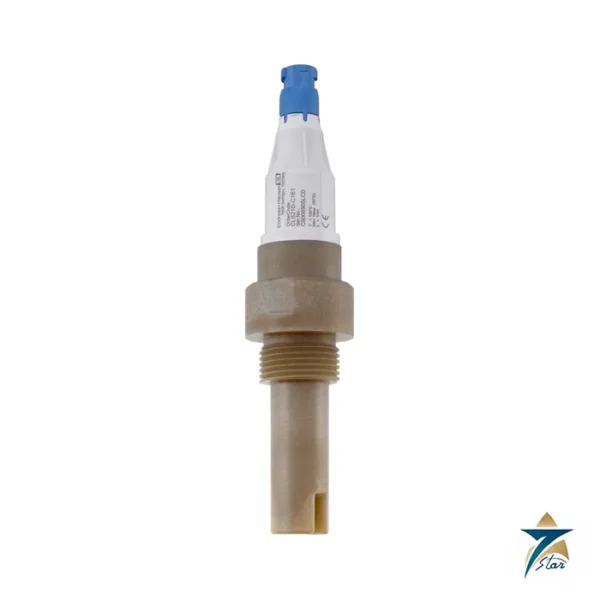
Endress+Hauser CAS41E Memosens ISE Sensor for Ammonium and Nitrate

Description

CAS41E: ion-selective nutrient sensing in the aeration tank

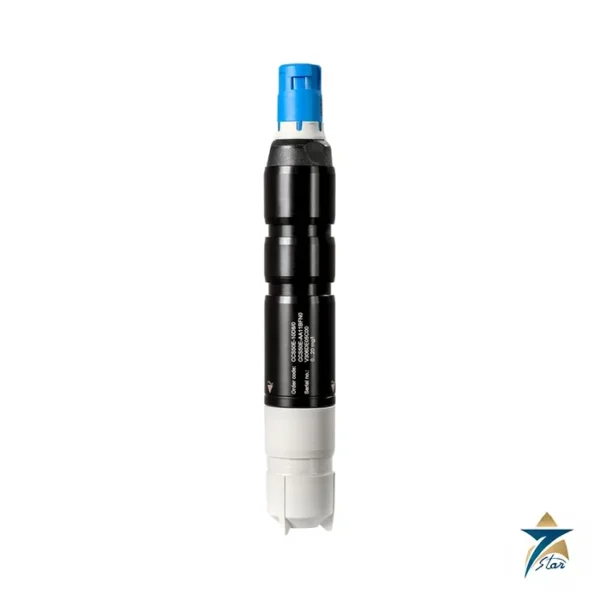
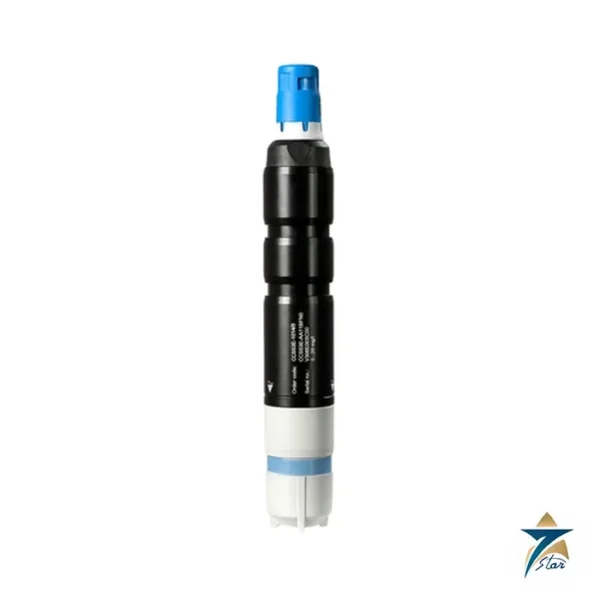
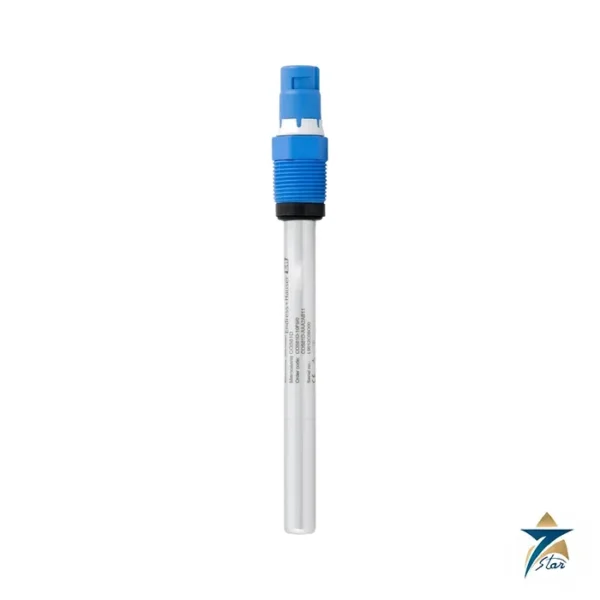
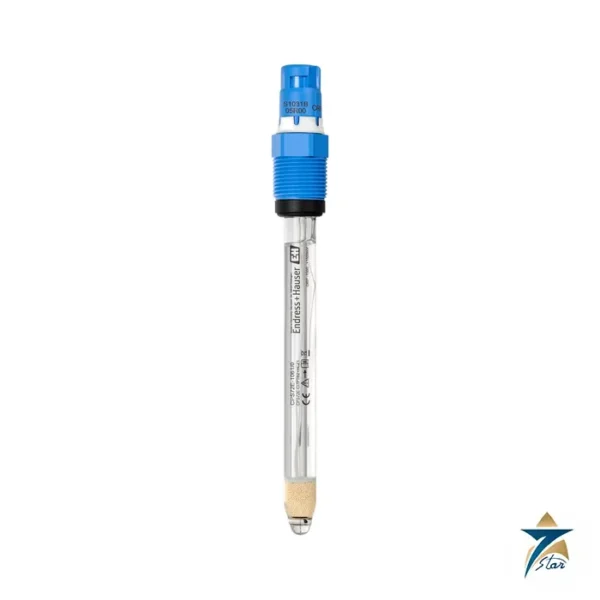
Endress+Hauser CAS41E is a multiparameter Memosens sensor body that holds up to three configurable electrodes. Depending on the order, it measures ammonium, nitrate, potassium and chloride in a single immersion point, with an ion-selective membrane producing a potential that the Nernst equation converts to concentration. Because the principle is potentiometric, colour and turbidity do not influence the result.

It is designed for biological wastewater treatment, particularly aeration tanks at municipal plants, and for selected industrial wastewater and surface water monitoring. Seven Star LLC is an independent supplier serving Oman and the GCC and is not affiliated with the manufacturer.

CAS41E electrode and performance data

Parameter Value
Measuring ranges Ammonium 0 to 1000 mg/l NH4-N; nitrate 0 to 1000 mg/l NO3-N; potassium 1 to 1000 mg/l; chloride 1 to 1000 mg/l
Response t90 Under 2 minutes for the ISE electrodes
Error, ammonium 5 percent of reading or 0.2 mg/l
Error, nitrate 5 percent of reading or 0.6 mg/l
Error, potassium and chloride 10 percent of reading or 5 mg/l
Repeatability 3 percent of displayed value
Ammonium compensation Temperature 2 to 40 degrees C; pH 7.9 to 10; potassium 1 to 1000 mg/l
Nitrate compensation Chloride 1 to 1000 mg/l
Process temperature / pressure 2 to 40 degrees C; maximum 0.5 bar
Medium pH Ammonium 5 to 7.9 (5 to 10 with compensation); nitrate 2 to 10; potassium 2 to 10; chloride 1 to 10
Ambient Minus 20 to 55 degrees C; IP68 at 5 m water column, 25 degrees C, 24 h
Storage Short term 2 to 40 degrees C (2 weeks); long term 5 to 25 degrees C
Weight / dimensions About 0.8 kg; length 245 mm; thread G 1 or NPT 3/4 inch
Ex approval CSA C/US Class I Division 2 Groups A, B, C, D

Interference and compensation

The datasheet is candid about cross-sensitivities: potassium, similar in size to ammonium, can push ammonium readings upward, and high chloride can inflate nitrate. Recommended practice is dynamic compensation, using a potassium electrode when potassium exceeds 40 mg/l with fluctuations of about 5 mg/l, and a chloride electrode when chloride exceeds 500 mg/l with fluctuations of about 100 mg/l. Where the interfering ion is steady, apply a static offset instead.

How CAS41E differs from other nutrient sensors

The Viomax CAS51D measures nitrate by UV absorption, an optical principle with no electrodes, no cap changes and a different cleaning method. CAS41E instead uses replaceable ISE electrodes, offers ammonium and potassium that an optical nitrate sensor cannot give, and allows combinations in three slots. In return it has a limited process window of 2 to 40 degrees C and 0.5 bar and consumable electrodes with a stated life measured in months. Analyzer cabinets such as CA80AM use wet chemistry and sample handling rather than in-process electrodes.

Cleaning, calibration and electrode life

A compressed-air system cleans the sensor, with guideline intervals of 30 s cleaning and 30 minutes pause at the sludge activation inlet, and 30 s with a one-hour pause in the sludge activation basin, valid above 10 degrees C. The air connection takes a 4 mm outer diameter hose. Multipoint in-process calibration, automated evaluation and self-assessment let the sensor be corrected without interrupting the process, and single electrodes can be replaced without discarding the body. The datasheet explains that a worn electrode does not fail suddenly but its response time lengthens.

Typical use in Oman and the GCC

Municipal treatment plants in the Sultanate and across the Gulf are adding nitrification and denitrification control to reduce blower energy. A CAS41E immersed in the aeration basin gives live ammonium and nitrate so the operator can adjust aeration to demand. It also suits selected industrial effluent and surface water monitoring where nutrient limits apply.

Measuring system and installation

The complete system is the CAS41E configured by order code, a Liquiline CM44x transmitter, a Memosens cable (maximum 100 m, with ferrules or M12 socket), and a Flexdip CYA112 assembly, optionally with a CYH112 holder, weather cover and a compressed air generator where none is available on site.

CAS41E questions answered briefly

Which parameters can Endress+Hauser CAS41E measure? Ammonium as NH4-N or NH4+, nitrate as NO3-N or NO3-, potassium, chloride and temperature, depending on the electrodes fitted in its three slots.

Why would CAS41E include a potassium or chloride electrode? Potassium can raise ammonium readings and chloride can raise nitrate readings, so the extra electrode compensates the interference dynamically.

How long do the CAS41E electrodes last? Recommended service life at low municipal load is 9 months for ammonium, nitrate and potassium, 2 to 3 years for chloride and 1 year for the reference electrode.

What cleaning does CAS41E use? Air cleaning at 1.5 to 3.5 bar for about 30 s, for example every 30 minutes at the sludge activation inlet or hourly in the aeration tank above 10 degrees C.

What are the process limits of CAS41E? 2 to 40 degrees C and up to 0.5 bar, with ammonium pH 5 to 7.9 uncompensated or 5 to 10 with pH compensation.

Documents and quotation

The datasheet for CAS41E is attached to this page. To request pricing, send an RFQ with CAS41E, the electrode combination you need (for example ammonium with potassium compensation), air cleaning option and quantity. Please also mention whether the transmitter is an existing Liquiline CM44x so that we can match the cable, and whether spare electrodes or a reference electrode should be quoted at the same time, because ISE electrodes are wear parts with a service life of months rather than years. We will reply with availability and lead time for each line.

Spares and Lifecycle Considerations

For critical service, many plants hold one Endress+Hauser CAS41E as an operational spare rather than waiting for a failure. When you plan spares, look at how many identical liquid analysis sensors units are installed, how long a replacement would take to arrive, and the cost of an unplanned stop. Store spare units in their original packaging in a dry, temperature-controlled area and record the part number and serial number in your maintenance system. We can quote single units or a small spares package and confirm the lead time for each item in writing.

Datasheets & Documents
  • PDF Datasheet Endress+Hauser CAS41E Memosens ISE Sensor for Ammonium and Nitrate Datasheet Download
Reviews (0)

Reviews

There are no reviews yet.

How would you rate this product?

It takes about 10 seconds — just tap a star. Your email is never published.

About brand

Endress+Hauser makes process measurement instruments for flow, level, pressure, temperature and liquid analysis. Georg H. Endress and Ludwig Hauser started the business in Lörrach, Germany, on 1 February 1953, first selling level meters, and the Endress+Hauser name has been used since 1957. The group is headquartered in Reinach, Switzerland, and has been wholly owned by the Endress family since 1975.

Seven Star LLC is an independent supplier listing Endress+Hauser flowmeters, level and pressure transmitters, temperature assemblies and liquid analysis products for buyers in Oman and the GCC. Instruments are matched from the full order code on the nameplate.

Endress+Hauser company profile

Origin Founded in Lörrach, Germany, on 1 February 1953 by the Swiss engineer Georg H. Endress and Ludwig Hauser
Headquarters Endress+Hauser AG, Reinach (Basel-Landschaft), Switzerland
Ownership Family owned; the Endress family has been the sole shareholder since 1975, and a family charter commits the company to stay family owned
Size About 16,500 employees and sales of about EUR 3.7 billion (2023, as reported by the company)
Product families Proline flowmeters, Micropilot and Levelflex radar, Liquiphant switches, Cerabar and Deltabar pressure, iTEMP and iTHERM temperature, Liquiline and Memosens liquid analysis

Milestones

  • 1953: Georg H. Endress and Ludwig Hauser start the business in Lörrach on 1 February, first selling level meters.
  • 1957: The Endress+Hauser name comes into use.
  • 1975: The Endress family becomes sole shareholder.
  • 2023: About 16,500 employees and sales of about EUR 3.7 billion, as reported by the company.

Endress+Hauser product lines

Line Measuring principle Typical use
Promass F 300, Promass 80F, 83F/84F Coriolis mass flow Direct mass flow and density of liquids and gases, hydrocarbon transfer and chemical dosing
Promag P 300, P 500, H 300, W 400, W 10, 50P Electromagnetic flow Water, wastewater, slurries and other conductive liquids
Prowirl F 200, 72F Vortex flow Steam, gas and low-viscosity liquids
Prosonic Flow 92F, t-mass 65F Ultrasonic and thermal mass flow Water lines; compressed air and industrial gases
Micropilot FMR62, FMR67, FMR60, FMR10B, FMR20, FMR50, FMR52 Free-space radar level, 80 GHz and 26 GHz Tanks, process vessels, silos and open water channels
Levelflex FMP51, FMP50, FMP54, FMP55 Guided wave radar level Level and interface in vessels, separators and bypass chambers
Liquiphant FTL51, Prosonic S FMU90 Vibronic point level; ultrasonic level High and low level alarms, pump protection, open channel flow
Cerabar PMC71B, PMP51B, PMP71, Deltabar PMD78B, PMD75 Pressure and differential pressure Process pressure, hydrostatic level and DP flow
iTEMP TMT82, TMT162, iTHERM TM101, TR66, TR10 Temperature transmitters and thermometers RTD and thermocouple points with thermowells
Liquiline CM444, CM442, Memosens CPS11E, Stamolys reagents Liquid analysis pH, ORP, conductivity, dissolved oxygen and nutrient analysis in water treatment and process

Where Endress+Hauser instruments are used

In Oman and the GCC, Endress+Hauser instruments are common in oil and gas production and processing, refineries and petrochemicals, desalination and water networks, wastewater treatment, power plants and food and beverage plants. Coriolis meters measure hydrocarbon and chemical flows, electromagnetic meters cover water and wastewater, radar transmitters handle tank and silo level, and Liquiline analysers monitor water quality. Proline 300 and 500 flowmeters include Heartbeat Technology for in-situ verification, which reduces the need to remove a meter for checks.

Ordering Endress+Hauser instruments: what we need

The order code on the nameplate (for example PMP71-1QA1S11RDADU) defines every option: measuring range, process connection, materials, output, approvals and display. Send it with the serial number; Endress+Hauser can retrieve the original configuration from the serial number. For a new instrument add the medium, operating and design pressure and temperature, range, line size or tank geometry, process connection, wetted materials, output or protocol (4-20 mA HART, PROFIBUS, FOUNDATION Fieldbus, Modbus) and the hazardous-area approval required. Older models such as Promass 80/83 or Micropilot M are replaced by current Proline or 80 GHz Micropilot devices.

Facts checked against Endress+Hauser company history and product information, October 2026.

FAQ

Questions about the Endress+Hauser CAS41E Memosens ISE Sensor for

Answers from our engineering team on installation, compatibility and integration.

01Which parameters can Endress+Hauser CAS41E measure?
Ammonium as NH4-N or NH4+, nitrate as NO3-N or NO3-, potassium, chloride and temperature, depending on the electrodes fitted in its three slots.
02Why would CAS41E include a potassium or chloride electrode?
Potassium can raise ammonium readings and chloride can raise nitrate readings, so the extra electrode compensates the interference dynamically.
03How long do the CAS41E electrodes last?
Recommended service life at low municipal load is 9 months for ammonium, nitrate and potassium, 2 to 3 years for chloride and 1 year for the reference electrode.
04What cleaning does CAS41E use?
Air cleaning at 1.5 to 3.5 bar for about 30 s, for example every 30 minutes at the sludge activation inlet or hourly in the aeration tank above 10 degrees C.
05What are the process limits of CAS41E?
2 to 40 degrees C and up to 0.5 bar, with ammonium pH 5 to 7.9 uncompensated or 5 to 10 with pH compensation.