TAF11 FlameLine high-temperature thermocouple thermometer
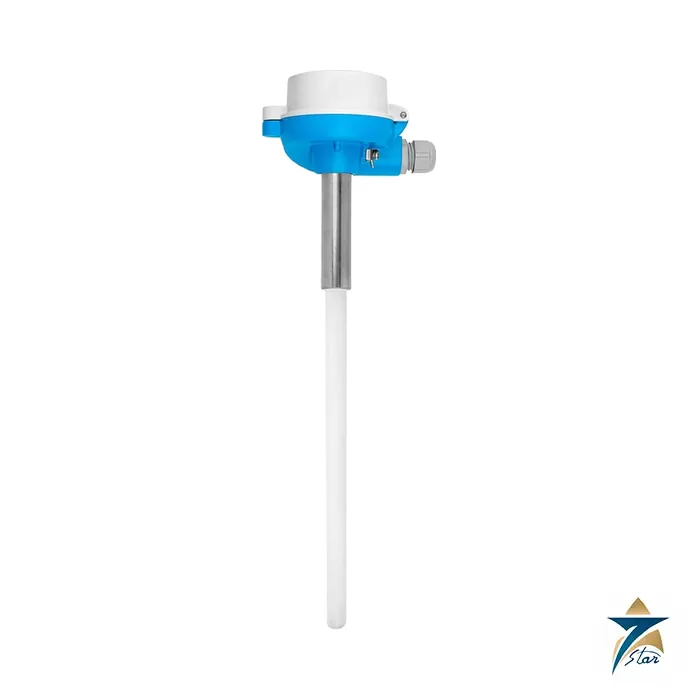
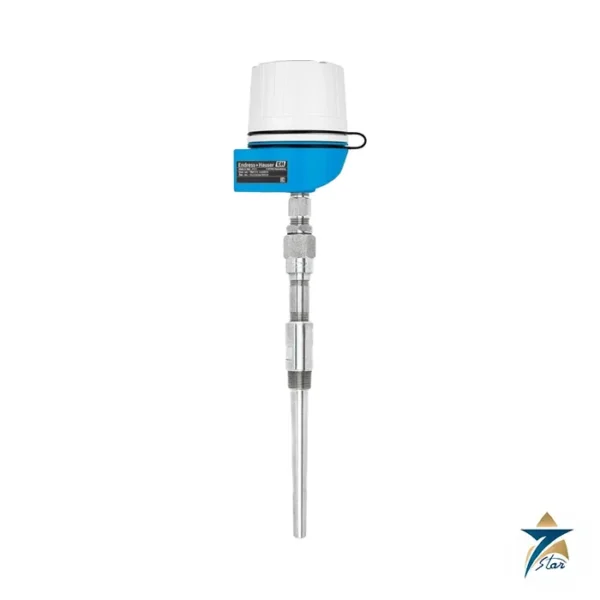
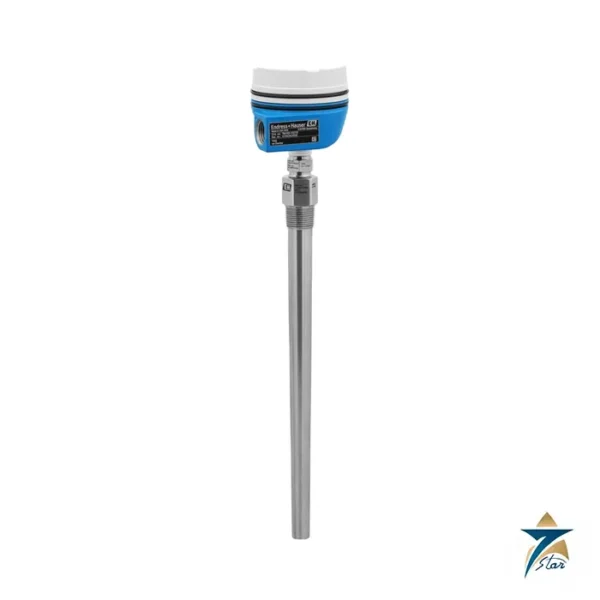
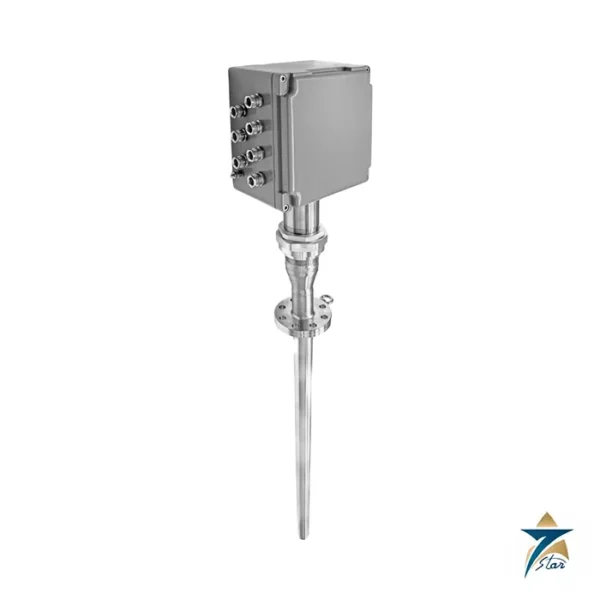
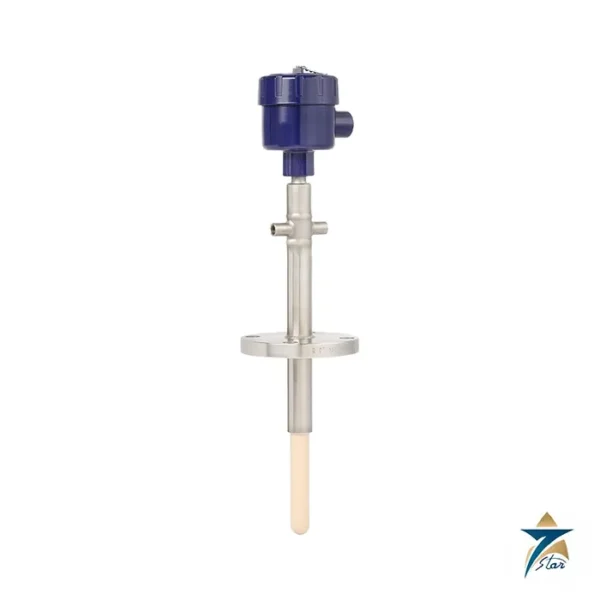
The Endress+Hauser TAF11 is a high-temperature thermocouple thermometer from the iTHERM FlameLine family, made for furnaces and kilns where ordinary metal thermowells cannot survive. It is a single or double thermocouple insert inside a ceramic protection tube, held in a metal sleeve that carries the process connection and a terminal head. The datasheet puts the process temperature for the TAF11 at up to 1 600 °C (2 912 °F), and lists steel heat treatment, and furnaces for cement, non-ferrous metals and similar processes as typical uses.
The TAF11 shares a datasheet with the TAF12 (single, double or triple ceramic tubes up to 1 700 °C, for kilns, brickworks, porcelain and glass) and the TAF16 (metal or ceramic thermowell, up to 1 700 °C, for cement, combustion and fluidised bed furnaces). Seven Star LLC supplies the TAF11 in Oman and the GCC as an independent supplier in Muscat; the exact build is defined from the furnace conditions.
TAF11 technical specifications
| Parameter |
Specification |
| Manufacturer / part number |
Endress+Hauser / TAF11 (iTHERM FlameLine high-temperature thermometer) |
| Sensor |
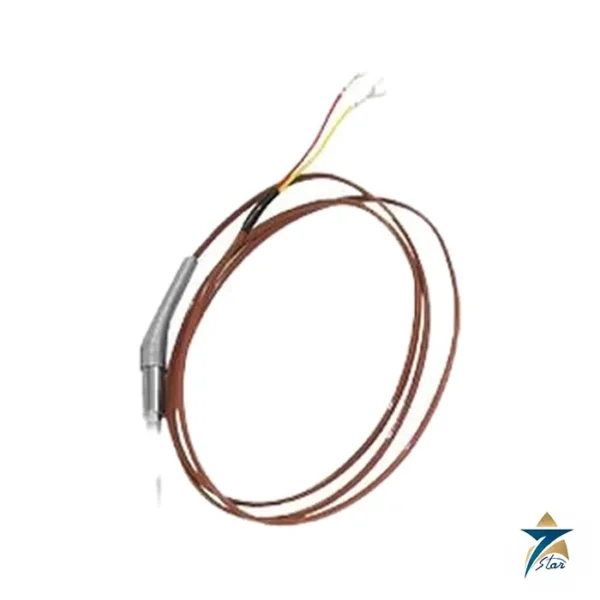
Thermocouple, single or double; TC types J, K, N, S, R and B depending on insert |
| Process temperature |
Up to 1 600 °C (2 912 °F) |
| Accuracy |
Per IEC 60584, class 2 for the thermocouple |
| Protection tube |
Ceramic tube (C610, sintered SiC or special SiN) in a metal sleeve |
| Insert |
TPC100 mineral-insulated MgO insert (J, K, N) or TPC200 ceramic-insulated insert (J, K; B, R, S) |
| Immersion length |
Configurable, up to 4 000 mm (157 in) on request |
| Process pressure |
For unpressurised processes; some connections gas-tight to 1 bar (14.5 psi) |
| Process connection |
Adjustable flange, stop flange to DIN EN 50446, or gas-tight compression fitting |
| Terminal head |
DIN B or DIN A, M24x1.5 thermometer thread; TA30A, TA30D and DIN A head versions |
| Insulation resistance |
≥ 1 000 MΩ at 25 °C and ≥ 5 MΩ at 500 °C (500 VDC) |
| Weight (example) |
About 2 kg for Lg = 1 000 mm, C610 tube, AISI 304 sleeve, DIN B head |
How the TAF11 is built
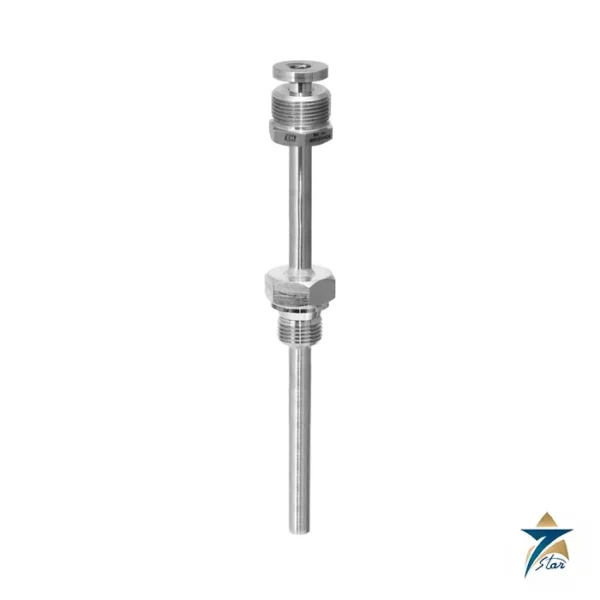
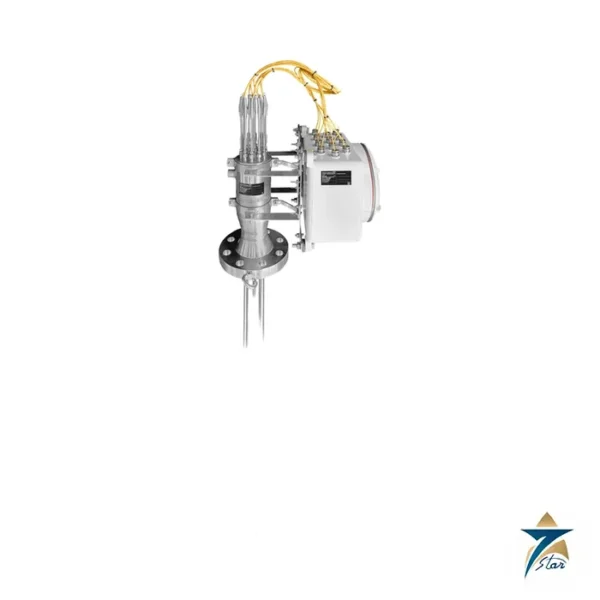
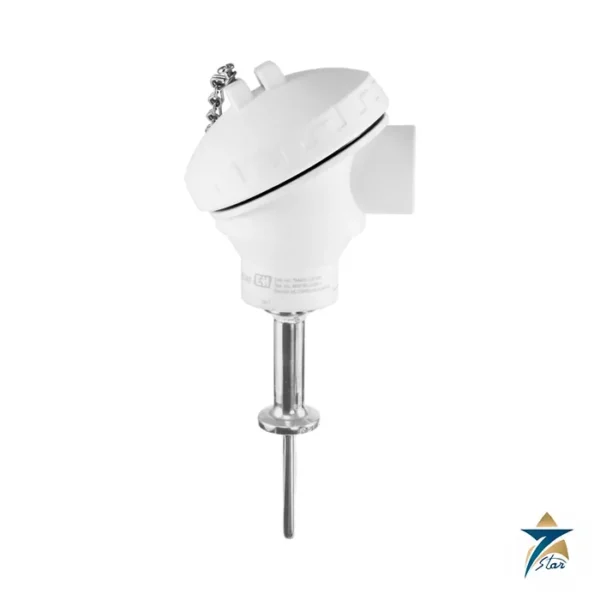
The TAF11 is made in accordance with DIN EN 50446 and consists of four parts: the measuring insert, the ceramic thermowell, a metal sleeve and the terminal head. The sensing point of the thermocouple sits at the tip of the insert. The ceramic tube is the part that meets the hot gas, and the metal sleeve (diameter 33.4 mm, with usable immersion length L equal to Lg minus 97 mm) connects it to the head and takes the process connection, since metal is stronger than ceramic.
Two insert types are offered. The TPC100 is mineral-insulated with a metal sheath and covers thermocouple types J, K and N. The TPC200 is ceramic-insulated, available in segmented form for J and K and as a ceramic-insulated version for the noble-metal types B, R and S used at the top of the range. The insert has to be matched to the thermowell material because insert length is the thermowell length Lg plus a correction X; for a C610 tube with a DIN B head, X is 15 mm, and for sintered SiC and SiN it is 5 and 10 mm respectively. Always check the table in the datasheet before ordering a replacement insert.
TAF11 thermowell materials and measuring ranges
Three ceramic tube families are used on the TAF11. Choose by temperature, thermal shock, gas-tightness and mechanical risk:
| Tube material |
Max. continuous temperature in air |
Character |
Outer diameter × inner diameter |
| C610 alumina, non-porous |
1 500 °C |
Economical gas-tight ceramic; good thermal shock and hydrofluoric acid resistance |
14 × 10, 17 × 13 mm, or 24 × 19 mm with a 17 × 13 mm inner tube |
| Sintered silicon carbide (SiC) |
1 600 °C |
Hard, good thermal conductivity and thermal-shock resistance; glass and ceramic industry |
17 × 7, 26.6 × 13 mm |
| Special silicon nitride (SiN) |
1 400 °C |
Very wear-resistant, no porosity, quick heat reaction; suited to rough, abrasive conditions |
16 × 9, 22 × 12 mm |
Thermocouple measuring ranges follow IEC 60584, and typical ranges quoted for use with an iTEMP transmitter are type K up to 1 372 °C, J up to 1 200 °C, N up to 1 300 °C, S and R to 1 768 °C and B to 1 820 °C. The usable range is always the lower of the thermowell, insert and thermocouple limits.
Installing the TAF11: preheating and orientation
Ceramic tubes do not forgive thermal shock or mechanical impact, so installation is the critical step. The datasheet recommends vertical mounting. In horizontal installations at high temperature the tube can sag, bend or break under its own weight, and the recommended maximum immersion for horizontal use is 1 500 mm for diameters above 20 mm and 1 200 mm for smaller diameters.
For gas-tight ceramic parts, there are two procedures. With preheating, at process temperatures of 1 000 °C or more the ceramic part is first brought from room temperature to 400 °C using an oven or electric heating elements, never direct flame, and then inserted at about 100 mm/min, or 30 mm/min if preheating was done away from the furnace. Without preheating, the tip is inserted only to the wall depth and left for two hours, and the rest is then inserted at 30 mm/min. Avoid knocks against furnace bricks or fittings.
Selecting a TAF11 and ordering checklist
- Temperature: maximum and continuous furnace temperature, with allowance for peaks.
- Atmosphere: oxidising, reducing, sulphur- or alkali-bearing gases, dust or slag, to choose between C610, SiC and SiN.
- Thermocouple: K, N or J to about 1 200 to 1 300 °C, noble-metal B, R or S above that.
- Insert: TPC100 MgO insert or TPC200 ceramic-insulated insert, single or double.
- Immersion length Lg and sleeve length Lm: measured from the flange or fitting, with allowance for the furnace wall and insulation.
- Process connection: adjustable flange, stop flange or gas-tight compression fitting.
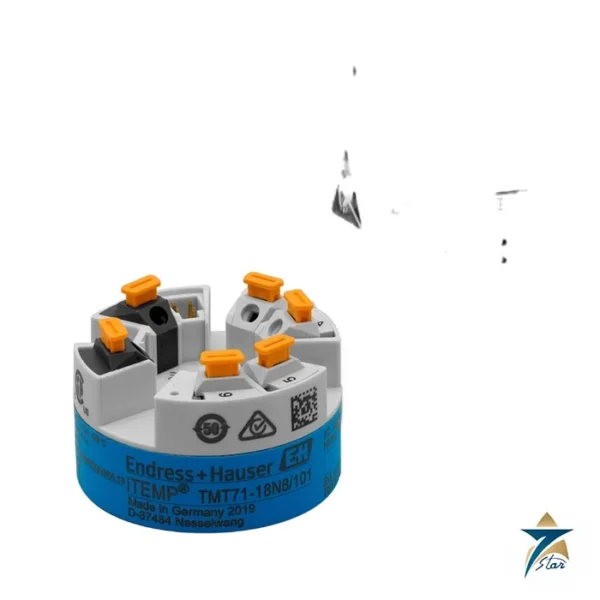
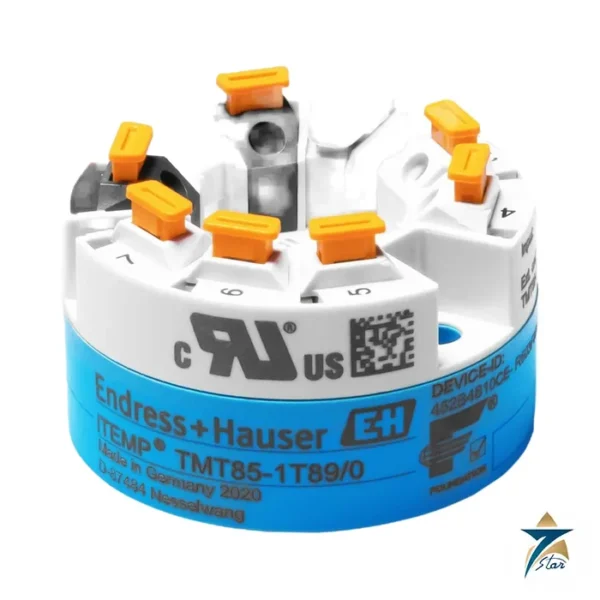
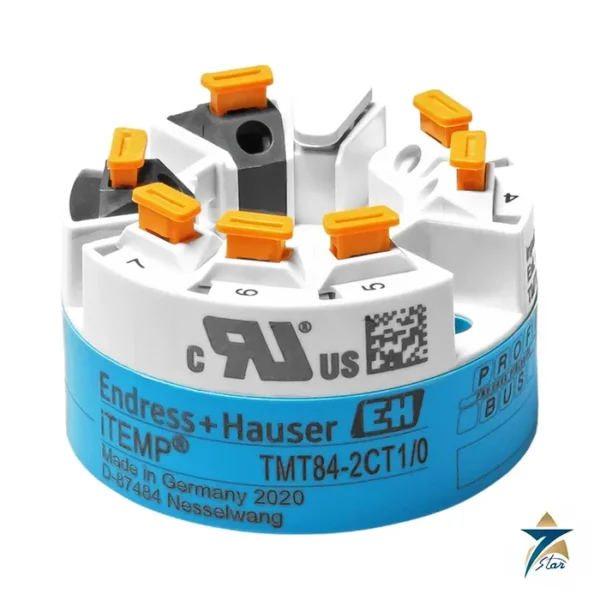
- Head and transmitter: DIN A or DIN B, TA30A or TA30D with transmitter, noting the head ambient limit of 85 °C with a transmitter fitted.
Maintenance, spares and failure modes
The ceramic tube is a wear item. Typical failures are thermal-shock cracks, abrasion at the tip, corrosion by alkali or slag, and breakage from mechanical shock. Keep a record of service life to adjust the replacement interval, and examine the tube during every shutdown. The datasheet notes that porous ceramic outer tubes need an inner non-porous tube, because contamination of the thermocouple wires causes drift. Sintered silicon carbide is described as porous, so ask about gas-tightness whenever the furnace gas could contaminate the wires.
Because the insert and the tube are separate parts, the tube or the insert can be replaced on its own. The insert length is calculated from Lg and X, so keep the original order code to avoid wrong lengths, and store spares upright and dry. Ceramic-insulated inserts and thermowells are very sensitive to shock and vibration, so treat them with the same care in storage and transport.
TAF11 applications in Oman and the GCC
Furnaces in the region include heat-treatment lines in steel and metal fabrication, aluminium and other non-ferrous melting and holding furnaces, cement kilns and clinker coolers, glass and ceramic production, and waste incineration units. A TAF11 suits furnace control and over-temperature monitoring points in these installations. Plant air in the Gulf is often hot and dusty, so the terminal head and cable entry need to be well sealed, and a sleeve of adequate length keeps the head temperature within its limit.
TAF11 compared with TAF12 and TAF16
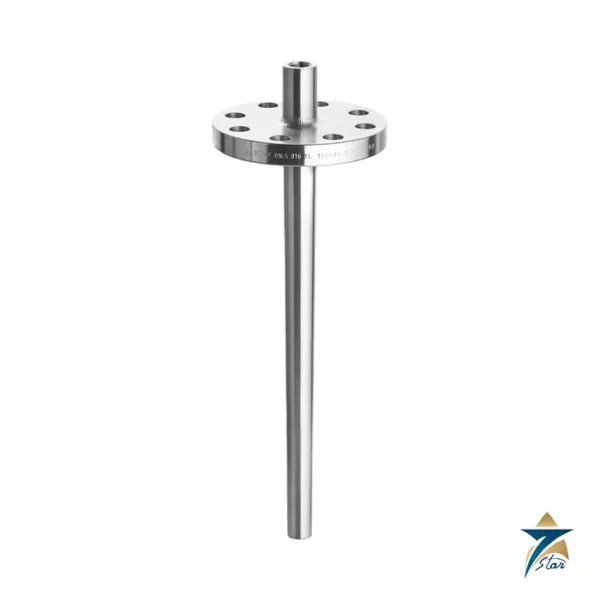
The TAF11 uses a single outer ceramic tube, with metal sleeve and head, and reaches 1 600 °C. The TAF12 uses one, two or three nested ceramic tubes (S, D and T versions) and goes up to 1 700 °C, which suits kilns and glass. The TAF16 can have a metal thermowell, barstock or alloy, or a ceramic one, which makes it more robust against mechanical load and suits cement, steel and fluidised bed duties. If mechanical shock is your main risk, consider the TAF16; if the highest temperature in a clean atmosphere is the goal, the TAF12 may fit better.
Information to send with a TAF11 RFQ
- TAF11 and any existing tag or order code
- Furnace type, atmosphere, maximum and normal temperature
- Thermocouple type, single or double, and insert type
- Thermowell material and diameter, immersion length Lg and sleeve length Lm
- Process connection (adjustable flange, stop flange or compression fitting)
- Terminal head type and any transmitter
- Installation orientation and whether preheating will be possible
- Quantity and delivery site
Documents and quotation
A datasheet for the TAF11, which also covers the TAF12 and TAF16, is attached on this page. It holds the insert length rules, the thermowell diameters and the installation guidance.
Send the TAF11 part number and your furnace data to Seven Star LLC, and we will confirm the configuration, lead time and the documents available for your order.




















Reviews
There are no reviews yet.