TT152 imperial barstock thermowell: scope and design basis
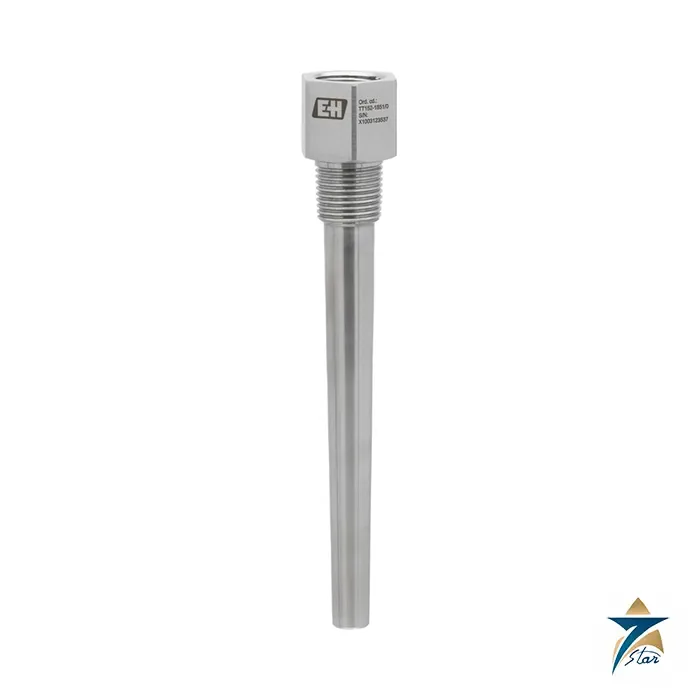
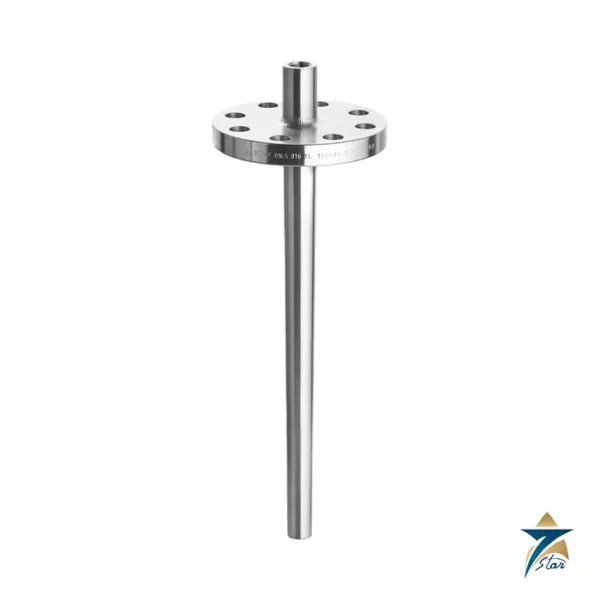
The Endress+Hauser TT152 is the imperial-dimension barstock thermowell in the iTHERM ModuLine range. It is machined from solid bar, built on the ASME B40.9 standard, and dimensioned in inches: root diameters run from 5/8 to 1 1/2 in, and the immersion length of a straight or tapered unit can run from 1 in up to 84 in. The datasheet gives a pressure range up to 500 bar (7 252 psi) and a maximum process temperature range of –200 to +1 100 °C, with the real limit set by the material and connection.
The TT152 is the version to look at when your plant is built to American piping practice: NPT threads, ANSI flanges, NPS socket-weld and weld-in sizes, and ASTM forged materials such as A105 and A182 chrome-moly grades. Seven Star LLC supplies the TT152 in Oman and the GCC as an independent supplier in Muscat, and the exact build is set from your process and piping data.
TT152 technical specifications
| Parameter |
Specification |
| Manufacturer / part number |
Endress+Hauser / TT152 (iTHERM ModuLine barstock thermowell, imperial) |
| Design basis |
ASME B40.9 based, with a wider choice of threads, flanges and materials than the standard lists |
| Process temperature |
–200 to +1 100 °C (–328 to +2 012 °F), depending on type and material |
| Process pressure |
Up to 500 bar (7 252 psi); weld-in ≤ 500 bar, threads 400 bar at 400 °C, flanges per ANSI class |
| Root diameter |
5/8 to 1 1/2 in (15.88 to 38.1 mm) |
| Immersion length U |
1 to 84 in (25.4 to 2 133.6 mm), straight and tapered; 3 to 12 in for stepped shanks |
| Bore diameter |
0.26 in (6.6 mm) standard, 0.385 in (9.78 mm) optional |
| Bottom thickness |
0.25 in (6.35 mm) default |
| Surface finish |
Ra 1.6 µm default, 0.76 µm optional |
| Thermometer connection |
Female 1/2 NPT |
| Weight |
0.5 to 37 kg for standard options |
How the TT152 is built: shanks, connections and variants
The TT152 comes in straight-shank, tapered-shank and step-shank forms. The straight shank is the simplest; the tapered shank is thick at the root and thin at the tip, which gives a stiffer stem with a faster response; the step-shank has a short reduced section at the tip (stepped length from 0.25 to 16 in) and is the classic design for fast-response with a stiff upper part. Weld-in thermowells with a tapered shank and socket-weld thermowells are offered in the NPS sizes 3/4, 1, 1 1/4 and 1 1/2 in, plus a hygienic 1 3/8 in size.
Process connection options are a threaded (NPT 1/2, 3/4, 1, 1 1/4, 1 1/2 in or G 1/2 and G 3/4) body, a flanged body (ANSI 1 in from Class 150 to 600; 1 1/2 and 2 in from Class 150 up to 900/1500; 3 in from Class 150 to 600), or a weld-in/socket-weld stem. A flanged thermowell can be welded on both sides or with full-penetration welding for harsh service, and flanged versions can also be fitted with a PTFE coating or a tantalum sleeve for corrosive media.
iTHERM TwistWell version of the TT152
For high-velocity gas or steam, the TT152 can be ordered as an iTHERM TwistWell: a barstock stem with a patented helical profile that reduces vortex-induced vibration. In the TT152 range this variant is offered with ANSI 1, 1 1/2 and 2 in flanges from Class 150 up to 900/1500, in 316/316L, with three coils. The datasheet lists three coil-diameter options (30, 25 and 22 mm), and immersion length U runs from 1 to 24 in. The helix must lie within the flow area, so the coil length is factory-set from the tip to the beginning of the nozzle.
Choosing TT152 materials
The datasheet lists 316/316L, 304/304L, Alloy 600, Alloy C276, A182 F11, F22 and F91, A105 and duplex S32205 for threaded and socket-weld bodies, with flanged bodies offered in 316/316L, 304/304L, Alloy C276, Alloy 600 and A105, and the PTFE-coated and tantalum-sleeved variants on a 316/316L base. As a rule, the chrome-moly grades (F11, F22, F91) are for steam and hot service where the thermowell must match the line metallurgy, 316/316L is the general-purpose option, and Alloy C276 or the sleeve/coating variants are for corrosive media.
| Material |
Max. continuous temperature in air |
Notes |
| 316/316L |
650 °C |
General-purpose, good corrosion resistance |
| Alloy 600 |
1 100 °C |
Hot oxidising and reducing atmospheres; avoid sulphur |
| A182 F22 |
580 °C |
Heat-resistant alloy steel for steam boilers |
| A182 F91 |
650 °C |
High-temperature martensitic steel |
| Duplex S32205 |
300 °C |
High strength, good chloride resistance |
| PTFE coating |
200 °C |
Chemical resistance, low pressure |
| Tantalum sleeve |
250 °C |
Excellent acid resistance except hydrofluoric |
The temperatures are reference values for air under light load, according to the datasheet, and are reduced in aggressive media or under high mechanical load.
Selecting and ordering a TT152
- Existing point: note the thermowell dimensions and stamped data, especially U, root diameter, flange class and material.
- Connection: NPT or G thread, socket weld, weld-in or an ANSI flange with the correct facing.
- Shank: straight, tapered or step, with TwistWell for vibration-prone lines.
- Insert compatibility: a 1/2 NPT female head thread and a bore of 6.6 or 9.78 mm determine the insert you can fit.
- Wake-frequency check: run the manufacturer sizing tool with real flow, density and temperature.
- Welds: choose welded on both sides or full penetration for flanged units; state the inspection level.
Installation and service notes for the TT152
Install in any orientation, with self-draining where needed. A thread-in version must have the correct sealing compound for the service temperature, while a weld-in unit needs an agreed welding procedure and, for pressure piping, any required inspection. Do not exceed the lowest rating among the thread, flange, weld and material at the real temperature.
Include the thermowell in your inspection list. Fatigue cracks start at the root, so after any known vibration event, high-velocity trip or upset, a liquid-penetrant or visual check is good practice. If you carry spares, stock the same material and length as the installed unit, since the length determines insert fit.
TT152 applications in Oman and the GCC
American-style piping is common across oil and gas facilities in Oman and the Gulf, which is where the TT152 fits most naturally: wellhead and gathering lines, compressor discharge, fired-heater outlets, steam headers in power and utilities plants, and process lines in petrochemical and refining units. Desalination plants also use ANSI-rated points on high-pressure brine and steam. Outdoor sun, dust and humid air do not affect the thermowell itself, but they do affect the head and cable entries, so specify these with the thermowell.
TT152 compared with TT131 and TT151
The TT131 is a welded tube thermowell, metric, up to 100 bar. The TT151 is the metric barstock version for DIN, NAMUR, ASME-based and universal forms. The TT152 is for inch-based barstock work, up to 500 bar, with ANSI connections. If you are replacing an existing American-standard thermowell, TT152 is generally the match; if the point is DIN or metric, ask for the TT151.
Information to send with a TT152 RFQ
- TT152 and any existing tag, drawing or order code
- Process medium, temperature, pressure, velocity
- Shank type, immersion length U, root and tip diameter, bore
- Thread or ANSI flange size and class, or NPS weld-in size
- Stem and flange material, plus PTFE or tantalum options if needed
- Standard of inspection and certificates required
- Quantity and delivery site
Documents and quotation
A datasheet for the TT152 is attached on this page. It holds the dimension ranges, the connection tables and the material limits referred to above.
Send the TT152 part number and your data to Seven Star LLC for a quotation. We will confirm the configuration, lead time and the documents available with your order.
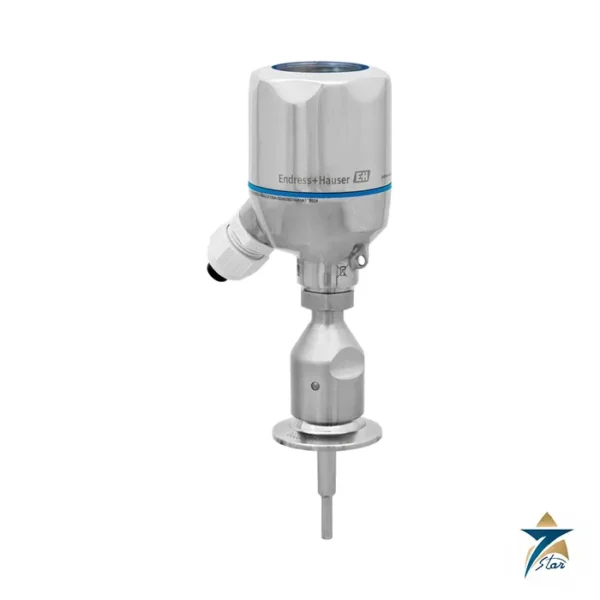
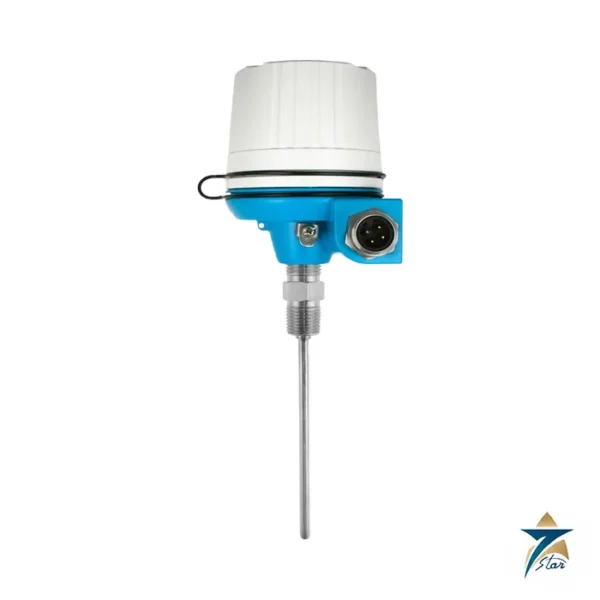
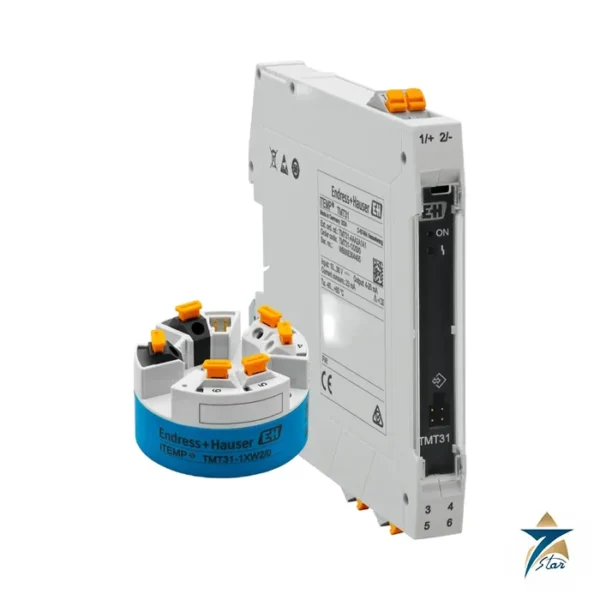
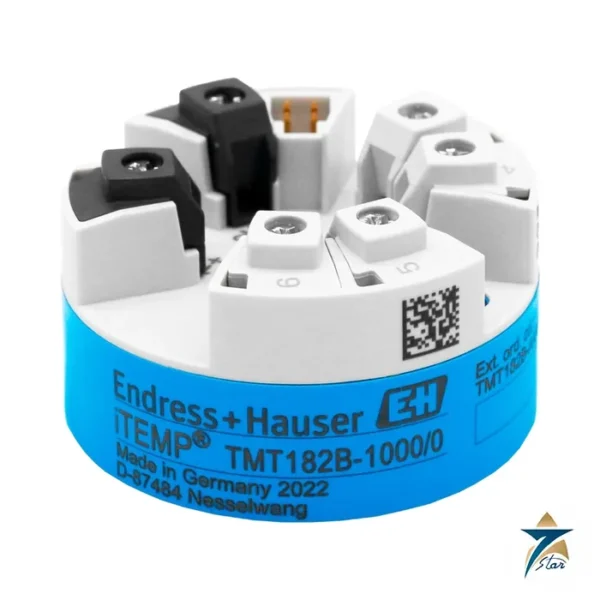
Other Models in the Itherm Modluine Thermowell Range
Seven Star LLC supplies models from the Itherm Modluine Thermowell range in Oman and the GCC. Compare the related models below and request a quote for the one that matches your application.


















Reviews
There are no reviews yet.