- Automation & ControlView all 3,248 products
- Automation Accessories
- AC Drives
- PLC & I/O Cards
- Industrial Communications
- Vibration Monitoring
- Controllers & Data Acquisition
- Isolator & Barrier
- Safety Switches & Guard Locking
- Encoders
- Motor Soft Starters
- CCTV & Security
- Pneumatic Cylinders
- HMI Displays
- Servo Drives
- Industrial Computers
- Machine Vision
- Automation Software
- Robotics
Brand: Elga
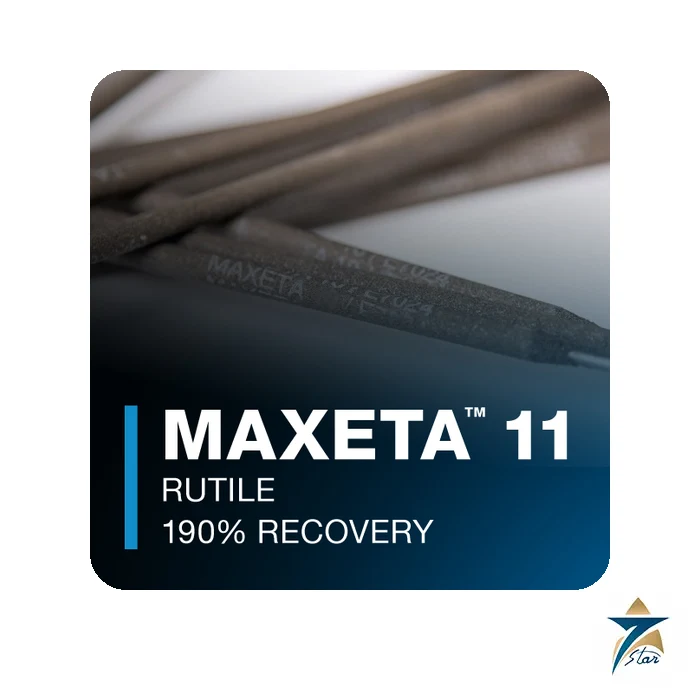
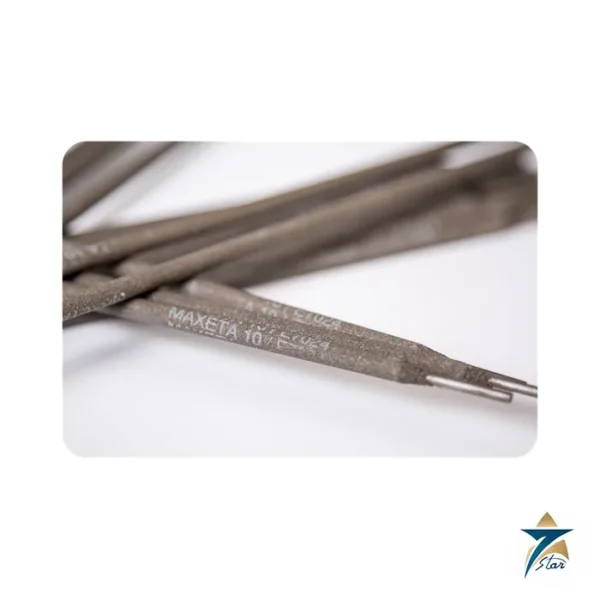
Elga Maxeta 11 E7024 High-Recovery Rutile Electrode
Description
High-productivity rutile electrode for heavy-section fillet welding
The Elga Maxeta 11 is a rutile-coated iron-powder electrode with 190% metal recovery, classified AWS A5.1 E7024 and EN ISO 2560-A E 42 0 RR 73. Elga designed it for high-productivity welding of heavier-section mild steel, and describes it as particularly suitable for high-speed fillet welding in the downhand and horizontal-vertical positions as well as downhand butt welds.
The arc is smooth and stable, the bead surface finely rippled, the slag self-detaching and spatter minimal. Elga also states that the electrode produces mitre-profile fillets with a smooth transition to the base material, that it works equally well on primer-treated plate, and that it was specially designed for very low fume emission.
Technical specifications
| Parameter | Specification |
|---|---|
| Manufacturer / product | Elga / Maxeta 11 |
| Process | SMAW (stick, MMA), un-alloyed |
| AWS classification | A5.1 E7024 |
| EN ISO classification | 2560-A E 42 0 RR 73 |
| Coating type | Rutile, iron powder |
| Metal recovery | 190% |
| Welding current | AC (OCV above 50 V), DC +/- |
| Redrying | 90 °C for 2 h |
| Typical weld metal, % | C 0.08, Si 0.6, Mn 0.9, P 0.015, S 0.01 |
| Yield strength Re | Specified 420 MPa min; typical 500 MPa |
| Tensile strength Rm | Specified 510-610 MPa; typical 580 MPa |
| Elongation A5 | Specified 22% min; typical 24% |
| Impact energy CV | Specified 47 J min at 0 °C; typical 50 J |
| Approvals listed | CE, DNV 2, GL 2Y, LR 2m/2Ym, MRS 2, RINA E 51 2, BV 2, ABS 2 |
| 3.2 x 450 mm (code 72043200) | 130-170 A, 28 V; 0.72 kg weld metal per kg electrodes |
| 4.0 x 450 mm (code 72044000) | 150-260 A, 31 V; 0.73 kg per kg |
| 4.5 x 450 mm / x 600 mm | 170-335 A and 170-250 A (codes 72044500 / 72044560) |
| 5.0 x 450 / 600 / 700 mm | 200-390 A, 200-300 A and 200-290 A (codes 72045000 / 72045060 / 72045070) |
| 6.0 x 450 / 600 / 700 mm | 300-450 A, 300-390 A and 300-380 A (codes 72046000 / 72046060 / 72046070) |
When a 190% recovery electrode pays off
Recovery describes how much weld metal is deposited per unit mass of core wire consumed; the iron powder in the coating is what lifts it well above 100%. On the data sheet this shows up as 0.72 to 0.73 kg of weld metal per kilogram of electrodes and as an arc-time deposition rate that climbs from 2.5 kg per hour at 3.2 mm to 7.7 kg per hour at 6.0 mm. A single 450 mm electrode in 6.0 mm burns off in about 71 seconds, so long fillets are made with fewer stops than with a conventional rutile type.
That productivity is realised on stable, accessible joints: long horizontal fillets, ship hull panels, heavy plate frames and similar shop work where the welder or a gravity-fed rig can stay in the downhand or horizontal-vertical position. For vertical-up or overhead work, a conventional electrode of a different class is the right tool; E7024 is not intended for those positions.
Handling and selection notes
The data sheet calls for redrying at 90 °C for two hours, a low temperature compared with basic electrodes, because the rutile coating takes up little moisture. Match the diameter to plate thickness and joint leg length, and keep current within the range printed for each size: running a large electrode at the bottom of its range gives a cold, convex bead, while the top of the range softens the coating and loses the benefit of self-detaching slag.
Maxeta 11 sits beside the other rutile grades in the same product family. Elga also makes Maxeta 10, another E7024 type, and the attached data sheet gives the exact figures for this one.
How the Elga Maxeta 11 works
An arc is struck between the electrode and the plate. The core wire and the iron powder in the coating melt into the weld pool. The rutile coating makes a slag that covers the bead and then comes off by itself. Because the iron powder adds metal, one electrode deposits more weld than its core wire alone.
Where the Maxeta 11 is used
- Fillet welds on heavy mild steel
- Downhand butt welds
- Horizontal-vertical fillets
- Structural steel fabrication
- Welding on primer-treated plate
Selection checklist for the Maxeta 11
- Electrode diameter from 3.2 to 6.0 mm
- Electrode length
- Welding current range
- AC or DC power source
- Welding position
- Plate thickness
- Drying oven for redrying
- Deposition rate needed
Installation, commissioning and maintenance notes for the Maxeta 11
Redry the electrodes at 90 degrees C for 2 hours if they have taken up moisture. Set the current in the range for the diameter. Hold a short arc and drag the electrode in the fillet. Chip off the slag and check the bead. Keep the electrodes dry in a closed container.
Requesting a quotation for the Elga Maxeta 11
Please send the diameter, the length and the quantity. Seven Star LLC serves industrial customers in Oman and the GCC and replies with a quotation based on the information provided.
Maxeta 11 metal recovery
The metal recovery is 190 percent.
Maxeta 11 coating
The coating is rutile with iron powder.
Maxeta 11 current type
It runs on AC with an open circuit voltage above 50 V, or on DC with either polarity.
Maxeta 11 yield strength
The specified yield strength is 420 MPa minimum.
Maxeta 11 tensile strength
The specified tensile strength is 510 to 610 MPa.
Maxeta 11 elongation
The specified elongation is 22 percent minimum.
Maxeta 11 impact energy
The specified impact energy is 47 J minimum at 0 degrees C.
Maxeta 11 redrying
The redrying temperature is 90 degrees C for 2 hours.
Maxeta 11 sizes
The electrodes come in 3.2, 4.0, 4.5, 5.0 and 6.0 mm diameters.
Welding records for the Maxeta 11
Record the batch, the current and the welder for each joint.
Choosing the right Maxeta 11 diameter
Choose a larger diameter for thick plate and long fillets, and a smaller one for thinner sections.
Maxeta 11 slag
The slag is self-detaching and the spatter is minimal.
Maxeta 11 fume emission
The electrode was designed for very low fume emission.
Maxeta 11 bead shape
The bead surface is finely rippled and the fillets have a smooth transition to the base metal.
Documents and quotation
The Elga Maxeta 11 product data sheet is attached to this page for download. Related consumables are listed in our Welding Electrodes category.
For a quotation, send the diameter or size, pack type, quantity and any certificate or approval requirement.
Datasheets & Documents
- Datasheet Elga Maxeta 11 product data sheet (rev. 19) Download
Reviews (0)
How would you rate this product? Cancel reply
About brand
Elga is a Swedish maker of welding consumables, established in Gothenburg in 1938 by Carl Alfredson as AB El & Gassvetsning, a family company building electric and gas welding equipment for Swedish industry. Coated electrodes followed in the 1940s and stainless steel electrodes and welding wires after the move to Partille in the 1980s. Elga has been part of Illinois Tool Works (ITW) since 2000.
Seven Star LLC is an independent supplier in Muscat. We list Elga electrodes and wires for fabrication shops and maintenance teams in Oman and the GCC.
Elga company profile
| Founded | 1938, Gothenburg, Sweden, by Carl Alfredson |
|---|---|
| Original name | AB El & Gassvetsning |
| Production | Partille, Sweden |
| Ownership | Illinois Tool Works (ITW), since 2000 |
| Product families | P48S and Maxeta mild steel electrodes, Cromarod stainless steel electrodes, Elgacore and Elgacore MATRIX flux-cored wires, Cromacore stainless cored wires, Elgamatic and Cromamig solid wires, TIG rods |
Milestones
- 1938: Carl Alfredson founds the company in Gothenburg.
- 1940s: Elga begins making coated electrodes.
- 1980s: Production starts at Partille, including stainless electrodes.
- 2000: Illinois Tool Works acquires Elga.
Elga product series
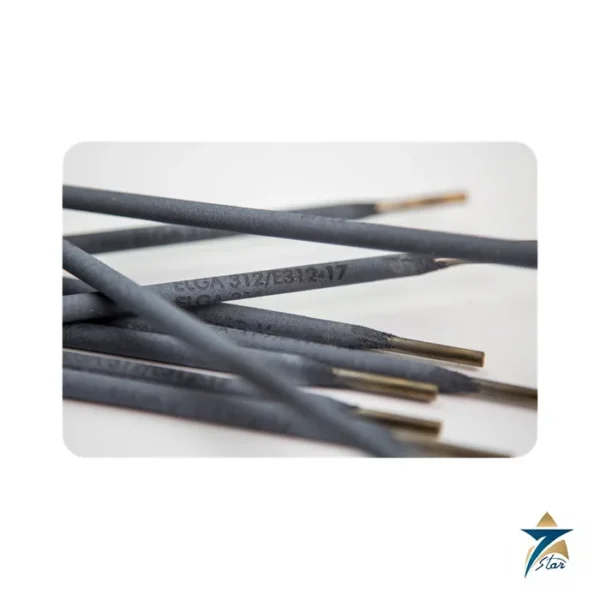
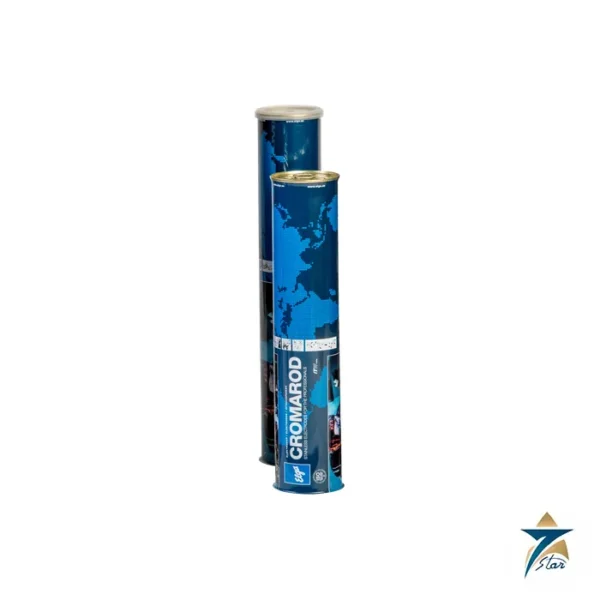
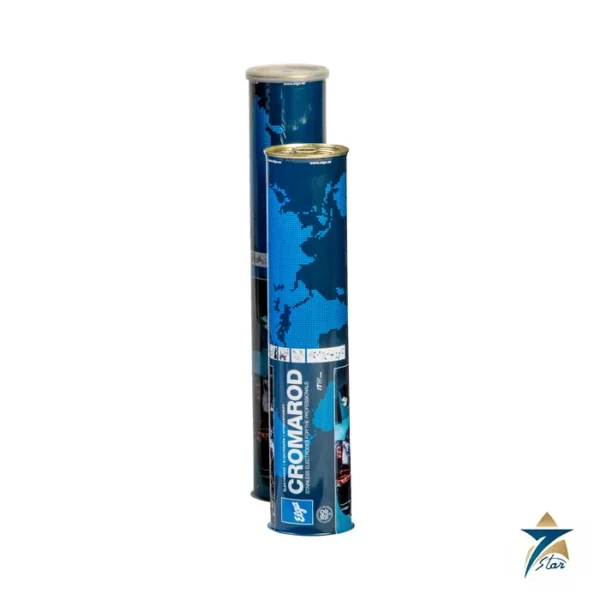
Cromarod stainless electrodes include the Duplex E2209-17, the 316LP E316L-17 pipe electrode, the 312 E312-17 and 309MoL E309MoL-17 dissimilar steel electrodes and the Cromarod 82 ENiCrFe-3 nickel alloy electrode.
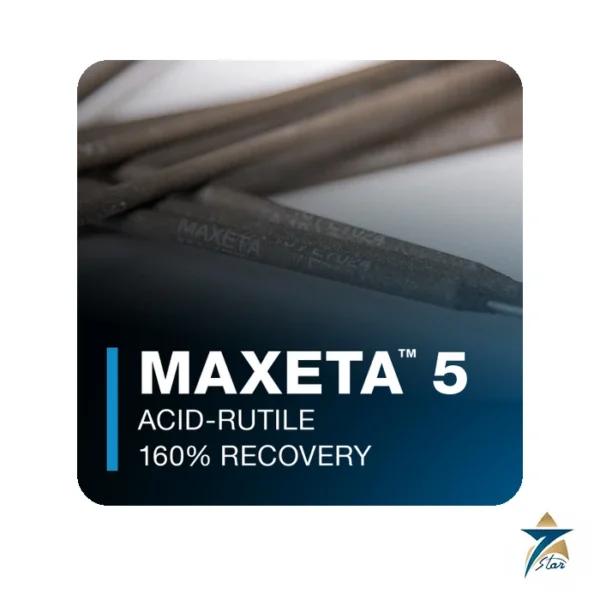
Mild steel electrodes include the Maxeta 10 and Maxeta 11 E7024 high-recovery rutile electrodes and the Maxeta 5 E7027 acid-rutile electrode. The Megafil 710 M is an E70C-6M seamless metal-cored wire.
Electrodes are chosen by base metal and joint: E2209 for duplex stainless, E316L for molybdenum-alloyed stainless pipe, E309MoL and E312 for joining stainless to carbon steel and for buffer layers, and ENiCrFe-3 for nickel alloys and difficult dissimilar joints. E7024 rutile electrodes give high deposition rates in flat and horizontal fillet welds, and E7027 suits deep penetration flat welding.
Where Elga consumables are used
Welding of stainless, duplex and nickel alloy piping and vessels, joining dissimilar steels, repair work, and high-productivity fillet welding on structural steel.
Elga products we list
Ordering Elga consumables: what we need
Send the product name and AWS classification, diameter, package and quantity, plus any certificate required.
Facts checked against Elga's own company history material, October 2026.
Browse Elga products by category: Welding Electrodes, Flux-Cored Welding Wire.
FAQ
Questions about the Elga Maxeta 11 E7024 High-Recovery Rutile Electrode
Answers from our engineering team on installation, compatibility and integration.
01What is the classification of Elga Maxeta 11?
AWS A5.1 E7024 and EN ISO 2560-A E 42 0 RR 73.
02What metal recovery does Maxeta 11 give?
190%, from the iron powder in the rutile coating.
03What is the typical impact energy?
Typically 50 J at 0 °C, with 47 J specified as the minimum.
04How should Maxeta 11 be redried?
90 °C for 2 hours, according to the Elga data sheet.
05Which positions is it best suited to?
Downhand and horizontal-vertical fillets and downhand butt welds.


Reviews
There are no reviews yet.