LCL1 capacitive limit switch for bulk solids
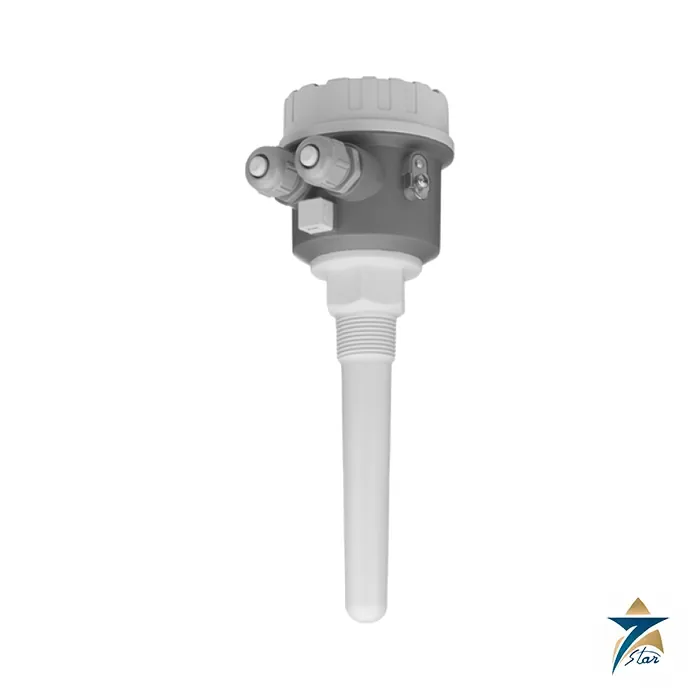
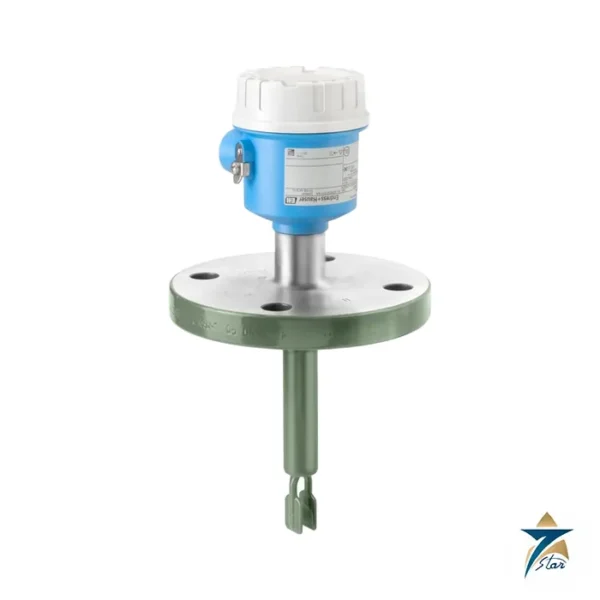
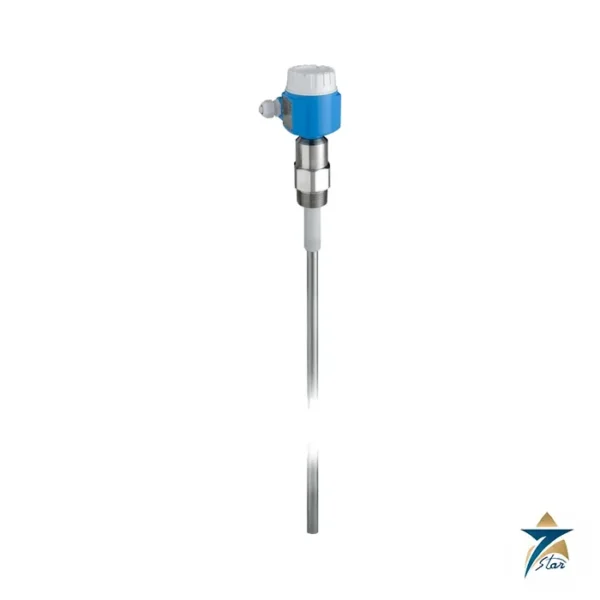
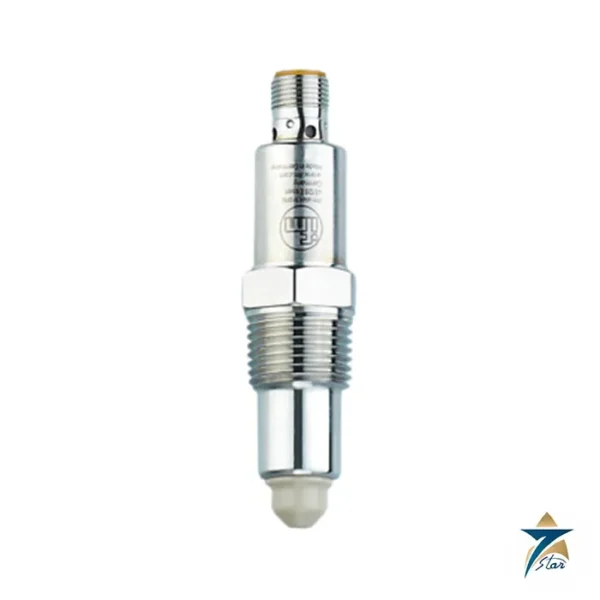
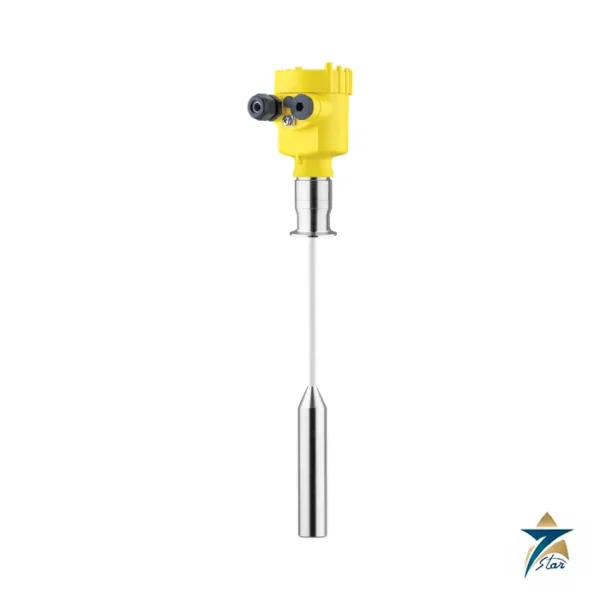
The LCL1 is a capacitive limit switch with a 140 mm rod probe for detecting the presence of light bulk solids in silos and bins, for example grain, flour, milk powder, animal feed, cement, chalk and plaster. It is a complete unit made of the probe and its electronic insert, and it contains an active build-up compensation that keeps the switch point accurate when product coats the probe.
The series offers a relay output with potential-free change-over contact on AC or DC supply, and a PNP output on a 3-wire DC supply. The part is purchased as a series code, so the supplied version (connection type, housing and approvals) should be stated at order.
Seven Star LLC supplies this module in Oman and the GCC as an independent supplier in Muscat.
Technical specifications of the LCL1
| Parameter |
Specification |
| Manufacturer / part number |
Pepperl+Fuchs LCL1 |
| Measuring principle |
Capacitance between the probe end plate and the silo wall changes when the probe is covered |
| Measuring range |
Dielectric constant ≥ 1.6 |
| Operating mode |
MAX (overspill protection) or MIN (dry-run protection or low-level alarm); safe-state switching on supply loss |
| Supply |
Connection E5: 10.8 to 45 V DC (pulse 55 V), max. 30 mA, reverse-polarity proof; connection WA: 20 to 235 V AC or 20 to 55 V DC, max. 130 mA |
| Output |
E5: PNP, max. 200 mA, short-circuit protected, residual voltage < 2.9 V; WA: potential-free change-over, 253 V, 4 A AC, 1000 VA at cos φ 1 |
| Signal on alarm |
E5: < 100 µA; WA: relay de-energized |
| Timing |
Switch-on delay max. 1.5 s; switching time approx. 0.5 s on covering and uncovering |
| Process |
Temperature -40 to 130 °C; pressure -1 to 25 bar; ambient -40 to 80 °C |
| Protection |
IP66, NEMA 4; gland M20; process connection R1 (BSPT) with adapters for R1-1/2 and G1-1/2 |
| Housing |
F14 polyester PBT-FR or F34 version; probe length 140 mm |
How the LCL1 detects material
A metal plate at the end of the probe, inside its insulation, and the surroundings such as the silo wall form the two electrodes of a capacitor. When bulk material covers the probe, the capacitance rises, and the electronics switch the output. Active build-up compensation measures and cancels the effect of material sticking on the probe, which makes the switch point reliable in dusty, sticky powders.
There are no moving parts, so the switch is wear-free and needs almost no maintenance. The green LED shows readiness, and a wrong polarity connection is blocked rather than damaging the unit.
System fit and related parts
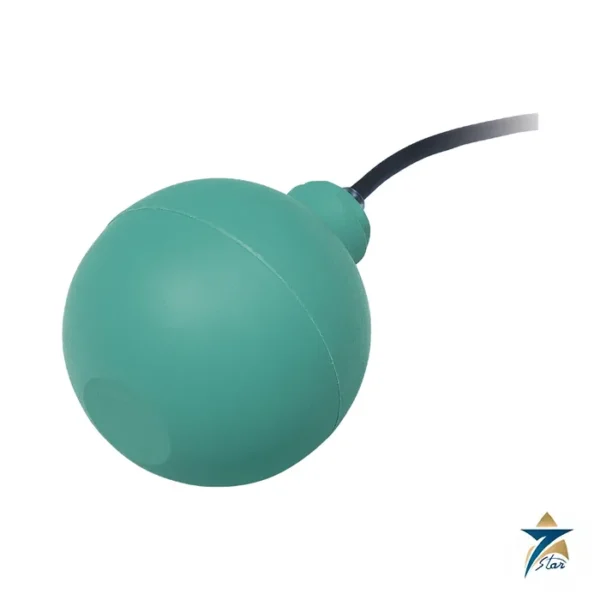
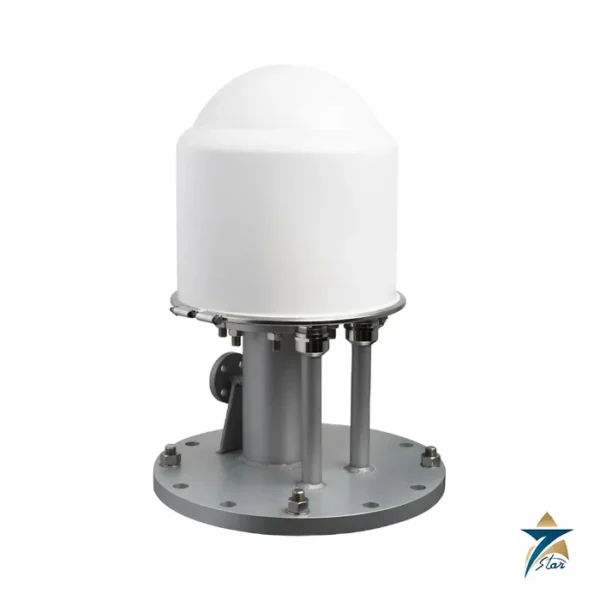
Use the LCL1 as a high-level or low-level point in silos and hoppers. For liquids in tanks the float switch LFL2-BK-U-PUR5-EMS is a simpler, lower-cost choice, and for continuous level an ultrasonic sensor like UB6000-F42-EP-IO-V15 can be used in suitable applications.
Selection and ordering checklist for the LCL1
- Material and dielectric constant (at least 1.6).
- MAX or MIN safety mode.
- Supply: DC with PNP output or AC/DC with relay.
- Process temperature and pressure within -40 to 130 °C and -1 to 25 bar.
- Mounting thread and housing version.
- Probe length and mounting angle.
Installation, commissioning and maintenance of the LCL1
Mount the probe through a threaded socket so that the end is in the desired position, ground the silo and connect the earth terminal where required, and wire the supply and output according to the connection type. Calibrate the switch point with the actual material, not a similar one.
Periodic maintenance is low, but check the gland seal and housing cover after washdown and clean heavy deposits on the probe at scheduled intervals.
Test the output by covering the probe with product by hand and by cutting the supply once, to confirm that the control system reacts to the alarm state as planned. Record the switch point setting and the material used for calibration in the instrument file.
Installation hints for the LCL1
Avoid positions where the probe is hit by the incoming stream or where material forms a permanent bridge between the probe and the wall. Fit a protective roof above the probe if the product falls directly on it.
In MAX mode the device switches when the probe is covered or when the supply fails, which is the safe condition for overspill protection. In MIN mode it switches when the probe is uncovered, which is the safe condition for dry-run protection.
Typical applications in Oman and the GCC
In Oman and the GCC the LCL1 is used in cement plants, flour and grain silos, animal feed mills and chemical powder storage where dust and temperature make simple mechanical level switches unreliable.
Family comparison
| Part |
Key difference |
| LCL1 (this part) |
Capacitive limit switch, rod probe 140 mm |
| LFL2-BK-U-PUR5-EMS |
Float switch for liquids |
| KFA6-ER-1.W.LB |
Amplifier for conductive electrodes |
| UB6000-F42-EP-IO-V15 |
Ultrasonic sensor for distance measurement |
Information to send with an RFQ
- Part number LCL1 and quantity
- Material and dielectric constant
- Supply and output type
- Housing version
- Process temperature and pressure
- Delivery location
Site conditions in Oman for the LCL1
Field instruments in Oman are exposed to strong sun, high ambient temperature, wind-blown dust and, on coastal plants, salt in the air. When you specify the LCL1, check the ambient and process temperature limits, the enclosure rating and the wetted and housing materials against the actual installation point, and consider sunshades for transmitters mounted in direct sunlight. Cable entries should be sealed with suitable glands so that dust and moisture cannot enter the housing.
Calibration and verification planning matters as much as selection. Record the range, configuration and tag data of each LCL1 at commissioning, define a check interval that suits the criticality of the loop, and keep the certificates with the plant documentation so that audits and shutdown work can proceed without delay.
Documents and quotation
The manufacturer datasheet for LCL1 is attached on this page, so you can check wiring, approvals and dimensions before ordering. Send the exact part number, quantity and delivery location in Oman or the GCC and Seven Star LLC will reply with a quotation.
Seven Star LLC is an independent supplier in Muscat and is not the manufacturer; confirm availability, lead time and any project approval requirements in your RFQ.





















Reviews
There are no reviews yet.