Brand:

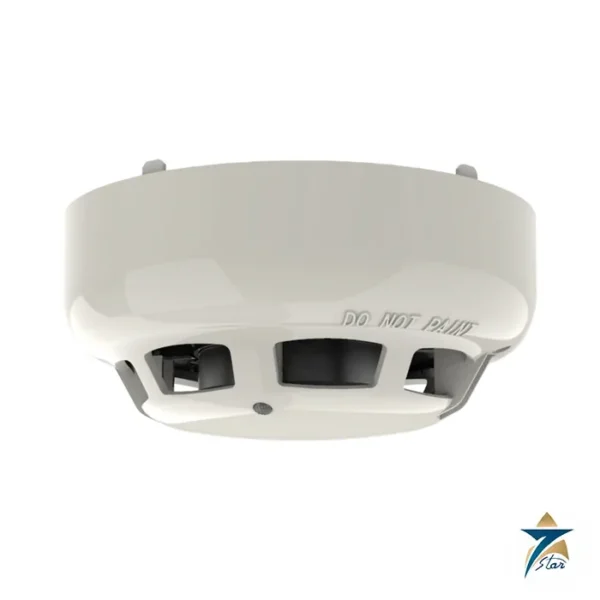
Hochiki SOC-E3N Conventional Photoelectric Smoke Detector

Description

Overview

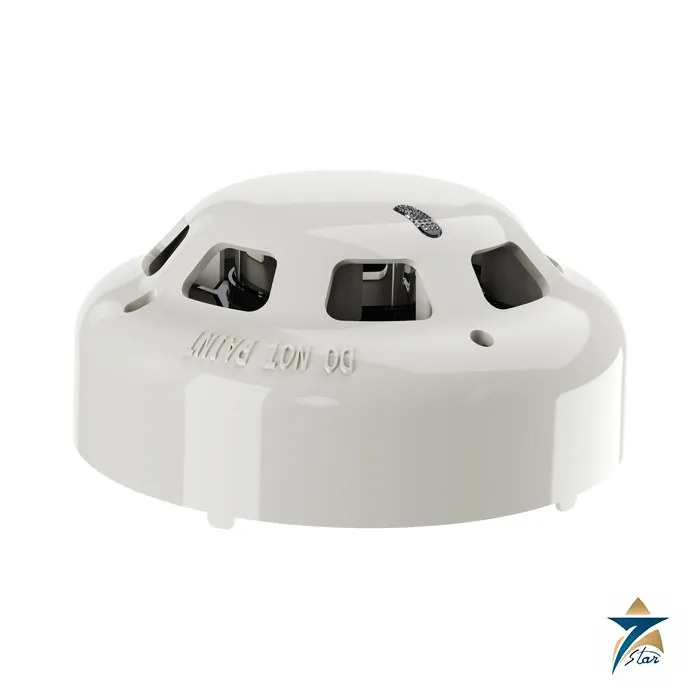
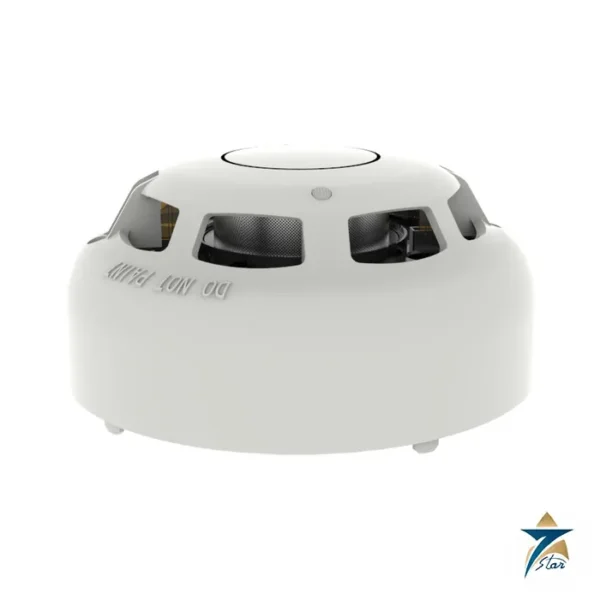
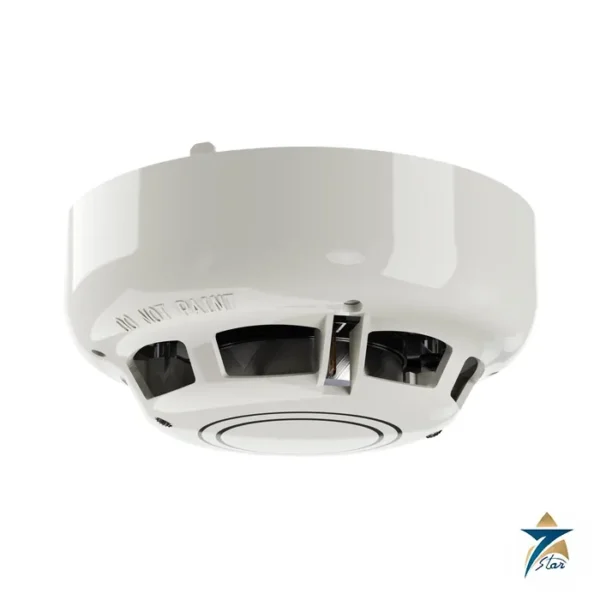
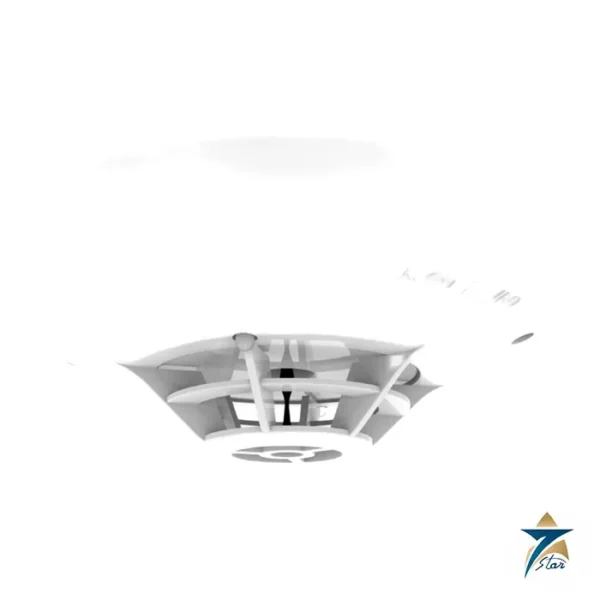
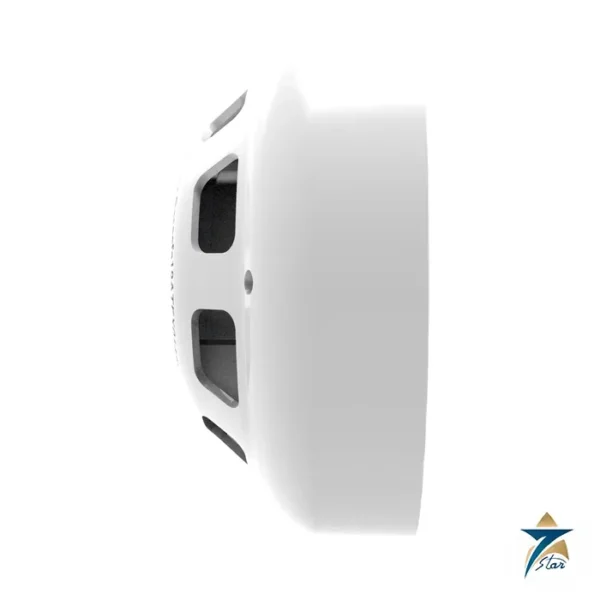
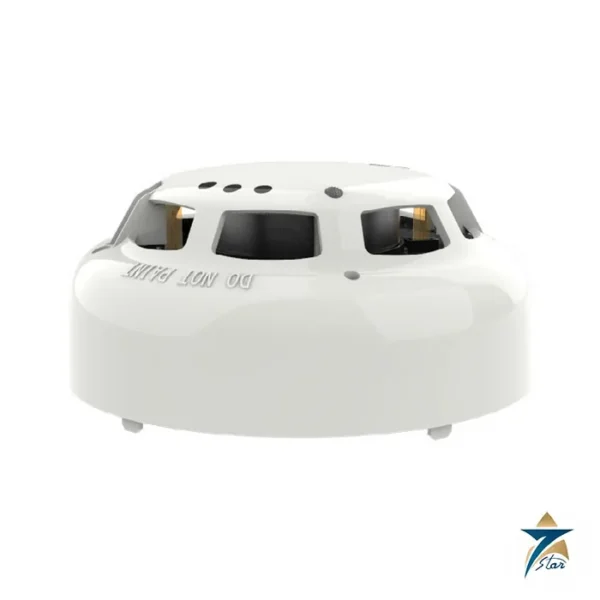
Hochiki SOC-E3N is a conventional photoelectric smoke detector built around a removable high performance chamber. It is designed for ordinary two-wire zone circuits and is described by the manufacturer as compatible with the majority of existing conventional systems. The detector is normally supplied in ivory, with white and black case versions listed under their own ordering codes.

A photoelectric chamber reacts well to the slow, smouldering smoke typical of cable insulation and furniture fires, so it is a sensible default in offices, switch rooms and accommodation. The manufacturer states that its chamber design removes the need for ionisation detectors in the majority of applications, which also avoids the handling rules attached to radioactive sources. Seven Star LLC is an independent supplier serving Oman and the GCC.

Reading the Hochiki SOC-E3N feature list

  • Removable chamber that can be taken out for cleaning or replacement, with the replacement chamber coded SLV/ALK.
  • Automatic Sensitivity Window Verification, known as ASWV, which compensates for drift so the detector stays near its intended sensitivity.
  • A single fire LED positioned for viewing from every direction.
  • Remote indicator output rated at 20 mA maximum.
  • Wide operating voltage range from 12 to 30 VDC.
  • Low profile, one piece outer cover with a range of mounting bases.
  • Approved by LPCB to EN54 Part 7.

How the Hochiki SOC-E3N compensates for contamination

Every smoke chamber gathers dust over its working life. Without correction, a dirty chamber can drift toward either false alarms or reduced sensitivity. ASWV watches the detector baseline and adjusts so that it keeps working within a sensitivity window. If the contamination limit is exceeded, the integral red LED flashes once every three seconds as a visual warning that cleaning is due.

The baffle design is built to let smoke into the chamber while keeping ambient light out. Maintenance teams can therefore clean by removing the chamber rather than replacing the whole head, which suits sites where detector access needs a ladder or scaffold.

Hochiki SOC-E3N technical data

Parameter Value
Detector type Conventional photoelectric smoke detector
Ordering codes SOC-E3N ivory, SOC-E3N(WHT) white, SOC-E3N(BLK) black
Replacement chamber SLV/ALK
Operating voltage 12 to 30 VDC
Quiescent current, typical 35 microamps
Maximum current in alarm 40 mA
Remote indicator drive 20 mA maximum
Operating temperature -10 degrees C to +50 degrees C
Storage temperature -30 degrees C to +60 degrees C
Maximum humidity 95 percent RH, non-condensing, at 40 degrees C
Ingress protection IP42
Case material ABS, ivory, white or black
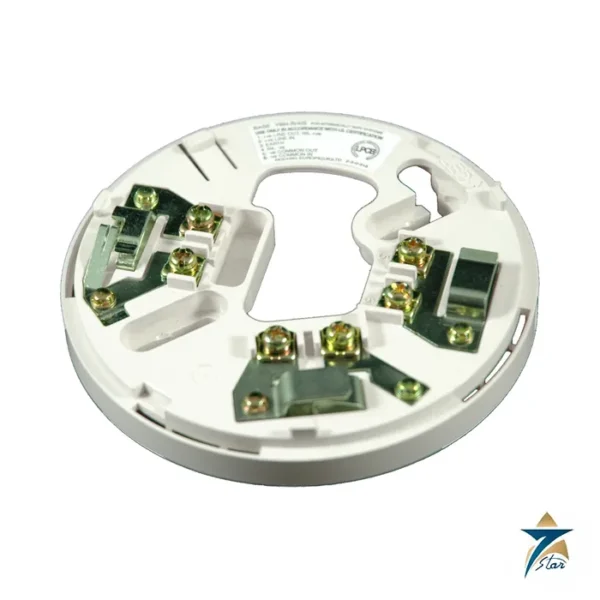
Compatible bases YBN-R/6, YBN-R/6SK, YBO-R/6R, YBO-R/6RS, YBO-R/6RN, YBO-R/6PA
Base fixing centres 48 to 74 mm
Weight 95 g without base
Dimensions Diameter 100 mm by height 38 mm
Sensitivity 4 percent obscuration per metre
Approval LPCB, EN54 Part 7

How Hochiki SOC-E3N differs from the DFJ-AE3 heat detector

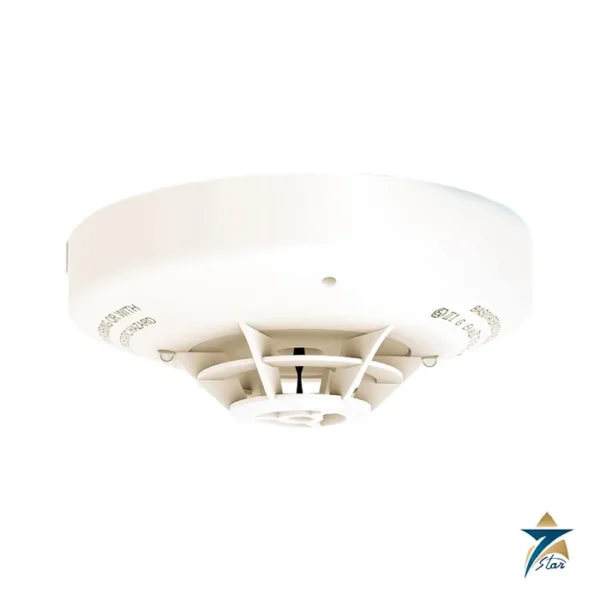
The SOC-E3N shares its 100 mm footprint and 48 to 74 mm base centres with the conventional heat detector DFJ-AE3, so both can sit on the same bases. Their numbers, however, differ. The smoke detector weighs 95 g against 76 g for the heat detector and is rated IP42 against IP63. Its operating voltage starts at 12 VDC where the heat detector starts at 9.5 VDC, and the smoke detector adds a sensitivity figure of 4 percent obscuration per metre that has no counterpart on a thermal device.

These differences decide placement: use the smoke detector in clean dry spaces where early warning of smoke is wanted, and use a heat detector in kitchens, drying rooms and other places where steam or fumes would make a smoke detector unreliable.

Where it fits in Oman and the GCC

Conventional photoelectric detectors serve control rooms, battery rooms, offices, camp corridors, stores and light industrial halls. Many existing facilities in the region run conventional panels with several zones, and this detector fits straight into them. Corrosive, dusty or high humidity areas should be reviewed carefully because the IP42 rating is for indoor protected spaces.

Mounting bases and installation

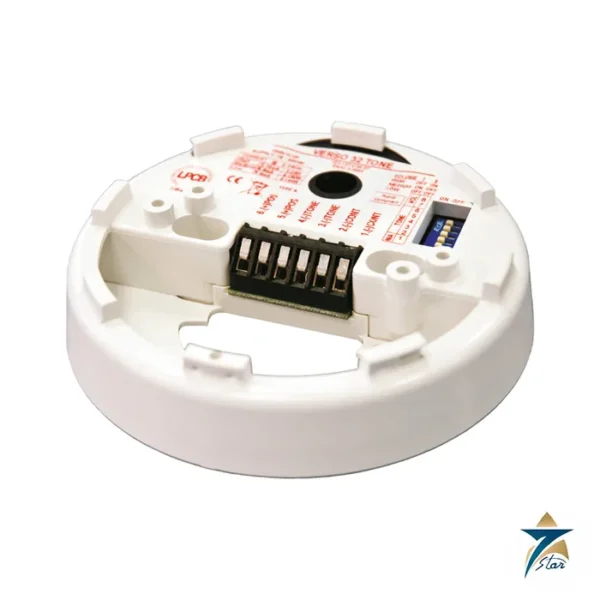
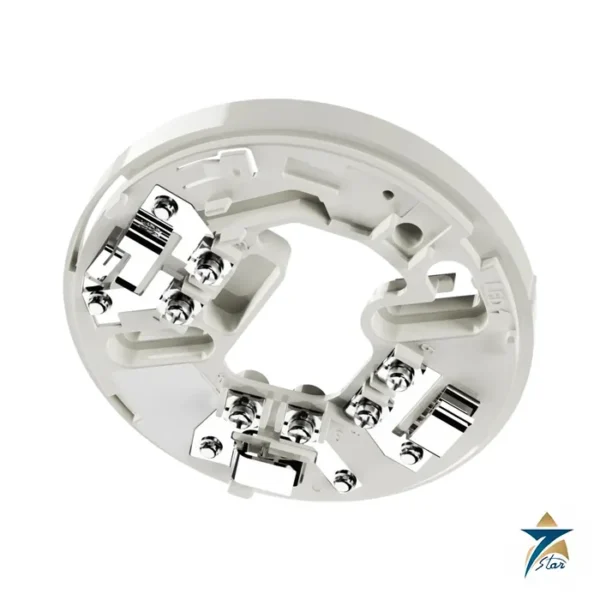
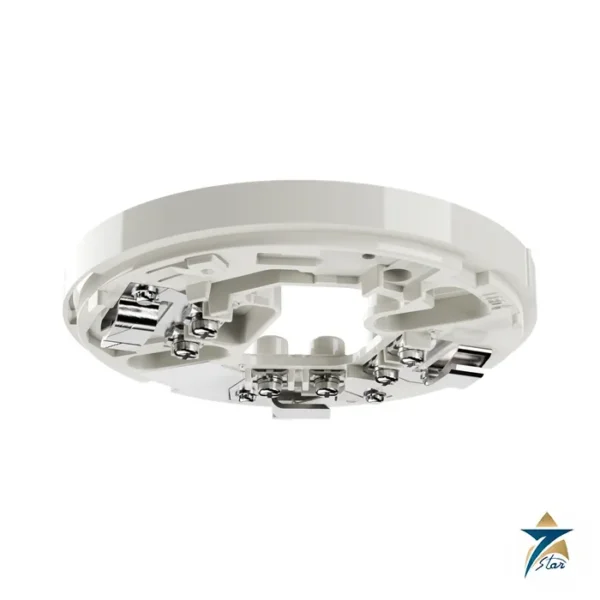
The data sheet lists six compatible bases: YBN-R/6, YBN-R/6SK, YBO-R/6R, YBO-R/6RS, YBO-R/6RN and YBO-R/6PA. Choose the base according to whether a standard fixing, a sounder or another feature is needed. Wire the base first, test the zone with a dummy head or a test load, and then twist the detector in. Keep construction dust out by leaving the dust cover on until the building is clean.

  • Confirm the panel supplies 12 to 30 VDC at the detector.
  • Check the remote indicator current against the lamp being driven.
  • Record detector locations against zone numbers for the as-built drawings.

Maintenance and testing

Test each detector with an approved smoke test method according to the schedule of the site. Watch for the single flash every three seconds, which indicates the contamination limit has been exceeded, and clean or replace the chamber with the SLV/ALK part. A detector that has been exposed to painting or heavy cleaning products should be inspected before the building is handed over.

Keep a short log for each zone showing the date of the last functional test, the person who carried it out and the result. When a zone with many Hochiki SOC-E3N heads starts to show repeated alarms with no visible cause, the log helps you see whether the trouble began after building work, a ventilation change or a seasonal humidity rise. Spare heads and spare chambers stored in sealed bags prevent dust loading before installation.

Ordering Hochiki SOC-E3N

State the case colour, the number of detectors and the base type that will carry them. If chambers are needed as spares, list SLV/ALK as a separate line. Mention your site location in Oman or the GCC so lead times are accurate.

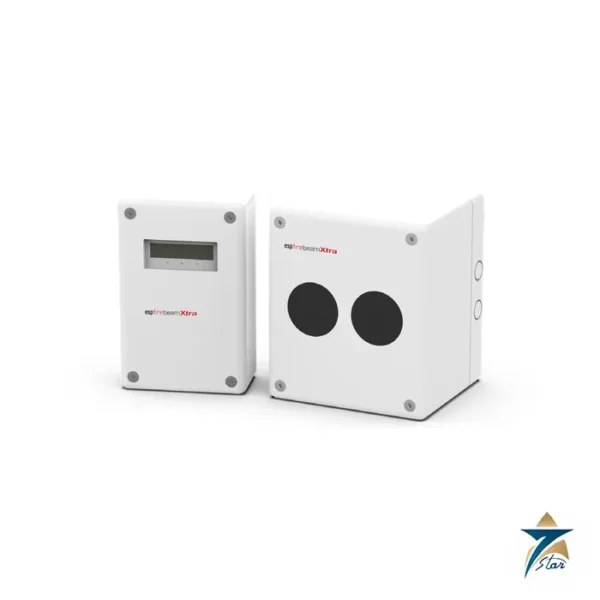
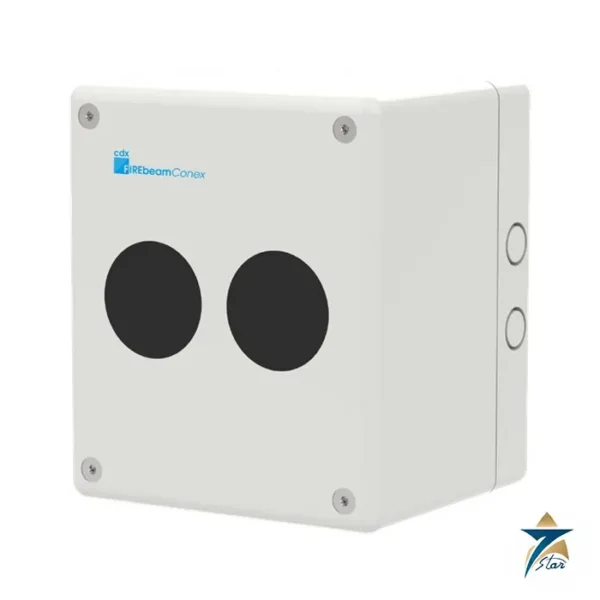
Related items you may also need: Hochiki ESP FIREbeam Xtra Addressable Beam Smoke Detector | Hochiki ALN-EN Intelligent Photoelectric Smoke Sensor (ESP) | Hochiki CDX FIREbeam Conex Conventional Beam Smoke Detector | All Hochiki products.

Documents and quotation

The manufacturer data sheet for SOC-E3N is attached to this page. Send your RFQ with the part number, colour code and quantity through the enquiry form and our team will reply with availability and delivery details.

Datasheets & Documents
  • PDF Datasheet Hochiki SOC-E3N Conventional Photoelectric Smoke Detector Datasheet Download
Reviews (0)

Reviews

There are no reviews yet.

How would you rate this product?

It takes about 10 seconds — just tap a star. Your email is never published.

About brand

Hochiki is a Japanese fire detection company, established in Tokyo in 1918 as Japan's first fire alarm manufacturer, with leading insurance companies among its founders. It makes smoke and heat detectors, beam detectors, addressable fire alarm systems and emergency lighting. Hochiki America has operated in the US since 1972.

Seven Star LLC is an independent supplier in Muscat. We list Hochiki detectors for fire alarm contractors in Oman and the GCC.

Hochiki company profile

Founded 1918, Tokyo, Japan
Founders Members of Japan's insurance industry
US operations Since 1972
Systems Conventional and addressable fire detection
Product families ESP intelligent detectors and multi-sensors, FIREbeam beam detectors, CDX conventional detectors, control panels

Milestones

  • 1918: Hochiki is founded in Tokyo.
  • 1972: Hochiki America begins US operations.

Hochiki product series

The ACD-EN is an intelligent multi sensor detector for Hochiki addressable systems.

Beam smoke detectors include the CDX FIREbeam Conex and CDX FIREbeam Xtra conventional detectors and the ESP FIREbeam Xtra addressable detector.

Multi sensor detectors combine smoke and heat sensing to detect different fire types and reduce false alarms. Beam detectors send an infrared beam across an open space and alarm when smoke reduces the signal, covering large areas with fewer devices.

Detectors must match the panel protocol and be installed and tested to the local fire code.

Where Hochiki detectors are used

Offices, hotels, schools and hospitals, and large open spaces such as warehouses, atriums and halls where beam detectors cover long distances.

Hochiki products we list

Family Examples
Fire & Gas Detectors ACD-EN Intelligent Multi Sensor, CDX FIREbeam Conex Conventional Beam Smo…, ESP FIREbeam Xtra Addressable Beam Smoke…

Ordering Hochiki detectors: what we need

Send the part number, protocol (conventional or ESP addressable), the beam range and the panel in use.

Facts checked against IFSEC Global centenary coverage and Hochiki company profiles, October 2026.

FAQ

Questions about the Hochiki SOC-E3N Conventional Photoelectric Smoke

Answers from our engineering team on installation, compatibility and integration.

01What type of detector is the Hochiki SOC-E3N?
It is a conventional photoelectric smoke detector with a removable high performance chamber, approved by LPCB to EN54 Part 7, for use on most conventional fire panels.
02What does ASWV mean on the SOC-E3N?
Automatic Sensitivity Window Verification is the drift compensation technology that keeps the detector near its intended sensitivity and flashes the LED every three seconds if contamination exceeds the limit.
03Which bases fit the SOC-E3N?
The data sheet lists YBN-R/6, YBN-R/6SK, YBO-R/6R, YBO-R/6RS, YBO-R/6RN and YBO-R/6PA, with base fixing centres of 48 to 74 mm.
04What electrical values are given for the SOC-E3N?
Operating voltage is 12 to 30 VDC, typical quiescent current is 35 microamps, maximum alarm current is 40 mA and remote indicator drive is 20 mA maximum.
05Is a replacement chamber available for the SOC-E3N?
Yes, the ordering information lists SLV/ALK as the replacement chamber, so the chamber can be exchanged without replacing the whole detector.