Brand:

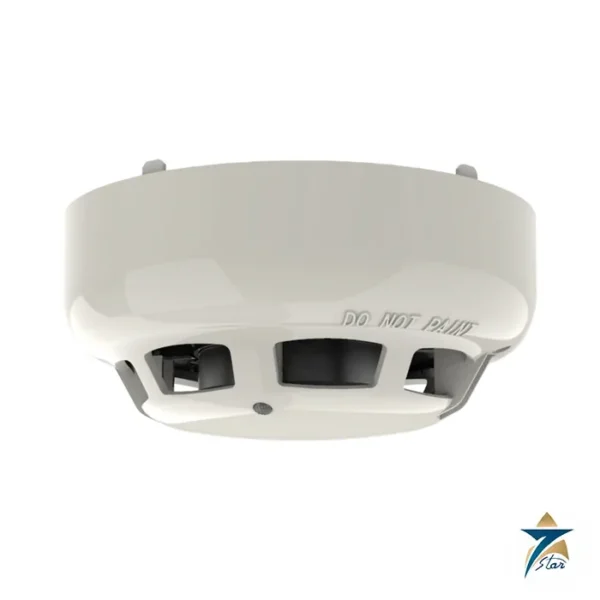
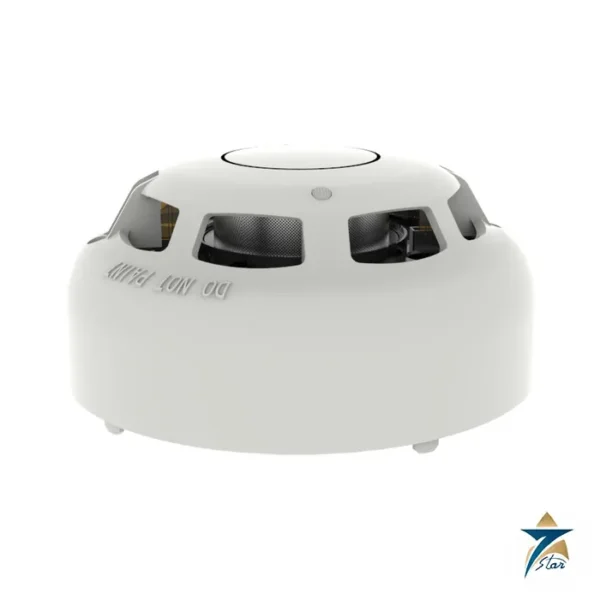
Hochiki DCD-AE3 Rate-of-Rise Heat Detector 60 C

Description

Overview

The Hochiki DCD-AE3 is a conventional heat detector that combines a rate-of-rise element with a 60 degree C fixed temperature element. It is a point detector for ordinary two-wire conventional fire alarm zones, and it sits on a standard Hochiki base. Seven Star LLC is an independent supplier serving Oman and the GCC. The notes below are based on the manufacturer’s one-page datasheet and are meant to help specifiers and maintenance planners match the part number correctly.

How the DCD-AE3 senses heat

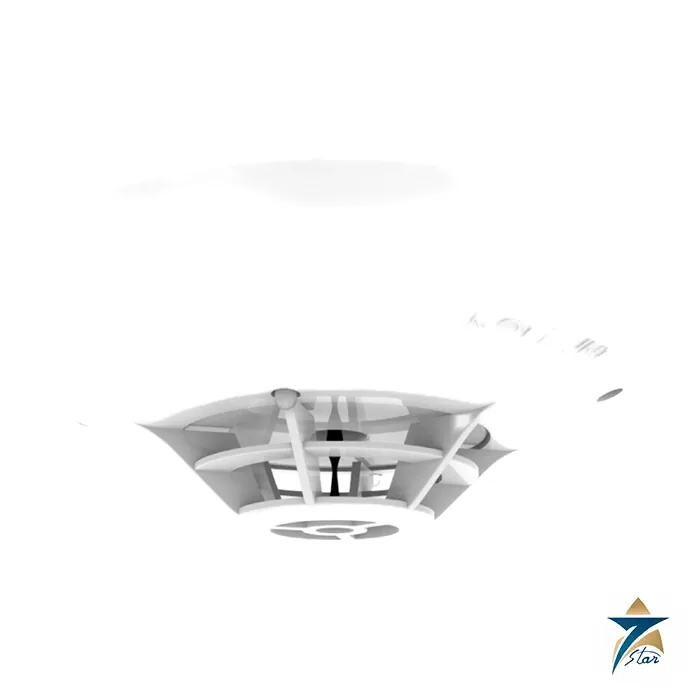
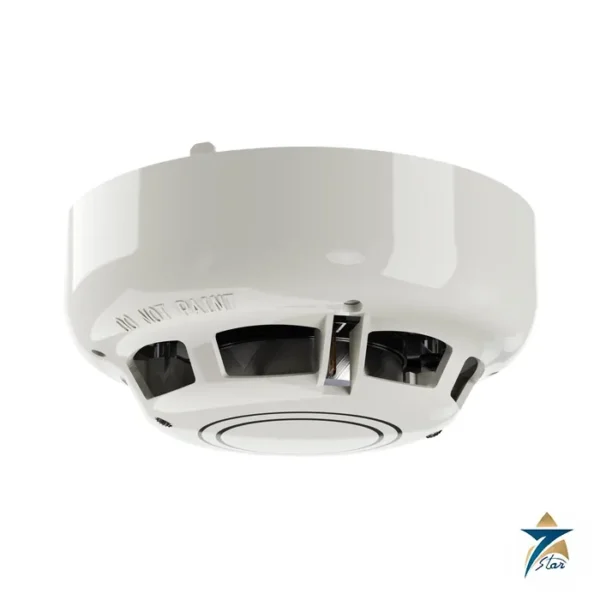
Inside the dome is a thermistor read by a linearising circuit, a design that Hochiki describes as electronic linear heat detection. The circuit reacts when temperature climbs faster than a set rate, which gives an early alarm in a fast-developing fire, and it also trips at a fixed 60 degrees C if the rise is slow. Together these behaviours are rated to EN 54 Class A1 and A1R by LPCB, and the model also holds VdS approval G204044. Two fire LEDs give 360 degree visibility, and a third terminal supplies a remote indicator output so that an external lamp can show which detector has operated.

Specification of Hochiki DCD-AE3

Item Value
Detector type combined rate of rise and 60 degrees C fixed temperature heat detector
Ordering codes Hochiki DCD-AE3 (ivory); Hochiki DCD-AE3(WHT) (white)
Operating voltage 9.5 to 30 V DC
Quiescent current 35 microamps
Maximum current in alarm, typical 40 mA
Remote indicator drive 20 mA maximum, 9.5 to 14 mA typical
IP rating IP63
Maximum humidity 95 percent RH non-condensing at 40 degrees C
Operating temperature minus 10 to plus 50 degrees C
Storage temperature minus 30 to plus 70 degrees C
Case material polycarbonate, ivory or white
Compatible bases YBN-R/6, YBN-R/6SK, YBO-R/6R, YBO-R/6RS, YBO-R/6RN, YBO-R/6PA
Base fixing centres 48 to 74 mm
Weight and size 76 g; diameter 100 mm, height 38 mm
Approvals EN 54 Class A1 and A1R, LPCB; VdS G204044

Where heat detection beats smoke detection

Hochiki points to medium ambient temperature locations such as drying rooms and to spaces where smoke detectors are unsuitable because of steam or cooking fumes, for example kitchens. The same logic applies in many Gulf buildings: commercial kitchens in hotels, laundries, plant rooms with hot pipework, garages and dusty workshops where a smoke detector would give false alarms. In such rooms a rate-of-rise heat detector provides a dependable trigger without nuisance alarms from vapour or particles. For sleeping areas and escape routes, smoke detection remains the first choice.

How Hochiki DCD-AE3 differs from the DCD-CE3

The two detectors look identical and share the same base list, electrical data and dimensions. The difference is the fixed temperature element: 60 degrees C in the AE3 and 90 degrees C in the CE3. The AE3 is classified Class A1 and A1R for ordinary ambient conditions, while the CE3 is assessed to EN 54-5 Category C and CR for higher ambient temperatures such as boiler rooms. Use the lower setting where the room normally stays well below 40 degrees C, and move to the 90 degree element if normal temperatures approach the lower limit.

Reading the EN 54-5 classification

European standard EN 54-5 groups point heat detectors by the ambient temperature they are meant for. Class A1 and its rate-of-rise variant A1R cover normal indoor conditions with a typical application temperature of 25 degrees C and an upper limit near 50 degrees C. The classes with a higher letter move the response temperature upward for hotter rooms. The R suffix means that the detector has a rate-of-rise function in addition to the fixed element. For a designer the choice is therefore not simply a matter of preference: the class sets the maximum permitted ambient temperature in the protected space, and a detector placed in a room warmer than its class allows will either alarm falsely or be outside its approval. Match the class of the detector to the temperature profile of the room, including the hottest period of the year, and record the decision in the design file.

Wiring and bases

Fit the detector on one of the listed bases: YBN-R/6, YBN-R/6SK, YBO-R/6R, YBO-R/6RS, YBO-R/6RN or YBO-R/6PA. They fix on 48 to 74 mm centres. The operating voltage range of 9.5 to 30 V DC suits most conventional panels, the standing current is only 35 microamps, so many detectors can share a zone, and alarm current is about 40 mA. Connect the remote indicator to the third terminal if an external LED is required, keeping its drive within the stated 20 mA maximum. Observe zone polarity and install the end-of-line device according to the panel maker’s instructions.

Spares and system planning

Facilities managers who look after several buildings often standardise on a few detector types to keep spares simple. The AE3 is a good candidate for that role because it fits six different bases and runs on almost any conventional panel across a wide voltage window. Keep a small stock of ivory and white heads, because architects sometimes specify white for ceilings, and keep bases in stock as well since a damaged base is often found only when a detector is removed. When a panel is replaced or extended, confirm that the new zone card can supply the remote indicator current if indicators are used, and verify the number of detectors per zone against the standing current and the panel’s end-of-line arrangements.

Testing and maintenance

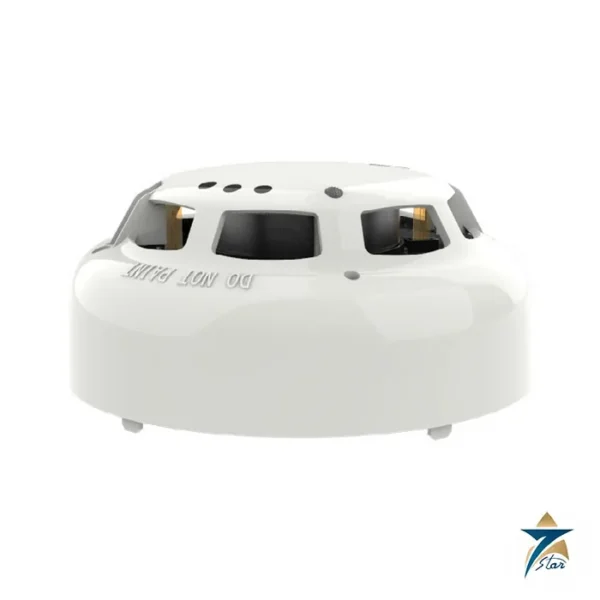
Test the detector with a heat source recommended for the model, such as an approved heat tester, and never with an open flame. Check that the dome is clean, because paint or dust on the sensing element would delay response; the casing even carries a do-not-paint marking. Replace the detector if it is damaged or has been exposed to a fire. Record the part number on the zone chart so that the right replacement is chosen later, because the CE3 and AE3 are not interchangeable in application even though they fit the same base.

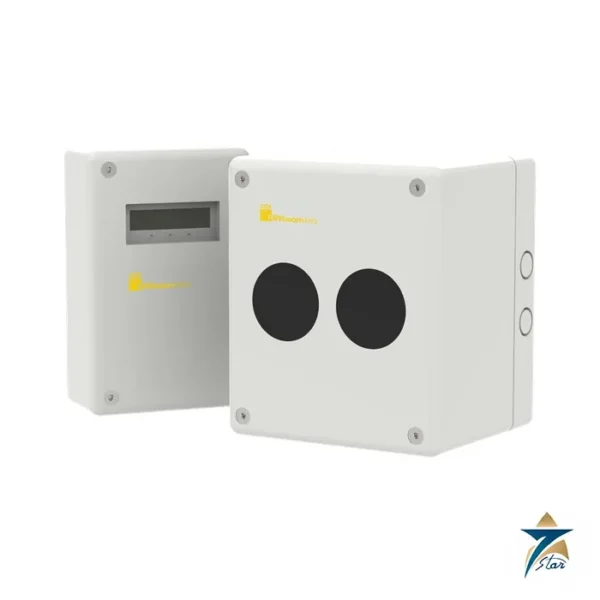
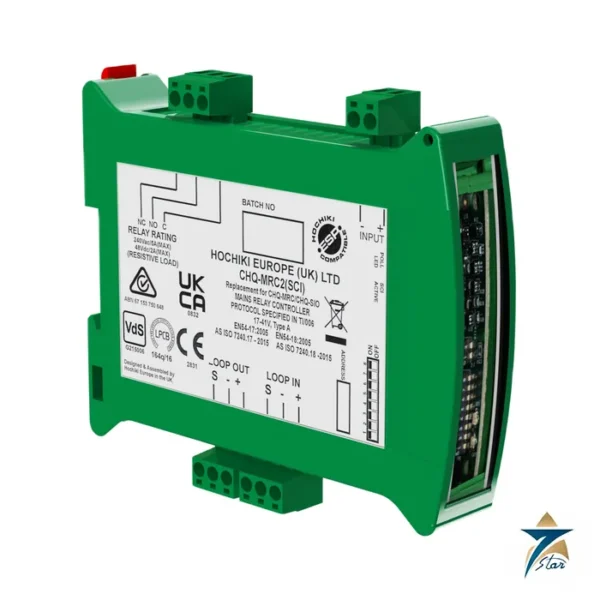
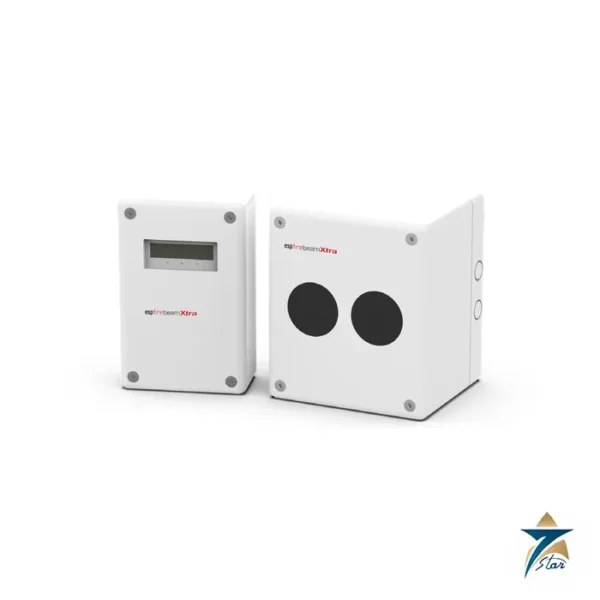
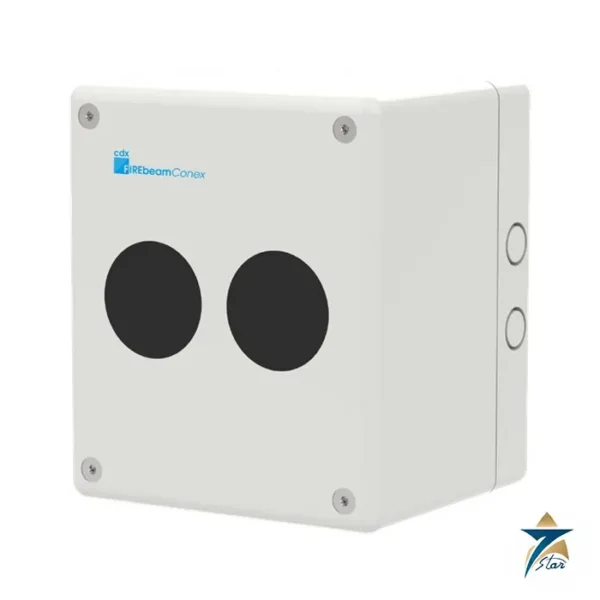
Related items you may also need: Hochiki ESP FIREbeam Xtra Addressable Beam Smoke Detector | Hochiki ACD-EN Intelligent Multi Sensor | Hochiki CDX FIREbeam Conex Conventional Beam Smoke Detector | All Hochiki products.

Checklist before ordering the Hochiki DCD-AE3

  • Before ordering the Hochiki DCD-AE3, compare the nameplate of the unit being replaced with the code shown on this page, character by character.
  • Our team confirms the Hochiki DCD-AE3 code and lead time in writing before any order is placed.
  • The datasheet attached to this page is the reference for the Hochiki DCD-AE3 dimensions, ratings and connections.
  • The Hochiki DCD-AE3 is listed in our fire & gas detectors range and ships to sites across Oman and the GCC.
  • Spare quantities of the Hochiki DCD-AE3 are worth planning for critical duty so that a failure does not stop production.

Documents and quotation

The Hochiki datasheet for the Hochiki DCD-AE3, listing the specification, bases and approvals, is attached to this page. Send your RFQ with the model, ivory or white colour, quantity and your delivery location in Oman or the GCC, and add bases if you need them quoted together.

Datasheets & Documents
  • PDF Datasheet Hochiki DCD-AE3 Rate-of-Rise Heat Detector 60 C Datasheet Download
Reviews (0)

Reviews

There are no reviews yet.

How would you rate this product?

It takes about 10 seconds — just tap a star. Your email is never published.

About brand

Hochiki is a Japanese fire detection company, established in Tokyo in 1918 as Japan's first fire alarm manufacturer, with leading insurance companies among its founders. It makes smoke and heat detectors, beam detectors, addressable fire alarm systems and emergency lighting. Hochiki America has operated in the US since 1972.

Seven Star LLC is an independent supplier in Muscat. We list Hochiki detectors for fire alarm contractors in Oman and the GCC.

Hochiki company profile

Founded 1918, Tokyo, Japan
Founders Members of Japan's insurance industry
US operations Since 1972
Systems Conventional and addressable fire detection
Product families ESP intelligent detectors and multi-sensors, FIREbeam beam detectors, CDX conventional detectors, control panels

Milestones

  • 1918: Hochiki is founded in Tokyo.
  • 1972: Hochiki America begins US operations.

Hochiki product series

The ACD-EN is an intelligent multi sensor detector for Hochiki addressable systems.

Beam smoke detectors include the CDX FIREbeam Conex and CDX FIREbeam Xtra conventional detectors and the ESP FIREbeam Xtra addressable detector.

Multi sensor detectors combine smoke and heat sensing to detect different fire types and reduce false alarms. Beam detectors send an infrared beam across an open space and alarm when smoke reduces the signal, covering large areas with fewer devices.

Detectors must match the panel protocol and be installed and tested to the local fire code.

Where Hochiki detectors are used

Offices, hotels, schools and hospitals, and large open spaces such as warehouses, atriums and halls where beam detectors cover long distances.

Hochiki products we list

Family Examples
Fire & Gas Detectors ACD-EN Intelligent Multi Sensor, CDX FIREbeam Conex Conventional Beam Smo…, ESP FIREbeam Xtra Addressable Beam Smoke…

Ordering Hochiki detectors: what we need

Send the part number, protocol (conventional or ESP addressable), the beam range and the panel in use.

Facts checked against IFSEC Global centenary coverage and Hochiki company profiles, October 2026.

FAQ

Questions about the Hochiki DCD-AE3 Rate-of-Rise Heat Detector 60 C

Answers from our engineering team on installation, compatibility and integration.

01What is the fixed temperature of the Hochiki DCD-AE3?
The DCD-AE3 combines a rate-of-rise element with a 60 degrees C fixed temperature element, and is approved to EN 54 Class A1 and A1R by LPCB.
02Which bases fit the Hochiki DCD-AE3?
The datasheet lists YBN-R/6, YBN-R/6SK, YBO-R/6R, YBO-R/6RS, YBO-R/6RN and YBO-R/6PA, all with 48 to 74 mm fixing centres.
03What are the ordering codes for the DCD-AE3?
DCD-AE3 is the ivory version and DCD-AE3(WHT) is the white version.
04What supply voltage does the DCD-AE3 need?
It operates from 9.5 to 30 V DC with a quiescent current of 35 microamps and about 40 mA in alarm.
05Where should the DCD-AE3 be used instead of a smoke detector?
In locations where steam or cooking fumes would trigger smoke detectors, such as kitchens, and in medium ambient temperature areas like drying rooms.