Fisher 119 series fuel gas valve: Types 119, 119EZ and 119EZS
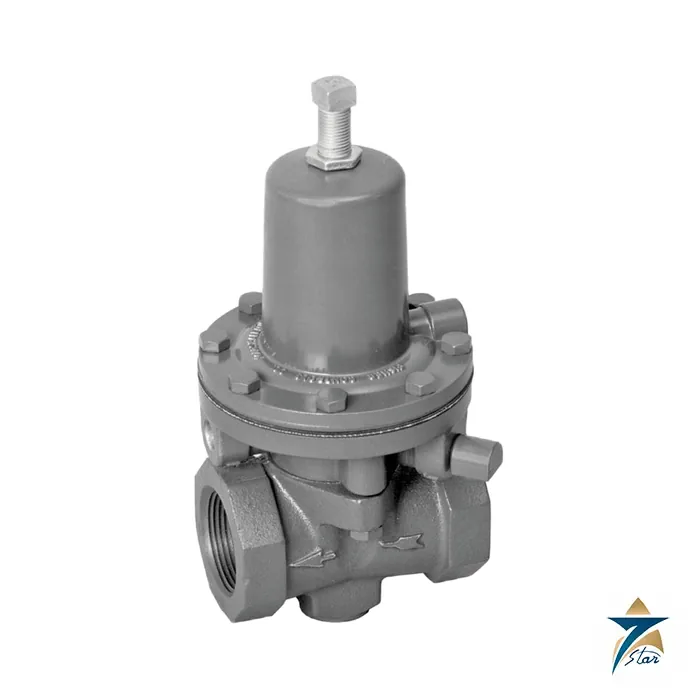
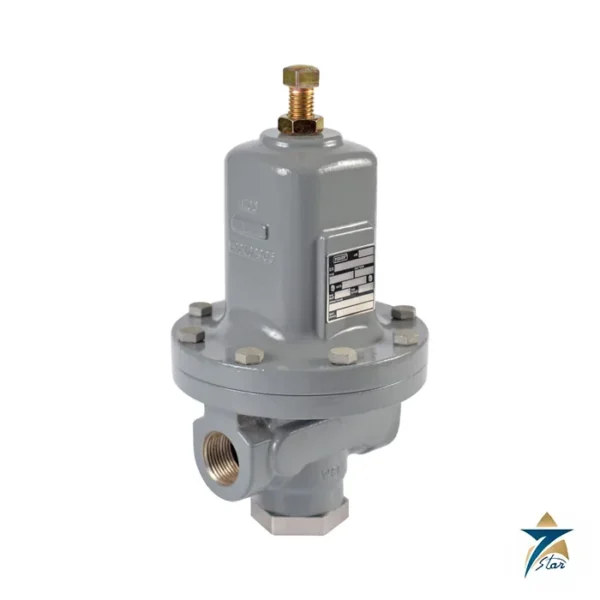
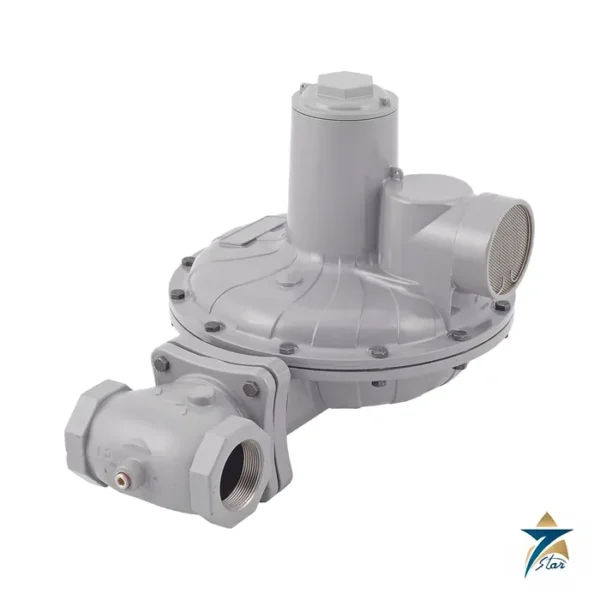
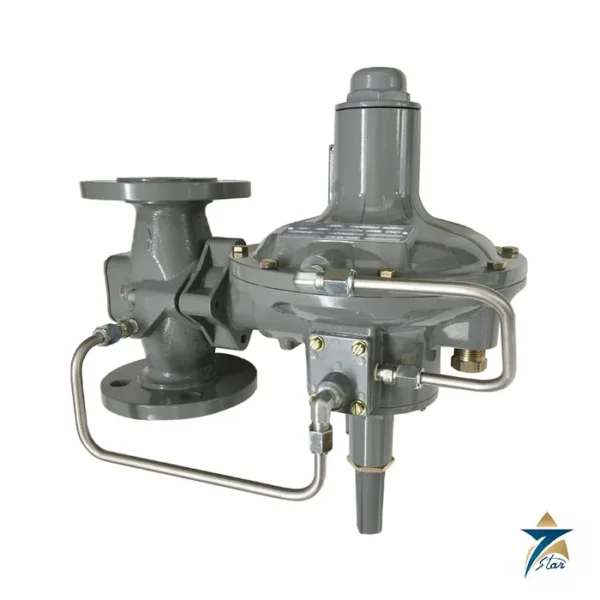
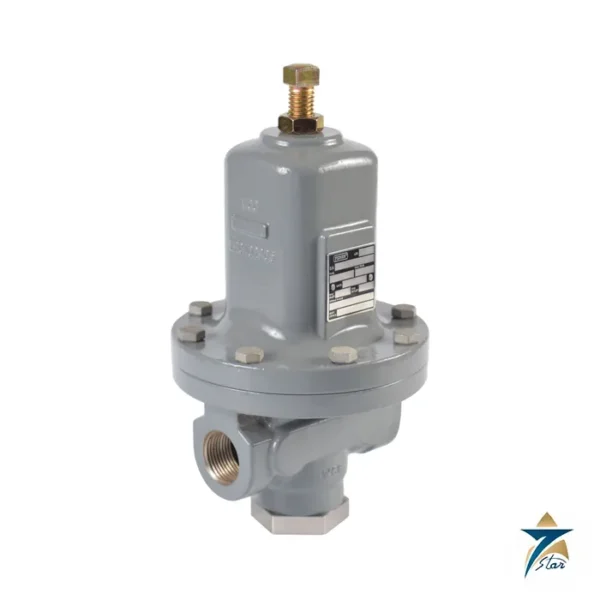
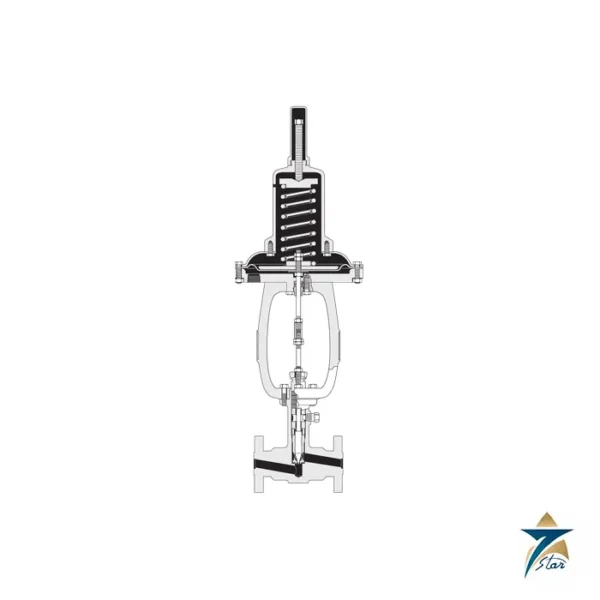
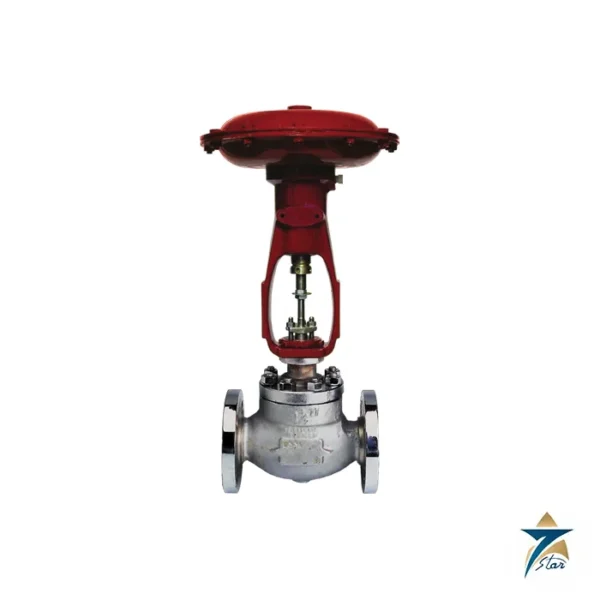
The 119 series is a compact, direct-operated, diaphragm-actuated fuel gas valve for on-off or throttling control of non-corrosive or mildly corrosive liquids and gases. It is built for low-pressure applications and is widely used on burner trains, especially on the fire tube vessels (heater treaters, line heaters) of oil and gas production. When loading pressure is applied to the diaphragm the disk holder moves away from the orifice; when loading pressure is reduced the spring closes the valve. A composition disk provides positive shutoff when downstream demand is zero.
| Designation |
Description |
| Type 119 |
Direct-operated valve for on-off or throttling control; body sizes 3/4, 1 and 1-1/4 NPT; cast iron or WCC steel |
| Type 119EZ |
Direct-operated valve with adjustable opening speed for reliable burner start-up; 1 NPT only; CF8M stainless steel or cast iron |
| Type 119EZS |
Type 119EZ with a solenoid so a local control system can operate the valve; 1 NPT only |
119 series technical specifications
| Parameter |
Specification |
| Manufacturer / part number |
Fisher 119 series fuel gas valve (119, 119EZ, 119EZS) |
| Maximum inlet pressure |
150 psig / 10.3 bar |
| Maximum control pressure to diaphragm |
150 psig / 10.3 bar |
| Maximum pressure drop |
150 psig / 10.3 bar; 115 psig / 7.9 bar for 119EZS with ASCO 8320 series solenoid |
| Spring ranges |
3 to 15 psig (red); 5 to 20 psig (silver); 5 to 35 psig (blue); 30 to 60 psig (green) |
| Valve plug travel |
3/16 in. / 4.8 mm |
| Orifice sizes |
1/8, 3/16, 1/4, 5/16, 3/8, 1/2 and 9/16 in. (3.2 to 14 mm) |
| Flow coefficients |
Cv from 0.43 (1/8 in.) to 5.6 (9/16 in.) on the 3/4 in. body; Cg 12.5 to 213 |
| Flow direction |
Up through the orifice |
| Connections |
Spring case and bonnet vents 1/4 FNPT; actuator control line 1/4 FNPT |
| Temperature, Type 119 |
Nitrile -29 to 82°C (-20 to 180°F); fluorocarbon -18 to 121°C (0 to 250°F) |
| Temperature, 119EZ/EZS |
Nitrile -40 to 82°C (-40 to 180°F, cast iron -29°C minimum); fluorocarbon -18 to 121°C |
| Solenoid (119EZS) |
ASCO 8320 series: 0 to 52°C; ASCO 8314 series: -25 to 55°C |
| Weight |
3 kg (6 lb) approximate |
Fluorocarbon is not for use with hot water or ammonia, per the bulletin.
How the 119 series opens, throttles and shuts off
The 119 is not a self-regulating pressure regulator: it is opened by a loading pressure supplied from a pilot, a controller, a regulator or a solenoid, and closed by the spring when that pressure is released. Rotating the adjusting screw on top of the spring case sets the pressure setting within each spring range. In the 119EZ and 119EZS, a variable restrictor in the control line tunes how fast the valve opens, so a burner can light off without a pressure spike. A vent hole between the body and the actuator stem seals lets leakage from either seal be seen easily.
Where the 119 fits in burner and fuel gas systems
On fire tube vessels the 119 acts as the main fuel gas valve downstream of the fuel pressure regulator, and it is mentioned in the bulletin together with a burner management system that handles safe start-up and shutdown. The 119EZS adds a local solenoid so the valve can be driven by a PLC. For pressure regulation upstream, the Fisher 99 and 133 series regulators are complementary, and the 289 series relief valve can protect against overpressure. It should not be used as a safety shutoff valve; use appropriate certified shutoff devices where needed.
119 selection and ordering checklist
- Type: standard 119, 119EZ with adjustable opening speed, or 119EZS with solenoid.
- Body size (3/4, 1 or 1-1/4 NPT; 1 NPT only for EZ types) and body material.
- Orifice size for the required Cv or Cg.
- Spring range matched to the control pressure available.
- Elastomer: nitrile or fluorocarbon, with temperature limits.
- Solenoid coil and enclosure for the 119EZS electrics.
- NACE-oriented construction for sour gas, with steel or stainless body.
Installation and maintenance
Mount the valve upright, take the control line from the pilot or solenoid, and pipe the vents clear of burner heat. The valve can be fully dismantled without removing the body from the line, so replace the disk assembly, diaphragm and O-rings at intervals appropriate for the duty cycle. Check the vent hole for leakage during rounds. The pressure drop across the valve must not exceed 150 psig (115 psig with 8320 solenoid).
Typical 119 applications in Oman and the GCC
Typical uses include fire tube heaters at oil and gas production stations, glycol reboilers, process heaters at gas plants and burners on package boilers where fuel gas is supplied at modest pressure. Sour gas constructions help where H2S is present, and the nitrile temperature limit should be checked against hot, sun-heated fuel lines.
119 spring ranges and flow capacity
| Range |
Metric |
Colour |
| 3 to 15 psig |
0.21 to 1.0 bar |
Red |
| 5 to 20 psig |
0.34 to 1.4 bar |
Silver |
| 5 to 35 psig |
0.34 to 2.4 bar |
Blue |
| 30 to 60 psig |
2.1 to 4.1 bar |
Green |
Information to send with a 119 enquiry
- Type and body size, material and ends.
- Gas composition, inlet and outlet pressure and flow.
- Spring range and control pressure.
- Solenoid voltage and enclosure for the 119EZS.
- Quantity and destination.
Site conditions in Oman for the 119
Valves and their accessories in Oman work in demanding conditions: high ambient temperatures, direct sun on outdoor pipe racks, dust, and corrosive coastal air at many oil, gas and water sites. When you specify the 119, confirm the pressure and temperature ratings, body and trim materials and any sour-service or hazardous-area requirements against the actual line data, and check that seals and soft parts suit the process medium and the full temperature range.
For reliable operation, plan access for maintenance, define which spare parts are kept on site, and record the configuration of each installed 119. Sending the complete process data sheet with your RFQ allows the selection to be checked before the order is placed.
Documents and quotation for the 119 series
A manufacturer bulletin for the 119 series is attached on this page. Seven Star LLC is an independent supplier in Muscat.
Send the 119 type, size and spring range and we will confirm availability and quote.























Reviews
There are no reviews yet.