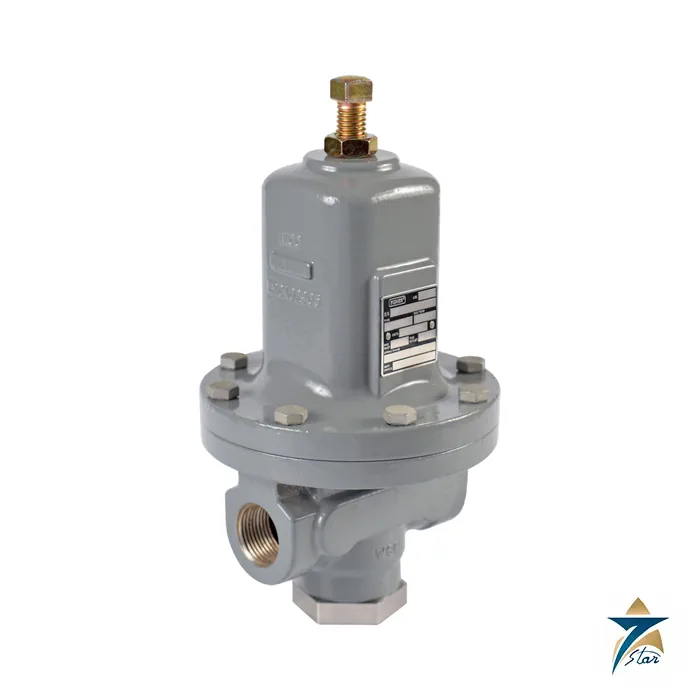
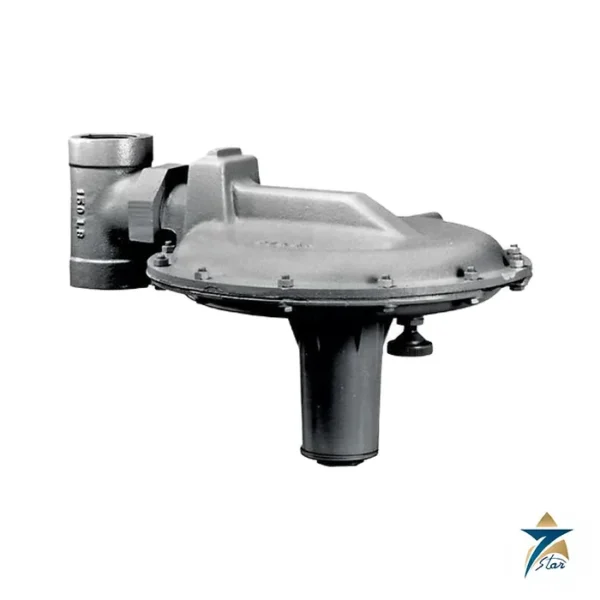
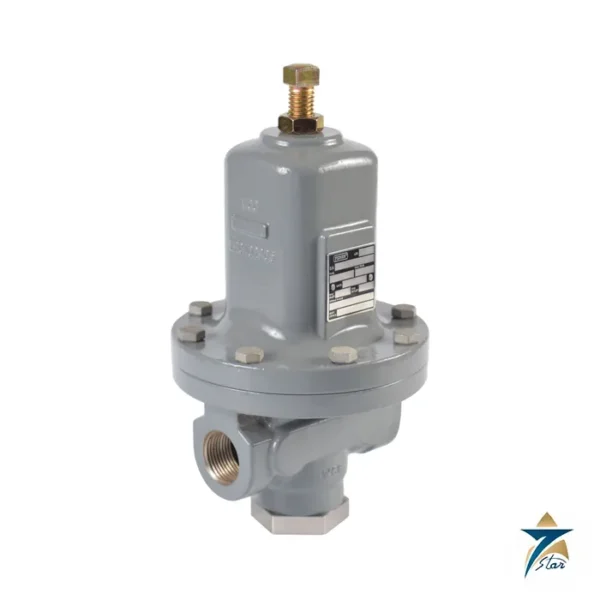
MR98 series backpressure regulators, relief valves and differential relief valves
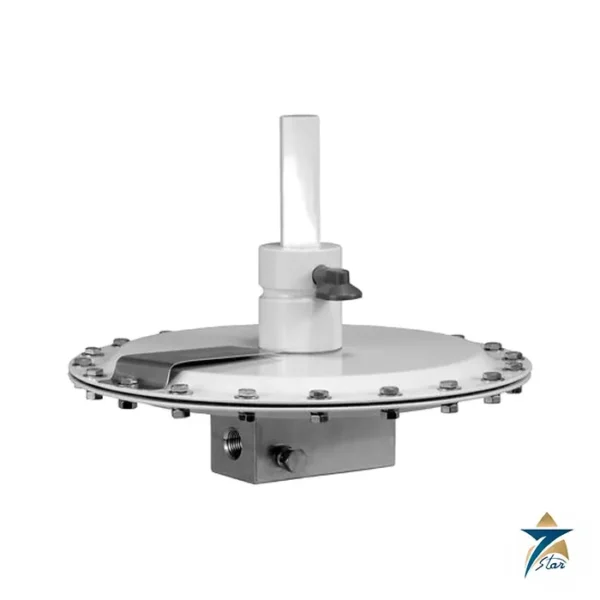
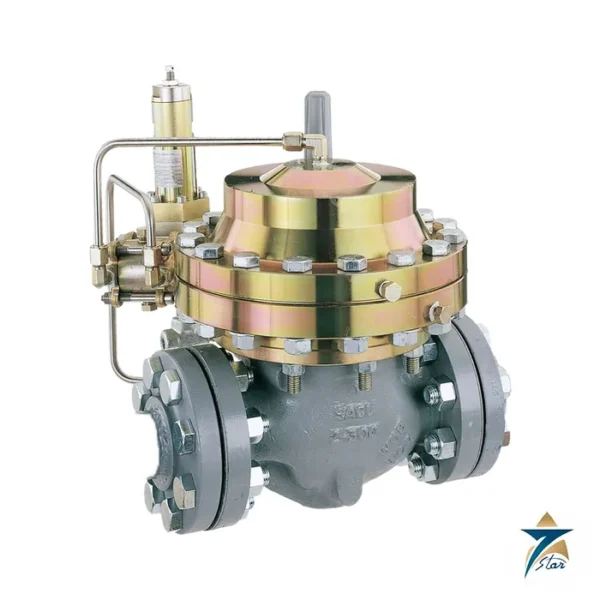
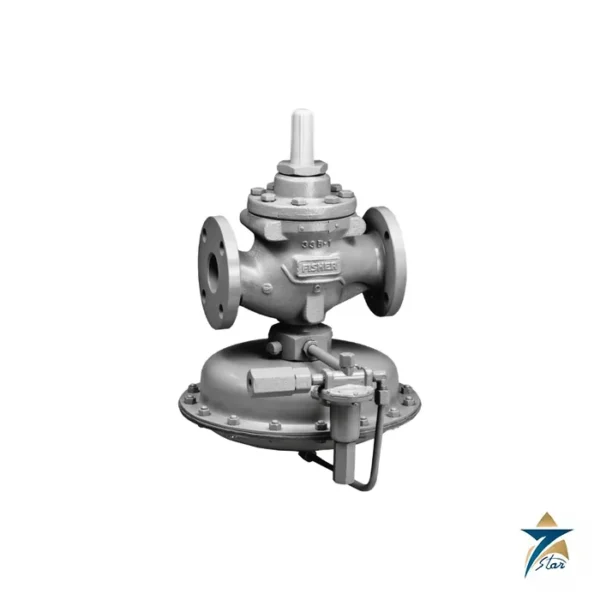
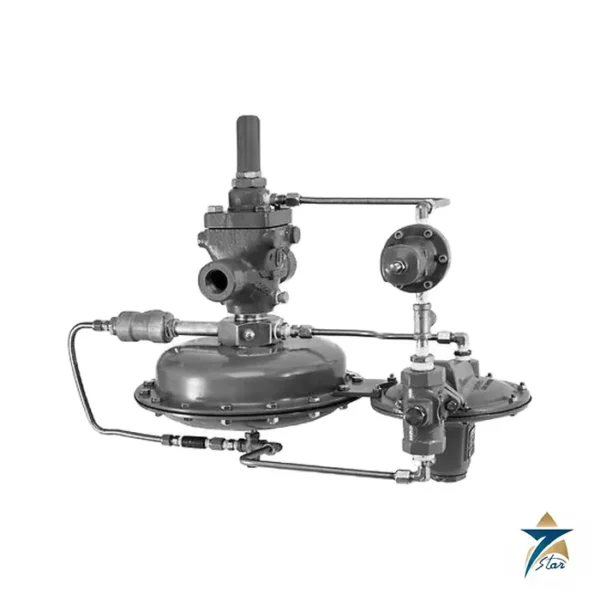
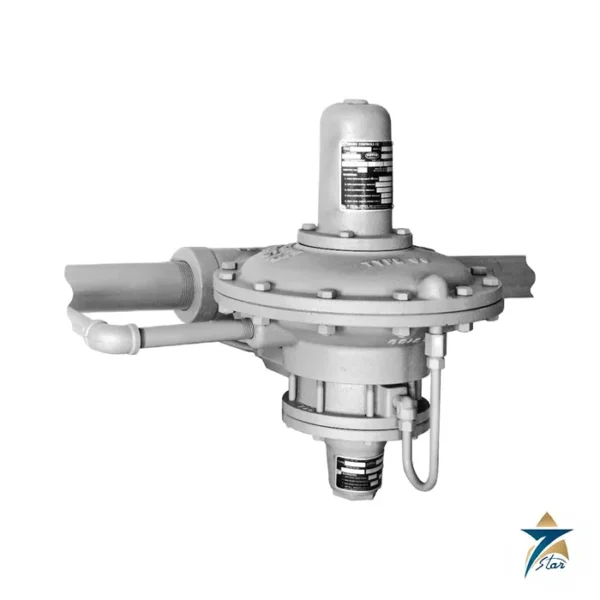
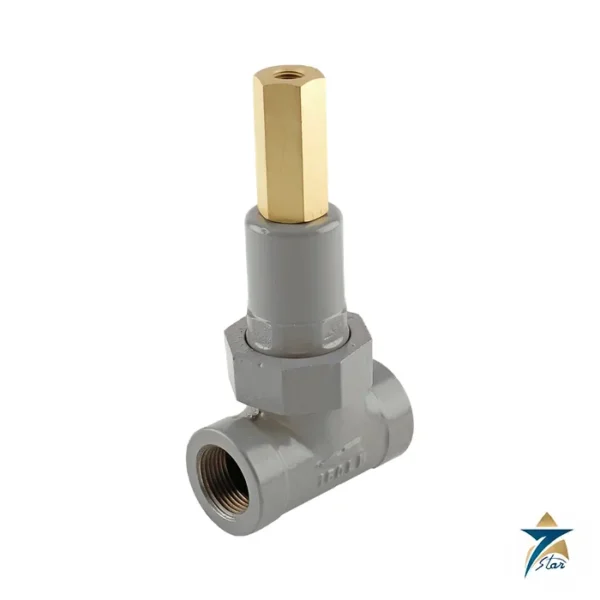
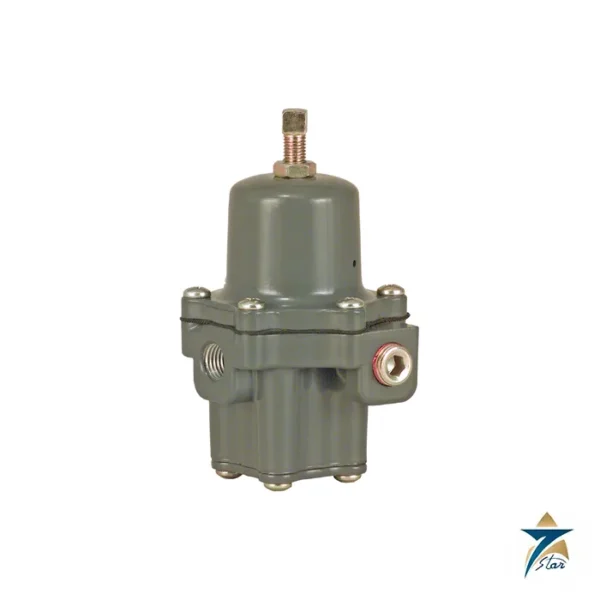
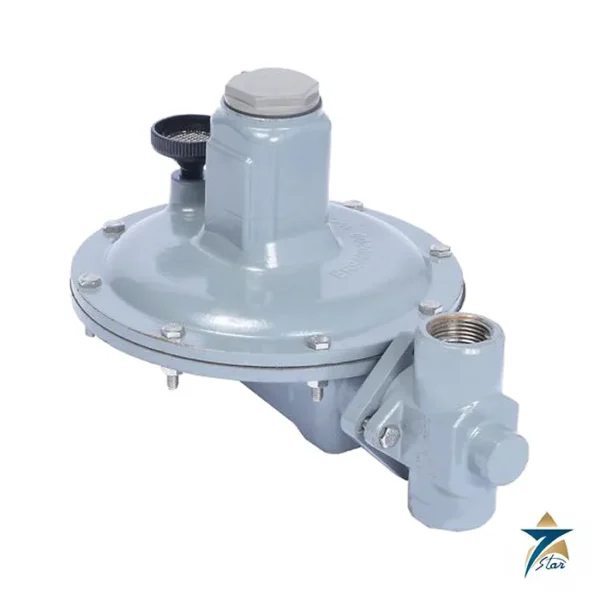
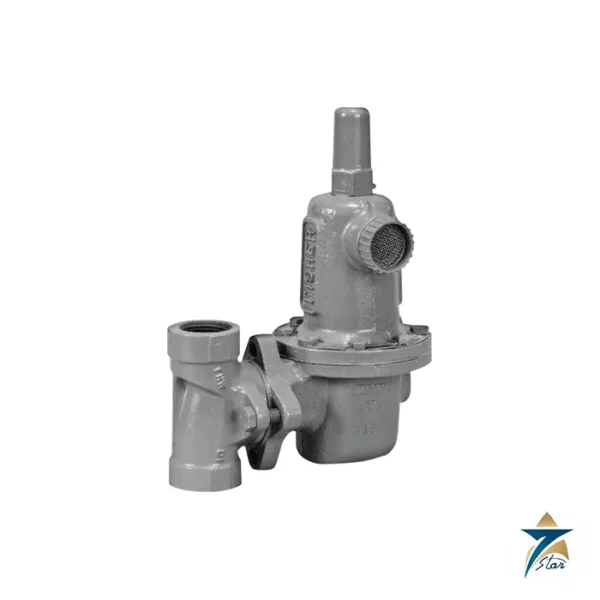
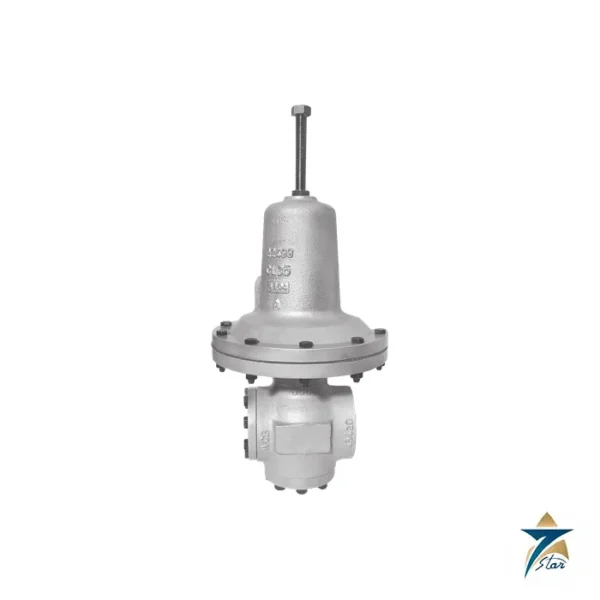
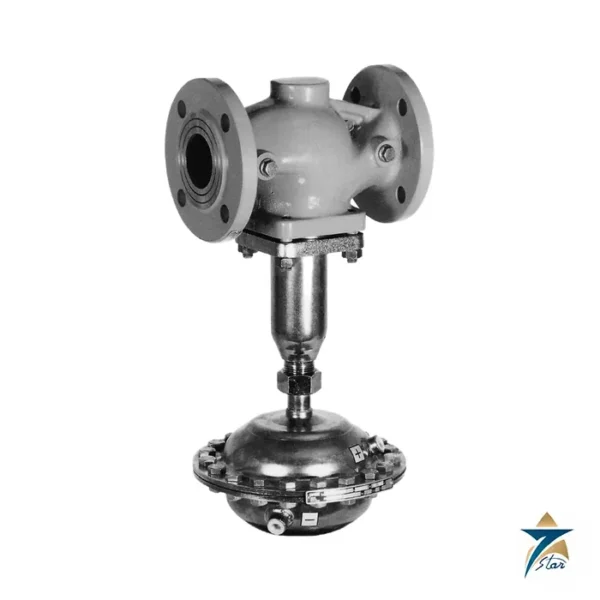
The MR98 series is a Fisher family of spring-loaded, diaphragm-actuated backpressure regulators and relief valves that hold upstream pressure, or relieve it above a set point, in liquid, gas and steam service. The same platform is also built as a differential pressure relief valve, which keeps a fixed pressure difference across equipment such as a pump or a seal system. The model letters after MR98 describe pressure range and function, and the size range runs from 1/4 NPT to 2 in. / DN 50 with NPT, socket weld and welded flanged (CL150, CL300, PN 16/25/40) connections depending on size.
| Type |
Function and range |
| MR98L |
Backpressure / relief; 2 to 38 psig (0.14 to 2.6 bar); 1/4 to 1 in. bodies only |
| MR98H |
Backpressure / relief; 5 to 200 psig (0.34 to 13.8 bar) |
| MR98HH |
Backpressure / relief; 150 to 375 psig (10.3 to 25.9 bar) |
| MR98LD |
Differential relief; 2 to 38 psi (0.14 to 2.6 bar); inlet and outlet to 150 psi (10.3 bar) |
| MR98HD |
Differential relief; 5 to 200 psi (0.34 to 13.8 bar); to 300 psi (20.7 bar) |
| MR98HDP |
Differential relief; 5 to 200 psi; inlet and outlet to 600 psi (41.4 bar) |
| MR98HHD |
Differential relief; 150 to 375 psi (10.3 to 25.9 bar); to 400 psi (27.6 bar) |
MR98 series technical specifications
| Parameter |
Specification |
| Manufacturer / part number |
Fisher MR98 series (MR98L, MR98H, MR98HH, MR98LD, MR98HD, MR98HDP, MR98HHD) |
| Body sizes |
1/4 NPT; 1/2 in. / DN 15; 3/4 and 1 in. / DN 20 and 25; 1-1/2 and 2 in. / DN 40 and 50 |
| Orifice sizes |
7.22 mm (1/4 body); 10.56 mm (1/2); 16.02 mm (3/4 and 1); 29 mm (1-1/2 and 2) |
| Flow coefficients Cv |
1.4 (1/4 NPT); 3.4 (1/2 in.); 6.5 (3/4 and 1 in.); 20.0 (1-1/2 and 2 in.) |
| Cg |
48; 120; 250; 780 respectively |
| Shutoff class (ANSI/FCI 70-3) |
Metal seats and PTFE: Class IV; elastomer seats: Class VI or better |
| Body materials |
Gray cast iron, WCC or LCC steel, CF8M or CF3M stainless steel in the body constructions table |
| Trim |
416 or 316 stainless, Alloy 6, Hastelloy C or Monel, with nitrile or fluorocarbon seats |
| Pressure registration |
Internal or external |
| Weight (MR98H) |
2.3 kg (1/4); 4.5 kg (1/2); 10 kg (3/4 and 1); 25 kg (1-1/2 and 2) |
| Options |
Handwheel or tee handle, tapped spring case vent, seal washer for spring case loading |
| Low temperature |
Cryogenic construction to -196°C (-320°F) available by request |
Maximum inlet pressure equals set pressure plus build-up, and body material, temperature and end connection may reduce the cold working pressure, so use the pressure-temperature table for the chosen construction.
How the MR98 senses and relieves pressure
As a backpressure regulator, upstream pressure acts on the underside of the diaphragm against the spring. When pressure reaches the spring setting the diaphragm moves the valve plug off its seat and flow passes downstream, which keeps the upstream pressure near the set point. When pressure falls, the spring closes the valve. Used as a relief valve, the same action protects the upstream vessel or pipe. In the differential types, a control line or spring-case loading pressure adds to the spring, so the valve opens when upstream pressure exceeds the loading pressure by the set differential; the spring-case loading plus spring setting must not exceed the maximum inlet pressure. Choice of an elastomer or metal diaphragm sets the temperature limits and the relief capacity tables used for water, steam and air.
Where the MR98 fits compared with the 289, 1805 and 63EG
The MR98 handles higher pressures, liquids and steam, which the compact 289 and 1805 relief valves do not. Use it as a backpressure regulator in fuel gas skids, on the discharge of small pumps, in sampling systems and on the outlet of pressure vessels where stable upstream pressure is needed. The 63EG covers larger sizes, and NACE-compliant constructions in the MR98 are available for sour service, with the bulletin referring to NACE MR0175-2002, MR0103 and MR0175/ISO 15156 requirements. Flow capacity tables are published for water, steam and air.
MR98 selection and ordering checklist
- Function: backpressure regulator or relief, or differential relief.
- Set pressure or differential, with spring range.
- Maximum inlet and outlet pressure, including loading pressure.
- Fluid: water, steam, air, gas or chemical, and relief flow rate.
- Body size and end connection: NPT, SWE, welded CL150 RF, CL300 RF or PN 16/25/40.
- Body and trim material, including NACE or chemical compatibility.
- Diaphragm: elastomer or metal; seat: metal, PTFE, nitrile or fluorocarbon.
- Pressure registration, handwheel and venting options.
Installation and maintenance
Install with the vent and spring case protected, and with an external control line where the registration point is away from the valve. Flush the line first because debris prevents shutoff on small orifices. Set the spring by adjusting screw under gauge observation, then lock. Typical spares are diaphragms, seat and plug assemblies, O-rings and springs. If the process contains solids or steam condensate, strainer placement and trim wear should be reviewed at each inspection.
Typical MR98 applications in Oman and the GCC
Applications include chemical dosing and injection skids, lubrication and sealing oil systems on compressors and turbines, steam traps and heater lines at power and desalination plants, and sampling panels at oil and gas facilities. The stainless steel and special alloy options help in seawater and chloride-rich environments, while the elastomer selection should be reviewed against ambient and fluid temperature.
MR98 pressure range summary
| Type |
Set range |
Note |
| MR98L / LD |
0.14 to 2.6 bar |
Low pressure, 1/4 to 1 in. |
| MR98H / HD / HDP |
0.34 to 13.8 bar |
General purpose, all sizes |
| MR98HH / HHD |
10.3 to 25.9 bar |
High setting |
Information to send with an MR98 enquiry
- Fluid, temperature and relieving flow.
- Set pressure or differential, inlet and outlet limits.
- Body size, ends and body and trim materials.
- Diaphragm and seat preferences.
- Quantity and destination.
Documents and quotation for the MR98 series
A manufacturer bulletin for the MR98 series is attached on this page. Seven Star LLC is an independent supplier in Muscat.
Send the MR98 type, size and set pressure and we will confirm availability and quote.























Reviews
There are no reviews yet.