Promass I 100 Coriolis flowmeter: single-tube sensor with viscosity capability
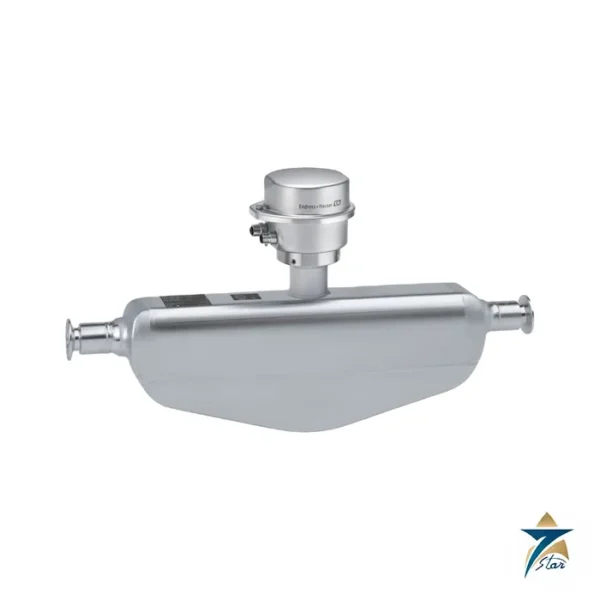
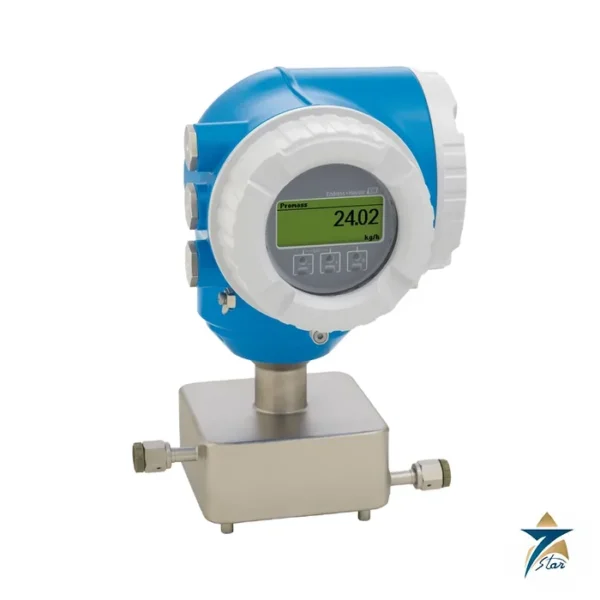
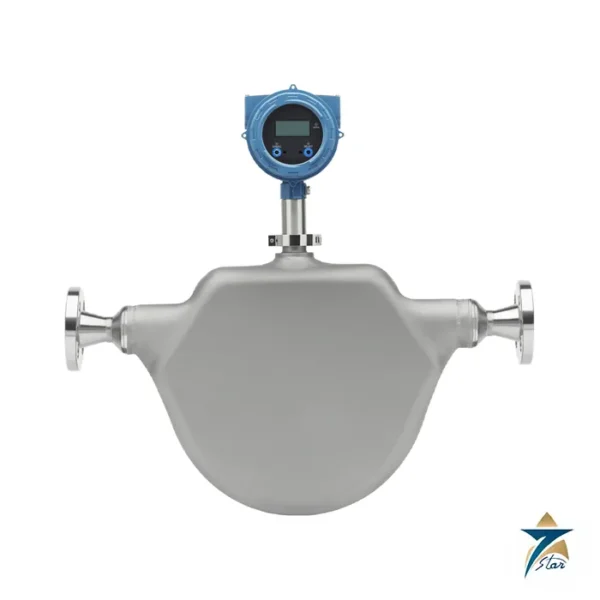
The Endress+Hauser Promass I 100 is a Coriolis mass flowmeter built around a straight, single titanium measuring tube and a very compact transmitter. Because the tube is straight and full-bore versions exist, it produces little pressure loss, treats the fluid gently and drains and cleans easily. That combination makes the Promass I 100 a natural fit for viscous, shear-sensitive or hygienic products where a bent two-tube sensor would be awkward. Seven Star LLC supplies the Promass I 100 in Oman and the GCC as an independent supplier in Muscat.
How the Promass I 100 is built and what the model name tells you
The name splits into a family and a transmitter generation. “Promass I” is the single-tube sensor design, nominal diameters DN 8 to 80 (3/8 to 3 in). “100” is the Proline 100 transmitter, the slim version with an integrated web server. The Promass I 100 is supplied only as a compact device, so the transmitter and the sensor form one mechanical unit. Housing options are coated aluminium, hygienic stainless steel, and an ultra-compact hygienic stainless version.
The sensor body and process connections are 1.4301 (304) stainless steel. The measuring tube is titanium grade 9 and the wetted process connection parts are titanium grade 2. The datasheet states that the sensor measures independently of temperature, pressure, viscosity, conductivity and flow profile.
Promass I 100 technical specifications
| Parameter |
Specification |
| Manufacturer / part number |
Endress+Hauser Promass I 100 (Proline Promass I 100, product root 8I1B) |
| Measuring principle |
Coriolis, straight single-tube sensor (TMB technology) |
| Nominal diameters |
DN 8, 15, 25, 40, 50, 80 (3/8 to 3 in), with full-bore (FB) options at DN 15, 25, 40 and 50 |
| Liquid full-scale range |
DN 8: 0 to 2 000 kg/h; DN 15: 0 to 6 500 kg/h; DN 25: 0 to 18 000 kg/h; DN 40: 0 to 45 000 kg/h; DN 50: 0 to 70 000 kg/h; DN 80: 0 to 180 000 kg/h |
| Turndown (operable flow range) |
Over 1000:1 |
| Mass and volume flow accuracy (liquids) |
±0.10 % of reading |
| Mass flow accuracy (gases) |
±0.50 % of reading |
| Density accuracy (liquids) |
±0.0005 g/cm³ at reference conditions; ±0.02 g/cm³ standard calibration over the full range; ±0.004 g/cm³ with the special density package |
| Repeatability |
±0.05 % of reading for liquid mass and volume flow; ±0.25 % for gas mass flow |
| Medium temperature |
–50 to +150 °C (–58 to +302 °F) |
| Process pressure |
Up to PN 100, Class 600 or 63K depending on flange standard and size |
| Wetted materials |
Measuring tube titanium grade 9; process connection titanium grade 2 |
| Process connections |
EN 1092-1 flanges, ASME B16.5 flanges, JIS B2220 flanges, DIN 11864-2 flanges, Tri-Clamp, eccentric Tri-Clamp, DIN 11851, SMS 1145, ISO 2853 and DIN 11864-1 threads |
| Outputs |
4–20 mA HART with pulse/frequency/switch, PROFIBUS DP, Modbus RS485, EtherNet/IP or PROFINET |
| Supply voltage |
DC 20 to 30 V (Modbus RS485 intrinsically safe version is fed through the Safety Barrier Promass 100) |
| Power consumption |
3.5 W maximum (2.45 W for the Modbus RS485 intrinsically safe transmitter) |
| Ambient temperature |
–40 to +60 °C (–50 to +60 °C with test certificate option JM) |
| Ingress protection |
IP66/67, Type 4X enclosure as standard; IP69 available through the sensor options code |
Operating principle of the Promass I 100
The tube is driven to oscillate at its resonance frequency. When fluid flows through it, Coriolis forces delay the vibration at the inlet and advance it at the outlet, and the resulting phase shift is read by electrodynamic pick-ups. The phase shift grows in proportion to mass flow. The resonance frequency itself shifts with the mass of fluid in the tube, which gives density, and a temperature sensor on the tube provides the compensation signal and a temperature output.
Viscosity is the extra dimension of this model. With the Viscosity application package (order option EG) the transmitter evaluates the damping of the oscillation to report dynamic viscosity, kinematic viscosity and temperature-compensated values, for Newtonian and non-Newtonian liquids. Option packages also include Concentration (ED) and Heartbeat Verification and Monitoring (EB).
Where the Promass I 100 fits and which models sit beside it
Within the Proline Promass range the I 100 is the sensor for small and medium lines where gentle handling and hygiene matter. The bent dual-tube Promass O 300 targets high pressure up to PN 250, the Promass Q 300 targets custody-transfer grade accuracy and cryogenic duty, and the Promass X 300 covers very large lines of DN 300 to 400. The Cubemass C 300 is the choice below DN 8, from DN 1 to 6. The Promass I 100 stays the pick when a very small footprint and a viscosity readout matter.
Selection checklist for a Promass I 100
- Line size and flow range: keep normal flow well inside the full-scale values and decide whether a full-bore variant is needed.
- Fluid: confirm titanium wetted parts are compatible, and state the viscosity range if the viscosity package is wanted.
- Process connection: sanitary clamp, dairy thread or flange according to the line standard; eccentric clamps help drainage in horizontal lines.
- Pressure and temperature: check the pressure-temperature rating of the chosen connection against the duty, up to +150 °C medium temperature.
- Output and protocol: HART with pulse output, PROFIBUS DP, Modbus RS485, EtherNet/IP or PROFINET, and whether an intrinsically safe Modbus version with barrier is required.
- Housing: coated aluminium, hygienic stainless or ultra-compact hygienic, with or without local display.
- Application packages: Heartbeat Verification and Monitoring, Concentration, Viscosity, Special density.
Installation, commissioning and maintenance of the Promass I 100
No inlet or outlet run is needed, even behind valves, elbows and tees, as long as cavitation is avoided. Install the sensor so the arrow on the nameplate matches the flow direction, and follow the orientation guidance in the datasheet: vertical mounting drains and protects the tube from build-up, while horizontal lines may need eccentric clamps and a slight slope for full drainability. Keep the sensor clear of strong pipe vibration, and use the Applicator sizing tool to check the measured error and pressure loss for your fluid.
Zero point stability is listed per size, from 0.150 kg/h at DN 8 to 13.5 kg/h at DN 80. Maintenance is light: use Heartbeat Verification to document sensor and electronics health, read diagnostics in the web server, and keep cable glands and the housing seal in good condition. In Oman and the GCC keep the transmitter out of direct sun where possible, since the standard ambient range ends at +60 °C.
Typical applications of the Promass I 100 in Oman and the GCC
The Promass I 100 suits food, beverage, pharmaceutical and fine-chemical duties, but in the Gulf it also earns its place on process skids and package units: additive and chemical dosing, lube oil and glycol loops, fuel and solvent transfer, water-treatment chemicals and desalination dosing lines. Viscous products such as resins, oils and syrups are measured without the pressure drop of a bent-tube design. High ambient heat, dust and humidity are normal in Omani plants, and the transmitter is rated IP66/67 as standard.
Promass I 100 versus other Promass and Cubemass models
| Model |
Sensor design |
Nominal diameter |
Typical role |
| Promass I 100 |
Straight single tube, titanium |
DN 8 to 80 |
Viscous, hygienic, low pressure loss |
| Promass O 300 |
Bent dual tube, 25Cr duplex |
DN 80 to 250 |
High pressure to PN 250, offshore |
| Promass Q 300 |
Bent dual tube / four-tube, 316L |
DN 25 to 250 |
Highest accuracy, custody transfer, cryogenic option |
| Promass X 300 |
Four tube, 316L |
DN 300 to 400 |
Very high flow rates |
| Cubemass C 300 |
Single tube, 904L |
DN 1 to 6 |
Smallest quantities, up to 400 bar |
Information to send with a Promass I 100 RFQ
- Full order code or nameplate photo if you are replacing an existing unit
- Fluid name, density and viscosity range, operating temperature and pressure
- Line size, process connection standard and rating, and flow range
- Output and fieldbus required, power supply, housing and display preference
- Hazardous-area classification and any hygienic or marine documentation required
- Quantity, delivery location in Oman or the GCC and required lead time
Documents and quotation
The Endress+Hauser Technical Information (datasheet) for the Promass I 100 is attached on this page and lists the measuring ranges, accuracy figures, pressure-temperature curves and dimensions by size. Please check the exact order code against it before ordering.
Send the order code or the fluid, line size and output you need, and Seven Star LLC will prepare a quotation with delivery details for Oman and the GCC.
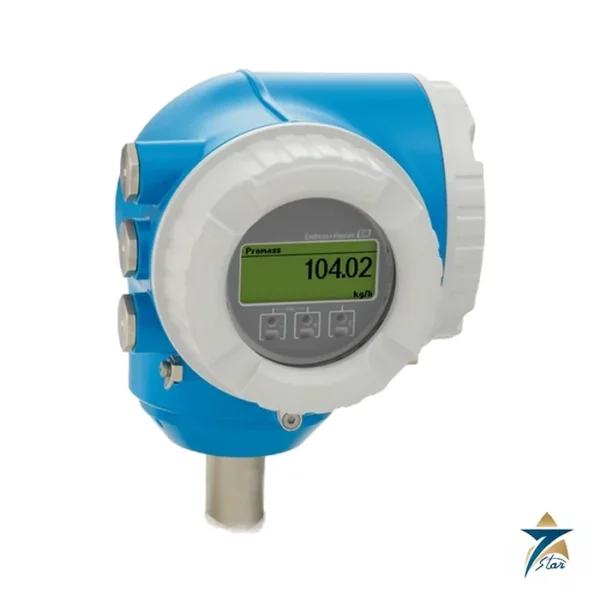
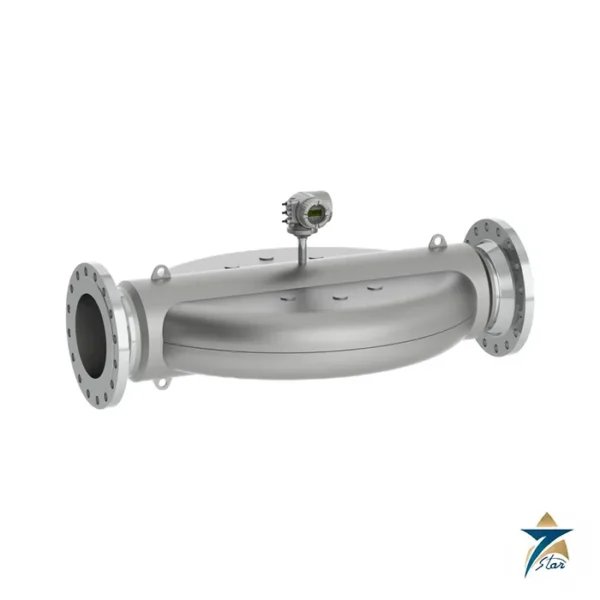
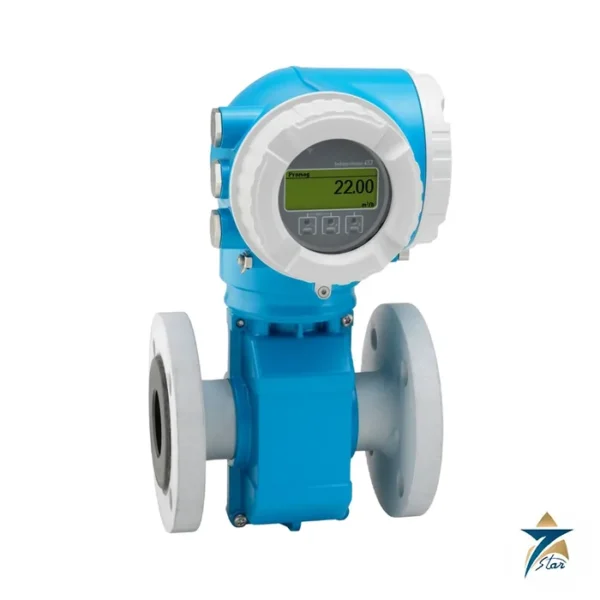
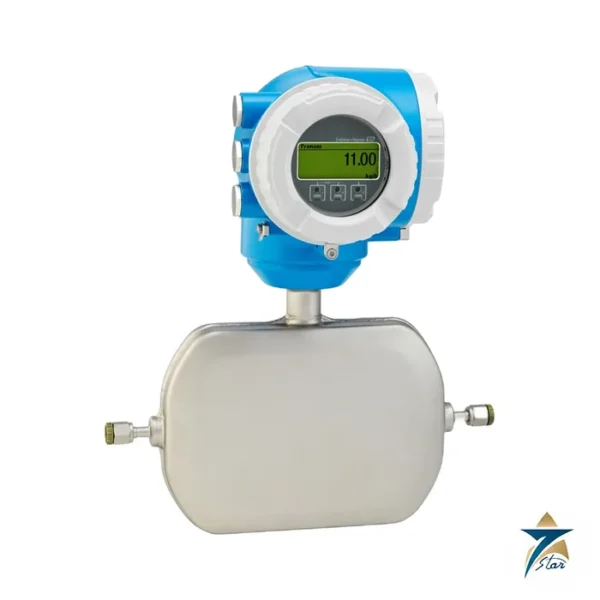
Other Models in the Promass Coriolis Range
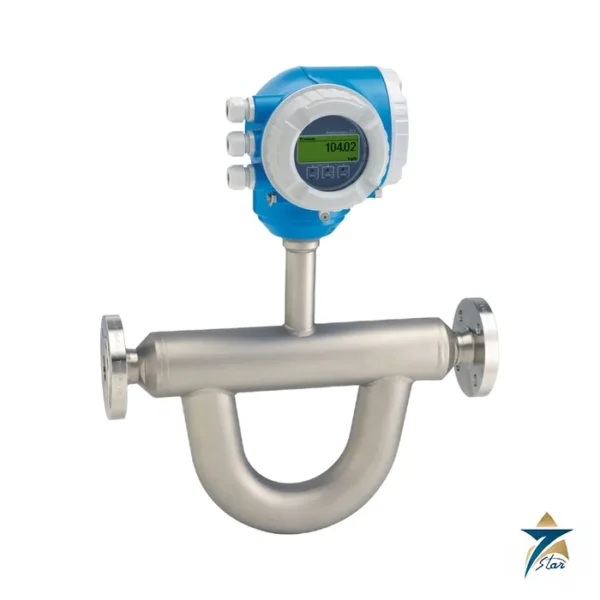
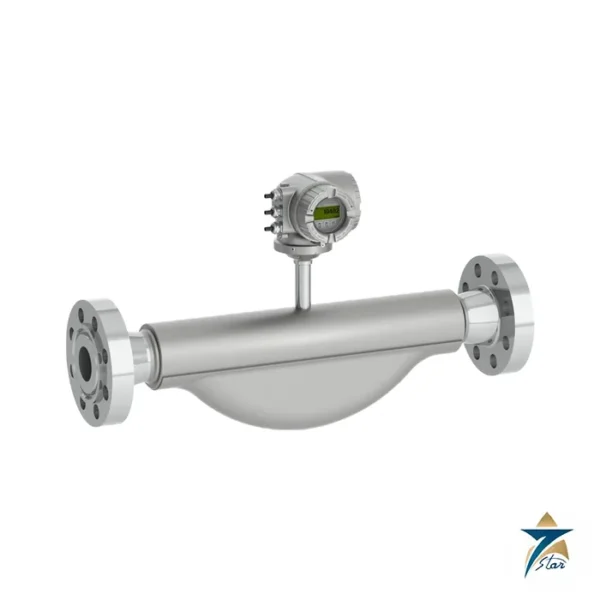
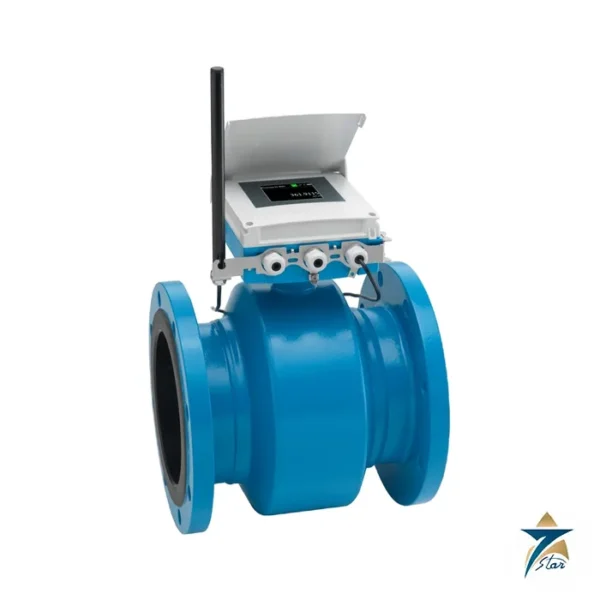
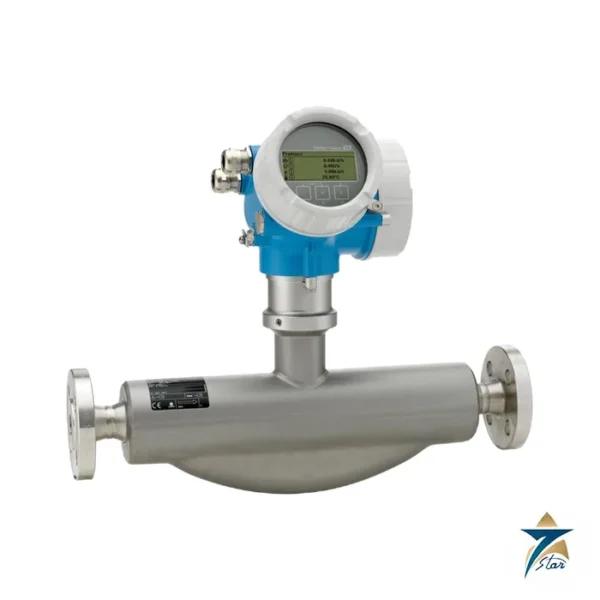
Seven Star LLC supplies models from the Promass Coriolis range in Oman and the GCC. Compare the related models below and request a quote for the one that matches your application.






















Reviews
There are no reviews yet.