Endress+Hauser Prosonic Flow G 300 ultrasonic gas flowmeter
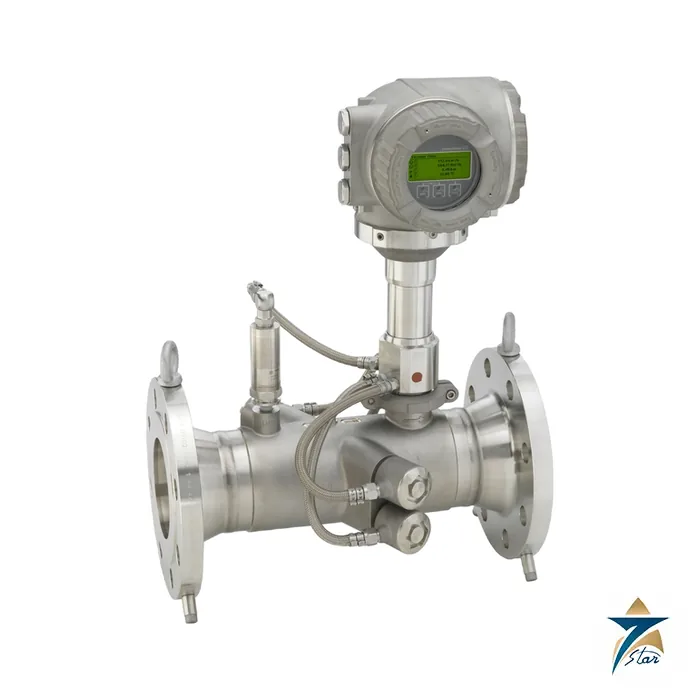
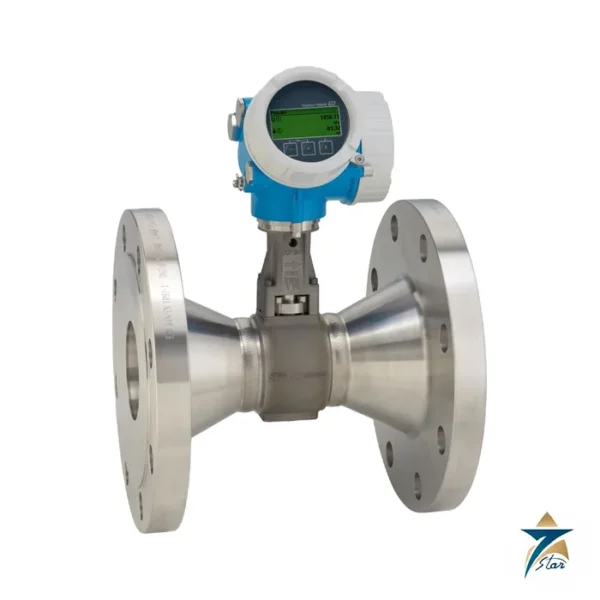
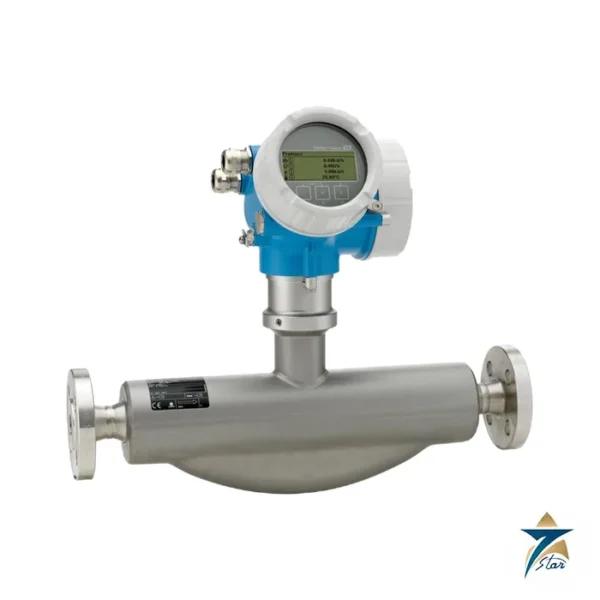
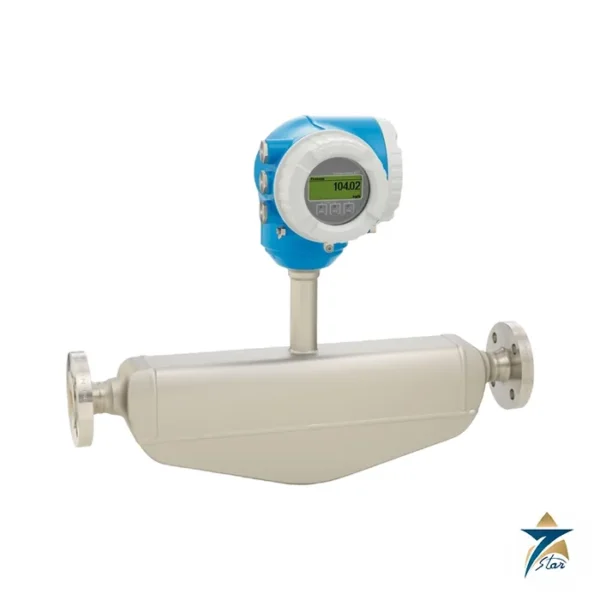
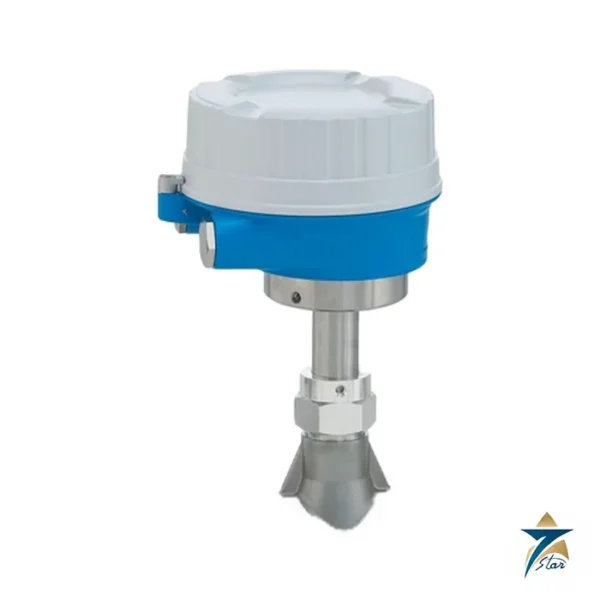
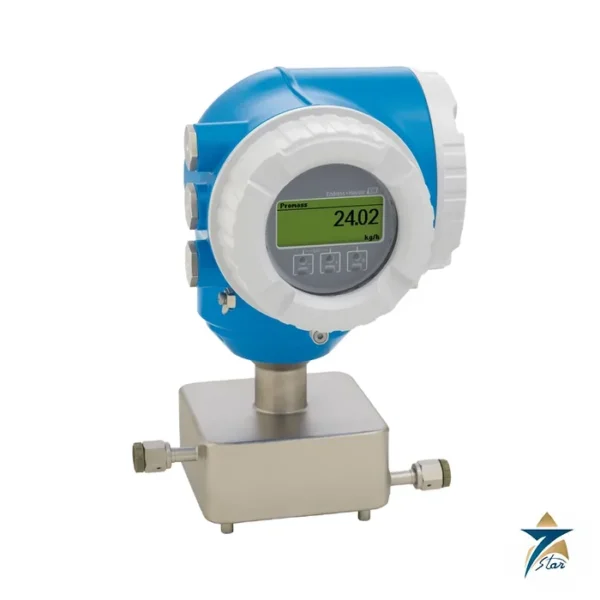
The Endress+Hauser Prosonic Flow G 300 is an in-line ultrasonic time-of-flight flowmeter for natural gas and process gas. It belongs to the Proline 300 generation and combines a stainless steel measuring tube with titanium transducers and a compact dual-compartment transmitter. The Prosonic Flow G 300 reads flow velocity and the speed of sound at the same time, and can add gas pressure and temperature from built-in sensors, so one device delivers volume, corrected volume, mass and energy flow. Seven Star LLC supplies the Prosonic Flow G 300 in Oman and the GCC as an independent supplier in Muscat and prepares the quotation from your line and gas data.
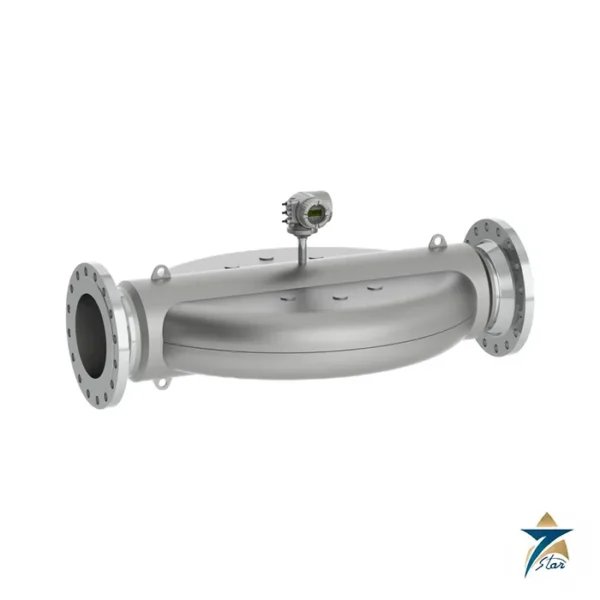
Because the measuring tube is free of internal obstructions and moving parts, the Prosonic Flow G 300 adds no pressure loss, and its transducer design is intended to be insensitive to condensate, which matters in humid or wet gas lines.
Prosonic Flow G 300 technical specifications
| Parameter |
Specification |
| Manufacturer / part number |
Endress+Hauser / Prosonic Flow G 300 (Proline, product root 9G3B) |
| Measuring principle |
Ultrasonic transit time (time of flight), single-path DN 25, two-path DN 50 to 300 |
| Nominal diameter |
DN 25 to 300 (1 to 12 in) |
| Velocity range |
0.3 to 40 m/s with specified accuracy; up to 60 m/s with reduced accuracy |
| Operable flow range |
133 : 1 |
| Volume flow error |
±1.0 % of reading for 3 to 40 m/s and ±2 % for 0.3 to 3 m/s (standard); ±0.5 % with optional calibration |
| Repeatability |
±0.2 % of reading (3 to 40 m/s); ±0.4 % (0.3 to 3 m/s) |
| Gas temperature |
–50 to +150 °C; –50 to +100 °C with integrated pressure cell |
| Gas pressure |
From 0.7 bar absolute; upper limit set by the pressure-temperature rating and pressure cell (to 101 bar abs listed) |
| Sound velocity range |
200 to 600 m/s |
| Wetted materials |
Measuring tube 1.4408/1.4409 (CF3M); transducers titanium Grade 2; process connections 316/316L |
| Measured variables |
Flow velocity, sound velocity, temperature and pressure (optional); calculated volume, corrected volume, mass, energy flow, density |
| Outputs |
4–20 mA HART or Modbus RS485, plus configurable current, pulse/frequency/switch, relay outputs |
| Supply |
24 V DC ±20 % or 100 to 240 V AC; max 10 W |
| Ambient temperature |
–40 to +60 °C (–50 °C optional) |
| Protection |
IP66/67, type 4X enclosure |
How the Prosonic Flow G 300 measures gas
Pairs of ultrasonic transducers are arranged in an offset layout in the measuring tube. They send acoustic pulses alternately with and against the flow, and the difference in transit time is proportional to velocity. The meter combines the velocities from all sensor pairs with the cross-sectional area and a model of flow dynamics to get volume flow. The layout needs only a short straight run after typical obstructions such as bends in one or two planes.
The same signals give the speed of sound. Together with gas temperature and pressure, the meter can calculate gas properties directly. With the optional Advanced gas analysis package, the Prosonic Flow G 300 can output density, calorific value, Wobbe index, methane fraction, molar mass and dynamic viscosity for suitable gases. For natural gas of variable or unknown composition this lets plant staff follow gas quality continuously and react to changes quickly.
Prosonic Flow G 300 flow ranges by size
| Nominal size |
Recommended flow (m³/h) |
Factory full scale (m³/h) |
| DN 25 (1 in) |
0.50 to 67 |
50 |
| DN 50 (2 in) |
2.05 to 274 |
210 |
| DN 80 (3 in) |
4.60 to 614 |
460 |
| DN 100 (4 in) |
8 to 1 064 |
800 |
| DN 150 (6 in) |
18.1 to 2 414 |
1 800 |
| DN 200 (8 in) |
32 to 4 235 |
3 200 |
| DN 250 (10 in) |
50 to 6 662 |
5 000 |
| DN 300 (12 in) |
71 to 9 426 |
7 100 |
These are the flow characteristic values from the technical information at factory settings. Final sizing should be checked against your real operating pressure, since the flow limits depend on actual conditions.
Where the Prosonic Flow G 300 fits in the system
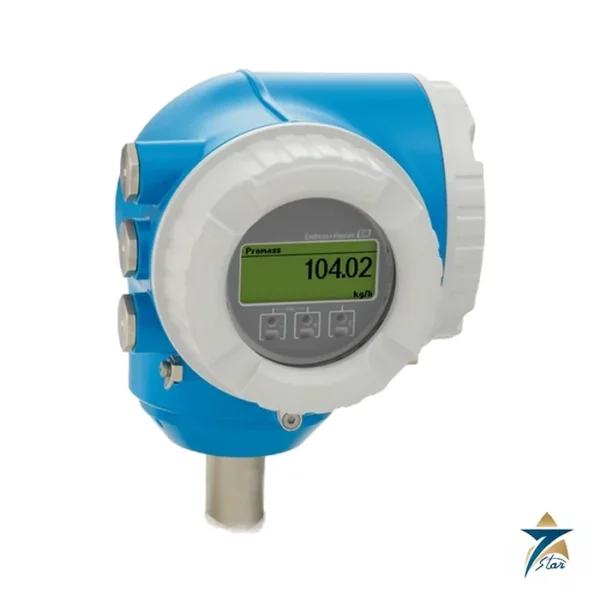
The transmitter offers up to three inputs and outputs that can be freely combined: HART or Modbus RS485 as the main interface, plus current, pulse/frequency/switch and relay outputs, and intrinsically safe variants in hazardous-area versions. A backlit touch display with WLAN access allows setup from a tablet, and a remote display is available. The meter also supports Heartbeat Technology for on-line verification of the device.
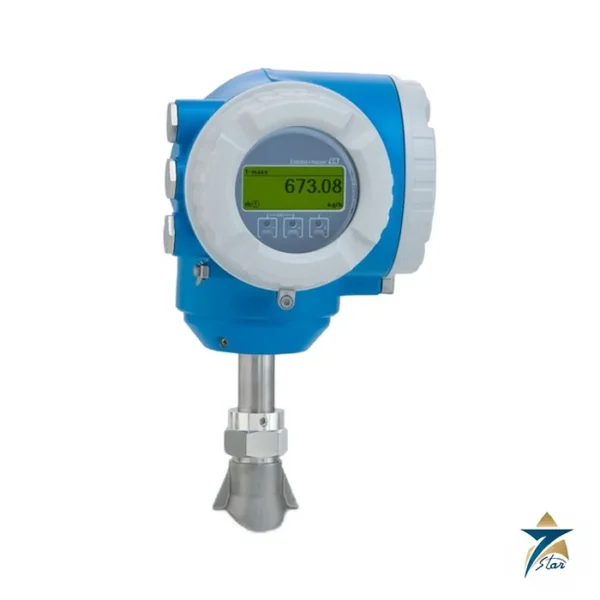
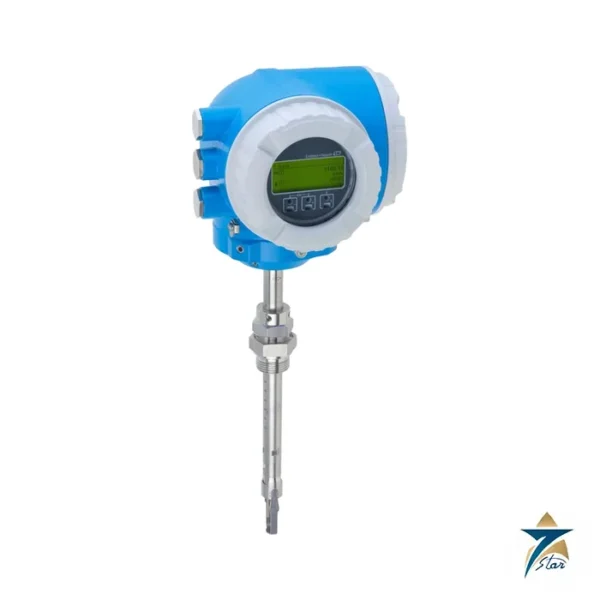
The Prosonic Flow G 300 is a gas meter. For liquids Endress+Hauser offers the Prosonic Flow P 500 clamp-on and other families, and for the thermal principle the t-mass T 150, which Seven Star LLC lists separately. For custody transfer decisions, discuss the required accuracy class with us before ordering, since the optional 0.5 % calibration and the application package affect the specification.
Prosonic Flow G 300 selection and ordering checklist
- Gas type or composition range, and whether it is wet, humid or contains condensate.
- Line size (DN 25 to 300) and pressure class: EN 1092-1 PN 16 to PN 100, or ASME B16.5 Class 150, 300 and 600.
- Minimum and maximum operating pressure and gas temperature, which decide whether the integrated pressure cell (2 to 100 bar absolute ranges) can be used.
- Required measured variables: volume, corrected volume, mass, energy, and whether the Advanced gas analysis package is needed.
- Communication: HART, Modbus RS485, and extra outputs or relays.
- Hazardous-area category: the technical information lists Ex db eb, Ex db, Ex ec and dust versions; confirm the exact option.
- Power supply: 24 V DC or 100 to 240 V AC, housing material (coated aluminium or cast stainless) and ambient range.
- Optional NACE MR0175 / ISO 15156 declaration for sour service, and calibration level.
Installation, commissioning and maintenance of the Prosonic Flow G 300
Install the sensor upstream of valves, tees, elbows and pumps where possible. The technical information gives separate minimum inlet and outlet runs for the single-path DN 25 body and for the two-path versions from DN 50 to DN 300, and the figures depend on the type of disturbance and the calibration option. Insulate the meter where heat conduction may affect the temperature reading, and avoid direct sunlight on the transmitter outdoors.
Commissioning uses guided menus on the display or the web server. Set the gas parameters and outputs, enable pressure and temperature compensation, and verify zero flow with the line isolated and pressurized. The meter has no moving parts, so maintenance is mainly the periodic check of diagnostics and, where a program requires, Heartbeat verification. Keep a spare transmitter configuration through the pluggable HistoROM memory for fast replacement.
Typical Prosonic Flow G 300 applications in Oman and the GCC
Natural gas is central to power generation, desalination and industry in Oman and neighboring countries, so the Prosonic Flow G 300 is relevant for fuel gas to turbines and heaters, flare and process gas lines, and plant-boundary metering where the gas composition may vary. Wet or humid gas, wide turndown and hot ambient conditions are all common on Gulf sites, and the meter’s ambient range of –40 to +60 °C, IP66/67 enclosure and condensate-tolerant sensor design address them. Oil and gas upstream and gas processing units can also use it for gas quality monitoring.
Information to send with a Prosonic Flow G 300 RFQ
- Quantity and the model name: Endress+Hauser Prosonic Flow G 300, with the order code if available.
- Line size, flange standard and pressure class.
- Gas composition, operating and design pressure and temperature, and flow range.
- Communication and output needs, power supply and hazardous-area classification.
- Required application packages, calibration level and any documentation or certificates.
- Delivery site and schedule.
Documents and quotation
The Endress+Hauser technical information for the Prosonic Flow G 300 is attached on this page as a datasheet, covering ranges, accuracy, materials and process connections.
Send your line and gas data and we will confirm the configuration, lead time and further documents for the Prosonic Flow G 300 supplied to your project in Oman or the GCC.



















Reviews
There are no reviews yet.