Endress+Hauser FTW31 Liquipoint rod probe for conductive level detection
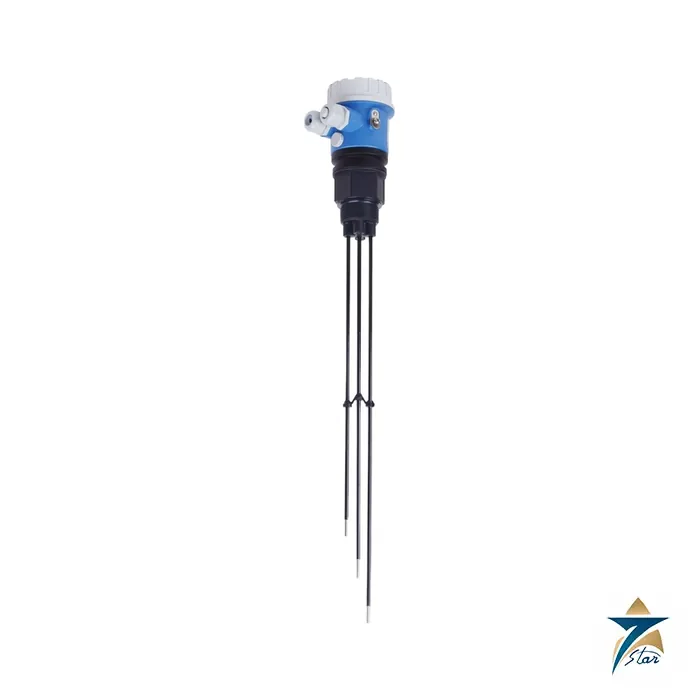
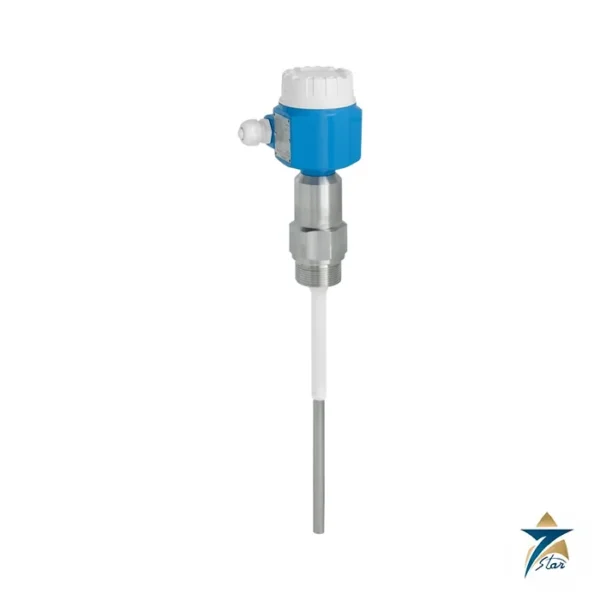
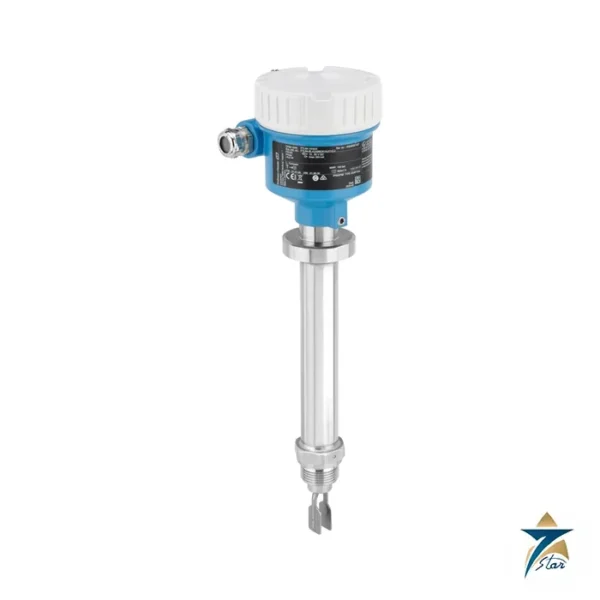
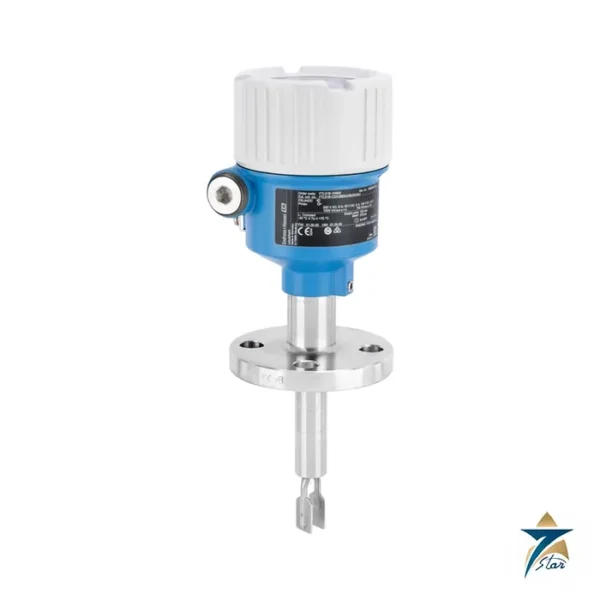
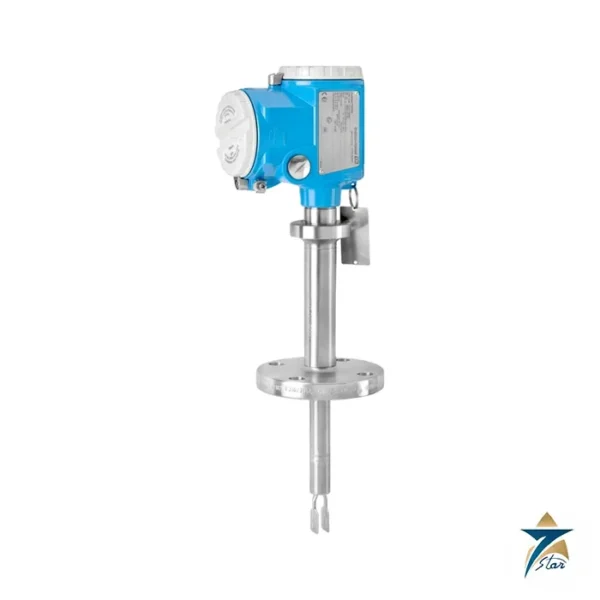
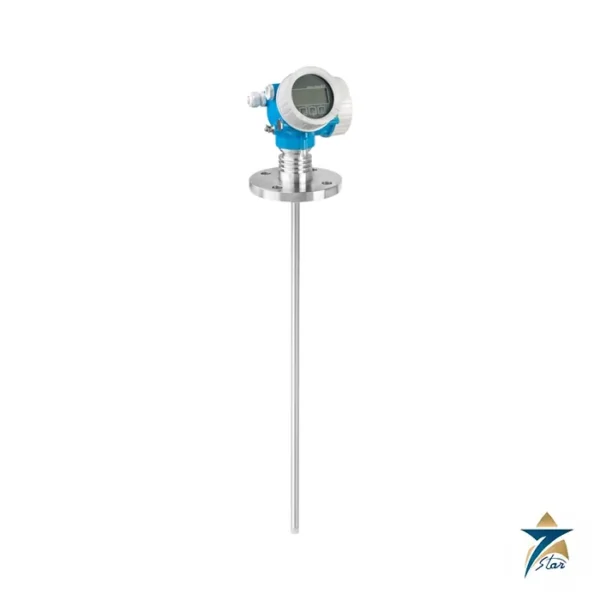
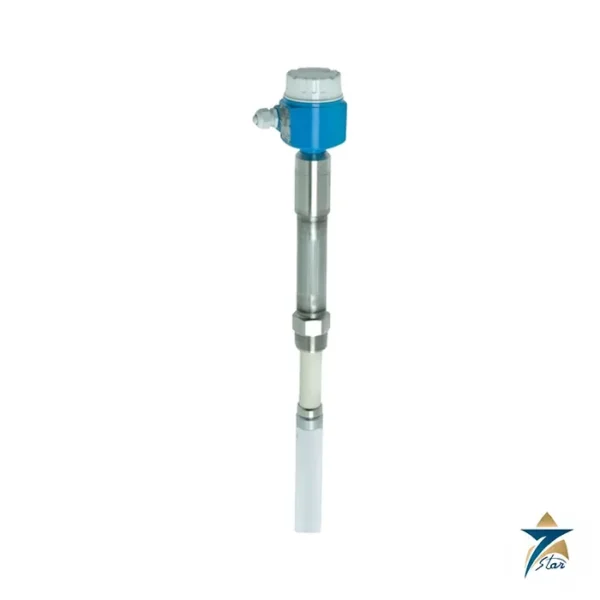
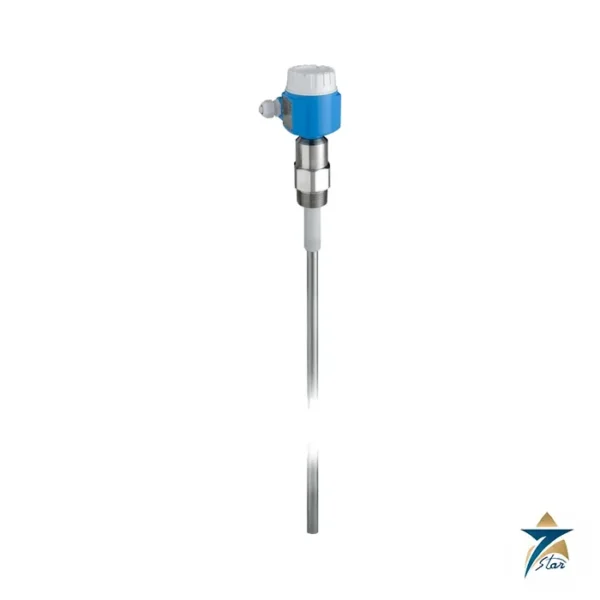
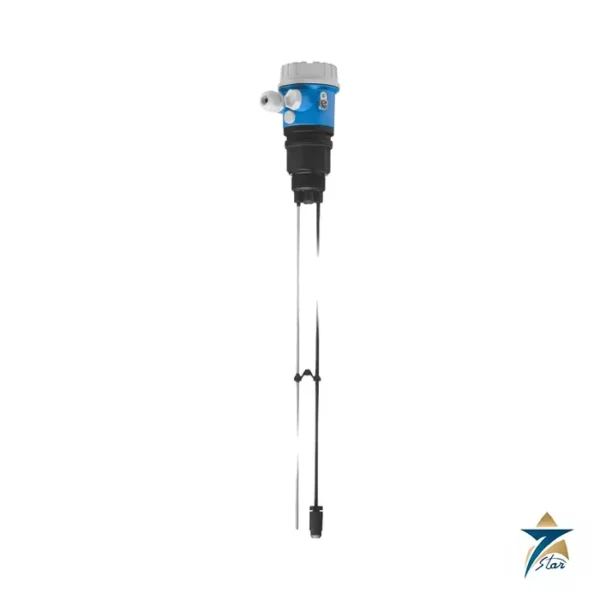
The Endress+Hauser FTW31 is a conductive point level probe from the Liquipoint T line. Rigid rods dip into the tank, and the electronics decide whether the liquid is touching them. It suits water-based and other conductive media from 10 µS/cm upward, and one probe can carry up to five switch points. Seven Star LLC, an independent supplier in Muscat, supplies the FTW31 and related level instruments in Oman and the GCC.
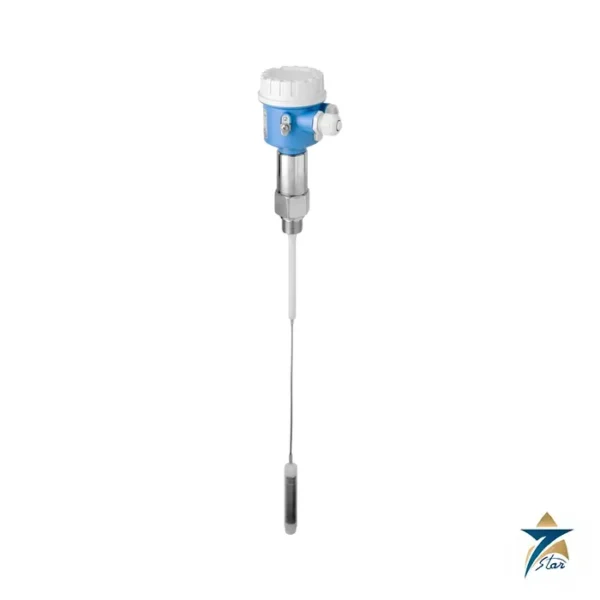
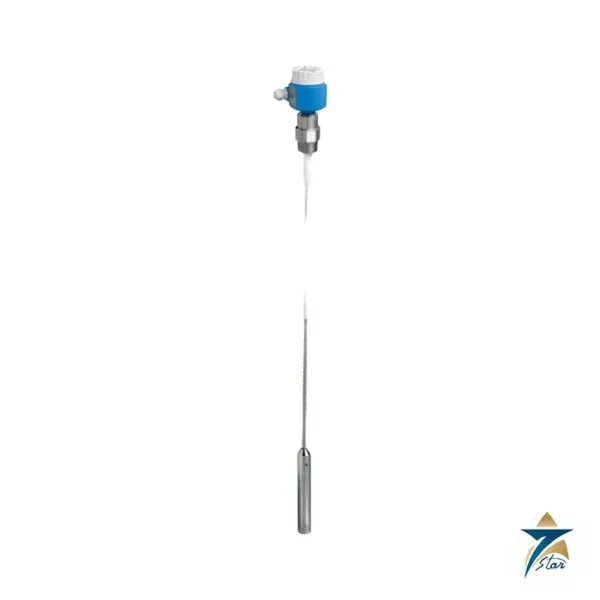
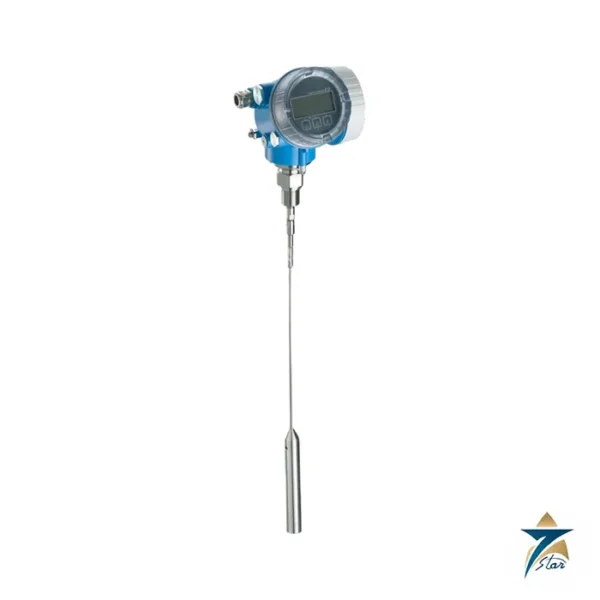
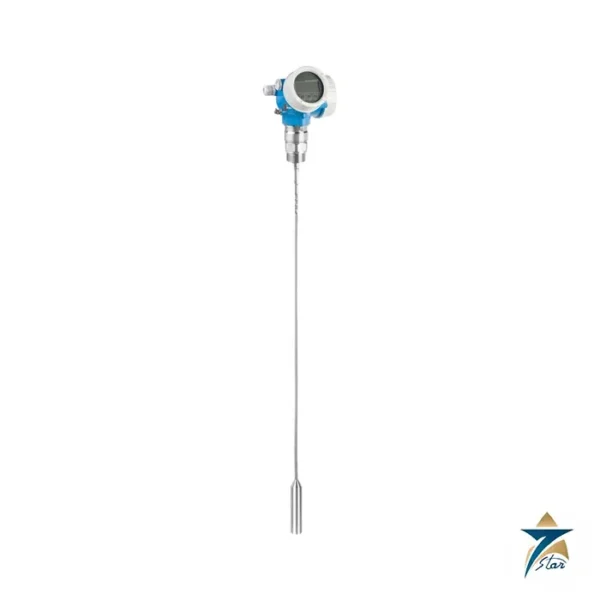
The model name tells you the mechanical style. FTW31 is the rod version, with a maximum sensor length of 4 m and a PP/PPS insulated head. Its sibling FTW32 uses flexible ropes for tall vessels, so the two are chosen mainly by tank height and how much room there is above the nozzle.
FTW31 technical specifications
| Parameter |
Specification |
| Manufacturer / part number |
Endress+Hauser / FTW31 (Liquipoint T) |
| Measuring principle |
Conductive (alternating voltage between rods) |
| Probe style |
Rod probe, 2, 3 or 5 rods; up to 5 switch points |
| Sensor length |
0.1 m to 4 m (3.9 in to 157 in), shortenable on site |
| Process temperature |
-40 °C to 100 °C (-40 °F to 212 °F) |
| Process pressure |
Vacuum to 10 bar (145 psi) |
| Minimum medium conductivity |
10 µS/cm |
| Ambient temperature |
-40 °C to 70 °C (-40 °F to 158 °F) |
| Process connection |
G 1 1/2 or NPT 1 1/2″ |
| Main wetted parts |
316L, PP, PPS |
| Max. tensile strength |
1000 N |
| Output / supply |
DC PNP 10.8 V to 45 V; relay 20 V to 230 V AC or 20 V to 55 V DC |
| Degree of protection |
IP66 |
| Approvals listed |
ATEX, EAC Ex; WHG overfill prevention and leakage detection |
How the FTW31 detects the liquid
An alternating voltage is applied between the grounded reference rod and the MAX or MIN rod. As long as the rods are dry, no current flows. When a conductive liquid bridges the reference rod and the MAX rod, a measurable current appears and the FTW31 switches. In plain point-level mode it switches back once the liquid drops below the MIN rod. In two-point mode, used for pump control, it holds the state until both rods are clear, so a pump runs between the two levels instead of chattering around one.
The alternating voltage matters in practice. It prevents corrosion of the rods and electrolytic attack on the liquid, and because the circuit is closed and floating, the tank wall does not take part in the measurement. A plastic or metal vessel behaves the same way, and touching the rods during operation is not hazardous.
Electronic inserts and output options for the FTW31
In the compact version the FTW31 carries an electronic insert in the housing. The Technical Information lists three: FEW52 with a PNP transistor output, FEW54 with two potential-free change-over relay contacts, and FEW58 with a NAMUR output for an isolating amplifier. All three give you DIL switches to choose MIN or MAX fail-safe, a 0 s or 2 s switching delay, and one of four sensitivity levels (100 Ω, 1 kΩ, 10 kΩ, 100 kΩ). The factory setting is the most sensitive, 100 kΩ.
- FEW52: supply 10.8 V to 45 V DC, load up to 200 mA, short-circuit proof, consumption below 1.1 W. A natural fit for PLC digital inputs.
- FEW54: supply 20 V to 55 V DC or 20 V to 253 V AC, contacts rated 4 A at up to 253 V AC, consumption below 2 W.
- FEW58: NAMUR current jump for intrinsically safe amplifier circuits.
Without an insert, the FTW31 is wired to a separate Nivotester FTW325, and the cable-monitoring board in the housing watches the connection between rod 1 and rod 2. A probe with five rods then needs two or three switching units, depending on how many of the five points are used.
Where the FTW31 fits: compatible and related parts
The FTW31 sits at the simple end of conductive switching. Its rope twin, the FTW32, covers lengths from 0.25 m to 15 m. For continuous level rather than switch points, the Prosonic ultrasonic transmitters FMU40, FMU41 and FMU42 are the usual next step, and the FMU95 handles several ultrasonic sensors at once. For non-conductive liquids, such as hydrocarbons, a conductive probe will not work and a different principle must be selected.
Two components complete the system: the FTW325 Nivotester for separate-electronics versions, and the replacement electronic inserts FEW52, FEW54 and FEW58, which can be changed without replacing the probe.
Selection and ordering checklist for the FTW31
- Confirm the liquid is conductive, 10 µS/cm or above, and that it drains off the rods rather than leaving a film or crust.
- Decide the number of rods: two for a single point, three for two-point control with MAX and MIN, five for several levels.
- Set the required length per switch point. Rods can be shortened on site, but never lengthened, so order a little long.
- Check process temperature against the 100 °C limit and pressure against the 10 bar limit.
- Choose the thread: G 1 1/2 or NPT 1 1/2″.
- Select the output: PNP, relay, or NAMUR, and the supply voltage available in the panel.
- State the hazardous area requirement, if any, so the matching approval can be confirmed.
Installation, commissioning and maintenance of the FTW31
Mount the probe vertically from above whenever possible. For MIN detection with a vertical probe, set the rod length to the required level and make sure the rods cannot touch the tank wall or any fittings, because a metallic bridge acts like liquid. Side mounting is allowed only for two-rod probes up to 200 mm long.
The TI states a switch-on delay below 3 s, a measuring error of ±10 % at the widest sensitivity setting and a non-repeatability of ±5 %, so these probes are for level limits and not for precise levels. Start with the factory sensitivity and reduce it if the red LED flashes with the probe covered, which means the setting is too high for the liquid. Lower sensitivity gives a safer switching state when conductivity varies.
Maintenance is light. There are no moving parts, so inspect the rod insulation for damage and wipe off deposits during shutdowns, and keep one spare electronic insert for each output type in use.
Typical FTW31 applications in Oman and the GCC
Conductive rod probes work well on water-side duties: overfill alarms on desalination product-water tanks, chemical dosing day tanks, sump and drain pits at plants, cooling-water basins and utility water storage. Dry-run protection for pumps is another classic use, with a two-rod probe in a partially filled pipe. In coastal Oman, heat, humidity and salt air argue for the IP66 housing and a properly sealed cable entry, and the plastic wetted parts avoid the corrosion that affects bare metal in brackish or aggressive water.
FTW31 and FTW32 compared
| Item |
FTW31 |
FTW32 |
| Probe |
Rod |
Rope with weight |
| Length |
0.1 m to 4 m |
0.25 m to 15 m |
| Process temperature |
up to 100 °C |
up to 70 °C |
| Wetted parts |
316L, PP, PPS |
316L, FEP, PPS |
| Max. tensile strength |
1000 N |
500 N |
Information to send with an RFQ for the FTW31
- Part number FTW31 and the quantity.
- Liquid, conductivity, temperature and pressure.
- Number of rods and the length of each switch point.
- Thread type and output (PNP, relay or NAMUR) with supply voltage.
- Hazardous-area classification and any certificates needed.
Documents and quotation
The Technical Information that covers the FTW31 and FTW32 is attached on this page for reference. Please check the version against the order code, because the exact configuration decides which options apply.
To receive a quotation, send the FTW31 part number or the complete order code from the nameplate, the quantity and the delivery location. Seven Star LLC will reply with availability and lead time.



















Reviews
There are no reviews yet.