Endress+Hauser TM412 iTHERM ModuLine hygienic RTD thermometer
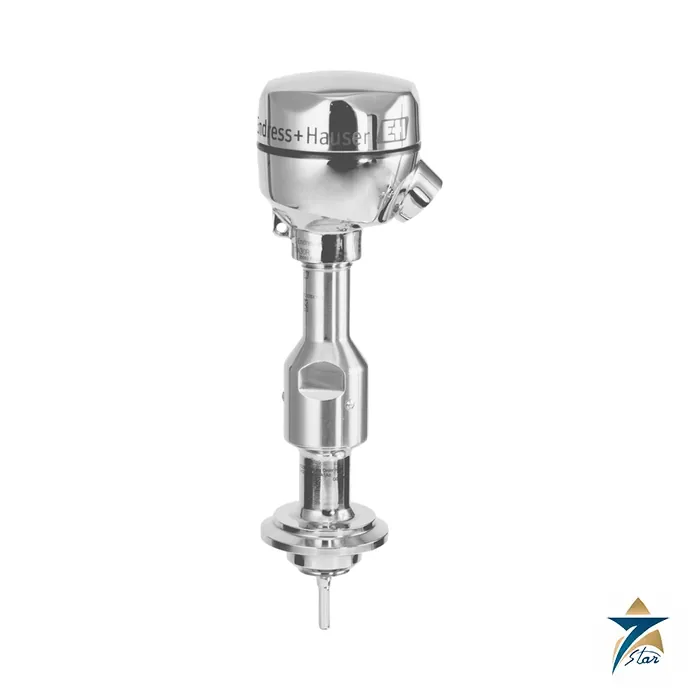
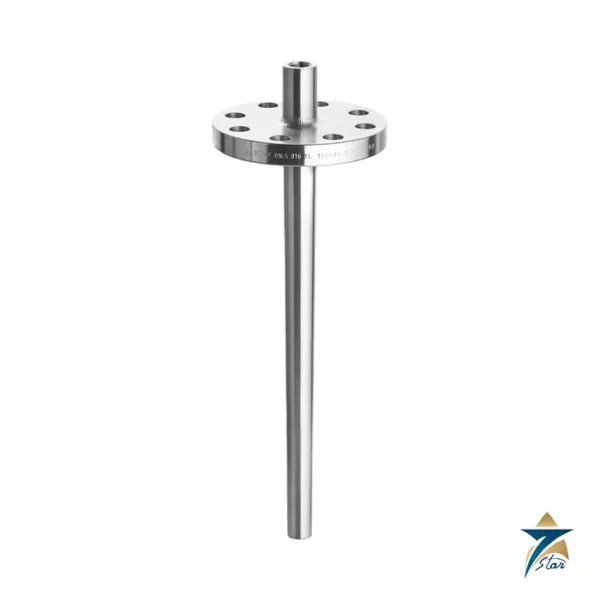
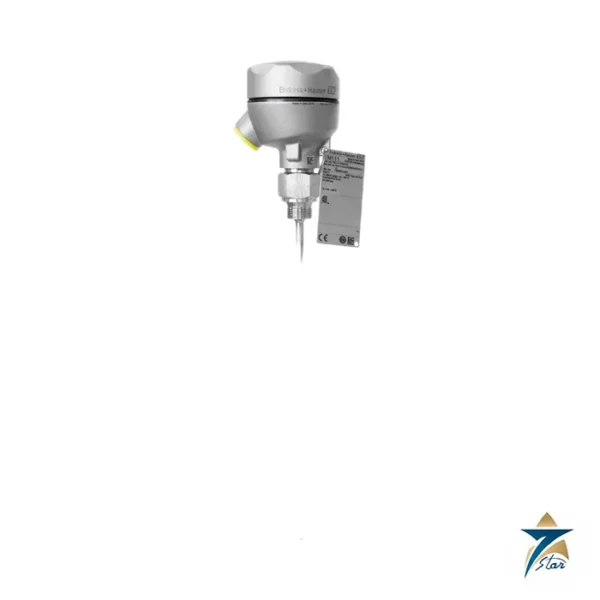
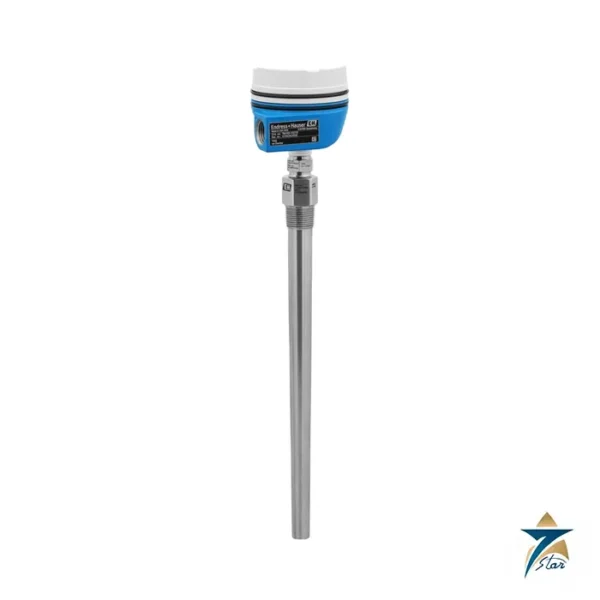
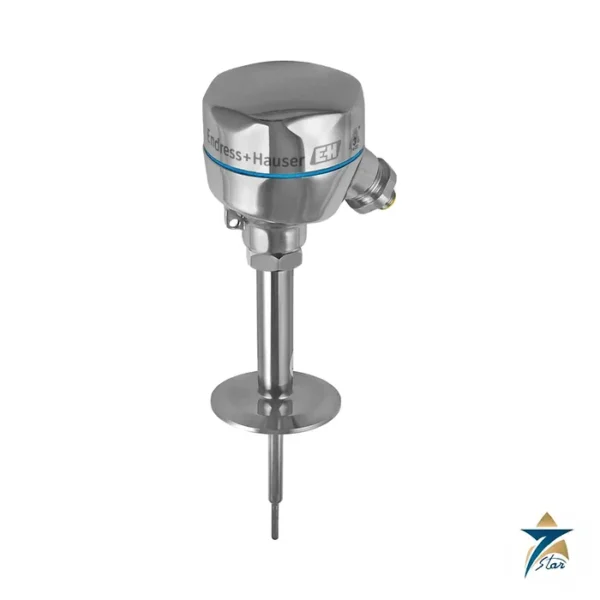
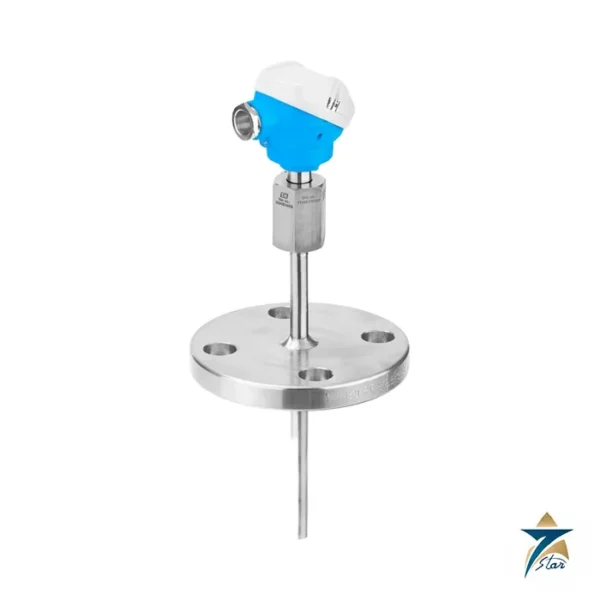
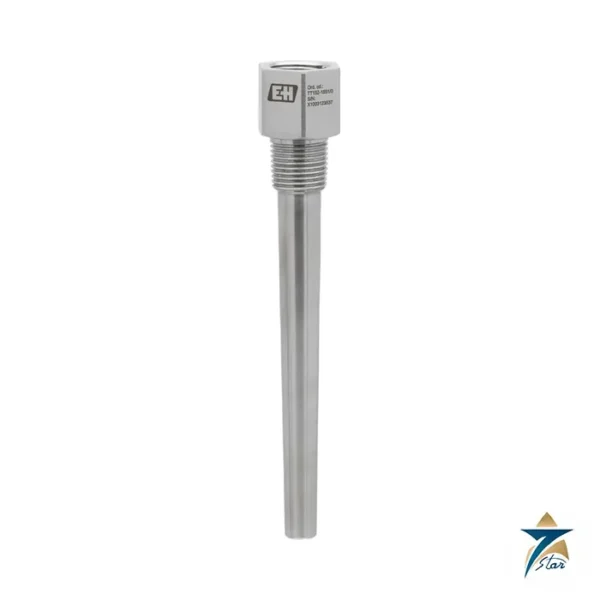
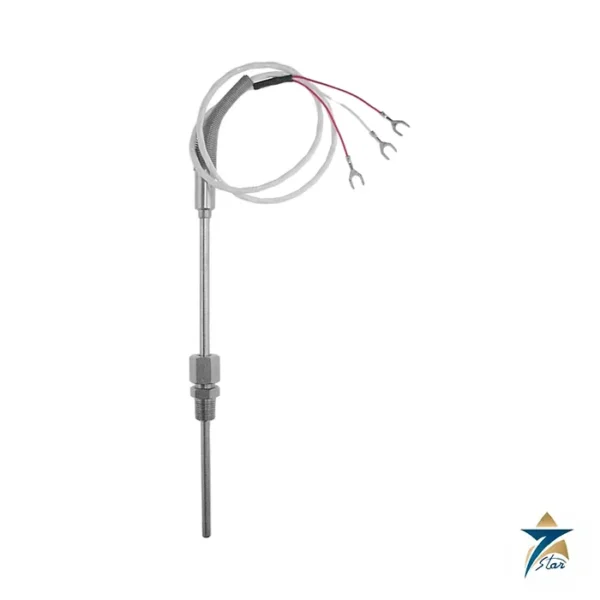
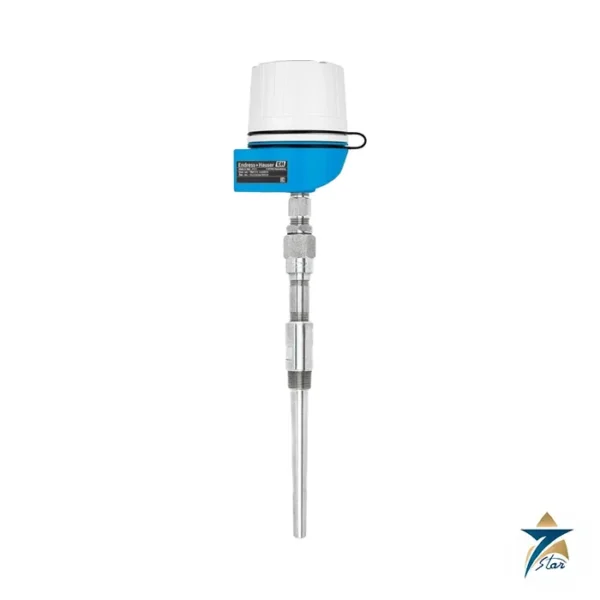
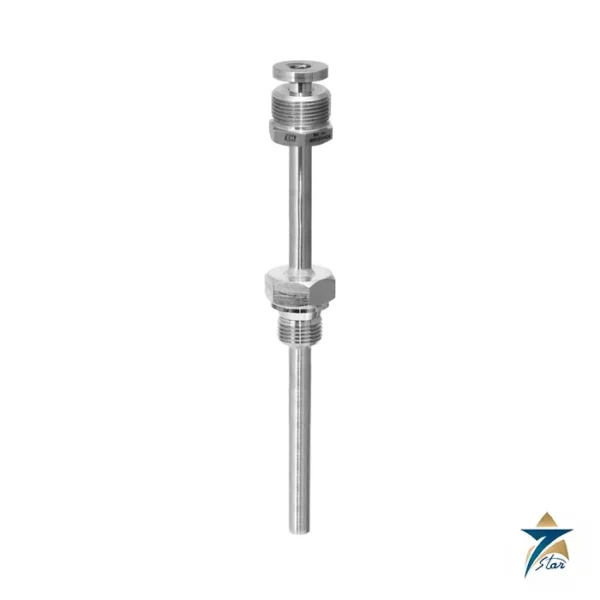
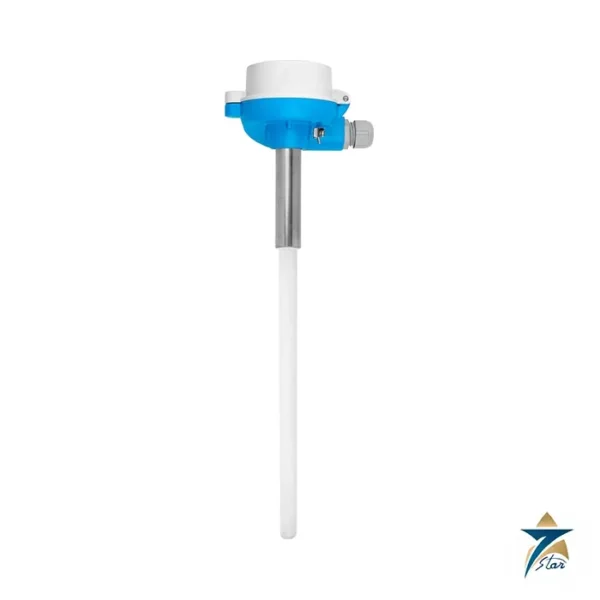
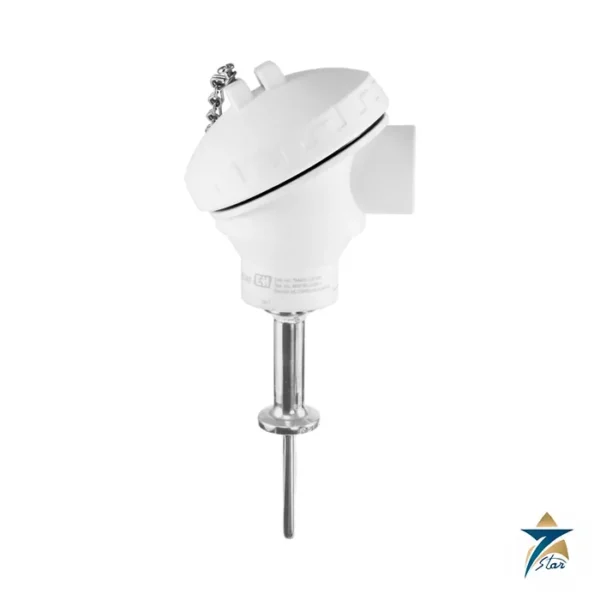
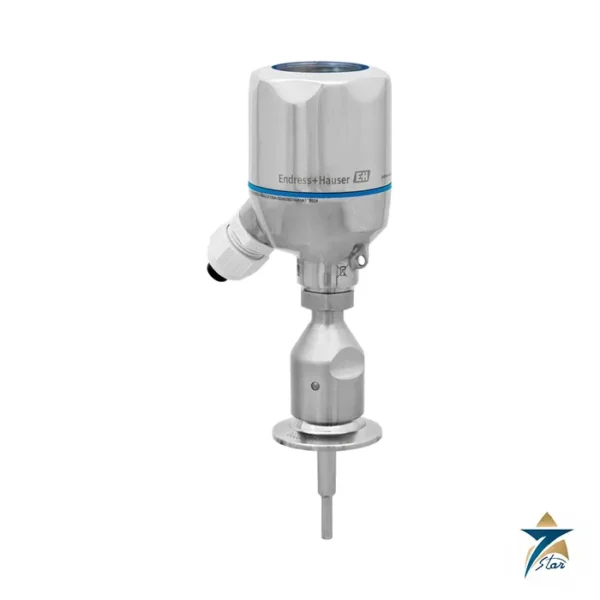
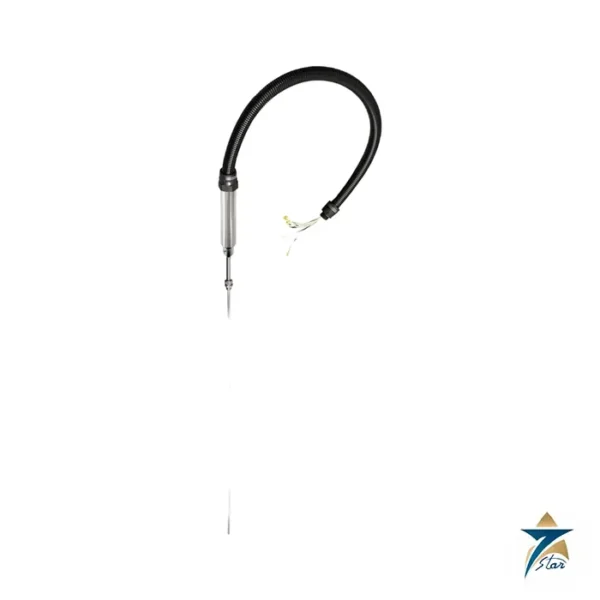
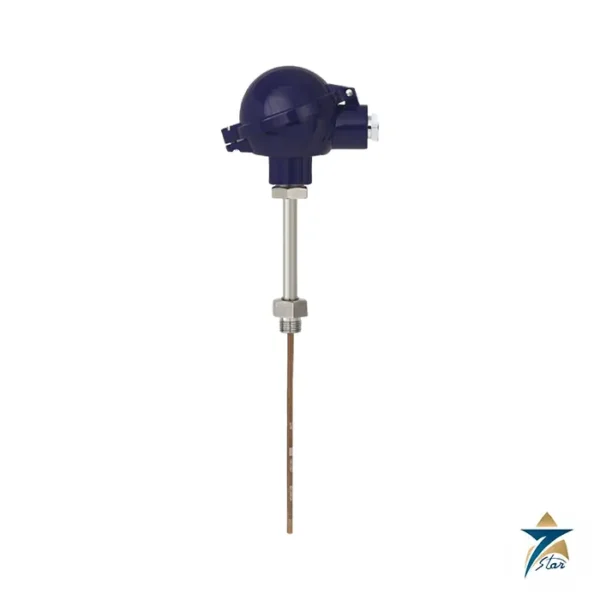
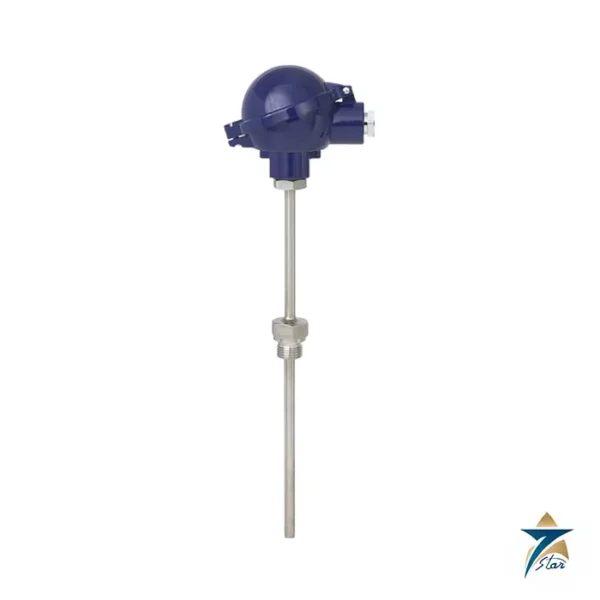
The Endress+Hauser TM412 is a modular hygienic RTD thermometer in the iTHERM ModuLine range, built to imperial dimensions for aseptic and sanitary processes. It follows hygienic design rules (3-A, EHEDG, ASME BPE, FDA) and uses hygienic process connections with a neck that suit tanks, tees and elbows. The TM412 can be delivered with or without a thermowell, with a mineral-insulated or flexible insert, and with the QuickSens, StrongSens or QuickNeck technology that the manufacturer offers across the iTHERM family. Seven Star LLC supplies the TM412 in Oman and the GCC as an independent supplier in Muscat.
TM412 technical specifications
| Parameter |
Specification |
| Manufacturer / part number |
Endress+Hauser / iTHERM ModuLine TM412 |
| Sensor |
Pt100 RTD, classes B, A, AA (IEC 60751) |
| Wire-wound range |
−200 to +600 °C |
| StrongSens range |
−50 to +500 °C; t90 9.5 s |
| QuickSens range |
−50 to +200 °C; t90 1.5 s |
| Thin-film range |
−50 to +200 °C |
| Static pressure |
40 bar at 20 °C |
| Tube diameters |
1/4, 3/8, 1/2 inch |
| Immersion length |
Up to 48 inch on request |
| Material |
316L |
| Heads |
316L, aluminium, polypropylene, polyamide; up to IP69K |
| Hygienic design |
3-A, EHEDG, ASME BPE, FDA |
How the TM412 is built and how its sensor options differ
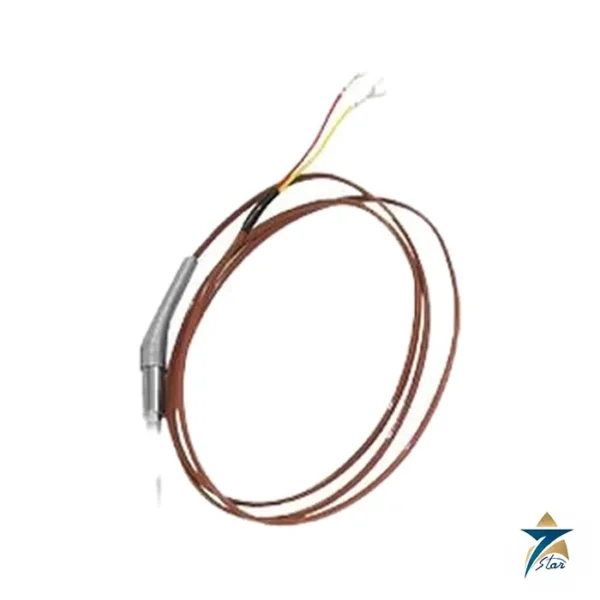
The insert is a Pt100 RTD. Standard wire-wound Pt100 covers −200 to +600 °C, thin-film Pt100 covers −50 to +200 °C, iTHERM StrongSens covers −50 to +500 °C and iTHERM QuickSens covers −50 to +200 °C. QuickSens is the fast option with a t90 of 1.5 s, while StrongSens is the vibration-robust option with t90 of 9.5 s. Accuracy classes are B, A and AA according to IEC 60751. QuickNeck allows the insert to be replaced for recalibration without opening the process, which saves maintenance time.
TM412 technical data and options
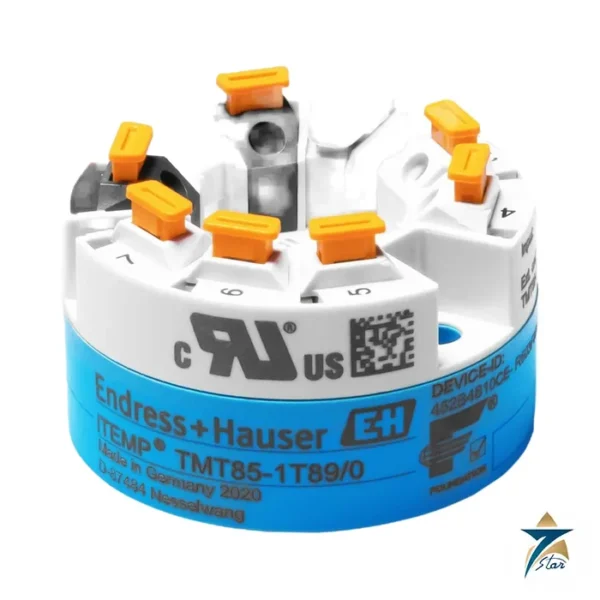
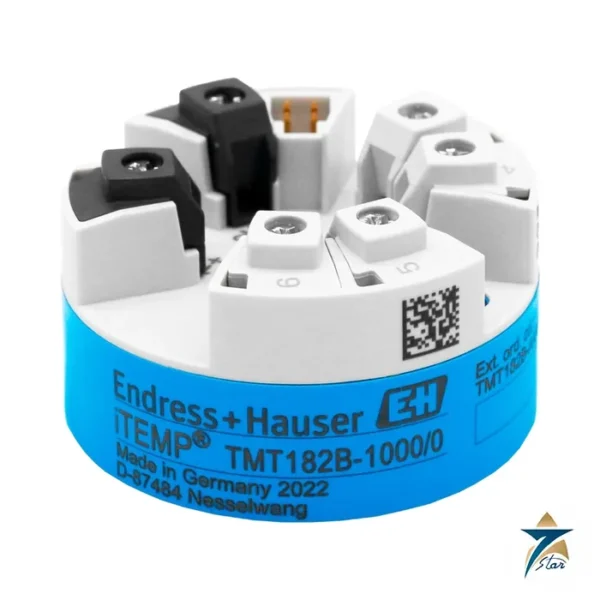
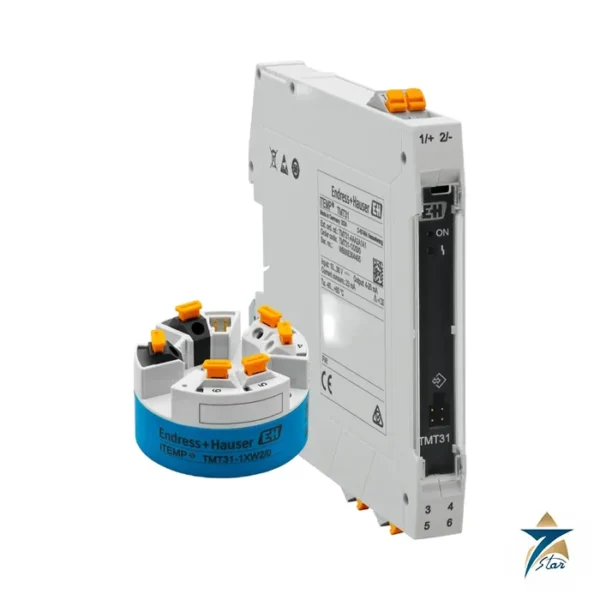
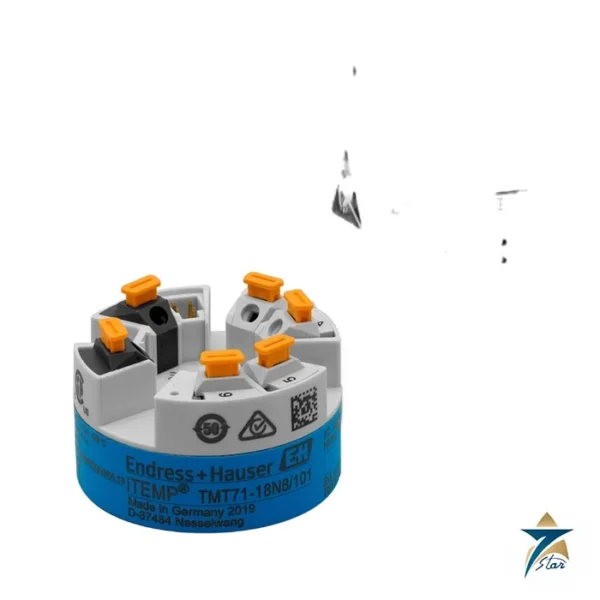
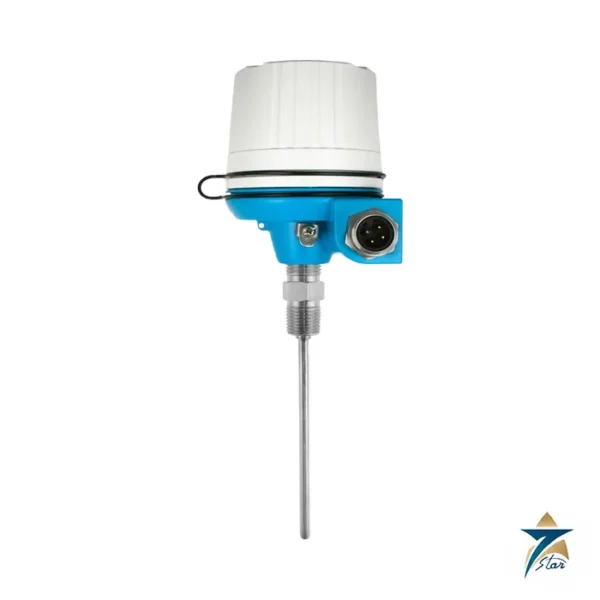
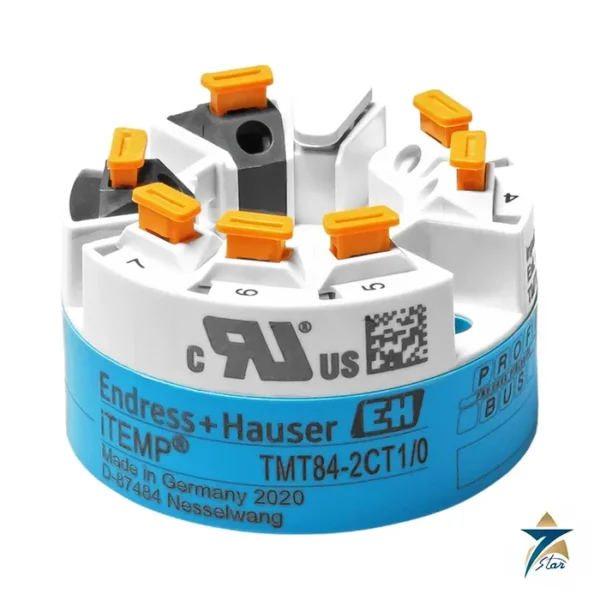
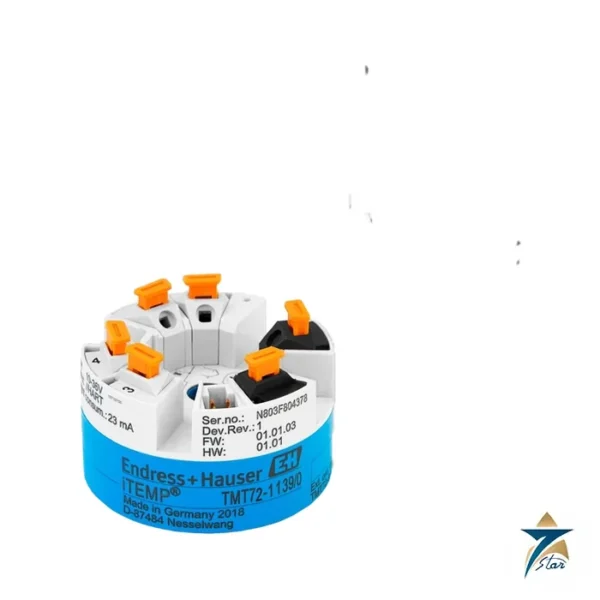
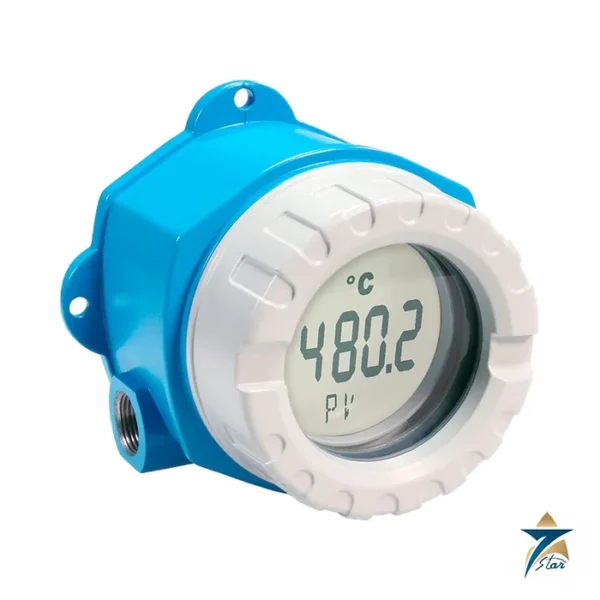
Maximum static pressure is 40 bar at 20 °C. Outer diameters of the protection tube or insert are 1/4 inch (6.35 mm), 3/8 inch (9.53 mm) or 1/2 inch (12.7 mm), with immersion length up to 48 inch on request. The protection tube material is 316L. Terminal heads are available in 316L, aluminium, polypropylene and polyamide, in high or low versions, with or without a display window, and the 316L TA30R head reaches IP69K. Head transmitters from the iTEMP range (4 to 20 mA, HART, PROFIBUS PA, FOUNDATION Fieldbus, IO-Link) can be installed in the head, and an Ex-certified version is offered for hazardous areas with explosion protection such as ATEX, IECEx, FM and CSA when the order code includes it.
Selection checklist for the TM412
Fix the temperature range, response time requirement and the process connection first. Next choose the insert technology, the tube diameter and neck length, and whether a Tee or elbow thermowell is needed. Then choose the head and its transmitter, and the sensor accuracy class. For CIP/SIP lines, confirm the neck length so the sensor tip sits in the flow without creating a dead leg. Specify the certificate you need: 3.1 material certificate, calibration and hygienic documents.
Installing and calibrating the TM412
Install it in the orientation that allows drainage, with the tip in the product stream at a depth that follows the hygienic rule in the document (the ratio of the pocket length to diameter is limited by EHEDG and 3-A). Use the specified gasket for the clamp or fitting. In cleaning-in-place plants, plan a periodic calibration check; QuickNeck makes this faster. Keep the cable gland tight to preserve the IP rating.
TM412 in Oman and GCC plants
Dairies, beverage and juice plants, water-bottling, pharmaceutical and cosmetic production all rely on hygienic RTDs for pasteurisers, heat exchangers, fermenters and CIP circuits. In the Gulf, wash-down with hot water and high ambient temperatures make the IP69K head valuable.
TM412 relative to other iTHERM thermometers
| Model |
Style |
| TM402 |
Hygienic, metric style |
| TM411 |
Hygienic modular, metric |
| TM412 |
Hygienic modular, imperial style |
| TM371 |
Self-calibrating compact |
Information to send with a TM412 RFQ
- Temperature range and required response time
- Tube diameter, immersion length and neck length
- Process connection and thermowell type
- Sensor accuracy class
- Head, transmitter and output
- Hygienic and Ex certificates, quantity
Maintenance, recalibration and spares for the TM412
Hygienic RTDs are normally recalibrated on a fixed schedule, and the fastest way to do this with the TM412 is the QuickNeck design, where the insert is released and replaced or sent for calibration without opening the process connection. Keep a spare insert with the same accuracy class and length, record the serial number in the calibration log, and replace gaskets whenever a clamp is opened. If the head contains an iTEMP transmitter, keep its configuration file so a replacement can be loaded with the same range, damping and sensor-matching data.
When the thermometer shows drift or noise, check the cable gland and head seal for moisture first, then the insert, and only then the transmitter. A cleaning cycle with hot caustic and steam is within the design, but repeated thermal shock on a long neck should be avoided by following the recommended heat-up ramp of the plant.
Site conditions in Oman for the TM412
Field instruments in Oman are exposed to strong sun, high ambient temperature, wind-blown dust and, on coastal plants, salt in the air. When you specify the TM412, check the ambient and process temperature limits, the enclosure rating and the wetted and housing materials against the actual installation point, and consider sunshades for transmitters mounted in direct sunlight. Cable entries should be sealed with suitable glands so that dust and moisture cannot enter the housing.
Calibration and verification planning matters as much as selection. Record the range, configuration and tag data of each TM412 at commissioning, define a check interval that suits the criticality of the loop, and keep the certificates with the plant documentation so that audits and shutdown work can proceed without delay.
Documents and quotation
A copy of the manufacturer technical information for the TM412 is attached on this page so you can check ranges, connections and ordering codes against your specification.
Send the full order code or the process data (fluid, temperature, pressure, line size or tank data, output and approvals) and Seven Star LLC will prepare a quotation and confirm lead time. We are an independent supplier in Muscat and do not represent the manufacturer.


















Reviews
There are no reviews yet.