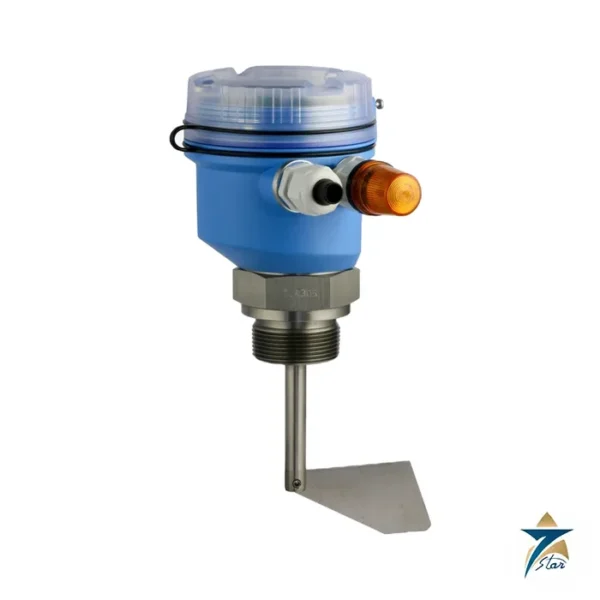
Endress+Hauser FMB52 Deltapilot M cable-type hydrostatic level probe
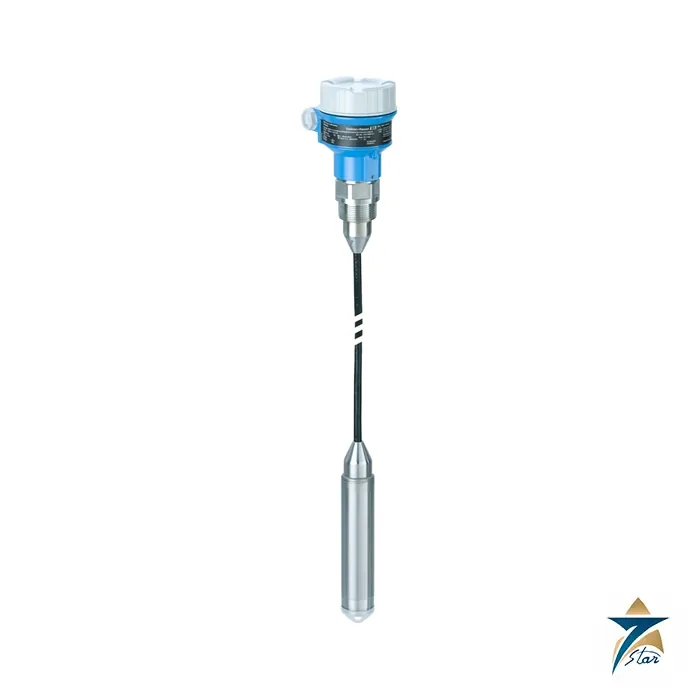
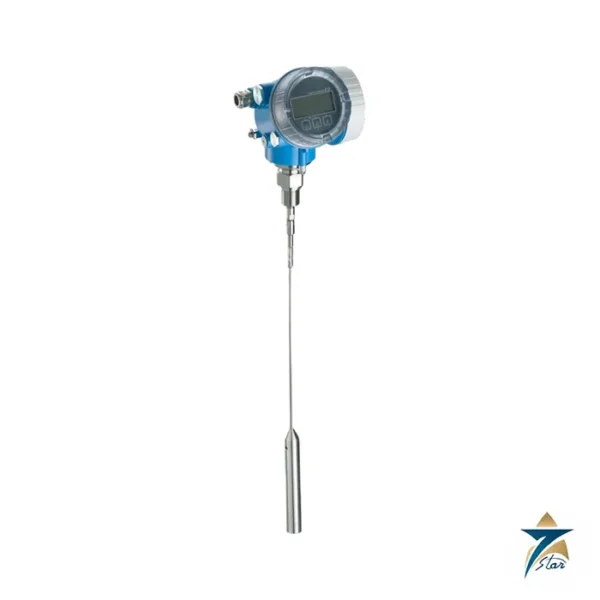
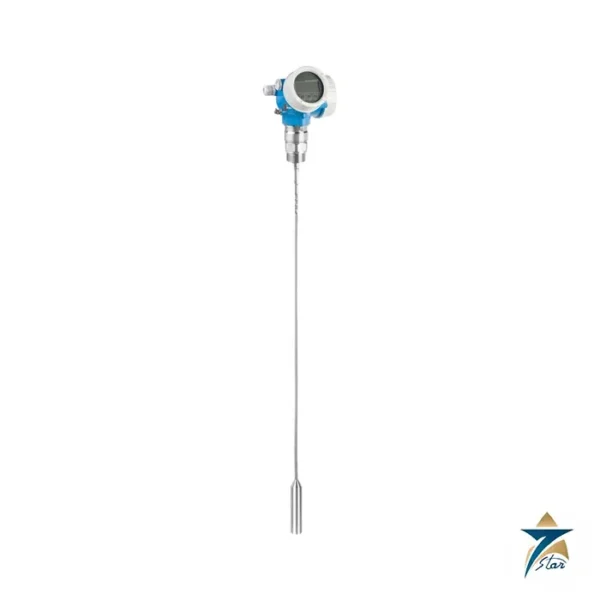
The Endress+Hauser FMB52 is the cable version of the Deltapilot M family with a fixed top connection. A vented cable carries the pressure sensor down to the bottom of a deep tank, well or reservoir, and the cable emerges through a threaded or flanged connection on the roof, where the electronics housing sits. Where the FMB51 rod stops at 4 m, the FMB52 probe length can be ordered from 500 mm up to 300 m, so it reaches deep water and tall vessels while keeping the housing and display easy to read at the top.
Seven Star LLC supplies the FMB52 in Oman and the GCC as an independent supplier in Muscat. Below we explain the cable options, the limits that matter and the information needed for a correct quotation.
FMB52 technical specifications
| Parameter |
Specification |
| Manufacturer / part number |
Endress+Hauser / FMB52 (Deltapilot M, cable version) |
| Probe (cable) length |
500 mm to 300 000 mm (20 in to 11 810 in) from the Product Configurator |
| Measuring cells (URL) |
100 mbar, 400 mbar, 1.2 bar, 4 bar or 10 bar; the 10 bar cell corresponds to about 100 m of water column |
| Reference accuracy |
±0.2 % standard; platinum option down to ±0.1 % on the larger cells |
| Cable material |
PE (black/blue, or black for drinking water) or FEP, shielded, with pressure compensation through the cable |
| Process temperature |
PE cable –10 to +70 °C; FEP cable –10 to +80 °C; Kalrez seal minimum –3 °C |
| Ambient temperature (without display) |
PE cable –40 to +70 °C; FEP cable –40 to +80 °C |
| Cable weight |
PE 0.13 kg/m; FEP 0.18 kg/m |
| Cable pull-out force |
Maximum 450 N at the cable extraction |
| Seal options |
FKM, EPDM, Kalrez 6375, or welded cell with no seal |
| Process diaphragm and tube |
Alloy C276 diaphragm, optional gold-rhodium or gold-platinum; 316L probe tube; POM protective cap |
| Output / communication |
4 to 20 mA HART 6.0, PROFIBUS PA or FOUNDATION Fieldbus |
| Dynamic behaviour (HART current output) |
Dead time up to 500 ms, T63 up to 250 ms; warm-up up to 8 s |
| Separate housing option |
Housing on 2, 5 or 10 m PE cable, or 5 m FEP cable; ambient –20 to +60 °C |
These figures come from the Endress+Hauser technical information that covers the FMB50 to FMB53 series; check your order code for the exact version.
How the FMB52 cable probe works
The FMB52 senses the pressure of the liquid above its diaphragm and converts it to level. The measuring element sits between the process diaphragm and a rear diaphragm, an arrangement Endress+Hauser calls the CONTITE cell, so moisture from the vent path cannot reach the silicon element. The reference to atmospheric pressure is carried to the probe through the cable itself, which is why the cable is a special vented construction with a shield of galvanised steel braid and aluminium foil and an outer jacket of PE or FEP. Avoid sharp bends in the cable and keep its end at the housing dry.
The electronics correct for cell temperature and offer a 32-point linearization table for volume in irregular tanks. Two probes plus a PLC can also give differential level in a closed, pressurised vessel.
FMB52 cable materials, seals and connection
PE cable is the economical choice for water, wastewater and many chemicals, and a black PE jacket is available for drinking water service. FEP cable tolerates hotter liquids, up to 80 °C, but it is heavier at 0.18 kg per metre. The probe tube is 316L, and an Alloy version with C22 tube, C4 parts and a C276 connection exists for aggressive media. The top connection can be a G 1½ or 1½ NPT thread or an EN, ASME or JIS flange, with a total threaded weight of about 1.65 kg for the connection and measuring tube, or 1.30 kg for the flange version without the flange. For corrosive or seawater-type liquids the gold-platinum coated diaphragm is offered on the FMB52, though not on the FMB50.
Where the FMB52 fits and related Deltapilot M models
Use the FMB52 where you need cable depth and a top connection on the vessel. If the housing must be kept away from the tank because of heat, vibration or access, the FMB52 can be ordered with a separate housing on a 2, 5 or 10 m PE cable, or 5 m FEP cable, while the FMB53 is the cable probe hung on a suspension clamp for wells where the cable itself is the support. The FMB50 and FMB51 are the compact and rod members of the same family. For pressure on pipework rather than level, the Cerabar PMP11 is a different product class.
Selecting and ordering an FMB52
- Cable length: measure from the mounting point to the lowest level and add the allowance for the protective cap. The datasheet gives length tolerances of up to –35 mm below 5 m, –75 mm from 5 to 10 m and –100 mm from 10 to 100 m.
- Cable type: PE for ambient liquid up to 70 °C, FEP up to 80 °C, or black PE for drinking water.
- Cell range: one metre of water is about 98 mbar, so a 20 m well needs about 2 bar and the 4 bar cell is the practical choice.
- Top connection and seal: thread or flange, with FKM, EPDM, Kalrez or a welded cell.
- Housing: aluminium F31 or stainless F15, mounted on top or separate, with the entry type for your cable gland or M12 plug.
- Approvals: the Ex families in the datasheet are ATEX, IECEx, FM, CSA and NEPSI; specify the one that matches your zone.
FMB52 installation, commissioning and maintenance
Lower the probe through the roof connection until the cable is just taut, then lock the top connection. Hang it where the water is calm, and where waves or inflow might swing the probe, enclose it in a guide tube, preferably plastic, so the cable does not rub on the wall. Take care not to exceed the 450 N pull on the cable, and keep the vented end of the cable and the housing sealed against moisture. After installation correct the zero shift for the actual position with the keys on the electronics, then check the 4 to 20 mA signal at the test terminals.
At shutdowns, raise the probe, rinse any sludge or calcium scale from the protective cap and the diaphragm area, check the cable jacket for abrasion and verify the zero. Keep a spare of the same cell range and cable type because the cable length is fixed at the factory.
Typical FMB52 applications in Oman and the GCC
In Oman and the GCC, cable-type level probes are widely used in deep water storage reservoirs, seawater intake and brine tanks at desalination plants, boreholes and wells, cooling-water and fire-water tanks at power and industrial sites, and wastewater and stormwater pits. With the heat of the region, specify FEP or a shaded installation where the liquid or the cable runs near 70 °C, and use a sealed cable gland and stainless housing against dust and salt air.
Information to send with an FMB52 RFQ
- Part number FMB52 and, if available, the order code of the unit being replaced.
- Cable length, tank depth and the nozzle or flange for the top connection.
- Medium, density, temperature and level range or span.
- Cable material (PE, FEP, drinking-water PE), seal and diaphragm coating.
- Output, housing, cable entry, separate housing wish and hazardous-area class, with quantity.
Documents and quotation
A copy of the Endress+Hauser technical information covering the Deltapilot M FMB50, FMB51, FMB52 and FMB53 is attached on this page.
Send us the FMB52 information above and Seven Star LLC will prepare a quotation for delivery in Oman and the GCC.
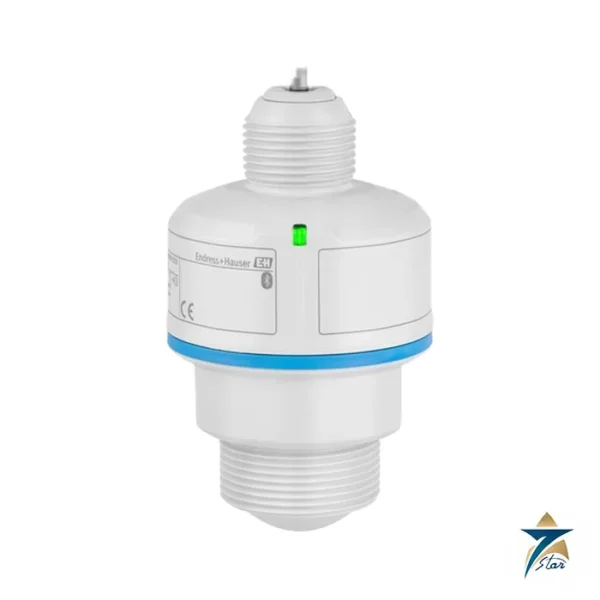
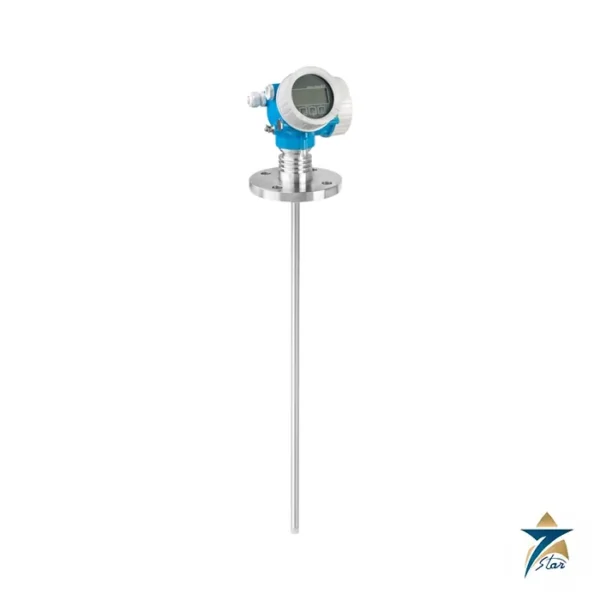
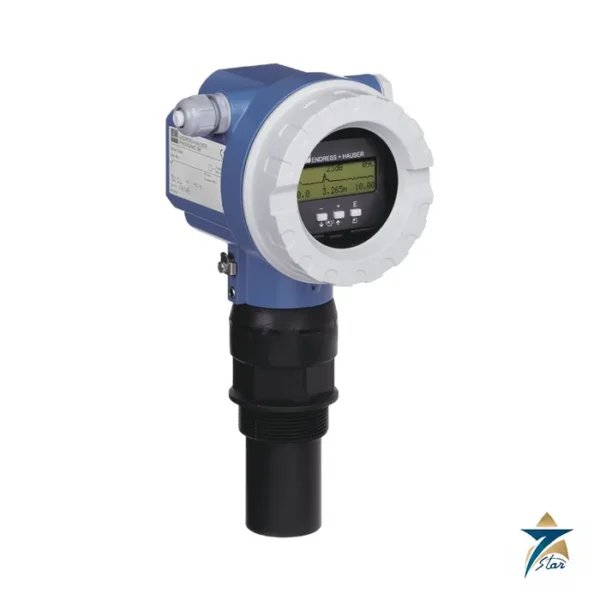
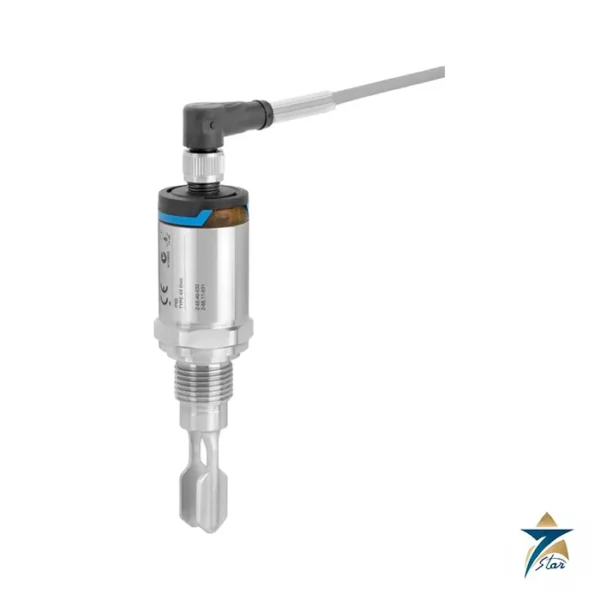
Other Models in the Eh Deltapilot M Range
Seven Star LLC supplies models from the Eh Deltapilot M range in Oman and the GCC. Compare the related models below and request a quote for the one that matches your application.


















Reviews
There are no reviews yet.