FTI52 Liquicap M rope-probe capacitance level switch
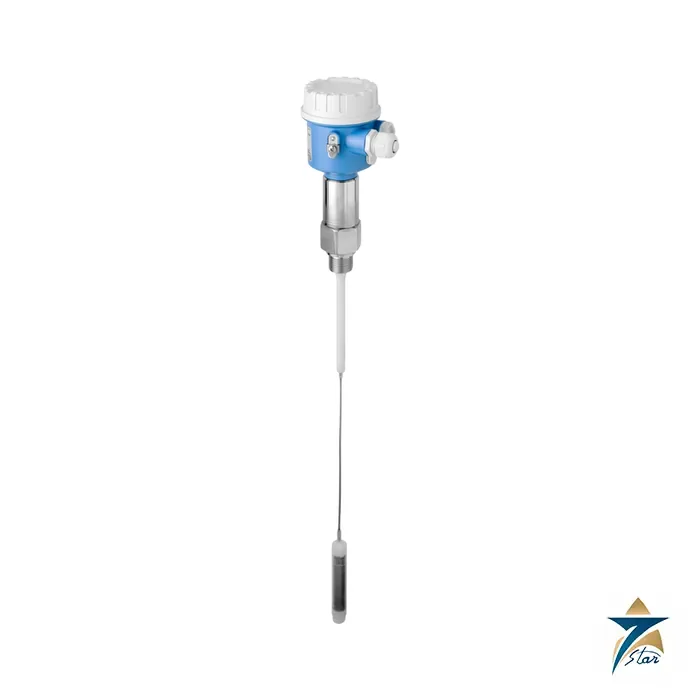
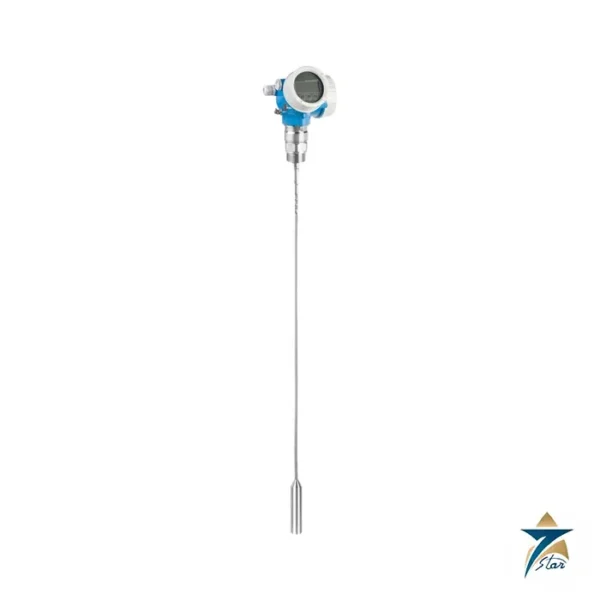
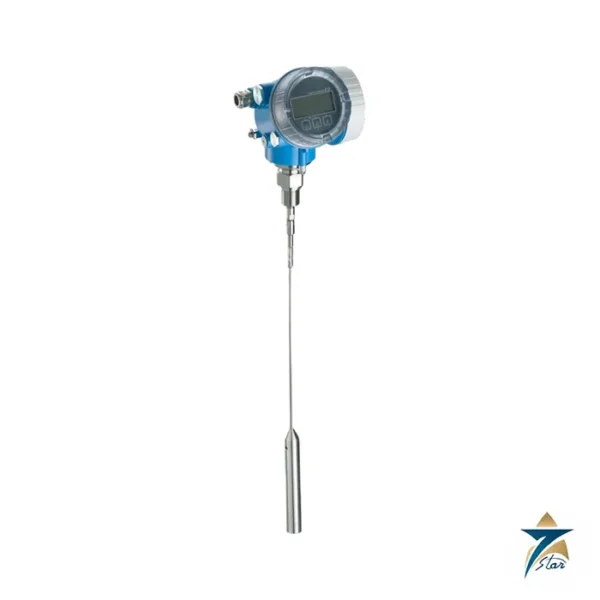
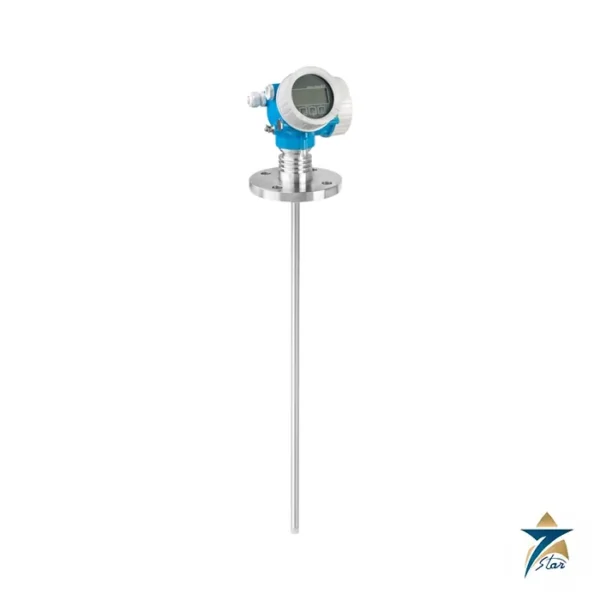
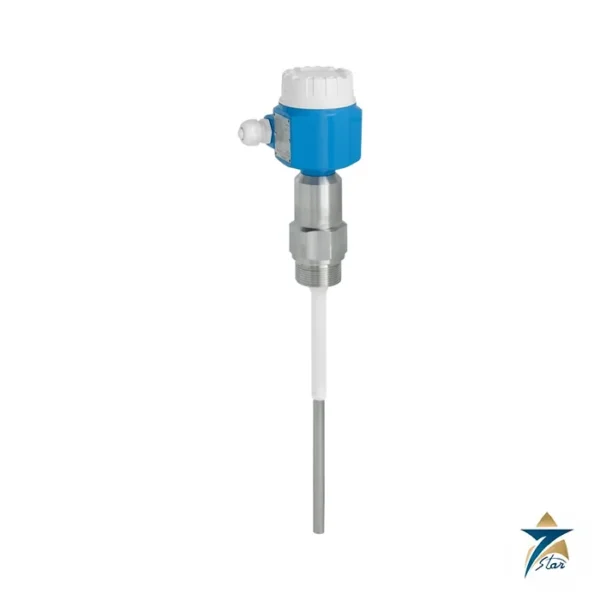
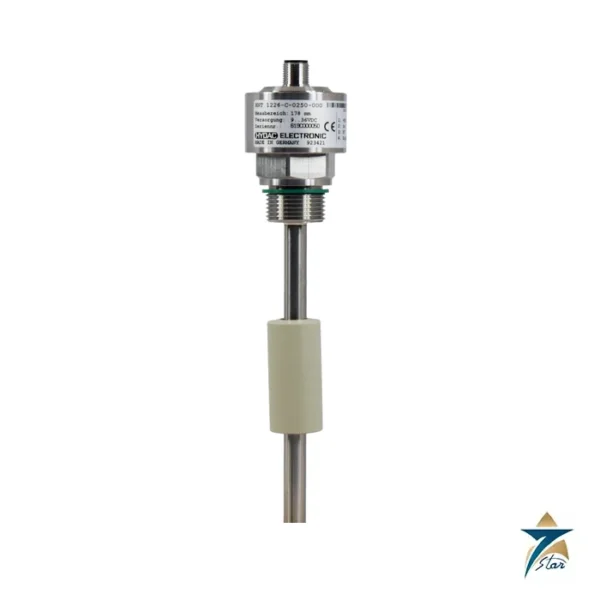
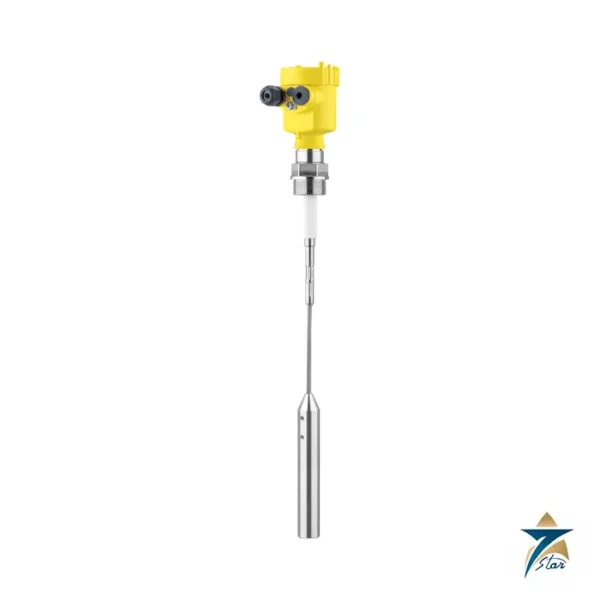
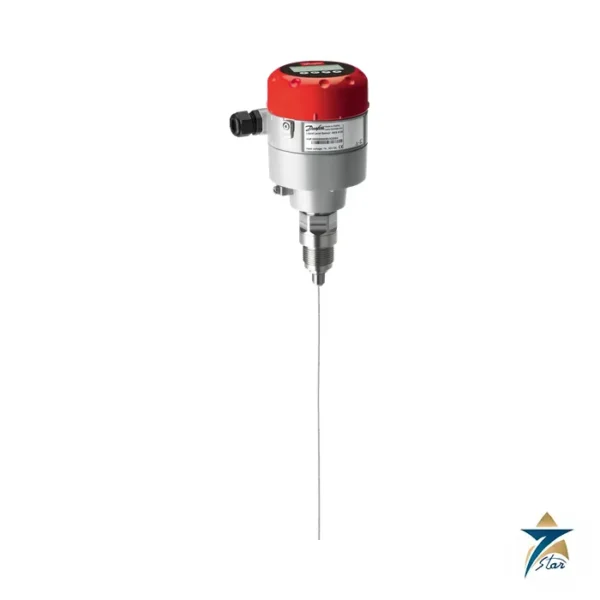
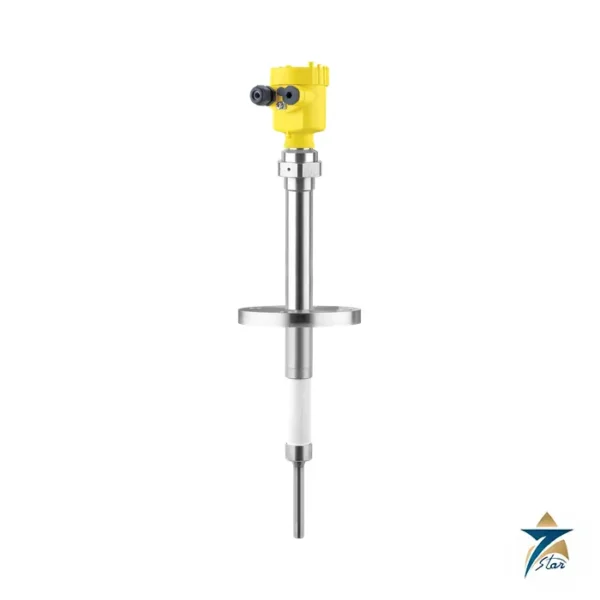
The Endress+Hauser FTI52 is the rope-probe member of the Liquicap M family of capacitance point level switches for liquids. Where its sibling FTI51 uses a rigid rod, the FTI52 hangs a flexible insulated stainless rope from the process connection and ends it in a tensioning weight, so a single switch can be installed in a tall tank, a deep sump or a vessel with limited headroom for a long rod. Seven Star LLC supplies the FTI52 in Oman and the GCC as an independent supplier in Muscat.
Like all Liquicap M instruments, the FTI52 is configured to order. Rope length, insulation, process connection, housing and electronic insert are selected in the manufacturer’s configurator, which generates the order code. The datasheet does not print a decodable code table, so this page describes the options and leaves the code to be confirmed against your duty.
FTI52 technical specifications
| Parameter |
Specification |
| Manufacturer / part number |
Endress+Hauser / FTI52 (Liquicap M point level switch, rope probe) |
| Measuring principle |
Capacitive point level detection in liquids |
| Process temperature |
–80 to +200 °C (–112 to +392 °F) |
| Process pressure |
–1 to 25 or –1 to 100 bar (63 bar with an uninsulated inactive length), –1 to 50 bar with a fully insulated inactive length |
| Probe rope |
316 (1.4401) stainless rope, 4 mm diameter, insulation 0.75 mm |
| Rope insulation |
FEP or PFA |
| Total / active rope length |
420 to 10,000 mm (16.5 to 394 in) in the fully insulated version |
| Tensioning weight |
22 mm diameter, 120 mm long, with a 5 mm anchor hole |
| Tensile load capacity at 20 °C |
200 N |
| Rope weight |
0.04 kg/m |
| Ambient temperature (housing) |
–50 to +70 °C, –40 °C minimum for F16 polyester; separate housing to +120 °C |
| Capacitance span |
ΔC = 5 to 1,600 pF; probe base capacitance approximately 18 pF |
| Wetted materials |
316 rope and tensioning parts, 316L process connection, FEP/PFA insulation, asbestos-free seals |
| Separate housing |
Cable up to 6 m; cable plus rope not above 10 m |
How the FTI52 rope probe measures
The insulated rope and the grounded tank wall form a capacitor. In air the capacitance is low; as the liquid climbs the rope the capacitance rises, at approximately 19 pF per 100 mm for the insulated rope in water compared with about 1 pF per 100 mm in air. The electronic insert watches for the calibrated switching capacitance and changes its output when the liquid reaches the set height. Because the rope is thin, the change per metre is smaller than with a 16 mm rod, which is why the manufacturer asks for sufficient conductivity or a metallic reference.
Interface detection between a non-conductive and a conductive liquid, and detection of foam on conductive liquids, are listed for the Liquicap M family, with the same adjustment procedure as the FTI51. An optional inactive length keeps the rope insulated and electrically passive near the nozzle, so condensate and deposits in the connection do not move the switch point, and the FTI52 can then be used where there is a mounting nozzle.
Installing the FTI52 rope probe correctly
A rope probe behaves differently from a rod and the installation rules follow from that:
- Swinging changes the switch point. The rope must be tightened or anchored, using the thread in the tensioning weight, so that it cannot move with the liquid.
- Do not tension excessively. Guy the end with a spring or leave the rope slightly loose; the maximum tensile load is 200 N.
- Media below 1 mS/cm need extra measures such as a metallic reference or a metal tank, because the rope capacitance is small.
- The FTI52 is not suited to agitator tanks, high-viscosity liquids or plastic tanks according to the datasheet.
- Both rope versions can be shortened on site after the weight is removed, which simplifies stocking one spare length.
Keep the rope away from the filling curtain, at least 10 mm from the tank floor, and 500 mm from neighbouring probes. After commissioning, calibrate empty and full with the electronic insert push-button.
Electronic inserts and outputs
| Electronic insert |
Typical use with the FTI52 |
| FEI51 / FEI52 / FEI54 |
Direct switching: AC thyristor, DC PNP transistor, or relay with two changeover contacts, calibrated by push-button |
| FEI53 / FEI57S |
Signal to a separate Nivotester, with self-test from the switching unit |
| FEI55 |
Two-wire 8/16 mA, SIL2 hardware and SIL3 software approval |
| FEI58 |
NAMUR two-wire signal to a separate switching unit |
The insert is replaceable without recalibration, and switching delay can be set between 0.3 and 10 s where the insert supports it. Minimum or maximum safety is selected to suit dry-run or overfill protection.
Selecting the FTI52: checklist
- Tank depth and the switch height measured from the sealing surface; confirm the rope length is within 420 to 10,000 mm.
- Whether the tank is metallic, and the liquid conductivity, since rope probes need a suitable counter electrode.
- Whether the rope can be anchored without touching internals.
- Process temperature, pressure and connection rating, with the lowest limit of the device and the flange governing.
- Need for an inactive length (nozzle mounting) and its insulation.
- Output and supply: AC, PNP, relay, 8/16 mA SIL, PFM or NAMUR.
- Zone classification and approvals for the ordered version.
Maintenance and spares for the FTI52
The FTI52 has no moving parts, so routine work is visual: check the rope insulation for cuts, check the anchor and the tension, and clean any coating. A damaged insulation layer allows leakage current and invalidates the calibration. Keep a spare electronic insert and a spare tensioning weight for tanks where the FTI52 is installed in numbers. Surge arresters and a protective cover are listed accessories for outdoor tanks.
Applications for the FTI52 in Oman and the GCC
Deep storage and process tanks are common on Omani sites: desalination brine and chemical tanks, water treatment clarifiers, fuel and diesel storage, produced-water holding vessels and waste sumps. The FTI52 suits a vertical tank where a long rigid rod would be impractical to install through a roof nozzle, and its rope can be shortened to fit if the tank height differs from the drawing. Heat and humidity make a protective cover and sealed cable glands worthwhile.
Rod versus rope within the Liquicap M range
| Probe |
Better suited to |
| Rigid rod (FTI51) |
Agitated tanks, viscous liquids, plastic tanks, rod up to about 4 m for pump control |
| Rope (FTI52) |
Tall tanks, long active length, installation through limited headroom, not for agitators or viscous media |
Information to send with an RFQ for the FTI52
- Liquid, conductivity and any foam or interface requirement
- Tank height, nozzle size and the distance of the switch point from the nozzle
- Temperature and pressure range and tank material
- Required rope length and whether an inactive length is needed
- Output type, supply voltage and the receiving PLC or switching unit
- Hazardous area zone and approvals
- Quantity and delivery location
Documents and quotation
The datasheet for the FTI52 is attached on this page. It is the manufacturer’s Technical Information with rope dimensions, derating curves and insert specifications.
Send the part number FTI52 together with your tank and process data and we will confirm availability and lead time for Oman and the GCC.





















Reviews
There are no reviews yet.