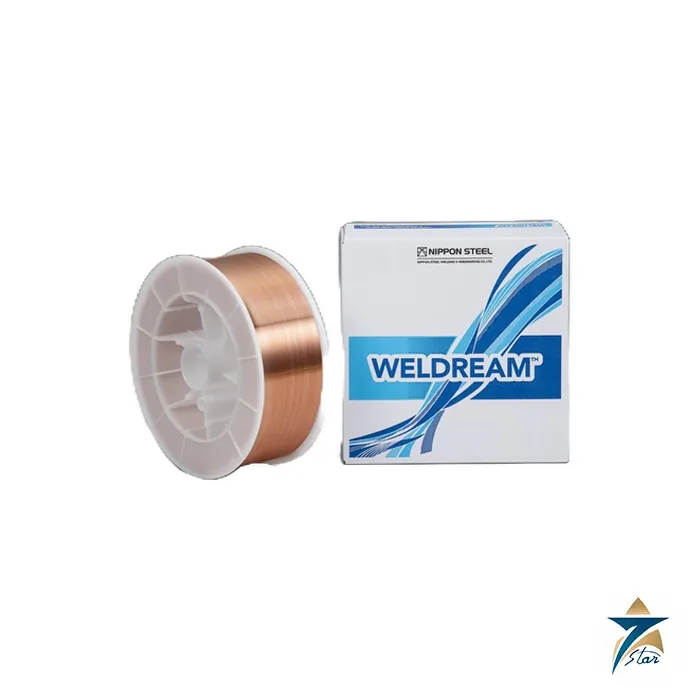
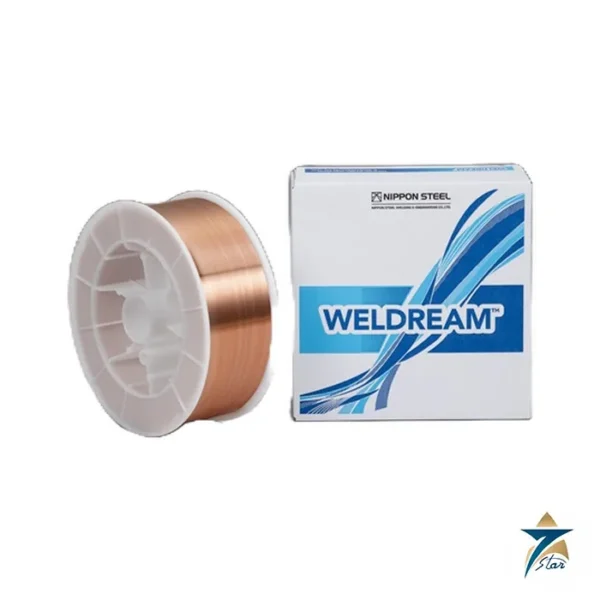
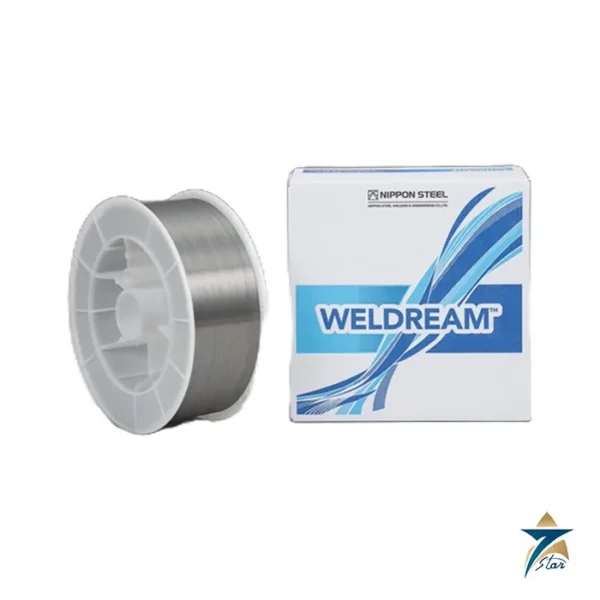
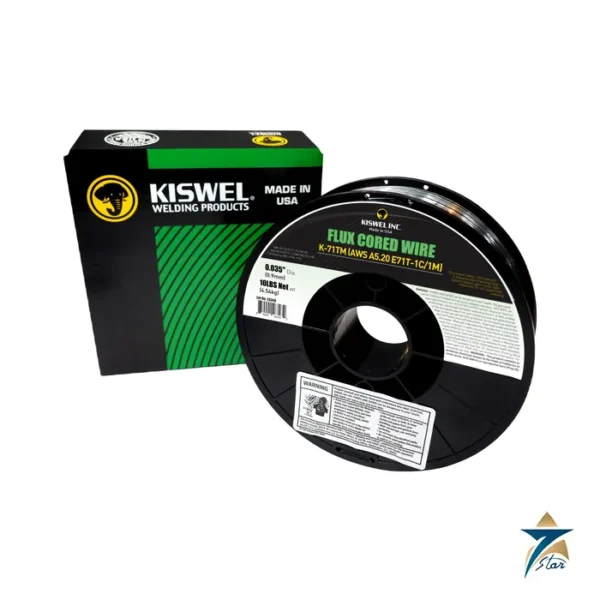
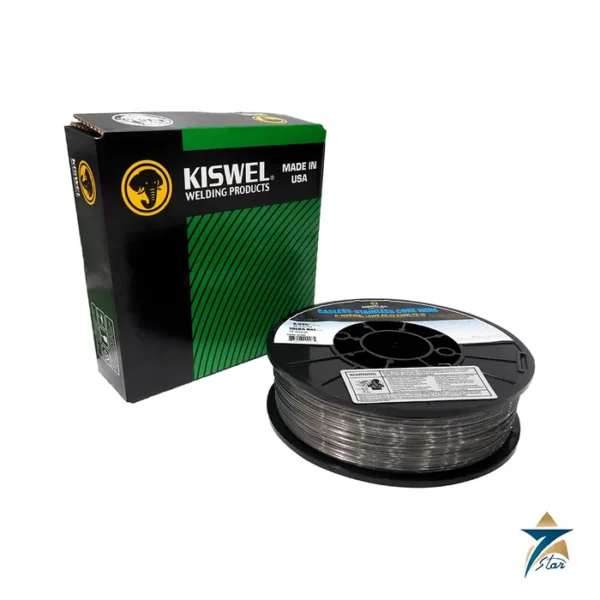
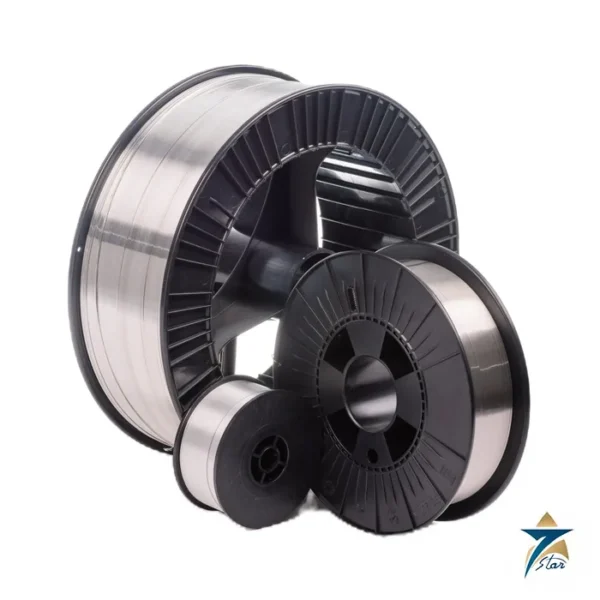
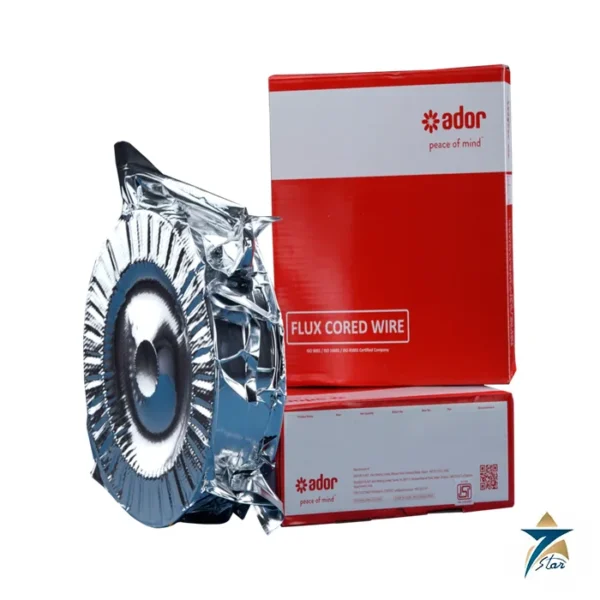
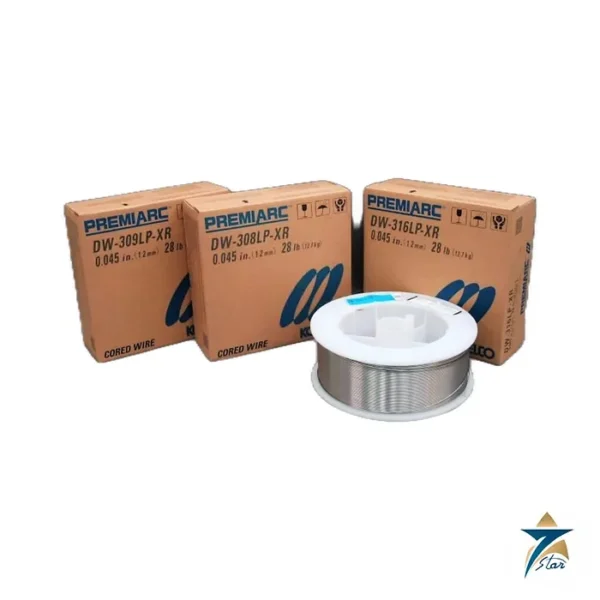
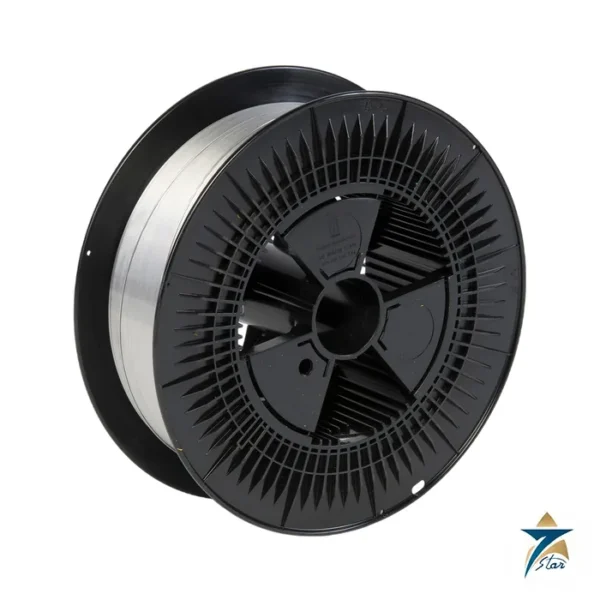
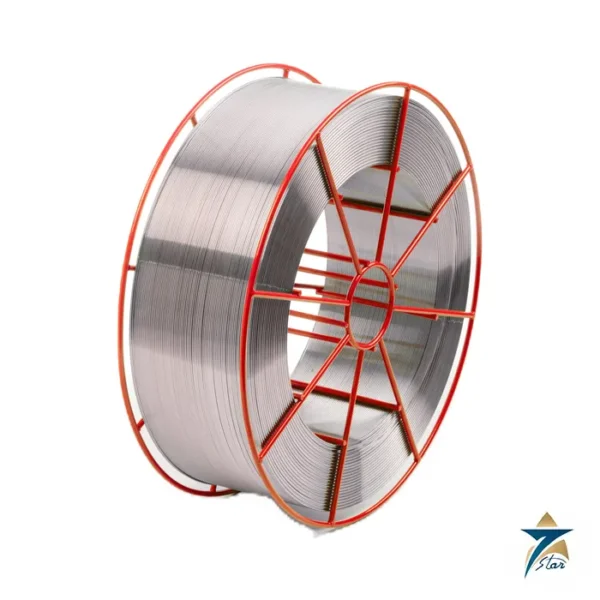
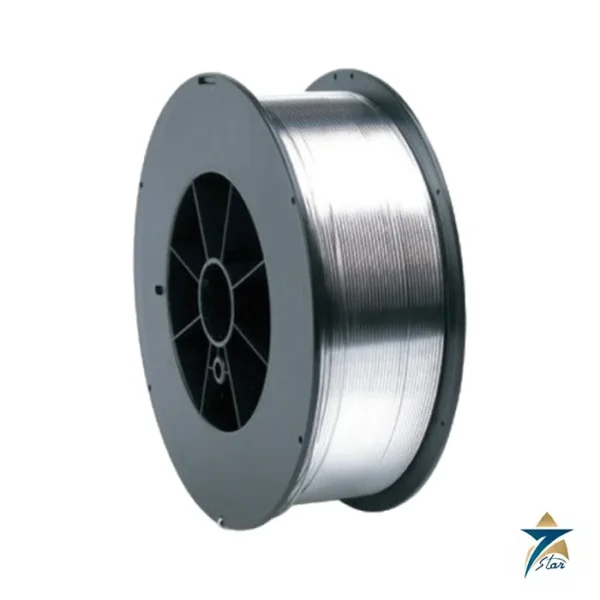
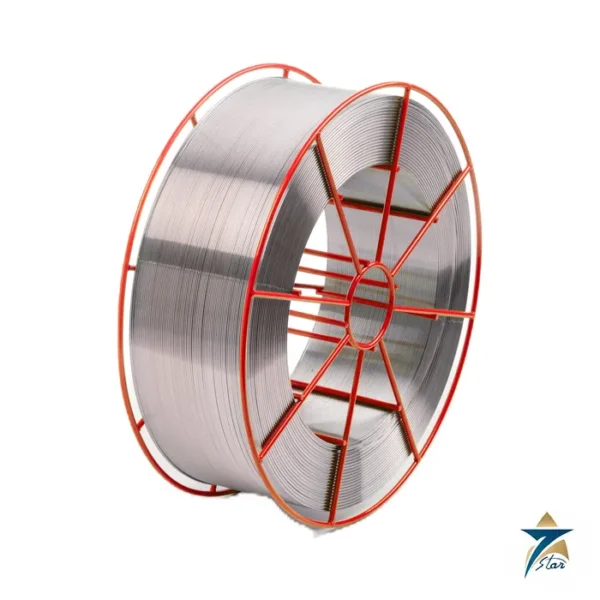
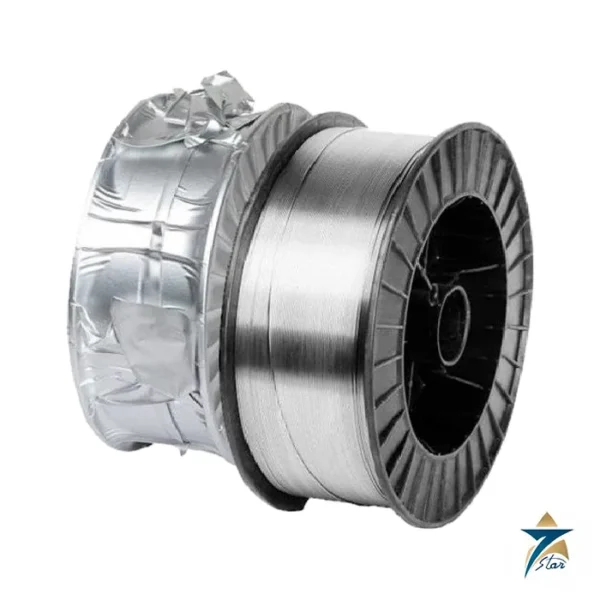
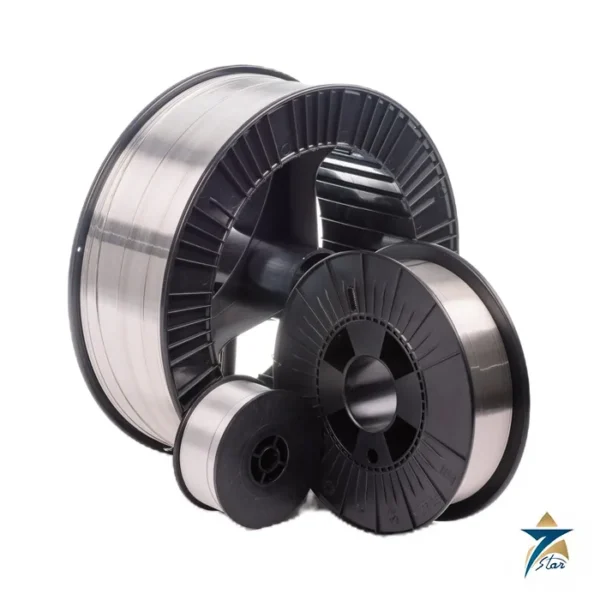
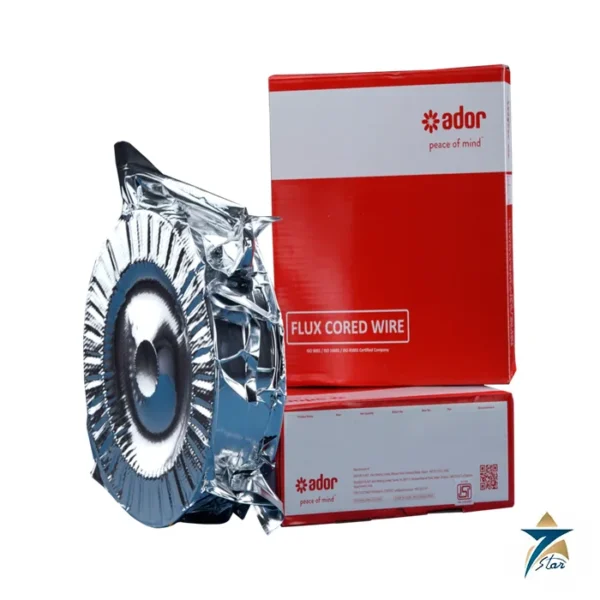
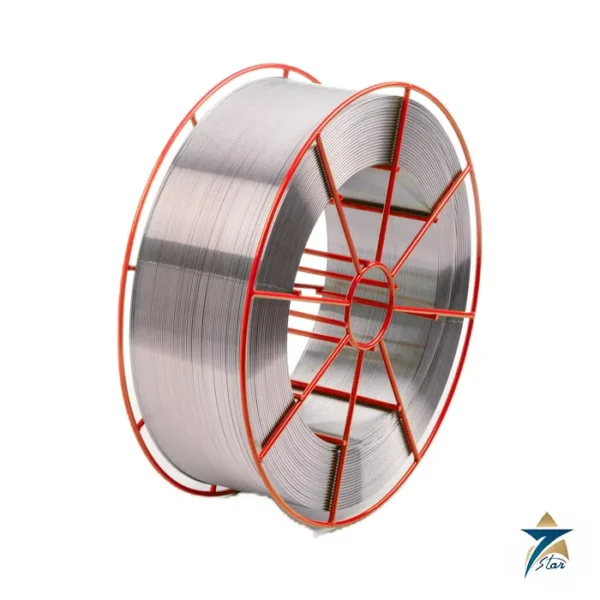
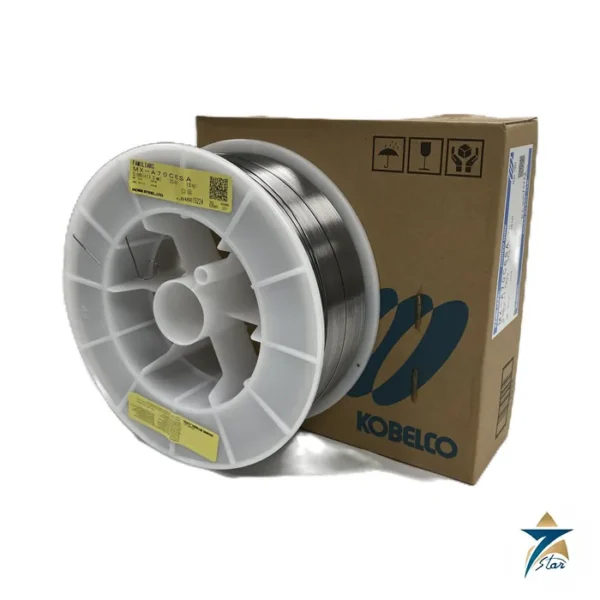
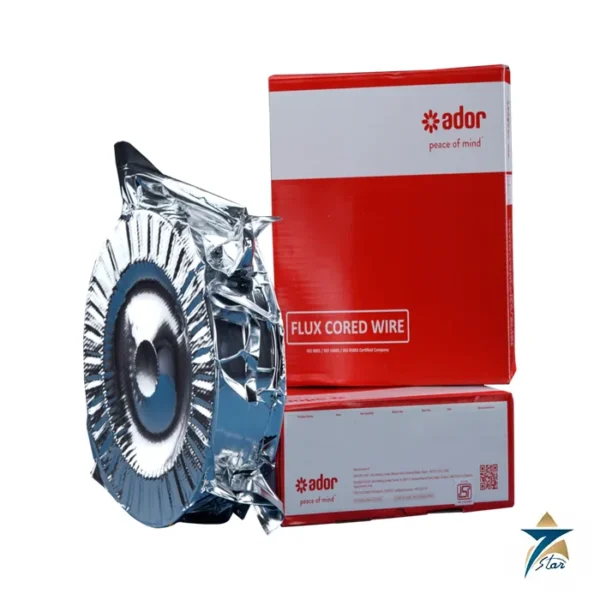
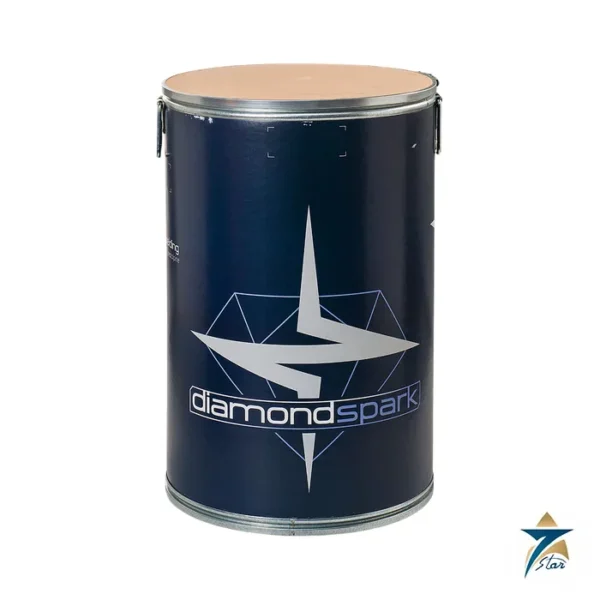
Nippon Steel SF-1 E71T-1C Seamless Flux-Cored Wire

Description

Seamless rutile flux-cored wire for CO2 welding

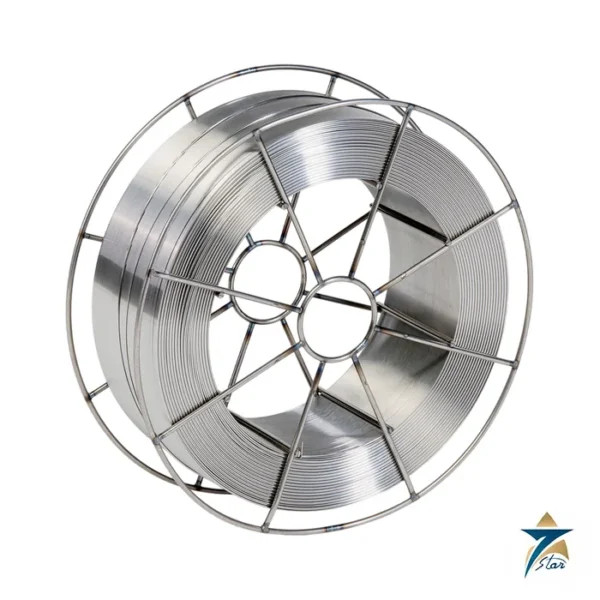
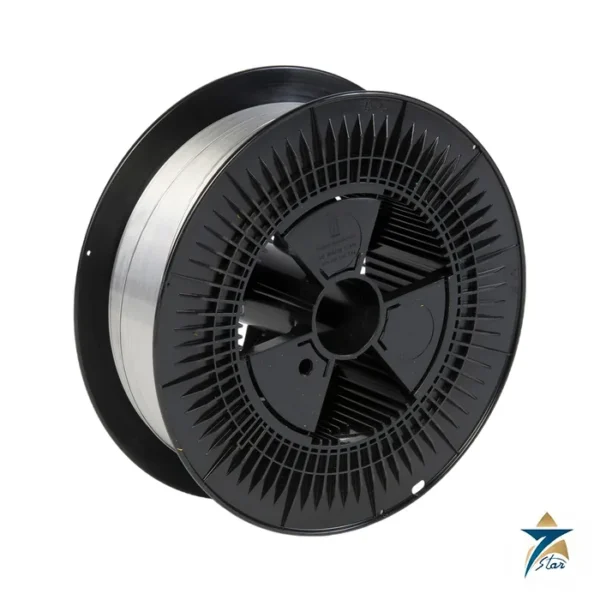
The Nippon Steel SF-1 is a rutile-type seamless flux-cored wire for gas-shielded arc welding with CO2. It is classified AWS A5.20 E71T-1C-H4 and JIS Z 3313 T49J0T1-1CA-UH5, and is intended for mild steel and 490 MPa high tensile strength steel.

Because the tube has no seam, Nippon Steel Welding & Engineering states that the diffusible hydrogen content is as low as that of solid wire, which gives the weld metal excellent crack resistance. The manufacturer describes a stable arc, little spatter, a smooth bead covered evenly by easily removable slag, low fume, a high deposition rate and all-position welding at almost the same current. Listed applications include machinery, structures, steel frames, ships, bridges, towers, chemical apparatus and rolling stock.

Technical specifications

Parameter Specification
Manufacturer / product Nippon Steel Welding & Engineering / SF-1
Process FCAW, gas-shielded, seamless rutile flux-cored wire
AWS classification A5.20 E71T-1C-H4
JIS classification Z 3313 T49J0T1-1CA-UH5
Shielding gas CO2, 20–25 L/min
Polarity DC (+)
Typical weld metal, % C 0.06, Si 0.50, Mn 1.40, P 0.015, S 0.010
Typical mechanical properties YS 520 MPa, TS 580 MPa, El. 28%, Charpy 91 J at 0 °C
Current, 1.0 mm Flat 150–260 A; V-up 150–200 A; V-down 160–220 A; overhead 150–240 A
Current, 1.2 mm Flat 180–320 A; V-up 180–260 A; V-down 200–280 A; overhead 180–260 A
Current, 1.4 mm Flat 200–410 A; V-up 180–260 A; V-down 220–300 A; overhead 180–260 A
Current, 1.6 mm Flat 220–450 A; horizontal 220–400 A; V-up 200–280 A
Contact tip to work distance 20–30 mm

Setting up the wire feeder and welding parameters

The handbook gives practical usage guidelines. Any welding machine for solid wire can be used, but the pressure of the wire feed rolls should be set a little looser. The arc voltage should be 1 or 2 volts lower than for conventional flux-cored wires and 4 or 5 volts lower than for solid wire. Keep the distance between the base metal and the contact tip within 20–30 mm, and use a gas flow of 20–25 L/min.

For one-side welding, the manufacturer recommends the SB-41 backing material. The 1.6 mm size is not listed for vertical-down or overhead welding, so choose 1.2 mm or 1.4 mm when the work includes those positions.

SF-1 is published for CO2 shielding. If your procedure uses an argon-CO2 mixture, confirm the classification and properties with the manufacturer before qualifying it. The product page lists classification society certificates from NK, ABS, LR, DNV and BV; not all sizes are certified, so ask for the certificate covering your diameter.

A note on the classification marks: the manufacturer flags the AWS A5.20 E71T-1C-H4 designation with a symbol meaning that the product meets the classification requirements, but that the classification has not been certified by a third party under the JIS Mark system or by AWS. Where a project specification requires third-party certification, use the classification society approvals instead. In the current table, the horizontal fillet range is the same as the flat range for every diameter from 1.0 to 1.6 mm, which keeps set-up simple when a joint moves between flat and fillet work.

Documents and quotation

The Nippon Steel SF-1 handbook page is attached to this page. Browse our Flux-Cored Welding Wire category for other cored wires.

For a quotation, send the diameter, spool type and weight, quantity and any approval or mill certificate requirement.

How Seamless Flux-Cored Wire Like SF-1 Differs from Seamed Wire

Flux-cored wire consists of a metal sheath filled with a powder of fluxing, slag-forming and alloying ingredients. In most cored wires the sheath is formed from strip and folded closed, leaving a seam. Moisture can enter through that seam during storage, which increases diffusible hydrogen in the weld. In seamless wire such as Nippon Steel SF-1, the tube is closed, so the core is protected from moisture pick-up, which is why the manufacturer can quote hydrogen levels comparable with solid wire.

Rutile-type cored wires, of which SF-1 is an example, produce a fast-freezing slag that supports the weld pool in vertical and overhead positions. This allows all-position welding at relatively high currents, which is a key reason E71T-1 wires are widely used in shipbuilding and structural steel.

SF-1 Storage and Handling

  • Store spools in their original packaging in a dry place, and keep opened spools protected from humidity and condensation.
  • Avoid damaging the wire surface when loading; kinks and deformation cause feeding problems.
  • Use feed rolls suited to cored wire and avoid excessive roll pressure, which can deform the tube.
  • Clean the liner regularly and use contact tips of the correct size for the wire diameter.
  • Remove slag fully between passes in multi-pass welds to avoid slag inclusions.

Procedure Qualification Notes

For work under codes such as AWS D1.1 or classification society rules, the welding procedure must be qualified with the actual consumable, shielding gas and parameters. Record the wire classification, diameter, gas, polarity, current and voltage ranges, and keep certificates for the consumable batch where the project requires them. Preheat and interpass temperatures depend on the base material and thickness and should follow the applicable code.

Typical Applications in Oman & the GCC

All-position rutile flux-cored wire for CO2 shielding is used in shipyards and ship repair, structural steel for buildings and industrial plants, storage tanks, bridges, pipe supports and steel frames, and general fabrication of mild and 490 MPa steels. Its combination of productivity and positional capability suits project fabrication where many metres of fillet and butt welds are needed.

Why Source the Nippon Steel SF-1 flux-cored wire from Seven Star LLC

Seven Star LLC supplies Nippon Steel welding equipment and spare parts to industrial, laboratory and project customers across Oman and the GCC. Our team works from the complete ordering code rather than a short description, because many manufacturers sell several closely related variants under similar names. When you request a quote, we compare the requested code with the manufacturer’s published data and, for a replacement, with the label of the installed unit, so that differences in version, accessories or scope of supply are raised before the order is placed.

Our team can help confirm the correct ordering code, list the accessories and consumables that are ordered separately, and collect the documentation your project or maintenance department needs for its records. To start, request a quote with the model, quantity, application and any site or project specification that applies.

Datasheets & Documents
  • PDF Datasheet Nippon Steel SF-1 handbook page (EN) Download
Reviews (0)

Reviews

There are no reviews yet.

How would you rate this product?

It takes about 10 seconds — just tap a star. Your email is never published.

About brand

Nippon Steel Welding & Engineering is a Japanese maker of welding consumables and equipment, part of the Nippon Steel group. Its roots go back to Toyo Welding Rod, established in 1934, and it took its current form in 2002, when Nippon Steel Welding and Sumikin Welding merged as Nippon Steel & Sumikin Welding. The company adopted its present name on 1 April 2019.

Seven Star LLC is an independent supplier in Muscat. We list Nippon Steel wires and electrodes for fabricators and contractors in Oman and the GCC.

Nippon Steel Welding & Engineering company profile

Origins Toyo Welding Rod, 1934
Merger Nippon Steel Welding and Sumikin Welding, 2002
Current name Since 1 April 2019
Group Nippon Steel Corporation
Product families L-55 low-hydrogen and NS-03Hi covered electrodes, YM-26 and YM-28 solid MIG wires, SF-1, SF-3 and SF-308L flux-cored wires, submerged arc wires and fluxes, welding equipment

Milestones

  • 1934: Toyo Welding Rod is established.
  • 1970: Nippon Steel Welding Products & Engineering is formed.
  • 2002: Merger with Sumikin Welding.
  • 2019: The company becomes Nippon Steel Welding & Engineering.

Nippon Steel Welding product series

Flux-cored wires include the SF-1 E71T-1C seamless wire, the SF-3 E71T-12C wire for low-temperature toughness and the SF-308L E308LT0-1 stainless wire. Solid wires include the YM-26 ER70S-G for CO2 shielding and the YM-28 ER70S-6 all-position wire.

Electrodes include the NS-03Hi E6013 lime-titania electrode and the L-55 E7016 low-hydrogen electrode.

Rutile flux-cored wires such as the SF-1 give smooth arc and easy slag removal in all positions, while low-temperature grades suit structures that need impact toughness. Low-hydrogen electrodes like the L-55 are used where hydrogen cracking is a risk, such as thicker sections and higher-strength steels.

Where Nippon Steel consumables are used

Structural steel, shipbuilding, tanks, pressure vessels and pipe work, and stainless steel fabrication.

Nippon Steel Welding & Engineering products we list

Family Examples
Flux-Cored Welding Wire Nippon Steel SF-1 E71T-1C Seamless Flux-…, Nippon Steel SF-3 E71T-12C Low-Temperatu…, Nippon Steel SF-308L E308LT0-1 Stainless…
Welding Electrodes Nippon Steel L-55 E7016 Low-Hydrogen Ele…, Nippon Steel NS-03Hi E6013 Lime-Titania…
Solid Welding Wire Nippon Steel YM-26 ER70S-G CO2 Solid MIG…, Nippon Steel YM-28 ER70S-6 All-Position…

Ordering Nippon Steel consumables: what we need

Send the product name and AWS classification, diameter, spool or package size, quantity and any certificate required.

Facts checked against the company's own corporate profile (weld.nipponsteel.com), October 2026.

FAQ

Questions about the Nippon Steel SF-1 E71T-1C Seamless Flux-Cored Wire

Answers from our engineering team on installation, compatibility and integration.

01What is the AWS classification of Nippon Steel SF-1?
SF-1 is classified AWS A5.20 E71T-1C-H4 and JIS Z 3313 T49J0T1-1CA-UH5.
02Which shielding gas is SF-1 designed for?
SF-1 is designed for 100% CO2 at a flow rate of 20–25 L/min.
03Why is a seamless flux-cored wire useful?
With no seam, the manufacturer states that diffusible hydrogen is as low as that of solid wire, which improves crack resistance.
04Can SF-1 be used in all positions?
Yes, in 1.0–1.4 mm. The 1.6 mm size is not listed for vertical-down or overhead welding.
05Which diameters are listed?
The handbook lists 1.0, 1.2, 1.4 and 1.6 mm.