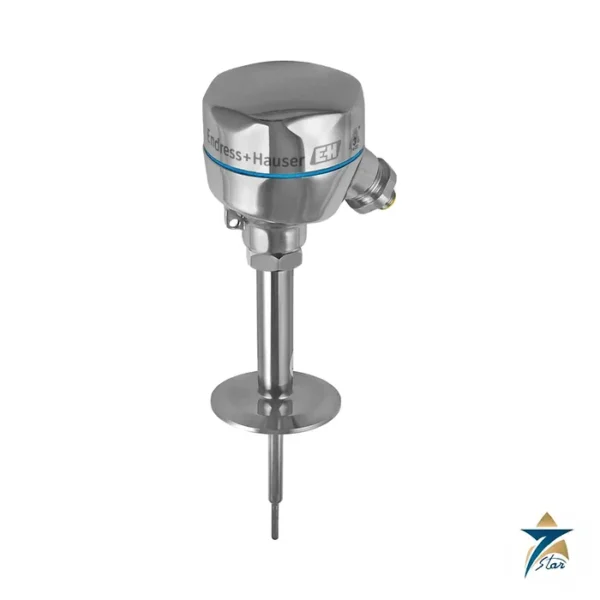
Endress+Hauser TM371 iTHERM TrustSens self-calibrating thermometer
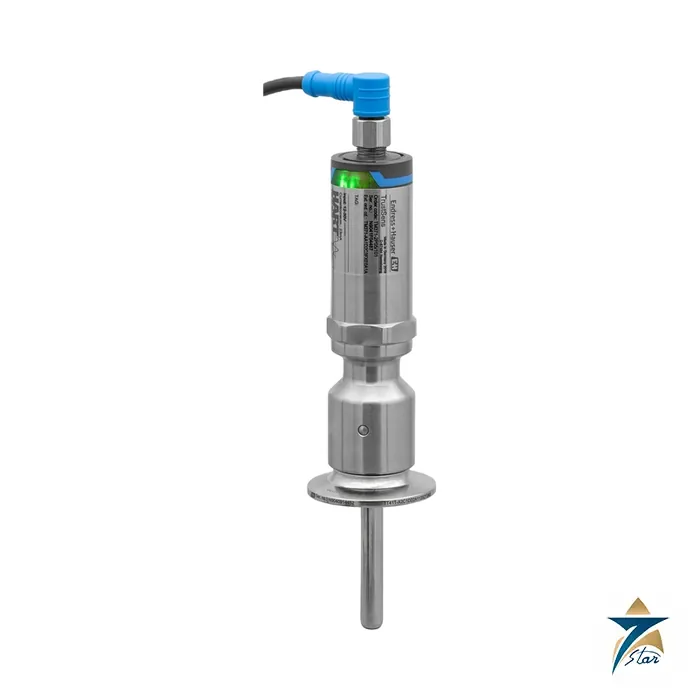
The Endress+Hauser TM371 is the iTHERM TrustSens compact thermometer, an RTD that calibrates itself in the process. A built-in reference element reaches its Curie temperature of 118 °C during a steam-sterilisation cycle, and the thermometer compares the known value with the measured Pt100 value to confirm the sensor is still accurate. The result is a documented drift check without removing the thermometer or interrupting production. The TM371 is meant for hygienic and aseptic processes in life sciences and food and beverage. Seven Star LLC supplies the TM371 in Oman and the GCC as an independent supplier in Muscat.
TM371 technical specifications
| Parameter |
Specification |
| Manufacturer / part number |
Endress+Hauser / iTHERM TrustSens TM371 |
| Sensor |
Pt100 with built-in reference element |
| Temperature range |
−40 to +160 °C; optional up to 190 °C |
| Calibration point |
118 °C reference (Curie point) |
| Response time |
t50 2.5 s; t90 5.4 s |
| Static pressure |
40 bar at 20 °C |
| Tube diameter |
6.0, 9.0, 12.7 mm |
| Immersion length |
Up to 900 mm on request |
| Material |
1.4435 316L, delta ferrite below 1 % |
| Connection |
M12, 4-pin plug; IP65/67, optional IP69 |
| Hygienic approvals |
EHEDG, ASME BPE, FDA, 3-A, EC 1935/2004 |
How TrustSens self-calibration works
The TM371 contains a ferromagnetic reference. When the process temperature rises through the Curie point, the electrical behaviour of the reference changes in a way that is known to a very high precision, so the instrument can compare the true value with what the Pt100 reports and calculate a deviation. The datasheet notes that the self-calibration is valid only when the process passes the reference point at the required conditions, and that results are documented by Heartbeat Technology and an automated loop check, giving audit-proof reports.
TM371 data
Pt100 range is −40 to +160 °C, with an option to 190 °C, and the automated calibration point is at 118 °C. The response time is t50 2.5 s and t90 5.4 s. Maximum static pressure is 40 bar at 20 °C. Outer diameters are 6.0, 9.0 or 12.7 mm, immersion lengths up to 900 mm on request, and the material is 1.4435 316L with delta ferrite below 1 %. Electrical connection is an M12 4-pin plug with a maximum tightening torque of 0.4 Nm; ingress protection is IP65/67 as standard with IP69 optional. The measurement uses individual sensor-transmitter matching for the highest accuracy.
Process connections for the TM371
The list includes compression fitting, weld-in adapter, clamp connections per ISO 2852, DIN 11851 and DIN 11864-1 pipe unions, metallic sealing system, ISO 228 thread for Liquiphant adapter, APV Inline, Varivent, Ingold, SMS 1147, Neumo BioControl and TT411 elbow thermowell DIN 11865. The probe is exchangeless: it has no replaceable insert, so the whole unit is a compact element.
Approvals and hygienic compliance
The document lists hygienic and food compliance (EHEDG, ASME BPE, FDA, 3-A, EC 1935/2004) and device approvals including CE/EAC, CRN and CSA, with explosion protection ATEX/IECEx on the relevant order codes. Check the order code before assuming Ex or a specific certificate.
Installing and putting the TM371 into service
Choose the immersion depth following the EHEDG rule (Lt less than or equal to the difference between pipe and probe diameter) or the 3-A rule given in the document. Do not over-tighten the M12 plug. For the self-calibration to be valid the process must pass the reference point; define steam-in-place or a hot-water cycle that reaches 118 °C and verify the result in the first cycle.
TM371 applications in Oman and the GCC
Pharmaceutical and biotech plants, dairy pasteurisers, beverage sterilisers and cosmetic mixers are the natural fit, because validation requirements make calibration downtime costly. For the usual 0 to 160 °C hygienic ranges in the Gulf, the TM371 lowers recalibration visits to remote plants.
TM371 versus other hygienic thermometers
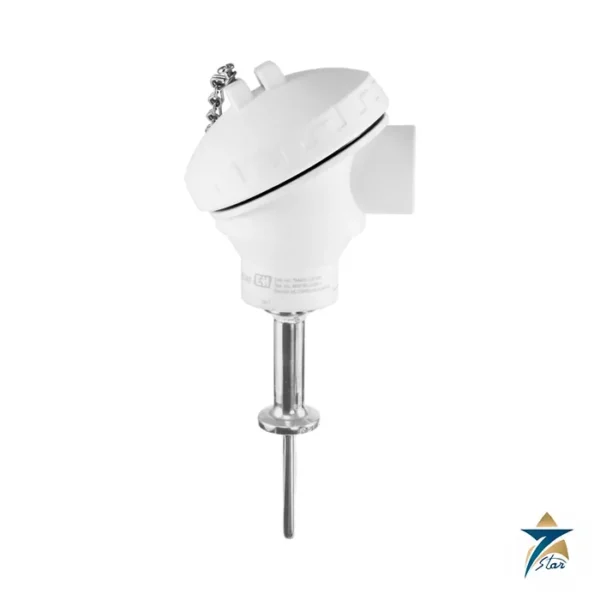
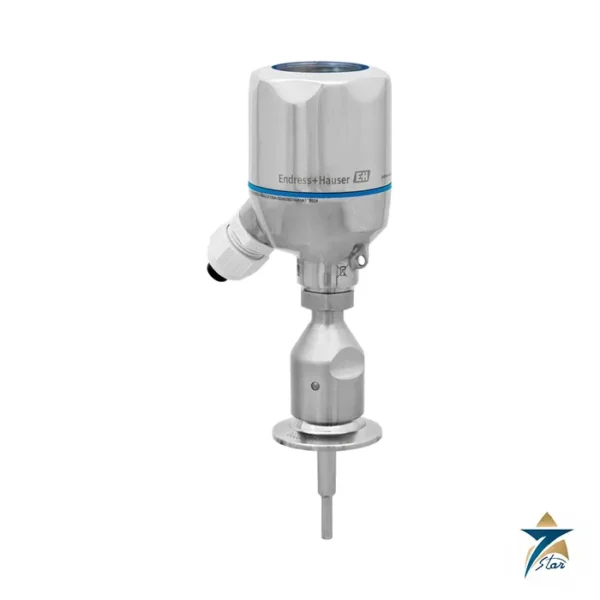
The TM371 is compact and not modular; for modular heads and replaceable inserts, compare the TM402, TM411 and TM412. For simple temperature monitoring with no self-calibration, the TMR31 is cheaper. Choose the TM371 when documented in-situ calibration is worth the investment.
Information to send with a TM371 RFQ
- Temperature range and whether 190 °C is needed
- Immersion length and tube diameter
- Process connection
- Cycle reaching 118 °C available for self-calibration
- Output and cable
- Certificates and quantity
Maintenance, reporting and spares for the TM371
The point of the TM371 is a smaller maintenance routine, but it does not remove it. Read the self-calibration report after each qualifying cycle, keep it with the batch or cleaning records, and set an alarm for a failed or missing calibration so someone looks before the next batch. If the deviation limit is exceeded, schedule replacement of the compact probe, because it has no exchangeable insert.
Spares are therefore complete probes with the same immersion length, tube diameter and process connection, and a spare M12 cable with the correct pin assignment. Protect the M12 plug from over-tightening and from high-pressure spray directed at the connector when the IP69 option is not fitted.
Why self-calibration matters in validated processes
In regulated plants every temperature sensor that supports a critical step is on a calibration schedule, and each calibration means a shutdown, a tag change and a record. Automating the check cuts the number of manual interventions and gives a continuous history of drift instead of one value per year.
Documents and quotation
A copy of the manufacturer technical information for the TM371 is attached on this page so you can check ranges, connections and ordering codes against your specification.
Send the full order code or the process data (fluid, temperature, pressure, line size or tank data, output and approvals) and Seven Star LLC will prepare a quotation and confirm lead time. We are an independent supplier in Muscat and do not represent the manufacturer.
Other Models in the Eh Itherm Hyg Range
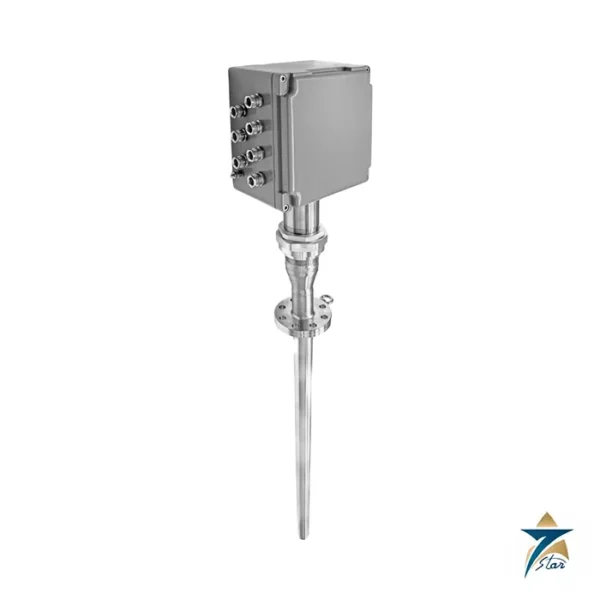
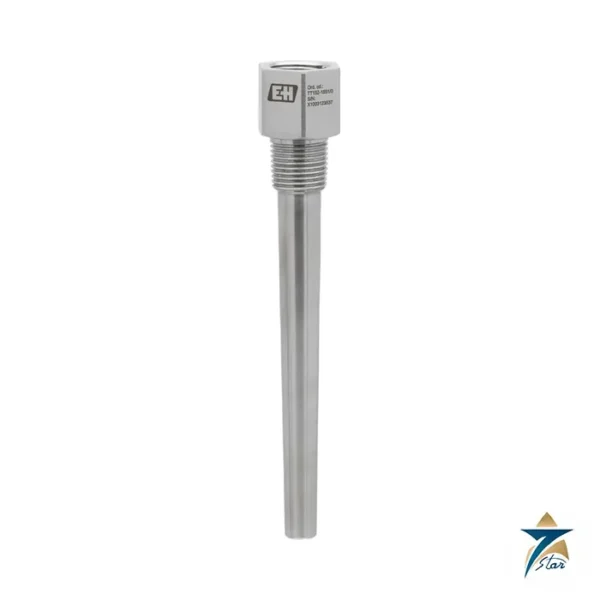
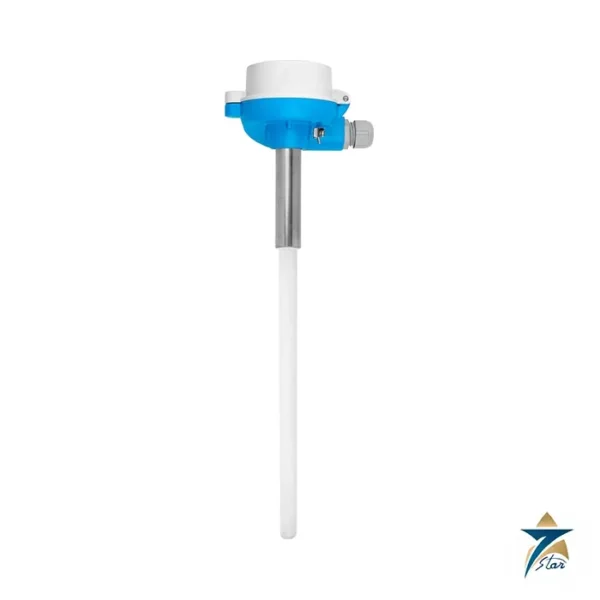
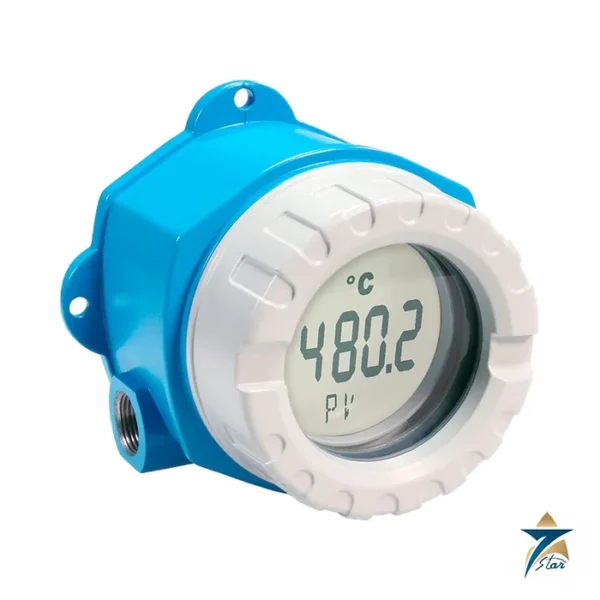
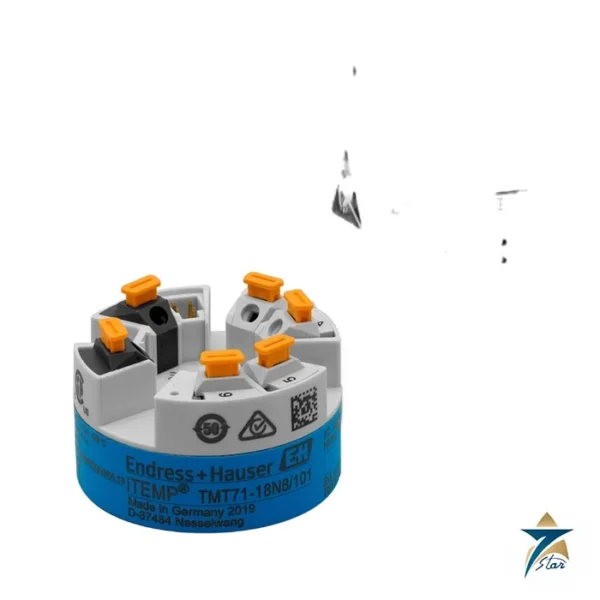
Seven Star LLC supplies models from the Eh Itherm Hyg range in Oman and the GCC. Compare the related models below and request a quote for the one that matches your application.



















Reviews
There are no reviews yet.