- Automation & ControlView all 2,895 products
- Automation Accessories
- AC Drives
- PLC & I/O Cards
- Industrial Communications
- Vibration Monitoring
- Controllers & Data Acquisition
- Isolator & Barrier
- Safety Switches & Guard Locking
- Motor Soft Starters
- CCTV & Security
- Encoders
- Pneumatic Cylinders
- HMI Displays
- Servo Drives
- Industrial Computers
- Machine Vision
- Automation Software
- Robotics
Brand: Endress+Hauser (E & H)
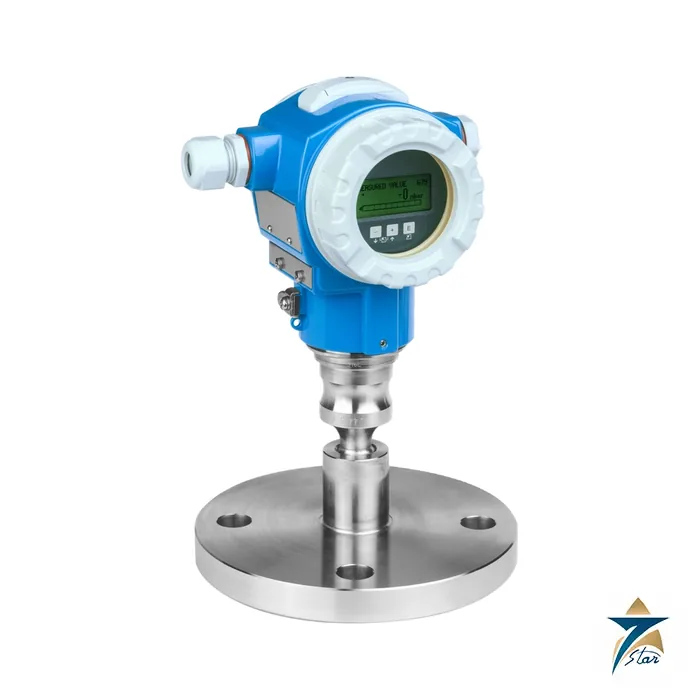
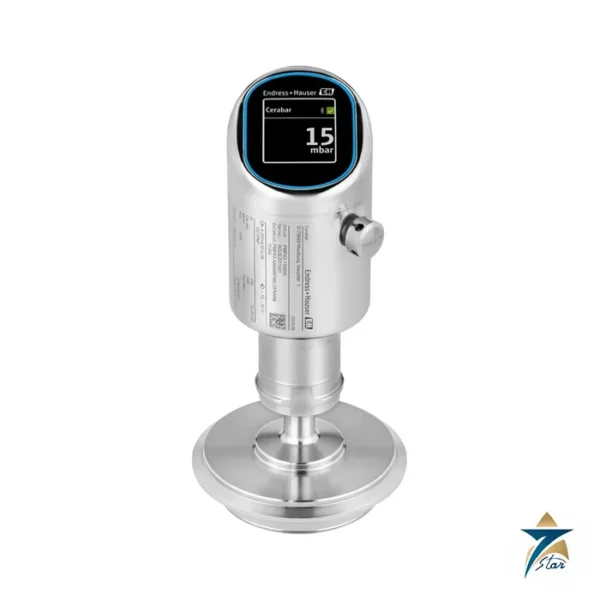
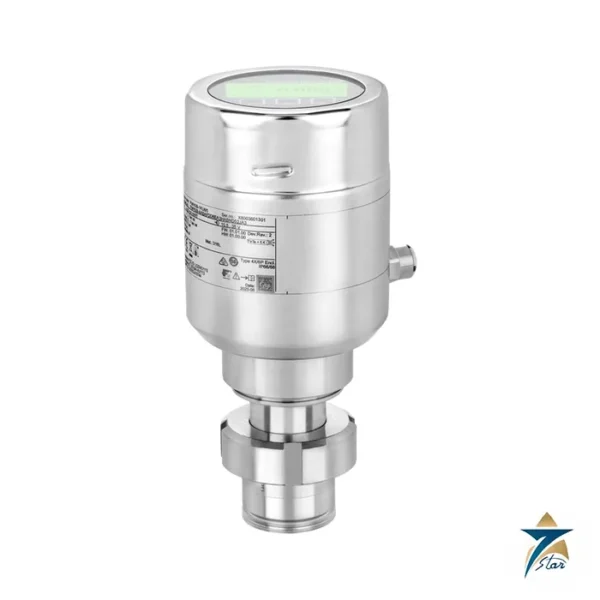
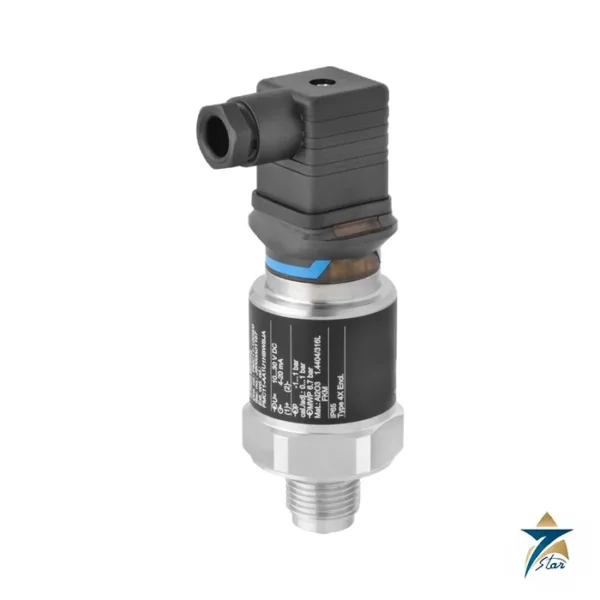
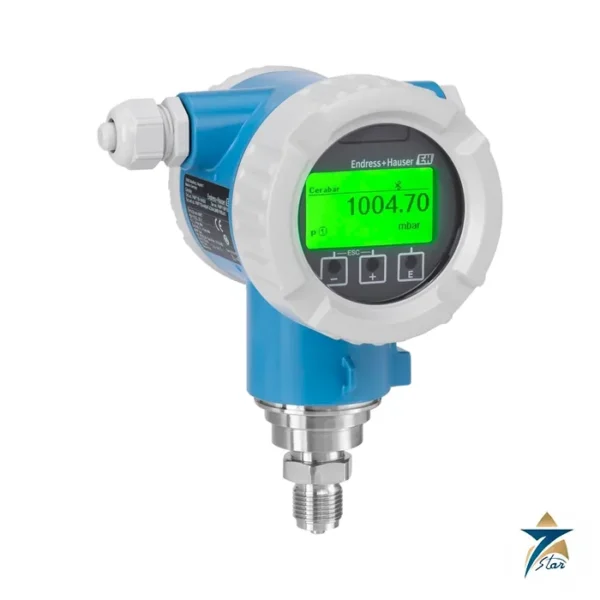
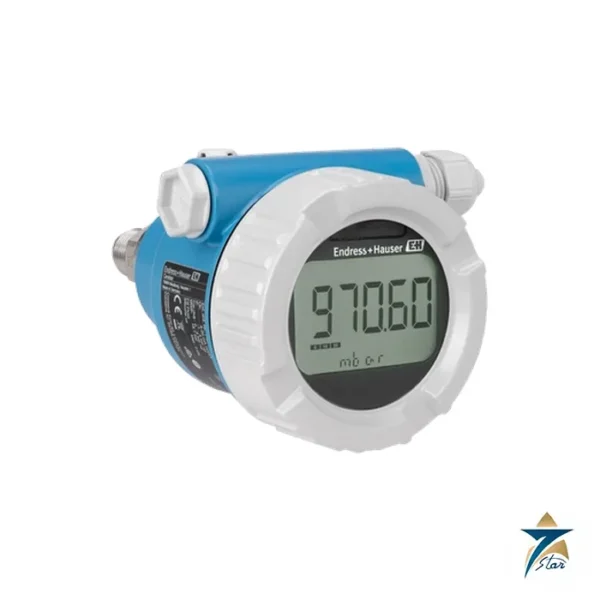
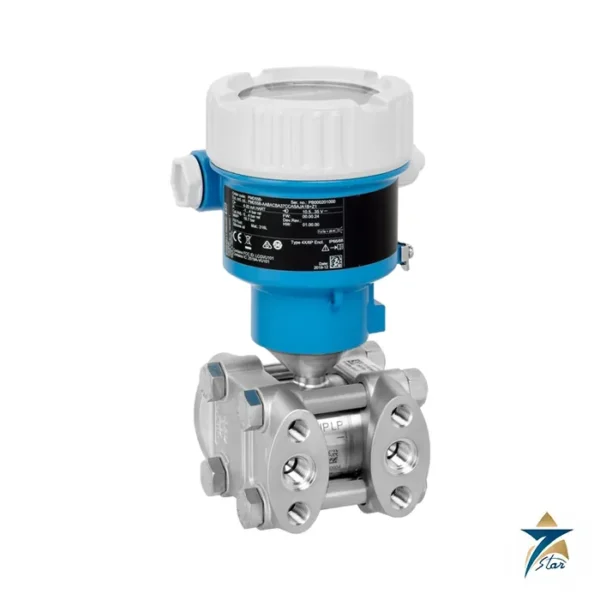
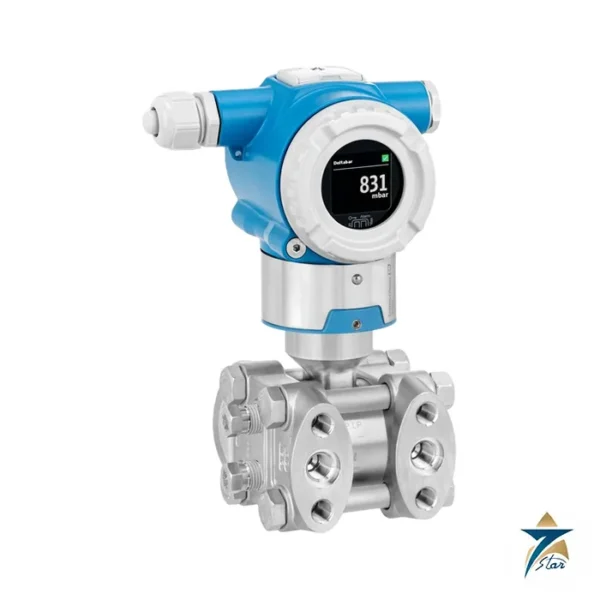
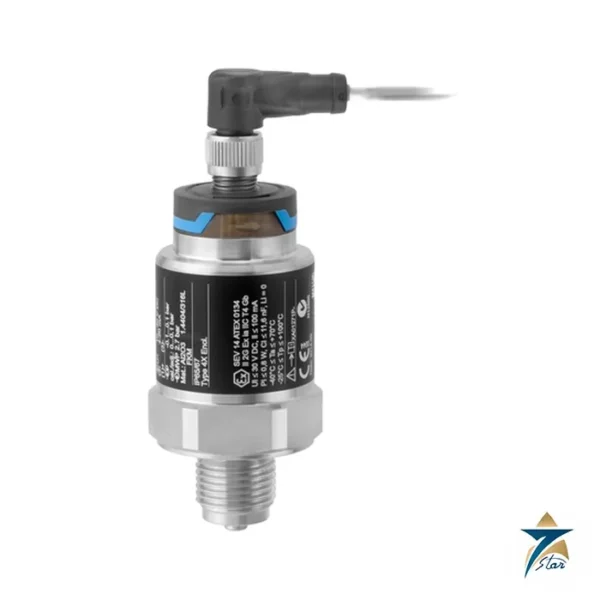
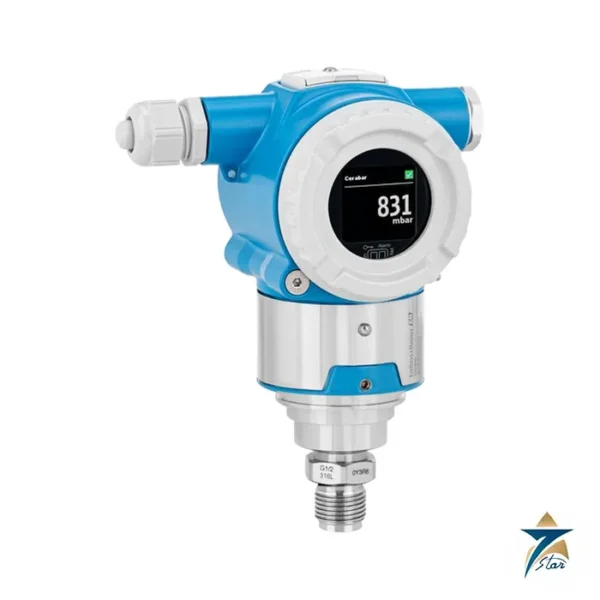
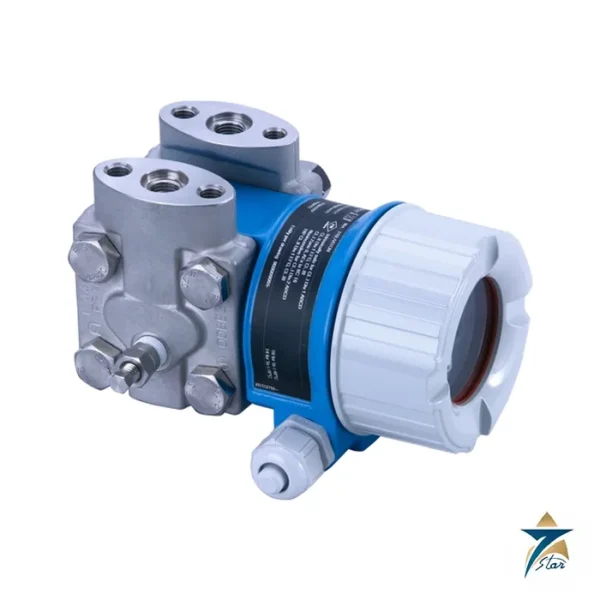
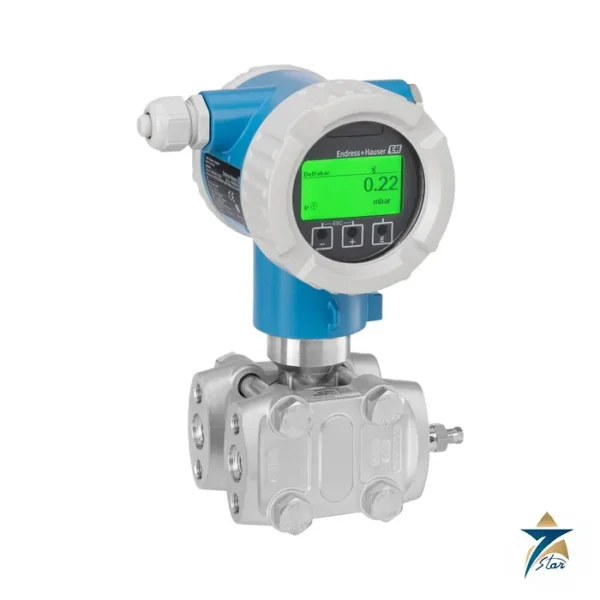
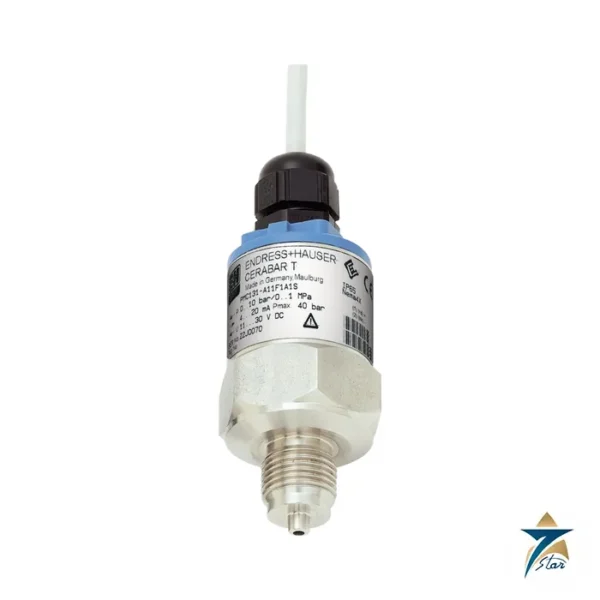
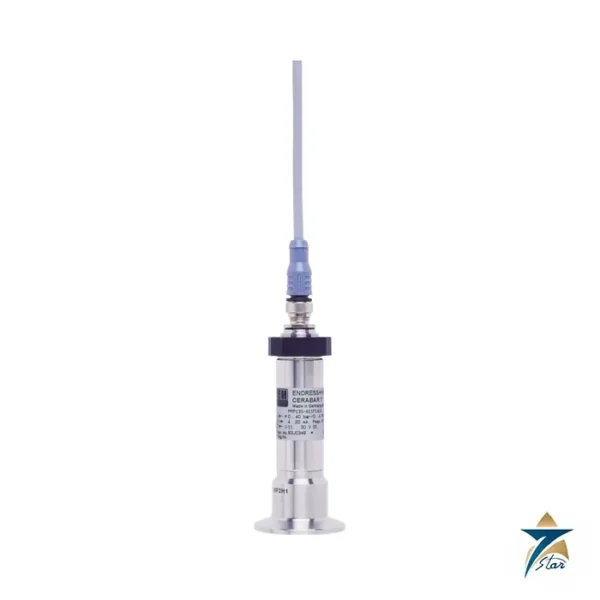
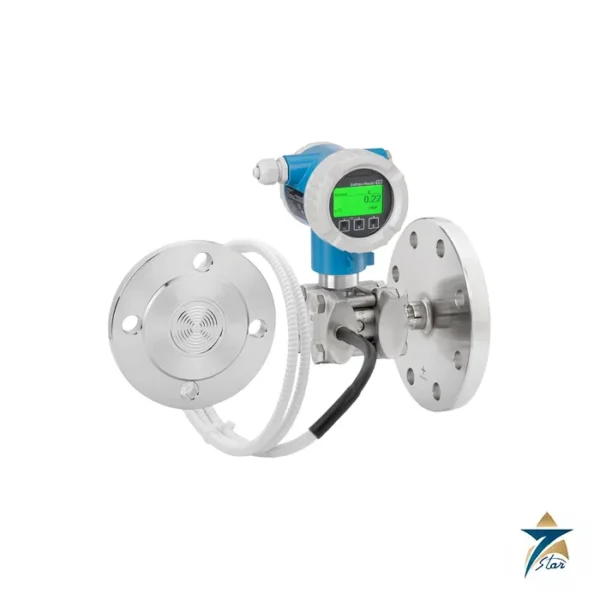
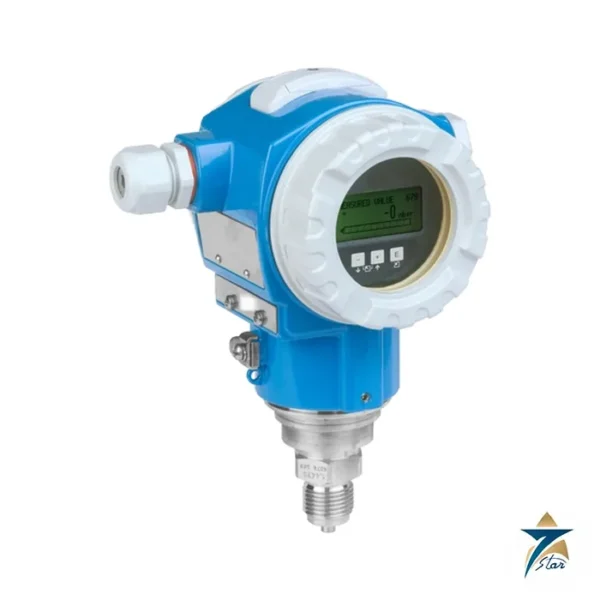
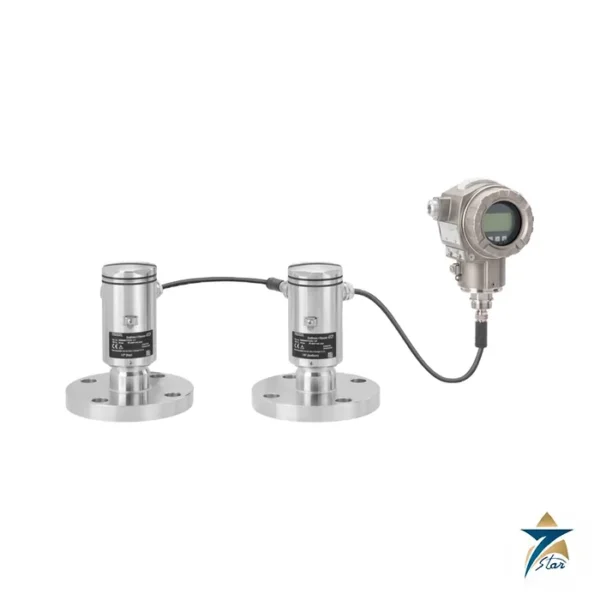
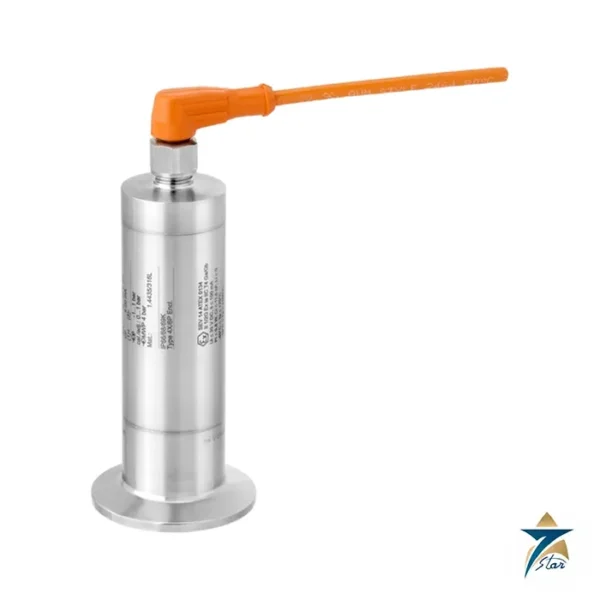
Endress+Hauser PMP75 Cerabar S Diaphragm Seal Transmitter
Description
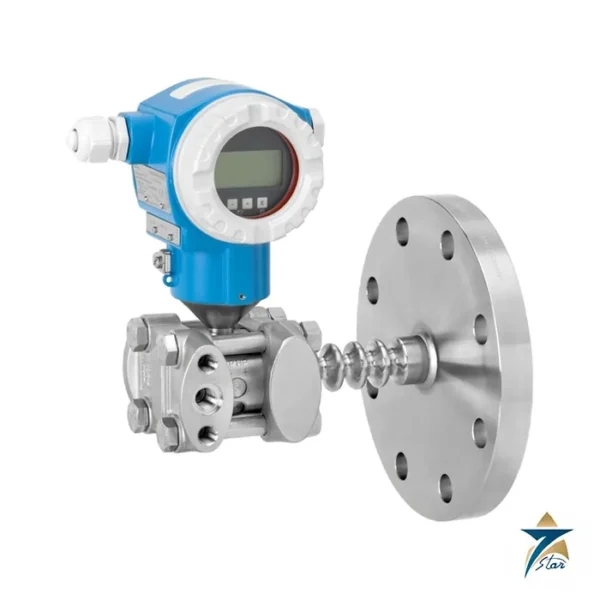
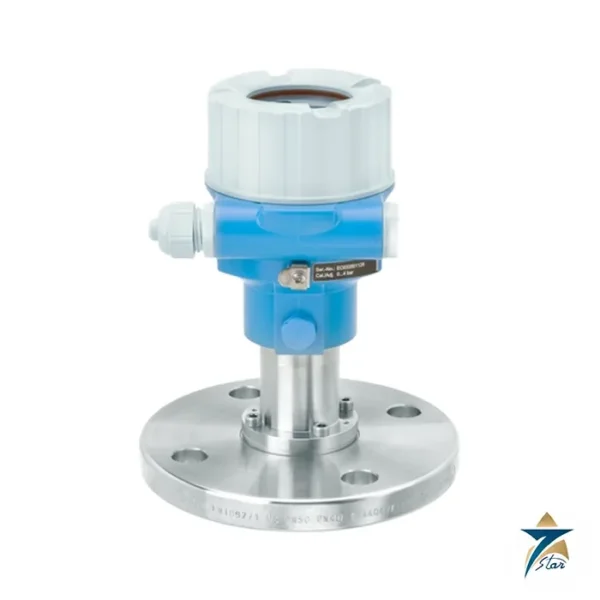
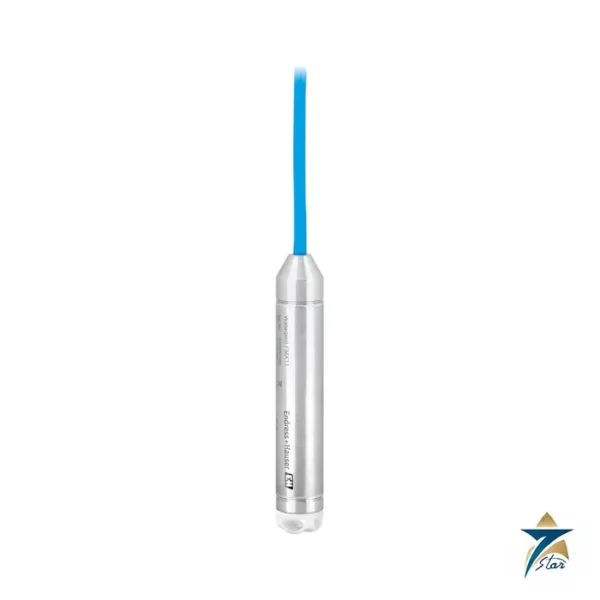
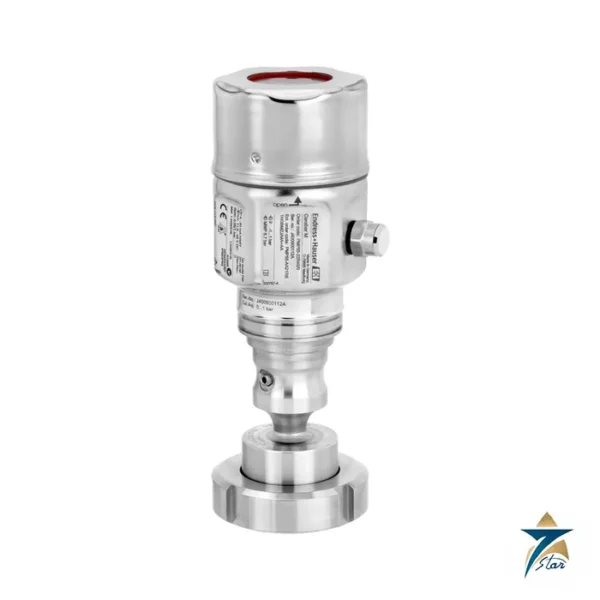
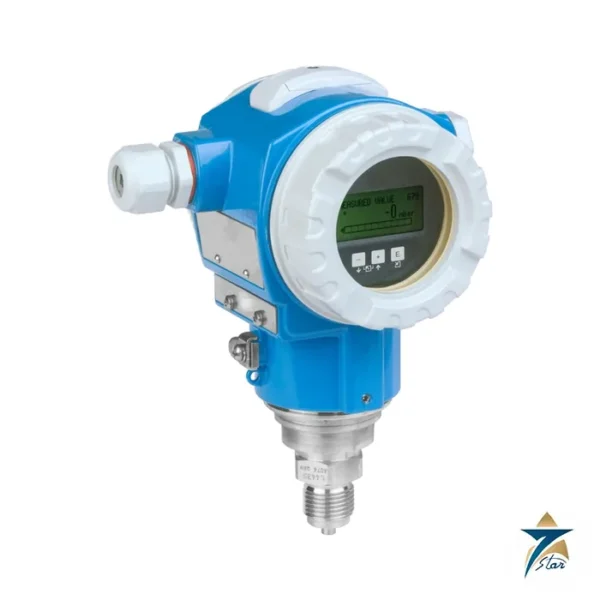
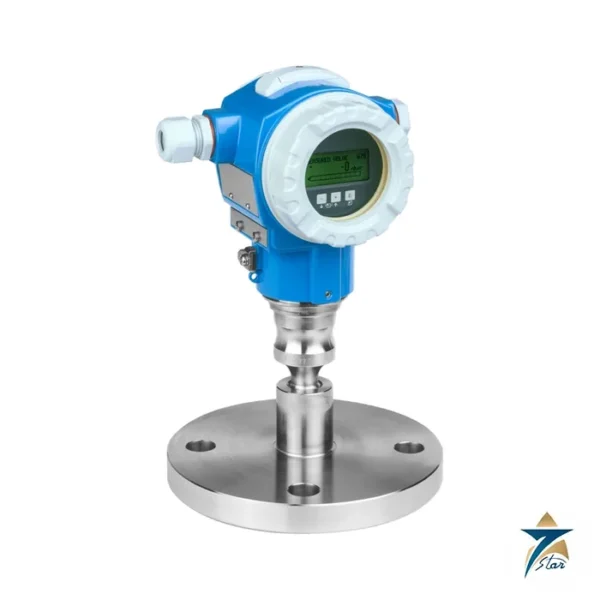
Endress+Hauser PMP75 Cerabar S with diaphragm seal
The Endress+Hauser PMP75 is the diaphragm-seal model of the Cerabar S range, covered together with the PMC71 and PMP71 in Technical Information TI00383P (issue 36.24). A diaphragm seal, mostly connected by a capillary and filled with silicone oil, isolates the transmitter cell from the process. According to the datasheet this allows high process temperatures, up to 150 degrees Celsius without a seal and up to 400 degrees Celsius with typical diaphragm seals, and pressures up to 700 bar on the basic measuring cells.
Measuring tasks include absolute and gauge pressure in gases, steam and liquids, and level, volume or mass in liquids. The device is used for process pressure monitoring up to SIL 3, with reference accuracy up to 0.025 percent and a turn down of up to 100 to 1.
PMP75 advantages
- Very good reproducibility and long-term stability, with 0.05 percent in the first year on gauge cells.
- Function monitoring from the measuring cell to the electronics.
- HistoROM/M-DAT memory for fast and simple electronics replacement.
- Tantalum membrane seal, PTFE-coated membrane and hygienic T17 housing options.
- Low-energy 1 to 5 V DC version for solar-powered remote terminal units.
- Flush hygienic and flanged process connections, with sealing materials such as FKM and EPDM (FDA 21 CFR 177.2600).
PMP75 specifications
| Parameter | Value |
|---|---|
| Output options | 4 to 20 mA HART; 1 to 5 V DC; PROFIBUS PA; FOUNDATION Fieldbus |
| Supply, HART | 11.5 to 45 V DC (10.5 to 45 V DC without test jumper); Ex i 11.5 to 30 V DC |
| Process temperature with diaphragm seal | minus 70 to plus 400 degrees Celsius, depending on seal and fill fluid |
| Tantalum seal membrane | minus 70 to plus 300 degrees Celsius |
| Without diaphragm seal | up to 150 degrees Celsius |
| Gauge cells | 400 mbar, 1, 2, 4, 10, 40, 100, 400 bar; 700 bar listed for the PMP71, on request for the PMP75 |
| Minimum upper range value, absolute | 80 mbar absolute for the PMP75 |
| Smallest span, 400 mbar cell | 5 mbar (0.075 psi) |
| Reference accuracy, 100 mbar cell | standard 0.075 percent to turn down 10 to 1; Platinum 0.05 percent at 1 to 1 |
| Long-term stability, gauge cells | 0.05 percent 1 year; 0.08 percent 5 years; 0.10 percent 10 years |
| Response time | HART 330 ms acyclic minimum; PA 10 to 13 ms cyclic; Fieldbus about 100 ms acyclic |
| Remote housing cable lengths | PE 2, 5 or 10 m; FEP 5 m |
| Ingress protection of sensor with FEP cable | IP 69 and IP 68 (1.83 m water column for 24 hours) |
How PMP75 differs from PMC71 and PMP71
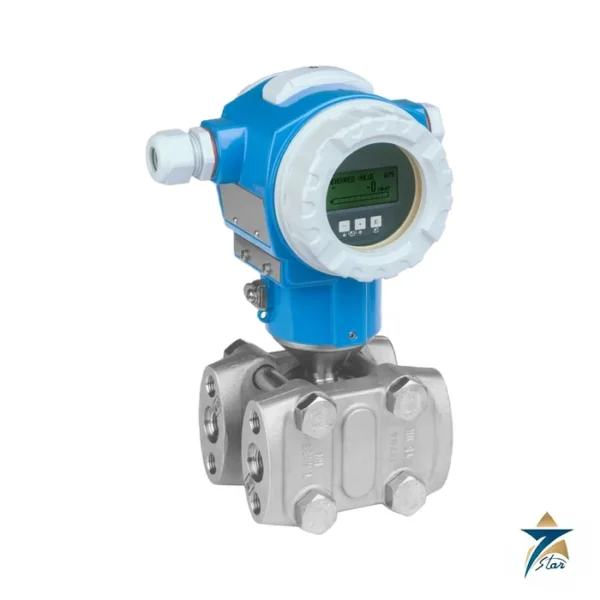
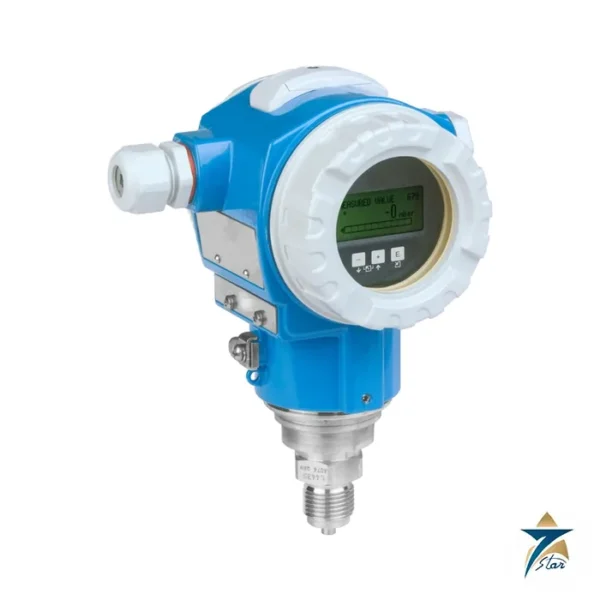
The three devices share one datasheet and one electronics platform. The PMC71 has a ceramic cell for ranges up to 40 bar. The PMP71 has a metallic membrane directly on the process connection, up to 700 bar and 150 degrees Celsius. The PMP75 adds the diaphragm seal and capillary, so the transmitter can sit away from a hot, viscous or aggressive medium and the process temperature rises to 400 degrees Celsius. The minimum upper range value on absolute cells is 80 mbar absolute for the PMP75, and the datasheet recommends a ceramic membrane for limit-range vacuum applications.
Applications of PMP75 in Oman and the GCC
The PMP75 is common on hot hydrocarbon lines, fouling or crystallising media, polymer and bitumen lines, steam and heat-transfer oil circuits, and sanitary lines with flush hygienic connections. In Oman it is used on furnace and heater circuits and on sulphur and asphalt lines where impulse lines would freeze or plug.
Fitting the PMP75
Plan the transmitter position and capillary route first: the fill fluid creates a hydrostatic offset that is cancelled by zero adjustment, and the capillary armour (316L or PTFE) is rated without restriction, while PVC armour has a temperature diagram. Mount the housing on the bracket supplied, use the remote sensor adapter where heat or vibration is heavy, and keep capillaries clamped and unkinked.
Choosing the PMP75 seal and fill fluid
The seal defines what the PMP75 can do. Flush hygienic connections suit food and pharmaceutical lines, flanged seals with extended diaphragms suit vessels with heavy wall build-up, and the PTFE-coated membrane protects against abrasive media. Fill fluid is silicone oil by default; the datasheet reminds you to check the fill-fluid pressure and temperature limits, especially for vacuum duty, where permitted temperatures fall. On vacuum applications the maximum permitted temperature with a PTFE-coated membrane is 150 degrees Celsius at absolute pressures from 1 bar down to 0.05 bar. Because capillary length, ambient temperature difference and fill-fluid volume all add to the temperature effect on zero, a shorter capillary always gives better accuracy. Also remember that the fill fluid column has a weight, so the transmitter should be mounted at or below the lower seal when possible, and the zero must be trimmed with the final installation in place rather than on the bench. When ordering spare electronics, quote the serial number so that the HistoROM data can be matched. Decide whether you need the T14 aluminium or stainless housing for outdoor use, or the T17 hygienic housing for washdown, and say so in the RFQ.
Servicing the PMP75
A diaphragm-seal system should never be opened. Check seal faces for deposits at shutdowns, verify zero after temperature swings and keep spare electronics with HistoROM so that the replacement inherits the settings automatically.
Documents and quotation
The Technical Information TI00383P for PMP75 is attached as the datasheet. Seven Star LLC is an independent supplier serving Oman and the GCC and is not affiliated with the manufacturer. Please state PMP75, seal and capillary details, quantity and approvals in your RFQ.
Selection Notes for the Endress+Hauser PMP75
When comparing the Endress+Hauser PMP75 with alternatives, start from the duty it must perform: the measured or controlled variable, the range and accuracy you need, the environment at the mounting point and the interface to your control system. Check the electrical and mechanical connections against the installed equipment, and confirm any hazardous-area or ingress-protection requirements for the location. If any point is unclear, send a photo of the nameplate and a short description of the application, and we will compare it with the Endress+Hauser (E & H) pressure transmitters range and confirm the correct order code before you commit.
Datasheets & Documents
- Datasheet Endress+Hauser PMP75 Cerabar S Diaphragm Seal Transmitter Datasheet Download
Reviews (0)
How would you rate this product? Cancel reply
About brand
Endress+Hauser makes process measurement instruments for flow, level, pressure, temperature and liquid analysis. Georg H. Endress and Ludwig Hauser started the business in Lörrach, Germany, on 1 February 1953, first selling level meters, and the Endress+Hauser name has been used since 1957. The group is headquartered in Reinach, Switzerland, and has been wholly owned by the Endress family since 1975.
Seven Star LLC is an independent supplier listing Endress+Hauser flowmeters, level and pressure transmitters, temperature assemblies and liquid analysis products for buyers in Oman and the GCC. Instruments are matched from the full order code on the nameplate.
Endress+Hauser company profile
| Origin | Founded in Lörrach, Germany, on 1 February 1953 by the Swiss engineer Georg H. Endress and Ludwig Hauser |
|---|---|
| Headquarters | Endress+Hauser AG, Reinach (Basel-Landschaft), Switzerland |
| Ownership | Family owned; the Endress family has been the sole shareholder since 1975, and a family charter commits the company to stay family owned |
| Size | About 16,500 employees and sales of about EUR 3.7 billion (2023, as reported by the company) |
| Product families | Proline flowmeters, Micropilot and Levelflex radar, Liquiphant switches, Cerabar and Deltabar pressure, iTEMP and iTHERM temperature, Liquiline and Memosens liquid analysis |
Milestones
- 1953: Georg H. Endress and Ludwig Hauser start the business in Lörrach on 1 February, first selling level meters.
- 1957: The Endress+Hauser name comes into use.
- 1975: The Endress family becomes sole shareholder.
- 2023: About 16,500 employees and sales of about EUR 3.7 billion, as reported by the company.
Endress+Hauser product lines
| Line | Measuring principle | Typical use |
|---|---|---|
| Promass F 300, Promass 80F, 83F/84F | Coriolis mass flow | Direct mass flow and density of liquids and gases, hydrocarbon transfer and chemical dosing |
| Promag P 300, P 500, H 300, W 400, W 10, 50P | Electromagnetic flow | Water, wastewater, slurries and other conductive liquids |
| Prowirl F 200, 72F | Vortex flow | Steam, gas and low-viscosity liquids |
| Prosonic Flow 92F, t-mass 65F | Ultrasonic and thermal mass flow | Water lines; compressed air and industrial gases |
| Micropilot FMR62, FMR67, FMR60, FMR10B, FMR20, FMR50, FMR52 | Free-space radar level, 80 GHz and 26 GHz | Tanks, process vessels, silos and open water channels |
| Levelflex FMP51, FMP50, FMP54, FMP55 | Guided wave radar level | Level and interface in vessels, separators and bypass chambers |
| Liquiphant FTL51, Prosonic S FMU90 | Vibronic point level; ultrasonic level | High and low level alarms, pump protection, open channel flow |
| Cerabar PMC71B, PMP51B, PMP71, Deltabar PMD78B, PMD75 | Pressure and differential pressure | Process pressure, hydrostatic level and DP flow |
| iTEMP TMT82, TMT162, iTHERM TM101, TR66, TR10 | Temperature transmitters and thermometers | RTD and thermocouple points with thermowells |
| Liquiline CM444, CM442, Memosens CPS11E, Stamolys reagents | Liquid analysis | pH, ORP, conductivity, dissolved oxygen and nutrient analysis in water treatment and process |
Where Endress+Hauser instruments are used
In Oman and the GCC, Endress+Hauser instruments are common in oil and gas production and processing, refineries and petrochemicals, desalination and water networks, wastewater treatment, power plants and food and beverage plants. Coriolis meters measure hydrocarbon and chemical flows, electromagnetic meters cover water and wastewater, radar transmitters handle tank and silo level, and Liquiline analysers monitor water quality. Proline 300 and 500 flowmeters include Heartbeat Technology for in-situ verification, which reduces the need to remove a meter for checks.
Ordering Endress+Hauser instruments: what we need
The order code on the nameplate (for example PMP71-1QA1S11RDADU) defines every option: measuring range, process connection, materials, output, approvals and display. Send it with the serial number; Endress+Hauser can retrieve the original configuration from the serial number. For a new instrument add the medium, operating and design pressure and temperature, range, line size or tank geometry, process connection, wetted materials, output or protocol (4-20 mA HART, PROFIBUS, FOUNDATION Fieldbus, Modbus) and the hazardous-area approval required. Older models such as Promass 80/83 or Micropilot M are replaced by current Proline or 80 GHz Micropilot devices.
Facts checked against Endress+Hauser company history and product information, October 2026.
Browse Endress+Hauser products by category: Flowmeters, Level Transmitter, Pressure Instrumentation, Temperature, Liquid Analysis Sensors, Liquid Analytical Systems.
FAQ
Questions about the Endress+Hauser PMP75 Cerabar S Diaphragm Seal
Answers from our engineering team on installation, compatibility and integration.
01What temperatures can the PMP75 handle?
With a diaphragm seal the process temperature runs from minus 70 to plus 400 degrees Celsius depending on seal and fill fluid, and a tantalum membrane seal covers minus 70 to plus 300 degrees Celsius.
02Which outputs does the PMP75 offer?
4 to 20 mA with HART, 1 to 5 V DC three-wire, PROFIBUS PA (profile 3.0) and FOUNDATION Fieldbus, all listed in the shared Cerabar S datasheet.
03Is the PMP75 safety rated?
It is certified for process pressure monitoring up to SIL 3 to IEC 61508 by TUEV SUED, with function monitoring from the measuring cell to the electronics.
04What housings does the PMP75 use?
The T14 aluminium or stainless housing and the T17 hygienic housing, each with optional display on the side, and HistoROM/M-DAT for easy electronics replacement.
05How do I order a PMP75?
Send an RFQ with PMP75, the cell range, diaphragm seal type and size, fill fluid, capillary length, protocol and approvals, plus the quantity.


Reviews
There are no reviews yet.