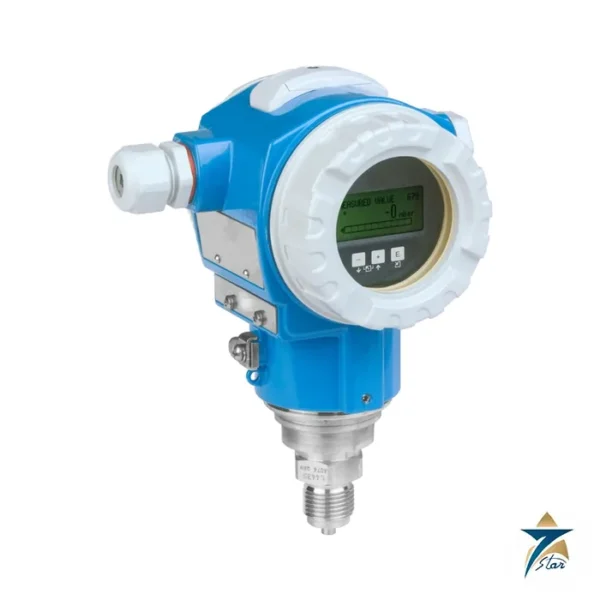
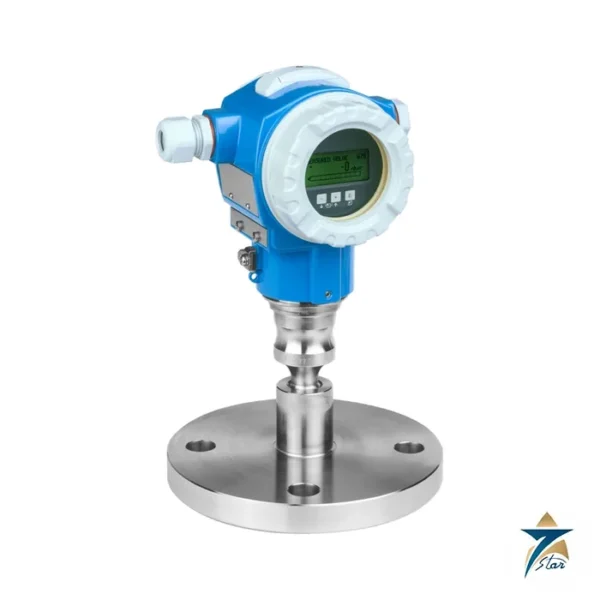
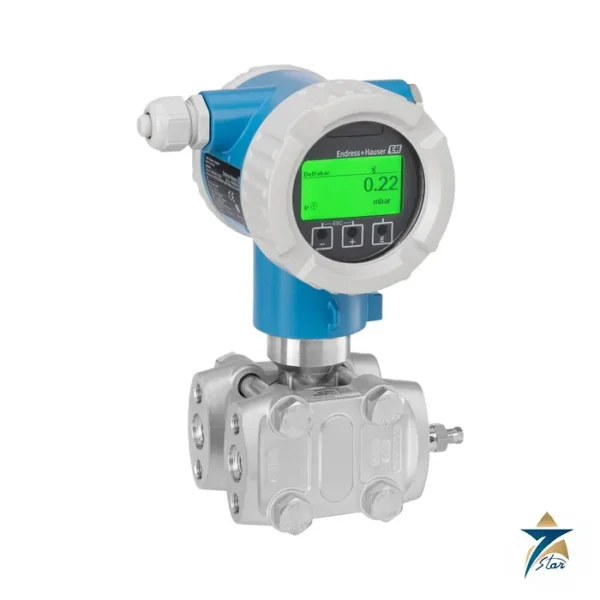
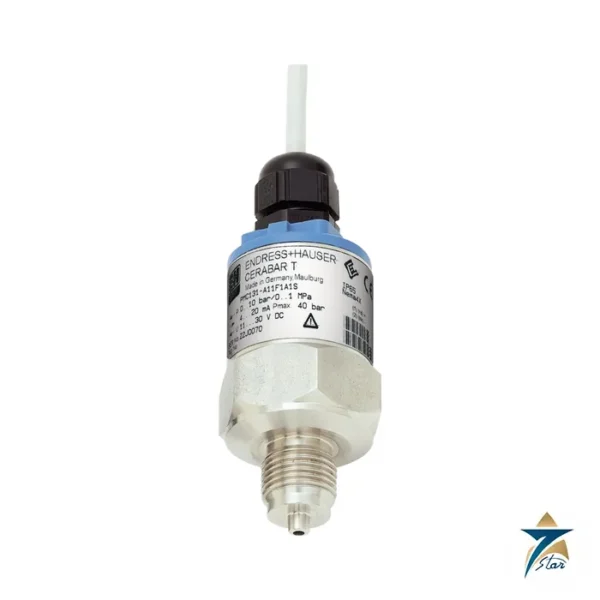
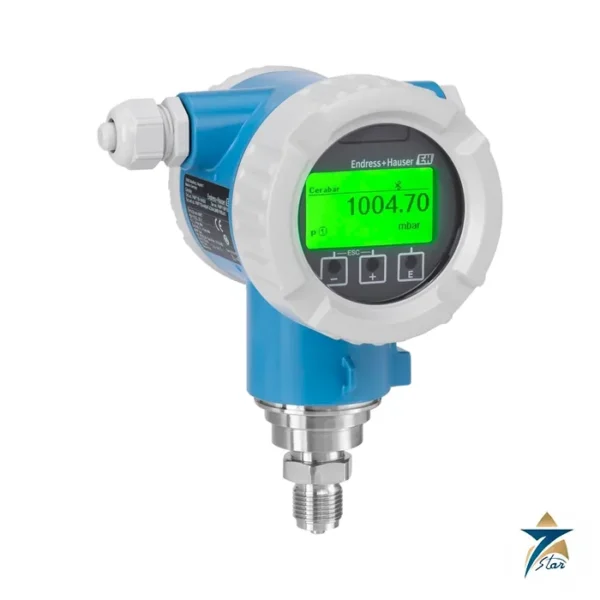
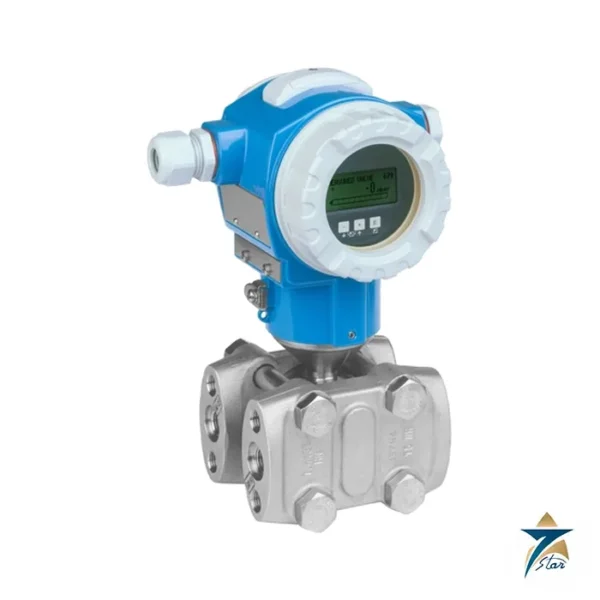
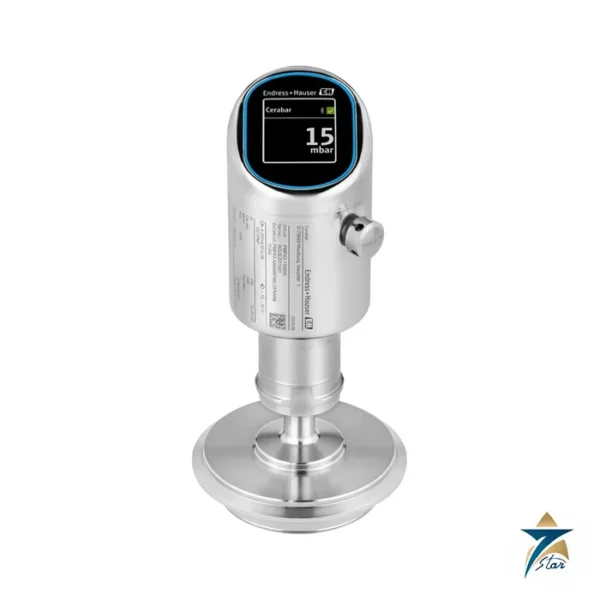
Endress+Hauser PMC51 Cerabar M Pressure Transmitter, Ceramic

Description

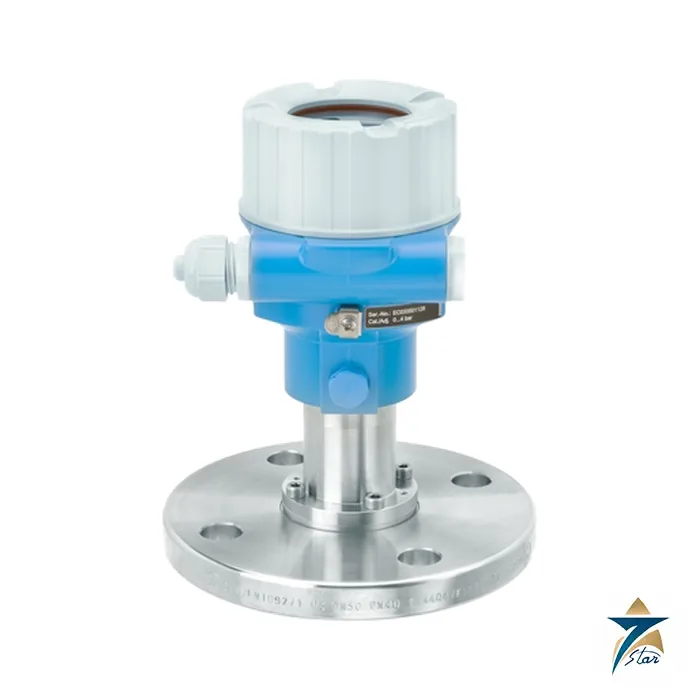
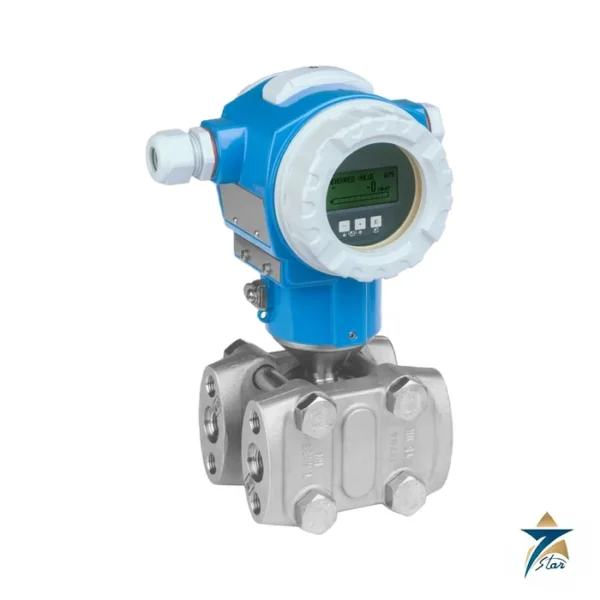
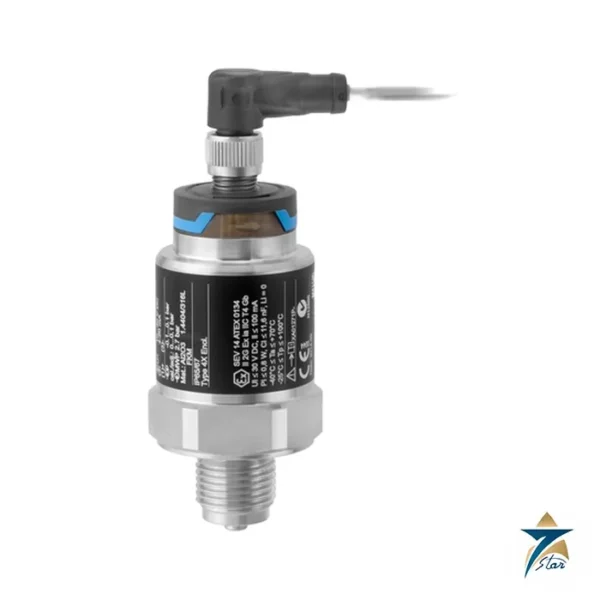
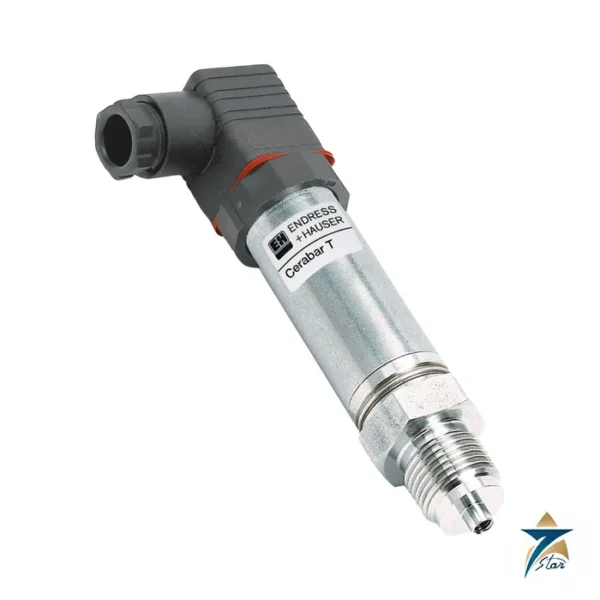
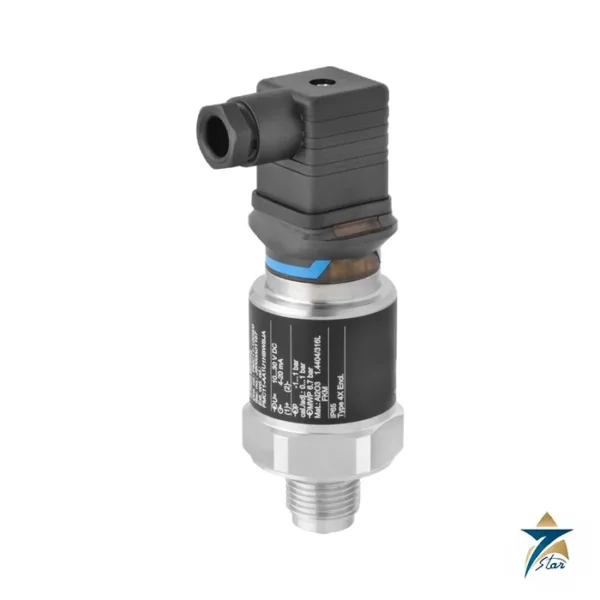
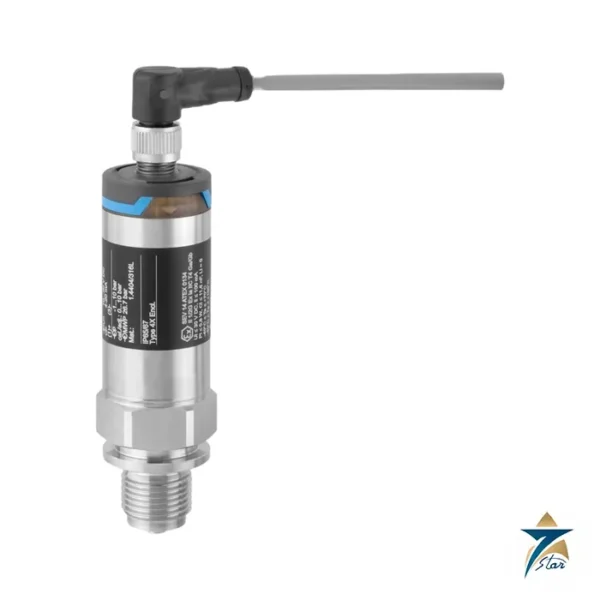
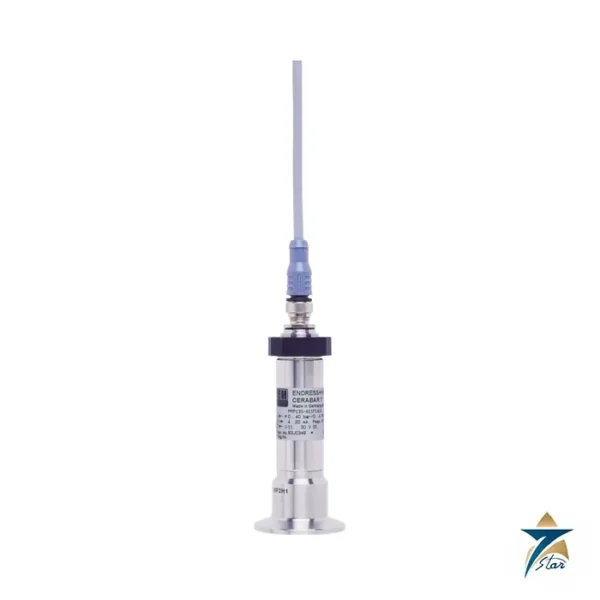
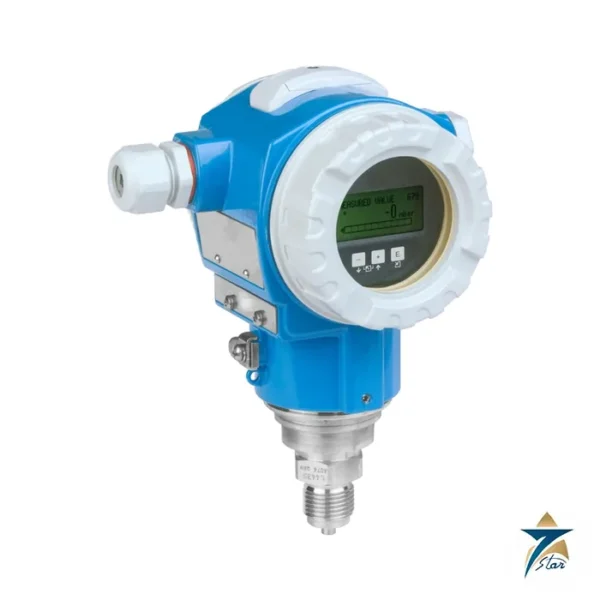
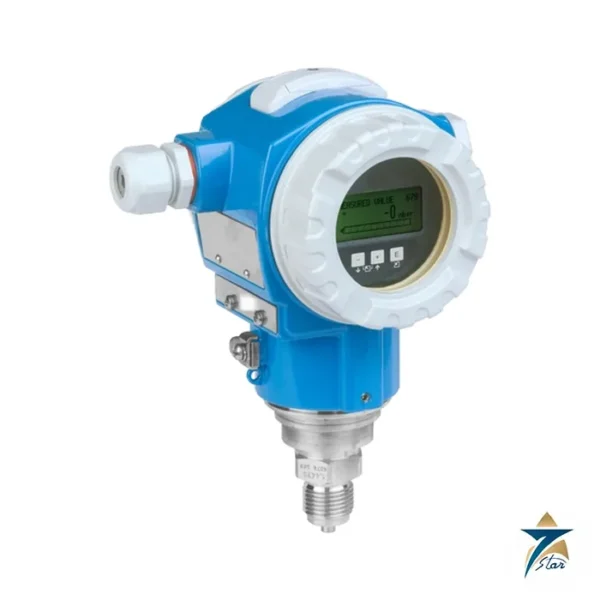
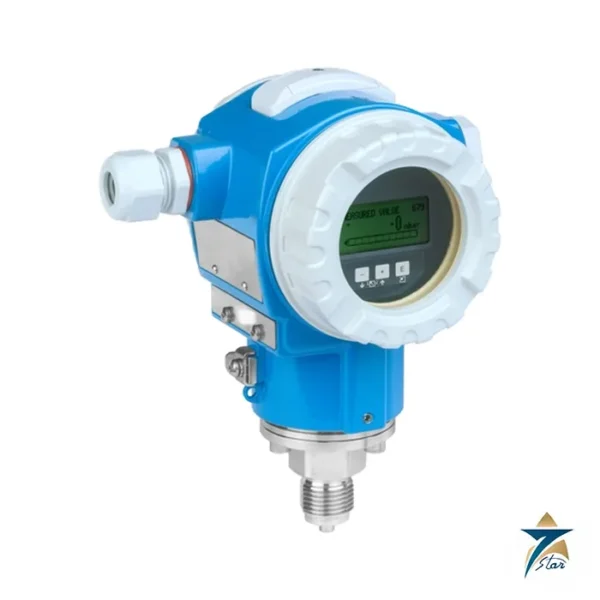
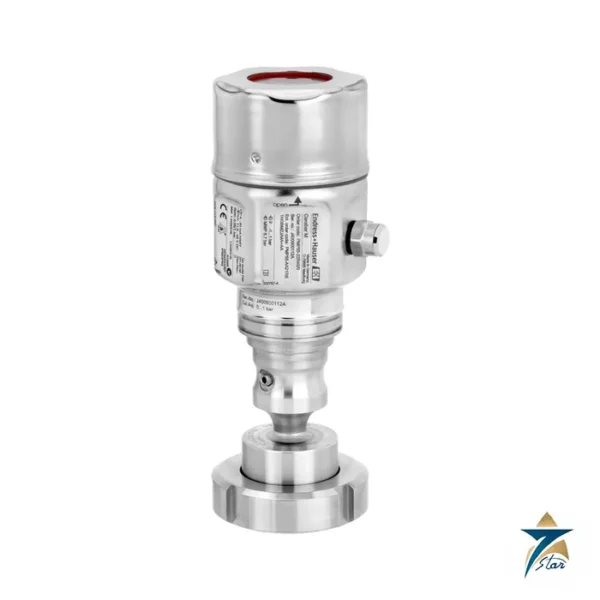
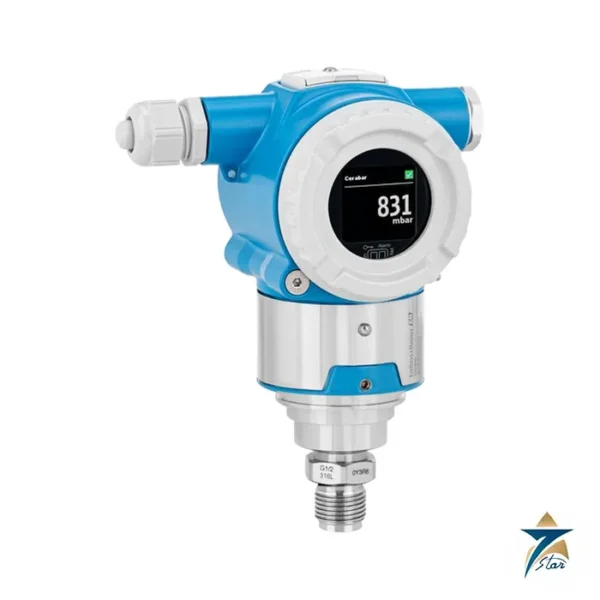
Endress+Hauser PMC51 Cerabar M pressure transmitter with ceramic process membrane

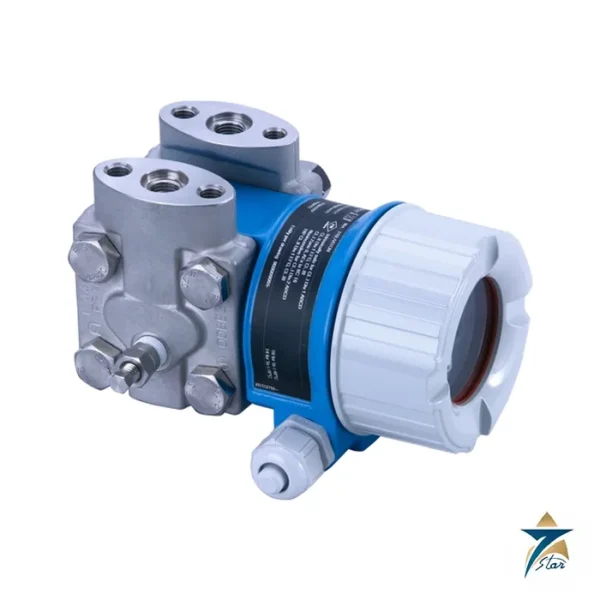
The Endress+Hauser PMC51 is a Cerabar M process pressure transmitter built around a ceramic process membrane (the manufacturer calls it Ceraphire) for absolute and gauge pressure in gases, steam and liquids. It belongs to the Cerabar M platform that is shared with the Deltabar M differential pressure and Deltapilot M hydrostatic transmitters, so engineers who know one device find the same menu, the same spare parts logic and the same commissioning steps on the Endress+Hauser PMC51.

The device covers a wide range of duties: pressure monitoring on pipes and vessels, level, volume and mass calculation from hydrostatic pressure in liquids, and use with process temperatures up to 130 degrees C without a diaphragm seal, with short excursions to 150 degrees C of up to 60 minutes. The same Technical Information also covers the PMP51 with metallic membrane and the PMP55 with diaphragm seal, which helps when a plant wants one family across several media.

Key features of the PMC51

  • Reference accuracy up to plus or minus 0.10 percent, and up to plus or minus 0.075 percent in the PLATINUM version of the PMC51
  • Turn down of up to 100 to 1, so one transmitter can serve several ranges
  • Output options of 4 to 20 mA analog, 4 to 20 mA with HART 6.0, IO-Link, PROFIBUS PA and FOUNDATION Fieldbus
  • Used for process pressure monitoring up to SIL 2, certified to IEC 61508 Edition 2.0 and IEC 61511 by TUEV NORD
  • Very good reproducibility and long-term stability of the ceramic measuring cell
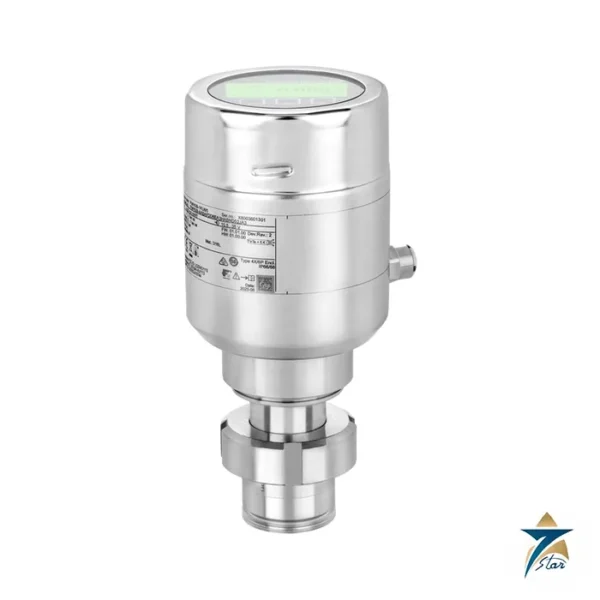
  • ASME BPE-compliant device versions and a hygienic stainless steel housing option for the PMC51

PMC51 technical specifications

Parameter Value
Product family Cerabar M, type PMC51
Process membrane Ceramic (Ceraphire), for gauge and absolute pressure
Measuring cells, gauge 100 mbar to 40 bar (1.5 to 600 psi) in the range table
Reference accuracy Up to plus or minus 0.10 percent; PLATINUM up to plus or minus 0.075 percent
Turn down Up to 100 to 1 (factory-configurable 20 to 1 for ceramic gauge cells)
Output signal 4 to 20 mA, HART 6.0, IO-Link, PROFIBUS PA, FOUNDATION Fieldbus
Supply voltage, 4 to 20 mA 11.5 to 45 V DC; 11.5 to 30 V DC for intrinsically safe versions
Ambient temperature Minus 40 to plus 85 degrees C without display; minus 20 to plus 70 degrees C with display
Process temperature Up to 130 degrees C (150 degrees C for a maximum of 60 minutes) without diaphragm seal
Functional safety SIL 2 (IEC 61508 Edition 2.0, IEC 61511, TUEV NORD)
Housings F31 aluminum or F15 stainless steel (hygienic)

The values above come from the manufacturer Technical Information for the PMC51. Exact measuring spans, process connections and approvals depend on the ordering code, so always confirm the full code before you place an order.

Typical applications in Oman and the GCC

On wellhead skids, separators, gas compression packages and fuel gas lines in Oman, the PMC51 gives a stable pressure signal with HART diagnostics, and the SIL 2 capability supports high-pressure trips and shutdown loops. The ceramic cell tolerates clean gas, condensate and many hydrocarbon liquids, and the transmitter can be ordered with hazardous area approvals for the zones found on oil and gas sites.

In water treatment, desalination feed lines, district cooling and power plant auxiliaries, the device monitors pump discharge, filter and membrane feed pressures and tank level through hydrostatic pressure. In manufacturing, the hygienic housing and ASME BPE options make the device suitable for food, beverage and chemical lines where cleaning cycles matter, while IO-Link output suits compact machine builds.

Selection and compatibility notes for the PMC51

Choose the PMC51 when the medium is compatible with a ceramic membrane and the pressure falls within the cell ranges, from 100 mbar up to 40 bar for gauge pressure. If the medium is abrasive or the pressure higher, look at the PMP51, which uses a metallic membrane and reaches up to 400 bar, or at the PMP55 where a diaphragm seal is needed for hot, viscous or aggressive media. Check the communication protocol against your control system, the electrical connection against your cable glands, and the hazardous area marking against the zone classification of the site.

Installation and commissioning of the PMC51

Mount the PMC51 so that the process connection sits as close to the measuring point as practical and, for liquids, so that no gas pocket can collect in front of the diaphragm. For gases, mount above the tapping point so condensate drains back into the line. Any change of mounting orientation shifts the zero point slightly, so correct the position offset once the device is in its final position and the line is at atmospheric or reference pressure. Use a shut-off valve or a valve manifold so that the device can be isolated and checked without stopping the process, and use a shielded two-core cable with the shield grounded at one end only. Commissioning of the device is a matter of checking the supply voltage at the terminals, setting the lower and upper range values, choosing the damping, and confirming the output at a known pressure.

Maintenance

The PMC51 has no wearing parts, so routine maintenance is limited to periodic inspection. Check the process connection and seal for leakage, look for blocked impulse lines or crystallised product, and verify the zero point at atmospheric pressure when the process allows it. Where a safety function is involved, follow the proof-test interval stated in the safety manual of the device. Replace seals whenever the connection is opened, and keep the diaphragm free of buildup by flushing rather than by scraping, because a scratched diaphragm changes the measurement. Record the as-found and as-left values at every check so that drift of the device can be trended over the years.

Related products and ordering notes

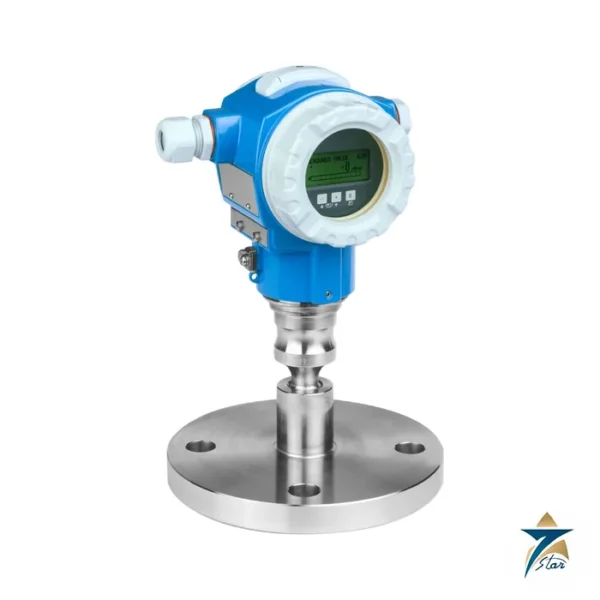
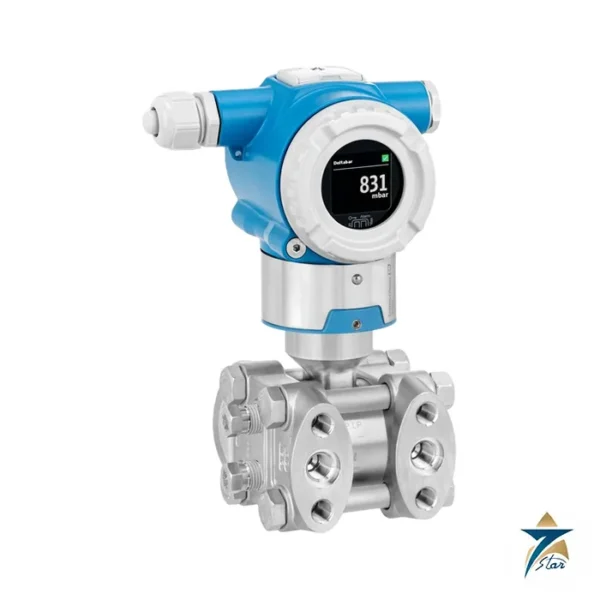
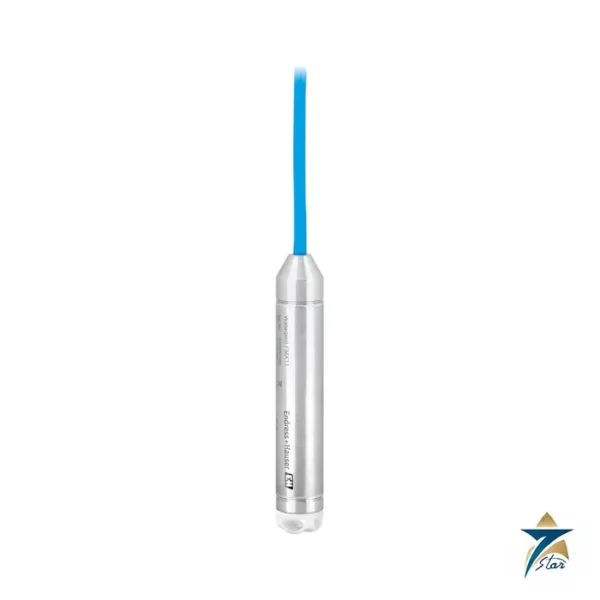
Related transmitters from the same manufacturer include the Cerabar M PMP51, the Deltabar M PMD55 for differential pressure and the Deltapilot M FMB50 for hydrostatic level. Accessories such as valve manifolds, mounting brackets and weather covers are quoted together with the PMC51 when you list them in the RFQ.

In short: the PMC51 is a ceramic-membrane transmitter with up to 0.10 percent accuracy, 100 to 1 turn down and SIL 2 capability; outputs include HART, IO-Link, PROFIBUS PA and FOUNDATION Fieldbus. We quote it without prices on this page and send an offer on request. When you prepare the enquiry, state the pressure type (gauge or absolute), the lower and upper range values, the wetted material you need, the thread or flange size, the cable entry and any hazardous area marking. A complete enquiry lets us answer quickly and avoids a second round of questions, and it also helps to say whether the device will be used in a safety loop, because that changes the documentation you should request.

Before shipment, a pressure transmitter should be checked for the right range, the right wetted materials, an undamaged diaphragm protection cap and a legible nameplate. We recommend that receiving staff compare the nameplate data with the purchase order, keep the protective cap on until the moment of installation, and store the unit in a dry place. If the application involves oxygen, hydrogen or ultrapure gas, state this in the enquiry so that the correct cleaning and documentation are requested.

Documents and quotation

The official Endress+Hauser Cerabar M PMC51, PMP51, PMP55 Technical Information (TI00436P) is attached to this page as a PDF. This 134-page document covers the ceramic-membrane PMC51 in its own performance chapter (from page 23), lists a reference accuracy of up to ±0.10 % (±0.075 % as PLATINUM version) with turn down up to 100:1, and gives the full order code structure in the Ordering information chapter from page 126. Send us the full order code of your PMC51 with the measuring range and process connection and we will confirm availability and lead time in a written quotation.

Other Models in the Eh Cerabar Range

Seven Star LLC supplies models from the Eh Cerabar range in Oman and the GCC. Compare the related models below and request a quote for the one that matches your application.

ModelCategory
Endress+Hauser PMC51 Cerabar M Pressure Transmitter, CeramicPressure TransmittersYou are viewing this model
Endress+Hauser PMP51 Cerabar M Pressure Transmitter, Metal MembranePressure TransmittersView details
Endress+Hauser PMC71 Cerabar S Pressure Transmitter, CeramicPressure TransmittersView details
Endress+Hauser PMP71 Cerabar S Pressure Transmitter, Metal SensorPressure TransmittersView details
Datasheets & Documents
  • PDF Datasheet Endress+Hauser Cerabar M PMC51, PMP51 Technical Information TI00436P (official PDF) Download
Reviews (0)

Reviews

There are no reviews yet.

How would you rate this product?

It takes about 10 seconds — just tap a star. Your email is never published.

About brand

Endress+Hauser makes process measurement instruments for flow, level, pressure, temperature and liquid analysis. Georg H. Endress and Ludwig Hauser started the business in Lörrach, Germany, on 1 February 1953, first selling level meters, and the Endress+Hauser name has been used since 1957. The group is headquartered in Reinach, Switzerland, and has been wholly owned by the Endress family since 1975.

Seven Star LLC is an independent supplier listing Endress+Hauser flowmeters, level and pressure transmitters, temperature assemblies and liquid analysis products for buyers in Oman and the GCC. Instruments are matched from the full order code on the nameplate.

Endress+Hauser company profile

Origin Founded in Lörrach, Germany, on 1 February 1953 by the Swiss engineer Georg H. Endress and Ludwig Hauser
Headquarters Endress+Hauser AG, Reinach (Basel-Landschaft), Switzerland
Ownership Family owned; the Endress family has been the sole shareholder since 1975, and a family charter commits the company to stay family owned
Size About 16,500 employees and sales of about EUR 3.7 billion (2023, as reported by the company)
Product families Proline flowmeters, Micropilot and Levelflex radar, Liquiphant switches, Cerabar and Deltabar pressure, iTEMP and iTHERM temperature, Liquiline and Memosens liquid analysis

Milestones

  • 1953: Georg H. Endress and Ludwig Hauser start the business in Lörrach on 1 February, first selling level meters.
  • 1957: The Endress+Hauser name comes into use.
  • 1975: The Endress family becomes sole shareholder.
  • 2023: About 16,500 employees and sales of about EUR 3.7 billion, as reported by the company.

Endress+Hauser product lines

Line Measuring principle Typical use
Promass F 300, Promass 80F, 83F/84F Coriolis mass flow Direct mass flow and density of liquids and gases, hydrocarbon transfer and chemical dosing
Promag P 300, P 500, H 300, W 400, W 10, 50P Electromagnetic flow Water, wastewater, slurries and other conductive liquids
Prowirl F 200, 72F Vortex flow Steam, gas and low-viscosity liquids
Prosonic Flow 92F, t-mass 65F Ultrasonic and thermal mass flow Water lines; compressed air and industrial gases
Micropilot FMR62, FMR67, FMR60, FMR10B, FMR20, FMR50, FMR52 Free-space radar level, 80 GHz and 26 GHz Tanks, process vessels, silos and open water channels
Levelflex FMP51, FMP50, FMP54, FMP55 Guided wave radar level Level and interface in vessels, separators and bypass chambers
Liquiphant FTL51, Prosonic S FMU90 Vibronic point level; ultrasonic level High and low level alarms, pump protection, open channel flow
Cerabar PMC71B, PMP51B, PMP71, Deltabar PMD78B, PMD75 Pressure and differential pressure Process pressure, hydrostatic level and DP flow
iTEMP TMT82, TMT162, iTHERM TM101, TR66, TR10 Temperature transmitters and thermometers RTD and thermocouple points with thermowells
Liquiline CM444, CM442, Memosens CPS11E, Stamolys reagents Liquid analysis pH, ORP, conductivity, dissolved oxygen and nutrient analysis in water treatment and process

Where Endress+Hauser instruments are used

In Oman and the GCC, Endress+Hauser instruments are common in oil and gas production and processing, refineries and petrochemicals, desalination and water networks, wastewater treatment, power plants and food and beverage plants. Coriolis meters measure hydrocarbon and chemical flows, electromagnetic meters cover water and wastewater, radar transmitters handle tank and silo level, and Liquiline analysers monitor water quality. Proline 300 and 500 flowmeters include Heartbeat Technology for in-situ verification, which reduces the need to remove a meter for checks.

Ordering Endress+Hauser instruments: what we need

The order code on the nameplate (for example PMP71-1QA1S11RDADU) defines every option: measuring range, process connection, materials, output, approvals and display. Send it with the serial number; Endress+Hauser can retrieve the original configuration from the serial number. For a new instrument add the medium, operating and design pressure and temperature, range, line size or tank geometry, process connection, wetted materials, output or protocol (4-20 mA HART, PROFIBUS, FOUNDATION Fieldbus, Modbus) and the hazardous-area approval required. Older models such as Promass 80/83 or Micropilot M are replaced by current Proline or 80 GHz Micropilot devices.

Facts checked against Endress+Hauser company history and product information, October 2026.

FAQ

Questions about the Endress+Hauser PMC51 Cerabar M Pressure

Answers from our engineering team on installation, compatibility and integration.

01What membrane does the PMC51 use?
The PMC51 uses a ceramic process membrane, marketed by the manufacturer as Ceraphire. A metallic membrane is available on the sibling model PMP51 in the same Technical Information.
02What accuracy can the PMC51 reach?
The reference accuracy is up to plus or minus 0.10 percent, and the PLATINUM version of the PMC51 reaches up to plus or minus 0.075 percent, as stated in the manufacturer datasheet.
03Which communication options exist for the PMC51?
The output can be 4 to 20 mA analog, 4 to 20 mA with HART 6.0, IO-Link, PROFIBUS PA or FOUNDATION Fieldbus, selected through the ordering code.
04Is the PMC51 suitable for safety functions?
It is used for process pressure monitoring up to SIL 2, certified to IEC 61508 Edition 2.0 and IEC 61511 by TUEV NORD, so it can be used in safety loops that meet those requirements.
05How do I order the PMC51 from Seven Star LLC?
Send an RFQ with the part number PMC51, the quantity, the pressure range, the process connection, the output signal and approvals. We reply with availability and a quotation.