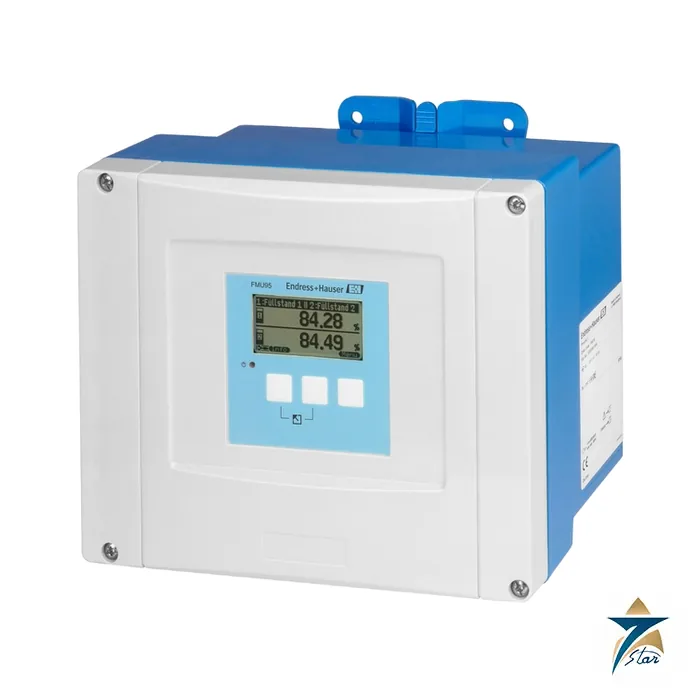
Endress+Hauser FMU95 Prosonic S multi-channel ultrasonic transmitter
The Endress+Hauser FMU95 is a separate ultrasonic transmitter that connects to as many as five or ten FDU9x sensors and delivers their level, distance and temperature values over PROFIBUS DP. Unlike the compact Prosonic M units, where transducer and electronics form one device, the FMU95 keeps the electronics in a field or DIN-rail housing and the sensors out at the vessels, so one transmitter can serve several tanks or silos. Seven Star LLC, an independent supplier in Muscat, supplies the FMU95 and related level instruments in Oman and the GCC.
The listed measuring range is up to 45 m, but the figure belongs to the system and depends on which FDU sensor is attached. The FMU95 recognises FDU90, FDU91, FDU91F, FDU92, FDU93 and FDU95 sensors by itself, and it can also keep older FDU8x sensors running if the type is entered by hand.
FMU95 technical specifications
| Parameter |
Specification |
| Manufacturer / part number |
Endress+Hauser / FMU95 (Prosonic S) |
| Measuring principle |
Ultrasonic, time of flight, separate transmitter |
| Sensor inputs |
5 or 10, selected in the order code |
| Connectable sensors |
FDU90, FDU91, FDU91F, FDU92, FDU93, FDU95 (auto recognition) |
| Measuring range |
Up to 45 m (148 ft), depending on the sensor |
| Measured error |
±2 mm + 0.17 % of the measured distance |
| Maximum measured error |
±0.2 % of the maximum sensor span |
| Resolution |
1 mm with FDU90 / FDU91 |
| Measuring frequency |
0.2 Hz with 5 sensors; 0.1 Hz with 10 sensors |
| Communication |
PROFIBUS DP, up to 20 measured values, up to 12 Mbaud |
| Power supply |
90 V to 253 V AC (up to 23 VA) or 10.5 V to 32 V DC (up to 14 W) |
| Ambient temperature |
-40 °C to 60 °C (-40 °F to 140 °F) |
| Degree of protection |
IP66 / NEMA 4X (field housings) |
| Housing options |
Polycarbonate field housing, aluminium field housing, DIN-rail housing |
| Approvals listed |
ATEX, CSA (per configured version) |
What the FMU95 order code decides
Several features of the FMU95 are fixed by the order code, which is why a replacement must be matched carefully. The TI names three code positions that matter: the power supply (option A for 90 to 253 V AC, option B for 10.5 to 32 V DC), the operation (option C for an integrated illuminated display with keypad, or option E for a separate 96 x 96 mm panel-mounted display with 3 m cable), and the level input (5 or 10 channels). The housing is a further choice, and an aluminium field housing is optionally available with an ATEX II 3D approval.
How the FMU95 works
Each FDU9x sensor sends a pulse toward the product surface and the transmitter times the echo. Distance follows from half the time multiplied by the speed of sound, and the level is obtained from the empty distance. Sensors without a heater are corrected for temperature through their built-in temperature sensors, and an external temperature sensor can also be used. Echoes from fixed objects are masked by interference echo suppression, and each sensor has its own blocking distance, listed in the data sheet.
The sensors are scanned in turn, so the measuring frequency drops from 0.2 Hz with five sensors to 0.1 Hz with ten. Switching off unused inputs in the sensor management menu speeds the cycle, and with one active sensor the unit measures once per second. That timing suits slow tank levels, but it is not meant for fast process control.
Multi-channel functions of the FMU95
- Averaging of several sensors on one wide vessel, to even out surface tilt.
- Summation of levels, for example several tanks that act as one storage.
- Pre-programmed linearization for horizontal cylinders, spheres and tanks with pyramid, conical or flat angled bottoms, plus a table of up to 32 points.
- Logging of minimum and maximum values, the last ten alarms, operating state and an operating hours counter.
PROFIBUS DP integration of the FMU95
The interface follows profile 3.0 with two service access points and the ID number 154E hex (GSD file EH3x154E). The default address is 126, set by DIP switch or by software, and bus termination can be switched on inside the device. The FMU95 provides 20 Analog Input blocks that can carry primary values, distances, temperatures and average or total values. The device can be locked by hardware or software to prevent changes. Operation, diagnostics and documentation can be done with FieldCare or DeviceCare.
Where the FMU95 fits: related Endress+Hauser parts
For a single tank, a compact transmitter is usually more economical: the FMU40, FMU41 and FMU42 have the sensor and electronics in one housing and give 4 to 20 mA with HART. The FMU95 makes sense when five or more points share one PROFIBUS node, when the electronics must sit in a cabinet or a protected room, or when sensors are far from the control point, with cable extensions up to a total of 300 m. Conductive switches such as the FTW31 and FTW32 can supply independent high-level alarms.
Accessories listed for the FMU95 include a weather protection cover and mounting plate for the polycarbonate housing, 700 mm and 1400 mm mounting stands, an adapter plate for the remote display, a HAW562 surge arrester, and sensor extension cables.
FMU95 selection and ordering checklist
- Count the measuring points and choose the 5 or 10 channel version.
- Select the FDU9x sensor for each point from its range, blocking distance and medium, which sets the overall performance.
- Check the power supply available: AC 90 to 253 V or DC 10.5 to 32 V.
- Choose housing: polycarbonate field, aluminium field, or DIN rail for cabinet use.
- Decide on the display: integrated, or remote for a cabinet door.
- Confirm the PROFIBUS DP master, GSD file and address plan.
- Define hazardous-area needs for the transmitter and for each sensor separately.
Installation, commissioning and maintenance of the FMU95
Mount the field housing on its bracket with at least 55 mm of free space around it, away from direct sun, or fit the weather cover. The ambient range is -40 to 60 °C, and the LCD becomes limited below -20 °C. Use screened cable for sensors, keep sensor cabling away from power lines, and observe the 300 m total for sensor plus extension cable. The cable entries are pre-cut on the polycarbonate housing (ten M20, five M16 and one M25) and twelve M20 on the aluminium housing.
The Basic setup menu leads through commissioning step by step. Enter sensor type if an old FDU8x is used, record the interference map for each tank at a known level, set linearization, and assign the PROFIBUS address. The unit is low maintenance: periodically check terminals, fuses (2 A T on DC, 400 mA T on AC) and the condition of each sensor face.
Typical FMU95 applications in Oman and the GCC
Multi-tank storage farms, chemical dosing rooms, water and wastewater plants with many wet wells, and silo groups benefit from collecting all points in one PROFIBUS node. In hot, dusty sites, putting the electronics in an air-conditioned control room or cabinet with the DIN-rail housing and remote display avoids heat stress on the transmitter, while the sensors take the field conditions. Plants should check FDU sensor choice for dust, steam and temperature.
FMU95 variants and options at a glance
| Option |
Choices |
| Sensor channels |
5 or 10 |
| Power supply |
90-253 V AC or 10.5-32 V DC |
| Display |
Integrated, or separate 96 x 96 mm panel type |
| Housing |
Polycarbonate field, aluminium field, DIN rail |
| Weight (approx.) |
1.6-1.8 kg, 6 kg, 0.7 kg respectively |
Information to send with an RFQ for the FMU95
- Part number FMU95 and the full order code if you are replacing one.
- Number of measuring points and the FDU sensor type for each.
- Power supply voltage and housing type.
- PROFIBUS DP requirements and any hazardous-area classification.
- Cable distances between sensors and transmitter.
Documents and quotation
The Technical Information for the FMU95 is attached on this page. Please check it against the order code before purchase, as housing, display and approvals change with the configuration.
Send the FMU95 part number or the nameplate code, the quantity and the delivery location, and Seven Star LLC will confirm availability and lead time.
Other Models in the Prosonic Ultrasonic Level Range
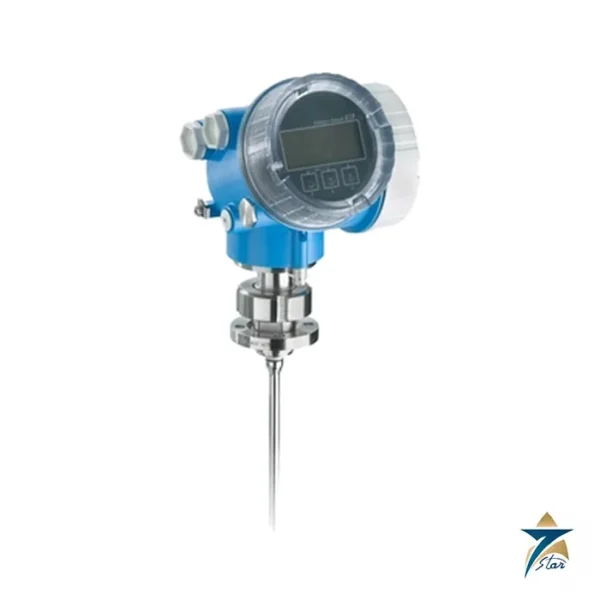
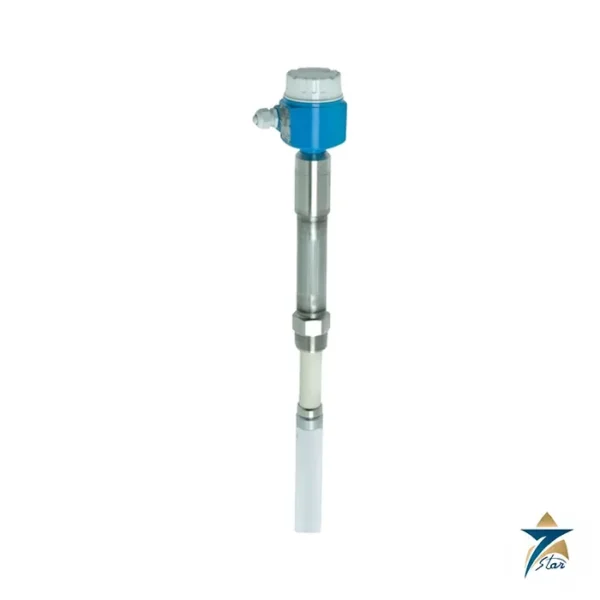
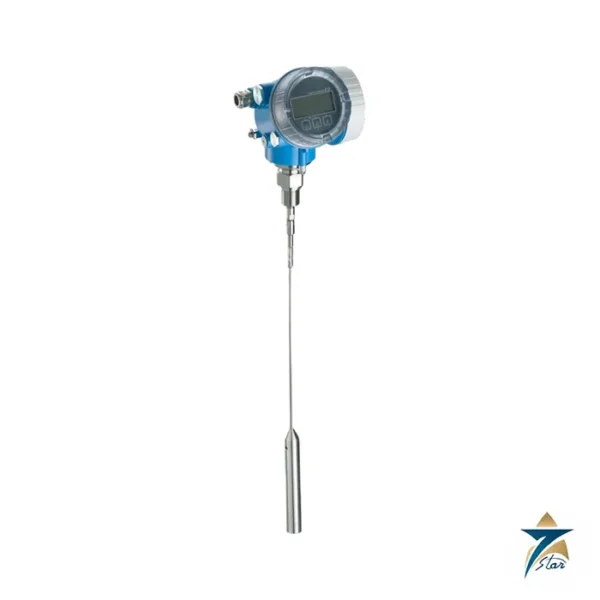
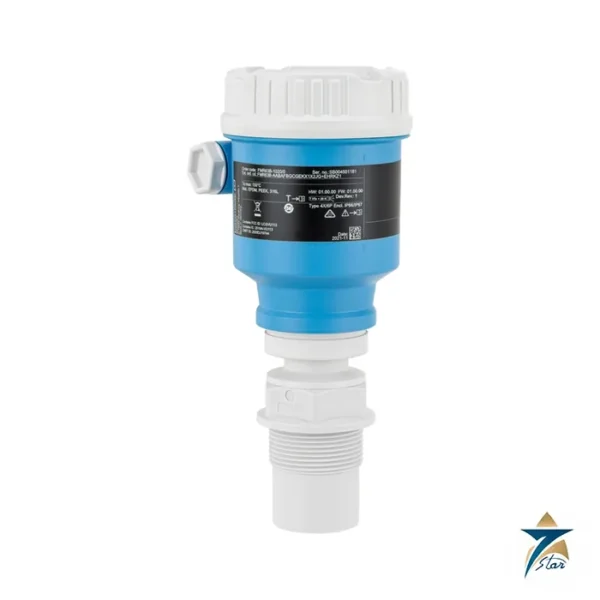
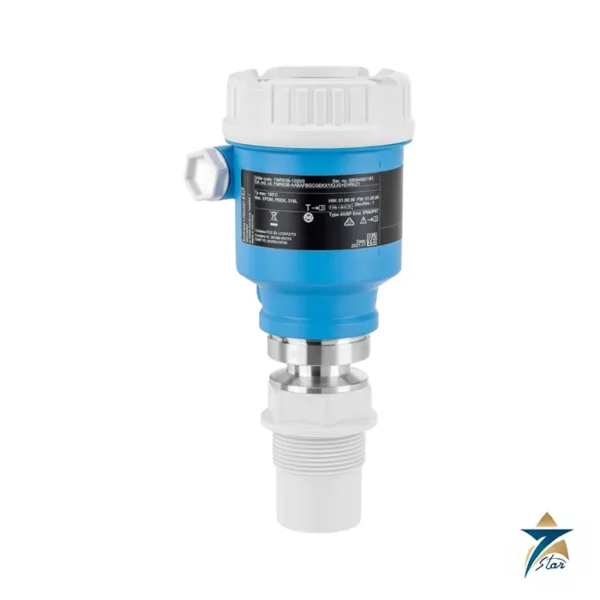
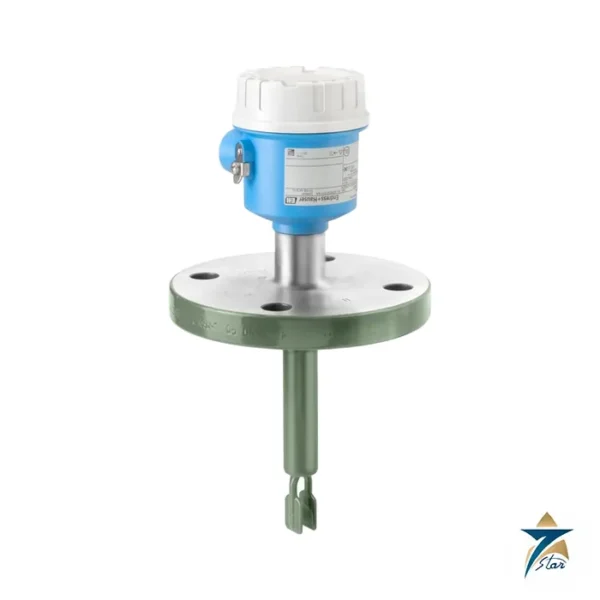
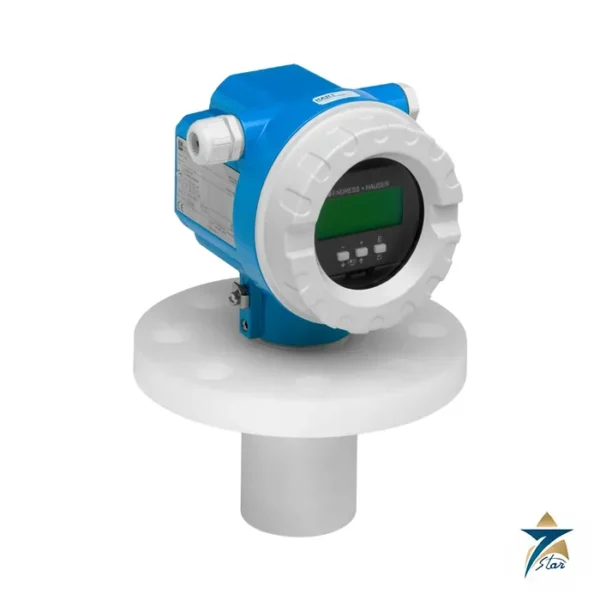
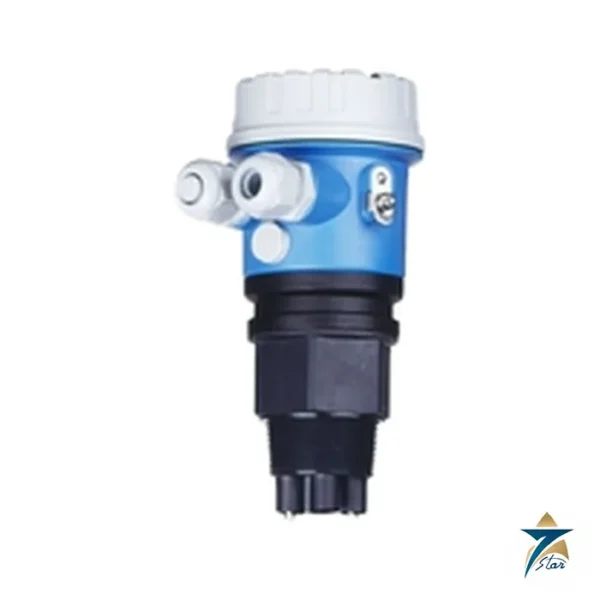
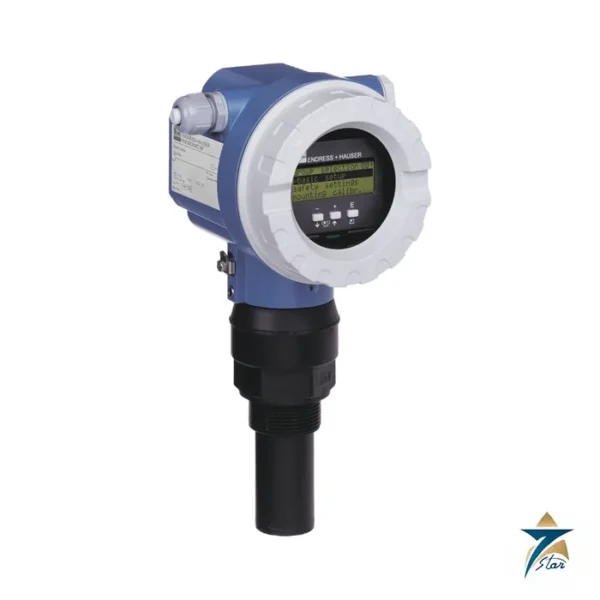
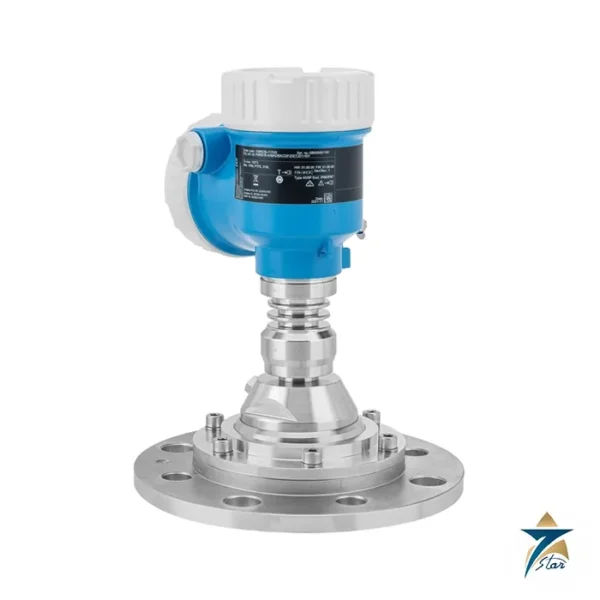
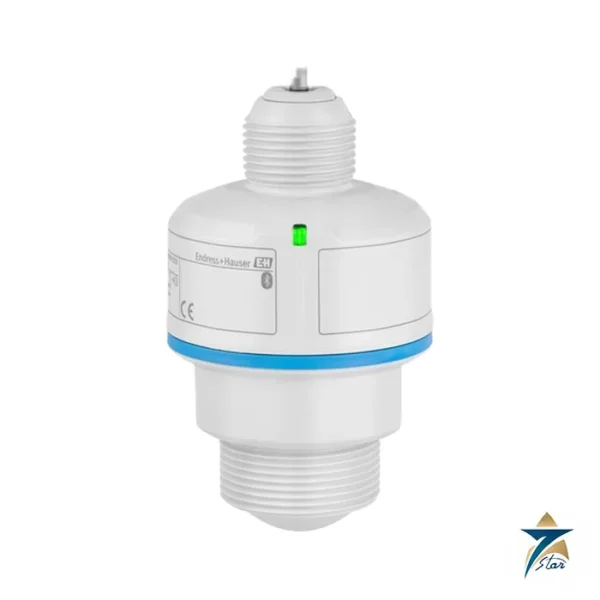
Seven Star LLC supplies models from the Prosonic Ultrasonic Level range in Oman and the GCC. Compare the related models below and request a quote for the one that matches your application.


















Reviews
There are no reviews yet.