- Automation & ControlView all 2,483 products
- Automation Accessories
- AC Drives
- PLC & I/O Cards
- Industrial Communications
- Vibration Monitoring
- Controllers & Data Acquisition
- Isolator & Barrier
- CCTV & Security
- Encoders
- Motor Soft Starters
- Safety Switches & Guard Locking
- HMI Displays
- Pneumatic Cylinders
- Servo Drives
- Industrial Computers
- Machine Vision
- Automation Software
- Robotics
















Brand
SICK
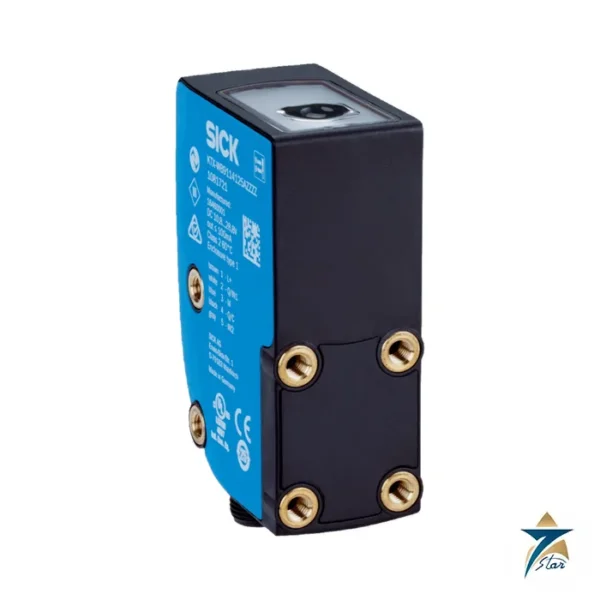
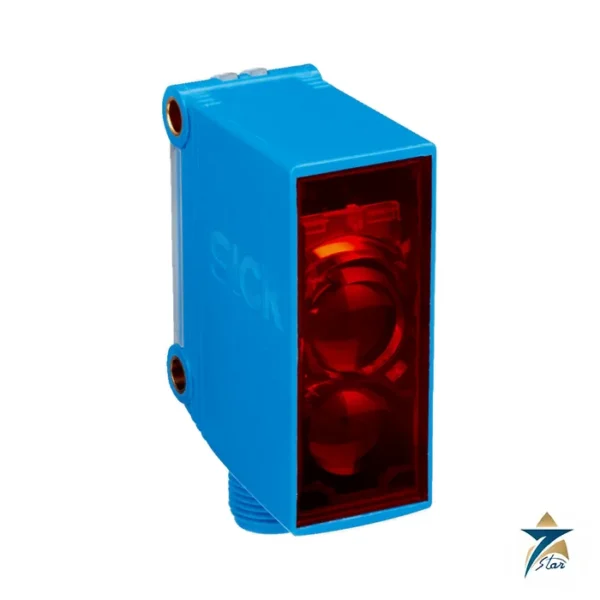
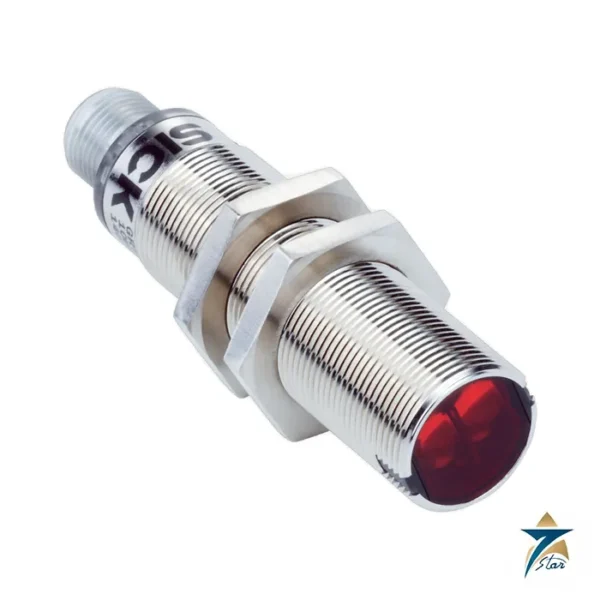
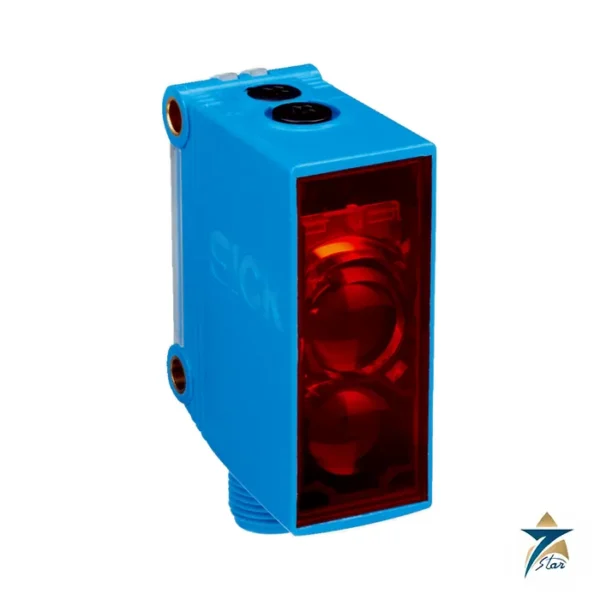
SICK is the German maker of industrial sensors: photoelectric and proximity sensors, safety laser scanners and light curtains, encoders, distance sensors, code readers and gas analysers. Erwin Sick, an optics engineer, founded it in Munich in 1946, and in 1952 it introduced its first marketable accident-prevention light curtain, which protected press operators by stopping the machine when a hand broke the light beam. The company moved to Waldkirch in the Black Forest in 1956 and is still headquartered there. It is a privately held company, and has been an Aktiengesellschaft (AG) since 1996.
Read the full brand profile- 205 products
- 13 categories

Brand profile
About SICK
- Founded
- 1946
- Headquarters
- Waldkirch, Germany
- Speciality
- Sensors and safety systems
- Listed with us
- 205 products in 13 categories
SICK is the German maker of industrial sensors: photoelectric and proximity sensors, safety laser scanners and light curtains, encoders, distance sensors, code readers and gas analysers. Erwin Sick, an optics engineer, founded it in Munich in 1946, and in 1952 it introduced its first marketable accident-prevention light curtain, which protected press operators by stopping the machine when a hand broke the light beam. The company moved to Waldkirch in the Black Forest in 1956 and is still headquartered there. It is a privately held company, and has been an Aktiengesellschaft (AG) since 1996.
SICK company profile
| Founded | 1946, Munich, Germany, by Erwin Sick (1909–1988) |
|---|---|
| Headquarters | Waldkirch, Baden-Württemberg, Germany (since 1956) |
| Ownership | Privately held; after the founder’s death in 1988 his widow Gisela Sick became the main shareholder. Legal form SICK AG since 1996 |
| Size | More than 12,000 employees and group revenue of about EUR 2.3 billion (company figures for 2023) |
| First breakthrough | Accident-prevention light curtain for presses, shown in Hanover in 1952 |
| International growth | First foreign subsidiary in France in 1972, United States in 1976; today sales and service companies worldwide |
| Product families | Photoelectric, inductive, capacitive, magnetic and ultrasonic sensors; safety laser scanners, light curtains, safety controllers and relays; encoders and motor feedback systems; distance sensors and LiDAR; barcode and 2D code readers and machine vision; gas analysers, dust and flow measurement for process and emissions monitoring |
Milestones
- 1946: Erwin Sick receives a licence to run his engineering firm in Munich.
- 1952: The first marketable accident-prevention light curtain is presented in Hanover and goes into series production.
- 1956: The company moves to Waldkirch with 25 employees.
- 1972 and 1976: Subsidiaries are founded in France and the United States.
- 1996: SICK becomes an Aktiengesellschaft.
- Today: Sensors for factory and logistics automation, machine safety and process analysis, with a large share of revenue outside Germany.
Choosing a SICK sensor
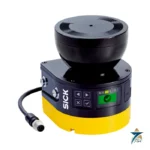
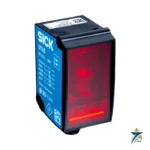
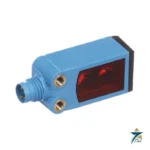
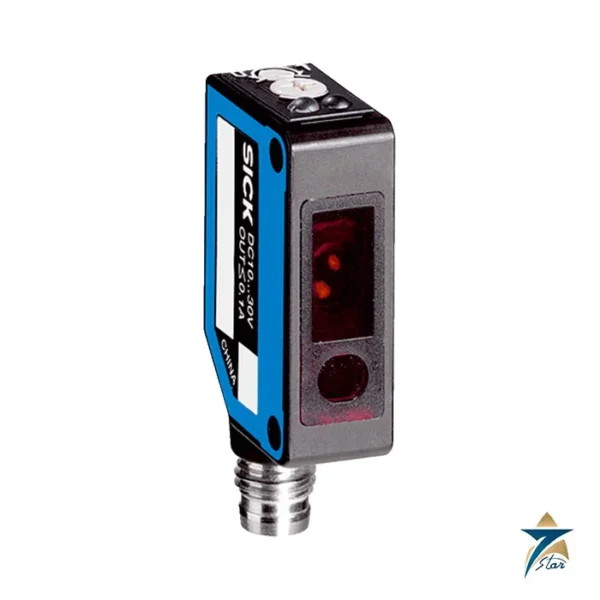
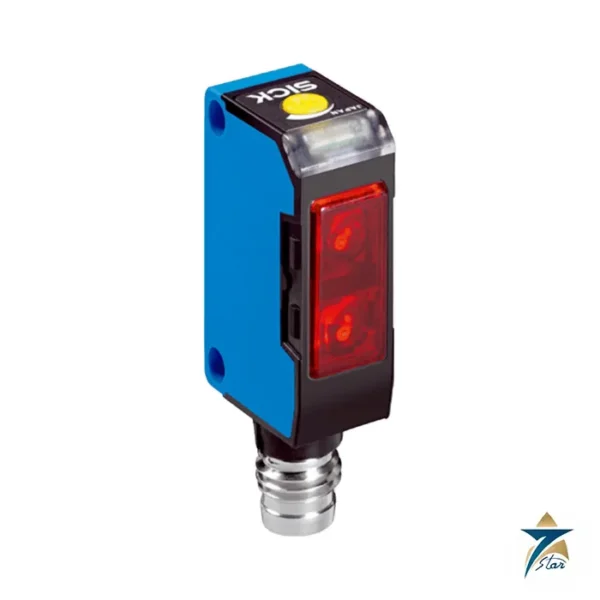
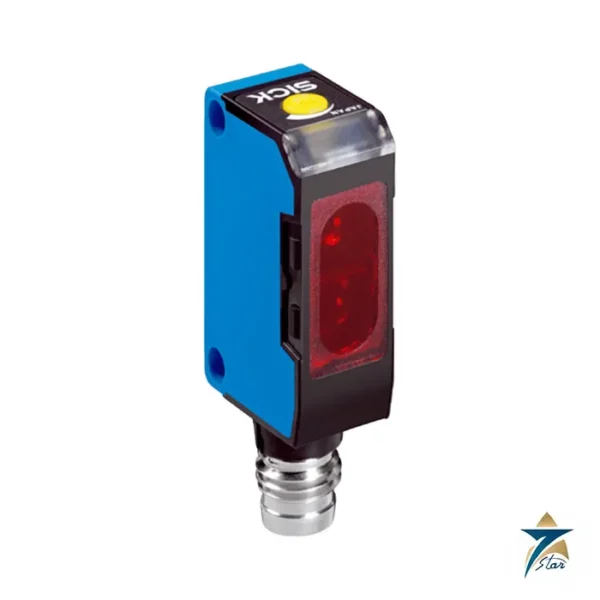
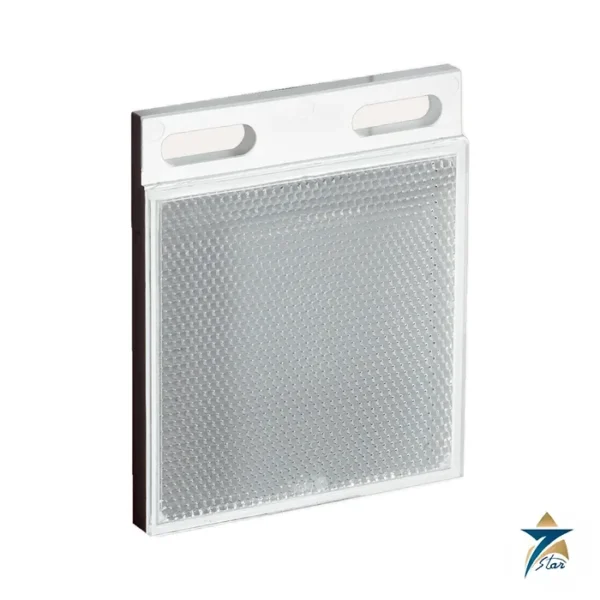
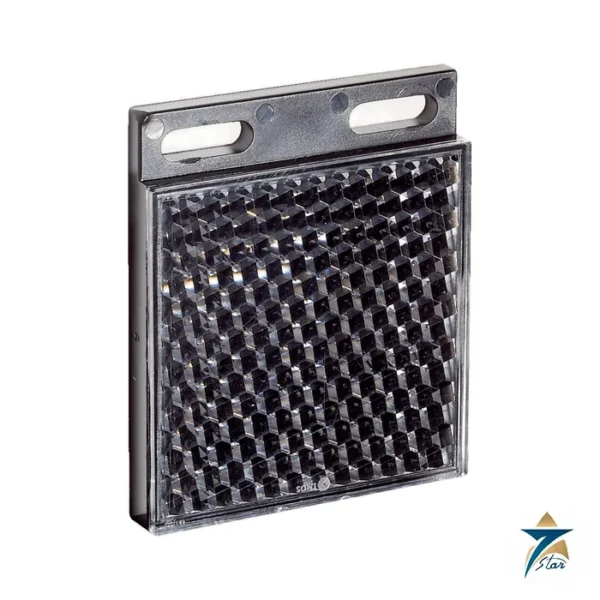
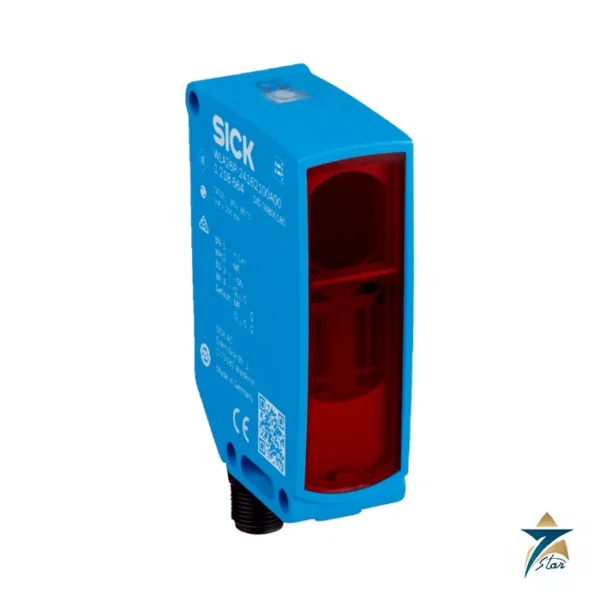
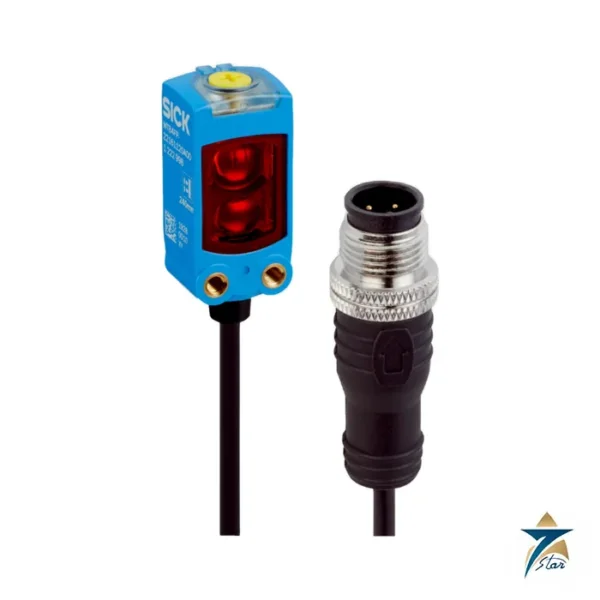
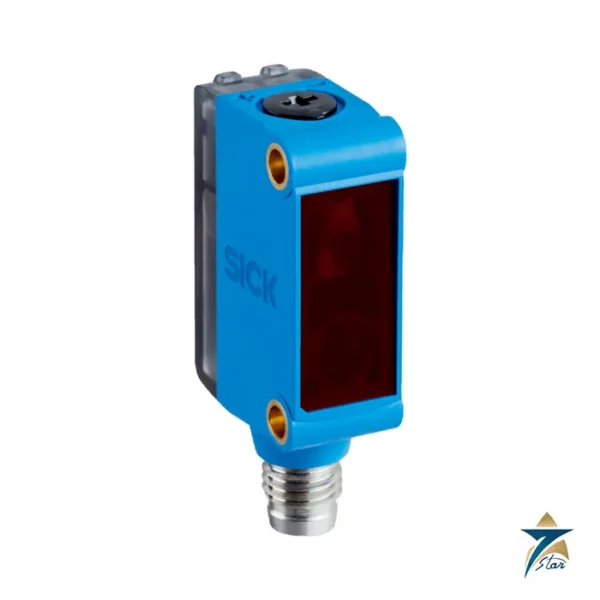
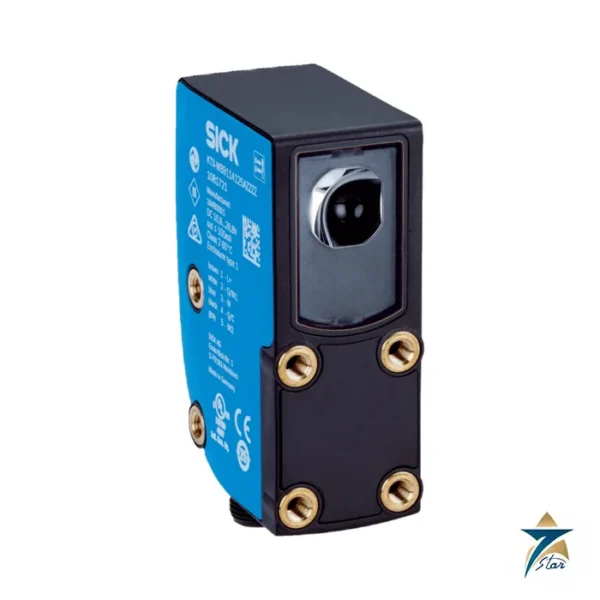
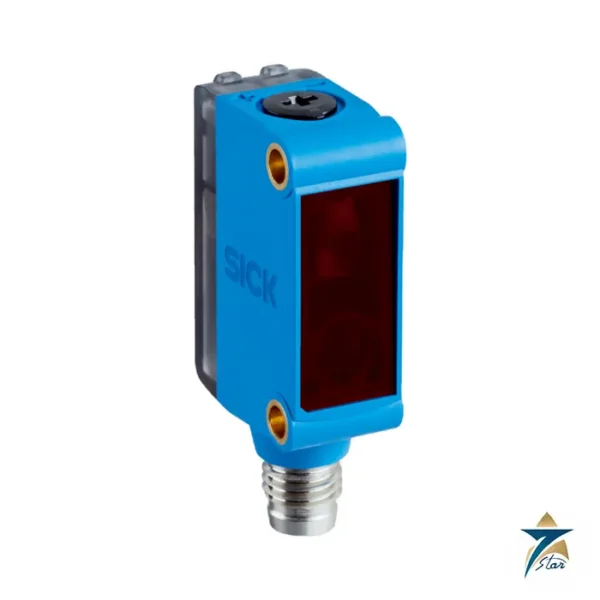
For object detection, the sensing principle comes first. A retro-reflective sensor (WL series) sends light to a reflector and switches when an object breaks the beam; it is reliable over long distances and easy to align. A sensor with background suppression (WTB series) detects an object at a set distance and ignores what is behind it, which suits conveyors with shiny or dark backgrounds. A through-beam pair (WS/WE) gives the longest range and the highest reliability in dust. For transparent bottles and film, use a model built for transparent objects (for example WL12G-3B or WL150-P420). The digits in the code also matter: “P” usually means a PNP output and “N” NPN, and the last digits set the connector or cable. For machine guarding, a safety laser scanner such as nanoScan3 or microScan3 protects an area, while a safety controller such as Flexi Soft combines several safety devices.
Where SICK products are used
In Oman and the GCC, SICK sensors are used in packaging and bottling lines, food and beverage plants, logistics and airport baggage handling, cement and steel plants, ports and cranes, automated warehouses, and on machines built by European OEMs. SICK safety scanners guard robots and automated guided vehicles, and its encoders give position feedback on motors, hoists and conveyors.
SICK products we list
| Family | Examples |
|---|---|
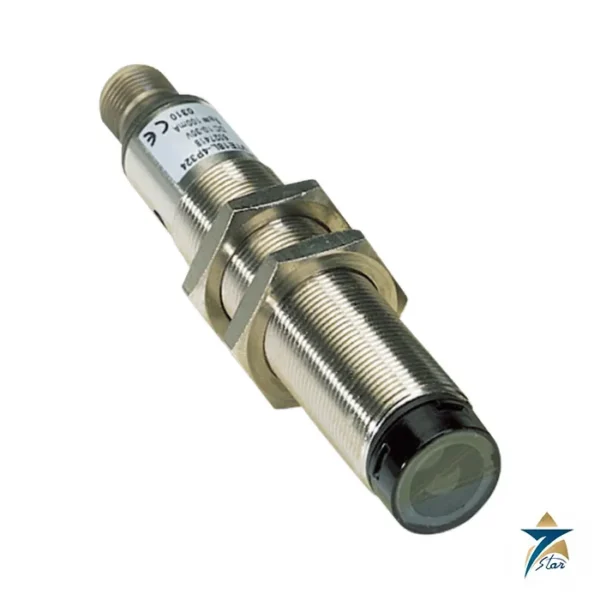
| Photoelectric sensors | WL12-3P2431, WTB12-3P2431, GTB6-P4211, VL18-4P3240, WL12G-3B2531, WS/WE100, KT5W contrast, W26 IO-Link |
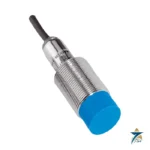
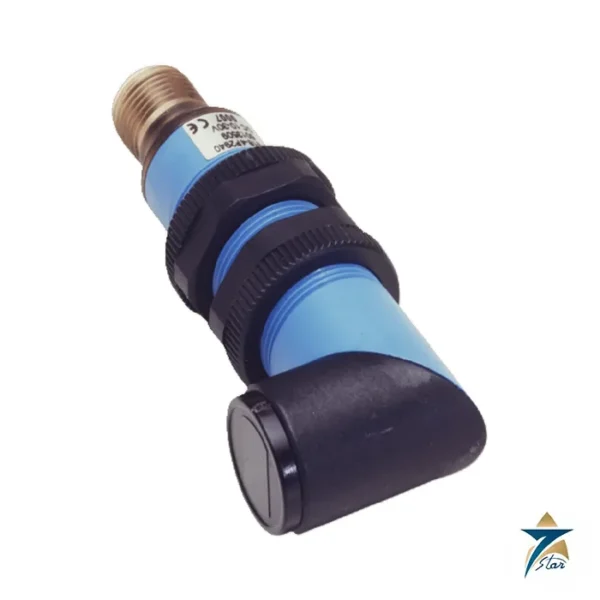
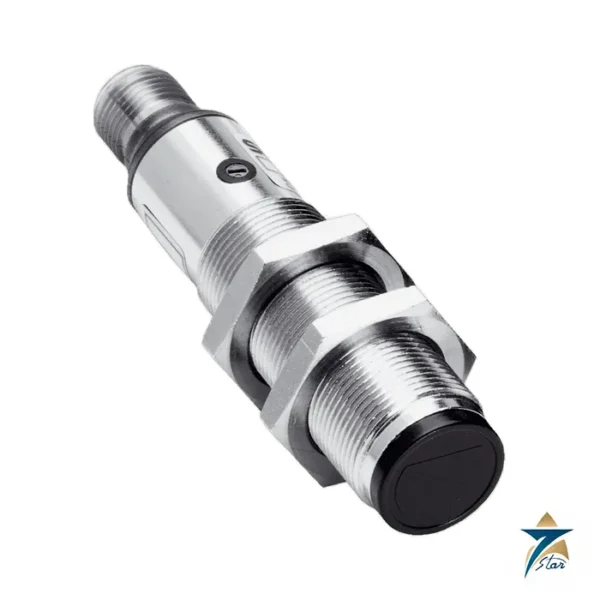
| Proximity, cylinder and ultrasonic sensors | IME12-08NPSZC0S, IME18-05BPSZC0S, MZT8, UM18 4-20 mA, UM30, UFN3 fork |
| Machine safety | nanoScan3, microScan3, S300 Professional, Flexi Soft FX3-CPU1, FX3-XTIO, ReLy OSSD |
| Encoders and motor feedback | DFS60B, AFM60 PROFINET, AFS60 SSI, ATM60 PROFIBUS, SRS50, EFS50 |
| Distance sensors and code readers | DT50, DL50, DT35, Lector632 |
Ordering SICK products: what we need
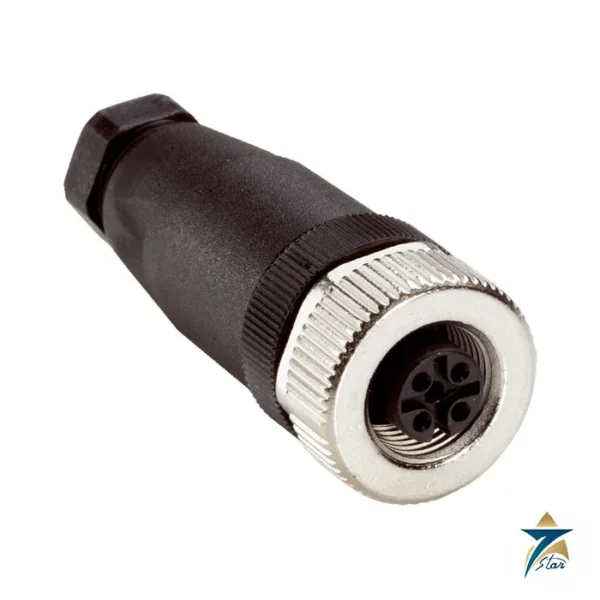
Send the type code and the 7-digit SICK part number from the label (for example WTB12-3P2431 together with its part number). For a replacement sensor, add the output (PNP or NPN), connection (M8, M12 or cable) and sensing distance. For encoders, add the interface (incremental, SSI, PROFIBUS, PROFINET), resolution and shaft type. For safety scanners, tell us the model and whether the existing configuration needs to be kept.
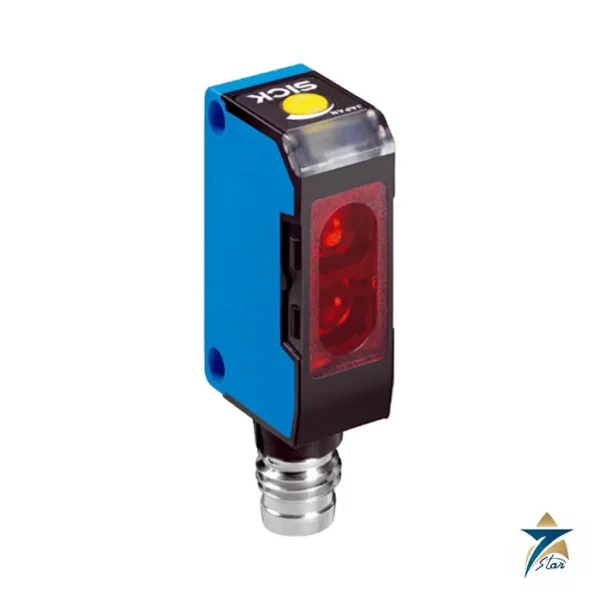
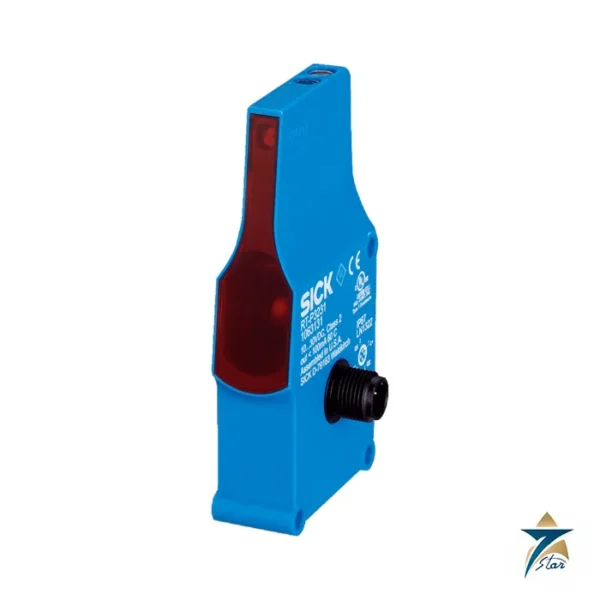
Frequently requested SICK models: SICK RT-P3231 ZoneControl Background Suppression Sensor.
Facts checked against SICK’s published company history and annual figures, October 2026.
SICK products by category
- Photoelectric Sensors72
- Safety Switches & Guard Locking21
- Encoders20
- Laser Distance, LiDAR & Radar Sensors18
- Automation Accessories14
- Ultrasonic Sensors14
- Magnetic, Cylinder & Capacitive Sensors14
- Machine Vision11
- Inductive Proximity Sensors9
- PLC & I/O Cards7
- Thermal Mass Flow Meters & Controllers2
- Radar & Guided Wave Radar Level2
- Industrial Communications1