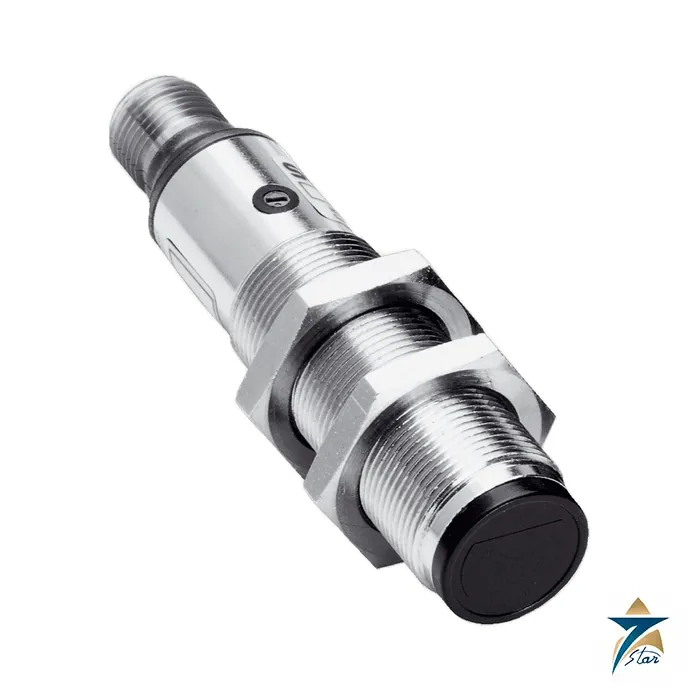
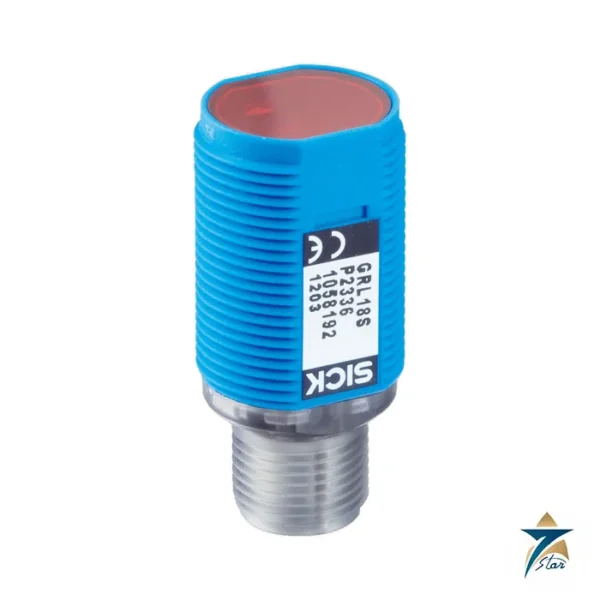
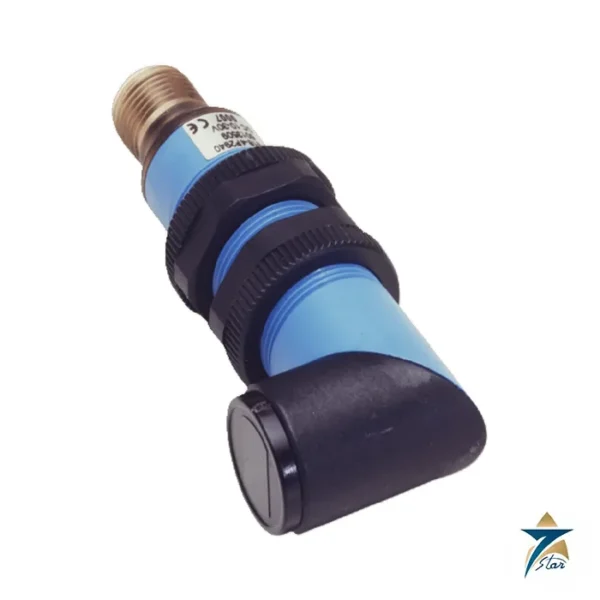
V18 energetic diffuse sensor in an M18 metal housing
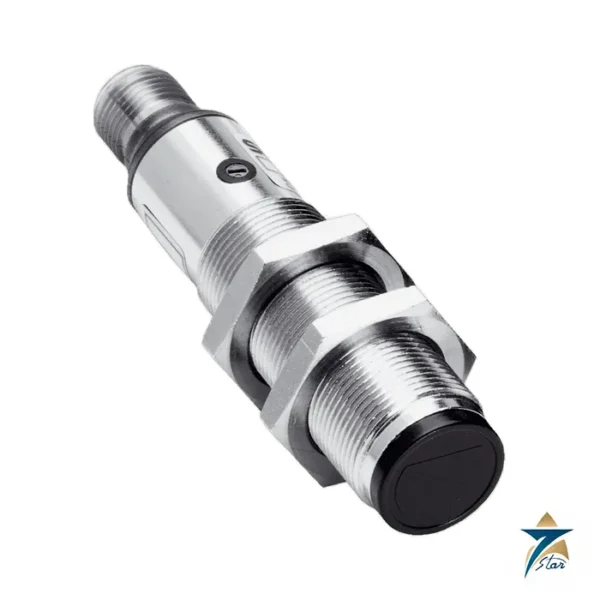
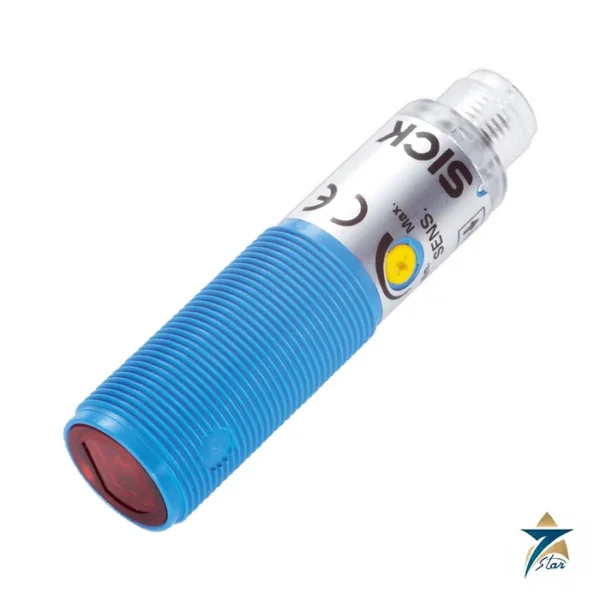
The SICK VTE18-4P4240 (part no. 6013263) is a cylindrical V18 photoelectric proximity sensor in an M18 x 1 nickel-plated brass housing. It works on the energetic diffuse principle, which means the sensing range depends on the target remission, and has a maximum range of 5 mm to 400 mm with infrared light. The 78 mm long body has an axial optical axis and an M12 4-pin connector.
SICK lists the type in the catalogue archive on sick.com; confirm availability and any successor before specifying it for new equipment.
Technical specifications
| Parameter |
Specification |
| Manufacturer |
SICK |
| Type / family |
VTE18-4P4240 / V18 |
| Part no. |
6013263 |
| Functional principle |
Photoelectric proximity sensor, energetic |
| Sensing range max. / typical |
5 mm … 400 mm / 5 mm … 350 mm (90 % remission) |
| Light source / type |
LED, infrared light |
| Light spot size |
20 mm diameter at 400 mm; focus approx. 2.8 degrees |
| Adjustment |
Potentiometer, 270 degrees (sensing range) |
| Supply voltage UB |
10 V DC … 30 V DC |
| Ripple |
10 % |
| Current consumption |
30 mA |
| Output |
PNP, light/dark switching via L/D control cable |
| Output current Imax. |
100 mA |
| Response time / switching frequency |
2 ms max. / 250 Hz |
| Protection class |
III |
| Dimensions |
M18 x 1 thread, 78 mm housing length |
| Housing / optics |
Metal, nickel-plated brass / plastic PMMA |
| Optical axis |
Axial |
| Connection |
Male connector M12, 4-pin |
| Weight |
120 g |
| Enclosure rating |
IP67 |
| Ambient temperature |
-25 °C … +70 °C operation |
| MTTFD |
712 years (DCavg 0 %) |
| UL file no. |
NMFT2.E175606 |
Energetic diffuse versus background suppression
An energetic sensor measures the amount of light reflected from the target, so a bright object is detected from further away than a dark one, and a bright background can trigger the output. It suits simple presence checks where the target is of known colour and the background is far away or absent. Where the background is close or varies, a background-suppression sensor such as the V-series variants is the safer choice.
The M18 thread allows through-hole mounting in a bracket with two nuts, and the metal housing resists mechanical knocks better than plastic types. Use the potentiometer to trim the range, and wire the L/D control cable to choose light or dark switching.
Lifecycle and ordering
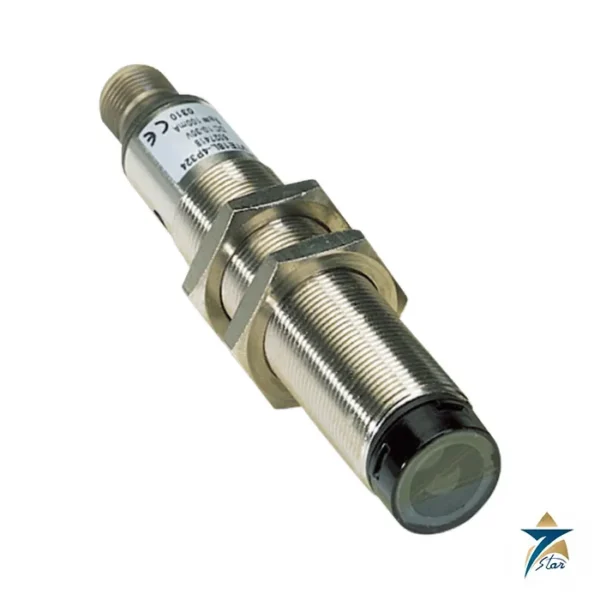
Quote VTE18-4P4240, part no. 6013263. Other V18 types in this order list, for example the VL18 retro-reflective models, share the M18 housing but have different optics and ranges. Confirm lifecycle status with SICK as the catalogue shows an archive entry.
Installation and alignment of the VTE18 on a machine frame
Mount the VTE18-4P4240 so that its axial optical axis points squarely at the place where the target passes, and keep the face of the sensor clear of the conveyor guides, chain covers and brackets that could reflect light back into the receiver. Because the energetic principle reacts to any surface that returns enough infrared light, the most reliable layout is one where nothing but the target sits inside the sensing range. Tighten the two M18 nuts evenly on either side of the bracket plate and avoid overtightening, which can distort a thin bracket and change the aim of the beam over time.
Route the M12 cordset away from motor cables and frequency converter output leads, and give the cable a gentle loop at the connector so that vibration does not pull on the coupling nut. If the sensor is mounted on a moving part of the machine, use a cable rated for flexing and secure it so that it cannot rub against sharp edges.
Setting the range during commissioning
Commissioning is best done with real production parts rather than a test card. Place the darkest target the line will carry at the furthest expected position, turn the potentiometer until the output switches reliably, and then check that the background alone does not switch the output with no target present. Repeat with the brightest target in the closest position. If both checks pass with a clear margin, the setting is sound; if the background still triggers the sensor, move the sensor or the background instead of reducing the range to the edge of detection. Record the final potentiometer position and the light/dark selection in the machine documentation so that a replacement unit can be set up the same way.
Operating the sensor in Oman and GCC plants
In many plants across Oman and the wider Gulf region, fine dust and sand settle on every horizontal surface, and that includes the PMMA lens of a photoelectric sensor. A layer of dust reduces the light reaching the target and the light coming back, so an energetic diffuse sensor slowly loses range as the lens gets dirty. Mount the sensor with the lens facing downwards or sideways where possible, and consider a protective hood if the location allows. Clean the lens with a soft, damp cloth rather than compressed air carrying grit, and do not use solvents that could cloud the plastic optics.
Heat is the second factor. Equipment in unshaded areas, near ovens or on roofs of packing halls can run much hotter than the surrounding air, so check that the real temperature at the sensor position stays within the operating range on the data sheet. Shade, ventilation and distance from hot surfaces all help. In coastal sites with humid, salty air, inspect the M12 connection for corrosion and make sure the cordset nut is fully tightened so that the seal does its job.
Routine maintenance checks
A short check during planned stops keeps this sensor working as expected. Confirm that the lens is clean, that the housing has not been knocked out of line, and that the output LED follows the target as it passes. Check that the switching still happens at the same point with a dark part, because a gradual drift usually points to dirt on the optics or a change in the background. Replace damaged cordsets promptly, since an intermittent signal from a worn cable is often blamed on the sensor itself.
Documents and quotation
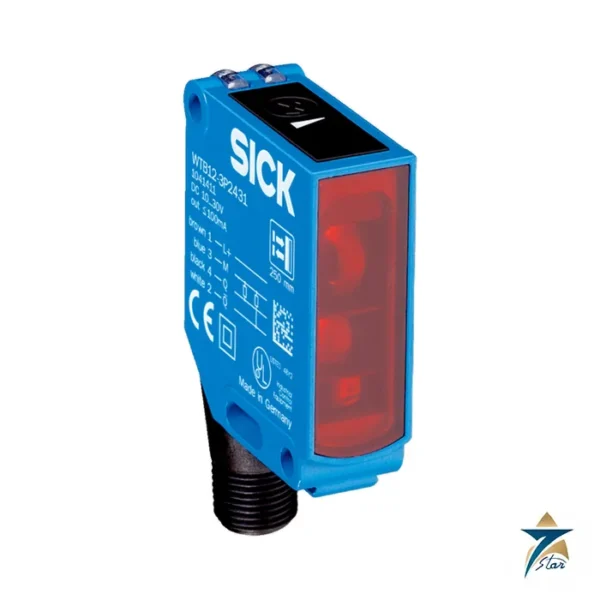
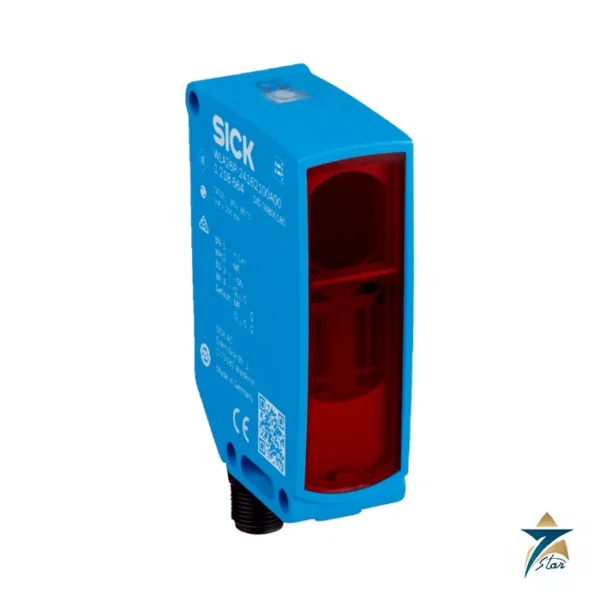
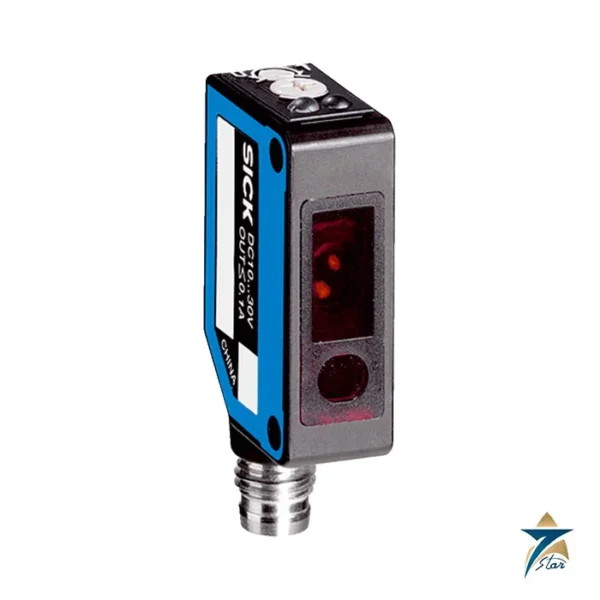
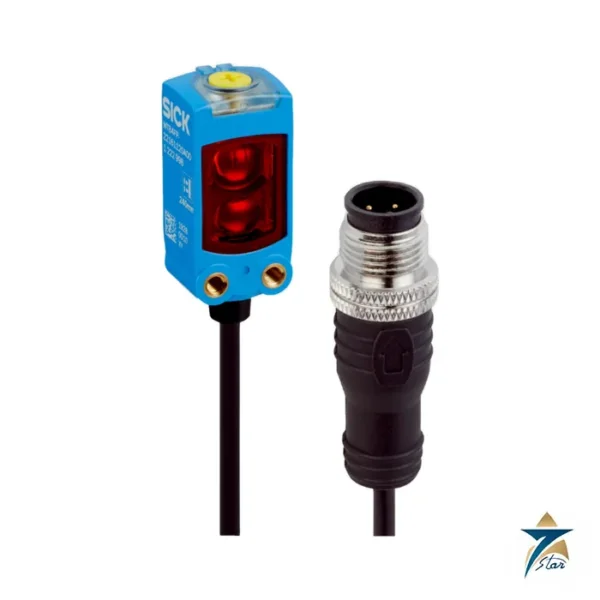
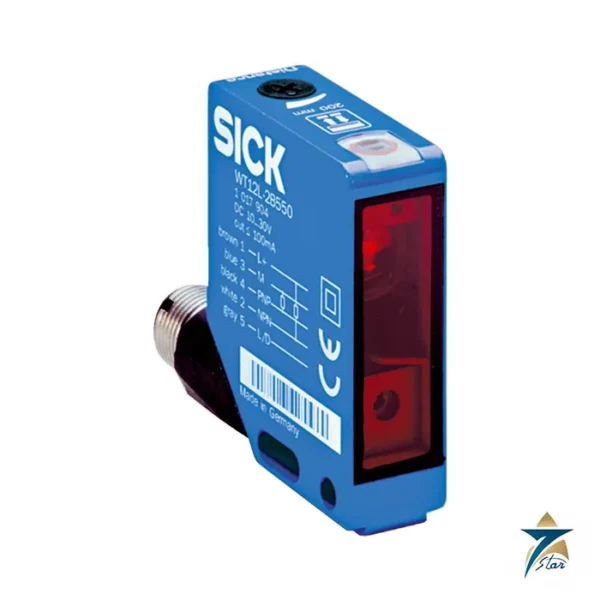
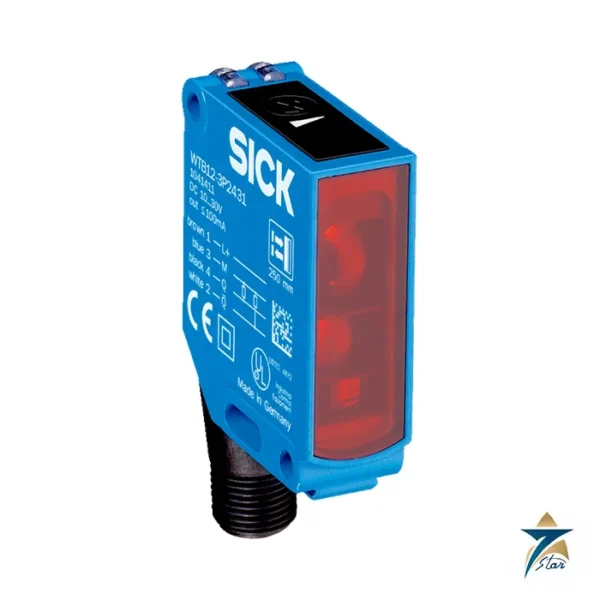
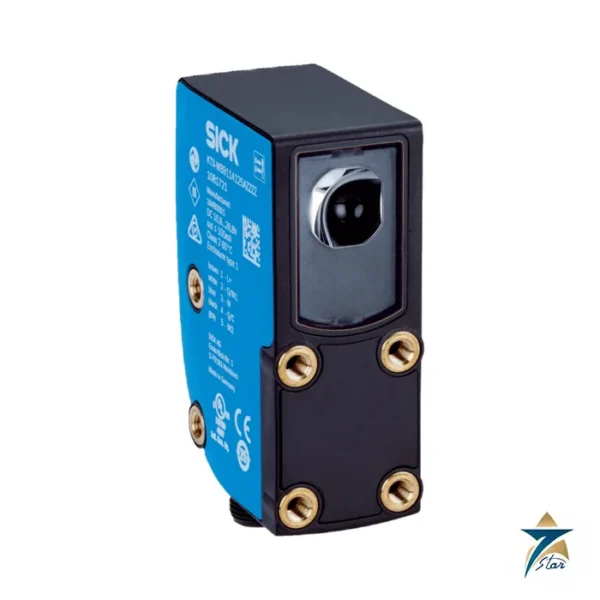
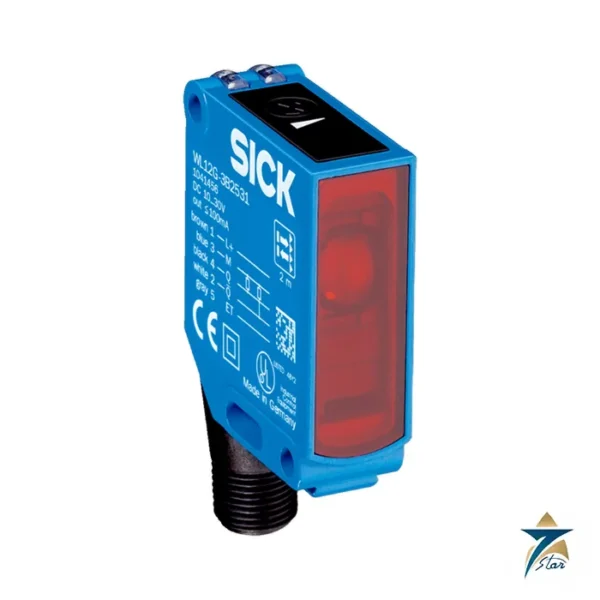
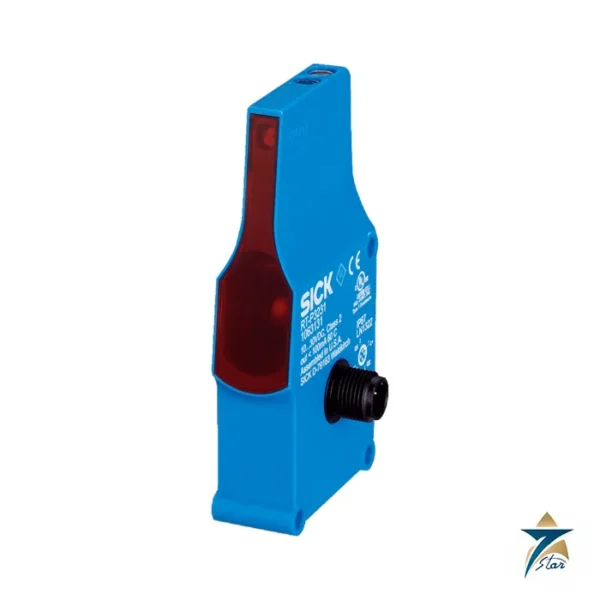
The official SICK data sheet for VTE18-4P4240 (part no. 6013263) is attached to this page, and the figures in the table above are taken from it. SICK lists this type in its catalogue archive, so lifecycle status and any named successor should be checked first. Seven Star LLC is an independent supplier in Muscat and quotes SICK items against a written request. In your enquiry, give the exact type code, part number, quantity and delivery location, and say whether you need accessories such as a reflector, cordset or protective hood. Data sheets carry a note that content is subject to change without notice, so confirm current details before ordering. More items are listed under sensors and transmitters, and you may also look at the SICK WTB4-3 miniature photoelectric sensor.


Reviews
There are no reviews yet.