- Automation & ControlView all 3,119 products
- Automation Accessories
- AC Drives
- PLC & I/O Cards
- Industrial Communications
- Vibration Monitoring
- Isolator & Barrier
- Controllers & Data Acquisition
- Safety Switches & Guard Locking
- Encoders
- Motor Soft Starters
- CCTV & Security
- Pneumatic Cylinders
- HMI Displays
- Servo Drives
- Industrial Computers
- Machine Vision
- Automation Software
- Robotics
Brand: Hochiki
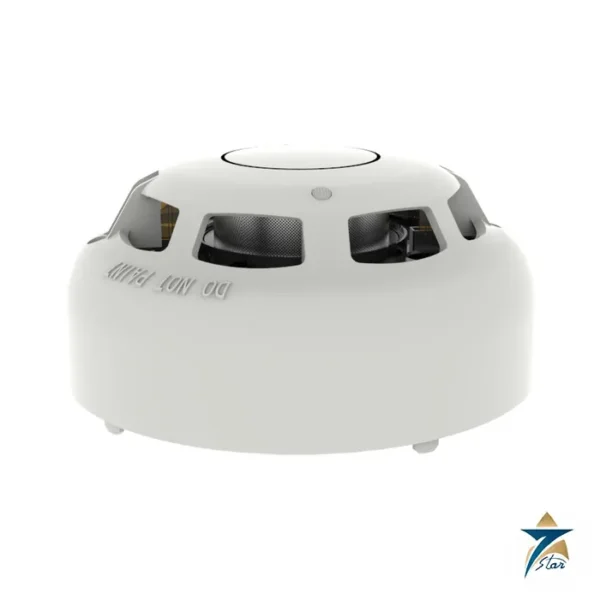
Hochiki SOC-E-IS Intrinsically Safe Photoelectric Smoke Detector
Description
Overview
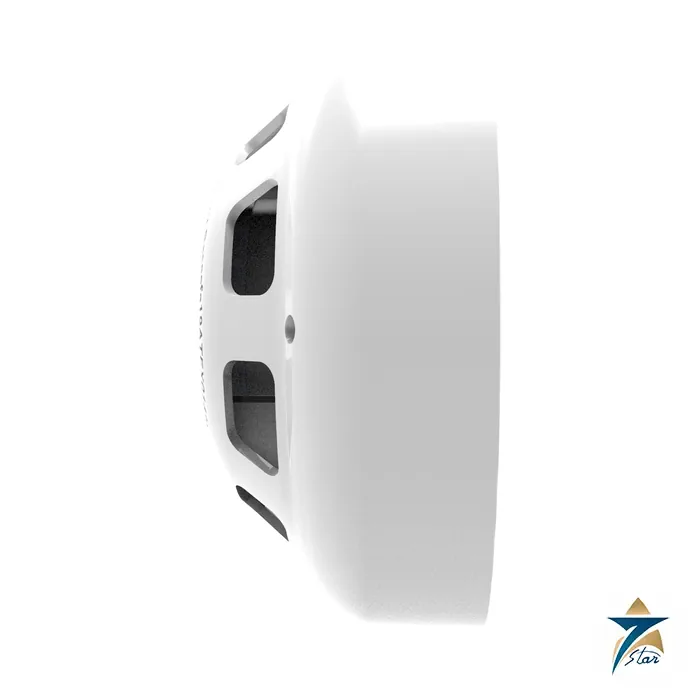
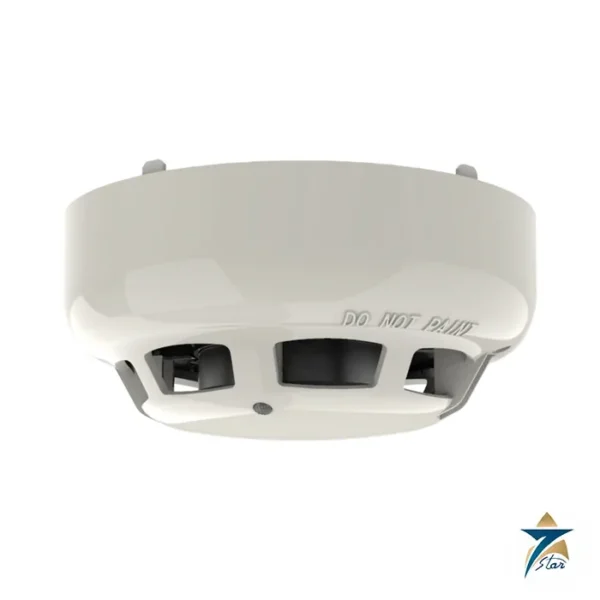
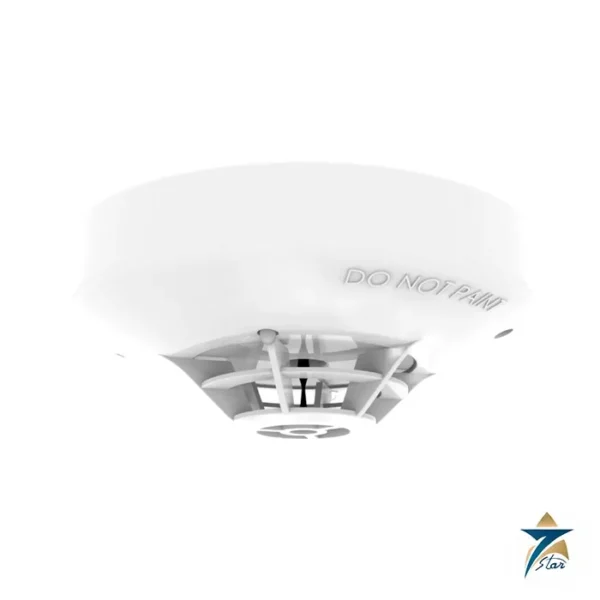
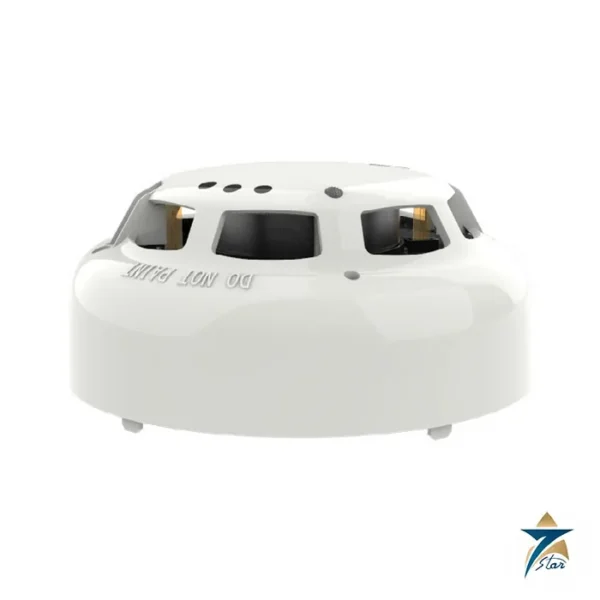
Hochiki SOC-E-IS is a conventional photoelectric smoke detector designed for hazardous areas, certified to ATEX classification Ex ia IIC T5 Ga for an ambient range of minus 20 to plus 55 degrees Celsius. The marking Ga means it is suitable for installation in areas at Category 1, and by extension every lower category. It is therefore a detector that a gas plant designer can place in a space where an explosive atmosphere may be present continuously or for long periods, provided the loop is fed through a suitable intrinsically safe interface.
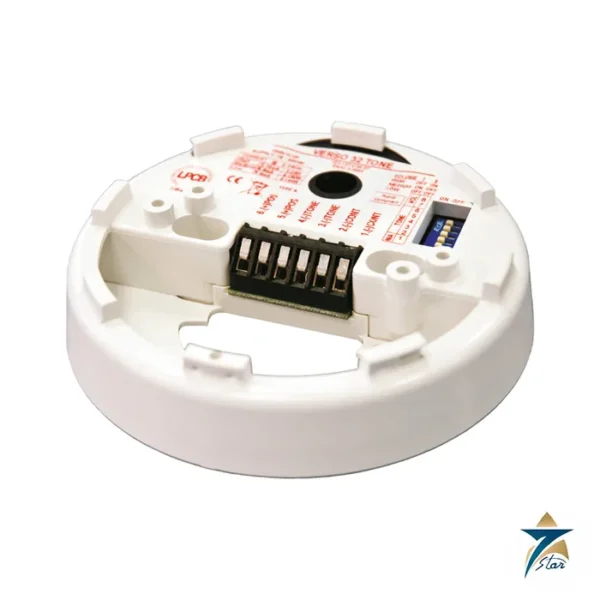
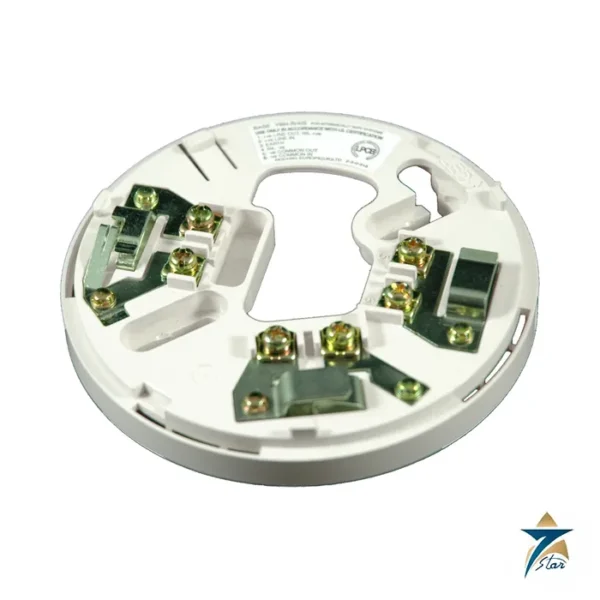
The detector plugs into the YBN-R/4(IS) base and works with the majority of existing conventional fire alarm panels once the barrier arrangement is in place. A remote indicator output is built in, and the smoke chamber can be removed for cleaning. Seven Star LLC is an independent supplier serving Oman and the GCC.
Main features of Hochiki SOC-E-IS
- Removable high performance photoelectric chamber, so cleaning does not require replacing the head.
- Automatic Sensitivity Window Verification, a drift compensation technology that keeps the detector working inside its sensitivity window.
- Remote indicator output rated at up to 20 mA drive.
- Wide operating voltage range from 12 to 30 VDC.
- Low profile design with a one-piece outer cover and fire LED visible through 360 degrees.
- Approvals listed by LPCB, VdS and DNV, plus Baseefa 19ATEX0143X and IECEx BAS 19.0122X.
Technical data for Hochiki SOC-E-IS
| Ordering codes | SOC-E-IS (ivory), SOC-E-IS(WHT) (white) |
|---|---|
| Compatible base | YBN-R/4(IS) |
| Operating voltage | 12 to 30 VDC |
| Quiescent current, typical | 35 microamps |
| Maximum current in alarm | 40 mA |
| Out-of-sensitivity current (red LED flashing) | 120 microamps |
| Remote indicator drive | 20 mA maximum |
| Operating temperature | minus 20 to plus 55 degrees Celsius |
| Storage temperature | minus 30 to plus 60 degrees Celsius |
| Maximum humidity | 95 percent RH, non-condensing, at 40 degrees Celsius |
| Ingress protection | IP42 |
| Colour and case material | Ivory or white, ABS |
| Weight | 106 g |
| Dimensions | Diameter 100 mm, height 48 mm |
| ATEX | Ex ia IIC T5 Ga |
| Certificates | Baseefa 19ATEX0143X, IECEx BAS 19.0122X |
How Hochiki SOC-E-IS handles contamination and false alarms
All optical smoke chambers become dirty with time, and a dirty chamber changes the signal level that the electronics sees. The drift compensation feature keeps the detector operating at its optimum sensitivity and thereby reduces the chance of false alarms. If the contamination limit is exceeded, the integral red LED flashes once every three seconds and the quiescent current moves to the out-of-sensitivity value of 120 microamps, which is a visible and electrical hint that the chamber needs attention. The baffle design of the chamber lets smoke in while keeping ambient light out, and the removable chamber makes cleaning a bench task instead of a ceiling replacement.
Applications in Oman and the GCC
Smoke detection in a hazardous area is common in the hydrocarbon sector: compressor shelters, turbine enclosures, switchgear rooms attached to process units, laboratories, and pump houses. Utilities place such detectors above equipment at desalination chemical dosing areas and biogas handling plants. Industrial estates use them in spray booths and solvent storage rooms. In each case the loop is isolated by a barrier or galvanic isolator, and the detector sits in the classified side.
Planning a zone around SOC-E-IS
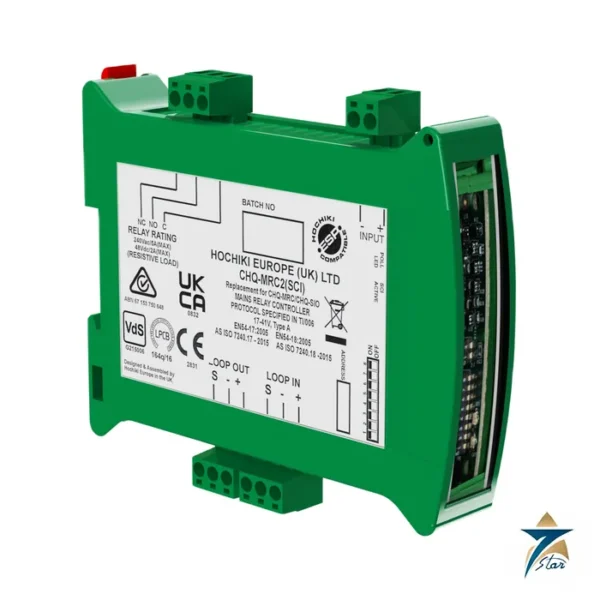
An intrinsically safe zone is limited by the energy the barrier will pass, so the number of detectors on one barrier channel is decided by the entity calculation, not by the panel alone. Each detector draws about 35 microamps at rest and up to 40 mA when it alarms, and the remote indicator can add up to 20 mA. Designers usually draw the zone, add the cable capacitance and inductance per metre, and ask the barrier maker for the permitted loading. Keeping these numbers in the project dossier also helps the next engineer who has to extend the loop.
Selection notes and compatibility
Before choosing Hochiki SOC-E-IS, confirm that the zone classification of the room is covered by Ex ia IIC T5 Ga and that the ambient temperature stays inside the minus 20 to plus 55 degrees range. Confirm the barrier or isolator entity parameters against those on the detector certificate, and do not exceed the cable parameters given in the control drawing. The IP42 rating limits use to protected interior spaces; for open-air areas an alternative technology is normally chosen. The detector is not a heat detector or a flame detector, so a design that needs multi-criteria coverage should combine it with other technologies.
How SOC-E-IS differs from other Hochiki smoke detectors
The ordinary conventional photoelectric head operates from a standard base and lacks the hazardous-area certification. The SOC-E-IS carries the Ex marking, works from 12 to 30 VDC, uses 35 microamps in the quiescent state, and requires the intrinsically safe YBN-R/4(IS) base. Its overall height of 48 mm including the base is a useful figure for ceiling void checks.
Installation and commissioning
Install the YBN-R/4(IS) base first, wire the zone, and then fit the detector by twisting it into the base. Run a zone test through the panel and check the remote indicator circuit if one is used. Smoke-test each detector with an approved test method and keep the certificate documents with the as-built dossier, since inspectors in oil and gas sites often ask for the Ex certificate numbers.
Maintenance
Inspect on the schedule set by the site hazardous-area inspection plan. Clean the removable chamber when the red LED shows the contamination warning, and avoid abrasive cleaners on the plastic housing. Do not open the detector in a hazardous atmosphere; perform maintenance after the zone has been declared safe by the permit system.
Ordering notes for Hochiki SOC-E-IS
State the colour, the quantity and whether bases are needed. If the loop includes call points such as the CCP-E-IS, say so at enquiry stage to allow a compatible set to be proposed.
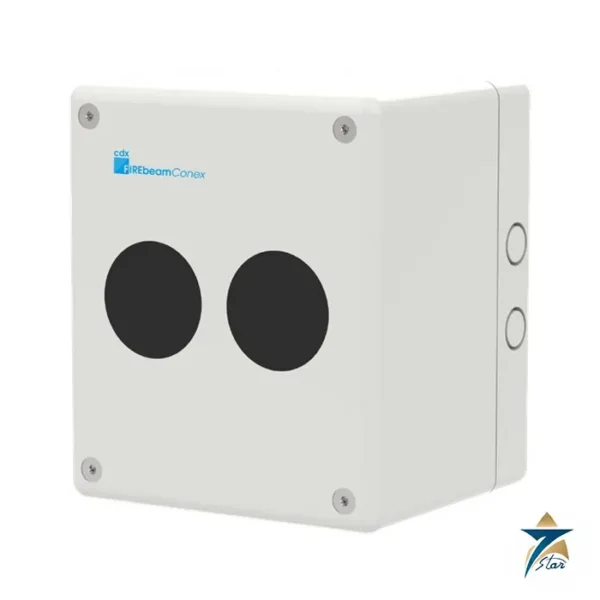
Related items you may also need: Hochiki CDX FIREbeam Xtra Conventional Beam Smoke Detector | Hochiki ALN-EN Intelligent Photoelectric Smoke Sensor (ESP) | Hochiki CDX FIREbeam Conex Conventional Beam Smoke Detector | All Hochiki products.
Documents and quotation
The manufacturer datasheet for SOC-E-IS is provided on this page. To request a quotation, send an RFQ with the part number Hochiki SOC-E-IS, the quantity, and your delivery location in Oman or the GCC.
Datasheets & Documents
- Datasheet Hochiki SOC-E-IS Intrinsically Safe Photoelectric Smoke Detector Datasheet Download
Reviews (0)
How would you rate this product? Cancel reply
About brand
Hochiki is a Japanese fire detection company, established in Tokyo in 1918 as Japan's first fire alarm manufacturer, with leading insurance companies among its founders. It makes smoke and heat detectors, beam detectors, addressable fire alarm systems and emergency lighting. Hochiki America has operated in the US since 1972.
Seven Star LLC is an independent supplier in Muscat. We list Hochiki detectors for fire alarm contractors in Oman and the GCC.
Hochiki company profile
| Founded | 1918, Tokyo, Japan |
|---|---|
| Founders | Members of Japan's insurance industry |
| US operations | Since 1972 |
| Systems | Conventional and addressable fire detection |
| Product families | ESP intelligent detectors and multi-sensors, FIREbeam beam detectors, CDX conventional detectors, control panels |
Milestones
- 1918: Hochiki is founded in Tokyo.
- 1972: Hochiki America begins US operations.
Hochiki product series
The ACD-EN is an intelligent multi sensor detector for Hochiki addressable systems.
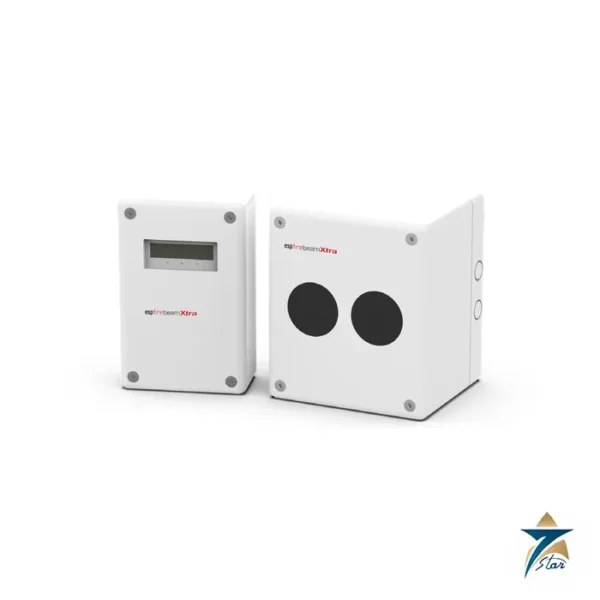
Beam smoke detectors include the CDX FIREbeam Conex and CDX FIREbeam Xtra conventional detectors and the ESP FIREbeam Xtra addressable detector.
Multi sensor detectors combine smoke and heat sensing to detect different fire types and reduce false alarms. Beam detectors send an infrared beam across an open space and alarm when smoke reduces the signal, covering large areas with fewer devices.
Detectors must match the panel protocol and be installed and tested to the local fire code.
Where Hochiki detectors are used
Offices, hotels, schools and hospitals, and large open spaces such as warehouses, atriums and halls where beam detectors cover long distances.
Hochiki products we list
| Family | Examples |
|---|---|
| Fire & Gas Detectors | ACD-EN Intelligent Multi Sensor, CDX FIREbeam Conex Conventional Beam Smo…, ESP FIREbeam Xtra Addressable Beam Smoke… |
Ordering Hochiki detectors: what we need
Send the part number, protocol (conventional or ESP addressable), the beam range and the panel in use.
Facts checked against IFSEC Global centenary coverage and Hochiki company profiles, October 2026.
Browse Hochiki products by category: Fire & Gas Detectors.
FAQ
Questions about the Hochiki SOC-E-IS Intrinsically Safe Photoelectric
Answers from our engineering team on installation, compatibility and integration.
01What ATEX marking does the Hochiki SOC-E-IS carry?
The datasheet lists Ex ia IIC T5 Ga for an ambient range of minus 20 to plus 55 degrees Celsius, suitable for Category 1 areas and all lower categories.
02Which base does the SOC-E-IS use?
The datasheet names YBN-R/4(IS) as the compatible base. The ordinary conventional base belongs to the standard range and should not be substituted.
03What does a flashing red LED on the SOC-E-IS mean?
If the contamination limit is exceeded, the red LED flashes once every three seconds and the current rises to 120 microamps, signalling that the chamber needs cleaning.
04What is the supply voltage range of the SOC-E-IS?
The specification gives 12 to 30 VDC, with 35 microamps typical quiescent current and a maximum of 40 mA in alarm.
05Is the smoke chamber of the SOC-E-IS replaceable?
The chamber is removable for cleaning or replacement, and the detector has a remote indicator output driving up to 20 mA.


Reviews
There are no reviews yet.