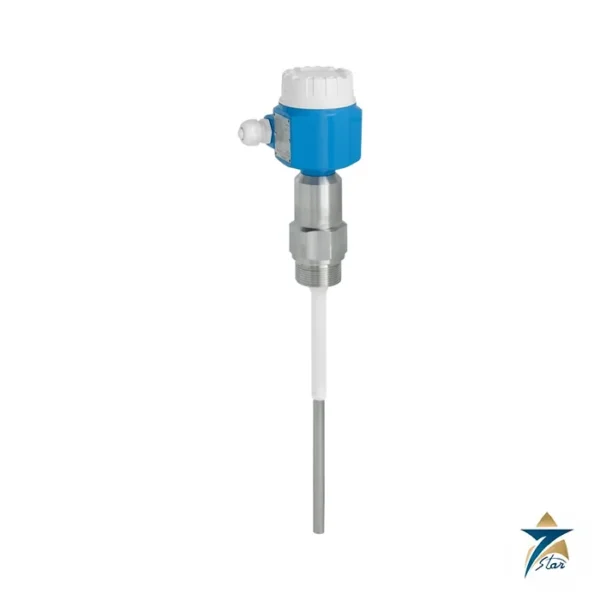
VEGACAP 69 double-rod capacitive level switch for non-conductive tanks
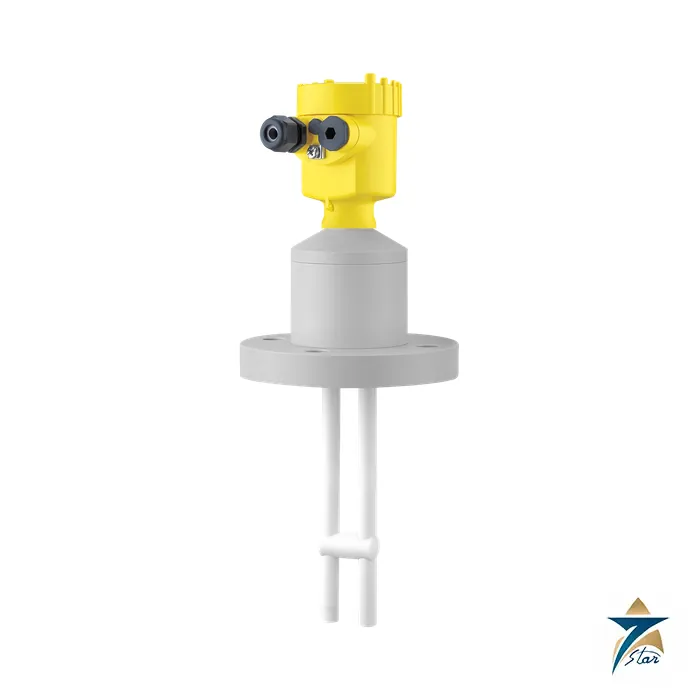
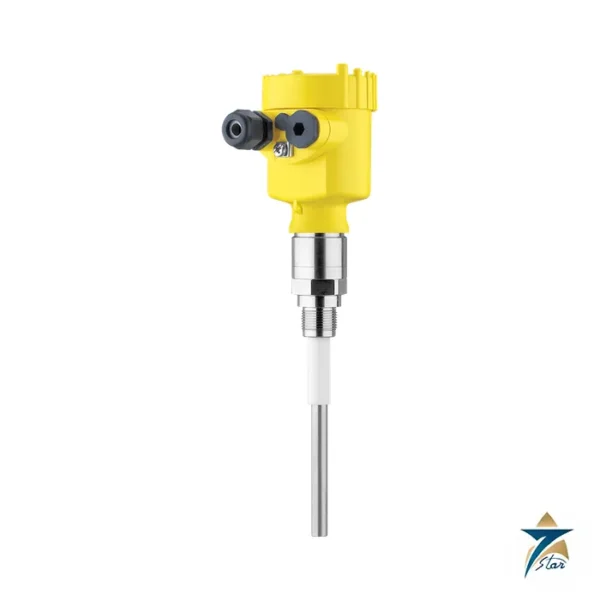
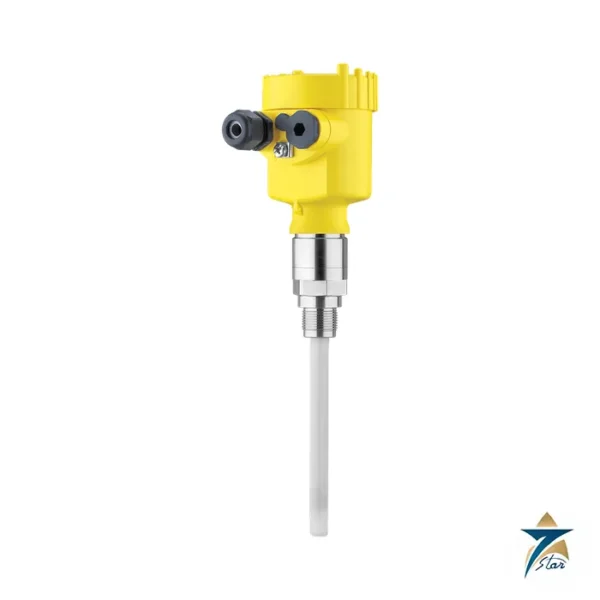
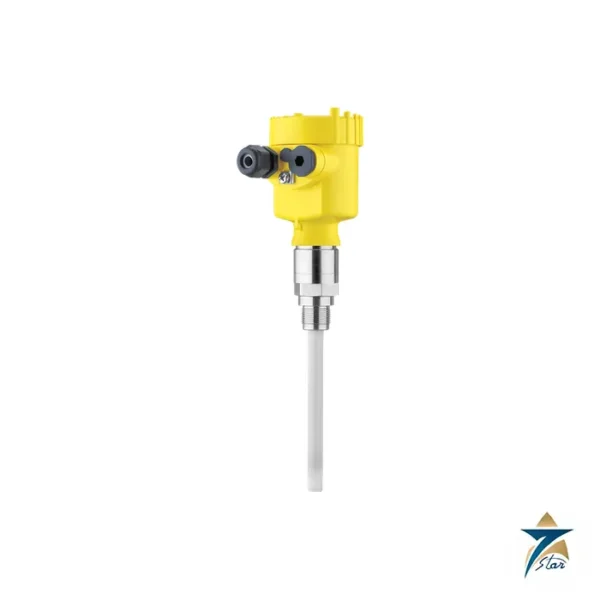
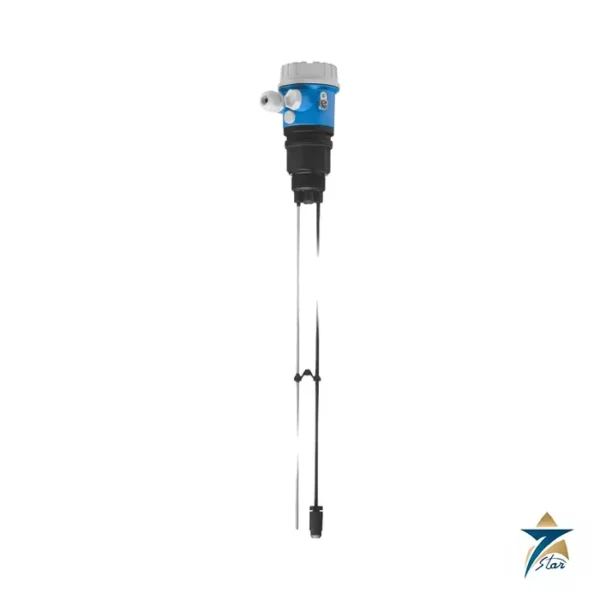
The VEGACAP 69 is the double-rod member of the VEGACAP 60 series of capacitive point level switches. Two parallel rods, fully insulated, work as both poles of the measuring capacitor, so the switch does not depend on a metal vessel wall. That is the whole point of the VEGACAP 69: it is the version chosen for plastic tanks, GRP vessels and other non-conductive containers where a single-rod probe has no counter electrode. Seven Star LLC supplies the VEGACAP 69 in Oman and the GCC as an independent supplier in Muscat.
Why a double rod
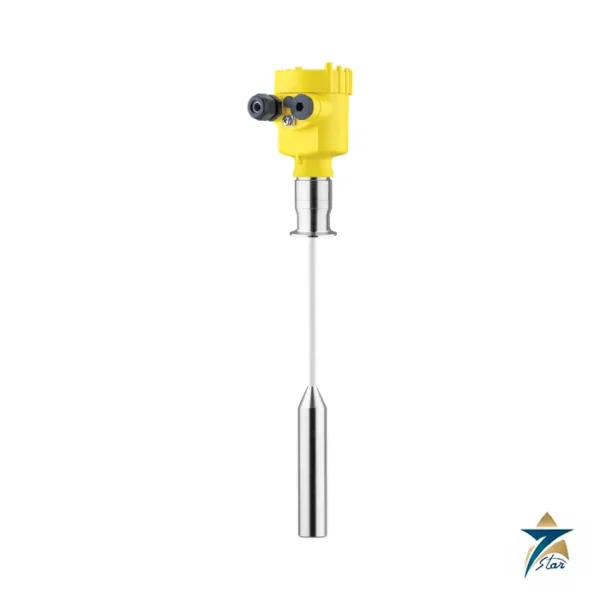
A normal capacitive probe uses the vessel wall as the second capacitor plate. The documentation points out that in a non-conductive vessel the second pole has to be provided separately, either as a double-rod electrode or through a very wide grounding surface on the outside of the tank. The VEGACAP 69 builds that second pole into the probe itself. The signal is generated between the two rods, and the liquid between them acts as the dielectric. As the liquid rises, capacitance increases and the electronics produce a switching command. The sensor is stated to be maintenance free, to have no moving parts and to be insensitive to buildup.
Technical specifications of the VEGACAP 69
| Parameter |
Specification |
| Manufacturer / part number |
VEGA / VEGACAP 69 |
| Preferred application |
Liquids |
| Probe version |
Double rod, fully insulated |
| Insulation |
FEP |
| Probe length |
0.2 … 4 m |
| Process fitting |
Flange in PP or PTFE, from DN50 / 2 in |
| Process temperature |
up to +100 °C |
| Process pressure |
-1 … 2 bar |
| Wetted materials |
PTFE, PP, FEP |
| Outputs |
Relay (DPDT), contactless electronic switch, transistor (NPN/PNP), two-wire |
| Housing |
Plastic; IP66/IP67 |
| Ambient temperature |
-40 … +80 °C |
| Display |
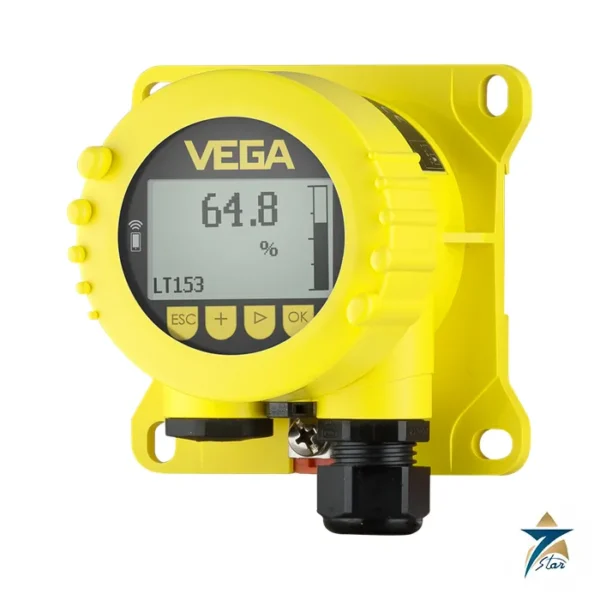
Pluggable PLICSLED module |
| Safety |
SIL2 qualification listed; intrinsic safety listed |
The approvals shown for this model include ATEX, EAC and UKR Sepro. Confirm the certificate for the final electronics before specifying it for a hazardous area.
How the VEGACAP 69 differs from the other VEGACAP types
The VEGACAP 62 is a partly insulated rod for non-conductive liquids, the VEGACAP 63 a fully insulated rod for conductive liquids, the VEGACAP 64 a rod with an active screening segment for very adhesive products, and the VEGACAP 66 an insulated cable for long lengths. The VEGACAP 69 is the only member of the family built with two rods and plastic flange fittings, with a lower temperature and pressure range (up to 100 °C and 2 bar) than the metal-fitted rods. Its materials make it suitable for corrosive liquids stored in plastic.
Selection checklist for the VEGACAP 69
- Vessel material: confirm it is plastic, GRP or another non-conductive material, or that a counter electrode is otherwise missing.
- Pressure and temperature: the limits are 2 bar and 100 °C, so it is for atmospheric or low-pressure tanks.
- Rod length from 0.2 to 4 m so that the rods cover the switching point with enough immersion.
- Flange material (PP or PTFE) and size, matched to the tank nozzle.
- Switching function: high level for overfill or low level for dry-run protection.
- Output and approval: relay, electronic switch, transistor or two-wire, with intrinsic safety if required.
Installation of the VEGACAP 69
Mount the rods so that they project freely into the vessel, away from the filling stream, agitators and any area where the product can splash onto the rods. Avoid long sockets, since buildup in a socket will disturb the measurement. Do not subject the rods to strong lateral loads; for longer lengths, a support just above the end may be needed. With a plastic flange, tighten the bolts evenly and check that the seal is compatible with the product. Wire the unit with round cable of 5 to 9 mm outer diameter, and connect the ground terminal on the housing to the local earth to drain static charge.
Commissioning and maintenance
Set the switching point, and verify it by raising and lowering the level. The relays should be wired so the circuit is open on a level signal, a cable break or a failure. The pluggable PLICSLED module shows the switching state. The sensor needs no routine maintenance; in service, inspect the flange seal and look for deposits between the rods, especially with products that crystallise or dry out.
Factors that influence a capacitive measurement
The documentation lists the influences on any capacitive switch: the concentration of the product when it is not conductive, its temperature, and conductivity below about 50 µS/cm. The more constant these are, the more reliable the switching point. Changes matter less for products with a high dielectric value. A product with a very low dielectric value, below 1.5, needs special measures, and the compensation of the instrument’s own capacitance allows reliable detection of products above 1.5. Sticky or crystallising products are a particular concern between two rods, so ask for application advice if the liquid is likely to bridge the gap. A list of measured products with dielectric values is published by the manufacturer for reference, and we can help check your liquid against it.
Typical applications in Oman and the GCC
Plastic storage tanks for chemicals are common at desalination plants, water treatment sites and utilities in the Gulf, and the VEGACAP 69 gives them an overfill or dry-run signal without needing a metal wall. Examples are sodium hypochlorite, acid and antiscalant dosing tanks, and fibreglass sumps. High ambient temperatures and sun make a weather cover worthwhile, and a PP or PTFE flange resists chemical attack where steel would not.
Information to send with an RFQ for the VEGACAP 69
- Liquid, concentration and temperature.
- Tank material and nozzle flange size.
- Rod length and switching direction.
- Output type, supply voltage and hazardous-area requirement.
- Quantity.
Documents and quotation
A product information datasheet for the VEGACAP series, including the VEGACAP 69, is attached on this page. Send the type code or the details above and we will confirm availability and quote the VEGACAP 69 in Oman and the GCC.
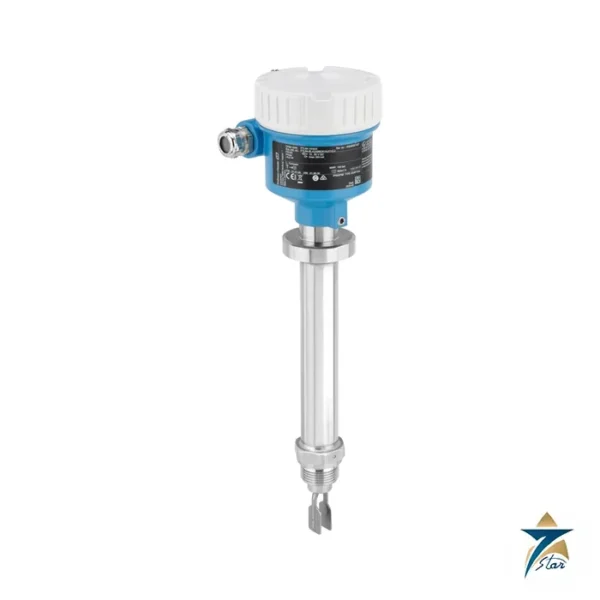
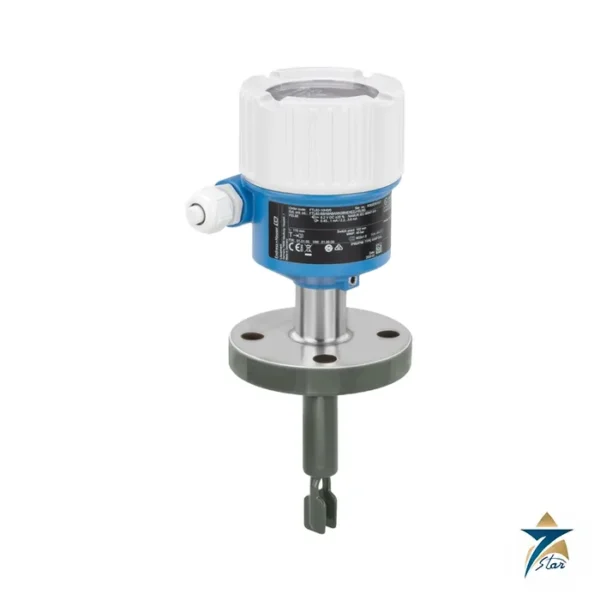
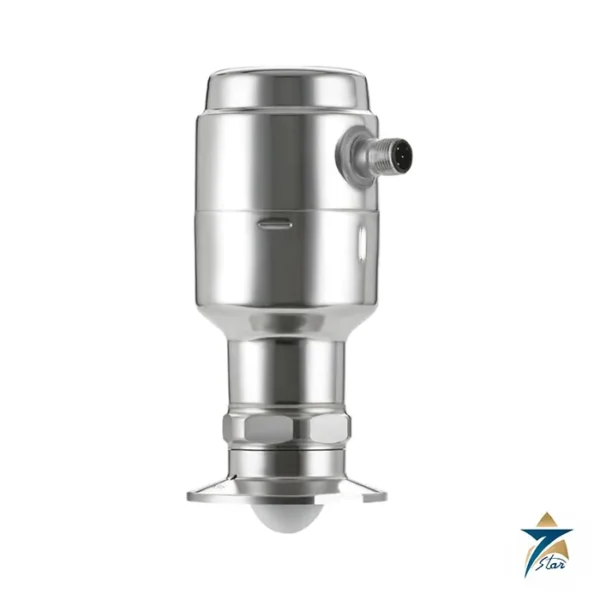
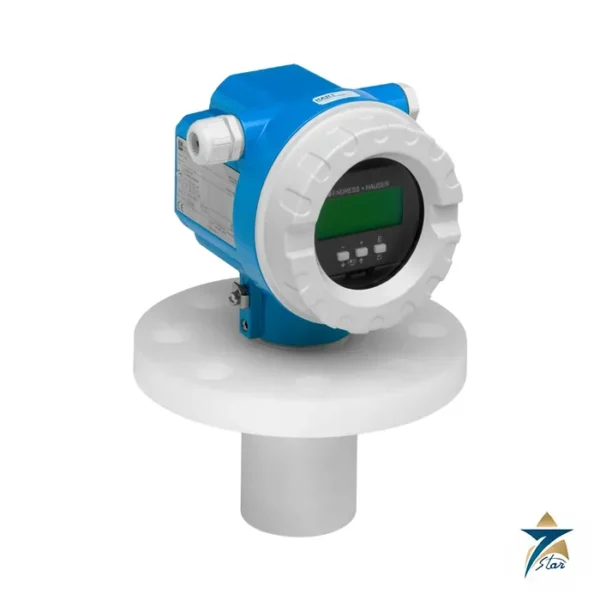
Other Models in the Vega Vegacap 6x Range
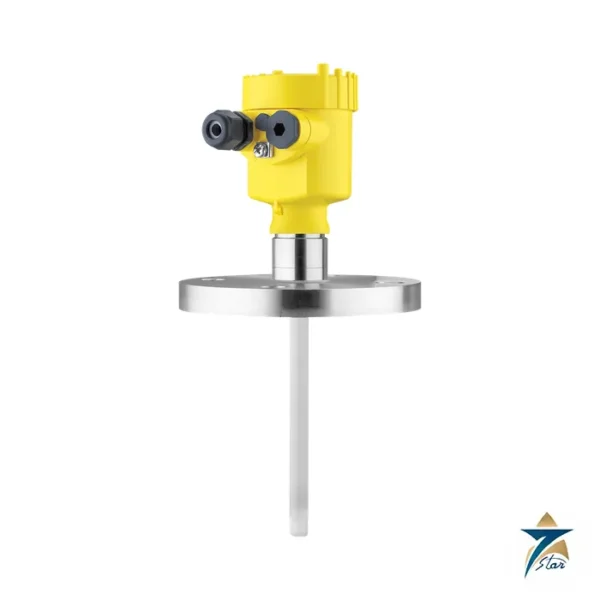
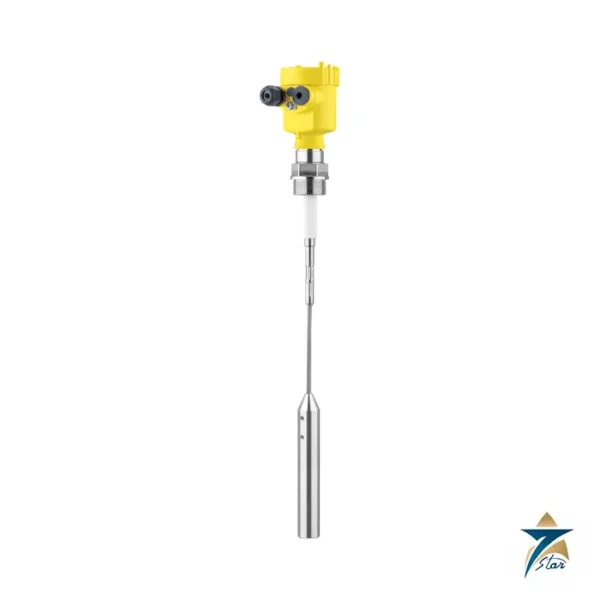
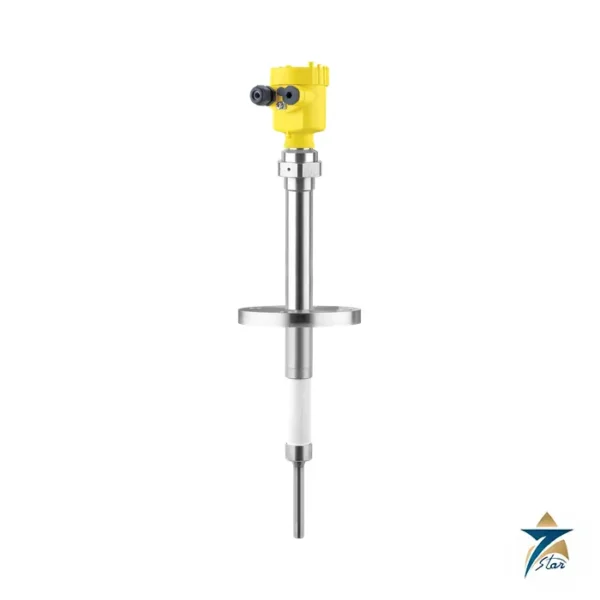
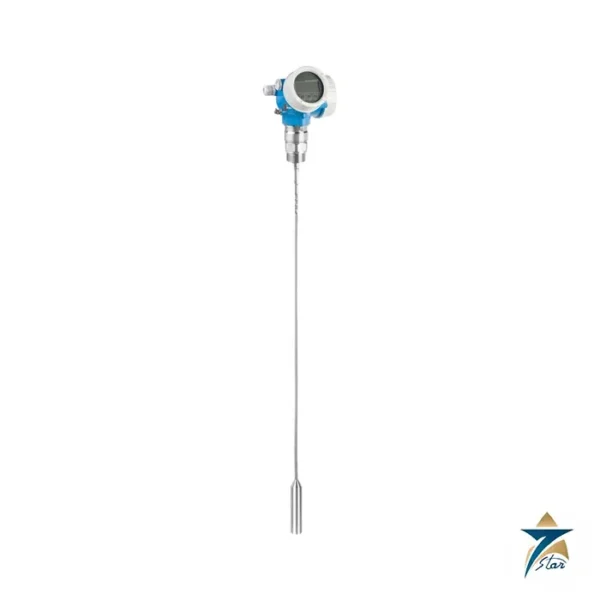
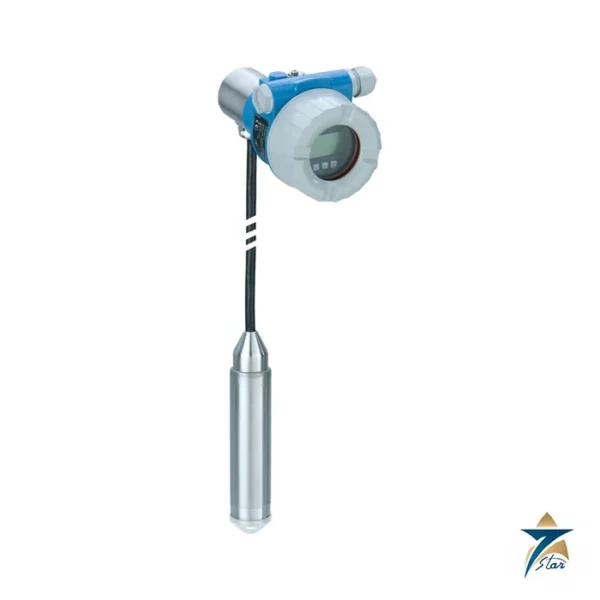
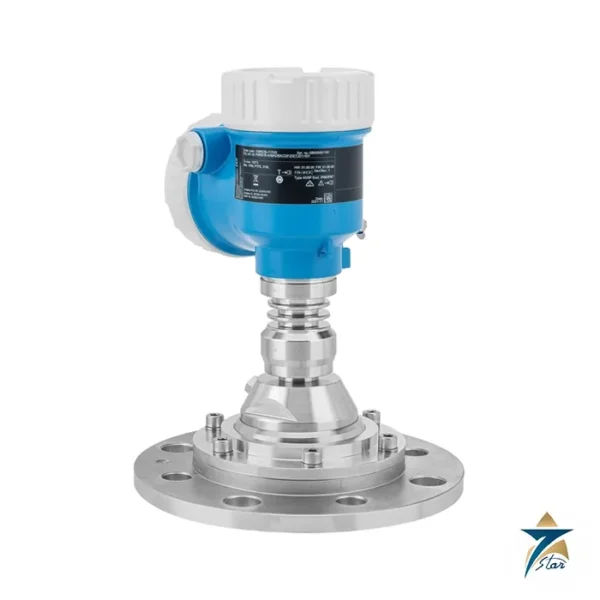
Seven Star LLC supplies models from the Vega Vegacap 6x range in Oman and the GCC. Compare the related models below and request a quote for the one that matches your application.





















Reviews
There are no reviews yet.