PFA-insulated guided radar for aggressive and hygienic liquids
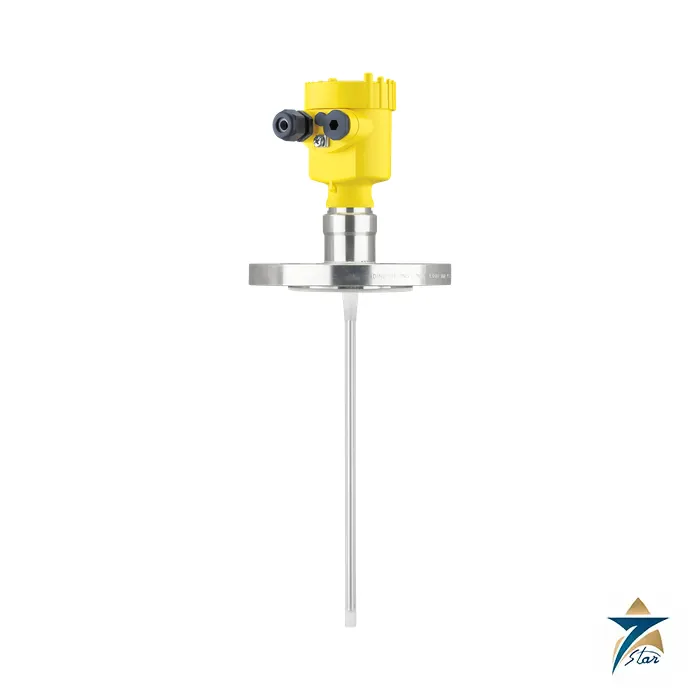
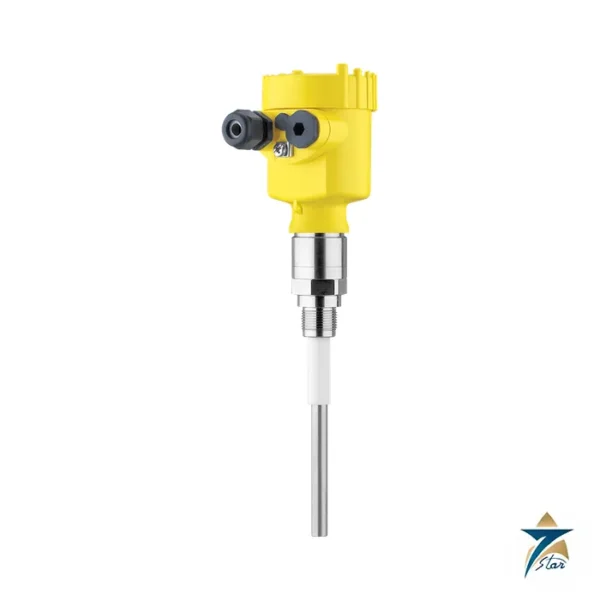
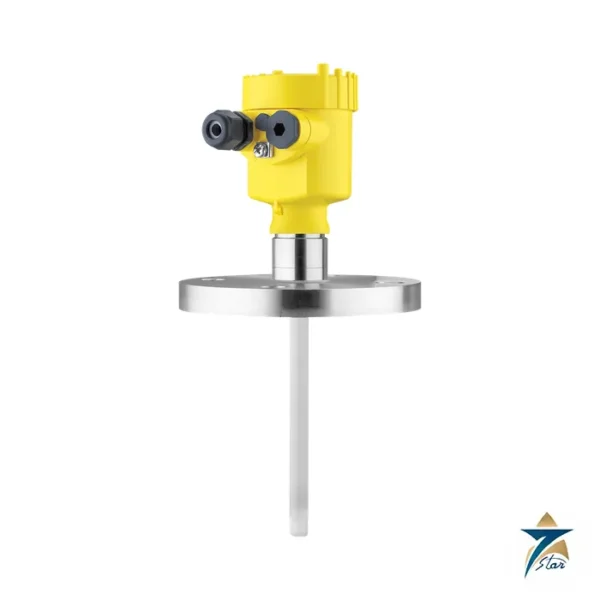
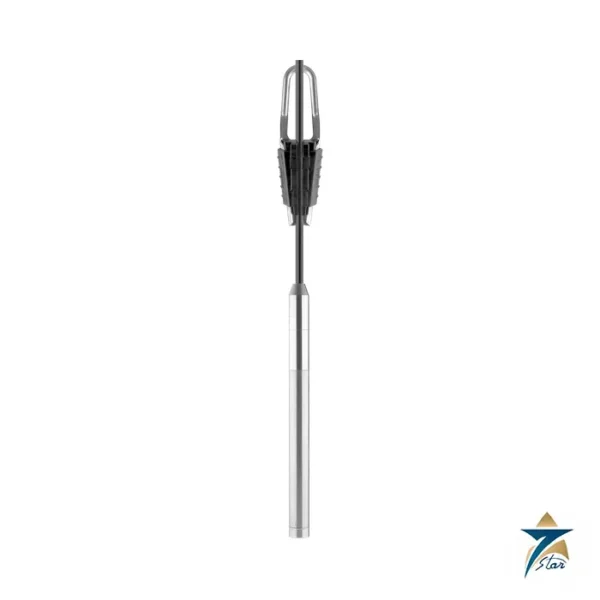
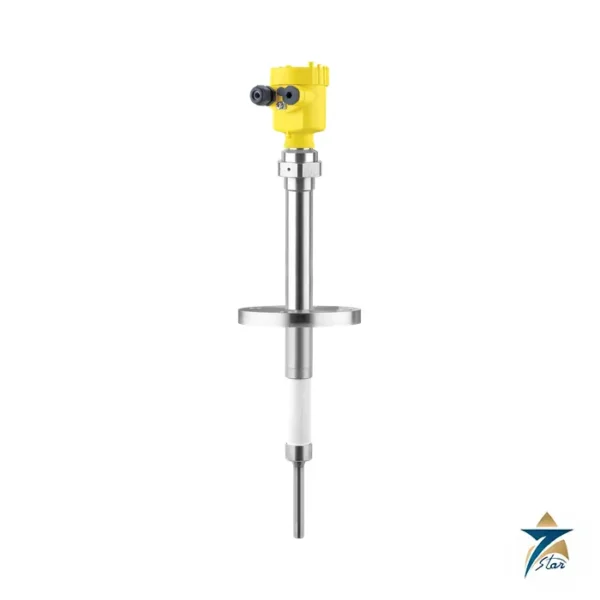
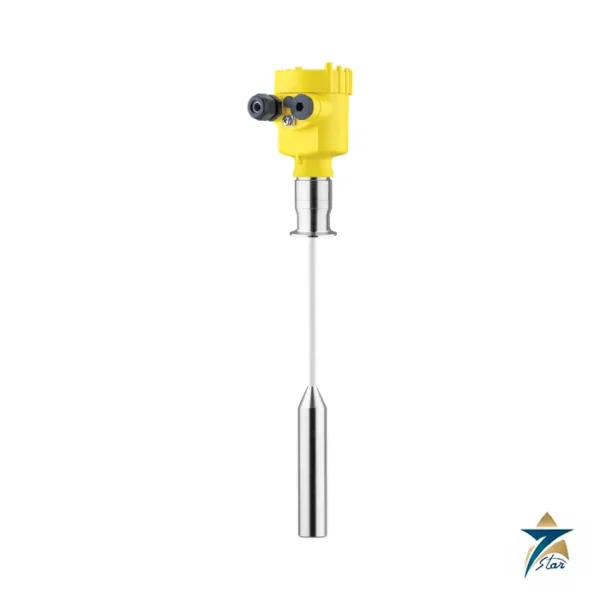
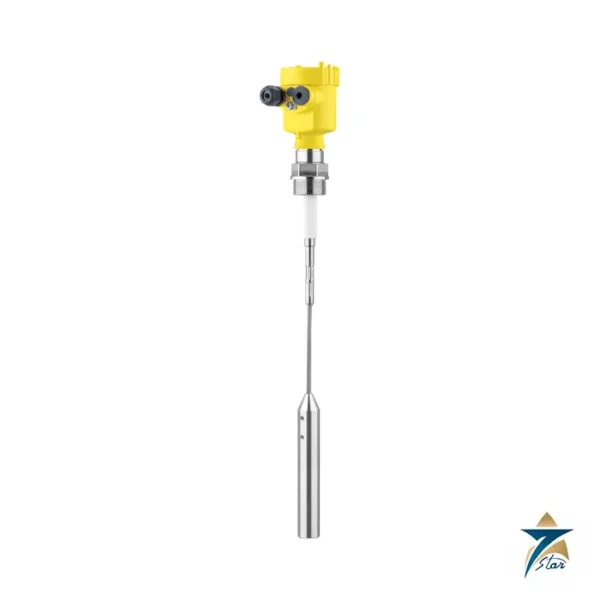
The VEGAFLEX 83 is the fully PFA-insulated member of VEGA’s guided wave radar range, built for aggressive liquids and for applications with the highest hygienic requirements. The wetted parts are made of the food-safe plastics PFA and TFM-PTFE, so the sensor can sit directly in acids, lyes, solvents or product streams where a metal probe would corrode or collect residue. VEGA says it delivers precise values even with steam, buildup, foam and condensation, and that the gap-free hygienic design gives the simplest and most reliable cleanability. The sensor measures level and, through a software switch, the interface between two liquids.
Technical specifications
| Parameter |
Specification |
| Type |
VEGAFLEX 83, PFA-coated TDR sensor for level and interface of liquids |
| Measuring range, cable probe |
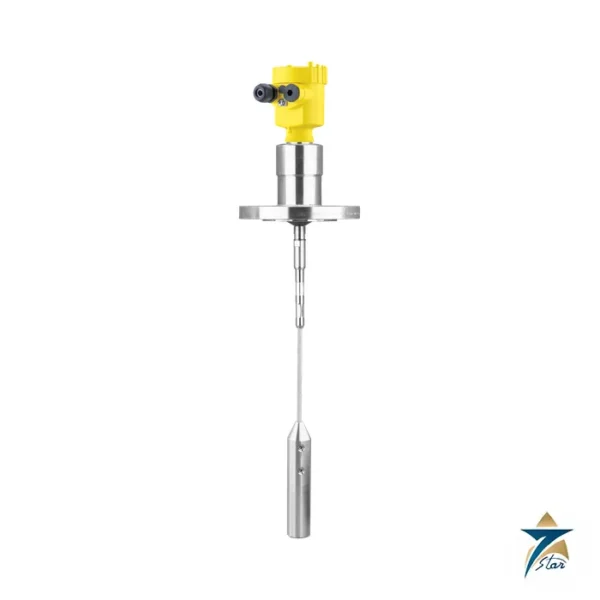
Up to 32 m (105 ft) |
| Measuring range, rod probe |
Up to 4 m (13.12 ft) |
| Measuring accuracy |
± 2 mm |
| Process fitting |
Flanges from DN 25 or 1″; hygienic connections |
| Process pressure |
-1…+16 bar (-100…+1600 kPa) |
| Process temperature |
-40…+150 °C (-40…+302 °F) |
| Ambient, storage, transport temperature |
-40…+80 °C (-40…+176 °F) |
| Operating voltage (sheet version) |
9…32 V DC (Foundation Fieldbus version) |
| Wetted parts |
Fully PFA insulated; TFM-PTFE |
| Electronics |
Two-wire 4…20 mA/HART, four-wire, Profibus PA, Foundation Fieldbus |
| Housing |
Single or double chamber in plastic, stainless steel or aluminium; up to IP68 (1 bar) |
| Approvals |
ATEX and IEC hazardous-area; ship approvals such as GL, LRS, ABS (as printed) |
Interface measurement and hygienic versions
As with the other VEGAFLEX sensors, interface measurement is selected in the adjustment tools. VEGA lists conditions: the upper medium must be non-conductive with a known and stable dielectric constant, the layer must be at least 100 mm thick, there should be no emulsion phase, and the lower medium’s dielectric constant must be at least ten higher than the upper one. A polished version of the VEGAFLEX 83 is available for level measurement under hygienic conditions in vessels with foodstuffs, and the PFA version suits the chemical, food and pharmaceutical sectors.
Selecting and ordering
Pick the PFA 83 over the metal VEGAFLEX 81 when corrosion or cleaning is the limit and the 16 bar and 150 °C envelope is enough; choose the 86 where temperatures reach higher. The product information shows rod probes up to 4 m and cable probes up to 32 m, so deeper tanks need a cable version. No filling of the vessel is needed to set up the sensor. The sheet attached here is the Foundation Fieldbus variant; other output versions share the same family data, but the supply and fieldbus details differ, so give the output type in your RFQ.
Key features of the VEGAFLEX 83
- Fully insulated probe – the PFA coating isolates the metal conductor from the medium, so corrosive chemicals contact only fluoropolymer surfaces.
- Level and interface from one instrument – total level and the separation layer between two liquids can be measured simultaneously, reducing the number of nozzles needed on the vessel.
- Insensitive to process conditions – guided microwave pulses travel along the probe, so vapour, foam and changing density have little effect on the reading compared with other methods.
- No moving parts – no floats or displacers to stick or wear, which lowers maintenance.
- Flexible electronics and housings – outputs and housing materials can be chosen to match the plant’s control system and environment.
- Common operating concept – set-up with the VEGA display and adjustment module, PACTware or the VEGA Tools app is the same as for other plics instruments.
How guided wave radar works
The sensor sends short microwave pulses down the probe. When a pulse meets the product surface, part of the energy is reflected back because of the change in dielectric constant. The electronics measure the transit time and convert it to distance and then to level. In interface applications, part of the pulse continues through the upper, low-dielectric liquid and is reflected again at the boundary with the lower liquid, giving a second echo for the interface position.
Installation guidance
- Mount the probe away from inlets, agitator blades and internal fittings so the product stream does not hit it directly.
- For cable probes, provide a suitable anchoring or gravity weight arrangement as described in the operating instructions, and keep a clearance to the vessel wall.
- Nozzles should be as short and wide as practical to avoid interfering echoes; follow VEGA recommendations for nozzle dimensions.
- Handle the PFA-coated probe carefully during installation – scratches or cuts in the coating can expose the conductor to corrosive media.
- Enter the correct vessel and medium data at commissioning and use the echo curve to verify the measurement.
Applications in Oman and GCC industries
Chemical dosing stations in desalination and water treatment plants, acid and caustic storage tanks, and process vessels in the petrochemical, food and dairy sectors across Oman and the GCC are typical locations for a PFA-insulated level sensor. Sodium hypochlorite, sulphuric acid, hydrochloric acid and caustic soda attack many metals, and a fully insulated probe avoids that problem. In outdoor tank farms, a sun shade over the housing reduces electronics temperature under strong sunlight, and a sealed housing with correctly tightened cable glands keeps out dust and humidity. Where vessels hold flammable solvents, the correct hazardous-area approval must be selected with the order.
What to include in your RFQ
A VEGAFLEX 83 is built to order, so the RFQ should include: probe type (rod or cable) and length, process connection type and size, medium and its temperature and pressure, whether interface measurement is needed, output signal, housing material and cable entry, display requirement and any hazardous-area or hygienic approvals. If you have an existing VEGA order code or a datasheet from the original project, share it so the configuration can be matched exactly.
Documents and quotation
The official VEGA VEGAFLEX 83 (Foundation Fieldbus, PFA coated rod and cable probe) specification sheet (42307-EN, version 151204) is attached to this page for download and covers the technical data, dimensions and wiring summarised above. Sheets for the 4…20 mA/HART and Profibus PA versions are available from the VEGA download centre.
Your enquiry should state the process connection, medium, pressure and temperature, signal and approvals needed. Seven Star LLC, an independent Muscat supplier, will then quote it; see also our level instrumentation range. Verify the full configuration against the manufacturer’s documents before ordering.











Reviews
There are no reviews yet.