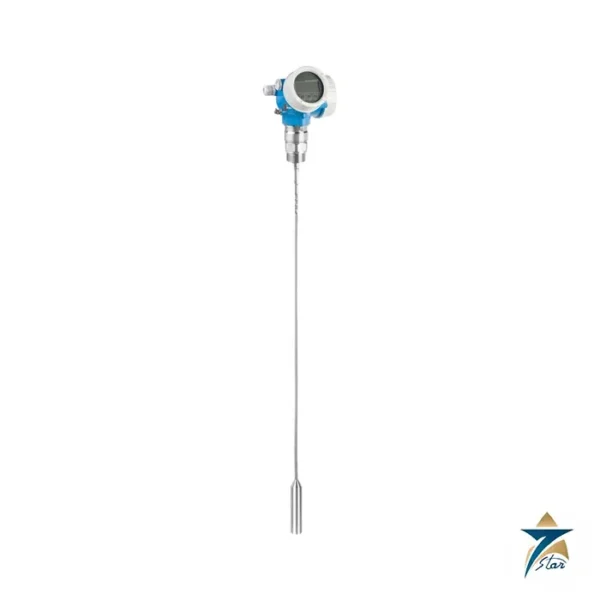
Endress+Hauser FMB51 Deltapilot M rod-type hydrostatic level probe
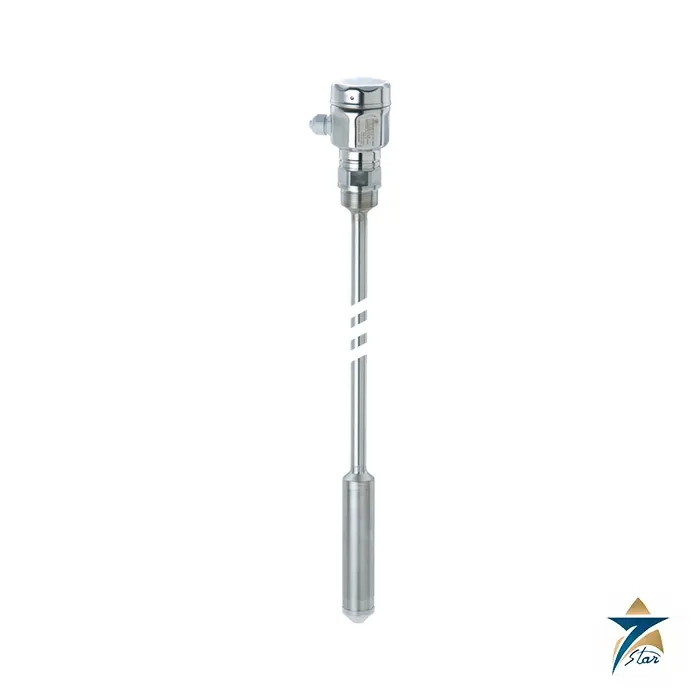
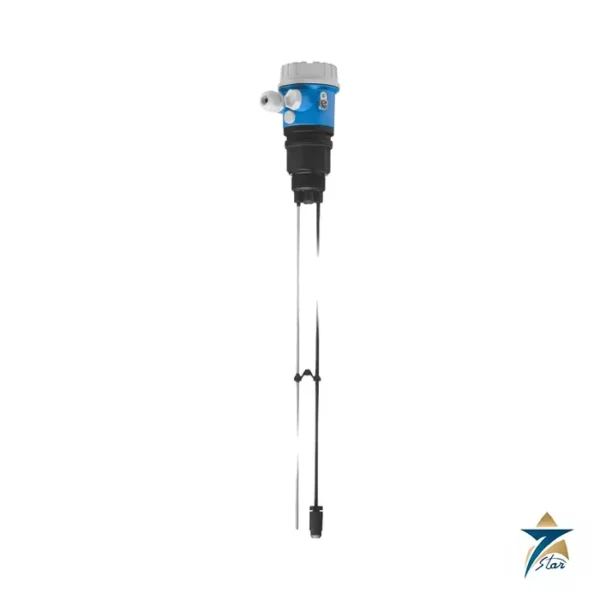
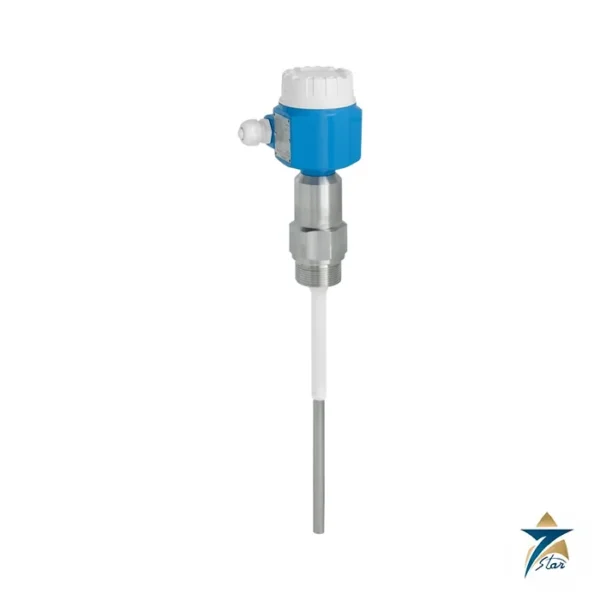
The Endress+Hauser FMB51 is the rod version of the Deltapilot M hydrostatic transmitter. A stainless probe tube, 0.4 to 4 m long, carries the pressure sensor down into the liquid, while the electronics housing stays at the top of the tank, so the FMB51 measures level from above without any connection below the liquid surface. That makes it a practical retrofit on tanks, sumps and pits that already have an opening in the roof, and because the rod is rigid it holds its position in moving liquid better than a cable probe.
Seven Star LLC supplies the FMB51 in Oman and the GCC as an independent supplier in Muscat. This page covers what the FMB51 is, how it differs from the FMB50, FMB52 and FMB53, and what we need to quote the correct version.
FMB51 technical specifications
| Parameter |
Specification |
| Manufacturer / part number |
Endress+Hauser / FMB51 (Deltapilot M, rod version) |
| Probe length (rod) |
0.4 to 4 m (1.3 to 13 ft); rod length tolerance up to –4 mm below 4 000 mm |
| Measuring cells (URL) |
100 mbar, 400 mbar, 1.2 bar, 4 bar or 10 bar (1.5 to 150 psi) |
| Overpressure limit (OPL) |
4, 8, 24, 24 and 40 bar for the five cells respectively |
| Reference accuracy |
±0.2 % standard; platinum option down to ±0.1 % on the larger cells (turn-down limits apply) |
| Process temperature |
–10 to +85 °C; –3 °C minimum when a Kalrez seal is fitted |
| Seal options |
FKM, EPDM, Kalrez 6375, or none for a welded cell |
| Process diaphragm |
Alloy C276 (2.4819), optional gold-rhodium or gold-platinum coating |
| Wetted probe parts |
316L (1.4404) rod, socket and probe tube; Alloy C4, Alloy C22 and Alloy C276 parts in the corrosion-resistant version; POM protective cap |
| Maximum lateral load |
30 Nm (static) |
| Output / communication |
4 to 20 mA HART 6.0, PROFIBUS PA or FOUNDATION Fieldbus |
| Supply voltage |
HART 11.5 to 30 V DC intrinsically safe, 11.5 to 45 V DC otherwise; PA and FF 9 to 32 V DC (non-hazardous) |
| Dynamic behaviour (HART current output) |
Dead time up to 500 ms, time constant T63 up to 250 ms; warm-up up to 8 s |
| Functional safety |
4 to 20 mA version assessed for use up to SIL 2 (IEC 61508, IEC 61511) |
Values are taken from the Endress+Hauser technical information for the Deltapilot M FMB50 to FMB53 series. Final limits depend on the cell and options in your order code.
How the FMB51 measures level
The FMB51 works on the hydrostatic principle: the pressure at the bottom of a liquid column equals density times gravity times height, so with a known density the pressure on the probe tells you the level. The pressure acts on a metal diaphragm at the tip of the rod. An oil fill carries it to a silicon element inside the CONTITE cell, which is sealed on both faces, so condensation inside the vent path cannot disturb the element.
The level zero point is the position of the process diaphragm, not the tip of the protective cap, and the height of the protective cap (17 mm in the datasheet drawing) must be allowed for when you plan the probe length. A 32-point linearization table converts pressure into volume for sphere, horizontal cylinder or cone-bottom tanks.
FMB51 rod construction, process connection and seals
The rod, socket and probe tube are 316L, and a corrosion-resistant variant uses Alloy C276 for the connection, Alloy C4 for socket and rod and Alloy C22 for the tube. The probe screws into a G 1½ or 1½ NPT thread, or is supplied on an EN, ASME or JIS flange; the weight of a threaded version including the cell tube is about 1.65 kg, the flange version about 1.30 kg without the flange, and the rod adds roughly 0.77 kg per metre. The FKM, EPDM and Kalrez 6375 seals cover most media; a welded cell with no seal removes an elastomer from the wetted side. Because the rod is stiff, the datasheet limits the static lateral load to 30 Nm, so do not use it where the product flows hard against the probe.
Where the FMB51 fits and related Deltapilot M models
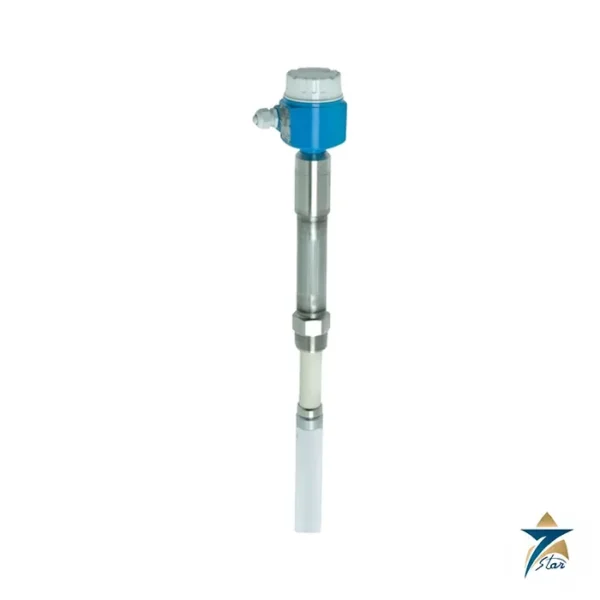
Choose by geometry. The FMB50 is a wall-mounted unit for tapping points below the liquid, the FMB51 is rigid and goes up to 4 m, the FMB52 uses a cable with a top thread or flange, and the FMB53 is a cable probe hung from a suspension clamp for deep wells and boreholes. Deeper than 4 m, or where the tank roof is too low for a long rigid rod, the FMB52 or FMB53 is the better fit. The same electronics and output options are used across the group, so spare parts knowledge carries over. For a higher grade of accuracy and SIL 3, see the Deltapilot S FMB70.
Selecting and ordering an FMB51
- Probe length: measure from the mounting point to the lowest level you need, then add the allowance for the protective cap. Rods come in lengths from 0.4 to 4 m.
- Cell range: pick the smallest cell that covers the maximum head plus any top pressure; a smaller span reduces accuracy.
- Wetted materials: 316L is the default; ask for the Alloy version for aggressive media, and a gold-coated diaphragm where hydrogen diffusion is a concern.
- Seal: FKM, EPDM or Kalrez to suit the medium and temperature, or a welded cell.
- Output and housing: HART, PROFIBUS PA or FOUNDATION Fieldbus, with an aluminium F31 or stainless F15 housing and the cable entry you need.
- Approvals: Ex families listed in the datasheet include ATEX, IECEx, FM, CSA and NEPSI; confirm the exact approval for your area.
FMB51 installation, commissioning and maintenance
Place the probe where flow is slow, away from the inlet jet and the pump suction. To protect the rod from sideways loads, run it inside a guide tube, preferably plastic, or hold it with a clamp. Set the position zero shift after installation, either with the keys on the electronics or by digital command, and check the 4 to 20 mA signal at the test terminals without opening the loop. Vibration resistance is rated for 10 to 60 Hz at 0.075 mm and 60 to 150 Hz at 1 g, which is lower than the cable versions, so keep the rod away from agitators and strong machine vibration.
Maintenance is limited to periodic inspection. Lift the probe at shutdowns, clean sludge from the tip and the protective cap, and check the vent path and cable entry seals. Do not poke the diaphragm with a tool, as it is thin metal.
Typical FMB51 applications in Oman and the GCC
In Oman and the GCC, rod-type level probes are common in neutralisation pits and sumps at refineries and petrochemical sites, in raw and treated water tanks at desalination and water treatment plants, in cooling-water basins and fuel or condensate tanks at power stations, and in wastewater lift stations. The rigid rod suits tanks up to 4 m deep where a roof nozzle is available. High ambient temperatures and direct sun call for the stainless housing, a sealed cable gland and a shade where possible.
Information to send with an FMB51 RFQ
- Part number FMB51 and the order code of any unit you want to match.
- Probe length required and the nozzle size or flange rating on the tank.
- Medium, density, temperature and highest and lowest level.
- Required output, housing, cable entry and hazardous-area classification.
- Seal and wetted material preferences, certificates needed and quantity.
Documents and quotation
A copy of the Endress+Hauser technical information for the Deltapilot M FMB50 to FMB53 group is attached on this page, covering the FMB51 ranges, rod lengths and options.
Send us the FMB51 details above and Seven Star LLC will prepare a quotation for Oman and the GCC.
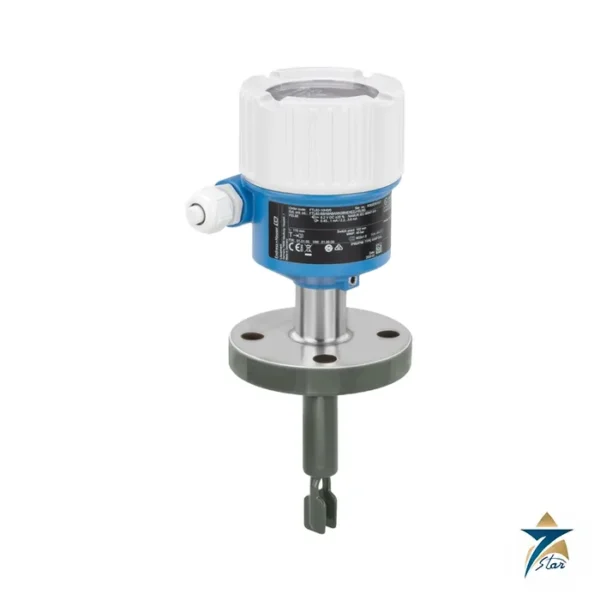
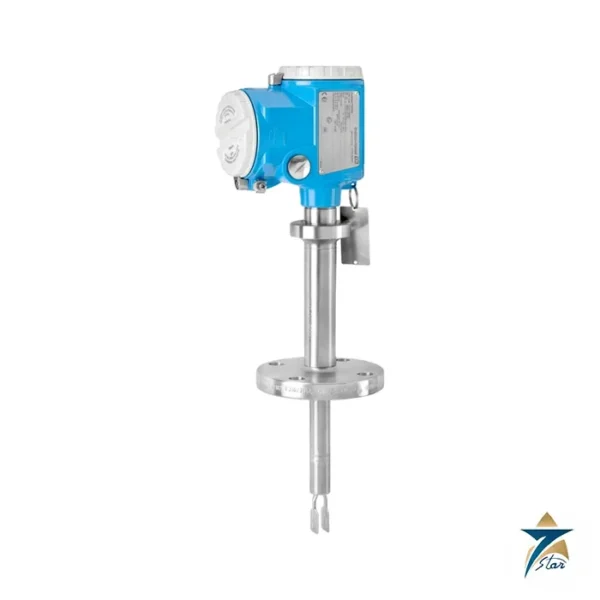
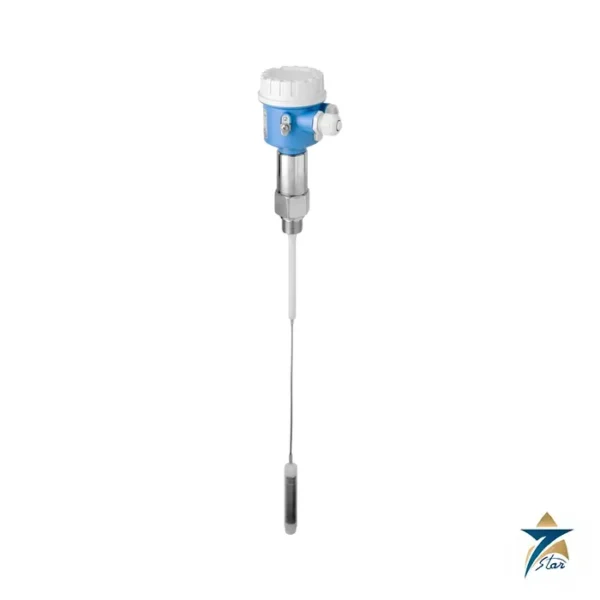
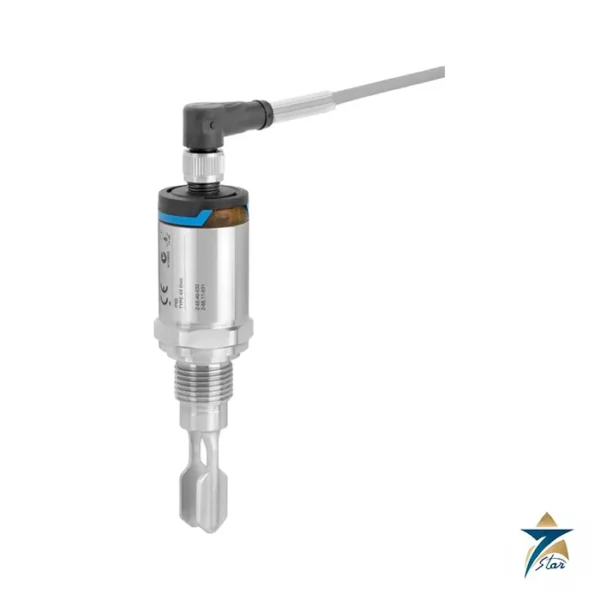
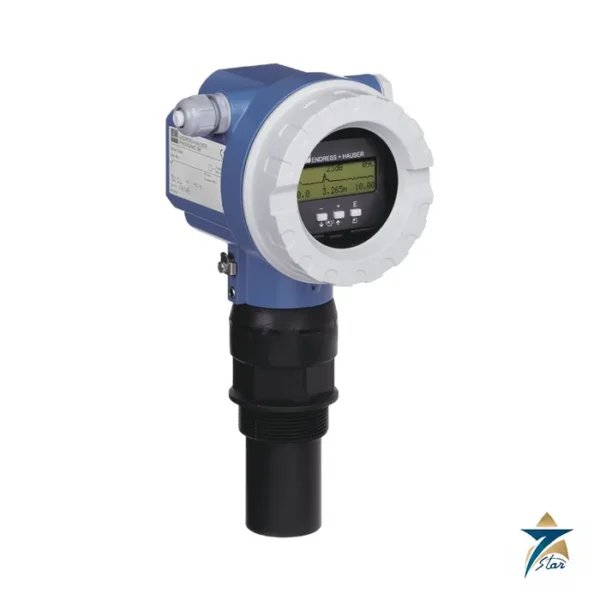
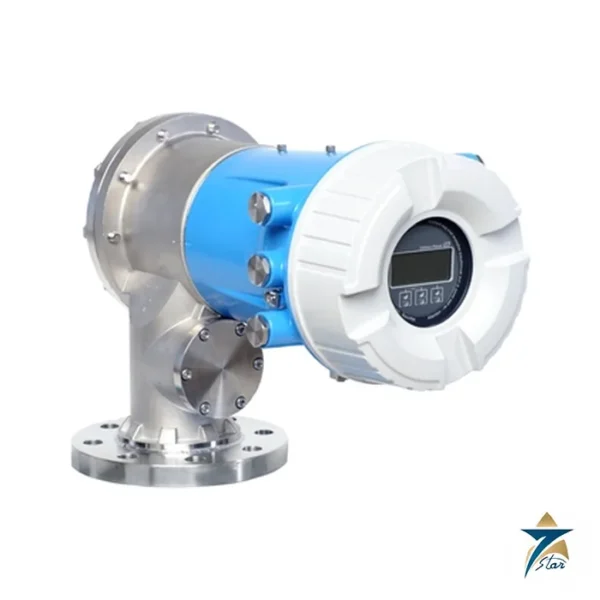
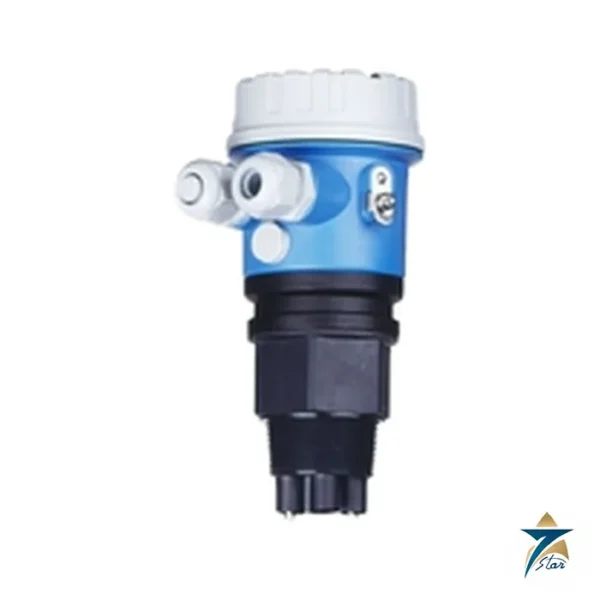
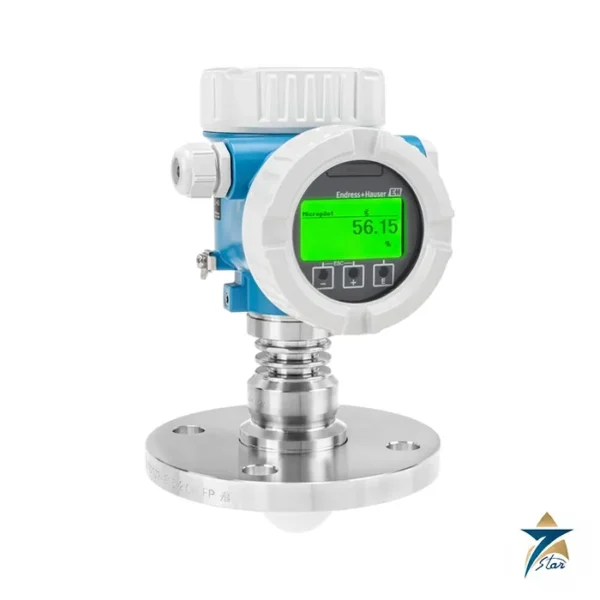
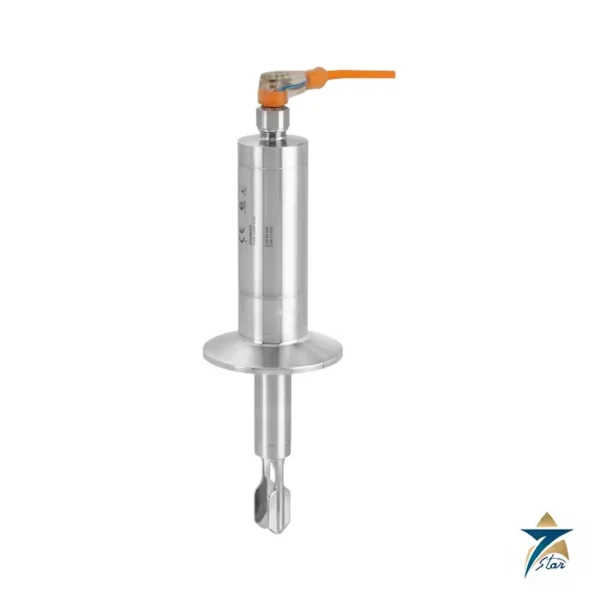
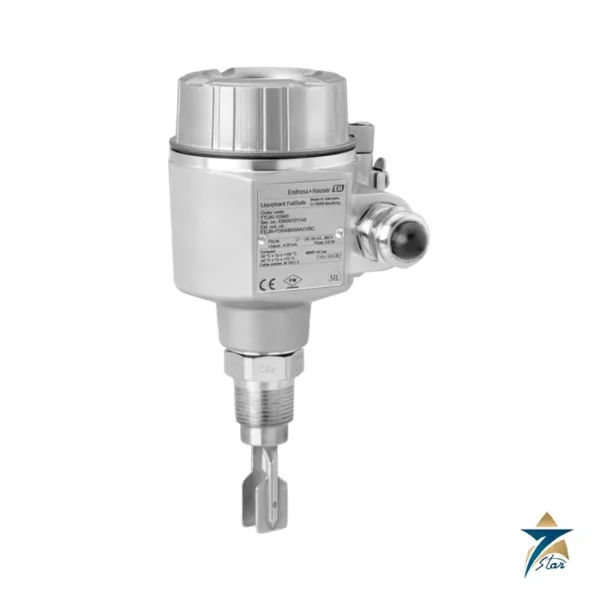
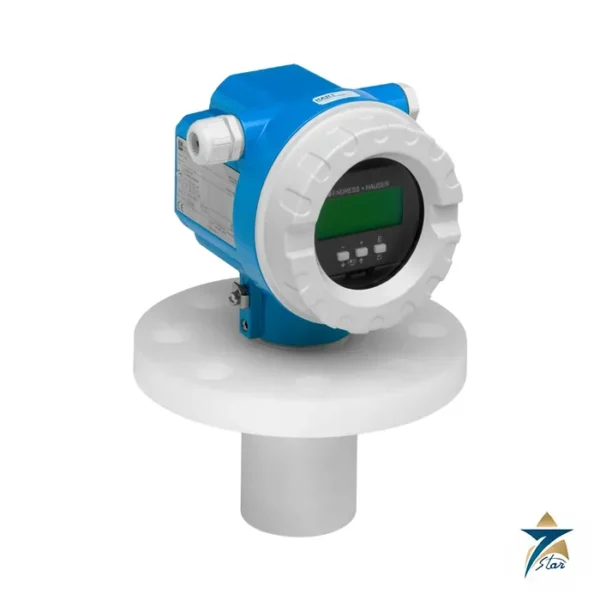
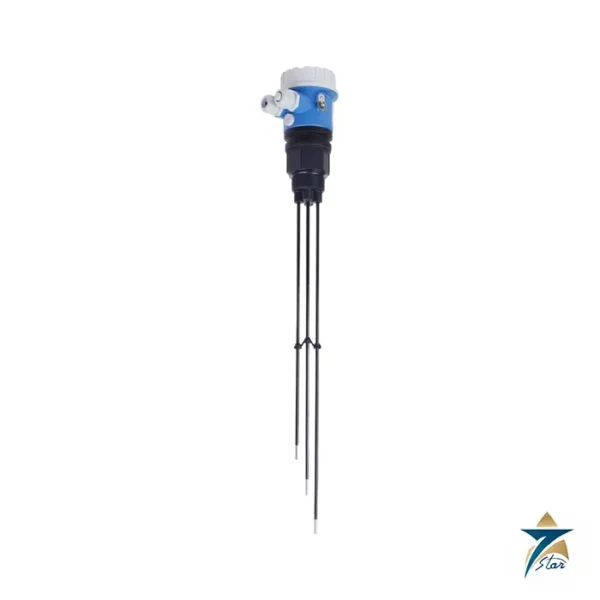
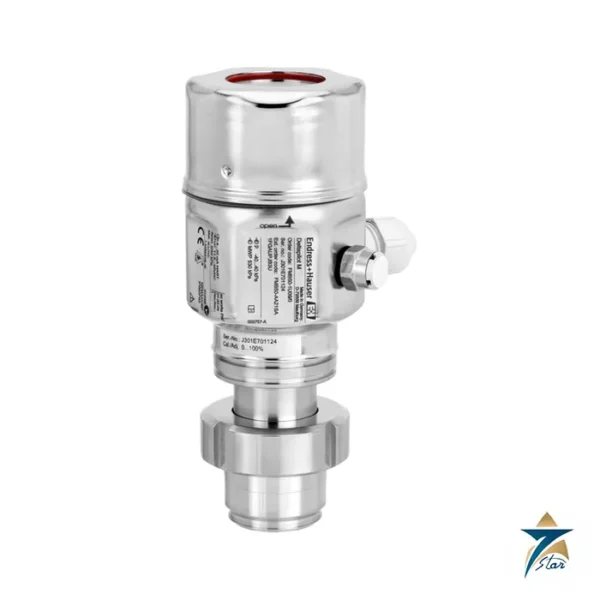
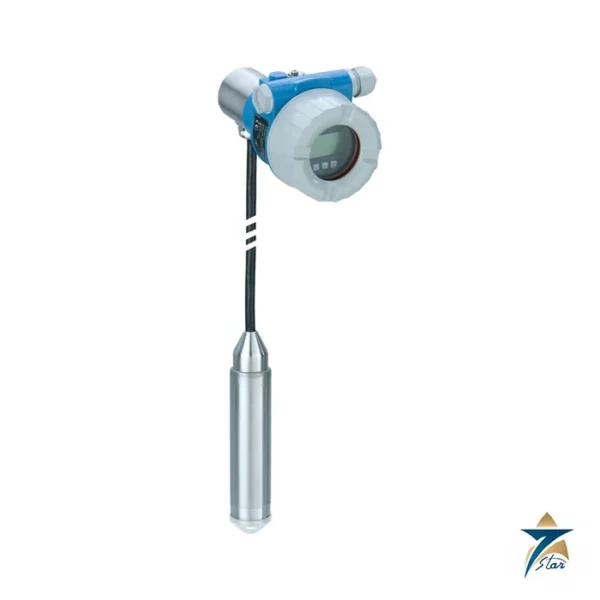
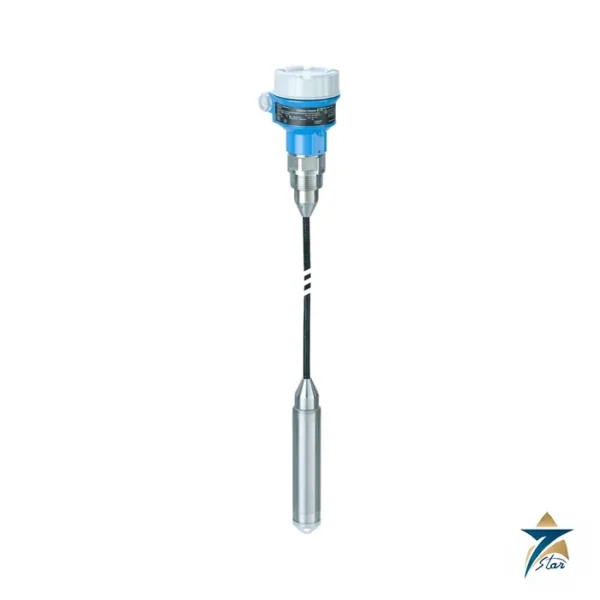
Other Models in the Eh Deltapilot M Range
Seven Star LLC supplies models from the Eh Deltapilot M range in Oman and the GCC. Compare the related models below and request a quote for the one that matches your application.


















Reviews
There are no reviews yet.