Endress+Hauser t-mass T 150 insertion thermal mass flowmeter for liquids
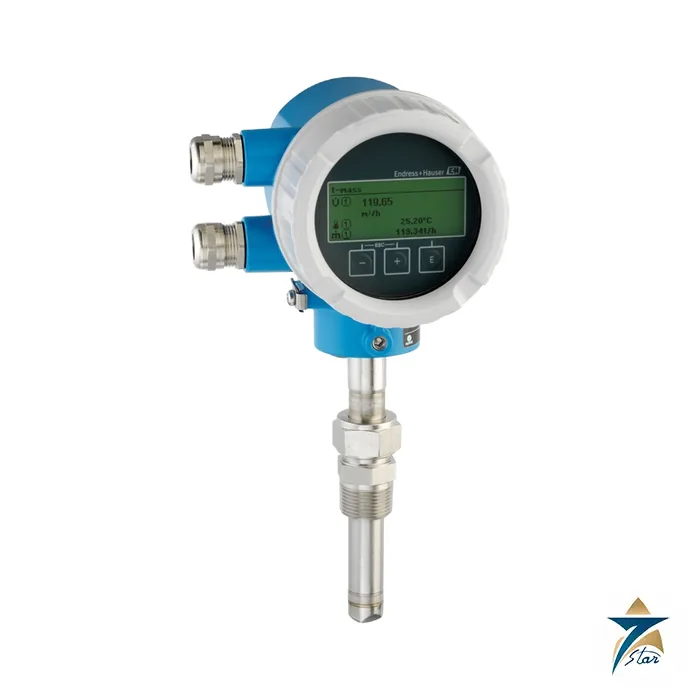
The Endress+Hauser t-mass T 150 is a compact, insertion-type thermal mass flowmeter that Endress+Hauser designed for liquids, mainly water and water-based media. The t-mass T 150 belongs to the Proline family and is the company’s first thermal mass device aimed at liquid service rather than gas. It measures mass flow and medium temperature directly and derives volume flow from them, without depending on the electrical conductivity of the fluid. That makes the t-mass T 150 a practical option for monitoring and trending in pipes where a magnetic flowmeter cannot be used, for example with non-conductive liquids. Seven Star LLC supplies the t-mass T 150 in Oman and the GCC as an independent supplier in Muscat, and configures the quotation from the application data you send.
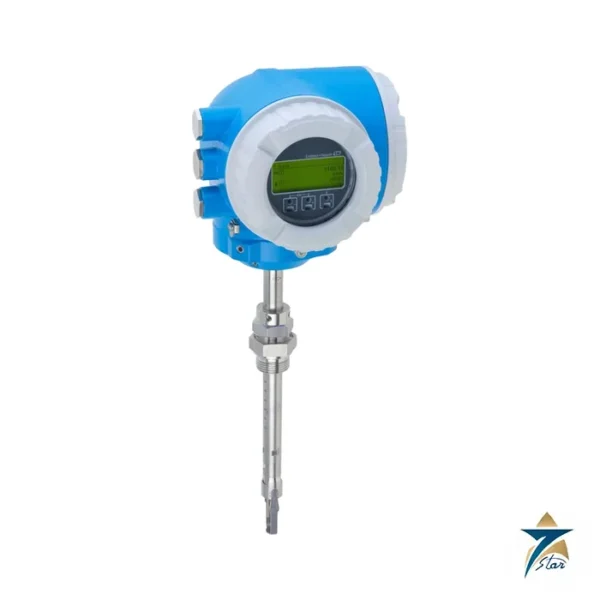
A t-mass T 150 is one sensor probe that is pushed into an existing pipe from the side. It covers pipe sizes from DN 40 to DN 1000 (1½ to 40 in) by changing the insertion depth, which is why one product code serves such a wide range of lines. The transmitter is mounted directly on the sensor as a compact unit, so there are no sensor cables to route and no separate transmitter housing to install.
t-mass T 150 technical specifications
| Parameter |
Specification |
| Manufacturer / part number |
Endress+Hauser / t-mass T 150 (Proline, product root 6TAB) |
| Measuring principle |
Thermal: heated PT100 cooled by the passing liquid, constant temperature difference method |
| Measured variables |
Mass flow and medium temperature (direct); volume flow (calculated) |
| Nominal diameter |
DN 40 to 1000 (1½ to 40 in), insertion version |
| Measuring range (water) |
226 l/h up to 14 100 000 l/h (60 to 3 730 000 gal/h), depending on pipe size |
| Operable flow range |
100 : 1 |
| Maximum measured error |
±5 % of full scale value (flow); repeatability ±0.5 % of value above 0.2 m/s |
| Response time |
Typically below 3 s for 63 % of a step change |
| Medium temperature |
–20 to +100 °C (–4 to +212 °F); SIP cleaning to 130 °C for up to one hour (hygienic) |
| Maximum process pressure |
PN 40 (40 bar g); lower with PEEK clamping ferrule and some hygienic fittings |
| Wetted materials |
316/316L (1.4404) or Alloy C22 (2.4602) transducer, insertion tube and fittings; PEEK 450G ferrule option |
| Sensor length |
110 mm or 330 mm standard; 30 to 85 mm hygienic version |
| Output |
4–20 mA HART (active) and pulse/frequency/switch output (passive), optional status input |
| Supply |
24 V DC (18 to 30 V); about 4.0 W maximum |
| Ambient temperature |
–40 to +60 °C; local display readable –20 to +60 °C |
| Protection |
IP66/67, type 4X enclosure |
How the t-mass T 150 measures mass flow
Inside the probe tip sit two PT100 resistance thermometers. One acts as a conventional temperature sensor and records the real process temperature. The other is a heater that the electronics keep at a fixed temperature difference above the liquid. When liquid flows over the tip it carries heat away, and the electronics must raise the heating current to hold the difference constant. The heating power needed is therefore a direct indicator of mass flow, and the method also covers low velocities with a wide turndown of 100 : 1.
Because the signal is based on heat transfer, the t-mass T 150 does not require conductive liquid and has no moving parts and no obstruction in the pipe, so pressure loss is negligible. The integrated temperature compensation supports the high repeatability and linearity that Endress+Hauser claims for the device, and the full-scale velocity for the published measuring ranges is calculated at 5 m/s. Plan the application around that limit: the velocity in the pipe should not exceed 5 m/s (16.4 ft/s).
Sensor versions and process connections for the t-mass T 150
The t-mass T 150 is offered as a standard industrial sensor and as a hygienic sensor. The standard version uses a 110 mm or 330 mm probe with a compression fitting (G ¾ A or ¾ in NPT) or a threadolet, in 316L or Alloy C22, with clamping ferrules in PEEK, 316L or Alloy C22. The hygienic version has a shorter insertion of 30 to 85 mm and is supplied with Tri-Clamp 1½ in or 2 in connections, DIN 11851 conical couplings (DN 40, DN 50) or DIN 11864-1 Form A aseptic fittings in 316L, with a Hastelloy tip. The hygienic sensor lists 3A approval and EHEDG testing in the technical information.
Where the t-mass T 150 fits in the system
As a compact version, the t-mass T 150 needs only a 24 V DC supply and the signal wiring. The 4–20 mA HART output can feed a PLC or DCS directly, the pulse output suits totalizing, and the optional status input can reset the totalizer, trigger a flow override or switch CIP/SIP mode. Configuration is through the four-line local display with guided Make-it-run wizards, or through FieldCare over HART or the service interface. The display module can save the device configuration and transfer it to a replacement device, which shortens a swap-out.
Within the Endress+Hauser flow range, other measuring principles cover other duties, for example electromagnetic, Coriolis, vortex and ultrasonic meters. The t-mass T 150 is intended for monitoring and trending of liquid flow rather than for custody transfer. Where you need a reference for comparison, Seven Star LLC can also quote related Endress+Hauser flowmeters such as the Prosonic Flow G 300 or Prosonic Flow P 500, which are listed separately on this site.
t-mass T 150 selection and ordering checklist
- Pipe nominal diameter and wall thickness, because the insertion depth is set from them.
- Liquid type, density and temperature, including the maximum operating and cleaning temperature.
- Maximum operating pressure and whether a PEEK ferrule is acceptable (a safety chain is advised above 4.5 bar with PEEK ferrules).
- Standard or hygienic sensor, and the required connection (compression fitting, threadolet, Tri-Clamp, DIN 11851, DIN 11864-1).
- Sensor length: 110 mm or 330 mm for standard installations.
- Material of wetted parts: 316L or Alloy C22.
- Output code: HART only, HART plus pulse/frequency/switch, pulse only, or HART with status input.
- Hazardous-area need: the technical information lists versions for Ex nA (Zone 2) and CSA non-incendive; confirm the exact option for your site.
- Calibration flow option and whether a display is required.
Installation, commissioning and maintenance of the t-mass T 150
The thermal principle reacts to disturbed flow, so install the sensor as far from fittings as possible and preferably upstream of valves, tees and elbows. The technical information gives minimum inlet runs from 20 × DN after a reduction or 90° elbow up to 50 × DN after a control valve, with a 5 × DN outlet run. Align the arrow on the sensor body with the flow direction and use the scale on the probe to set the insertion depth, taking care that the sensor tip is positioned in the pipe as specified. Never open the coupling under process pressure: the technical information warns that an incorrectly released sensor can be ejected, so depressurize the line first.
During commissioning, enter the pipe data and liquid properties through the guided menus, check the zero state with the pipe filled and still, and set the output damping and low flow cut-off. In service, the device is described as maintenance free; periodic checks of the display diagnostics, which follow NAMUR NE 107 status signals, are normally enough. Keep the sensor tip free of deposits, as buildup changes heat transfer.
Typical t-mass T 150 applications in Oman and the GCC
In Oman and the wider Gulf region, water is a strategic utility, so the t-mass T 150 is most relevant in cooling water circuits, raw and treated water lines, desalination plant auxiliaries, and process water at petrochemical and power facilities. Insertion meters are attractive on large pipes where a full-bore meter would be costly or hard to fit. Outdoor installations should consider the ambient range of –40 to +60 °C, and the technical information advises avoiding direct sunlight on the transmitter; a weather protection cover is available as an accessory. The IP66/67 enclosure helps against dust and humidity typical of coastal sites.
t-mass T 150 version comparison
| Feature |
Standard sensor |
Hygienic sensor |
| Insertion length |
110 mm or 330 mm |
30 to 85 mm |
| Typical connections |
Compression fitting G ¾ A / ¾ NPT, threadolet |
Tri-Clamp, DIN 11851, DIN 11864-1A |
| Transducer |
316/316L or Alloy C22 |
316/316L with Alloy C22 tip |
| Cleaning |
Process cleaning |
SIP up to 130 °C for one hour |
| Hygienic listing |
– |
3A and EHEDG noted for hygienic connections |
Information to send with a t-mass T 150 RFQ
- Required quantity and the exact model text: Endress+Hauser t-mass T 150, with the order code if you hold one.
- Pipe DN or size, material and wall thickness.
- Liquid, temperature and pressure range, and expected flow range.
- Standard or hygienic sensor, connection type and sensor length.
- Output and supply requirements, display, hazardous-area class and any certificates needed.
- Delivery location in Oman or the GCC and the project deadline.
Documents and quotation
The Endress+Hauser technical information for the t-mass T 150 is attached on this page as a datasheet, so you can check ranges, materials and connections before you order.
To request a quotation, send the data above and we will confirm the matching configuration, lead time and available documents for the t-mass T 150 supply to your site.
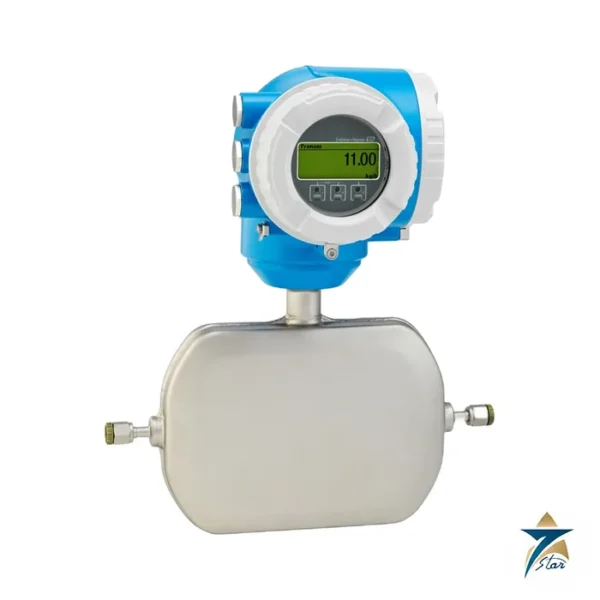
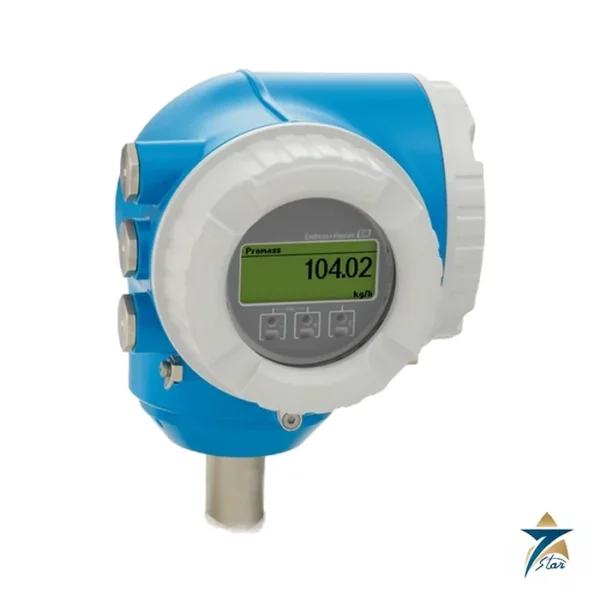
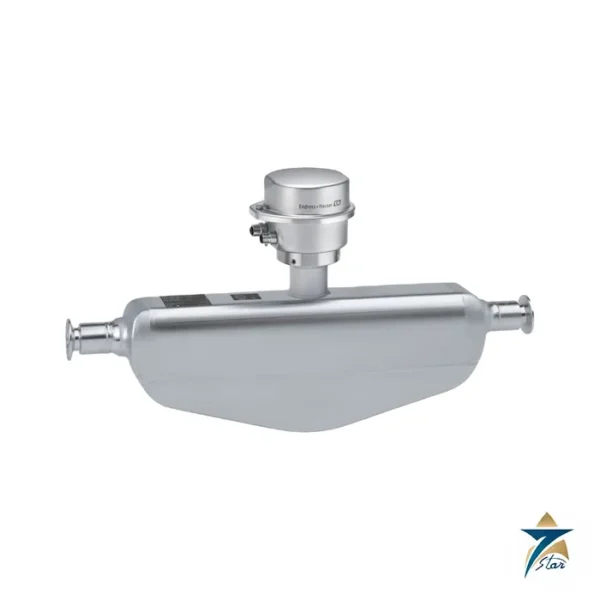
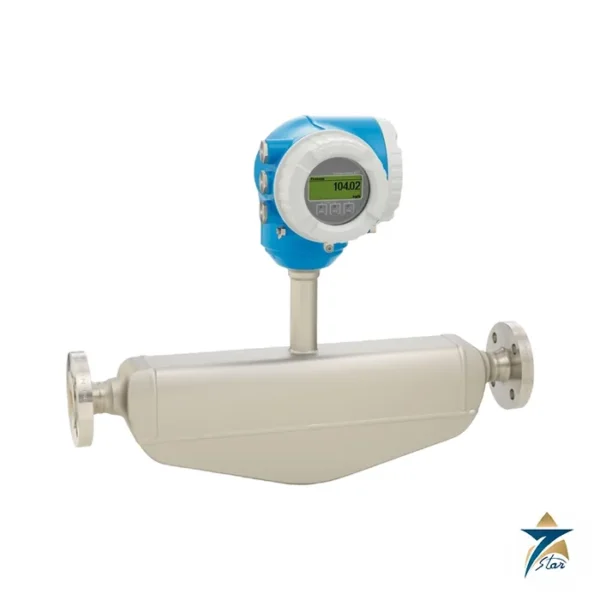
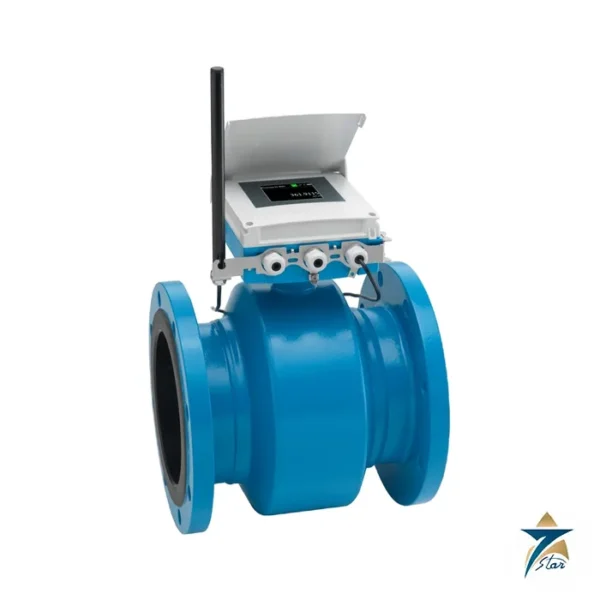
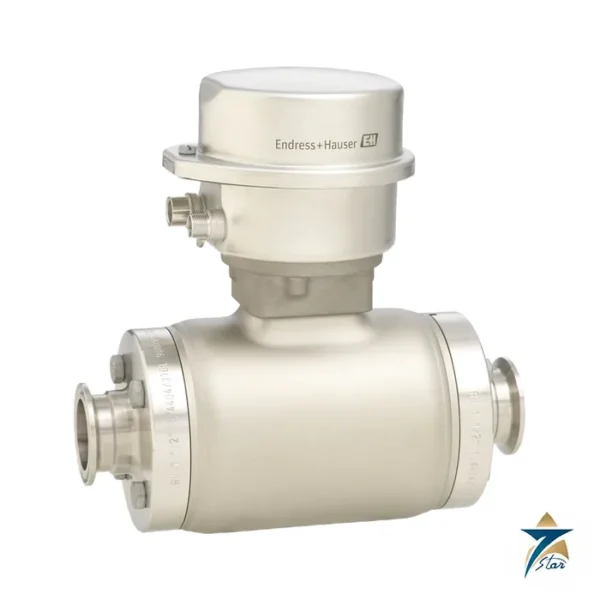
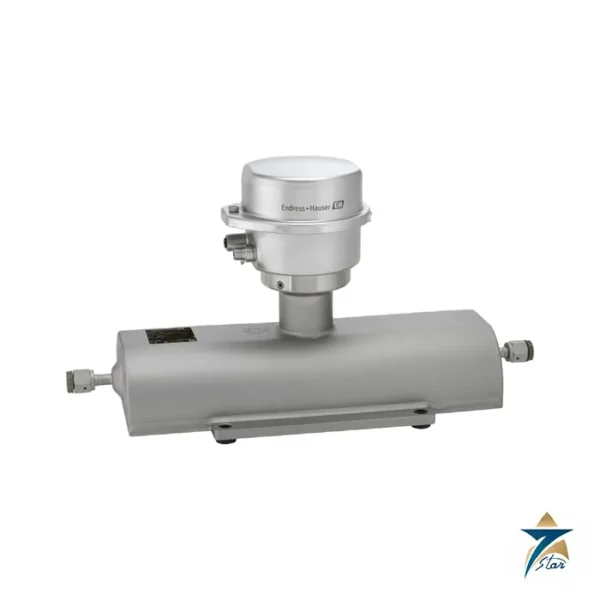
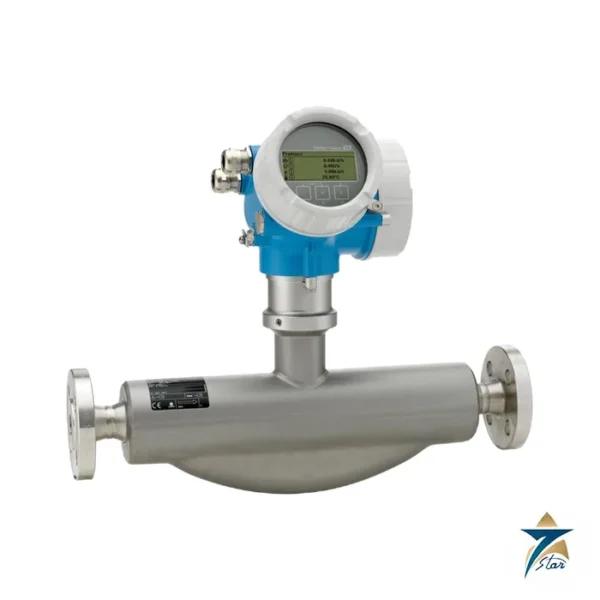
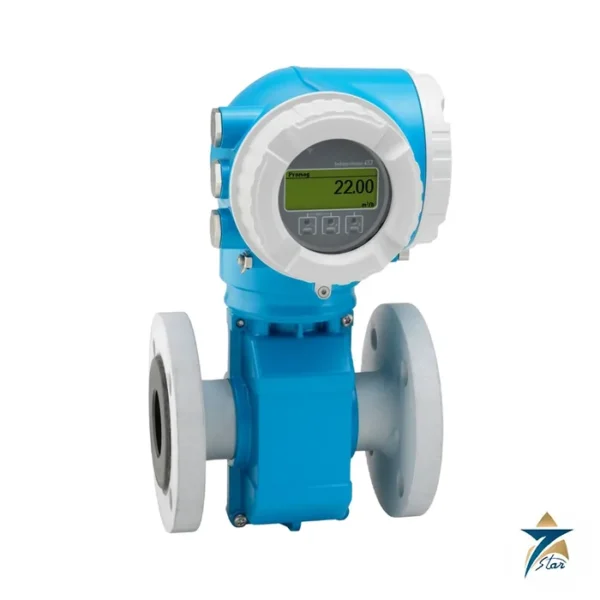
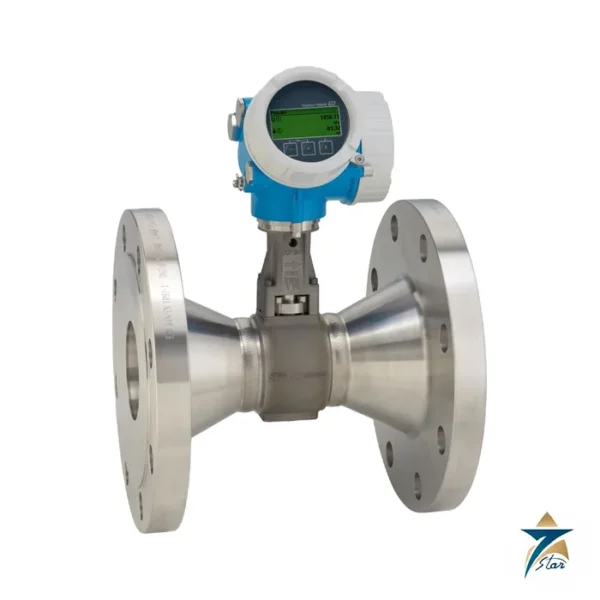
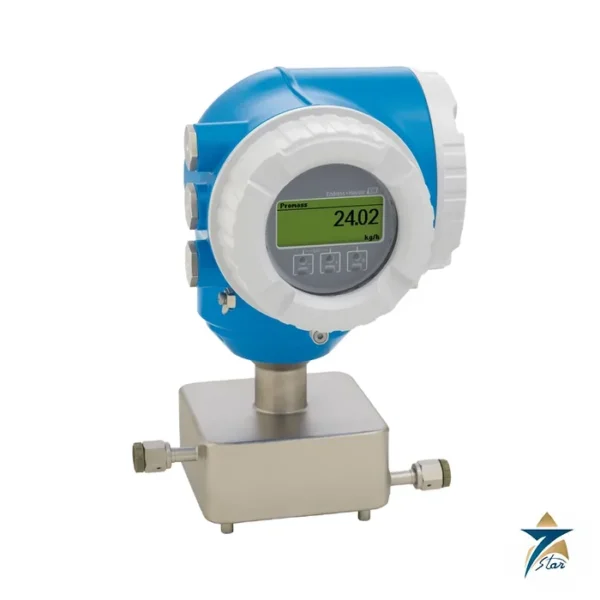
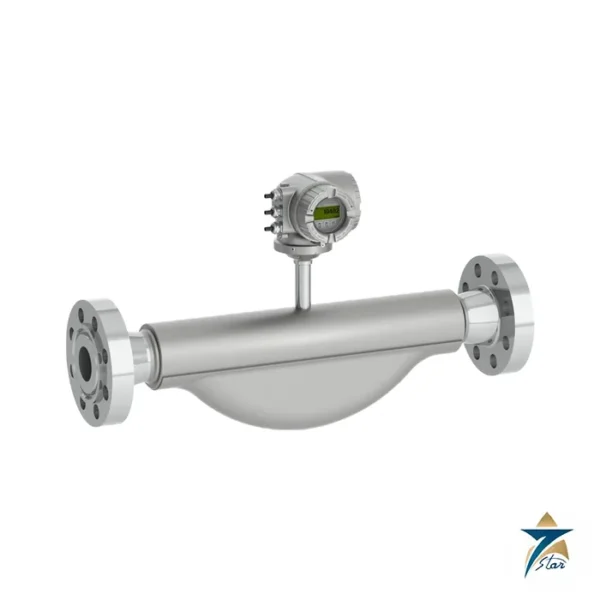
Other Models in the Eh Tmass Thermal Range
Seven Star LLC supplies models from the Eh Tmass Thermal range in Oman and the GCC. Compare the related models below and request a quote for the one that matches your application.




















Reviews
There are no reviews yet.