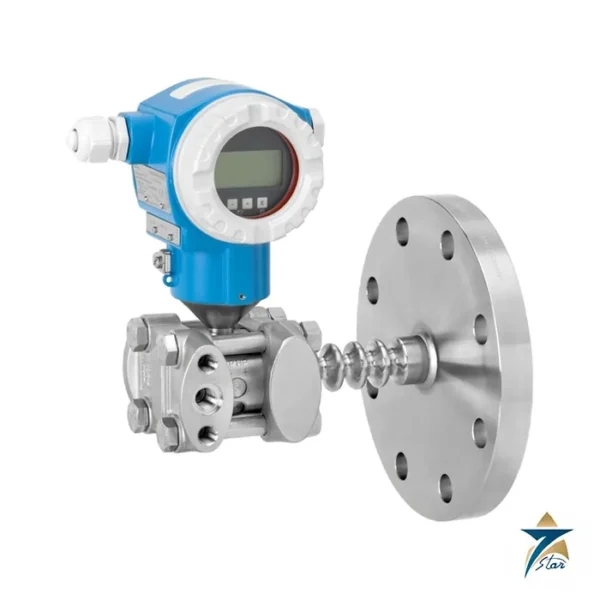
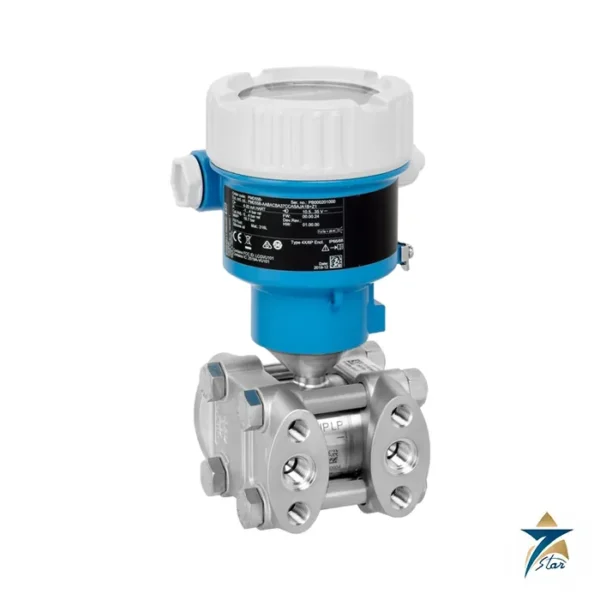
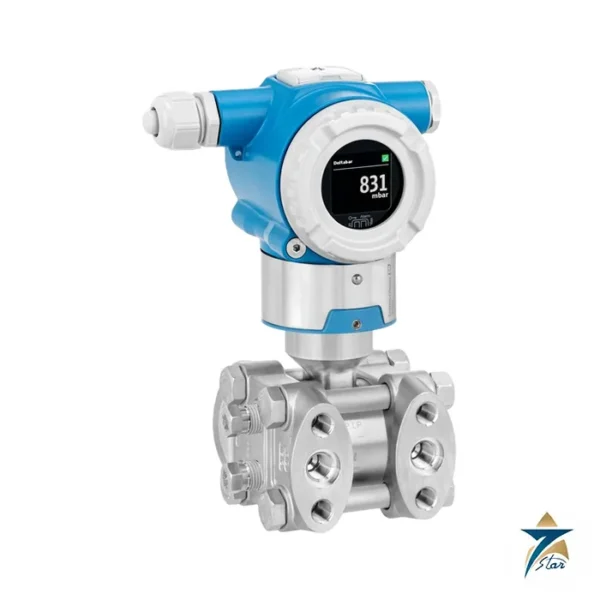
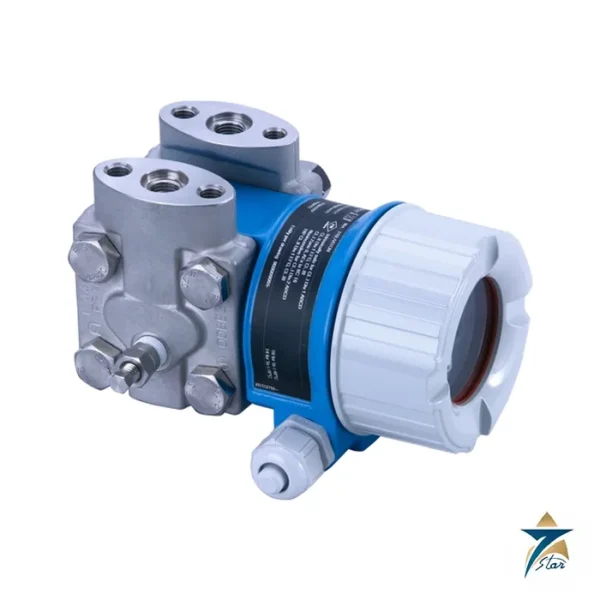
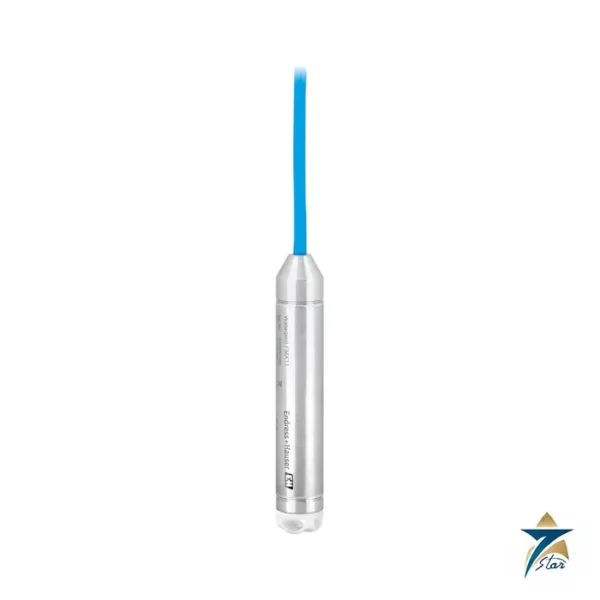
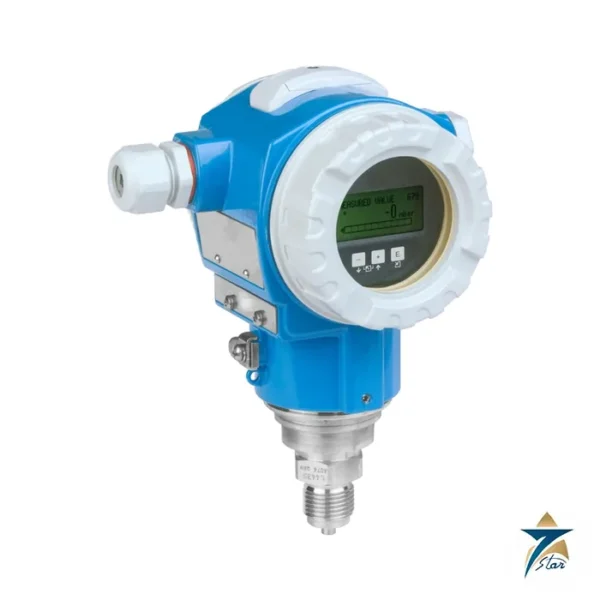
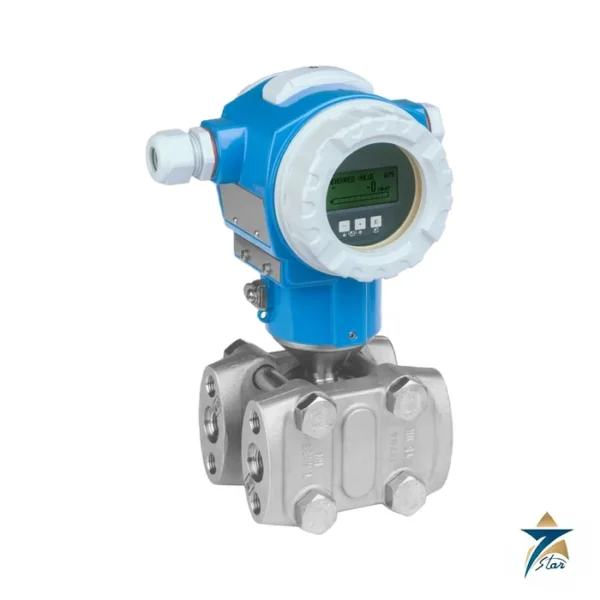
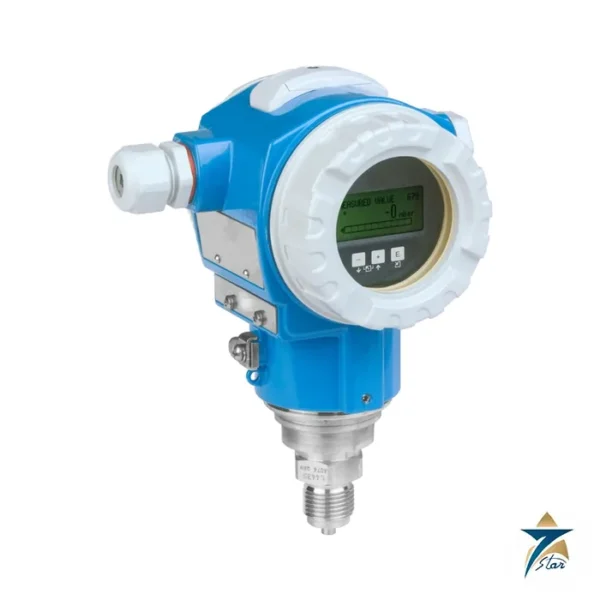
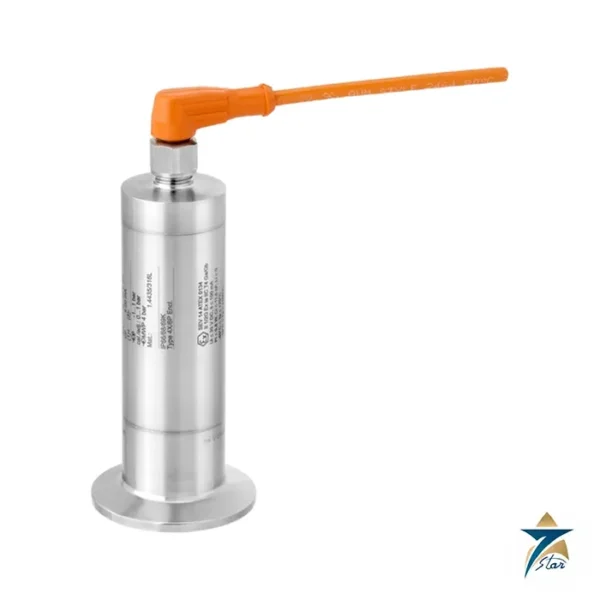
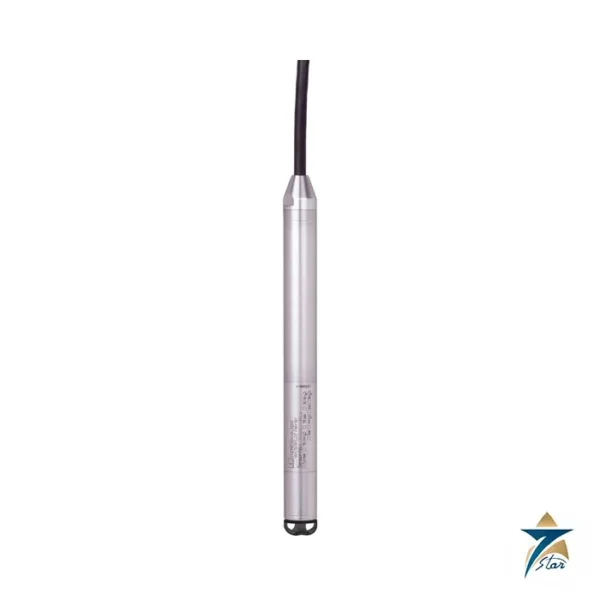
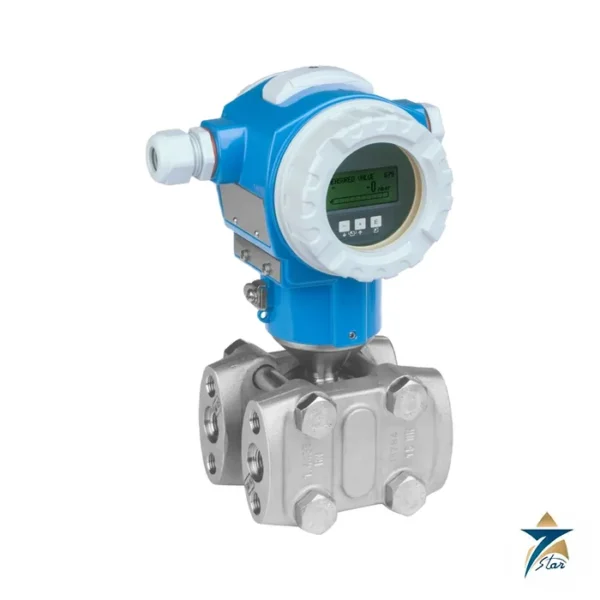
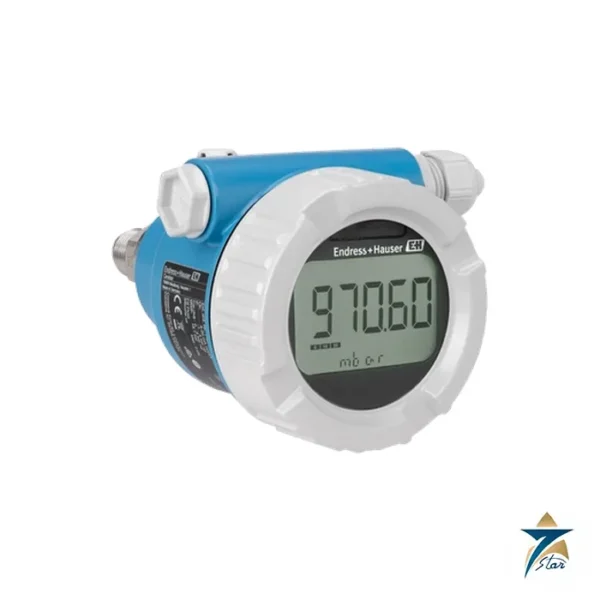
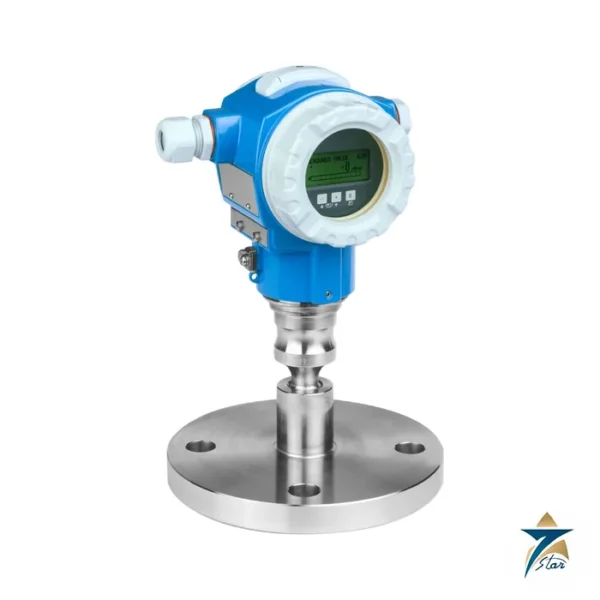
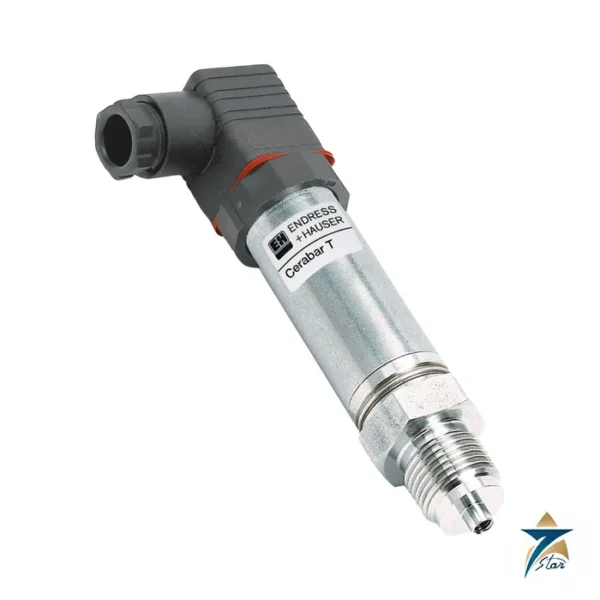
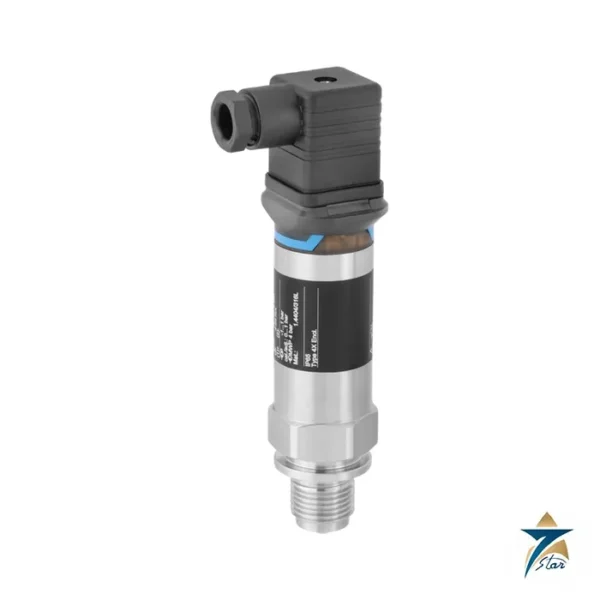
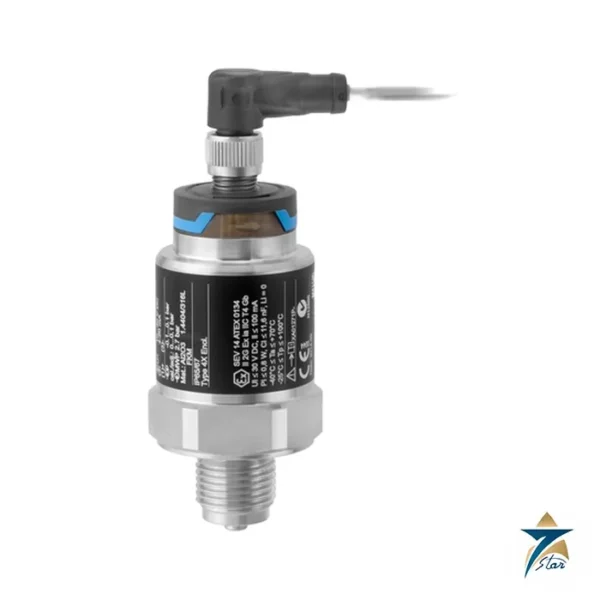
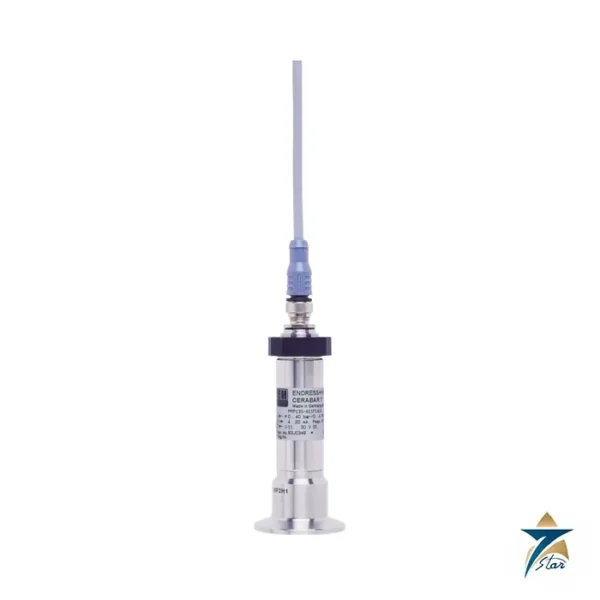
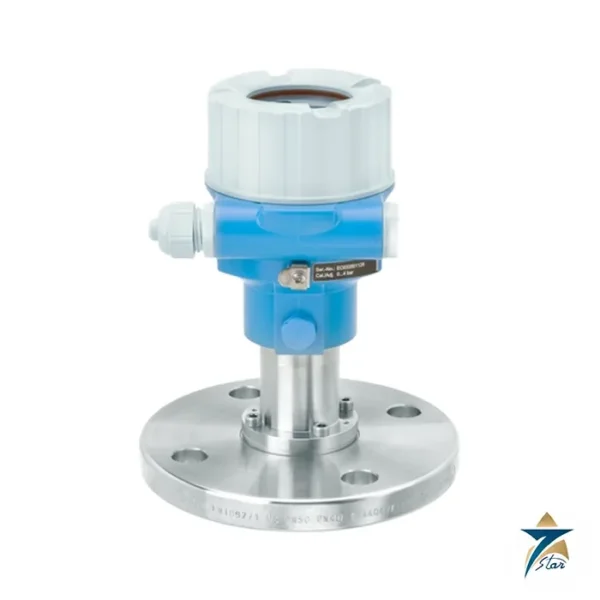
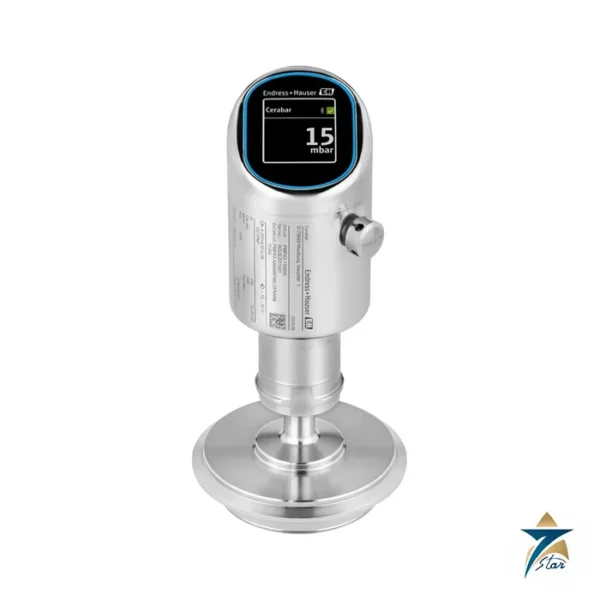
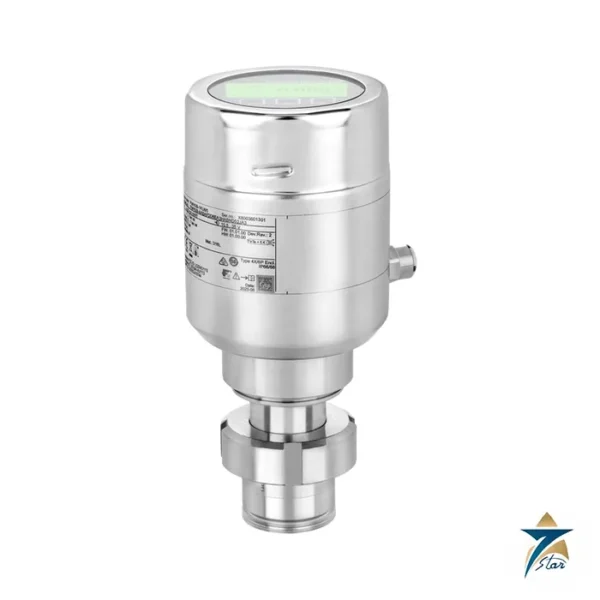
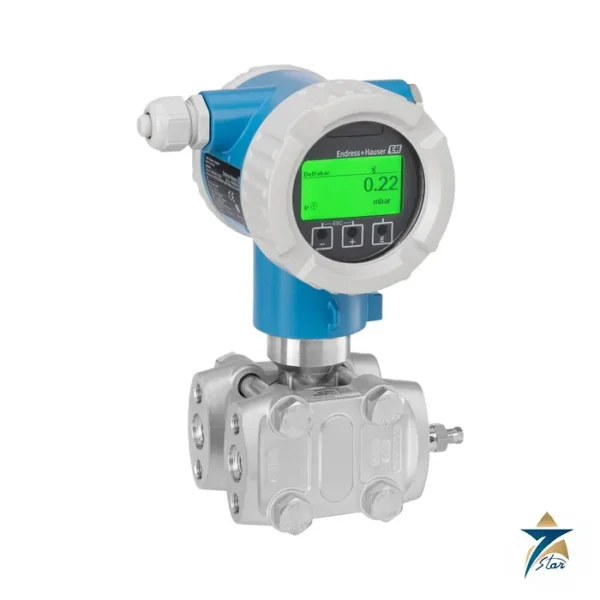
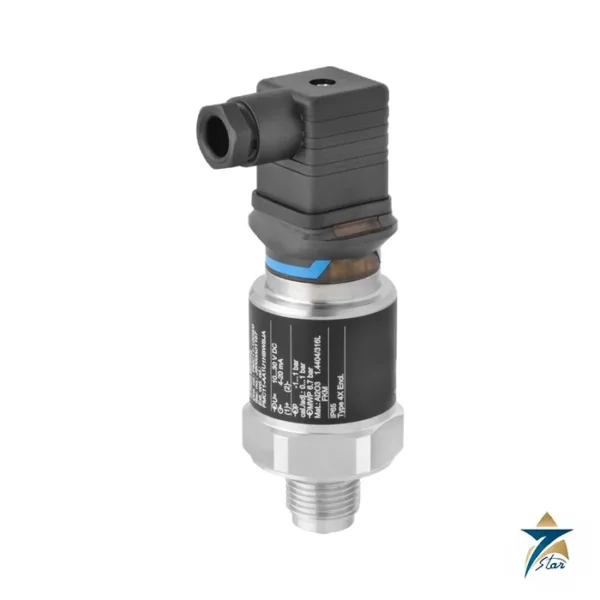
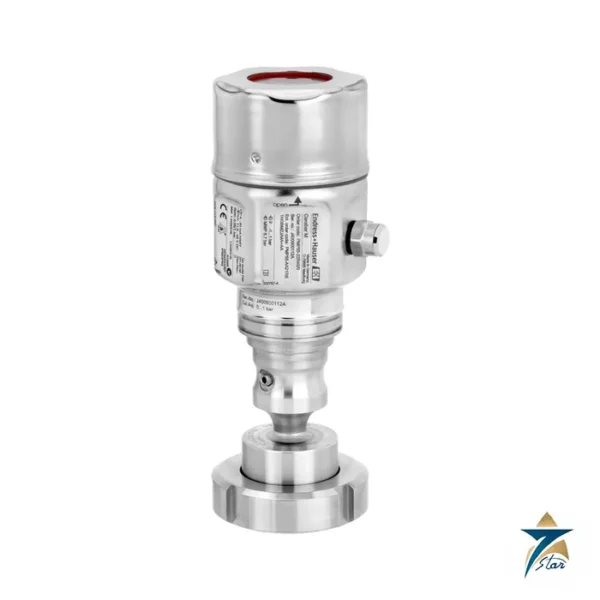
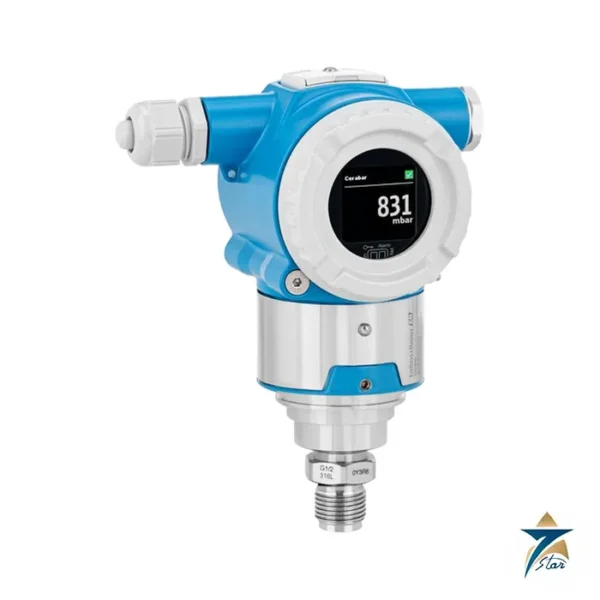
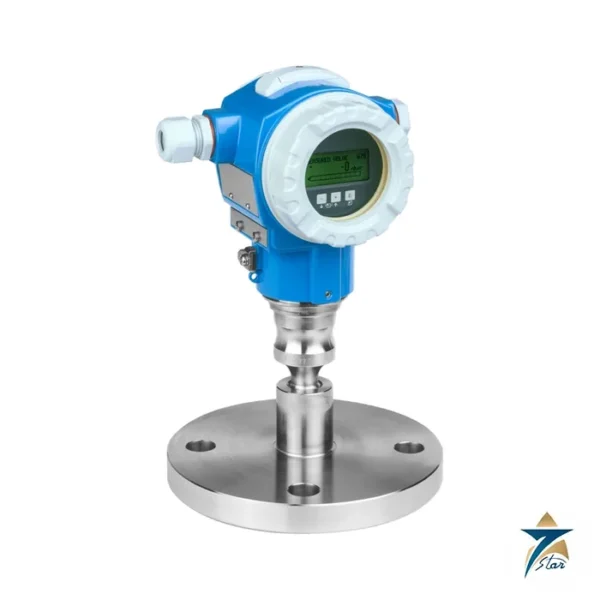
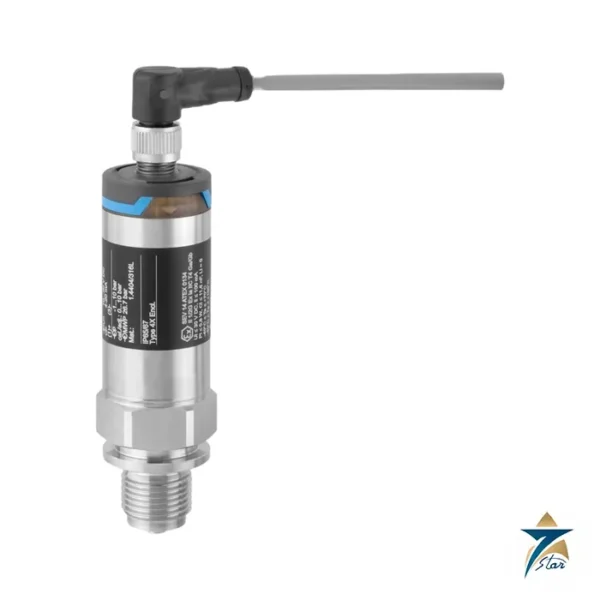
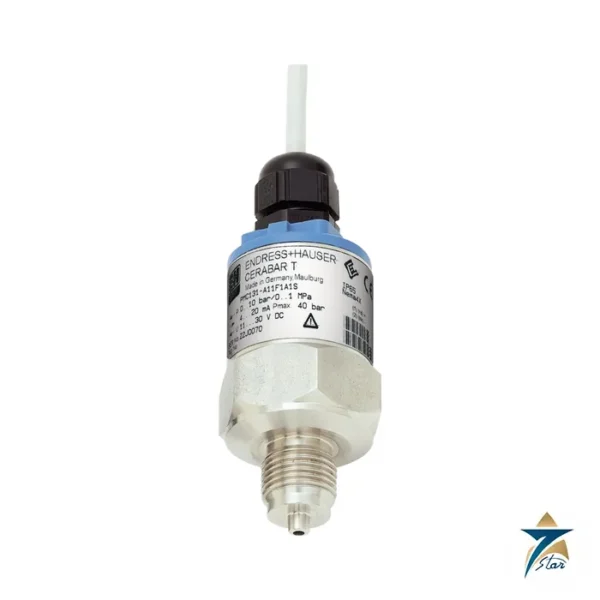
Endress+Hauser PMP51 Cerabar M Pressure Transmitter, Metal Membrane

Description

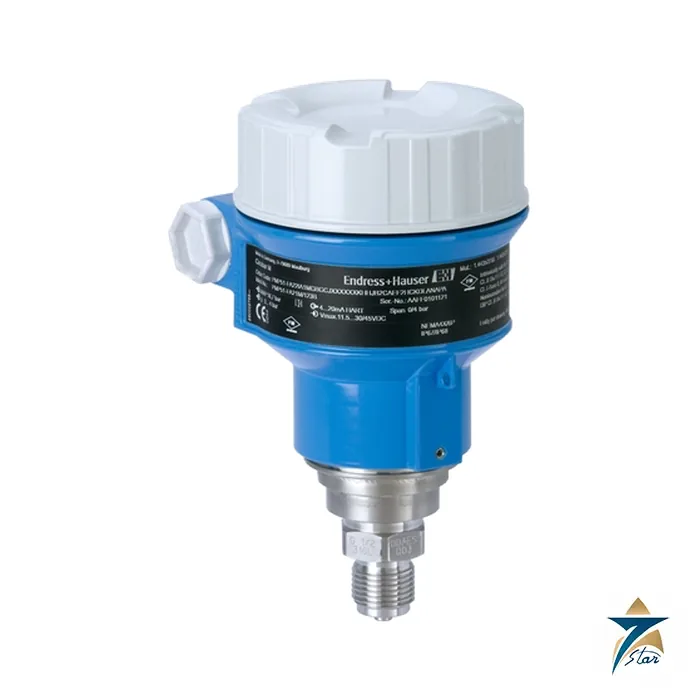
Endress+Hauser PMP51 Cerabar M pressure transmitter with metallic process membrane

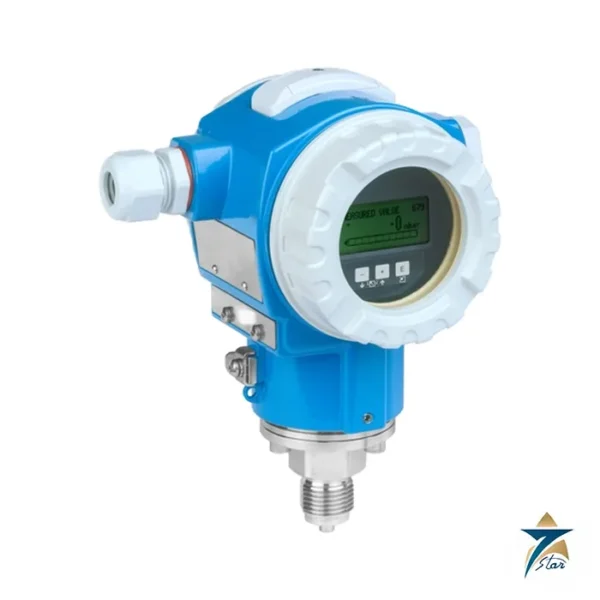
The Endress+Hauser PMP51 is the metallic-membrane version of the Cerabar M platform, designed for absolute and gauge pressure in gases, steam and liquids where a ceramic cell is not the best fit. It uses the same electronics, display and menu as the other Cerabar M, Deltabar M and Deltapilot M devices, so the Endress+Hauser PMP51 drops into plants that already use that family.

With high pressure capability up to 400 bar (6,000 psi), the device is a good match for hydraulic, compressor and injection lines as well as for clean-in-place process lines when a hygienic flush connection is chosen. The same Technical Information also describes the PMC51 with ceramic membrane and the PMP55 with diaphragm seal for temperatures up to 400 degrees C.

Key features of the PMP51

  • Metallic process membrane for pressure up to 400 bar (6,000 psi) according to the datasheet header
  • Reference accuracy up to plus or minus 0.10 percent, with the PLATINUM version at plus or minus 0.075 percent
  • Turn down up to 100 to 1 for flexible range setting on the PMP51
  • HART 6.0, IO-Link, PROFIBUS PA, FOUNDATION Fieldbus or plain 4 to 20 mA output
  • SIL 2 capable for process pressure monitoring (IEC 61508 Edition 2.0, IEC 61511, TUEV NORD)
  • Hygienic and ASME BPE-compliant versions, plus oxygen, ultrapure gas and hydrogen application notes

PMP51 technical specifications

Parameter Value
Product family Cerabar M, type PMP51
Process membrane Metallic
Pressure capability High pressure up to 400 bar (6,000 psi)
Reference accuracy Up to plus or minus 0.10 percent; PLATINUM up to plus or minus 0.075 percent
Turn down Up to 100 to 1
Output signal 4 to 20 mA, HART 6.0, IO-Link, PROFIBUS PA, FOUNDATION Fieldbus
Supply voltage, 4 to 20 mA 11.5 to 45 V DC; 11.5 to 30 V DC intrinsically safe
Ambient temperature Minus 40 to plus 85 degrees C without display; minus 20 to plus 70 degrees C with display
Process temperature Up to 130 degrees C without diaphragm seal (150 degrees C for up to 60 minutes)
Functional safety SIL 2 (IEC 61508 Edition 2.0, IEC 61511, TUEV NORD)
Housings F31 aluminum or F15 stainless steel (hygienic)

Data are taken from the manufacturer Technical Information that covers the PMP51. Pressure ranges, wetted materials and process connections are selected through the ordering code and must be confirmed per order.

Typical applications in Oman and the GCC

In oil and gas, the PMP51 is used on high-pressure gas lines, chemical injection skids, hydraulic units and compressor discharge, where the metallic membrane handles pressure peaks better than a ceramic cell. HART diagnostics help technicians in remote Omani fields check the device without opening the housing, and hazardous area approvals are available.

For utilities and water, the device serves high-pressure pump stations, reverse osmosis feed lines and steam condensate systems. In manufacturing plants, the flush hygienic connections and ASME BPE versions fit food, beverage and pharmaceutical lines, and the IO-Link option suits machine tools and packaging equipment.

Selection and compatibility notes for the PMP51

Select the PMP51 when you need a metallic membrane, pressure up to 400 bar or a hygienic flush connection. If the medium is clean and pressure is lower, the PMC51 with ceramic membrane is the alternative from the same family. For media above the direct process temperature limits, such as hot oils or viscous products, a PMP55 with diaphragm seal is the right route. Match the output, housing and approvals to your system before quoting the device.

Installation and commissioning of the PMP51

Mount the PMP51 so that the process connection sits as close to the measuring point as practical and, for liquids, so that no gas pocket can collect in front of the diaphragm. For gases, mount above the tapping point so condensate drains back into the line. Any change of mounting orientation shifts the zero point slightly, so correct the position offset once the device is in its final position and the line is at atmospheric or reference pressure. Use a shut-off valve or a valve manifold so that the device can be isolated and checked without stopping the process, and use a shielded two-core cable with the shield grounded at one end only. Commissioning of the device is a matter of checking the supply voltage at the terminals, setting the lower and upper range values, choosing the damping, and confirming the output at a known pressure.

Maintenance

The PMP51 has no wearing parts, so routine maintenance is limited to periodic inspection. Check the process connection and seal for leakage, look for blocked impulse lines or crystallised product, and verify the zero point at atmospheric pressure when the process allows it. Where a safety function is involved, follow the proof-test interval stated in the safety manual of the device. Replace seals whenever the connection is opened, and keep the diaphragm free of buildup by flushing rather than by scraping, because a scratched diaphragm changes the measurement. Record the as-found and as-left values at every check so that drift of the device can be trended over the years.

Related products and ordering notes

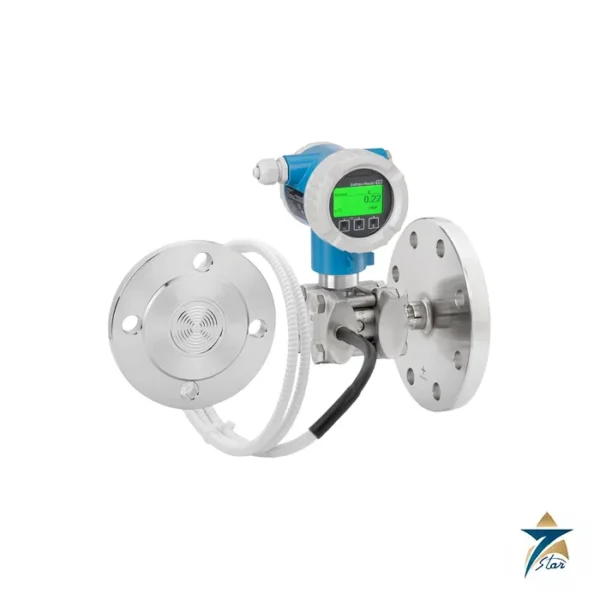
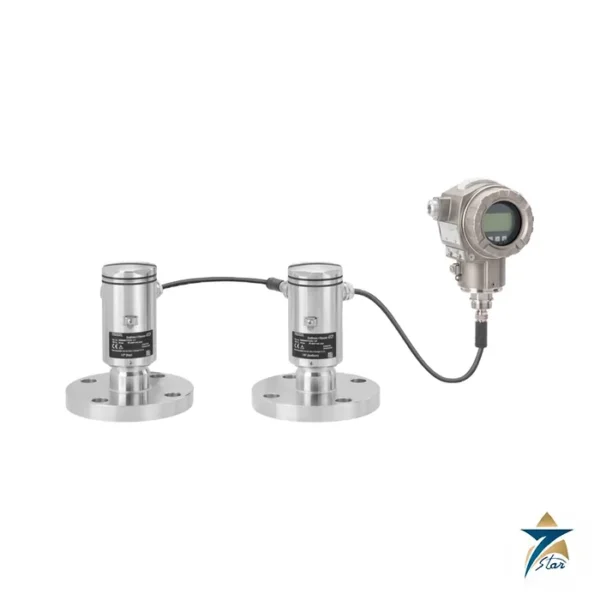
Companion devices include the Cerabar M PMC51, the Cerabar S PMP71 for demanding high-accuracy duties and the Deltabar M PMD55. Valve manifolds and mounting hardware for the PMP51 can be added to the same RFQ.

In short: the device is the metallic-membrane Cerabar M for up to 400 bar, with up to 0.10 percent accuracy, 100 to 1 turn down and SIL 2 capability. Send an RFQ for availability and a quotation. When you prepare the enquiry, state the pressure type (gauge or absolute), the lower and upper range values, the wetted material you need, the thread or flange size, the cable entry and any hazardous area marking. A complete enquiry lets us answer quickly and avoids a second round of questions, and it also helps to say whether the device will be used in a safety loop, because that changes the documentation you should request.

Before shipment, a pressure transmitter should be checked for the right range, the right wetted materials, an undamaged diaphragm protection cap and a legible nameplate. We recommend that receiving staff compare the nameplate data with the purchase order, keep the protective cap on until the moment of installation, and store the unit in a dry place. If the application involves oxygen, hydrogen or ultrapure gas, state this in the enquiry so that the correct cleaning and documentation are requested.

Documents and quotation

The official Endress+Hauser Cerabar M PMC51, PMP51, PMP55 Technical Information (TI00436P) is attached to this page as a PDF. The metallic-membrane PMP51 has its own performance chapter starting on page 30, the Planning instructions for diaphragm seal systems begin on page 117, and the document notes process pressures up to 400 bar (6,000 psi) and SIL 2 use certified to IEC 61508 by TÜV NORD. Quote the PMP51 order code from your nameplate in your request so we can check the configuration before we send a written quotation.

Other Models in the Eh Cerabar Range

Seven Star LLC supplies models from the Eh Cerabar range in Oman and the GCC. Compare the related models below and request a quote for the one that matches your application.

ModelCategory
Endress+Hauser PMC51 Cerabar M Pressure Transmitter, CeramicPressure TransmittersView details
Endress+Hauser PMP51 Cerabar M Pressure Transmitter, Metal MembranePressure TransmittersYou are viewing this model
Endress+Hauser PMC71 Cerabar S Pressure Transmitter, CeramicPressure TransmittersView details
Endress+Hauser PMP71 Cerabar S Pressure Transmitter, Metal SensorPressure TransmittersView details
Datasheets & Documents
  • PDF Datasheet Endress+Hauser Cerabar M PMC51, PMP51 Technical Information TI00436P (official PDF) Download
Reviews (0)

Reviews

There are no reviews yet.

How would you rate this product?

It takes about 10 seconds — just tap a star. Your email is never published.

About brand

Endress+Hauser makes process measurement instruments for flow, level, pressure, temperature and liquid analysis. Georg H. Endress and Ludwig Hauser started the business in Lörrach, Germany, on 1 February 1953, first selling level meters, and the Endress+Hauser name has been used since 1957. The group is headquartered in Reinach, Switzerland, and has been wholly owned by the Endress family since 1975.

Seven Star LLC is an independent supplier listing Endress+Hauser flowmeters, level and pressure transmitters, temperature assemblies and liquid analysis products for buyers in Oman and the GCC. Instruments are matched from the full order code on the nameplate.

Endress+Hauser company profile

Origin Founded in Lörrach, Germany, on 1 February 1953 by the Swiss engineer Georg H. Endress and Ludwig Hauser
Headquarters Endress+Hauser AG, Reinach (Basel-Landschaft), Switzerland
Ownership Family owned; the Endress family has been the sole shareholder since 1975, and a family charter commits the company to stay family owned
Size About 16,500 employees and sales of about EUR 3.7 billion (2023, as reported by the company)
Product families Proline flowmeters, Micropilot and Levelflex radar, Liquiphant switches, Cerabar and Deltabar pressure, iTEMP and iTHERM temperature, Liquiline and Memosens liquid analysis

Milestones

  • 1953: Georg H. Endress and Ludwig Hauser start the business in Lörrach on 1 February, first selling level meters.
  • 1957: The Endress+Hauser name comes into use.
  • 1975: The Endress family becomes sole shareholder.
  • 2023: About 16,500 employees and sales of about EUR 3.7 billion, as reported by the company.

Endress+Hauser product lines

Line Measuring principle Typical use
Promass F 300, Promass 80F, 83F/84F Coriolis mass flow Direct mass flow and density of liquids and gases, hydrocarbon transfer and chemical dosing
Promag P 300, P 500, H 300, W 400, W 10, 50P Electromagnetic flow Water, wastewater, slurries and other conductive liquids
Prowirl F 200, 72F Vortex flow Steam, gas and low-viscosity liquids
Prosonic Flow 92F, t-mass 65F Ultrasonic and thermal mass flow Water lines; compressed air and industrial gases
Micropilot FMR62, FMR67, FMR60, FMR10B, FMR20, FMR50, FMR52 Free-space radar level, 80 GHz and 26 GHz Tanks, process vessels, silos and open water channels
Levelflex FMP51, FMP50, FMP54, FMP55 Guided wave radar level Level and interface in vessels, separators and bypass chambers
Liquiphant FTL51, Prosonic S FMU90 Vibronic point level; ultrasonic level High and low level alarms, pump protection, open channel flow
Cerabar PMC71B, PMP51B, PMP71, Deltabar PMD78B, PMD75 Pressure and differential pressure Process pressure, hydrostatic level and DP flow
iTEMP TMT82, TMT162, iTHERM TM101, TR66, TR10 Temperature transmitters and thermometers RTD and thermocouple points with thermowells
Liquiline CM444, CM442, Memosens CPS11E, Stamolys reagents Liquid analysis pH, ORP, conductivity, dissolved oxygen and nutrient analysis in water treatment and process

Where Endress+Hauser instruments are used

In Oman and the GCC, Endress+Hauser instruments are common in oil and gas production and processing, refineries and petrochemicals, desalination and water networks, wastewater treatment, power plants and food and beverage plants. Coriolis meters measure hydrocarbon and chemical flows, electromagnetic meters cover water and wastewater, radar transmitters handle tank and silo level, and Liquiline analysers monitor water quality. Proline 300 and 500 flowmeters include Heartbeat Technology for in-situ verification, which reduces the need to remove a meter for checks.

Ordering Endress+Hauser instruments: what we need

The order code on the nameplate (for example PMP71-1QA1S11RDADU) defines every option: measuring range, process connection, materials, output, approvals and display. Send it with the serial number; Endress+Hauser can retrieve the original configuration from the serial number. For a new instrument add the medium, operating and design pressure and temperature, range, line size or tank geometry, process connection, wetted materials, output or protocol (4-20 mA HART, PROFIBUS, FOUNDATION Fieldbus, Modbus) and the hazardous-area approval required. Older models such as Promass 80/83 or Micropilot M are replaced by current Proline or 80 GHz Micropilot devices.

Facts checked against Endress+Hauser company history and product information, October 2026.

FAQ

Questions about the Endress+Hauser PMP51 Cerabar M Pressure

Answers from our engineering team on installation, compatibility and integration.

01How high is the pressure capability of the PMP51?
The datasheet header lists high pressure up to 400 bar (6,000 psi) for the Cerabar M family. The exact range of a given PMP51 depends on the measuring cell chosen in the ordering code.
02What is the difference between the PMP51 and the PMC51?
The PMP51 has a metallic process membrane, while the PMC51 has a ceramic one. Both share electronics, outputs and the user interface within the Cerabar M platform.
03Does the PMP51 support IO-Link?
Yes, IO-Link is one of the available output options, alongside 4 to 20 mA, HART 6.0, PROFIBUS PA and FOUNDATION Fieldbus.
04Can the PMP51 be used in hygienic processes?
Hygienic flush process connections and ASME BPE-compliant versions are described in the datasheet, together with the F15 stainless steel housing option.
05How do I request a quotation for the PMP51?
Send an RFQ listing the part number PMP51, quantity, measuring range, process connection, output and approvals. Seven Star LLC replies with availability and an offer.