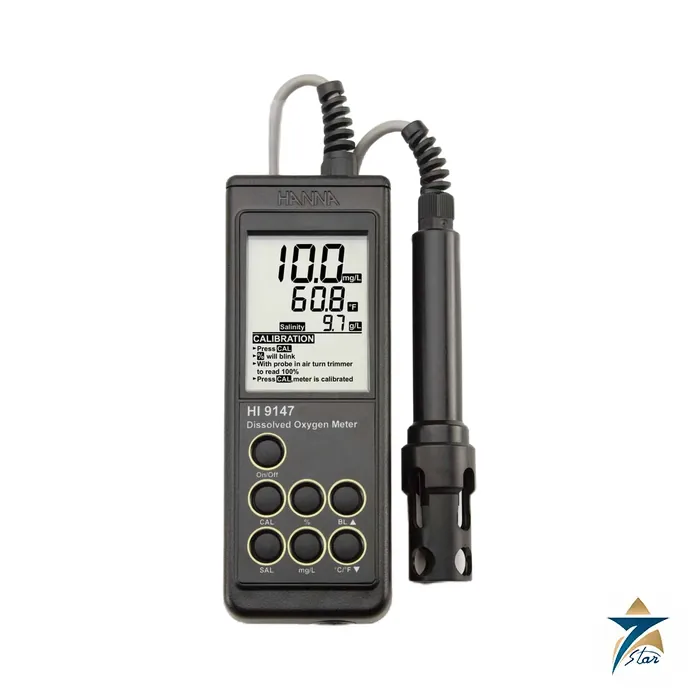
Hanna HI9147 portable galvanic dissolved oxygen meter
The Hanna HI9147 is a water-resistant dissolved oxygen meter with a galvanic probe on a fixed cable, intended for field and laboratory work where fast start-up matters. It reads DO in mg/L or percent saturation, with temperature and salinity or altitude correction. Seven Star LLC is an independent supplier in Muscat and is not affiliated with the manufacturer.
It is sold in two cable versions: HI9147-04 with the HI76409/4 probe (4 m cable) and HI9147-10 with the HI76409/10 probe (10 m cable). Quote the suffix so the correct length is supplied.
HI9147 technical specifications
| Parameter |
Specification |
| Manufacturer / part number |
Hanna Instruments HI9147 |
| DO range |
0.0 to 50.0 mg/L; 0 to 600 % |
| DO resolution |
0.1 mg/L; 1 % |
| DO accuracy |
±1 % of reading |
| Temperature |
-5.0 to 50.0 °C; resolution 0.1 °C; accuracy ±0.2 °C excluding probe |
| Calibration |
Manual, in saturated air, one point using the % trimmer |
| Compensation |
Automatic temperature 0 to 50 °C; salinity 0 to 51 g/L; altitude via salinity setting |
| Probe |
HI76409/4 (4 m) or HI76409/10 (10 m) galvanic DO probe, fixed cable |
| Power |
Three 1.5 V AAA cells; about 1000 hours (backlight off) |
| Environment / size |
0 to 50 °C, max 95 % RH non-condensing; 185 × 72 × 36 mm, 450 g |
| Warranty |
Two years |
How the HI9147 works
A galvanic DO probe generates its own current: oxygen that crosses the thin HDPE membrane is reduced at the cathode against a dissimilar anode, so no polarising voltage or warm-up period is needed. The current is proportional to the oxygen reaching the cathode and the meter converts it into concentration after temperature correction.
The meter performs a one-point calibration in saturated air by turning the % trimmer to read 100 %. Salinity can be set between 0 and 51 g/L, and the same setting is used with a table in the manual to enter an altitude correction when water is fresh.
Where HI9147 fits: sensors, accessories and related models
The probe consumables are HI76409A/P pre-formed HDPE membranes with O-rings and HI7042S electrolyte; an optional HI76409-0 protective sleeve shields the membrane in harsh environments at the cost of slightly slower response. The manual suggests replacing the membrane about every two months and the electrolyte monthly for best performance.
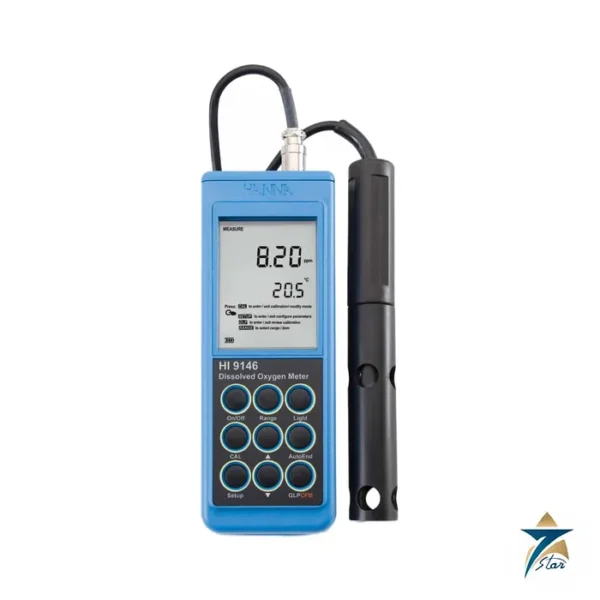
Compared with the polarographic HI9146, the HI9147 trades the ability to calibrate at zero for instant readiness and a very long battery life.
HI9147 family comparison
| Model |
Sensor type |
DO range |
Battery life |
| HI9146 |
Polarographic (HI76407) |
0.00 to 45.00 mg/L; 0.0 to 300.0 % |
About 200 h |
| HI9147 |
Galvanic (HI76409/4 or /10) |
0.0 to 50.0 mg/L; 0 to 600 % |
About 1000 h |
Choose galvanic when quick spot readings and long battery life matter and the probe cable length must be fixed at 4 m or 10 m; choose polarographic when two-point calibration with a zero solution is part of the quality procedure.
Selection and ordering checklist for HI9147
- Select HI9147-04 (4 m) or HI9147-10 (10 m) according to sampling depth
- Plan membrane (HI76409A/P) and electrolyte (HI7042S) spares
- Add the HI76409-0 protective sleeve for harsh or fouled samples
- Confirm users are comfortable with trimmer-based calibration
- Specify any salinity or altitude correction needed
Installation, calibration and maintenance of HI9147
Fill the membrane with clean electrolyte, tap out bubbles and screw it on with the sensor facing down; some electrolyte will overflow. If a deposit coats the sensors, brush gently with the supplied scouring pad. Calibrate in saturated air at the measurement site with the probe at air temperature; if humidity is below 30 %, add a few millimetres of deionised water to the calibration cap.
Accurate readings need water movement of at least 5 to 7 cm/s across the membrane, so agitate the probe by hand in the field or use a magnetic stirrer in the laboratory. After replacing a membrane or electrolyte, wait a few minutes for the reading to stabilise.
The salinity table in the manual converts altitude to an equivalent salinity coefficient, for example 250 m corresponds to 6 g/L and 1000 m to 22 g/L, which is helpful at inland and mountain sites in Oman where barometric pressure is lower than at sea level.
Keep a log of membrane and electrolyte changes. If the reading cannot be trimmed to 100 % in air, the membrane is usually worn or the electrolyte is exhausted, and replacement restores the response.
Typical applications of HI9147 in Oman and the GCC
Common uses in the region include fish-farm and hatchery tanks, aeration basin checks at sewage and industrial plants, surface-water surveys and cooling-water investigations. The long cable options let one operator profile a pond or tank from the bank. In Gulf summers, warm water holds less oxygen, so percent saturation and mg/L together give a more complete picture.
The unit is also used for quick verification against laboratory methods when auditing contractors, since the single trimmer calibration is quick to repeat on site. Its 1000-hour battery life, with the backlight off, means a survey team can leave a spare set of cells in the case and still complete a multi-week campaign without recharging anything.
Information to send with an RFQ for HI9147
- Cable version: HI9147-04 or HI9147-10
- Quantity and spare membranes or electrolyte
- Need for protective sleeve HI76409-0
- Delivery location and lead time
- Project or tender reference
Storage, handling and spares for the Hanna HI9147
Store the Hanna HI9147 in its case in a clean, dry place. Keep probes, electrodes and reagents as described in the user manual, as many of them need a storage solution or have a limited shelf life. In the GCC climate, keep reagents away from heat and direct sun and check expiry dates before use.
- Calibrate the instrument with fresh standards at the interval your procedure requires.
- Rinse probes and sample cells after each use and inspect them for scratches or deposits.
- Keep spare consumables, such as reagents, standards, cuvettes and electrode solutions, in stock.
- Record calibration results so that drift or probe ageing can be seen early.
When you order the Hanna HI9147, list the consumables and standards you need in the same RFQ, so the instrument can be used from the day it arrives.
Documents and quotation
The instruction manual for the HI9147 is attached on this page for specifications, calibration procedures and maintenance steps.
Send the part number HI9147, the quantity and your delivery location and we will reply with availability and a quotation.
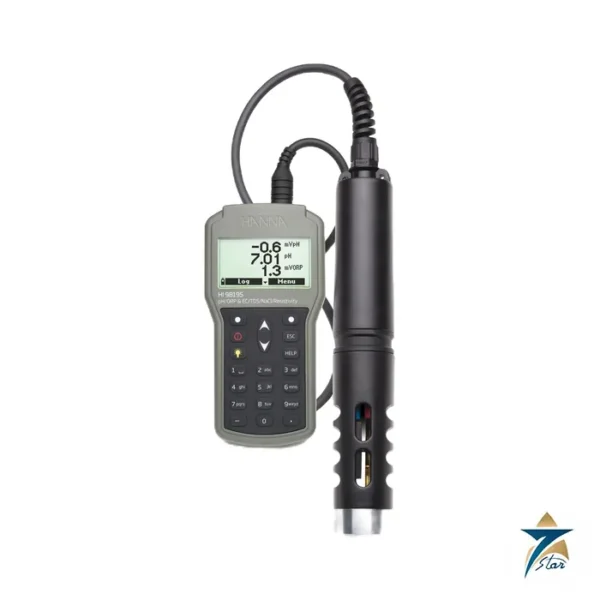
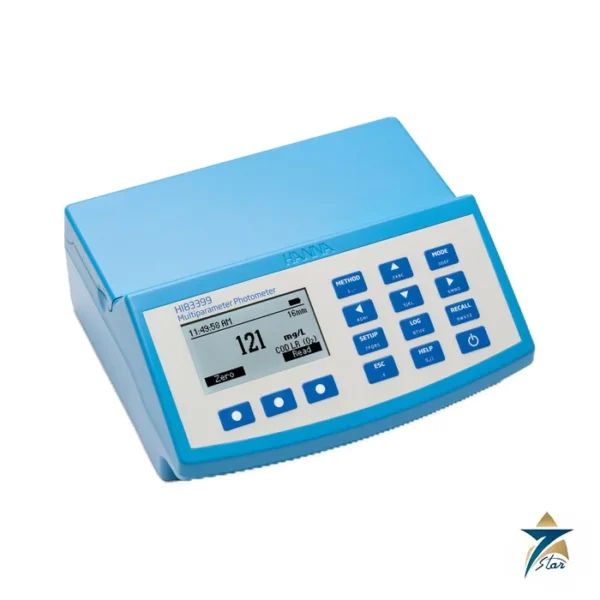
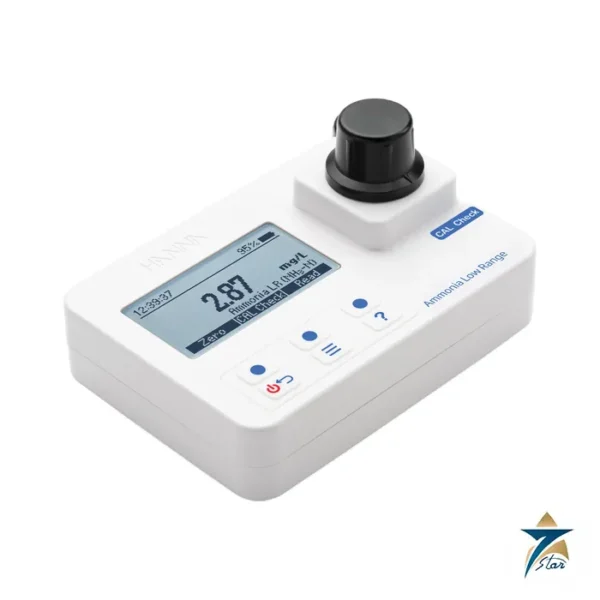
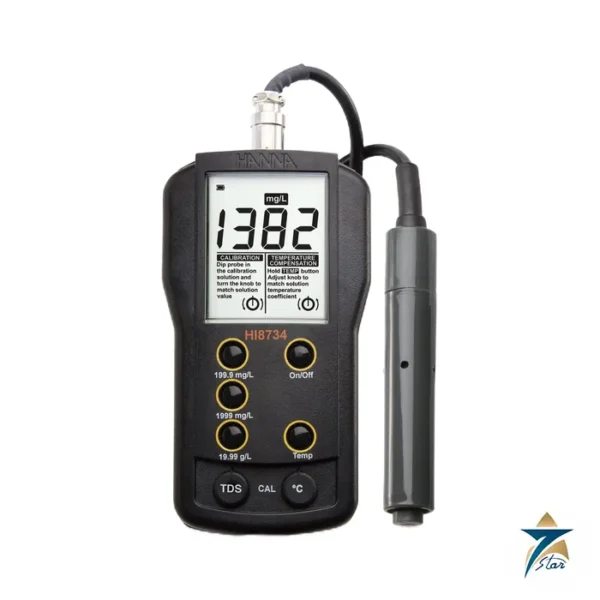
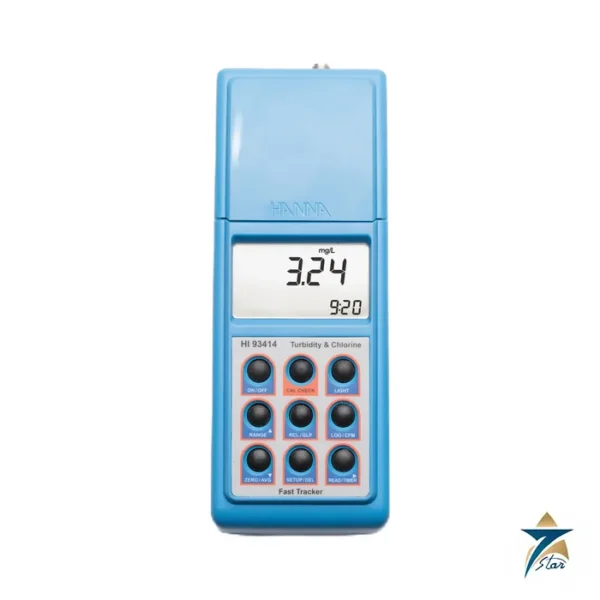
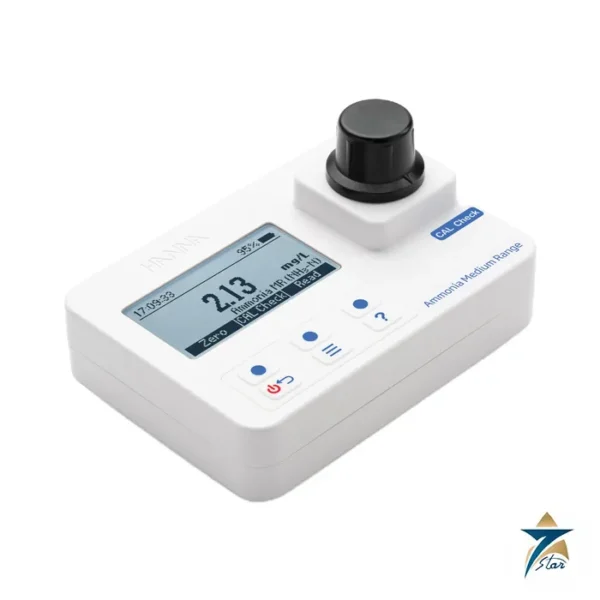
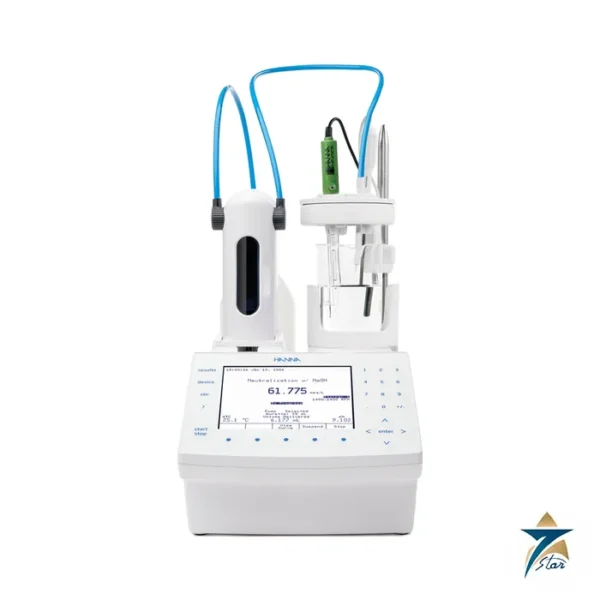
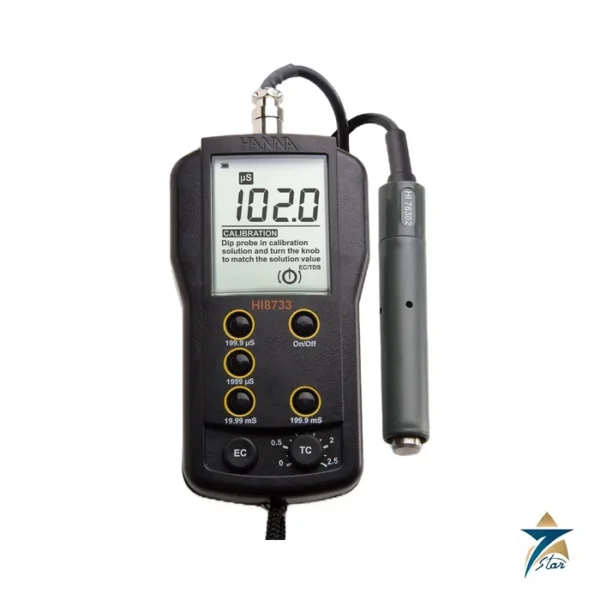
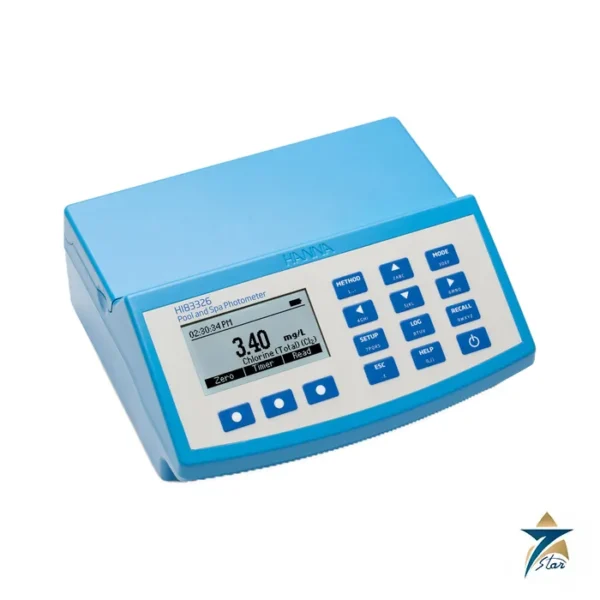
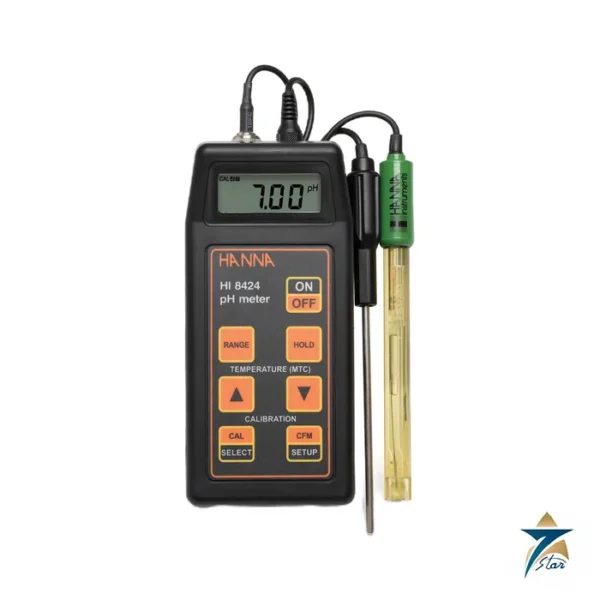
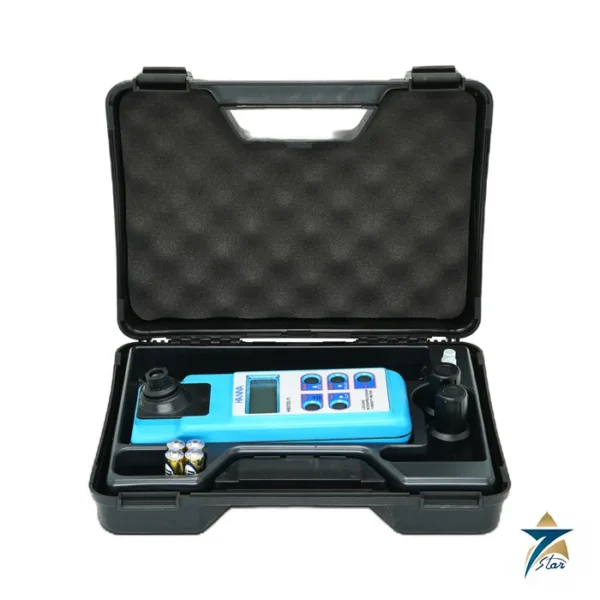
Other Models in the Hanna Portable Do Range
Seven Star LLC supplies models from the Hanna Portable Do range in Oman and the GCC. Compare the related models below and request a quote for the one that matches your application.























Reviews
There are no reviews yet.