What the GC2510M5 is and how the reference is read
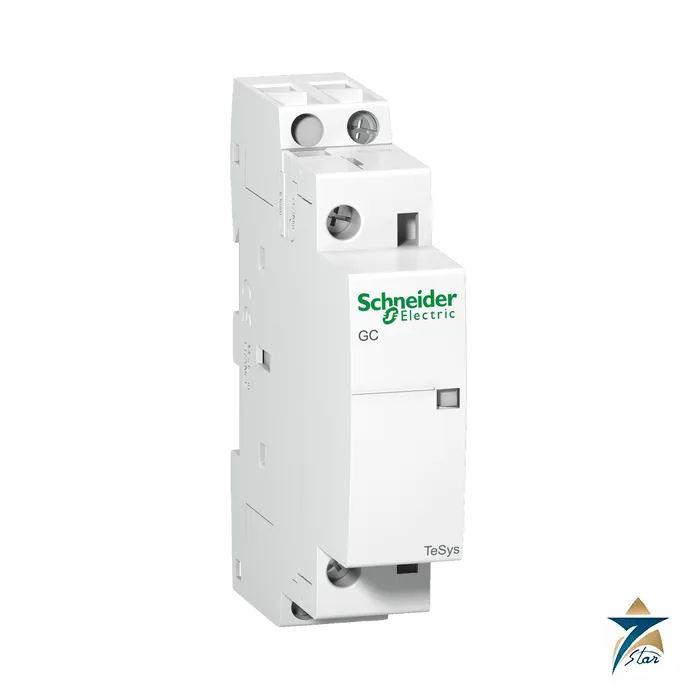
Anyone who switches lighting, heaters or small motor-type loads from a distribution board will meet the GC2510M5, a Schneider Electric TeSys GC contactor with one normally open pole rated 25 A and a 220 to 240 V AC coil. The manufacturer’s title reads: TeSys GC, modular contactor, 25 A, 1 NO, coil 220…240 V AC. Seven Star LLC supplies the GC2510M5 in Oman and the GCC as an independent supplier based in Muscat.
The reference is built from the range (GC), the current (25 for 25 A), the pole arrangement (1 NO) and the coil code M5, which the datasheet gives as 220 to 240 V AC at 50 Hz. Check the pole arrangement carefully, because the 16 A family has single, double and triple pole versions that look alike.
Where 1 NO on the GC2510M5 makes sense
This reference raises the rating to 25 A in AC-7a duty, with 8.5 A in AC-7b, still in the same 17.5 mm body as the 16 A single-pole version. On a 230 V supply 25 A corresponds to a resistive load of about 5.7 kW, a figure worked out from the datasheet current, which covers larger water heaters, small heating groups and bigger lighting circuits.
Step up in current also changes the supporting data: the datasheet gives a rated making and breaking capacity of 68 A at 400 V, against 40 A for the 16 A version, a short-time withstand of 200 A for 10 s, an associated fuse of 25 A gL, and a power dissipation of 1.6 W per pole, so wiring and breaker choices must follow the 25 A figures and not those of the smaller siblings.
Datasheet values for the GC2510M5
| Parameter |
Specification |
| Manufacturer / part number |
Schneider Electric / GC2510M5 |
| Range / type |
TeSys GC modular contactor |
| Power poles |
1P, 1 NO |
| Applications |
Motor control; Heating; Lighting |
| Utilisation categories |
AC-7B; AC-7A |
| Rated operational voltage (Ue) |
≤ 250 V AC |
| Rated operational current (Ie) |
25 A AC-7A; 8.5 A AC-7B |
| Thermal current (Ith) |
25 A (at 50 °C) for power circuit |
| Making and breaking capacity |
68 A at 400 V AC for power circuit conforming to IEC 61095 |
| Short-time withstand (Icw) |
200 A 40 °C – 10 s for power circuit |
| Associated fuse |
25 A gL at ≤ 440 V for power circuit |
| Insulation voltage (Ui) / Uimp |
500 V conforming to IEC 61095 / 4 kV |
| Power dissipation per pole |
1.6 W |
| Control circuit voltage (Uc) |
220 to 240 V AC 50 Hz |
| Control voltage limits |
Drop-out: 0.2 to 0.75 Uc at 50 Hz (at <50 °C); Operational: 0.85 to 1.1 Uc at 50 Hz (at <50 °C) |
| Inrush / hold-in power |
15 VA 50 Hz (at 20 °C) / 3.8 VA 50 Hz (at 20 °C) |
| Operating time |
10 to 25 ms opening; 10 to 30 ms closing |
| Electrical durability |
AC-7A: 100000 cycles; AC-7B: 100000 cycles |
| Mechanical durability |
1000000 cycles |
| Maximum operating rate |
300 cyc/h 50 °C |
| Mounting |
Clip-on, 35 mm DIN rail, 30 degrees/vertical operating position |
| Dimensions (H x W x D) |
81 mm x 17.5 mm x 62.5 mm (1 x 18 mm module) |
| Net weight |
0.11 kg |
| Degree of protection |
IP40 conforming to VDE 0106 (in enclosure); IP20 conforming to VDE 0106 |
| Ambient temperature, operation |
-5 to 50 °C |
| Ambient temperature, storage |
-40 to 70 °C |
| Operating altitude |
≤ 3000 m |
| Standards |
IEC 61095; IEC 60947-5 |
Current, short-circuit and coil data for the GC2510M5
The poles of the GC2510M5 are rated 25 A AC-7A and 8.5 A AC-7B, at a rated operational voltage of up to 250 V AC. AC-7a is the utilisation category for resistive or slightly inductive loads such as heating and lighting, and AC-7b covers motor-type loads in household-style duty. The conventional thermal current is 25 A (at 50 °C), and the datasheet gives a making and breaking capacity of 68 A at 400 V AC conforming to IEC 61095.
Protection data in the datasheet: associated fuse 25 A gL at ≤ 440 V, short-time withstand 200 A 40 °C – 10 s, and an average impedance of 2.5 mOhm – Ith 25 A 50 Hz. These are the numbers a panel builder needs to coordinate the contactor with the upstream breaker. Dissipation is 1.6 W per pole plus a further heat dissipation figure of 1.3 W at 50/60 Hz.
The coil of the GC2510M5 is a 50 Hz AC coil for 220 to 240 V. The datasheet lists inrush of 15 VA 50 Hz and hold-in of 3.8 VA 50 Hz at 20 °C, with an operational window of 0.85 to 1.1 Uc and a drop-out band of 0.2 to 0.75 Uc at 50 Hz below 50 °C. In practical terms the contactor pulls in between 85 % of 220 V (187 V) and 110 % of 240 V (264 V) and releases when the coil voltage falls to between 20 % and 75 % of nominal.
Operating time is 10 to 25 ms on opening and 10 to 30 ms on closing, with a mechanical durability of one million cycles and an electrical durability of 100,000 cycles in both AC-7a and AC-7b duty. The maximum operating rate is 300 cycles per hour at 50 °C, which shows that GC contactors are meant for scheduled switching rather than for fast cycling. The AC coil makes a faint hum, and that is normal for this type; it is only a problem if the hum becomes loud, which usually indicates low voltage or dirt in the magnetic circuit.
Before you order the GC2510M5: what to check
- Pole arrangement: 1 NO (one normally open pole rated 25 A).
- Current: 25 A in AC-7a and 8.5 A in AC-7b.
- Coil: 220 to 240 V AC at 50 Hz; confirm that the control supply is really 50 Hz.
- Fuse: the datasheet lists 25 A gL at ≤ 440 V.
- Space: 17.5 mm wide (1 module), 81 mm high, 62.5 mm deep.
- Environment: operation -5 to 50 °C, which limits the use in hot outdoor boards.
- Load type: AC-7a heating and lighting, AC-7b motor-type loads; use a TeSys D contactor for industrial motors.
Installing the GC2510M5 in a distribution board
Clip the GC2510M5 onto a 35 mm DIN rail, in a board that is held in the upright or up to 30 degrees from the vertical, the position the datasheet gives. Terminals are screw-clamp: the control circuit accepts 2.5 mm² flexible, the power circuit up to 6 mm² flexible, and the datasheet lists a tightening torque of 0.8 N.m for both. Use a torque-limited screwdriver, because loose terminals on a 16 A or 25 A circuit overheat first.
After commissioning, check the coil voltage at the terminals with the load on, listen for chatter, and note the temperature inside the board. The GC2510M5 has TC protective treatment, an enclosure rating of IP40 per VDE 0106 (in enclosure), and a vibration resistance of 2 Gn open and 3 Gn closed (5 to 300 Hz). A yearly inspection in dusty sites is enough, and it is useful to keep one spare for each pole arrangement in use.
The GC family around the GC2510M5
The GC2510M5 belongs to the TeSys GC modular family, which uses the same 220 to 240 V AC coil and the same clip-on DIN rail mounting across the references in the table. What changes between members is the number and arrangement of poles and, for the 25 A reference, the current rating. Choose by the load you actually have: a neutral-switching double pole is not interchangeable with a single pole, and oversizing a contactor does not protect a smaller circuit.
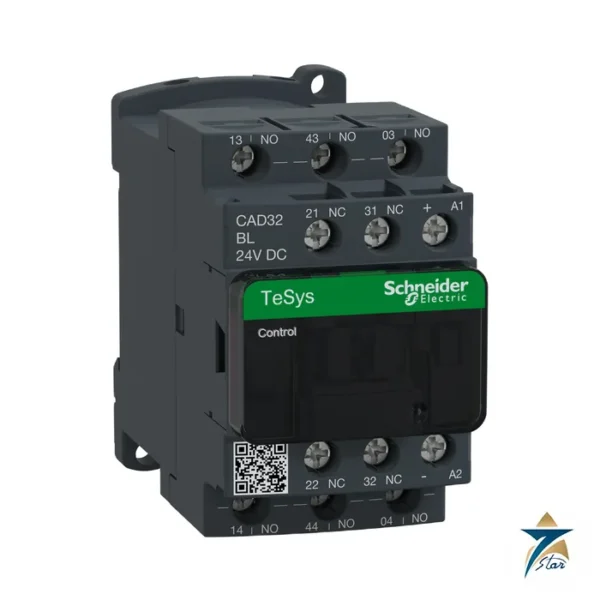
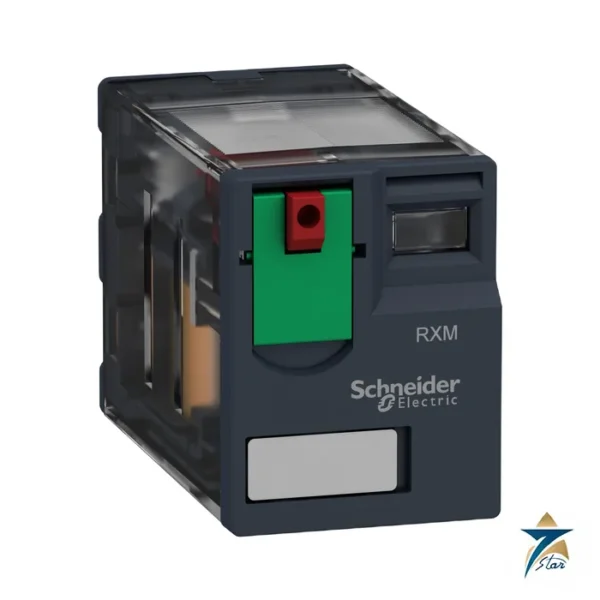
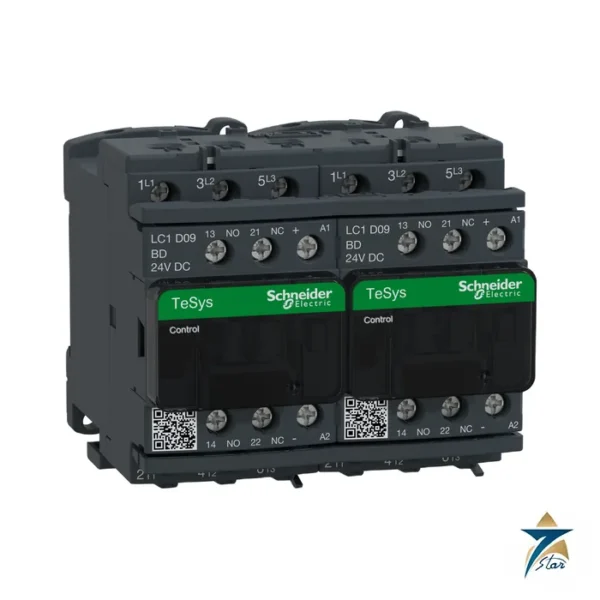
For bigger loads the usual next step is the TeSys D range (LC1D), which carries motor currents in AC-3 duty and is covered by separate references. For control-circuit signal multiplication, the CAD and CA2 control relays of the same TeSys brand are the right category, as the GC contactors are built for power loads.
| Reference |
Power poles |
Rated current |
Width |
| GC1610M5 |
1 NO |
16 A |
17.5 mm |
| GC1611M5 |
1 NO + 1 NC |
16 A |
17.5 mm |
| GC1620M5 |
2 NO |
16 A |
17.5 mm |
| GC1630M5 |
3 NO |
16 A |
36 mm |
| GC2510M5 (this page) |
1 NO |
25 A |
17.5 mm |
Typical applications of the GC2510M5 in the Gulf
Typical uses are bigger electric water heaters, heating banks for tanks and pipes, lighting groups at industrial sites and commercial buildings, and small motor-type loads within the AC-7b limit. In the GCC many such loads are controlled by a building management system or a timer, with the contactor mounted in a local distribution board.
A heavily loaded 25 A pole produces more heat than the lighter versions, so apply the ambient limits of the datasheet, -5 to 50 °C in operation, and leave a gap on each side in a crowded DIN-rail row. In sunlit outdoor enclosures consider sun shielding or ventilation to keep the contactor in its range.
The GC2510M5 is therefore a board-level part, not a motor-control part, and its value lies in the compact width and the long life in on-off duty.
RFQ details for the GC2510M5
- Full reference GC2510M5 and the quantity
- Load description: voltage, current, resistive or inductive, number of switching operations per hour
- Pole arrangement needed and whether the neutral must be switched
- Distribution board it will be fitted to, and whether it is a spare, a replacement or a new installation
- Delivery location in Oman or the GCC and date required
Documents and quotation
A datasheet for this product is attached on this page. It lists the electrical, mechanical and environmental data summarised above, and it is worth reading beside the panel drawing before you order.
Send us the part number, quantity and application and we will confirm availability and a quotation. Seven Star LLC is an independent supplier in Muscat and is not affiliated with the manufacturer.
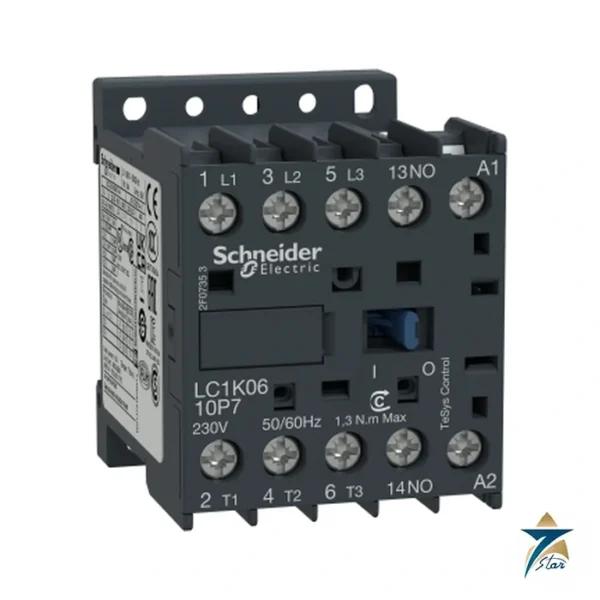
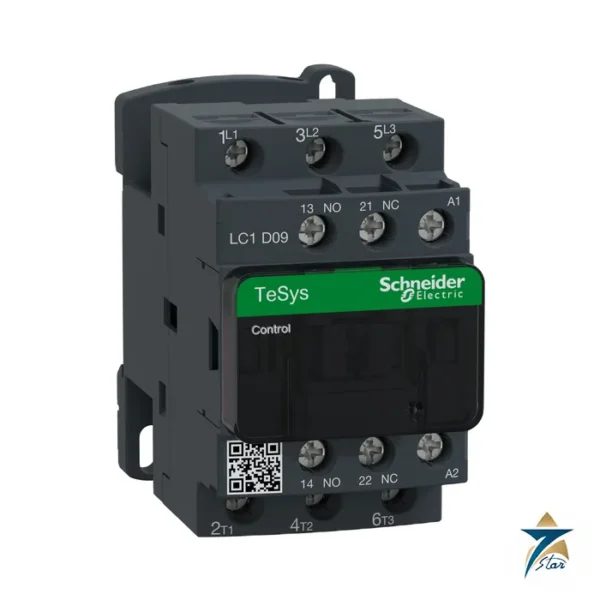
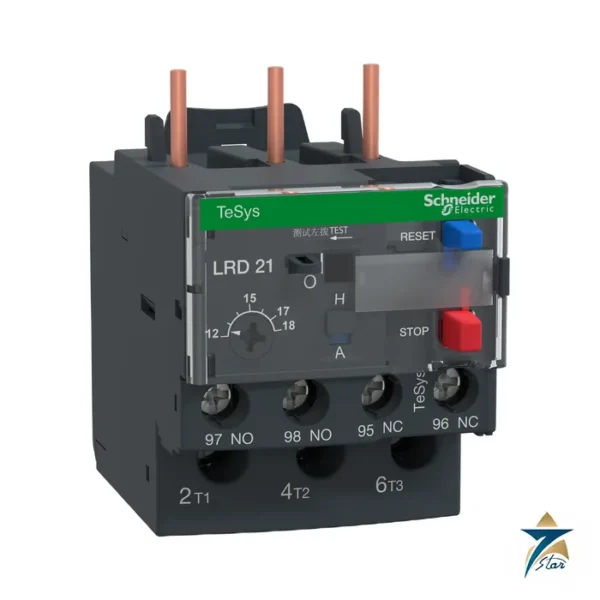
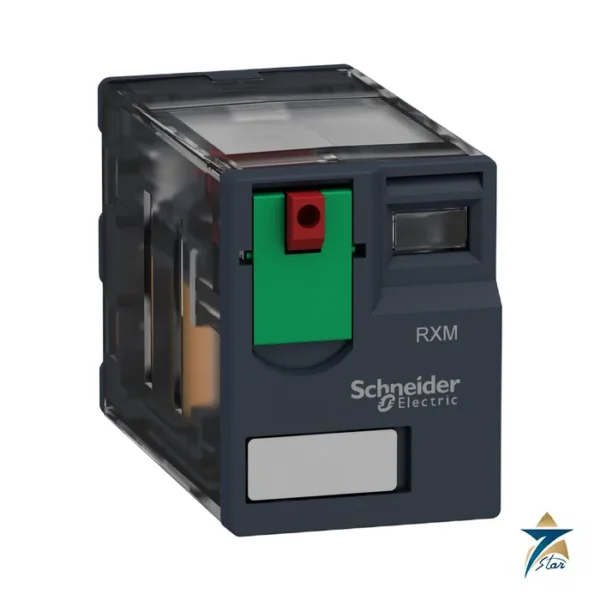
Other Models in the Se Gc Range
Seven Star LLC supplies models from the Se Gc range in Oman and the GCC. Compare the related models below and request a quote for the one that matches your application.






















Reviews
There are no reviews yet.