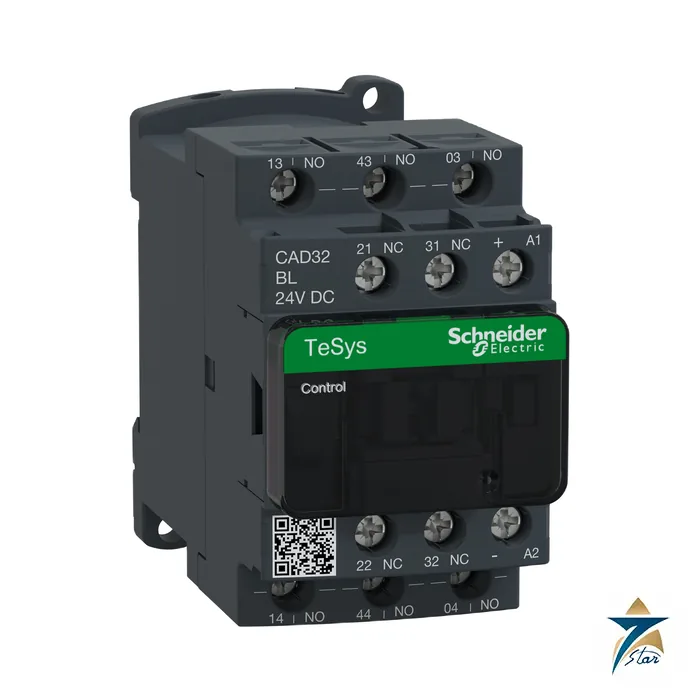
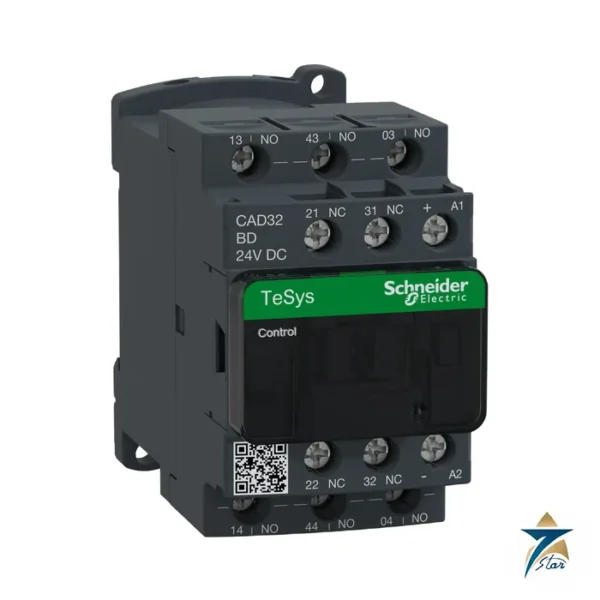
CAD32BL: a relay with three normally open and two normally closed contacts for 24 V DC control circuits
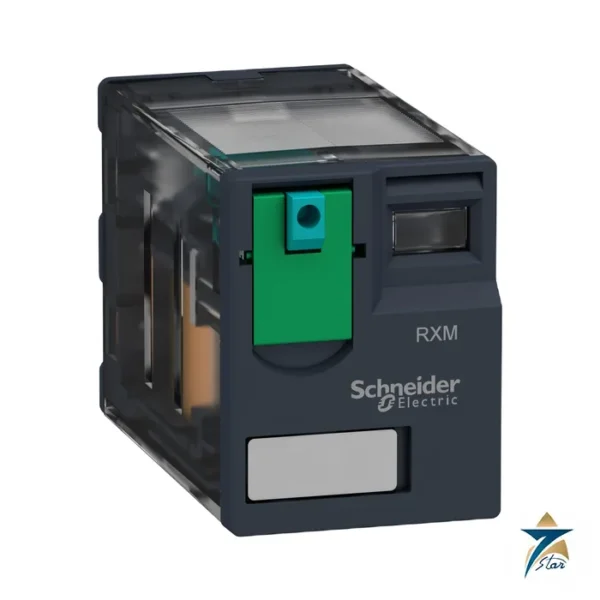
If you are replacing or specifying a 24 V DC control relay with three normally open and two normally closed contacts, the CAD32BL is the Schneider Electric TeSys Deca reference to look at. Its datasheet title reads: Control relay, TeSys Deca, 3NO+2NC, up to 690V, 24V DC low consumption coil, screw clamp terminals. Seven Star LLC supplies the CAD32BL in Oman and the GCC as an independent supplier based in Muscat.
How the reference breaks down: CAD means a TeSys Deca control relay, 32 fixes the contacts at three normally open and two normally closed contacts, and BL fixes the coil at 24 V DC with low consumption. Because the other family members share the same housing, an error in the last two characters is the most common cause of a relay that arrives and does not suit the panel.
Technical data of the CAD32BL at a glance
| Parameter |
Specification |
| Manufacturer / part number |
Schneider Electric / CAD32BL |
| Range / type |
TeSys Deca control relay (TeSys CAD) |
| Pole contact composition |
3 NO + 2 NC |
| Utilisation categories |
AC-15; DC-13; AC-14 |
| Rated operational voltage (Ue) |
≤ 690 V AC 25 to 400 Hz |
| Control circuit voltage (Uc) |
24 V DC |
| Control voltage limits |
0.1 to 0.25 Uc (-40 to 70 °C):drop-out DC; 0.7 to 1.25 Uc (-40 to 60 °C):operational DC; 1 to 1.25 Uc (60 to 70 °C):operational DC |
| Operating time |
65 to 88 ms coil energisation and NO closing; 14 to 25 ms coil de-energisation and NO opening; 57 to 77 ms coil energisation and NC opening; 28 to 42 ms coil de-energisation and NC closing |
| Inrush / hold-in power |
2.4 W (at 20 °C) / 2.4 W at 20 °C |
| Thermal current (Ith) |
10 A (at 60 °C) |
| Rated making capacity |
140 A AC conforming to IEC 60947-5-1; 250 A DC conforming to IEC 60947-5-1 |
| Associated fuse |
10 A gG conforming to IEC 60947-5-1 |
| Insulation voltage (Ui) |
690 V IEC 60947-5-1; 600 V UL and CSA |
| Mechanical durability / rate |
30 Mcycles / 180 cyc/mn |
| Mounting / terminals |
DIN rail or plate; screw clamp 1 to 4 mm², 1.7 N.m |
| Dimensions (H x W x D) |
77 mm x 45 mm x 93 mm |
| Net weight |
0.58 kg |
| Degree of protection |
IP2X conforming to VDE 0106 |
| Ambient temperature, operation |
-40 to 60 °C; 60 to 70 °C with derating |
| Ambient temperature, storage |
-60 to 80 °C |
| Certifications |
CB; CCC; UL; CSA; EAC; CE; UKCA |
Field use of the CAD32BL in the Gulf
In Oman and the GCC a low-voltage DC coil is most often found in packaged skids, compressor and generator control panels, fire-and-gas interface cabinets and remote telemetry shelters, where a 12, 24 or 48 V battery-backed supply keeps the controls alive through a mains failure. In these cabinets the relay repeats a PLC or safety-system signal to field circuits, and the five poles save space compared with a bank of small plug-in relays.
Heat and dust shape the choice. A cabinet in direct sun on a desert site can run far above the 40 °C that many catalogues assume, so look at the 60 °C operating limit and the derating up to 70 °C given in the datasheet, and keep the relay out of the hottest zone near the power supply and any drive.
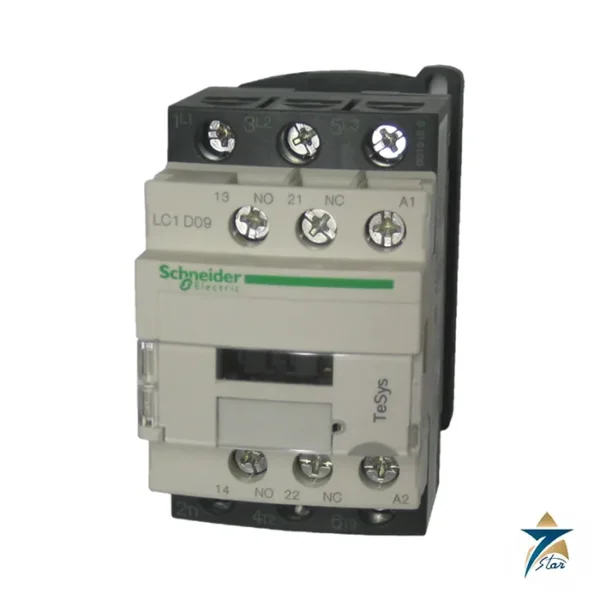
For the CAD32BL, that means three normally open and two normally closed contacts from one 24 V DC command, sitting next to LC1D contactors of the same TeSys D family on the same rail.
Contact block of the CAD32BL
Use the normally closed contacts for permissive and interlock loops that must fall away on operation, such as stopping a second starter while the first is running, or for a healthy-state signal that drops out when the relay operates. The normally open contacts are available to repeat start, run and trip signals. If a circuit needs more than three normally open contacts and no normally closed ones, the 5 NO version of the same family is the better match.
Contact data from the datasheet apply to all five poles: 10 A conventional thermal current at 60 °C, utilisation categories AC-15, AC-14 and DC-13, a rated operational voltage up to 690 V AC, and a minimum switching capability of 17 V and 5 mA, which makes the contacts suitable for low-level signals as well as for 24 V PLC inputs.
Coil data and timing of the CAD32BL
The coil is the one part that distinguishes the CAD32BL from its siblings, so it deserves the closest reading.
The BL suffix marks the low-consumption 24 V DC coil. The datasheet lists only 2.4 W for inrush and for hold-in alike, against 5.4 W for the standard DC coil of the same size, so the coil draws roughly 0.1 A at 24 V. That figure is the reason this version is specified: it is far gentler on a small power supply, it dissipates less heat inside a crowded enclosure, and it is easier to drive from an output channel that is limited to about 100 mA.
The cost of the lower power is speed. The datasheet gives 65 to 88 ms for coil energisation and NO closing and 14 to 25 ms for opening, and a time constant of 40 ms, against 53 to 72 ms and 28 ms for the standard coil. For ordinary interlocking and signal multiplication this is irrelevant, but a circuit that relies on very tight timing between two relays should be checked with the slower figures. The operational window is the same 0.7 to 1.25 Uc, about 16.8 to 30 V.
The datasheet gives operating times of 65 to 88 ms coil energisation and NO closing, 14 to 25 ms coil de-energisation and NO opening, 57 to 77 ms coil energisation and NC opening, 28 to 42 ms coil de-energisation and NC closing. This low-consumption coil is slower, with a time constant of 40 ms.
Installing and keeping the CAD32BL in service
Fit the relay in an enclosure with the front face reachable for inspection: the datasheet quotes IP2X at the front face, which protects against finger contact but not against dust. The weight of 0.58 kg is modest, so the relay is held securely by its rail clip, but plate mounting is preferable on machines with strong vibration. The datasheet lists vibration resistance of 2 Gn open and 4 Gn closed (5 to 300 Hz) and shock resistance of 10 Gn open and 15 Gn closed for 11 ms.
For spares planning, the CAD32BL is a good candidate for a stocked spare because it is physically identical to its siblings and the coil is the only part that differs. Mark the coil voltage clearly on the terminal block door or on the panel diagram, test it after any control-supply change, and keep a record of the coil code. The datasheet gives an 18-month warranty from the manufacturer, which applies to the product as supplied by its own channel.
Family table including the CAD32BL
The CAD32BL is one member of a family of TeSys D control relays that share the housing, the contact data and the mounting. Only the coil voltage and type change from one reference to the next, together with the contact arrangement: the CAD32 series is 3 NO + 2 NC and the CAD50 series is 5 NO. The table lists the CAD32 references we are asked for most.
If the supply is not in the table, ask us; the CAD50 series has the other contact arrangement. AC-coil versions are 84 mm deep and DC-coil versions 93 mm, which matters in a shallow enclosure.
| Reference |
Coil voltage and type |
Contacts |
| CAD32BD |
24 V DC standard |
3 NO + 2 NC |
| CAD32BL (this page) |
24 V DC low consumption |
3 NO + 2 NC |
| CAD32D7 |
42 V AC 50/60 Hz |
3 NO + 2 NC |
| CAD32ED |
48 V DC standard |
3 NO + 2 NC |
| CAD32F7 |
110 V AC 50/60 Hz |
3 NO + 2 NC |
| CAD32FD |
110 V DC standard |
3 NO + 2 NC |
| CAD32JD |
12 V DC standard |
3 NO + 2 NC |
| CAD32M7 |
220 V AC 50/60 Hz |
3 NO + 2 NC |
| CAD32MD |
220 V DC standard |
3 NO + 2 NC |
| CAD32N7 |
415 V AC 50/60 Hz |
3 NO + 2 NC |
| CAD32R7 |
440 V AC 50/60 Hz |
3 NO + 2 NC |
| CAD32U7 |
240 V AC 50/60 Hz |
3 NO + 2 NC |
| CAD32V7 |
400 V AC 50/60 Hz |
3 NO + 2 NC |
What to confirm before you buy the CAD32BL
- Coil: 24 V DC low consumption, confirmed from the supply drawing or the nameplate of the relay being replaced.
- Contacts: three normally open and two normally closed contacts, matched to the interlock and signalling circuits.
- Supply sizing: about 100 mA continuously, because the datasheet gives the same power for inrush and hold-in (derived figure).
- Window: operates within 16.8 to 30 V (0.7 to 1.25 Uc) and releases at 2.4 to 6 V (0.1 to 0.25 Uc).
- Contact load of the CAD32BL: 10 A thermal, AC-15, AC-14 or DC-13 duties; use a contactor for motor-power loads.
- Space: 77 mm high, 45 mm wide and 93 mm deep.
- Environment: operation up to 60 °C, up to 70 °C with derating; storage -60 to 80 °C.
Quotation details we need for the CAD32BL
- Delivery location in Oman or the GCC and the date required
- Panel or machine the relay must fit, and whether it is a spare, a replacement or a new installation
- The load or circuit each contact will switch (voltage, current, signal level)
- The coil voltage and type seen on the supply drawing or on the old relay nameplate
- Full reference CAD32BL and the quantity
Documents and quotation
A datasheet for this product is attached on this page. It lists the electrical, mechanical and environmental data summarised above, and it is worth reading beside the panel drawing before you order.
Send us the part number, quantity and application and we will confirm availability and a quotation. Seven Star LLC is an independent supplier in Muscat and is not affiliated with the manufacturer.
Other Models in the Se Cad32 Range
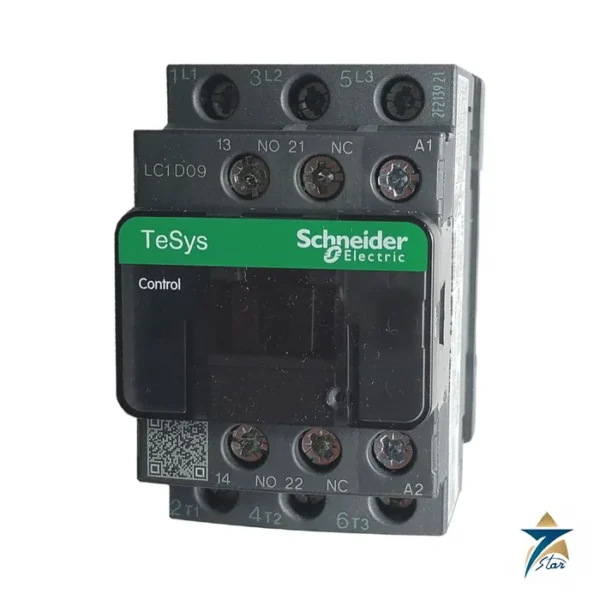
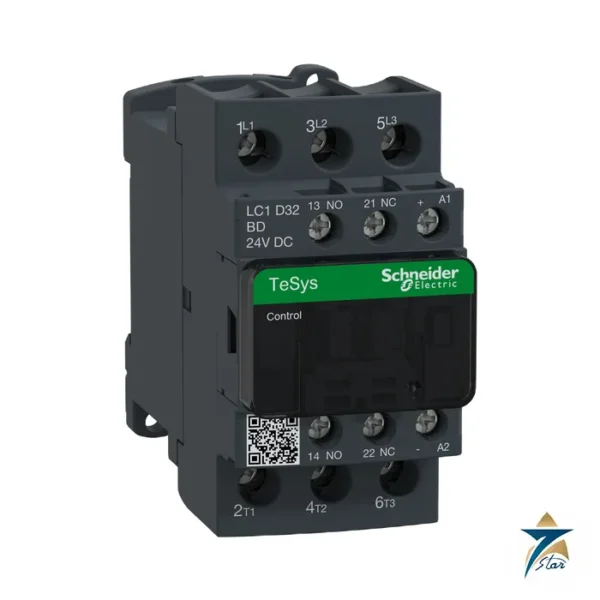
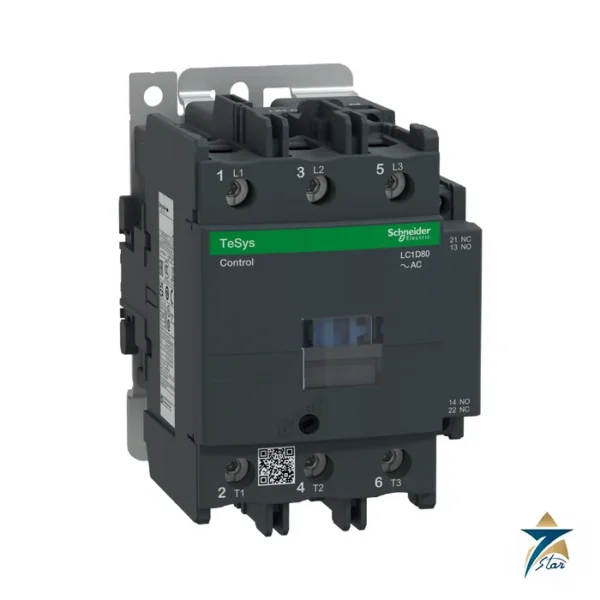
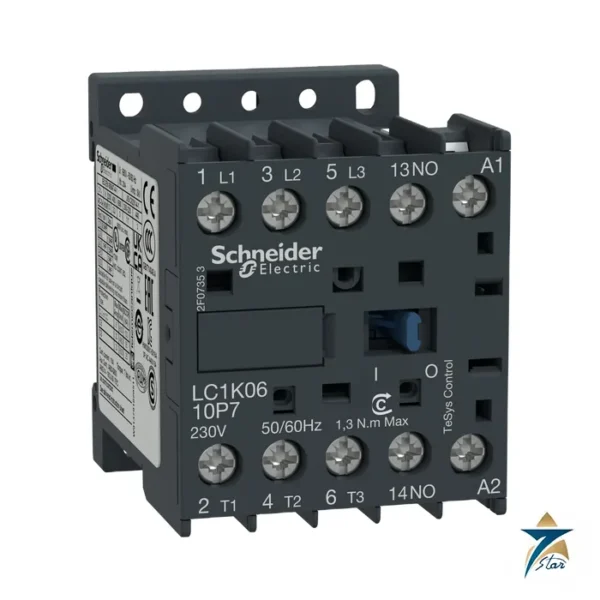
Seven Star LLC supplies models from the Se Cad32 range in Oman and the GCC. Compare the related models below and request a quote for the one that matches your application.






















Reviews
There are no reviews yet.