SAMSON Type 3969 intrinsically safe solenoid valve for NAMUR actuators
The SAMSON Type 3969 is a compact, low-power solenoid valve made to switch pneumatic actuators in hazardous areas. It converts a small intrinsically safe binary signal from a PLC output, a barrier or a fieldbus device into an air signal for an actuator that carries a NAMUR interface. Seven Star LLC supplies the Type 3969 in Oman and the GCC as an independent supplier based in Muscat.
The standard design is a 3/2-way valve with a flow coefficient of KVS 0.3, an aluminum enclosure rated IP 65 and a drawn power of only about 71 mW. Because the armature and ball seat block the pilot port when idle, the valve consumes no air in the rest position. That makes the Type 3969 well suited to remote valve skids, wellheads and compressor-station shut-down valves where instrument air is limited and every watt on the loop matters.
For heavier actuators the same housing can be paired with an optional poppet valve stage that raises the flow coefficient to KVS 2.0 or 4.3, so one electrical front end serves small quarter-turn actuators and large spring-return units alike.
How the Type 3969 article code is built
SAMSON identifies each build of the Type 3969 with an article code that begins with the type number followed by a string of digits. From the ordering table in the datasheet, the first groups can be read as follows.
- Type of protection: 000 is the version without explosion protection; 110 is ATEX Ex ia (II 2G Ex ia IIC T4/T6 Gb and II 2D Ex ia IIIC T85 °C Db); 111 is the IECEx equivalent; 810 is ATEX Ex ec or nA non-sparking (II 3 G, with Ex tb dust protection); 811 is the matching IECEx version.
- Nominal signal: one digit selects the 14 to 24 V DC input range.
- Manual override: either none, or a pushbutton underneath the enclosure cover.
- Switching function: 3/2-way with spring return.
- Mounting: the NAMUR interface ¼" per VDI/VDE 3845 for rotary actuators is the basic selection, with further digits for the adapter plate, restrictor plates, the poppet valve and connection threads.
The datasheet lists further digits beyond these, so always quote the complete article code or the full options you need when asking for a price. Do not rely on the four-digit type number alone.
Type 3969 technical specifications
| Parameter |
Specification |
| Manufacturer / part number |
SAMSON AG, Type 3969 solenoid valve |
| Function |
3/2-way, spring return, no air consumption in idle position |
| Nominal signal |
14 to 24 V DC (switch-on at ≥14.1 V and ≥6.1 mA; off at ≤0.5 mA) |
| Power consumption |
Approx. 71 mW (≥71.6 mW at 20 °C switching point); input impedance 1.87 kΩ |
| Explosion protection |
Ex ia (intrinsic safety) or Ex ec / Ex nA (non-sparking); ATEX and IECEx |
| Safety values (Ex ia) |
Ui 28 V, Ii 115 mA, Pi 1 W; Ci and Li negligibly small |
| Flow coefficient |
KVS 0.3 (standard); KVS 2.0 or 4.3 with optional poppet valve |
| Pilot supply |
1.4 to 10 bar (at 10 bar operating pressure, at least 1.9 bar pilot is required) |
| Switching time |
≤60 ms |
| Ambient temperature |
–45 to +80 °C, depending on type of protection, temperature class and seals |
| Degree of protection |
IP 65, with filter check valve |
| Materials |
Black anodized aluminum enclosure and connecting plate; stainless steel screws and springs; silicone seals |
| Electrical connection |
2-pole screw terminal, M20x1.5 cable gland, external ground terminal up to 4 mm² |
| Connection |
G ¼, ¼ NPT or NAMUR interface ¼ (VDI/VDE 3845 and VDI/VDE 3847) |
| Weight |
0.7 kg; 1.05 kg with adapter plate |
Working principle of the Type 3969
Inside the housing sits an electropneumatic binary converter with a manual override and, optionally, an integrated poppet stage. At rest a spring holds the armature on the seat of the supply port, so the ball seals the pilot port and no air flows. When the coil receives the nominal signal, the armature lifts against the spring and moves to the exhaust port. Pilot pressure then builds in the control chamber, and once it passes the actuation threshold the poppet valve moves to its working position and passes air to the actuator.
After the signal is removed the return spring resets the stage, and the actuator is vented through the exhaust path. Pilot air is taken internally from port 1 or from an external source on port 9. A turnable gasket inside the valve selects between the two, which is useful when the actuator needs a lower pressure than the main supply or when a dedicated clean pilot line is installed.
The switching time is not more than 60 ms, which is fast enough for shut-down and on/off duty but not meant as a modulating device. For positioning duty an electropneumatic positioner is the correct choice.
Where the Type 3969 fits and related SAMSON valves
The Type 3969 is the intrinsically safe member of SAMSON’s solenoid valve range. It is typically mounted on rotary actuators with a VDI/VDE 3845 NAMUR interface or integrated on linear actuators using the direct attachment of VDI/VDE 3847, which removes tubing and fittings. An adapter plate for the NAMUR rib of IEC 60534 linear actuators is also offered.
When higher flow is needed than KVS 0.3 gives, the datasheet describes the poppet-valve upgrade to KVS 2.0 or 4.3. For large or double-acting actuators, SAMSON’s Type 3756 booster valve is a separate product that is itself piloted by solenoid valves such as the Type 3963 or Type 3967 listed in its datasheet. Those are related SAMSON pilot valves you may see in the same installations. Seven Star LLC can help you compare the options against your actuator size and the stroking time you need.
Selecting a Type 3969: checklist
- Hazardous-area classification of the installation: gas group, temperature class and zone, and whether an Ex ia, Ex ec or Ex nA version is required.
- Control signal: 14 to 24 V DC from a barrier or a fieldbus output, and the entity parameters of the associated apparatus compared with Ui, Ii and Pi.
- Actuator interface: NAMUR ¼" direct mounting, the VDI/VDE 3847 integral attachment, or the NAMUR-rib adapter plate for linear actuators.
- Actuator volume and required stroking time, which decide whether KVS 0.3 is enough or the poppet stage with KVS 2.0 or 4.3 is needed.
- Pilot supply and operating pressure within 1.4 to 10 bar, plus whether an internal or external pilot supply is wanted.
- Optional extras: pushbutton manual override, supply or exhaust restrictor plate, and whether a SIL-certified version is required for a safety instrumented function.
Installing and maintaining the Type 3969
The valve can be mounted in any position. Fix it to the actuator with the supplied screws, check that the seal between valve and NAMUR face is seated, then connect clean instrument air. The datasheet sets compressed-air quality to ISO 8573-1: particle size and density class 4, oil content class 3, and a pressure dew point of class 3 or at least 10 K below the lowest expected ambient temperature. In Gulf plants that last point matters, since a wet or oily air header is the main cause of sticking pilot stages.
Wire the 2-pole terminal through the M20x1.5 gland and ground the housing at the external terminal. Use a gland and sealing method appropriate for the area classification, and keep the cover tightened with its captive screws. Intrinsic-safety circuits must be verified against the certificate, never against the generic datasheet alone.
In service the valve needs little attention. Test it periodically using the manual override where fitted, confirm that the actuator travels and returns within its stroking time, and replace filters or seals if the air supply is contaminated. Where the valve is used in a safety function, include it in the proof-test plan with the partial stroke or full stroke interval set by your safety verification.
Typical Type 3969 applications in Oman and the GCC
The Type 3969 suits the oil and gas sector, where on/off valves on wellhead control panels, pipeline sectionalising valves and separator outlets need a switching device certified for the area and light on power. In gas processing and petrochemical plants it controls quarter-turn ball and butterfly valve actuators on pipe racks, and its non-sparking versions suit Zone 2 areas around compressors and pump skids.
The aluminum enclosure, IP 65 rating and ambient range down to –45 and up to +80 °C let the valve work in desert sun and in coastal humidity, such as desalination and power stations along the Gulf. Exposure to dust, salt fog and radiated heat is normal there, so it is common to install the valve in a shaded position or under a cover, and to use stainless gland and fittings.
Type 3969 poppet valve versions compared
| Version |
KVS |
Interface |
Approx. weight |
| Basic solenoid valve |
0.3 |
G ¼, ¼ NPT or NAMUR ¼ |
0.7 kg (1.05 kg with adapter plate) |
| With poppet valve, size 1 |
1.1 (4 to 3) / 2.0 (3 to 5) |
NAMUR ¼, exhaust G ½ or ½ NPT |
1.38 kg |
| With poppet valve, size 2 |
1.9 (4 to 3) / 4.3 (3 to 5) |
NAMUR ½, exhaust G ½ or ½ NPT |
1.5 kg |
The poppet valve versions use chloroprene diaphragms and seals for –20 to +80 °C or silicone for –45 to +80 °C, and the enclosure is aluminum or stainless steel 1.4404. Pilot supply is 2.7 to 6 bar for internal pilot and 1.4 to 6 bar for external pilot.
Information to send with an RFQ for the Type 3969
- Full article code or the options list: type of protection, manual override, mounting and any restrictor plate.
- Hazardous-area zone, gas group and temperature class, with the associated barrier model.
- Actuator make, model, volume and interface (NAMUR, VDI/VDE 3847 or NAMUR rib).
- Supply and pilot pressure available, and required opening and closing times.
- SIL requirement, certificate type (ATEX or IECEx) and any local approval need.
- Quantity, delivery site and whether spares or seal kits are wanted.
Documents and quotation
A SAMSON datasheet (T 3969) is attached on this page for reference, with the technical data, article code table and dimensions.
Send the actuator details, area classification and article code to Seven Star LLC and we will confirm the matching build, lead time and price in a quotation.
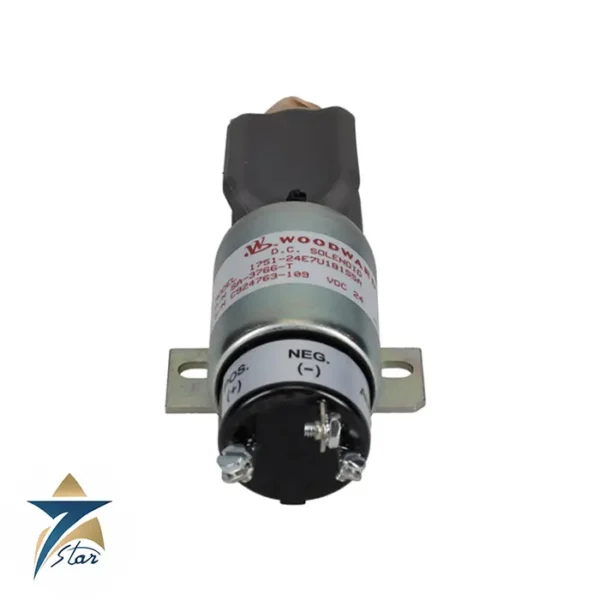
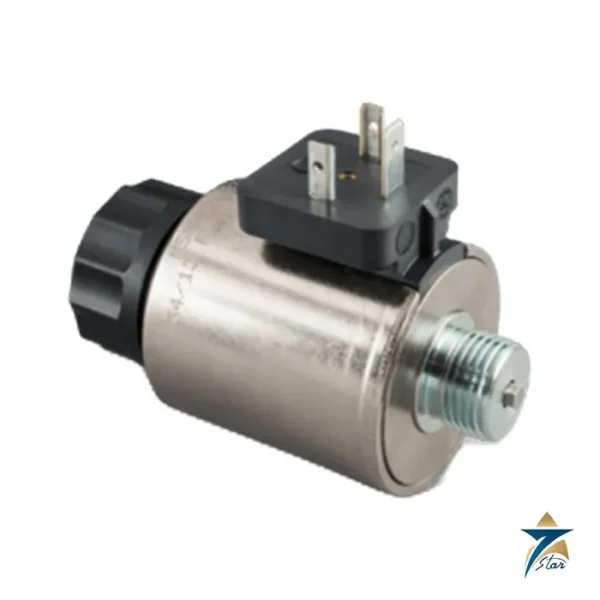
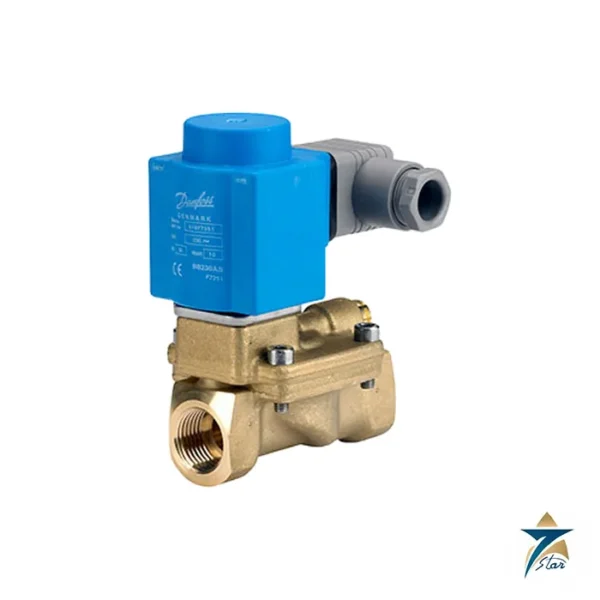
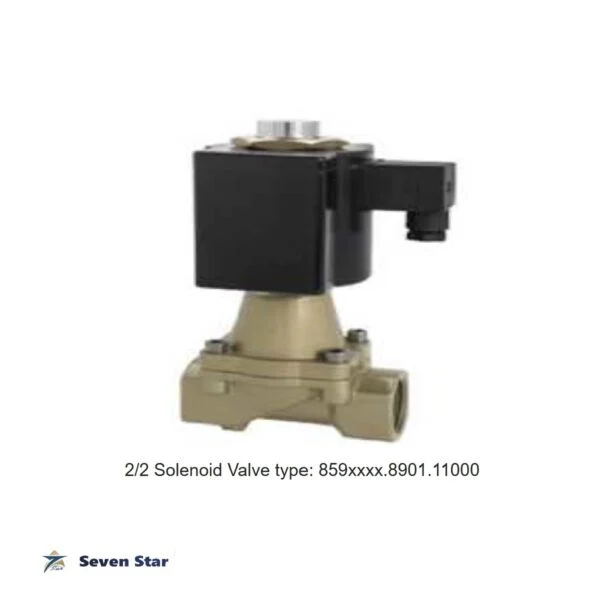
Other Models in the Samson Solenoid Valves Range
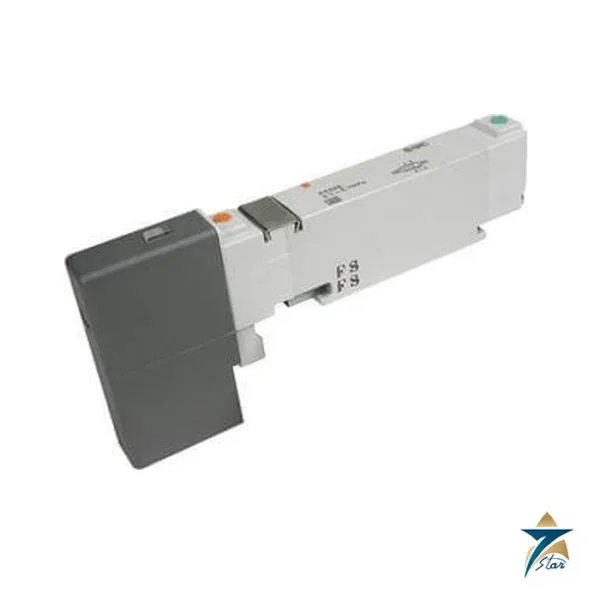
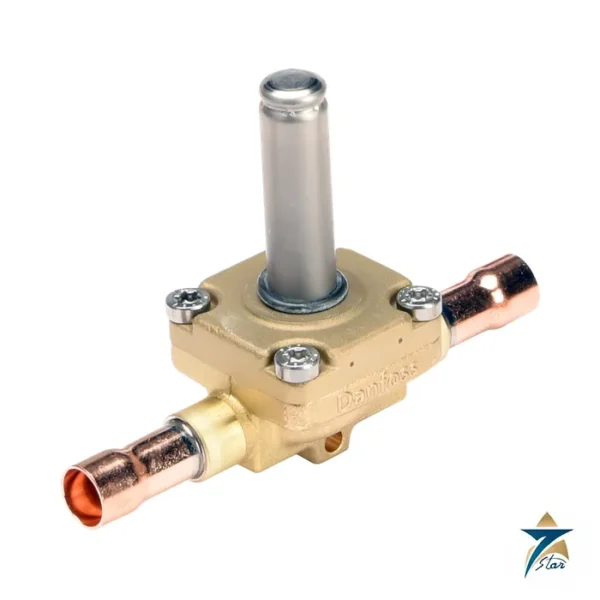
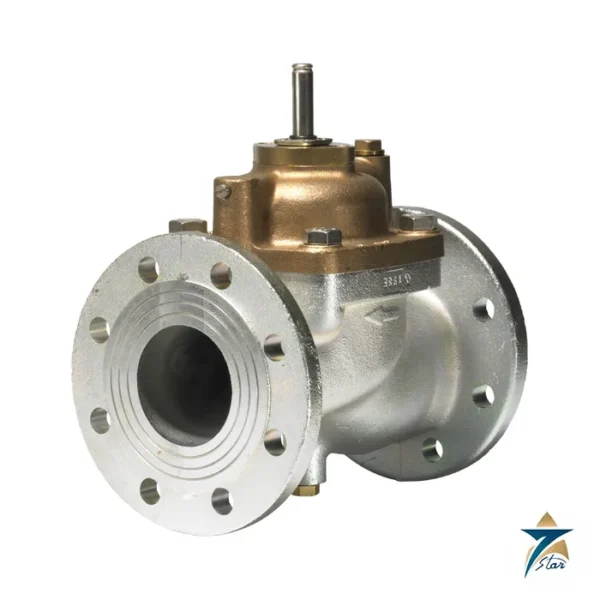
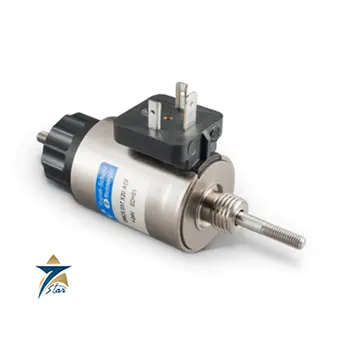
Seven Star LLC supplies models from the Samson Solenoid Valves range in Oman and the GCC. Compare the related models below and request a quote for the one that matches your application.






























Reviews
There are no reviews yet.