546NS electro-pneumatic transducer: explosion-proof current-to-pressure converter
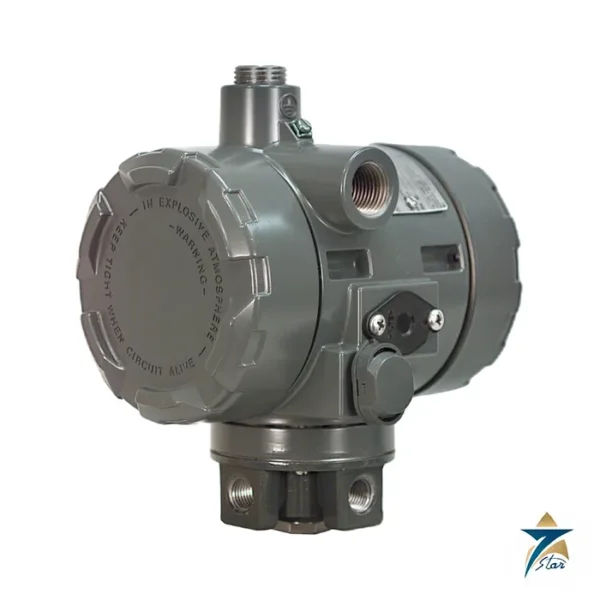
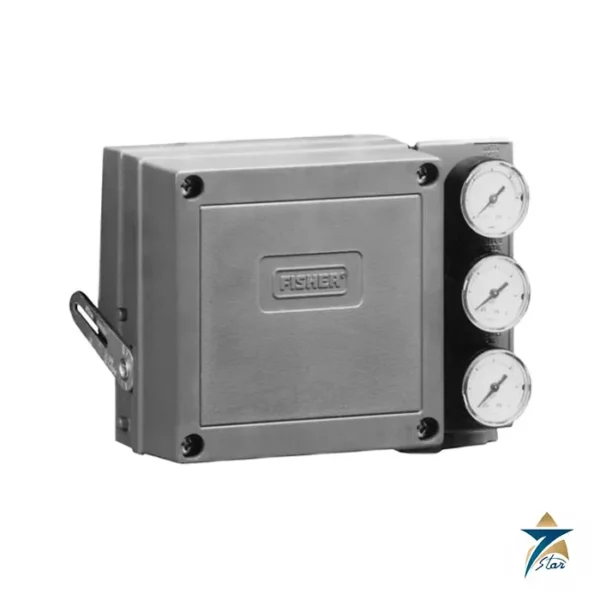
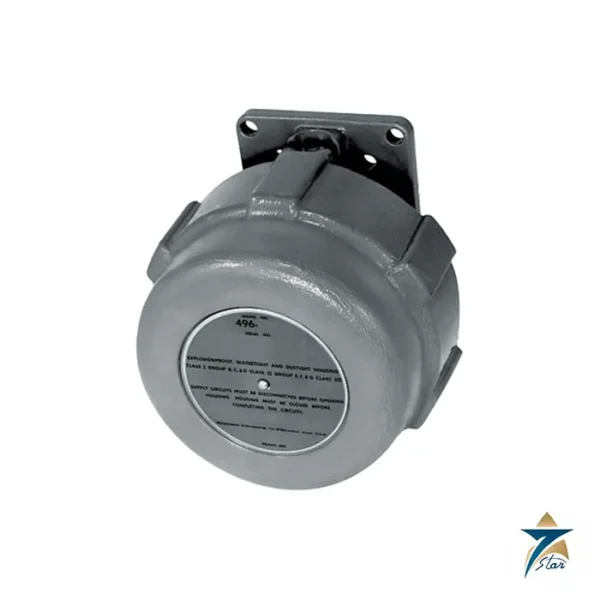
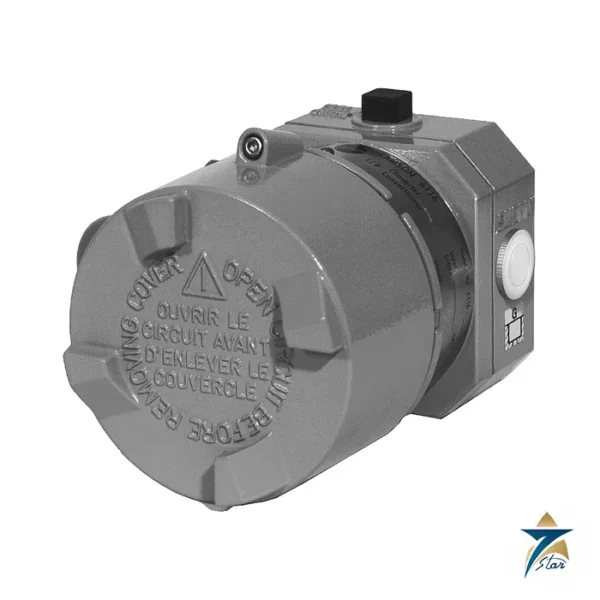
The 546NS is the explosion-proof, EPDM-elastomer version of the Fisher 546 series electro-pneumatic transducer. It receives a direct-current signal, uses a torque motor, nozzle-flapper and pneumatic relay to turn it into a proportional pneumatic output, and can sit on a diaphragm actuator to position a control valve directly. The case and cover are aluminum and explosion-proof, and the EPDM elastomers are chosen for elevated temperature and radiation environments, which is what the NS suffix signals in the manufacturer literature.
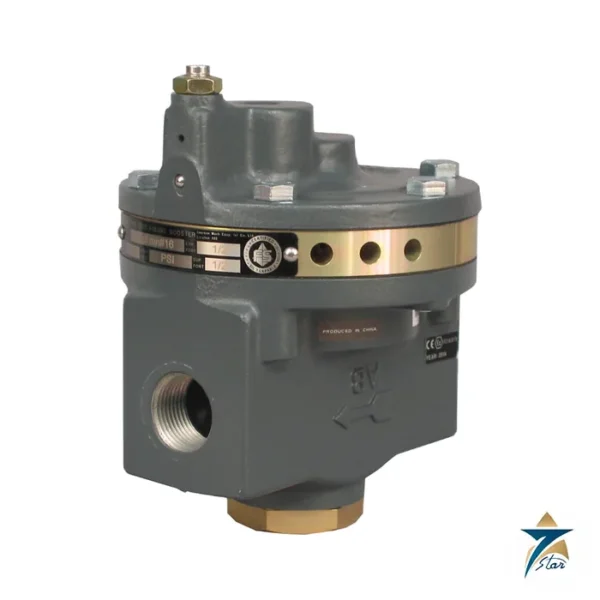
The high-capacity integrated relay removes the need for an extra booster or relay on most actuators, and the output can also feed small volume chambers such as the bellows of a pneumatic positioner.
546NS technical specifications
| Parameter |
Specification |
| Manufacturer / part number |
Fisher 546NS electro-pneumatic transducer |
| Input signals |
4 to 20 mA DC, 10 to 50 mA DC, or two-way split range using either half of one standard span |
| Torque motor resistance |
176 ±10 ohm (4 to 20 mA); 90 ±10 ohm (10 to 50 mA) |
| Output ranges |
0.2 to 1.0 bar (3 to 15 psig) or 0.4 to 2.0 bar (6 to 30 psig); field-reversible direct or reverse action |
| Supply pressure |
Recommended 0.3 bar (5 psi) above upper range limit; maximum 3.5 bar (50 psig) |
| Air consumption |
0.44 m3/hr (16.5 scfh) average at 1.4 bar (20 psi) supply |
| Output air capacity |
12.9 m3/hr (480 scfh) at 1.4 bar; 18.5 m3/hr (690 scfh) at 2.4 bar supply |
| Reference accuracy |
±0.75% of output signal span |
| Independent linearity |
±0.50% of output signal span |
| Frequency response |
-3 dB at 20 Hz with output piped to an instrument bellows through 305 mm of 1/4 in. tubing |
| Ambient temperature |
-40 to 66°C (-40 to 150°F) |
| Enclosure |
NEMA 3R, CSA Enclosure 3; vent below horizontal for NEMA 3R orientation |
| Hazardous area |
CSA explosion-proof, dust ignition-proof, Div 2; FM explosion-proof, dust ignition-proof, non-incendive (see approval tables) |
| Connections |
Supply, output and vent 1/4 NPT; electrical 1/2 NPT |
| Weight |
4.1 kg (9 lb) |
Materials listed include an aluminum case, EPDM O-rings, stainless steel nozzle and flame arrestors, brass feedback bellows and relay plug, and an EPDM/Nomex relay diaphragm.
How the 546NS torque motor and relay work
When the DC milliampere signal rises, the magnetic field around the coils strengthens and the armature rotates slightly to cover the nozzle. Nozzle pressure rises, the relay supply port opens and output pressure to the actuator increases. The same nozzle pressure acts on a feedback bellows that pushes the armature back to equilibrium, so the output is set by force balance against the input. When the signal falls, the armature uncovers the nozzle, nozzle pressure drops, the relay exhaust port opens and output bleeds to atmosphere until balance returns. Reverse action works the same way with the output decreasing as the signal rises. Zero and span are set with screwdriver adjustments inside the case, with magnetic shunt span adjustment and arrows showing rotation direction.
Where the 546NS fits among Fisher transducers and positioners
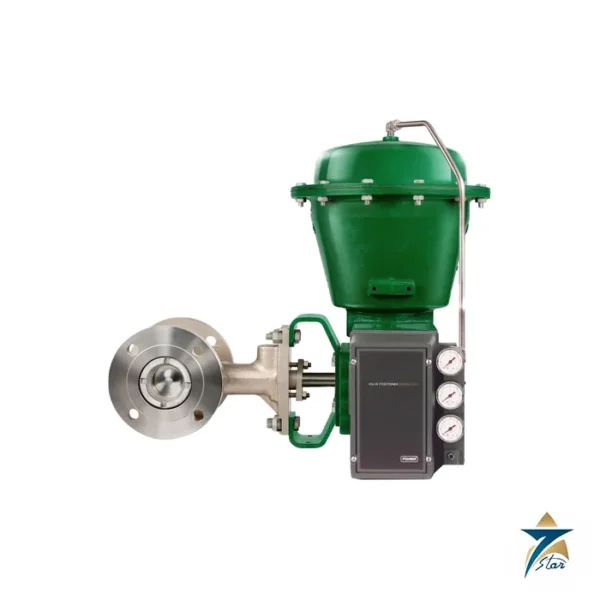
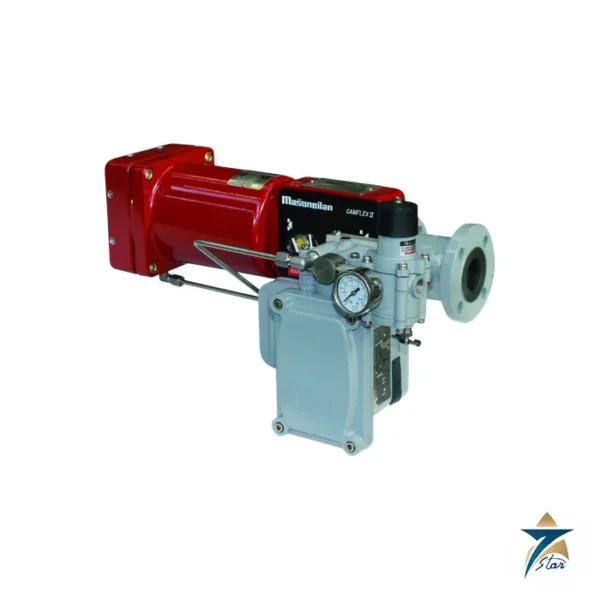
The 546NS suits plants that need an explosion-proof case rather than the intrinsically safe plastic housing of newer instruments such as the i2P-100, and plants with older loops already specified around the 546 platform. It can be ordered with or without a Fisher 67 series filter regulator, with a 2 inch supply gauge of 0 to 30 psig or 0 to 60 psig. Mounting options include actuator, 2 inch pipestand, surface, wall and a seismic bracket. It pairs naturally with Fisher 657 and 667 diaphragm actuators, as the photograph in the bulletin shows, and with positioners such as the 3610J where a bellows input is used.
546NS selection and ordering checklist
- Input signal: 4 to 20 mA, 10 to 50 mA or split range.
- Output range and action, direct or reverse.
- Whether a filter regulator and which supply gauge range is needed.
- Hazardous area approval, CSA or FM, and electrical entry.
- Mounting: actuator bracket, pipestand, surface, wall or seismic.
- Ambient temperature against the -40 to 66°C limit.
- Spare relay and diaphragm kit for the installed base.
Installation, calibration and maintenance
Provide clean, dry, regulated supply at least 0.3 bar above the top of the output range. The relay is mounted outside the case and can be removed without disturbing electrical or pressure connections or impairing explosion safety, which makes in-service cleaning simpler. Calibrate at the lower and upper input values with a gauge on the output, adjusting zero then span, and repeat because the two adjustments interact slightly on this design. Keep the vent screen clear of dust and wasp or sand ingress, which is a frequent field fault in desert regions.
Typical 546NS applications in Oman and the GCC
Typical uses are control valve loops in oil and gas processing and power generation where explosion-proof field instruments are standardised, replacement of legacy 546 units on existing diaphragm-actuated valves, and loops that need a high-capacity relay without an additional booster. Aluminum cases are exposed to coastal humidity, so check gaskets, conduit seals and cover threads at each turnaround.
546NS summary of options
| Option |
Choices |
| Input |
4 to 20 mA, 10 to 50 mA, split range |
| Output |
0.2 to 1.0 bar or 0.4 to 2.0 bar |
| Action |
Direct or reverse, field changeable |
| Filter regulator |
With or without Fisher 67 series |
| Mounting |
Actuator, pipestand, surface, seismic, wall |
Information to send with a 546NS enquiry
- Input and output ranges, action and split range if any.
- Hazardous area approval needed.
- Filter regulator and gauge range preference.
- Mounting type and actuator model.
- Quantity and destination.
Site conditions in Oman for the 546NS
Valves and their accessories in Oman work in demanding conditions: high ambient temperatures, direct sun on outdoor pipe racks, dust, and corrosive coastal air at many oil, gas and water sites. When you specify the 546NS, confirm the pressure and temperature ratings, body and trim materials and any sour-service or hazardous-area requirements against the actual line data, and check that seals and soft parts suit the process medium and the full temperature range.
For reliable operation, plan access for maintenance, define which spare parts are kept on site, and record the configuration of each installed 546NS. Sending the complete process data sheet with your RFQ allows the selection to be checked before the order is placed.
Documents and quotation for the 546NS
A manufacturer product bulletin for the 546NS is attached on this page. Seven Star LLC is an independent supplier in Muscat.
Send the 546NS options and quantity and we will confirm availability and quote.





















Reviews
There are no reviews yet.