i2P-100 electro-pneumatic transducer: converting 4-20 mA to a pneumatic signal
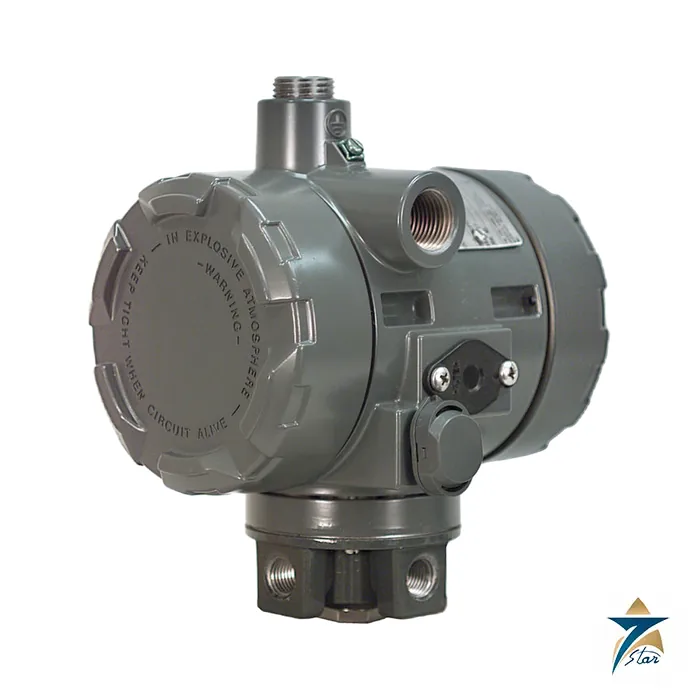
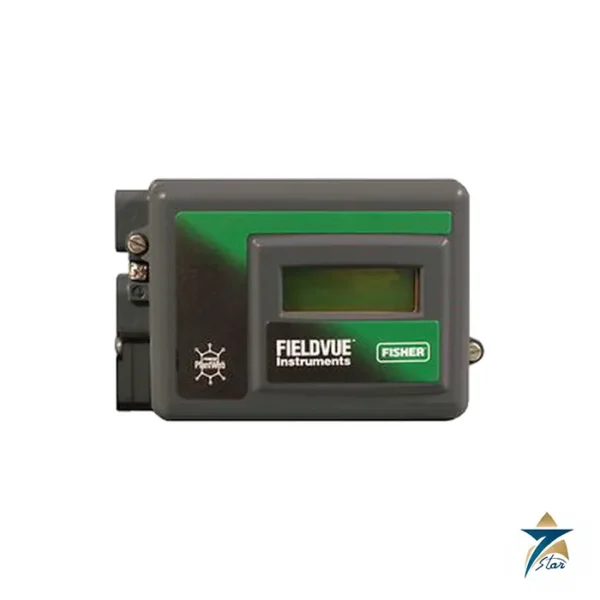
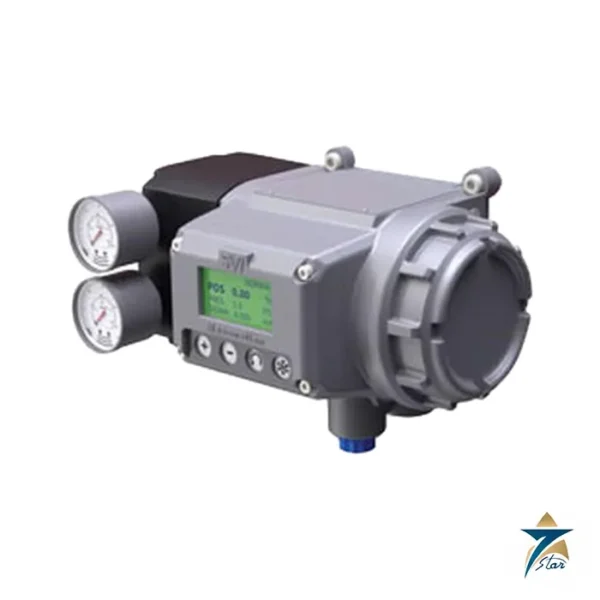
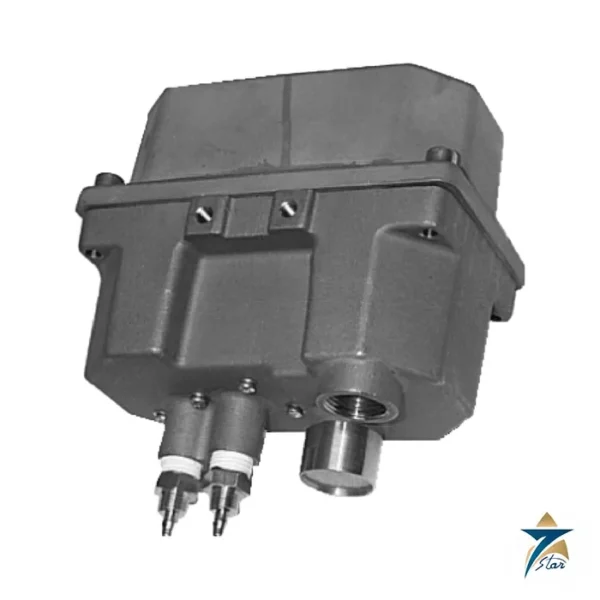
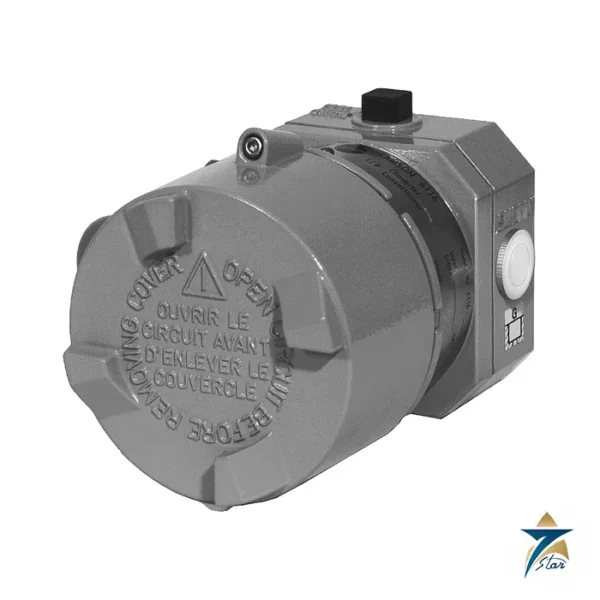
The i2P-100 is a field-mounted electro-pneumatic transducer in the Fisher instrument range. A converter module turns a milliampere input into a proportional pneumatic pressure, and an integral relay supplies enough air to drive a control valve actuator directly, without a separate booster or positioner. The input range and output range are configured in the field, so one model covers the common 3 to 15 psig and 6 to 30 psig signal standards as well as split-range arrangements.
Its balanced converter module uses small, low-mass parts arranged symmetrically around a pivot, which keeps vibration sensitivity low and is the reason it can sit directly on a valve and actuator assembly.
i2P-100 technical specifications
| Parameter |
Specification |
| Manufacturer / part number |
Fisher i2P-100 |
| Input signal |
4 to 20 mA DC standard; 4 to 12 mA or 12 to 20 mA for split range |
| Output signal |
0.2 to 1.0 bar (3 to 15 psig), 0.4 to 2.0 bar (6 to 30 psig) or 0.14 to 2.3 bar (2 to 33 psig); DIP switch plus zero and span adjustment |
| Supply pressure |
Recommended 0.3 bar / 5 psi above the upper output limit; maximum 3.4 bar / 50 psig |
| Supply medium |
Air or non-corrosive natural gas |
| Maximum output air capacity |
8.04 m3/hr / 300 scfh at 1.4 bar / 20 psig supply |
| Reference accuracy |
±1.0% of full scale output span (hysteresis, linearity and deadband combined) |
| Independent linearity |
±0.5% of full scale output span |
| Hysteresis |
0.4% of full scale output span |
| Frequency response |
-3 dB at 3 Hz with output piped to a typical instrument input |
| Temperature effect |
±0.14% of span per °C |
| Vibration effect |
Under 1% of full scale span when tested to ISA S75.13 |
| Operating ambient |
-40 to +85°C / -40 to +185°F |
| Connections |
Supply, output and vent 1/4 NPT; electrical 1/2 NPT; wire 18 to 22 AWG |
| Housing and mounting |
Alloy housing; nitrile O-rings and diaphragms; actuator, pipe stand or surface mounting |
| Weight |
2.5 kg / 5.5 lb approximate |
Electrical housing ratings stated in the bulletin are Type 4X / NEMA 4X / IP66 when remotely vented, and Type 3 / NEMA 3 / IP64 without remote venting. Listed hazardous area approval families include CSA, FM, ATEX, IECEx, UKEx, CUTR, INMETRO, KTL and NEPSI, which depend on the exact variant ordered.
How the i2P-100 produces its output
The input current flows through a coil in the converter module, which moves a flapper relative to a nozzle. The resulting nozzle pressure drives the integral pneumatic relay, and the relay output feeds the actuator or downstream instrument. Because the flexures are gold plated, the coils carry a corrosion-resistant coating and the circuit board and switches are conformally coated, the module tolerates humid and salt-laden air. A free-flow pilot stage and large internal passages let the unit cope with dirty supply air; a replaceable 5 micrometer filter and removable primary orifice are accessible for service.
Steady-state air consumption is below the 6 scfh limit that the bulletin cites for the EPA oil and gas rule, so the i2P-100 is relevant to low-emission programmes. It has also been tested as a single sealed device under ANSI/ISA 12.27.01.
Where the i2P-100 fits with positioners, boosters and actuators
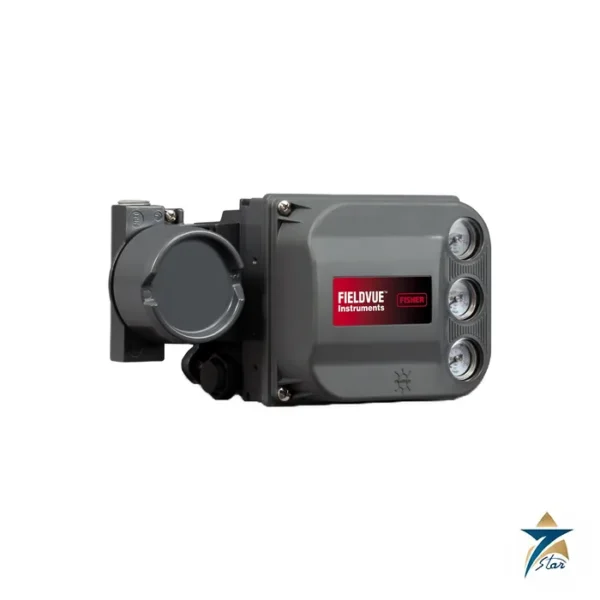
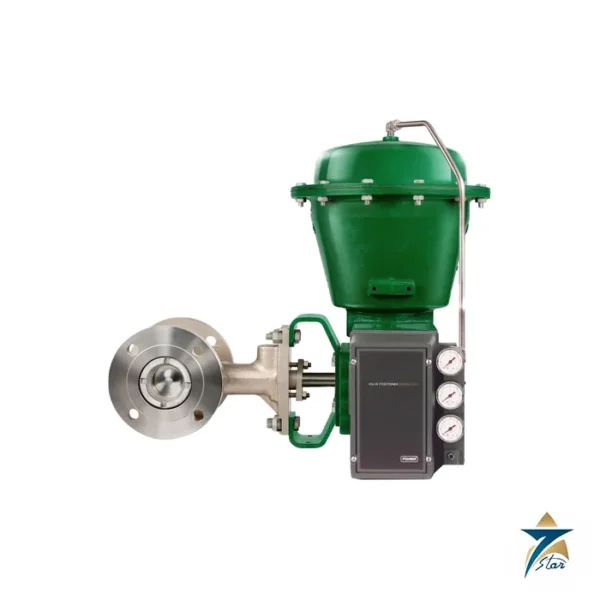
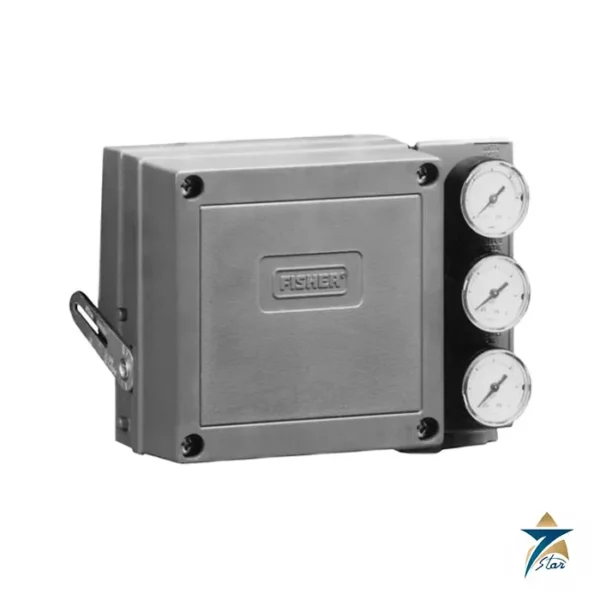
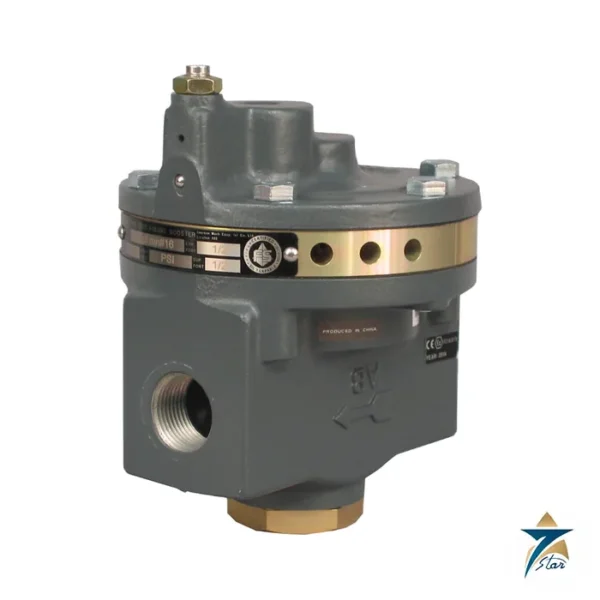
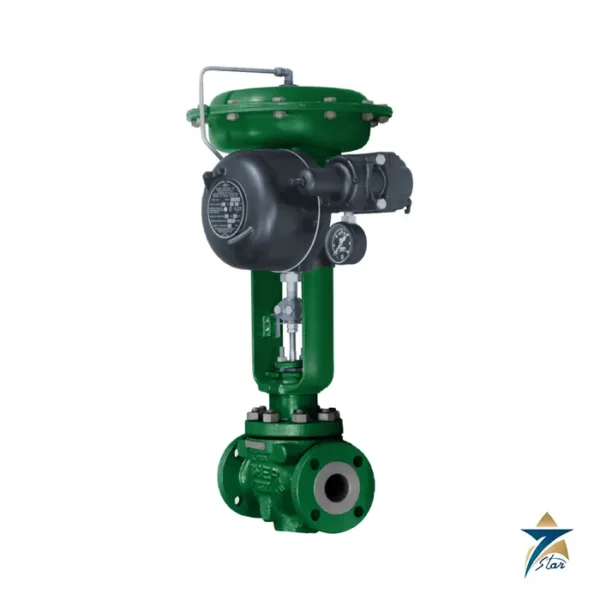
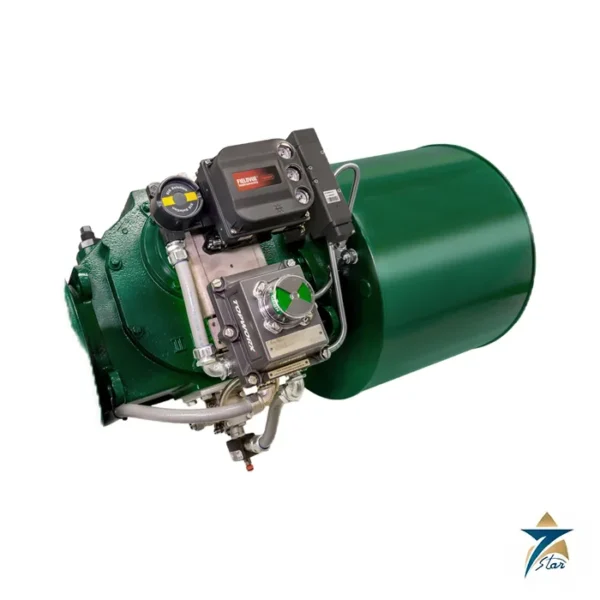
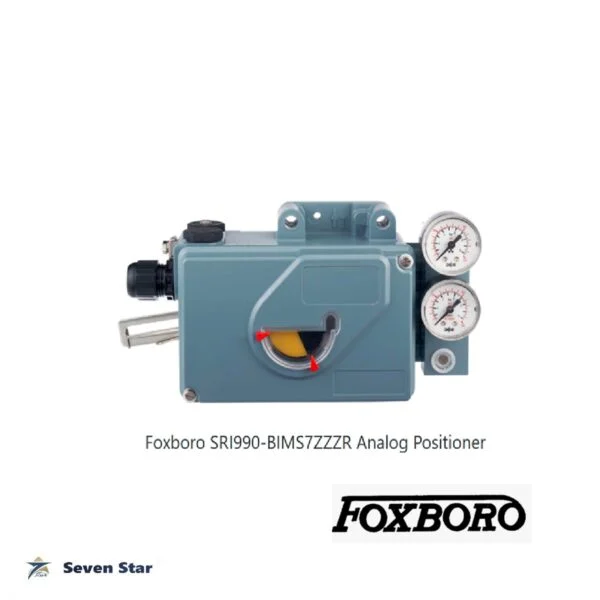
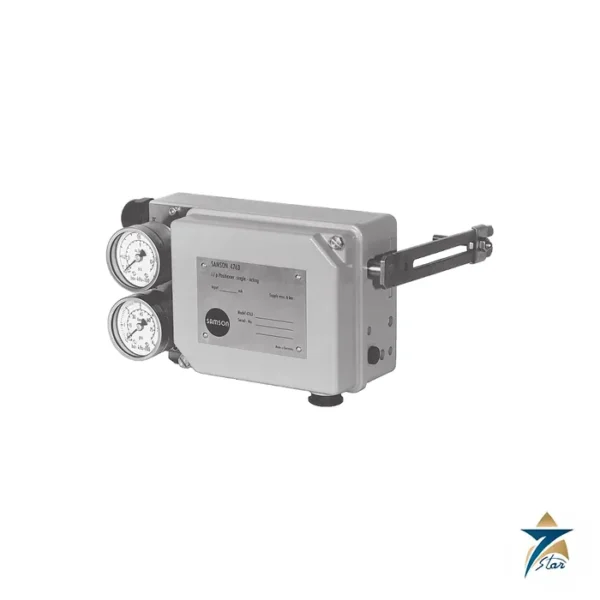
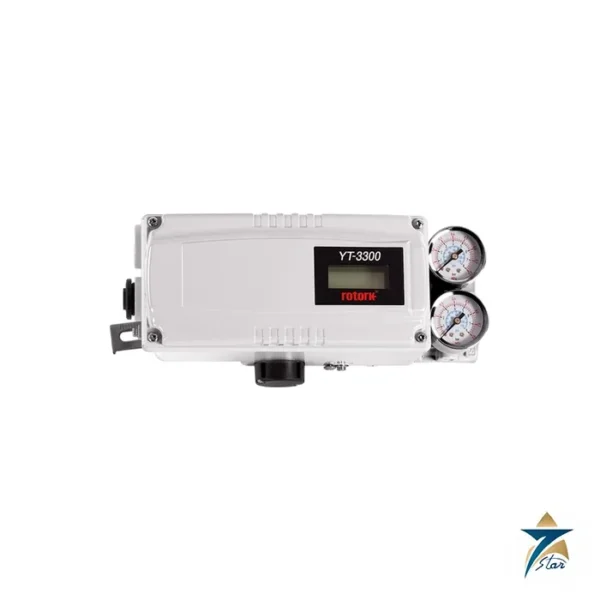
Typical arrangements are the i2P-100 mounted on a rotary or sliding-stem pneumatic actuator, driving it directly when a fast positioner is not required, or feeding the pneumatic input of a Fisher 3610J, 3582 or similar positioner when the loop needs position feedback. The older Fisher 546 series transducer is the classic alternative in plant stock, and the i2P-100 is the current generation replacement in many cases. When the control system needs digital diagnostics and HART, a FIELDVUE digital valve controller such as the DVC6200 is the alternative path.
Selection and ordering checklist
- Input signal range and whether split range is required.
- Required output range, 0.2 to 1.0 bar, 0.4 to 2.0 bar or 0.14 to 2.3 bar, matched to the actuator spring range.
- Supply pressure available at the instrument, at least 0.3 bar above the upper output limit.
- Hazardous area approval needed for the installation zone, and the electrical housing rating.
- Remote venting requirement for IP66 or NEMA 4X rating.
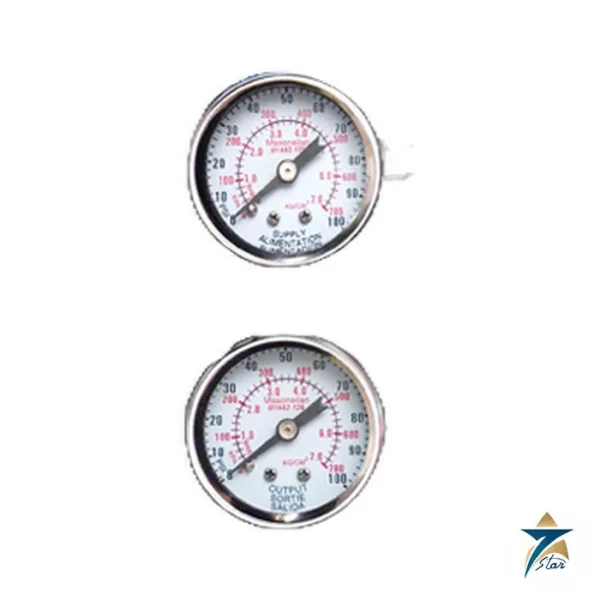
- Mounting hardware for the actuator type and any output pressure gauge.
- Conduit adapter, M20 or PG13, if not 1/2 NPT.
Installation, calibration and maintenance
Supply air should follow ISA 7.0.01: particles under 40 micrometers are acceptable and 5 micrometers is recommended, oil under 1 ppm, and the dew point at least 10°C below the lowest expected ambient temperature. Wire the loop with 18 to 22 AWG and set the DIP switches for range and split before adjusting the zero and span trim potentiometers under the housing cap. Calibrate with a milliampere source and a pressure gauge, at 4 and 20 mA. Maintenance consists of cleaning or replacing the supply filter and orifice, and swapping the electronics or converter module, which sit in separate compartments.
Typical i2P-100 applications in Oman and the GCC
Typical Gulf uses are control valves on separators, gas processing, desalination plants and power plant balance-of-plant, wherever a 4 to 20 mA signal must become an air signal. The wide ambient range and sealed electronics help in outdoor installations at high summer temperatures. Where instrument air is wet, dew point control upstream is the first line of defence. For wellhead sites running on natural gas supply, the approval for natural gas and the low consumption are the main advantages.
i2P-100 output and input configurations
| Input |
Output |
Use |
| 4 to 20 mA |
0.2 to 1.0 bar (3 to 15 psig) |
Standard full range |
| 4 to 20 mA |
0.4 to 2.0 bar (6 to 30 psig) |
Higher spring range actuators |
| 4 to 20 mA |
0.14 to 2.3 bar (2 to 33 psig) |
Wide-range output by DIP switch |
| 4 to 12 mA |
0.2 to 1.0 bar (3 to 15 psig) |
Lower split-range half |
| 12 to 20 mA |
0.2 to 1.0 bar (3 to 15 psig) |
Upper split-range half |
Information to send with an i2P-100 enquiry
- Input signal, output range and split-range requirement.
- Hazardous area classification and approval standard required.
- Supply medium and pressure.
- Actuator make and model for mounting hardware.
- Quantity, project and delivery destination.
Documents and quotation for the i2P-100
A manufacturer product bulletin for the i2P-100 is attached on this page. Seven Star LLC is an independent supplier in Muscat.
Send the i2P-100 approval and range requirements and we will confirm availability and quote.





















Reviews
There are no reviews yet.