Precision liquid density for fiscal and process measurement
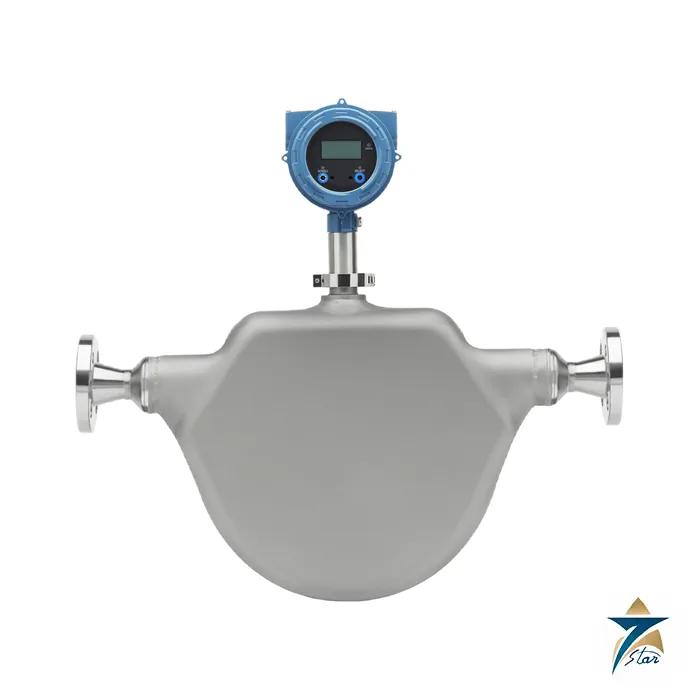
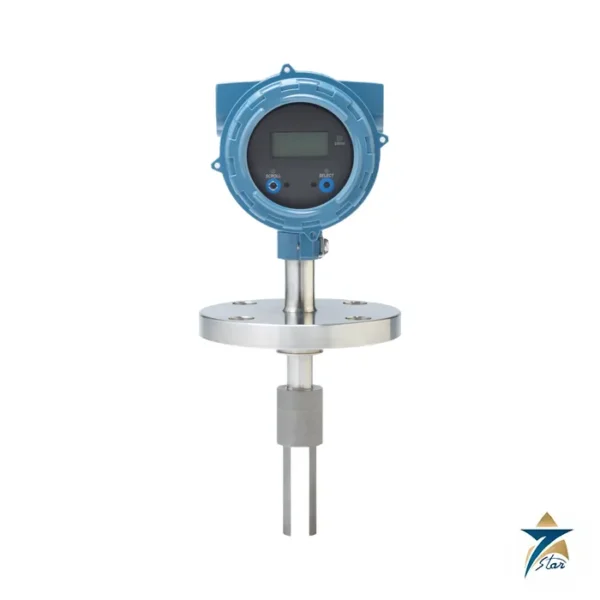
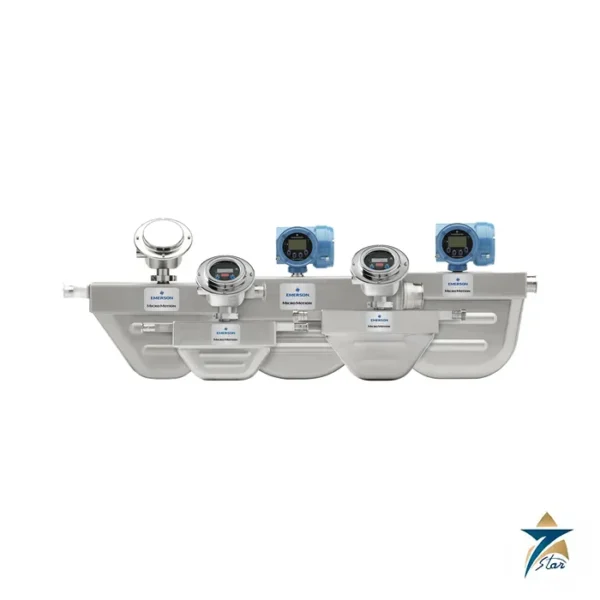
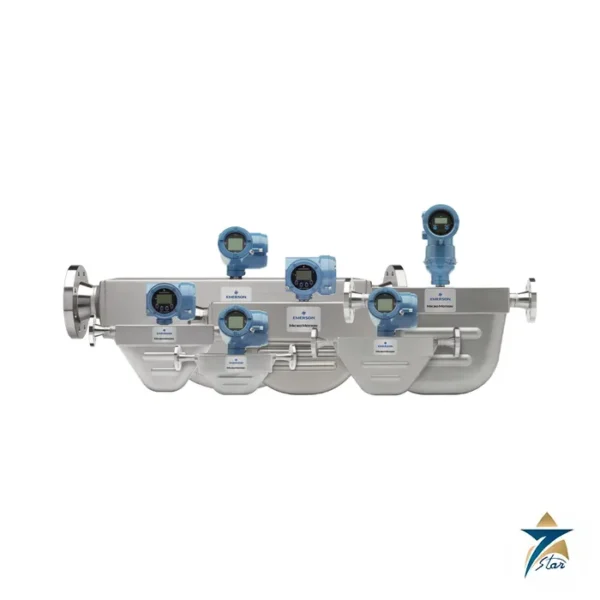
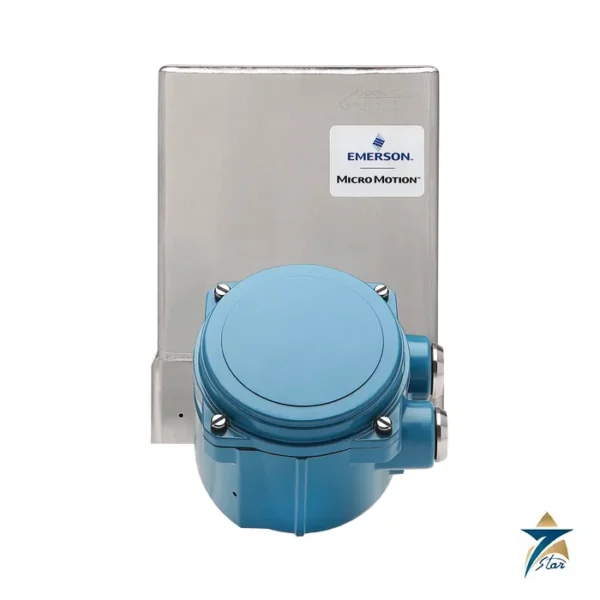
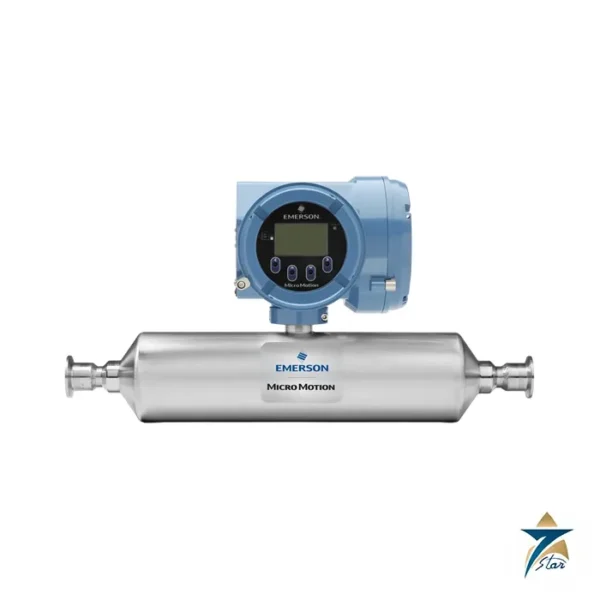
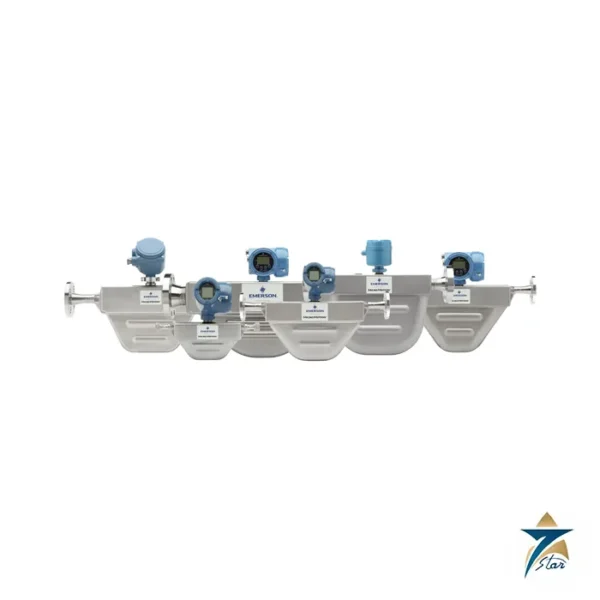
The Micro Motion Compact Density Meter (CDM) measures liquid density with a dual parallel vibrating tube sensor. The datasheet describes it as a multivariable system designed for fiscal metering of high-value products such as crude oil, refined hydrocarbons, alcohol and many aggressive process liquids. Two versions are listed: the CDM100P peak-performance meter with nickel alloy tubes and the CDM100M general-purpose meter with 316L stainless steel tubes.
Technical specifications
| Parameter |
Specification |
| Datasheet |
PS-001482, Rev M, April 2025 |
| Models |
CDM100P (1 in, 25 mm, nickel alloy N06022 tubes); CDM100M (1 in, 25 mm, 316L stainless steel tubes) |
| Liquid density accuracy |
CDM100P ±0.1 kg/m3 (±0.0001 g/cm3); CDM100M ±0.2 kg/m3 (±0.0002 g/cm3) |
| Repeatability |
±0.02 kg/m3 (both versions) |
| Operating density range |
CDM100P 0 to 3,000 kg/m3; CDM100M 0 to 1,000 kg/m3 with TPS versions, 0 to 3,000 kg/m3 with analog or discrete versions |
| Temperature effect (corrected) |
CDM100P ±0.005 kg/m3 per °C; CDM100M ±0.015 kg/m3 per °C |
| Pressure effect (corrected) |
CDM100P ±0.003 kg/m3 per bar; CDM100M ±0.006 kg/m3 per bar |
| Maximum working pressure |
CDM100P 3,625 psig (250 barg) or flange limit; CDM100M 1,500 psig (103 barg) or flange limit |
| Operating temperature |
-58 °F to 400 °F (-50 °C to 204 °C); integral 100 ohm RTD, DIN 43760 Class A |
| Case |
Maximum working pressure 650 psig (44.8 barg); typical burst 2,598 psig (179 barg) |
| Wetted parts |
Process connections 316L stainless steel; tubes nickel alloy N06022 (P) or 316L (M) |
| Outputs |
Analog 4-20 mA with HART, discrete, Time Period Signal (TPS), 2-wire TPS; Modbus RS-485; WirelessHART via THUM adapter |
| Weight |
About 28 lb (13 kg) with aluminium housing; about 34 lb (16 kg) with stainless steel housing |
| Approvals and standards |
ATEX, CSA, IECEx; OIML R117-1 (MID); NACE and NORSOK; ISO/IEC 17025 accredited calibration available |
| Diagnostic flow indication |
Within ±5% of reading; typical 3 gpm (700 l/h) minimum, 11 gpm (2,500 l/h) normal, 75 gpm (17,000 l/h) maximum |
Configurations, outputs and retrofit
The meter can be preconfigured for density, referred density, specific gravity, °API, percent concentration, alcohol by volume, °Brix, °Baume and °Plato, with derived outputs including API Tables 53A and 53B and user-defined calculations. The TPS versions suit fiscal duty with a flow computer, while the analog and discrete versions suit DCS or PLC connection. A retrofit option has the same face-to-face dimensions as the Micro Motion 7835 and 7845 density meters. A soft insulating jacket is available for versions with the standard 316L case, and Known Density Verification supports meter health checks. For mass flow and density in one meter, see the Micro Motion ELITE CMF400.
For environmental correction the sensor carries three 100 ohm case temperature sensors (DIN 43760 Class B), used for temperature effect correction where traceable accreditation is not required. When the process pressure exceeds the case burst pressure, a rupture disk is recommended; the standard activation pressure is 63.8 psig (4.4 barg), and high pressure sensor models have rupture disks as standard. ProLink III software is the configuration and service tool for the meter.
What to confirm before ordering
- Model (P or M), process connection and flange rating or hygienic fitting
- Transmitter output: analog, discrete, TPS or 2-wire TPS, and display requirement
- Application configuration, such as referred density or concentration
- Hazardous area approval, calibration certificate and any accreditation needed
- Flow rate, since the density reading needs sample flowing through the tubes
How the Micro Motion CDM100 works
The liquid flows through two parallel tubes that vibrate at their natural frequency. A change in liquid density changes the vibration frequency. The electronics read the frequency and turn it into a density value. A built-in temperature sensor corrects the reading for temperature.
Where the CDM100 is used
- Crude oil and refined products
- Alcohol and beverage lines
- Aggressive process liquids
- Custody and fiscal metering
- Concentration monitoring
Selection checklist for the CDM100
- CDM100P or CDM100M
- Density range
- Accuracy needed
- Operating pressure
- Operating temperature
- Output type
- Process connection
- Housing material
Installation, commissioning and maintenance notes for the CDM100
Install the meter in a line that stays full of liquid. Avoid trapped gas and heavy vibration. Connect the output wiring. Set the density units and the temperature units. Check the reading against a known sample.
Requesting a quotation for the Micro Motion CDM100
Please send the liquid, the density range, the pressure and the output type. Seven Star LLC serves industrial customers in Oman and the GCC and replies with a quotation based on the information provided.
CDM100 sensor design
The CDM100 uses a dual parallel vibrating tube sensor.
CDM100P model
The CDM100P has nickel alloy tubes.
CDM100M model
The CDM100M has 316L stainless steel tubes.
CDM100 line size
Both versions are 1 inch (25 mm).
CDM100P accuracy
The CDM100P accuracy is plus or minus 0.1 kg/m3.
CDM100M accuracy
The CDM100M accuracy is plus or minus 0.2 kg/m3.
CDM100 repeatability
The repeatability is plus or minus 0.02 kg/m3.
CDM100 temperature range
The temperature range is minus 50 to plus 204 degrees C.
CDM100 temperature sensor
An integral 100 ohm RTD measures the temperature.
CDM100P pressure
The CDM100P works up to 250 barg or the flange limit.
CDM100M pressure
The CDM100M works up to 103 barg or the flange limit.
CDM100 outputs
Outputs include 4-20 mA with HART, TPS, discrete and Modbus RS-485.
CDM100 weight
The weight is about 13 kg with an aluminium housing.
Density meter records for the CDM100
Record the density reading, the reference sample value and the date.
Choosing the right CDM100 version
Choose the P version for the highest accuracy and the M version for general duty.
Documents and quotation
The Micro Motion Compact Density Meters datasheet (PS-001482 Rev M, April 2025) is available from the product documents on this page. Seven Star LLC is an independent supplier in Muscat; send the complete order code from the nameplate or your specification and we will check it against the manufacturer documentation before quoting. Browse more flowmeters in the catalogue.









Reviews
There are no reviews yet.