
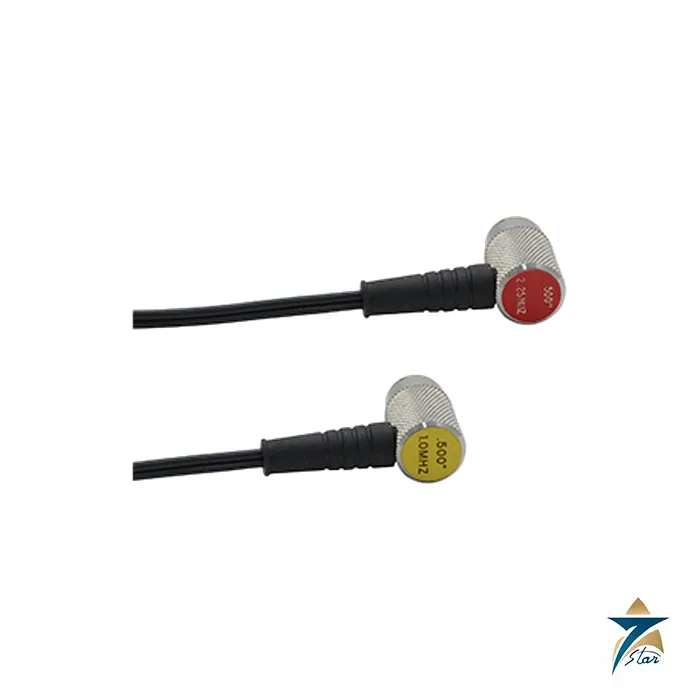
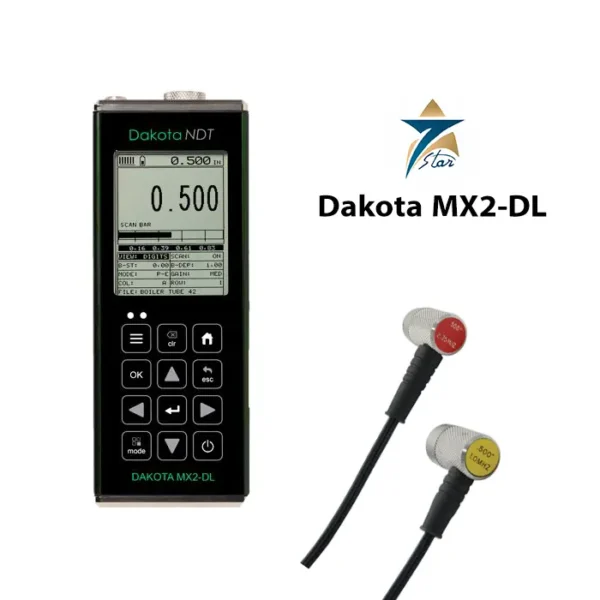
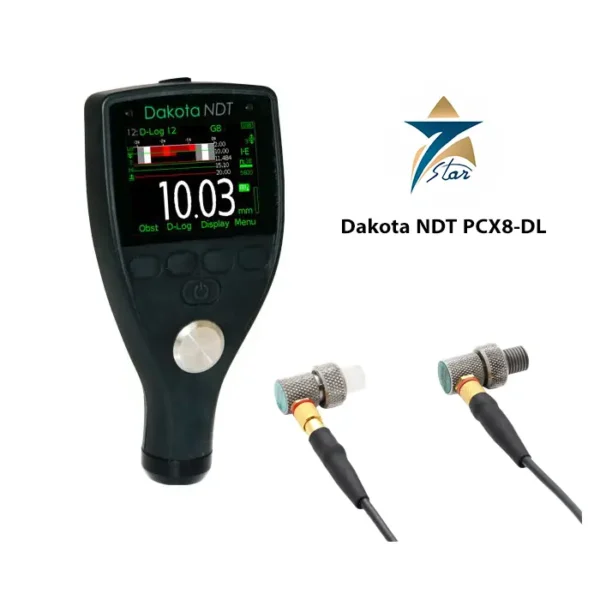
Dakota Dual Element Transducers are twin-crystal ultrasonic probes purpose-built for corrosion survey work, where one crystal transmits the ultrasonic pulse and a second, acoustically isolated crystal receives the return echo. This separate transmit/receive architecture is what allows a corrosion thickness gauge to read reliably through pitted, scaled and internally corroded wall surfaces that would confuse a single-crystal probe, making the Dakota Dual Element Transducers line the standard transducer choice across Dakota’s CX, CMX, ZX and MX2 corrosion thickness gauge families.
As the official authorized partner and exclusive regional representative for Dakota NDT, Seven Star LLC proudly supplies the full Dakota Dual Element Transducers range to inspection contractors, refineries, shipyards and plant maintenance teams across Oman and the GCC, with manufacturer documentation and local technical support.
Each Dakota Dual Element transducer houses two piezoelectric elements mounted at a slight roof angle inside a single potted casing, separated by an acoustic barrier. The transmitting element fires a short ultrasonic pulse into the test material through a delay wedge; the pulse crosses the material, reflects off the back wall or the base of a corrosion pit, and returns to the second element, which converts the mechanical wave back into an electrical signal for the gauge’s timing circuit. Because transmission and reception happen on physically separate crystals, the transducer largely rejects the near-surface ringing (dead-zone noise) that plagues single-element designs on rough or corroded metal.
The practical consequence is a probe that measures accurately through mill scale, light rust and coatings without surface preparation, with no couplant residue left behind beyond a thin film, no moving parts to wear out, and no risk of damaging the pressure boundary of the pipe or vessel being inspected. This non-contact-damage, non-intrusive measurement is why dual element transducers remain the default choice for corrosion mapping programs across the region’s oil, gas, marine and desalination sectors.
Physically, the Dakota Dual Element range is built around a stainless-steel or hard-anodized aluminium housing that protects the internal crystal pair from mechanical shock and coupling-fluid ingress during repetitive field use. Contact-face diameters run from 3/16 inch up to 1/2 inch depending on frequency and application, with the wear face ground flat and hard-faced on the higher-frequency variants to extend service life against abrasive scanning on concrete-coated or sand-blasted steel.
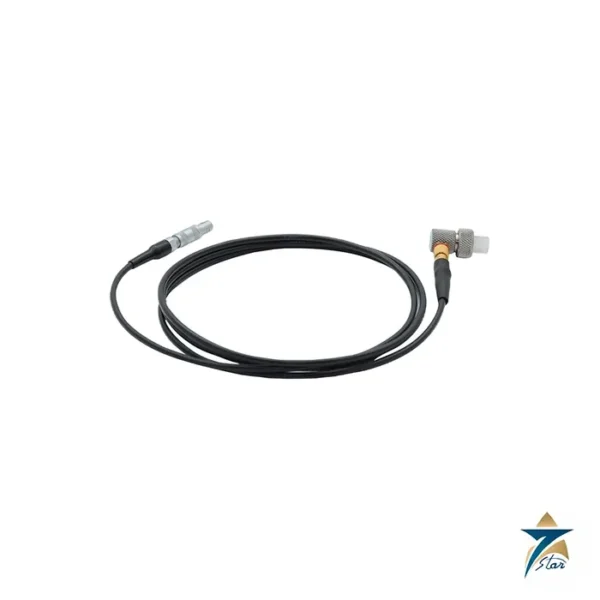
Cable exit is a fixed lead terminating in the connector required by the host gauge (typically Microdot or Lemo on Dakota instruments), and several variants add a reinforced composite or armoured cable jacket for use in high-vibration or high-abrasion environments such as rig floors and fabrication yards. High-temperature variants substitute a heat-stable crystal bond and wedge material rated to continuous contact well above the limits of the standard line, letting inspectors scan hot process piping without waiting for a shutdown cool-down window.
The Dakota Dual Element transducer family covers the full range of corrosion-survey scenarios encountered in regional plant inspection work.
Dual element transducers are the working tool of every corrosion-under-insulation and general wall-loss survey run across Oman’s downstream and marine assets. Refinery and gas-plant inspection teams use them to trend remaining wall thickness on carbon-steel piping circuits, tank floors and pressure vessels without interrupting production, while shipyards and dry-dock contractors rely on the armoured-cable variants to survey hull plating, ballast tanks and internal structural members where cable abrasion is a constant risk. District cooling and RO desalination plants across Muscat, Sohar and Salalah use the same probes on carbon-steel and cast-iron distribution piping to plan maintenance ahead of leaks.
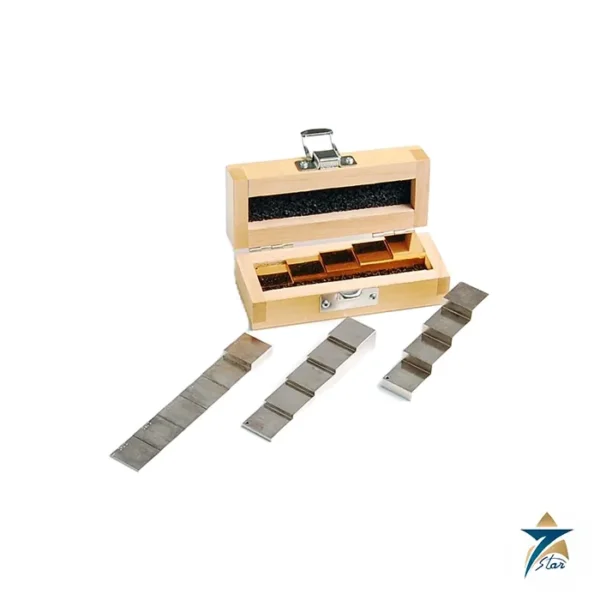
As the officially authorized partner for Dakota NDT, Seven Star LLC distributes the complete Dual Element Transducer line to inspection service companies, EPC contractors and in-house plant reliability teams throughout Oman and the wider GCC, pairing every transducer shipment with the correct calibration block and couplant recommendation for the customer’s specific gauge and material combination.
The table below summarizes the standard Dakota Dual Element Transducers range; exact part numbers vary by frequency, diameter and cable configuration.
| Parameter | Specification |
|---|---|
| Model | Dakota Dual Element Transducers |
| Design | Twin-crystal, separate transmit/receive elements |
| Frequency range | 1.00 MHz – 10.00 MHz |
| Contact diameter | 3/16 in – 1/2 in |
| Housing | Stainless steel / hard-anodized aluminium |
| Cable options | Standard, composite, armoured |
| Temperature options | Standard and Hi-Temp variants |
| Typical materials | Carbon steel, cast iron, plastics, fiberglass, corroded metal |
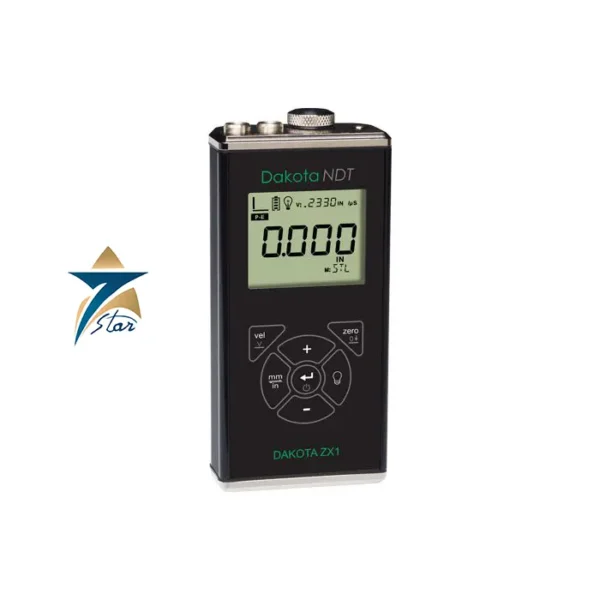
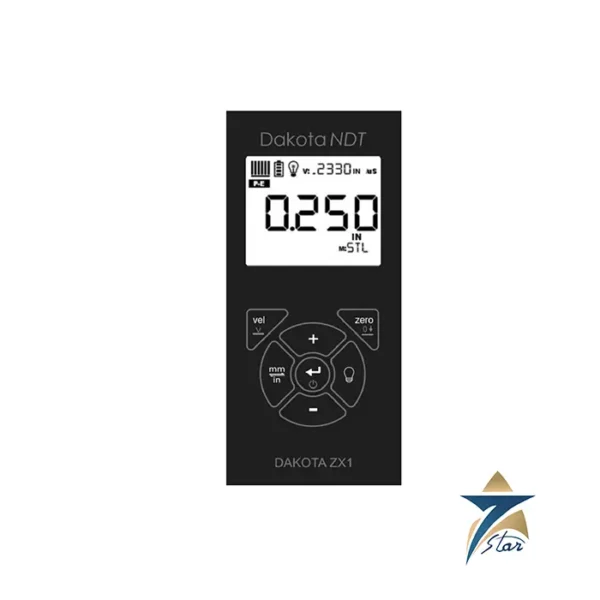
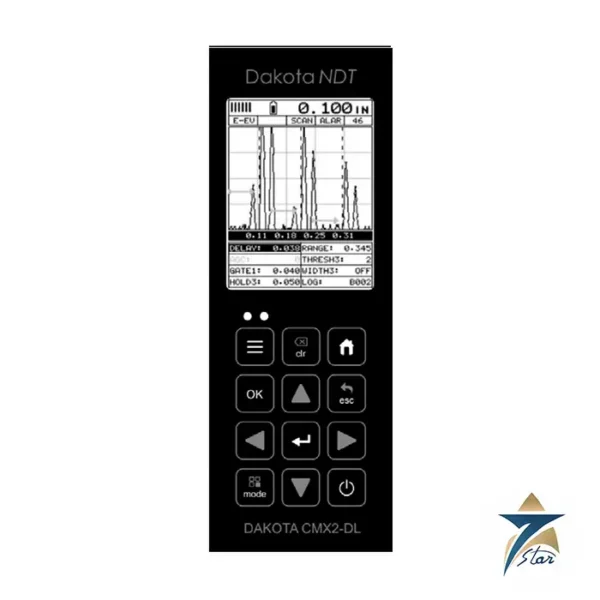
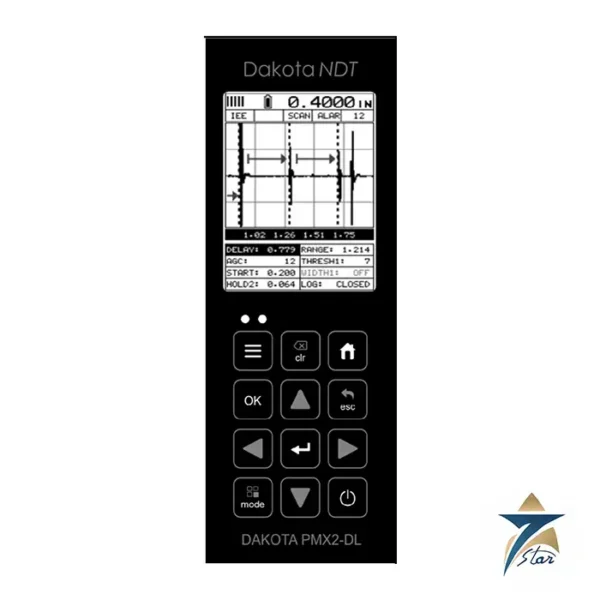
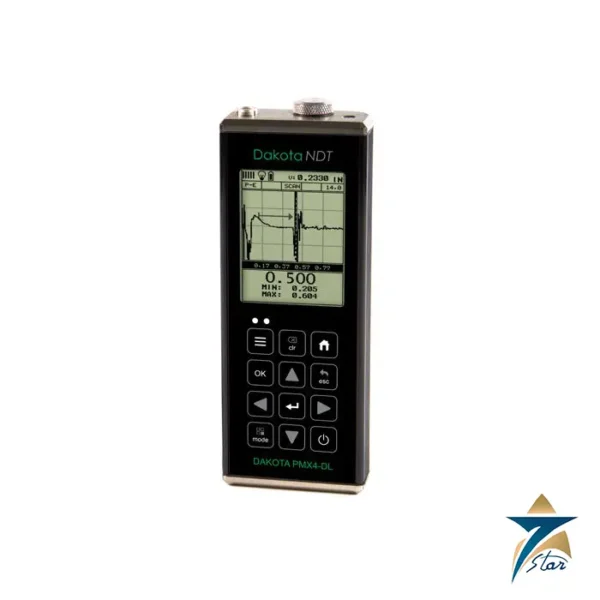
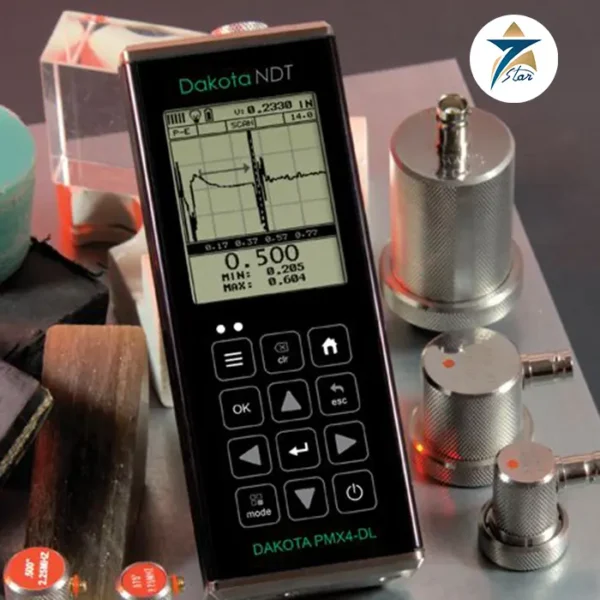
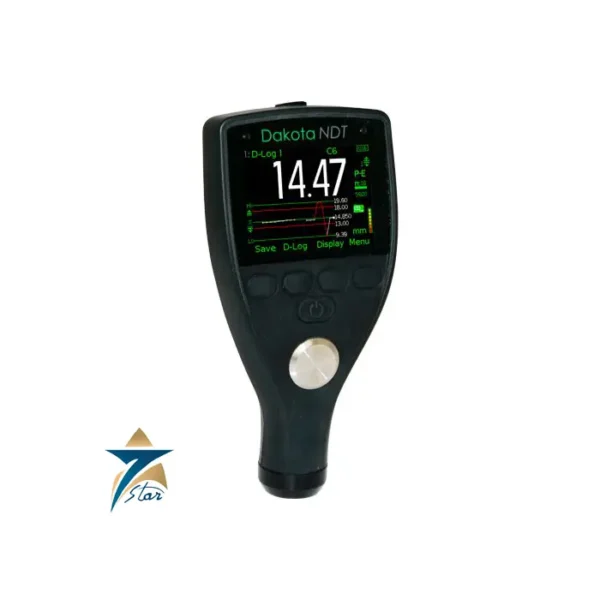
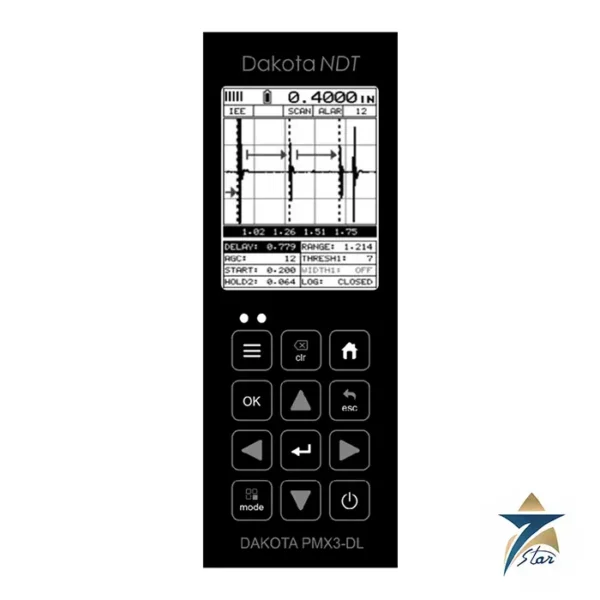
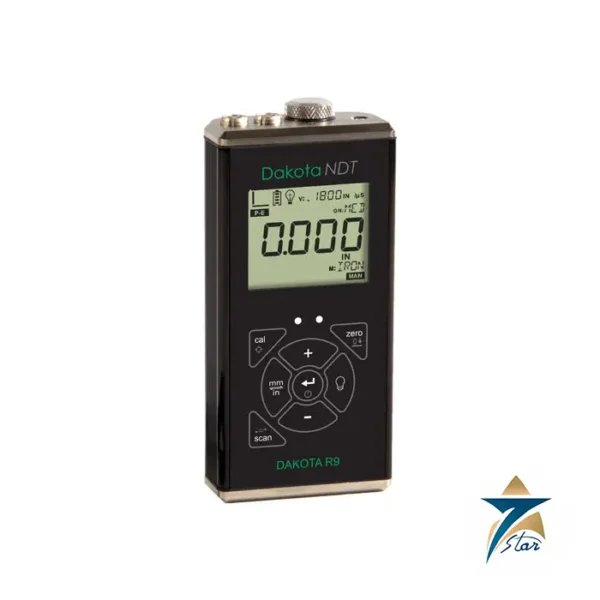
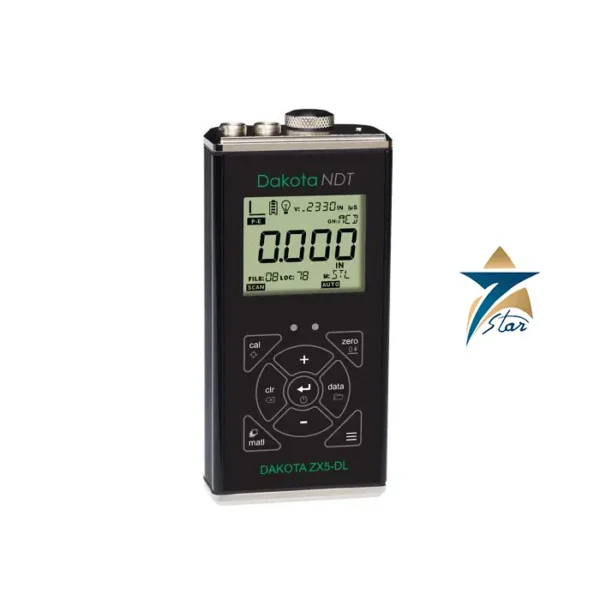
| Compatible gauges | Dakota CX, CMX, ZX, MX2, PMX series |
| Connector | Microdot / Lemo (gauge dependent) |
Seven Star LLC processes formal RFQs for the complete Dakota Dual Element Transducer range, covering the most common frequencies and diameters, with lead time confirmed at quotation and the full technical datasheet available on request from our instrumentation division. As the authorized partner for Dakota NDT in Oman and the GCC, we match every transducer order to the customer’s exact gauge model and inspection application, ensuring calibration compatibility from day one.
Also available: Dakota Single Element Transducers for Ultrasonic Thickness Gauging
Choose the option that best fits your needs to get the fastest response from our team.
Automatically fill the RFQ form with this product's details for a faster process.
Manually enter multiple part numbers, specific brands, or custom requirements.








Reviews
There are no reviews yet.