Endress+Hauser TM611 iTHERM SurfaceLine non-invasive thermometer
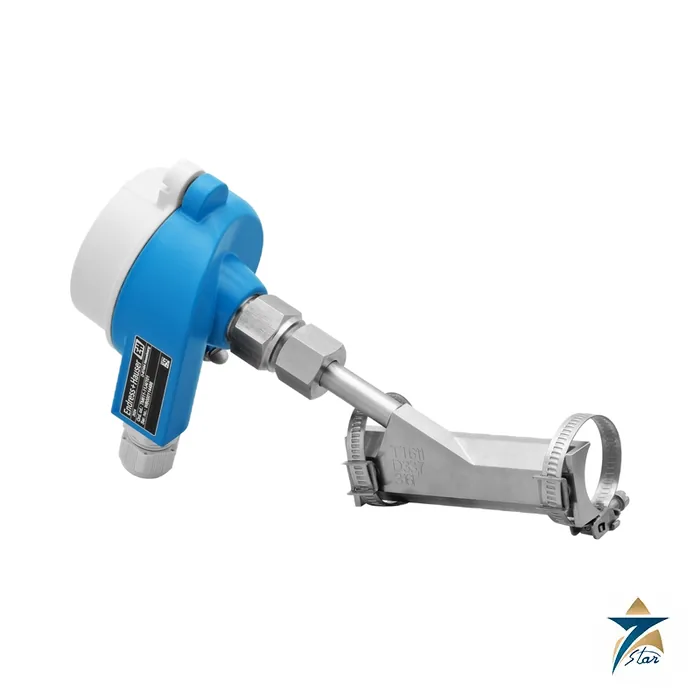
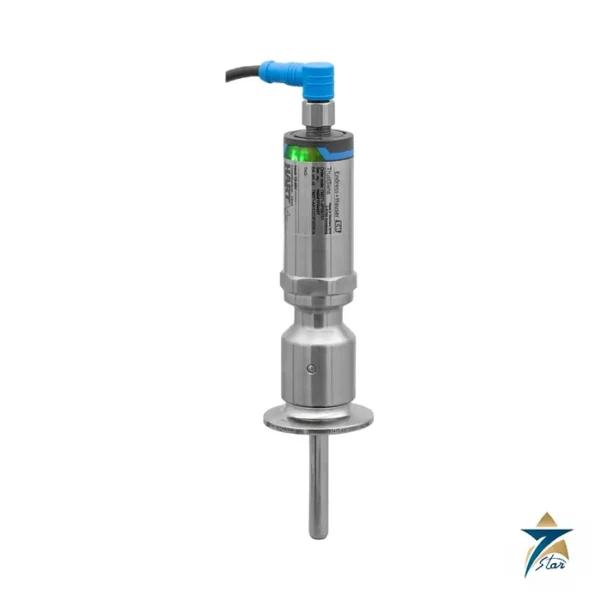
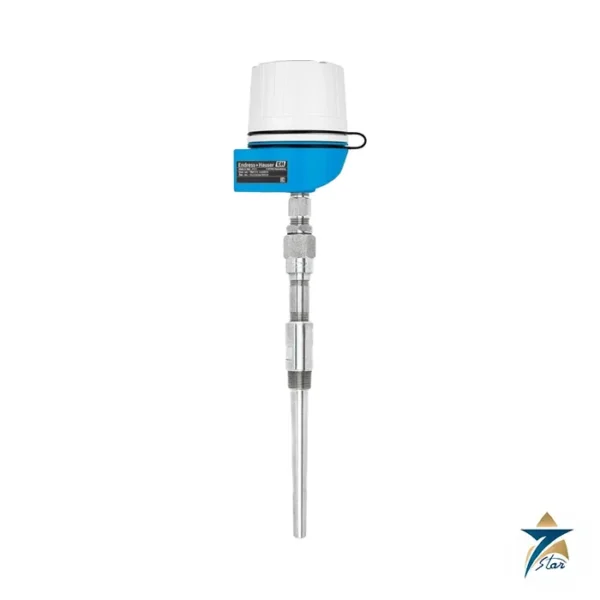
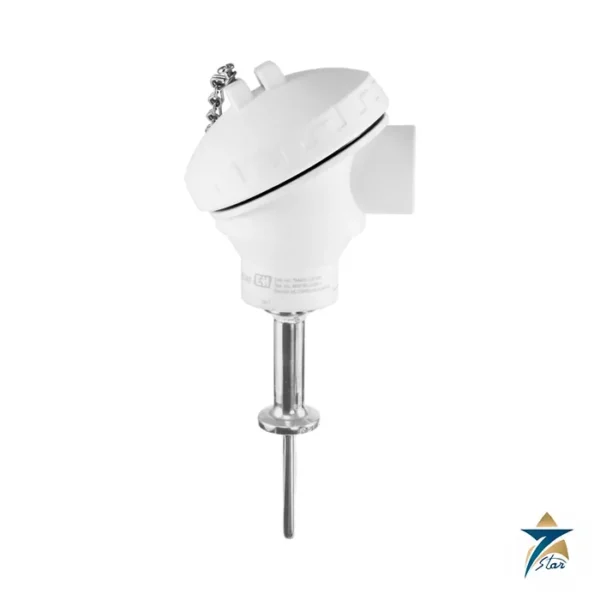
The Endress+Hauser TM611 is the iTHERM SurfaceLine non-invasive thermometer: an RTD or thermocouple sensor clamped to the outside of a pipe or vessel, so that nothing penetrates the process. It is designed for use across industries where drilling a thermowell is impossible, risky or expensive: high-pressure lines, toxic or aggressive media, existing pipes that cannot be shut down, and temperature monitoring on reactor and tube surfaces. A specially shaped thermal coupling element conducts heat to the sensor and limits ambient influence, so the manufacturer states accuracy and response comparable with invasive measurement. Seven Star LLC supplies the TM611 in Oman and the GCC as an independent supplier in Muscat.
TM611 technical specifications
| Parameter |
Specification |
| Manufacturer / part number |
Endress+Hauser / iTHERM SurfaceLine TM611 |
| Type |
Non-invasive surface thermometer, RTD or thermocouple |
| Temperature range |
−196 to +400 °C |
| RTD accuracy |
Class AA, A, B (IEC 60751) |
| Thermocouple accuracy |
ASTM E230 special/standard; IEC 60584-2 class 1 or 2 |
| Mounting |
Surface mounting with thermal coupling element |
| Insert |
Non-exchangeable RTD or TC |
| Heads |
Aluminium, polyamide, stainless steel; or cable probe |
| Output |
4 to 20 mA, HART, PROFINET, IO-Link, PROFIBUS PA, FOUNDATION Fieldbus |
| Approvals |
ATEX, IECEx, CSA, NEPSI; SIL on selected versions |
How the TM611 gets an accurate reading from outside the pipe
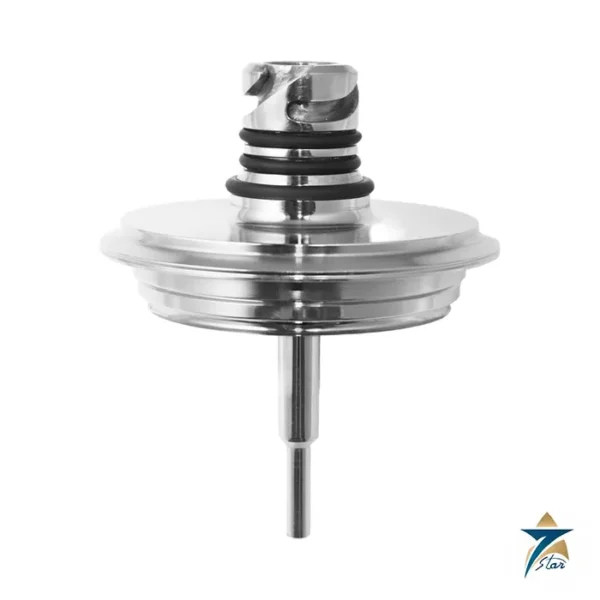
The coupling element follows the diameter of the process pipe, which is why the geometry is selected for each pipe size. Good thermal contact lowers the difference between wall and process temperature, and the element reduces the effect of surrounding air. The sensor is a non-exchangeable RTD or thermocouple insert. Accuracy depends on the application and can reach IEC 60751 classes AA, A or B for RTD, or ASTM E230 special or standard and IEC 60584-2 class 1 or 2 for thermocouples.
TM611 technical data
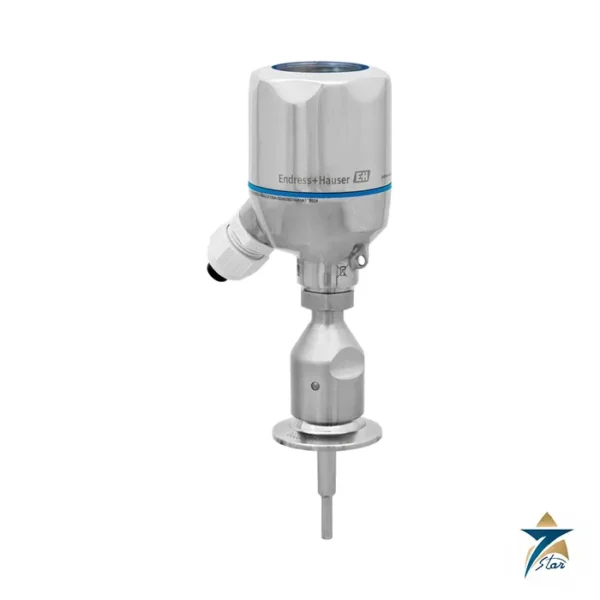
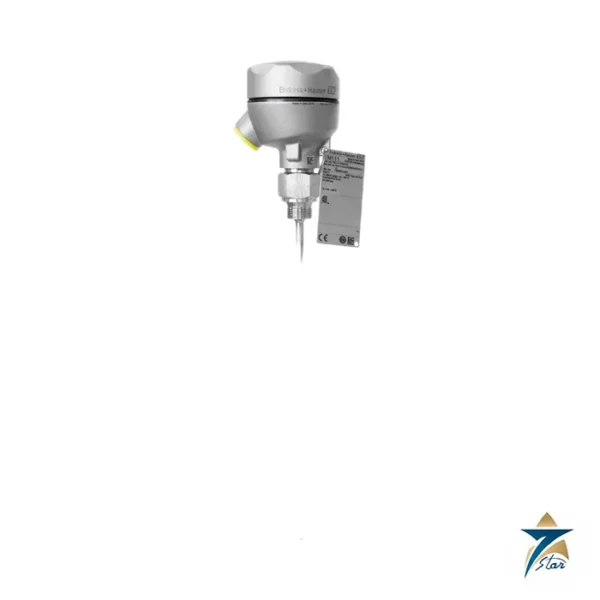
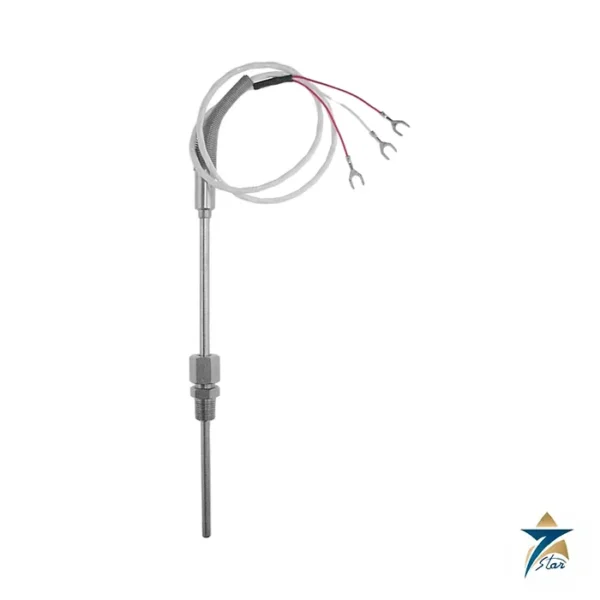
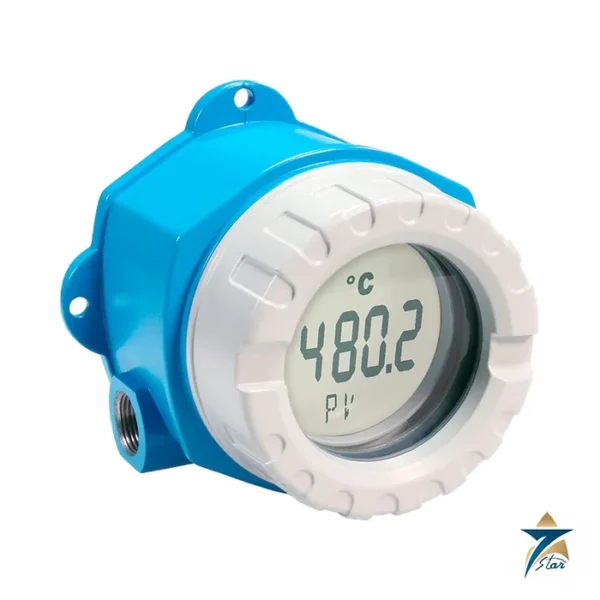
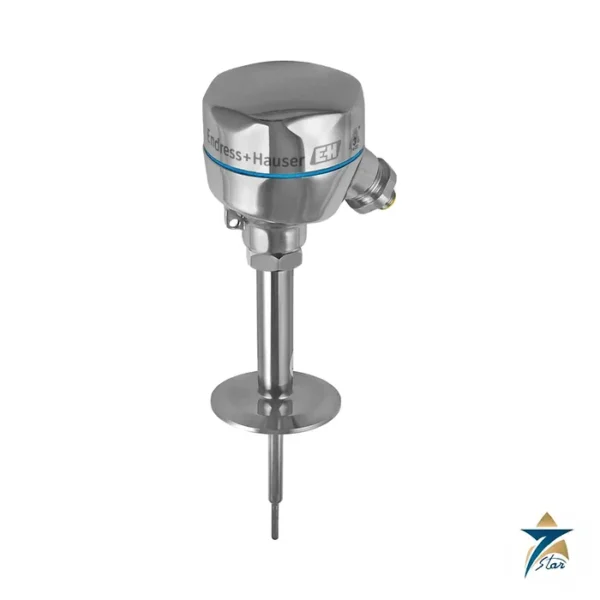
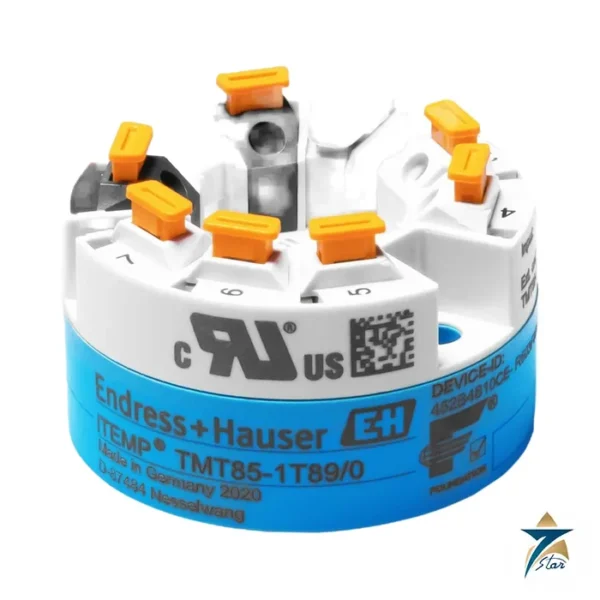
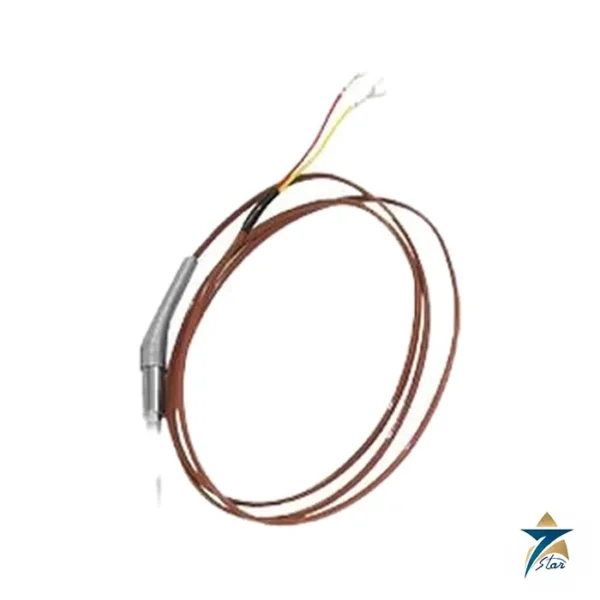
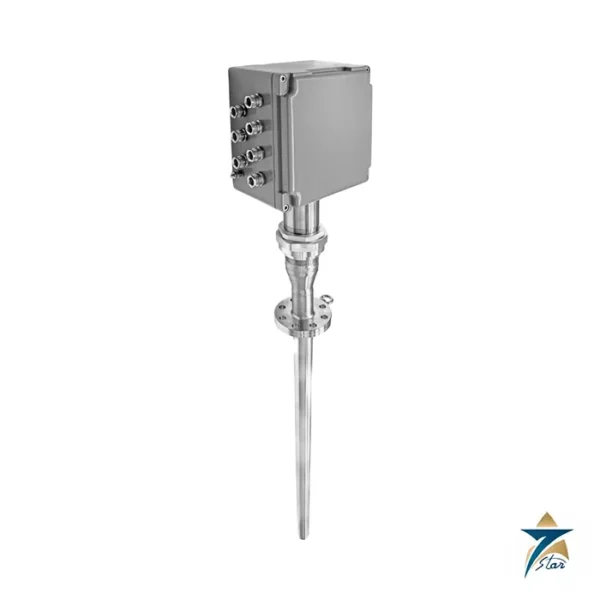
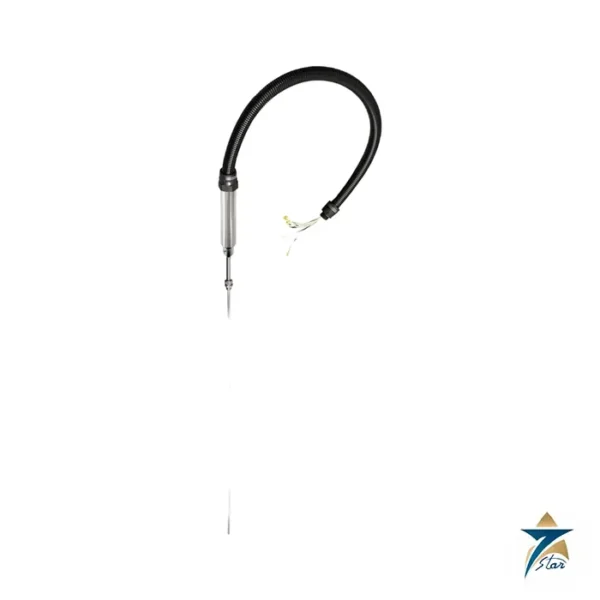
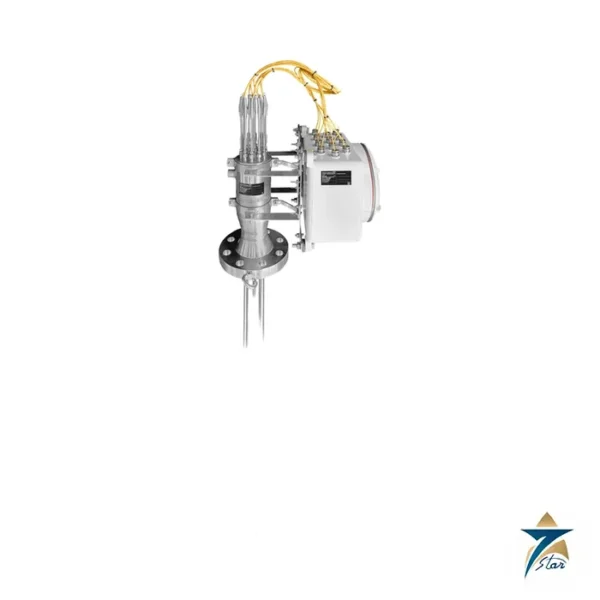
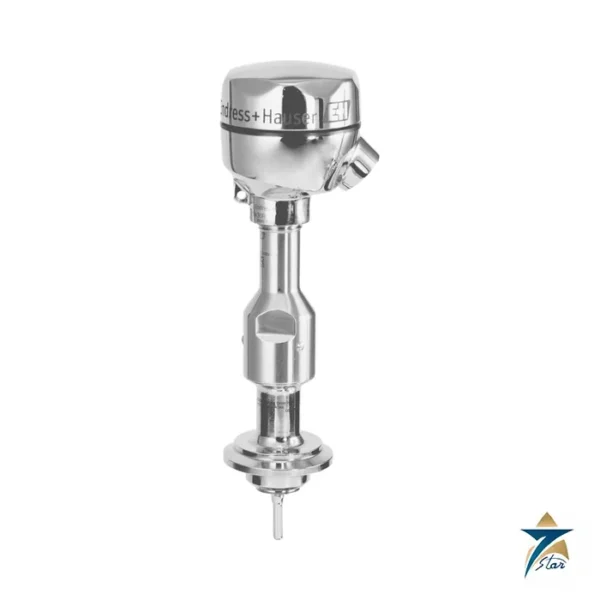
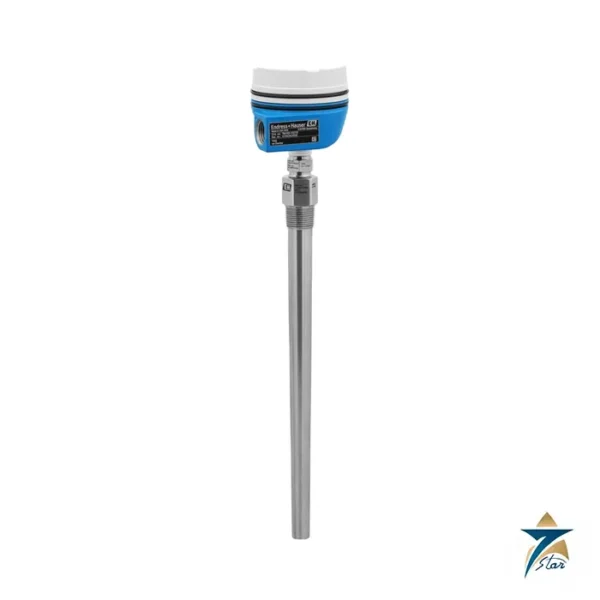
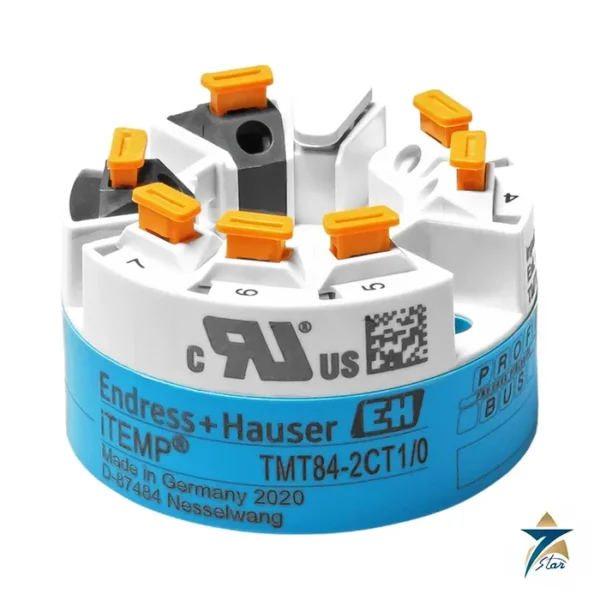
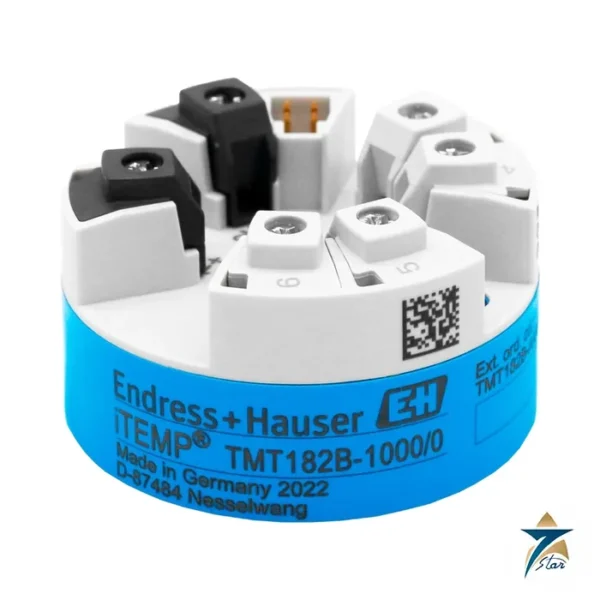
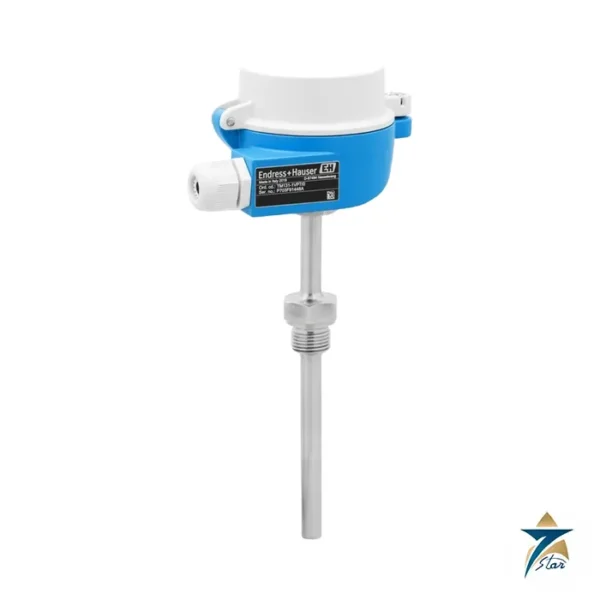
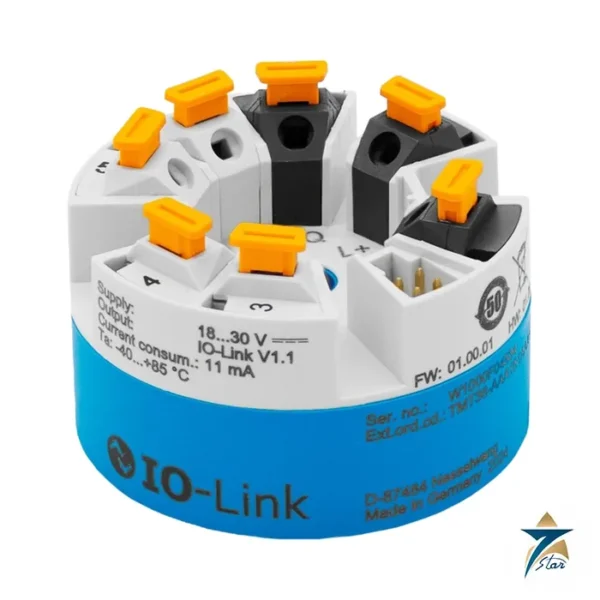
The operating temperature range is −196 to +400 °C, covering cryogenic to hot-oil service. The thermometer is available as a cable probe or as a modular thermometer with a terminal head in aluminium, polyamide or stainless steel. Head transmitters from the iTEMP range provide 4 to 20 mA, HART, PROFINET, or IO-Link, and an M12 plug gives PROFIBUS PA, FOUNDATION Fieldbus or PROFINET connection. Explosion protection approvals include ATEX, IECEx, CSA and NEPSI, and functional safety (SIL) is offered for suitable order codes.
Selecting the TM611
Provide the pipe outside diameter and wall thickness, the insulation thickness, the process temperature and whether it is cryogenic. Decide RTD or thermocouple, 2-, 3- or 4-wire, accuracy class, the head or cable version and the transmitter. For the highest accuracy a 4-wire connection or a transmitter is recommended. Terminal-head temperature must be limited by insulation or a neck on high-temperature pipes.
Installing the TM611
Clean the pipe surface, fit the coupling element with the clamp supplied and secure the cable. Insulate over the sensor so that wind and ambient temperature do not cool it, and place the sensor where the pipe is full and flow is stable. Because it measures wall temperature, expect a short lag compared with a thermowell in thick-walled or poorly conducting pipes, and verify against a reference during commissioning.
TM611 uses in Oman and the GCC
Typical applications are skin temperature on process pipes in refineries and gas plants, steam-trace verification, LNG or cryogenic lines, high-pressure lines where a new thermowell would need a weld approval, and existing plant that cannot be shut down. In hot-climate sites, the sunlit pipe wall can add error, so insulation matters.
TM611 compared with invasive thermometers
| Item |
TM611 |
Thermowell type |
| Process penetration |
None |
Required |
| Install without shutdown |
Yes |
Rarely |
| Response |
Depends on wall and insulation |
Depends on thermowell |
Information to send with a TM611 RFQ
- Pipe outside diameter, wall thickness and material
- Process temperature range
- RTD or thermocouple type, accuracy class
- Head, transmitter and output
- Hazardous area, SIL and certificates
- Quantity and delivery location
Maintenance and verification of the TM611
A surface sensor needs little maintenance, but the installation can degrade slowly. Inspect the insulation jacket after any plant work, because a wet or removed jacket is the most common reason for a changed reading. Check the clamp tension and the contact between the coupling element and the pipe at every major shutdown, and re-apply the clamp if the pipe has been repainted or thermally cycled. Record a reference reading from a calibrated contact thermometer when the plant is stable and compare it at intervals to detect drift.
Keep the order code and the pipe data with the spare parts record so an identical coupling element can be supplied.
Limits of surface temperature measurement
Understand what the TM611 reads: the pipe wall, not the core of the liquid. In pipes with fast flow, good conduction and insulation the difference is small; in thick or lined pipes, with gases or very low flow, the difference grows and a correction or an invasive sensor may be preferable. The manufacturer data on accuracy applies to the stated application conditions, so always give the pipe and insulation details when you request a quotation.
Site conditions in Oman for the TM611
Field instruments in Oman are exposed to strong sun, high ambient temperature, wind-blown dust and, on coastal plants, salt in the air. When you specify the TM611, check the ambient and process temperature limits, the enclosure rating and the wetted and housing materials against the actual installation point, and consider sunshades for transmitters mounted in direct sunlight. Cable entries should be sealed with suitable glands so that dust and moisture cannot enter the housing.
Calibration and verification planning matters as much as selection. Record the range, configuration and tag data of each TM611 at commissioning, define a check interval that suits the criticality of the loop, and keep the certificates with the plant documentation so that audits and shutdown work can proceed without delay.
Documents and quotation
A copy of the manufacturer technical information for the TM611 is attached on this page so you can check ranges, connections and ordering codes against your specification.
Send the full order code or the process data (fluid, temperature, pressure, line size or tank data, output and approvals) and Seven Star LLC will prepare a quotation and confirm lead time. We are an independent supplier in Muscat and do not represent the manufacturer.


















Reviews
There are no reviews yet.