Promass Q 300: high-accuracy Coriolis meter for custody transfer and density
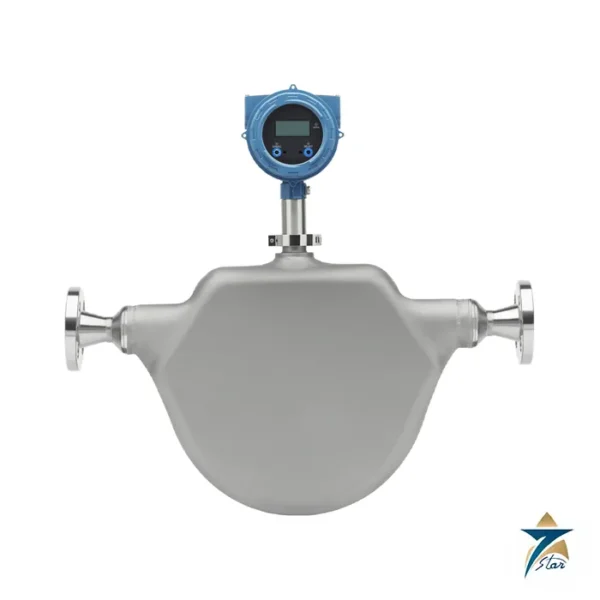
The Endress+Hauser Promass Q 300 is the accuracy specialist of the Promass line. It reaches ±0.05 % of reading for mass and volume flow on request, a liquid density accuracy as tight as ±0.1 kg/m³ with the premium density option, and a low zero point that keeps turndown high. The manufacturer also lists optional testing for legal metrology (custody transfer) and a cryogenic version that goes down to –196 °C. Seven Star LLC supplies the Promass Q 300 in Oman and the GCC as an independent supplier in Muscat.
What the Promass Q 300 name and sensor design mean
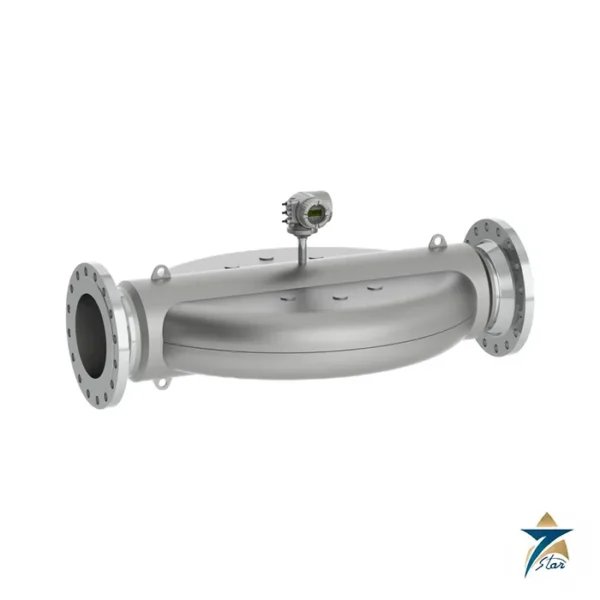
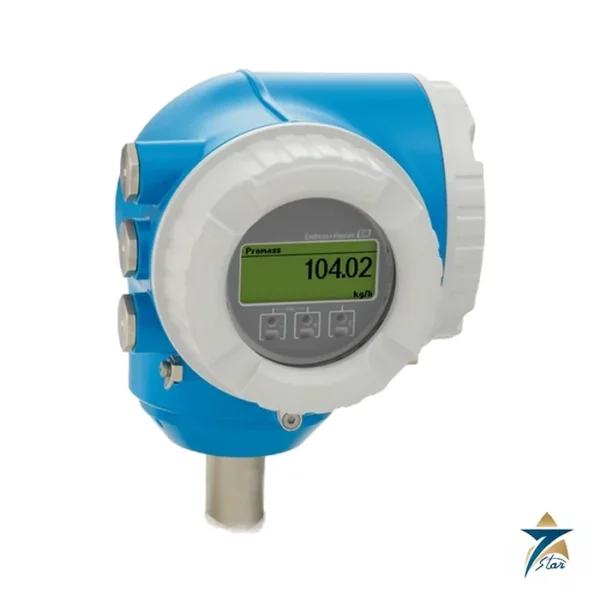
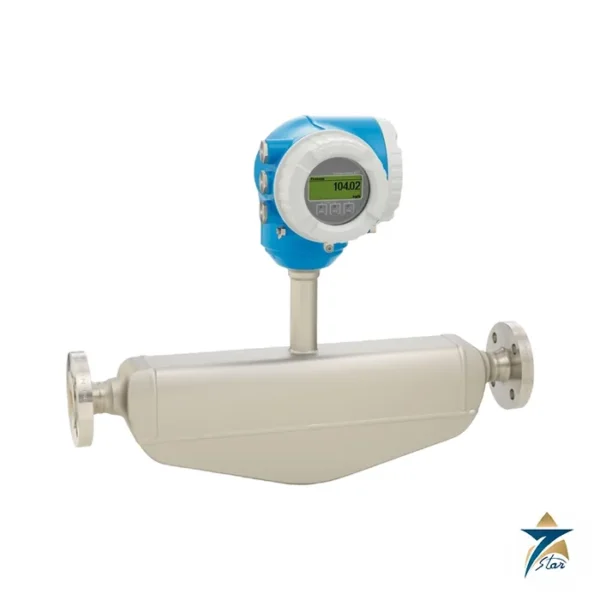
“Promass Q” is the sensor family for challenging applications; “300” is the Proline 300 transmitter with a compact dual-compartment housing, up to three I/Os, a touch display and WLAN access. Nominal diameters run from DN 25 to DN 250 (1 to 10 in). Sizes DN 25 to 100 use a bent dual-tube system and DN 150 to 250 use a four-tube system. The sensor housing and measuring tubes are 316L stainless steel (1.4404). For liquids with entrained gas, the datasheet points to Multi-Frequency Technology (MFT) as a feature that helps keep the reading stable.
The Promass Q 300 can be fitted into pipelines of larger size as well: the measuring instrument sizes DN 25 to DN 250 are stated as compatible with pipe diameters up to DN 40, 80, 100, 150, 200, 250 and 300 respectively, which allows the meter to be one size smaller than the line when the flow range permits.
Promass Q 300 technical specifications
| Parameter |
Specification |
| Manufacturer / part number |
Endress+Hauser Promass Q 300 (Proline Promass Q 300, product root 8Q3B) |
| Measuring principle |
Coriolis; bent dual tube (DN 25–100) or four-tube (DN 150–250) |
| Nominal diameters |
DN 25, 50, 80, 100, 150, 200, 250 (1 to 10 in) |
| Liquid full-scale range |
DN 25: 0 to 20 000 kg/h; DN 50: 80 000; DN 80: 200 000; DN 100: 550 000; DN 150: 850 000; DN 200: 1 500 000; DN 250: 2 400 000 kg/h |
| Mass and volume flow accuracy (liquids) |
±0.10 % of reading standard; ±0.05 % optional |
| Mass flow accuracy (gases) |
±0.25 % of reading; cryogenic version ±0.35 % |
| Density accuracy (liquids) |
±0.2 kg/m³ standard (0 to 2 000 kg/m³); ±0.1 kg/m³ premium density at DN 25 (up to 3 000 kg/m³) |
| Repeatability (liquids) |
±0.025 % of reading; density ±0.1 kg/m³ (premium ±0.02 kg/m³) |
| Medium temperature |
Standard –50 to +205 °C; low-temperature version –196 to +150 °C |
| Process pressure |
PN 100, Class 600, 63K depending on flange standard |
| Wetted materials |
Measuring tubes and connections 1.4404 (316/316L); stainless steel for cryogenic applications |
| Process connections |
EN 1092-1 (DIN 2501 and DIN 2512N), ASME B16.5 and JIS B2220 fixed flanges |
| Transmitter housings |
Coated aluminium, hygienic stainless steel 1.4404, cast stainless steel 1.4409 |
| Custody transfer |
Optional OIML R117 / R81 tested version for liquids other than water and cryogenic liquids; OIML R137 gas option |
| Ambient temperature |
–40 to +60 °C (–50 to +60 °C with test certificate option JP) |
| Ingress protection |
IP66/67, Type 4X |
Measuring principle and accuracy features of the Promass Q 300
Oscillating tubes carry the fluid, and Coriolis forces shift the phase of the vibration between inlet and outlet in proportion to mass flow. Resonance frequency gives density, and a tube temperature sensor gives the temperature signal. The result is independent of viscosity, pressure and flow profile, as the manufacturer states for the family.
What sets the Q 300 apart is the quality of those basics: zero point stability listed as low as 0.36 kg/h at DN 25 and 11.5 kg/h at DN 100 lets the meter hold accuracy well down the flow range, and the turndown tables show 1:100 and even 1:500 values for every size. For highest density accuracy the datasheet advises configuring pitch and roll angle and pressure compensation, and keeping flow velocity above 0.1 m/s with no tensile stress from the installation.
Where the Promass Q 300 sits in the Promass family
Choose the Promass Q 300 when accuracy, density or low temperature is the deciding factor. For very high pressure, the Promass O 300 reaches PN 250. For very large lines, the Promass X 300 covers DN 300 to 400. Small hygienic or viscous duty fits the Promass I 100, and micro-flow duty fits the Cubemass C 300.
The transmitter can be connected by HART, Modbus RS485, EtherNet/IP, PROFIBUS DP, PROFINET, FOUNDATION Fieldbus or Ethernet-APL variants, and can be used for flow monitoring up to SIL 2 (SIL 3 in redundant setups) for mass flow, volume flow and density. With the custody transfer option the device keeps a legally controlled totalizer and totalizes in both flow directions.
Ordering checklist for the Promass Q 300
- Measuring range: pick the DN from the full-scale table and the allowed pressure loss, not just the line size.
- Accuracy class: standard ±0.10 % or the optional ±0.05 % calibration, plus standard or premium density.
- Temperature version: standard (to +205 °C) or low-temperature for cryogenic liquids and gases, which is chosen through the measuring tube material code.
- Legal metrology: whether OIML-based custody transfer approval is needed for liquids or gas, and which national approval.
- Flange standard and class, with the pressure-temperature curve checked.
- Outputs, fieldbus, power supply, housing and local display.
- Hazardous area, SIL and test documents.
Installation and service of the Promass Q 300
No inlet or outlet run is needed, but install so that the arrow matches the flow direction and the tubes stay full. On gas service keep tube velocity below half the speed of sound. For abrasive liquids with solids keep velocity below 1 m/s. On cryogenic service a maximum temperature difference of 300 K applies to the medium, so temperature changes should be gradual to avoid material fatigue. For custody-transfer devices, seals on the transmitter or sensor may only be opened by the competent authority.
Commissioning uses the touch display with guided wizards or a browser over WLAN. Maintenance is mainly Heartbeat Technology verification and diagnostics review, with zero point checks when the process allows.
Promass Q 300 applications in Oman and the GCC
Use cases include fiscal and allocation metering of crude, condensate, refined products and LPG at terminals and loading arms, density-based interface detection in product pipelines, additive and chemical injection with tight accuracy needs, and LNG or other low-temperature liquid duties through the cryogenic version. In desalination and power plants it can serve fuel and chemical dosing where mass-based accuracy is wanted. Strong sun, high ambient temperature and humidity are covered by the –40 to +60 °C ambient rating and IP66/67 enclosure.
Promass Q 300 size overview
| DN |
Inch |
Sensor design |
Max. liquid flow (kg/h) |
Zero point stability (kg/h) |
| 25 |
1 |
Bent dual tube |
20 000 |
0.36 |
| 50 |
2 |
Bent dual tube |
80 000 |
1.3 |
| 80 |
3 |
Bent dual tube |
200 000 |
4.4 |
| 100 |
4 |
Bent dual tube |
550 000 |
11.5 |
| 150 |
6 |
Four tube |
850 000 |
16 |
Details to send for a Promass Q 300 RFQ
- Order code or nameplate photo of an existing unit
- Fluid, density, flow range, operating pressure and temperature
- Line size, flange standard and class
- Accuracy and density requirement, custody transfer or cryogenic need
- Output, fieldbus, power supply, hazardous area approvals
- Delivery location in Oman or the GCC and date required
Documents and quotation
The Endress+Hauser Technical Information (datasheet) for the Promass Q 300 is attached on this page and contains the measuring-range, accuracy, custody-transfer and pressure-temperature data by size.
Send the order code or the line data and accuracy requirement, and Seven Star LLC will prepare a quotation for Oman and the GCC.
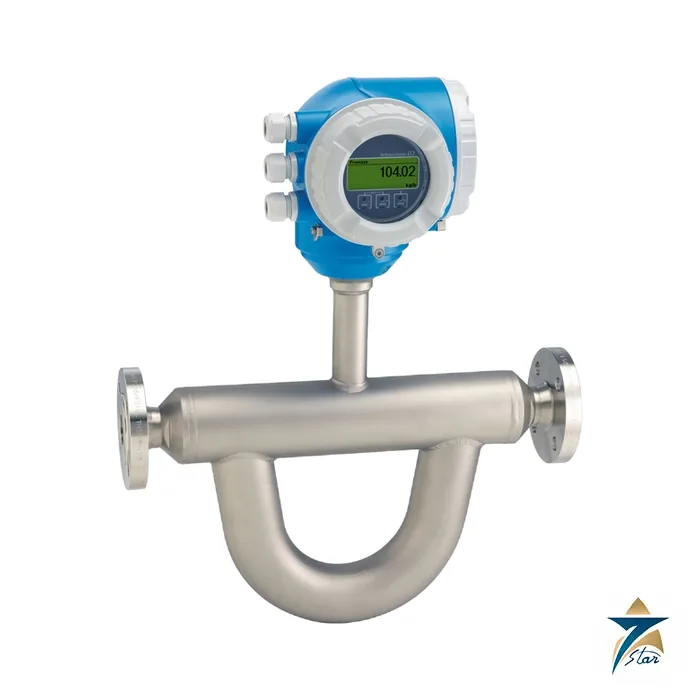
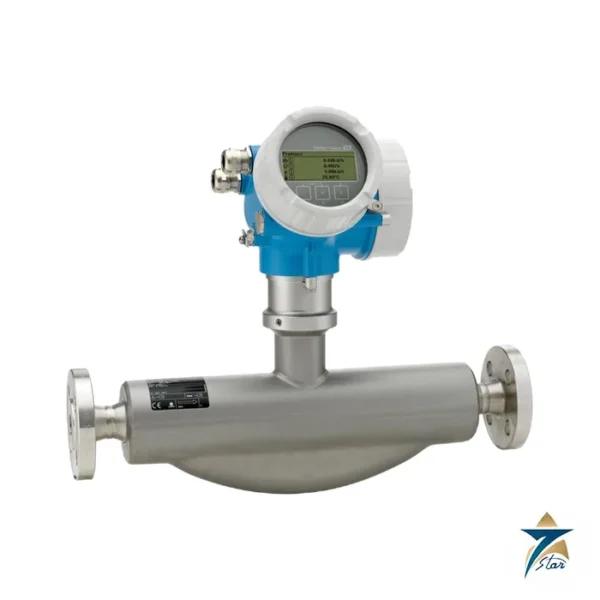
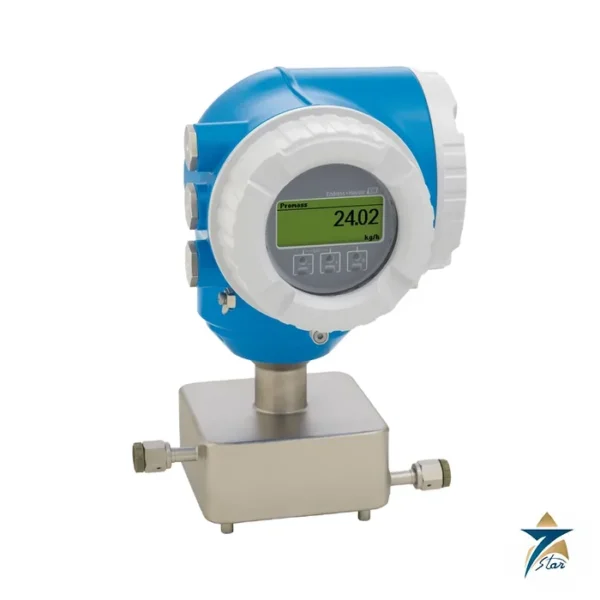
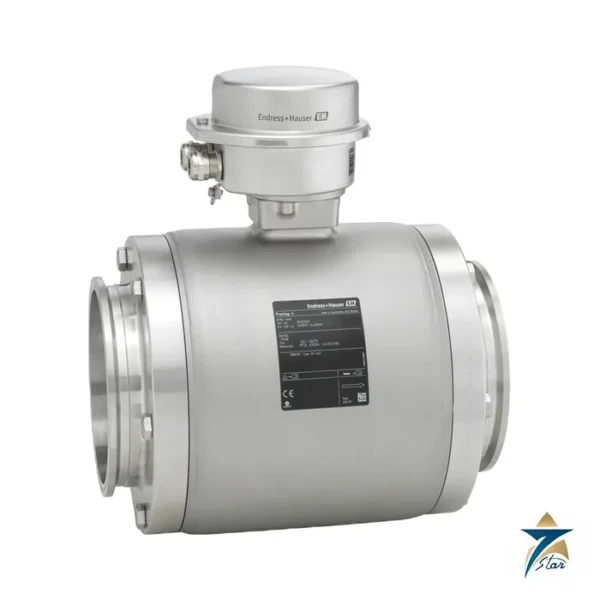
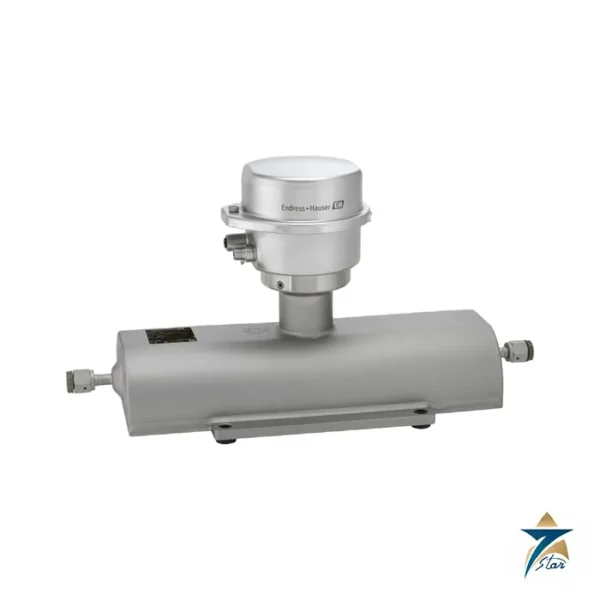
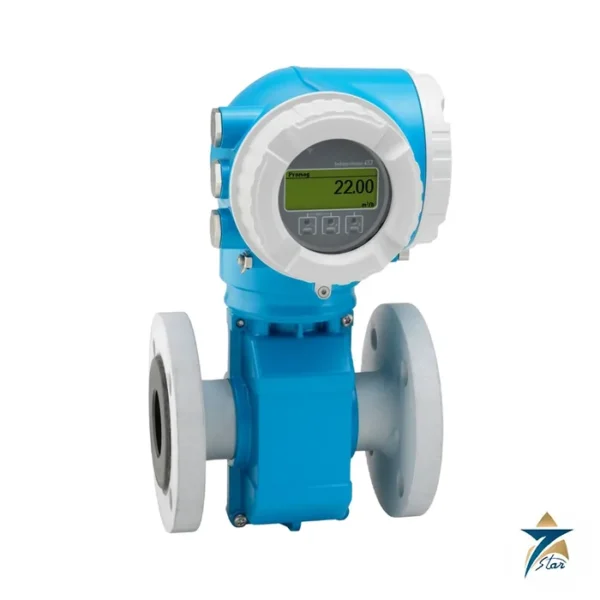
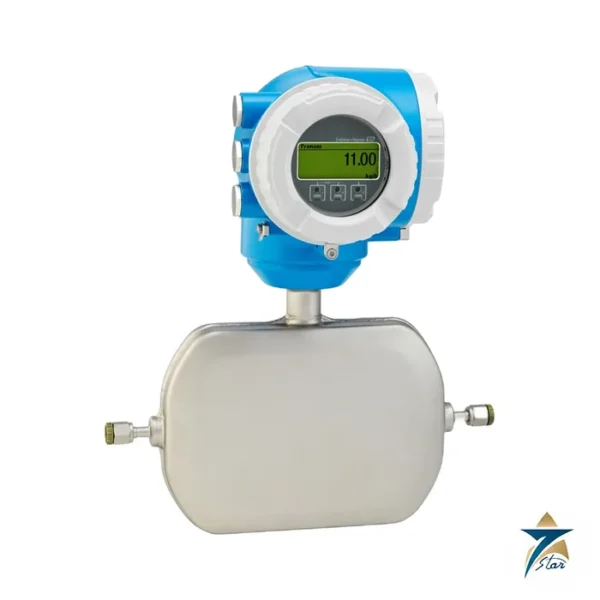
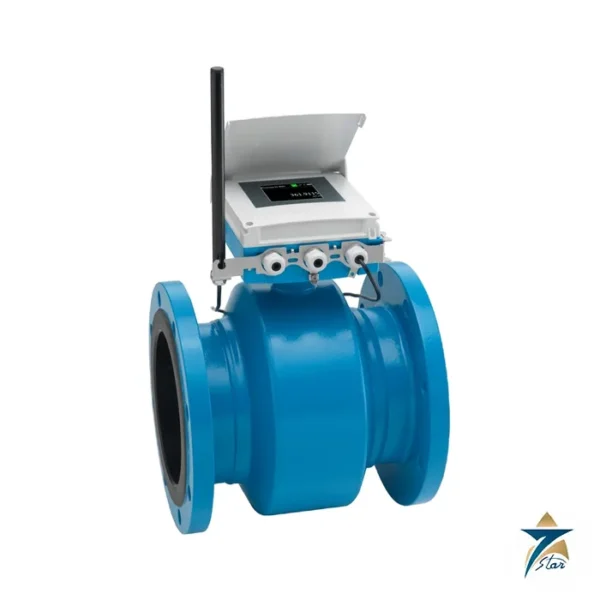
Other Models in the Promass Coriolis Range
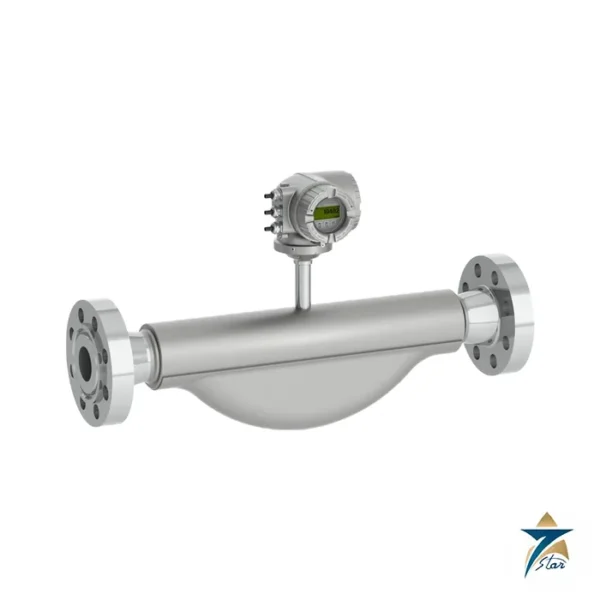
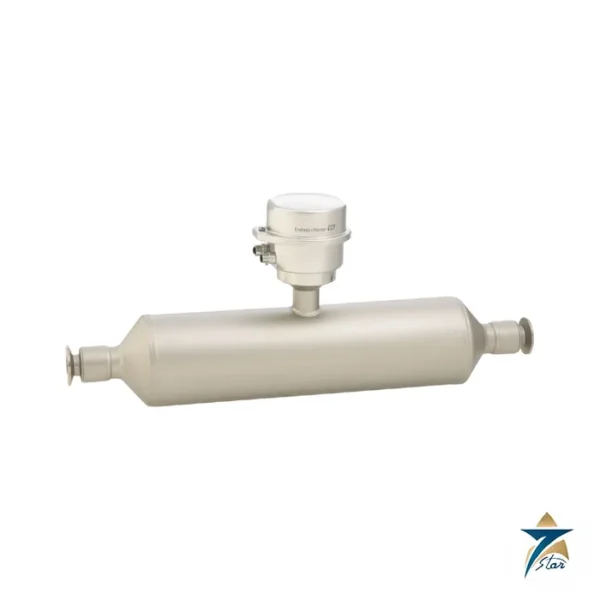
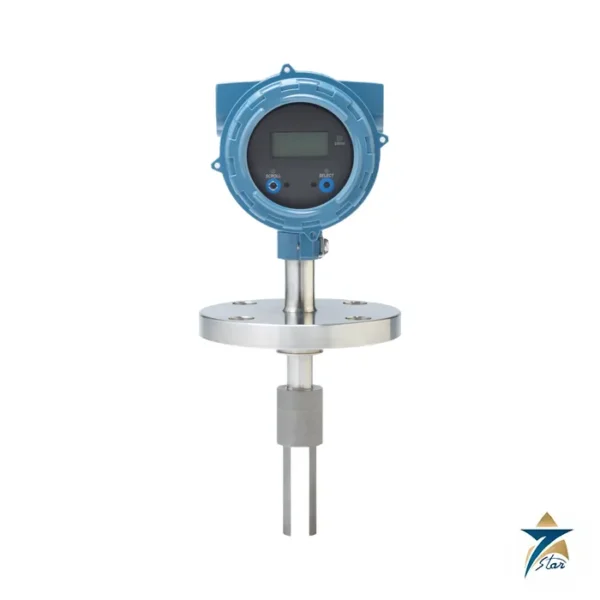
Seven Star LLC supplies models from the Promass Coriolis range in Oman and the GCC. Compare the related models below and request a quote for the one that matches your application.






















Reviews
There are no reviews yet.