The 20-pin screw RTB for ControlLogix I/O
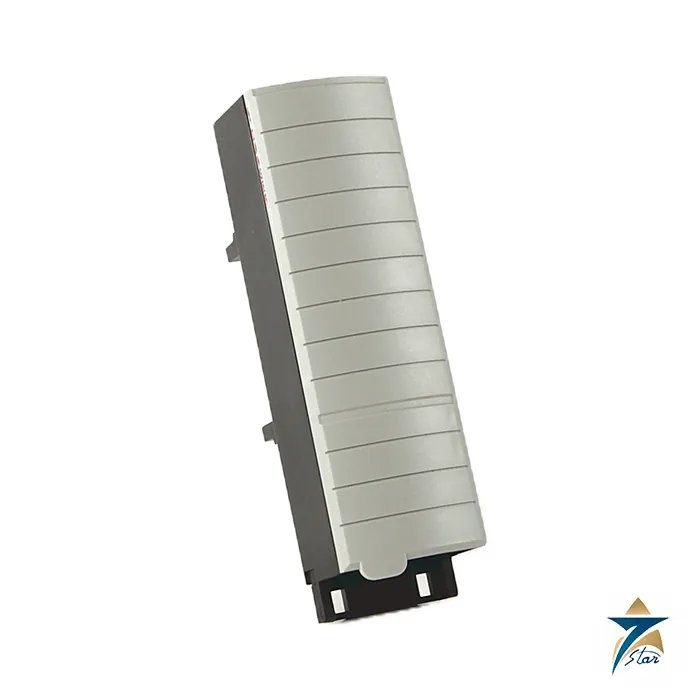
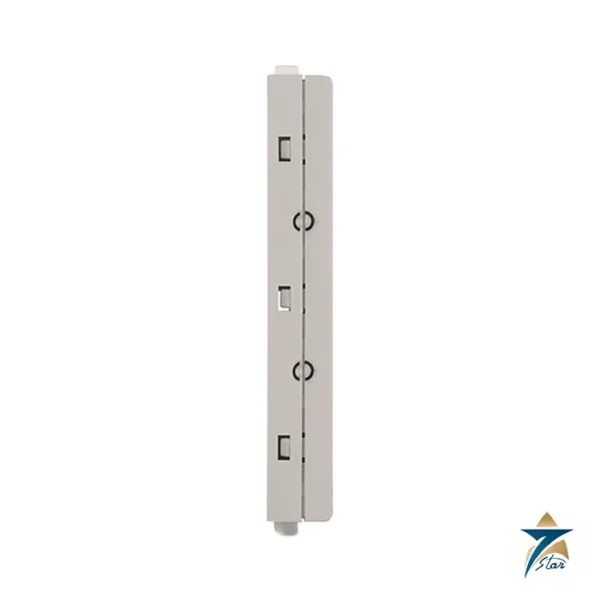
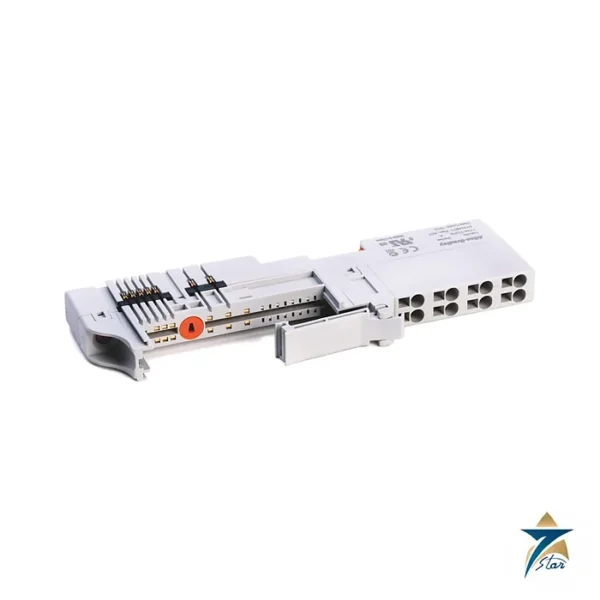
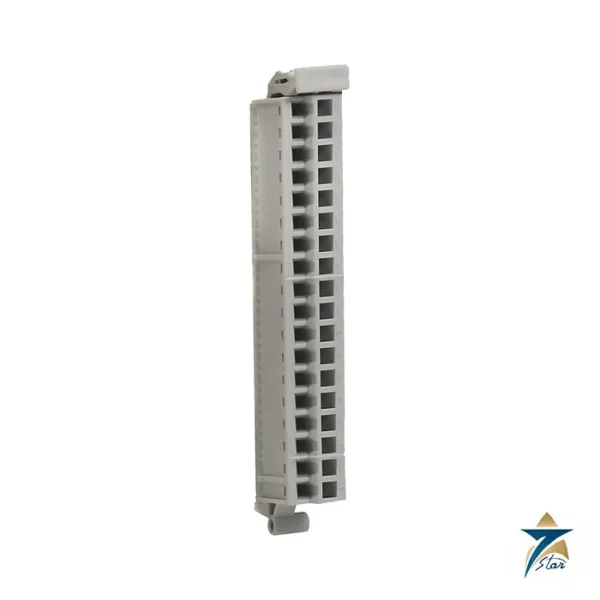
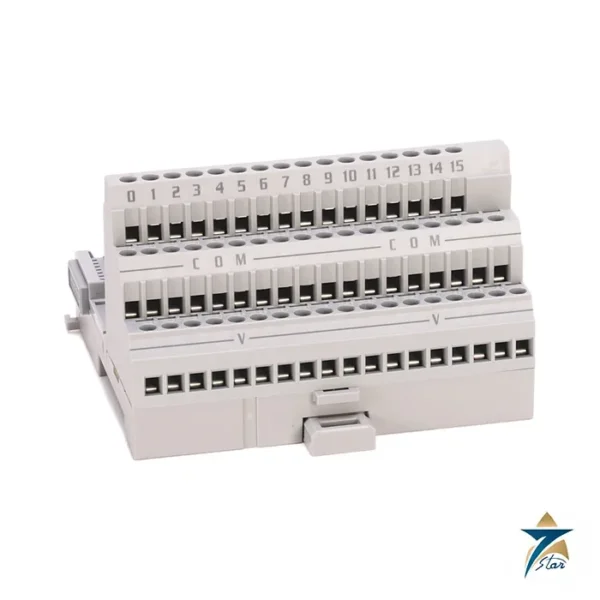
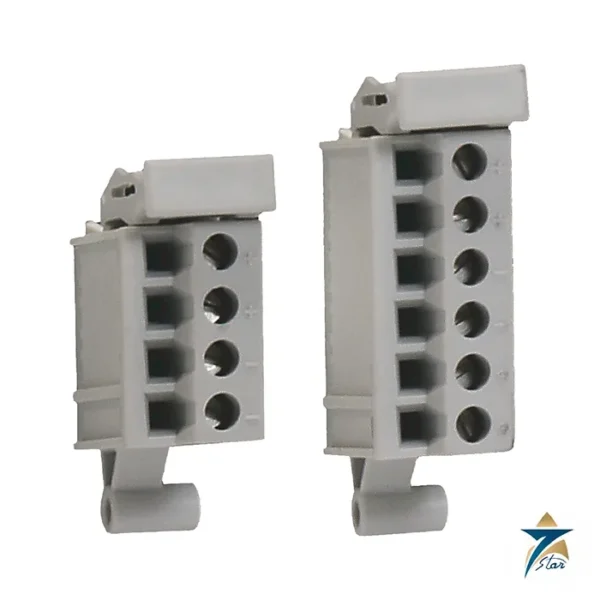
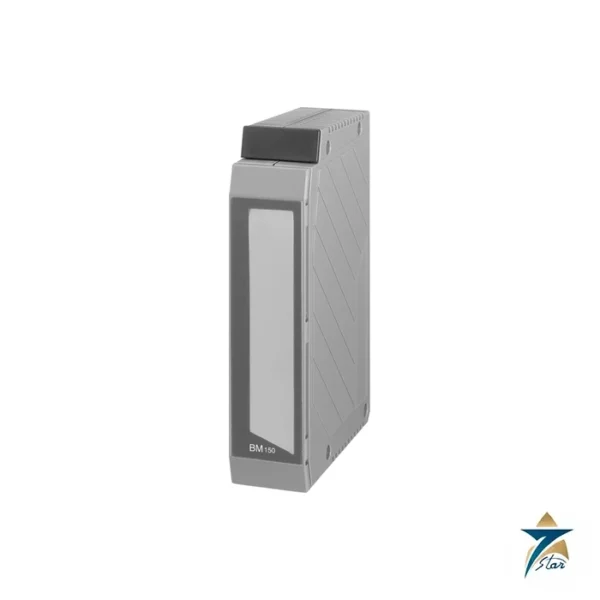
The Allen-Bradley 1756-TBNH is a removable terminal block for ControlLogix I/O modules. It plugs into the front of a module and carries the field wiring on 20 NEMA screw-clamp terminals. Rockwell Automation does not ship RTBs with the I/O modules, so the terminal block is ordered separately, and the module type decides which block is required.
Because the block is removable, a module can be swapped without disturbing the field wiring, which shortens maintenance time on a running machine.
Technical specifications
| Parameter |
Specification |
| Catalog number |
1756-TBNH (1756-TBNHS safety and 1756-TBNHXT harsh-environment versions are separate) |
| Type |
20-position NEMA screw-clamp removable terminal block (RTB) with standard housing |
| Terminal screw torque |
1.36 N•m (12 lb•in) |
| Screwdriver width |
8 mm (5/16 in.) maximum |
| Single wire connection |
0.33…2.1 mm² (22…14 AWG) solid or stranded shielded copper wire rated 105 °C (221 °F) or greater, 1.2 mm insulation maximum; not more than one conductor per terminal |
| Double wire connection |
0.33…1.3 mm² (22…16 AWG) solid or stranded copper wire rated 105 °C (221 °F) or greater, 1.2 mm insulation maximum; not more than two conductors per terminal |
| Maximum wire size |
Requires the extended-depth housing 1756-TBE |
| Keying |
User-defined mechanical RTB keying |
| Operating temperature (as printed on the product page) |
0…60 °C (32…140 °F) |
| Application |
ControlLogix I/O module wiring; low-profile housing |
| Compatible modules (from the data sheets) |
Digital and analog 20-pin modules such as 1756-OF8, 1756-IB16, 1756-IA16, 1756-OB16E and 1756-OA16 |
| Not supplied with modules |
RTBs are ordered separately |
| Safety versions |
1756-TBNHS is for safety I/O only; do not use safety RTBs with non-safety modules |
Wiring limits
Each terminal accepts one conductor of 0.33 to 2.1 mm² (22 to 14 AWG), or two conductors of 0.33 to 1.3 mm² (22 to 16 AWG), with copper wire rated at 105 °C or greater and no more than 1.2 mm of insulation. Tighten the screws to 1.36 N•m using a screwdriver blade up to 8 mm wide. The standard housing is not deep enough for the largest wire size, so the extended-depth 1756-TBE housing must be ordered when 2.5 mm² (14 AWG) wire is used.
Which modules use it
The TBNH is the screw-clamp choice for 20-pin ControlLogix modules, and the 1756-TBSH is the spring-clamp equivalent. Examples in the technical data include analog output modules such as the 1756-OF8 and digital modules such as the 1756-IB16. The 36-pin modules use the 1756-TBCH or 1756-TBS6H. Do not use safety RTBs such as the 1756-TBNHS with non-safety modules.
Before ordering, count the pins on your module. The 20-pin TBNH is shown in the data sheet with modules such as the 1756-IB16, 1756-IA16 and 1756-OF8, while 36-pin modules need the 1756-TBCH or 1756-TBS6H instead. For the thickest 2.5 mm² wire, add the 1756-TBE extended-depth housing, which gives more room behind the terminals.
Preparing field wiring for the 1756-TBNH
Plan the wiring of each terminal block before the panel is built. Prepare a terminal list for every module showing which field device lands on which position, and label each conductor at both ends so that the block can be removed and refitted without confusion. Strip wires to the length given in the Rockwell installation instructions and keep conductor sizes within the limits in the specification table. Bundle the conductors neatly and provide strain relief so that the weight of the cable loom does not pull on the terminals or on the block itself.
Use the user-defined keying on both the module and the block, so that a terminal block wired for one module type cannot be pushed onto a different module during maintenance.
Installation and checkout in the ControlLogix chassis
With the field wiring complete, fit the block to the module following the installation instructions and make sure it is fully seated and secured before power is applied. Before the system is put into service, check each point from the field device to the controller: confirm that inputs change state in the program when the device operates and that outputs drive the correct actuator. Record the results in the loop or I/O check sheet. If a module must be replaced later, the wired block is removed as one unit and fitted to the new module, so the field connections stay intact.
Panel conditions in Oman and the GCC
The operating temperature printed for this terminal block is 0 to 60 °C, and control panels in outdoor kiosks, skids or unventilated substations in the Gulf summer can approach that figure. Measure the real temperature inside the panel and plan cooling or ventilation where needed. Dust that gathers on terminals and between screws can hold moisture and lead to tracking or corrosion, especially in humid coastal sites, so keep panel doors closed, seal cable entries and use filtered ventilation. Where the environment is particularly harsh, the specification table shows that a harsh-environment version is listed separately under its own catalog number.
Routine inspection and maintenance
During planned shutdowns, inspect terminal blocks for discoloured insulation, loose conductors or signs of overheating, and re-check screw torque according to site practice and Rockwell guidance. Clean dust from the panel with suitable methods, keeping the system de-energised as required by site safety rules. Keep the terminal list up to date whenever wiring is changed, so the documentation always matches the installed block.
Selection checks before ordering
Make a list of every ControlLogix I/O module in the project and note the terminal block each one needs, because the module, not the chassis, decides the correct block. Separate screw-clamp and spring-clamp choices according to the site wiring standard, check whether any conductors reach the largest permitted size, and keep safety and non-safety I/O clearly apart in the order list so the correct block reaches each module.
Documents and quotation
The Rockwell Automation 1756 technical data, publication 1756-TD002, is linked from the Rockwell Automation literature library. See our automation accessories catalogue and the related PLC and I/O cards. Confirm the exact catalog number, series letter and firmware or hardware revision on the product label, and the compatibility with your existing system, before ordering. Stock and lead time are confirmed at quotation.









Reviews
There are no reviews yet.