- Automation & ControlView all 3,248 products
- Automation Accessories
- AC Drives
- PLC & I/O Cards
- Industrial Communications
- Vibration Monitoring
- Controllers & Data Acquisition
- Isolator & Barrier
- Safety Switches & Guard Locking
- Encoders
- Motor Soft Starters
- CCTV & Security
- Pneumatic Cylinders
- HMI Displays
- Servo Drives
- Industrial Computers
- Machine Vision
- Automation Software
- Robotics
Brand: Elga
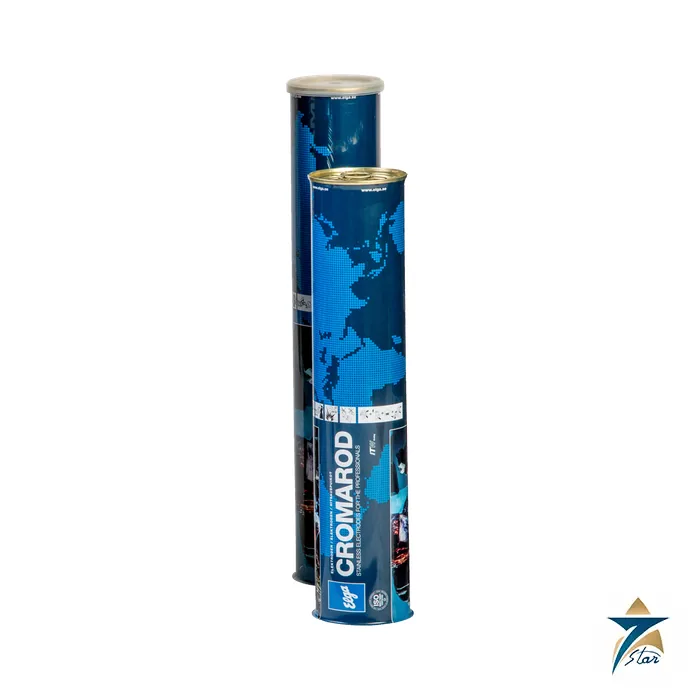
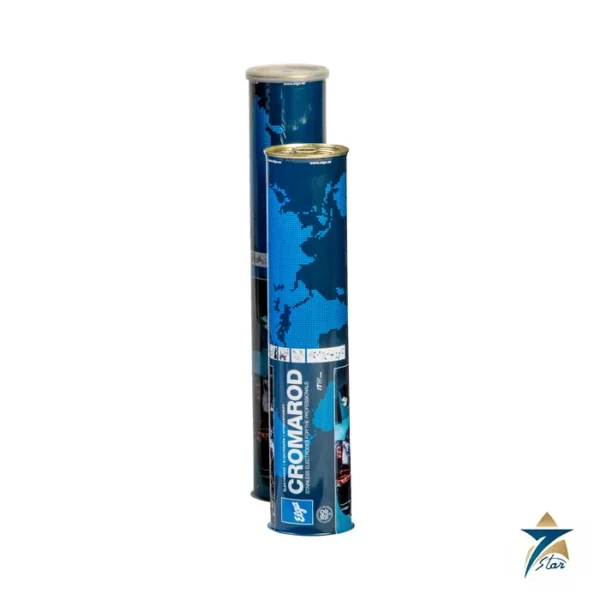
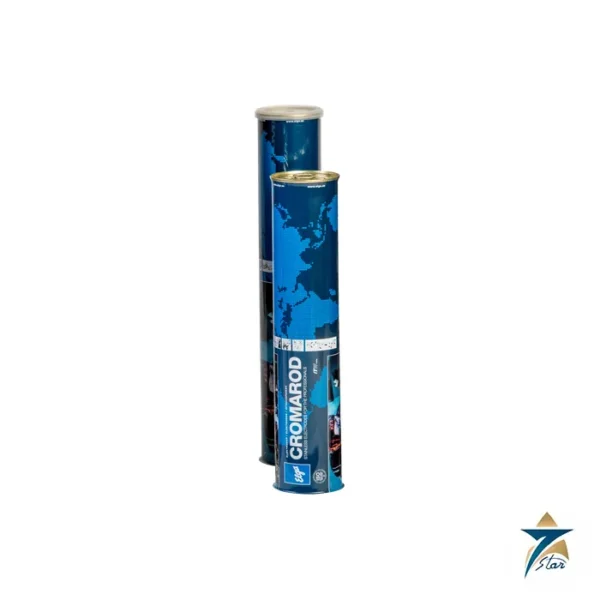
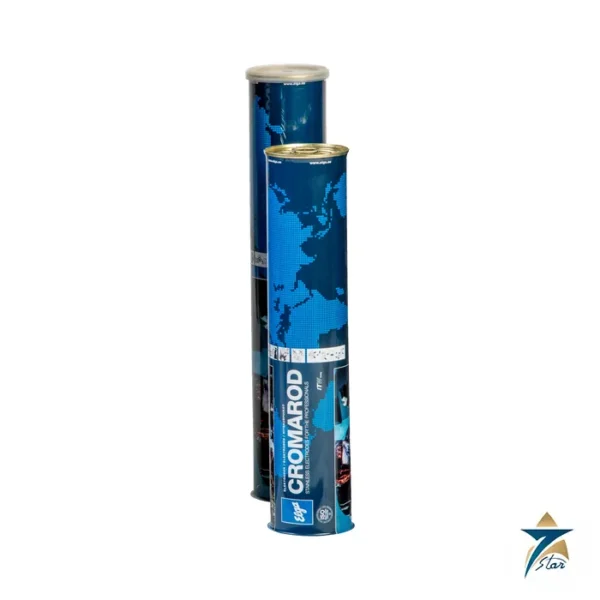
Elga Cromarod 309MoL E309MoL-17 Dissimilar Steel Electrode
Description
Rutile 23Cr-12Ni-2.5Mo electrode for dissimilar and buffer-layer joints
The Elga Cromarod 309MoL is a rutile flux-coated stainless electrode classified AWS A5.4 E309MoL-17 and EN ISO 3581-A E 23 12 2 L R 32. It deposits an austenitic weld metal of about 23% chromium, 12% nickel and 2.5% molybdenum with a ferrite number of about 20 (WRC-92). Elga explains that the high alloy content and ferrite level let the weld metal tolerate dilution from dissimilar and difficult-to-weld materials without hot cracking or brittle structures.
Technical specifications
| Parameter | Specification |
|---|---|
| Manufacturer / product | Elga / Cromarod 309MoL |
| Process | SMAW stainless, rutile coating |
| AWS classification | A5.4 E309MoL-17 |
| EN ISO classification | 3581-A E 23 12 2 L R 32 |
| Welding current | AC (OCV above 39 V), DC + |
| Redrying | 350 °C for 2 h |
| Scaling temperature | Approx. 1000 °C in air |
| Ferrite number | FN 20 (WRC-92) |
| Weld metal chemistry, typical % | C 0.02, Si 0.8, Mn 0.8, P 0.02, S 0.02, Cr 22.8, Ni 12.8, Mo 2.4, Cu 0.02 |
| Weld metal chemistry, range % | C 0.03 max, Mn 0.5-2.0, Cr 22.0-25.0, Ni 12.0-14.0, Mo 2.0-3.0, Cu 0.5 max |
| Yield strength Re (typical, as welded) | 555 MPa |
| Tensile strength Rm (typical) | 680 MPa |
| Elongation A5 (typical) | 33% |
| Impact energy CV (typical) | 50 J at -20 °C |
| Approvals listed | CE, TUV, DB 30.042.03, DNV, ABS, RINA, RMS, NAKS |
| 2.0 x 300 mm | 35-60 A, 26 V |
| 2.5 x 300 mm | 40-80 A, 27 V |
| 3.2 x 350 mm | 80-120 A, 28 V |
| 4.0 x 350 / 450 mm | 100-160 A, 29 V |
| 5.0 x 450 mm | 150-220 A, 30 V |
Applications named by Elga
The data sheet lists four uses: dissimilar joints between stainless steel and mild, low-alloy or medium-carbon steel; buffer layers on mild and low-alloy steel before overlaying with Cromarod 316L; interface runs in 316L clad steel; and joining medium-carbon hardenable steels such as armour plate. After surfacing carbon steel with two layers, Elga states that the corrosion resistance is about the same as 316L material.
Why the molybdenum and ferrite matter
When stainless filler is deposited on carbon steel, iron from the base metal dilutes the weld and pulls the composition toward martensitic or low-ferrite structures that crack. Starting from an over-alloyed 309-type deposit leaves enough chromium and nickel after dilution to stay austenitic with a controlled ferrite content. The 2.5% molybdenum adds pitting resistance, so a single buffer layer can serve as the base for a 316L cover pass in chemical service.
One limitation to note: the data sheet states that the AWS classification and ABS approval apply to diameters up to 3.2 mm and are not valid for 4.0 mm and above. Also keep in mind the 350 °C, two-hour redrying temperature, which is much higher than for carbon steel rutile types. Our Elga Cromarod Duplex page is a related stainless option for a different alloy family.
How the Elga Cromarod 309MoL electrode works
When stainless steel filler is deposited on carbon steel, iron from the base metal mixes into the weld and dilutes the chromium and nickel. If the weld metal has too little of them, it can turn hard and brittle and crack. The Cromarod 309MoL deposits about 23 percent chromium, 12 percent nickel and 2.5 percent molybdenum, with a ferrite number of about 20. This over-alloyed weld metal keeps enough chromium and nickel after dilution to stay austenitic with some ferrite, and the ferrite helps prevent hot cracking. The rutile coating gives a stable arc and a smooth bead.
Where Cromarod 309MoL is used
- Dissimilar joints between stainless steel and mild, low-alloy or medium-carbon steel.
- Buffer layers on mild and low-alloy steel before overlaying with Cromarod 316L.
- Interface runs in 316L clad steel.
- Joining medium-carbon hardenable steels, such as armour plate.
Selection checklist for Cromarod 309MoL
- Classification: AWS A5.4 E309MoL-17 and EN ISO 3581-A E 23 12 2 L R 32.
- Welding current: AC with an open circuit voltage above 39 V, or DC positive.
- Diameter and length: from 2.0 x 300 mm up to 5.0 x 450 mm.
- Current range for each diameter, such as 100 to 160 A for 4.0 mm.
- Typical strength as welded: yield 555 MPa, tensile 680 MPa, elongation 33 percent.
- Impact energy of 50 J at -20 degrees C.
- Approvals listed on the data sheet, such as DNV, ABS, TUV and RINA.
- Welding position and the thickness of the parts.
Welding, drying and handling notes
Redry the electrodes at 350 degrees C for two hours if they have taken up moisture, and keep them in a dry holder at the work place. Clean the joint, keep a short arc and use stringer beads, because high heat input can raise dilution. After two layers on carbon steel, the surface has about the same corrosion resistance as 316L material, according to the maker. Follow the welding procedure for the preheat and the interpass temperature.
Requesting a quotation for the Elga Cromarod 309MoL
Send the diameter, the quantity and the base materials to be joined. Seven Star LLC serves industrial customers in Oman and the GCC and replies with a quotation based on the information provided.
What dilution means
Dilution is the share of base metal in the weld. A higher dilution lowers the alloy content of the weld, so a filler with extra alloy is chosen for carbon steel.
Buffer layers before overlay
A buffer layer of this electrode on carbon steel makes a base for a later 316L overlay, which then keeps its full corrosion resistance.
Records and procedures
Keep the batch number, the procedure and the welder qualification with the weld records.
Planning a Cromarod 309MoL purchase
A useful enquiry lists the two base materials to be joined, their thickness, the welding position and the current source in the workshop. It also states the diameter wanted and whether approvals from a classification society are needed. The supplier can then check the pack size and the data sheet for the job.
Ferrite and hot cracking
A ferrite number near 20 gives a good margin against hot cracking when the weld metal is diluted. That is why this type is widely used as a first layer on carbon steel.
Storage of electrodes
Keep unopened packs in a dry store. Once opened, use a heated holder or oven, and redry according to the data sheet if the coating has taken up moisture.
Documents and quotation
The Elga Cromarod 309MoL product data sheet is attached to this page for download. Related consumables are listed in our Welding Electrodes category.
For a quotation, send the diameter or size, pack type, quantity and any certificate or approval requirement.
Datasheets & Documents
- Datasheet Elga Cromarod 309MoL product data sheet (rev. 24) Download
Reviews (0)
How would you rate this product? Cancel reply
About brand
Elga is a Swedish maker of welding consumables, established in Gothenburg in 1938 by Carl Alfredson as AB El & Gassvetsning, a family company building electric and gas welding equipment for Swedish industry. Coated electrodes followed in the 1940s and stainless steel electrodes and welding wires after the move to Partille in the 1980s. Elga has been part of Illinois Tool Works (ITW) since 2000.
Seven Star LLC is an independent supplier in Muscat. We list Elga electrodes and wires for fabrication shops and maintenance teams in Oman and the GCC.
Elga company profile
| Founded | 1938, Gothenburg, Sweden, by Carl Alfredson |
|---|---|
| Original name | AB El & Gassvetsning |
| Production | Partille, Sweden |
| Ownership | Illinois Tool Works (ITW), since 2000 |
| Product families | P48S and Maxeta mild steel electrodes, Cromarod stainless steel electrodes, Elgacore and Elgacore MATRIX flux-cored wires, Cromacore stainless cored wires, Elgamatic and Cromamig solid wires, TIG rods |
Milestones
- 1938: Carl Alfredson founds the company in Gothenburg.
- 1940s: Elga begins making coated electrodes.
- 1980s: Production starts at Partille, including stainless electrodes.
- 2000: Illinois Tool Works acquires Elga.
Elga product series
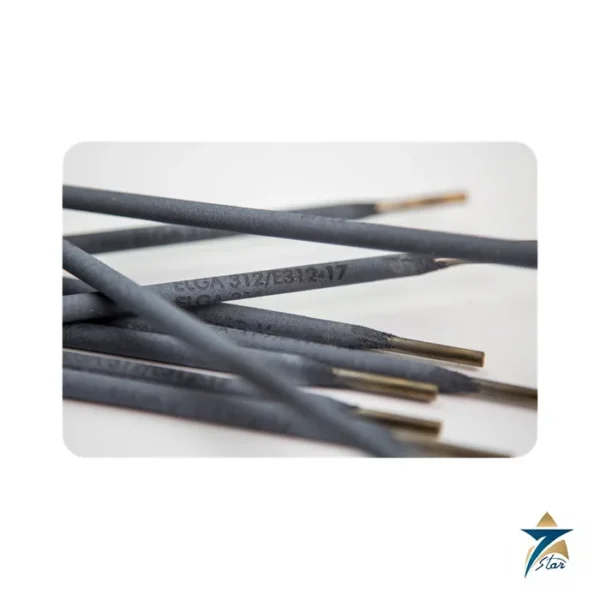
Cromarod stainless electrodes include the Duplex E2209-17, the 316LP E316L-17 pipe electrode, the 312 E312-17 and 309MoL E309MoL-17 dissimilar steel electrodes and the Cromarod 82 ENiCrFe-3 nickel alloy electrode.
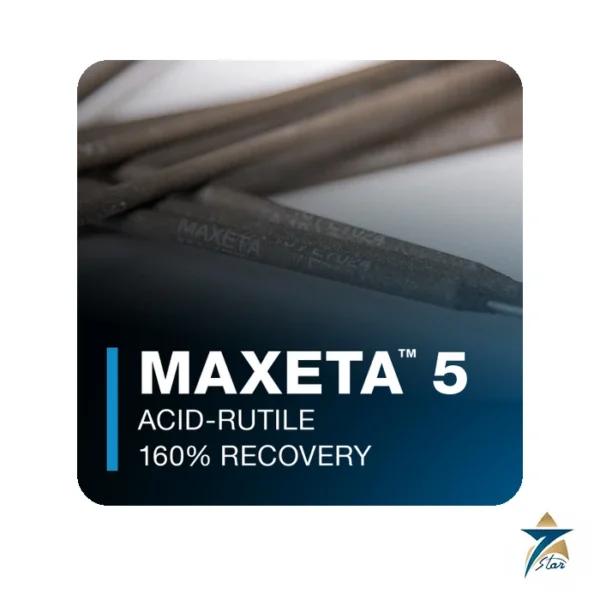
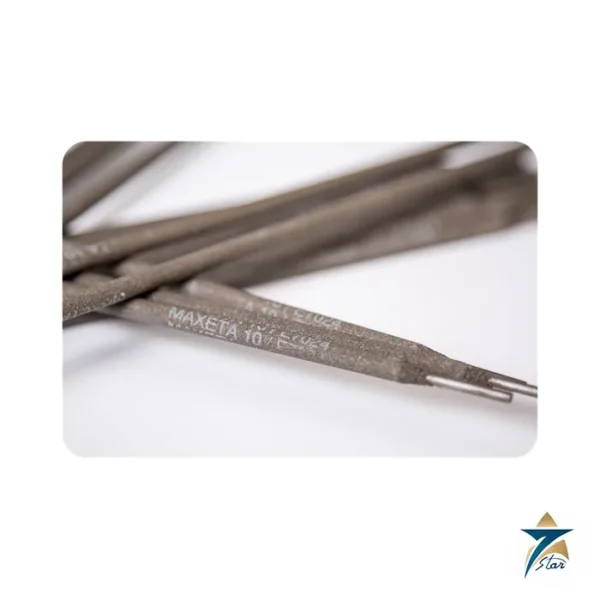
Mild steel electrodes include the Maxeta 10 and Maxeta 11 E7024 high-recovery rutile electrodes and the Maxeta 5 E7027 acid-rutile electrode. The Megafil 710 M is an E70C-6M seamless metal-cored wire.
Electrodes are chosen by base metal and joint: E2209 for duplex stainless, E316L for molybdenum-alloyed stainless pipe, E309MoL and E312 for joining stainless to carbon steel and for buffer layers, and ENiCrFe-3 for nickel alloys and difficult dissimilar joints. E7024 rutile electrodes give high deposition rates in flat and horizontal fillet welds, and E7027 suits deep penetration flat welding.
Where Elga consumables are used
Welding of stainless, duplex and nickel alloy piping and vessels, joining dissimilar steels, repair work, and high-productivity fillet welding on structural steel.
Elga products we list
Ordering Elga consumables: what we need
Send the product name and AWS classification, diameter, package and quantity, plus any certificate required.
Facts checked against Elga's own company history material, October 2026.
Browse Elga products by category: Welding Electrodes, Flux-Cored Welding Wire.
FAQ
Questions about the Elga Cromarod 309MoL E309MoL-17 Dissimilar Steel
Answers from our engineering team on installation, compatibility and integration.
01What is the classification of Elga Cromarod 309MoL?
AWS A5.4 E309MoL-17 and EN ISO 3581-A E 23 12 2 L R 32.
02What is the weld metal composition?
About 22.8% Cr, 12.8% Ni and 2.4% Mo, with a ferrite number of about 20.
03What is it used for?
Dissimilar stainless to carbon or low-alloy steel joints, buffer layers and interface runs in 316L clad steel.
04How is it redried?
350 °C for 2 hours.
05Does the AWS classification cover all diameters?
No. Elga states it is valid up to 3.2 mm, not for 4.0 mm and above.


Reviews
There are no reviews yet.